
What the Ferrari Luce Teaches Us About Over-Designing a Legacy
Everyone focused on Ferrari’s backlash. Few noticed the order books. The Luce EV wasn’t just a polarizing product. It was a strategic filter designed to identify Ferrari’s next generation of buyers.
Quick answer:
Ferrari's Luce EV triggered a 6-8% stock drop and a CMO exit, yet sold out instantly in China and has orders stretching into 2027. The backlash was real. So was the strategy. This article decodes how Ferrari used a polarizing $640,000 car to filter its future customer base rather than please its existing one.
The Maranello Monolith
A billionaire named Jeffrey Cheng sent an email to his Ferrari sales manager that got screenshotted, forwarded, and weaponized across every automotive forum on the internet.
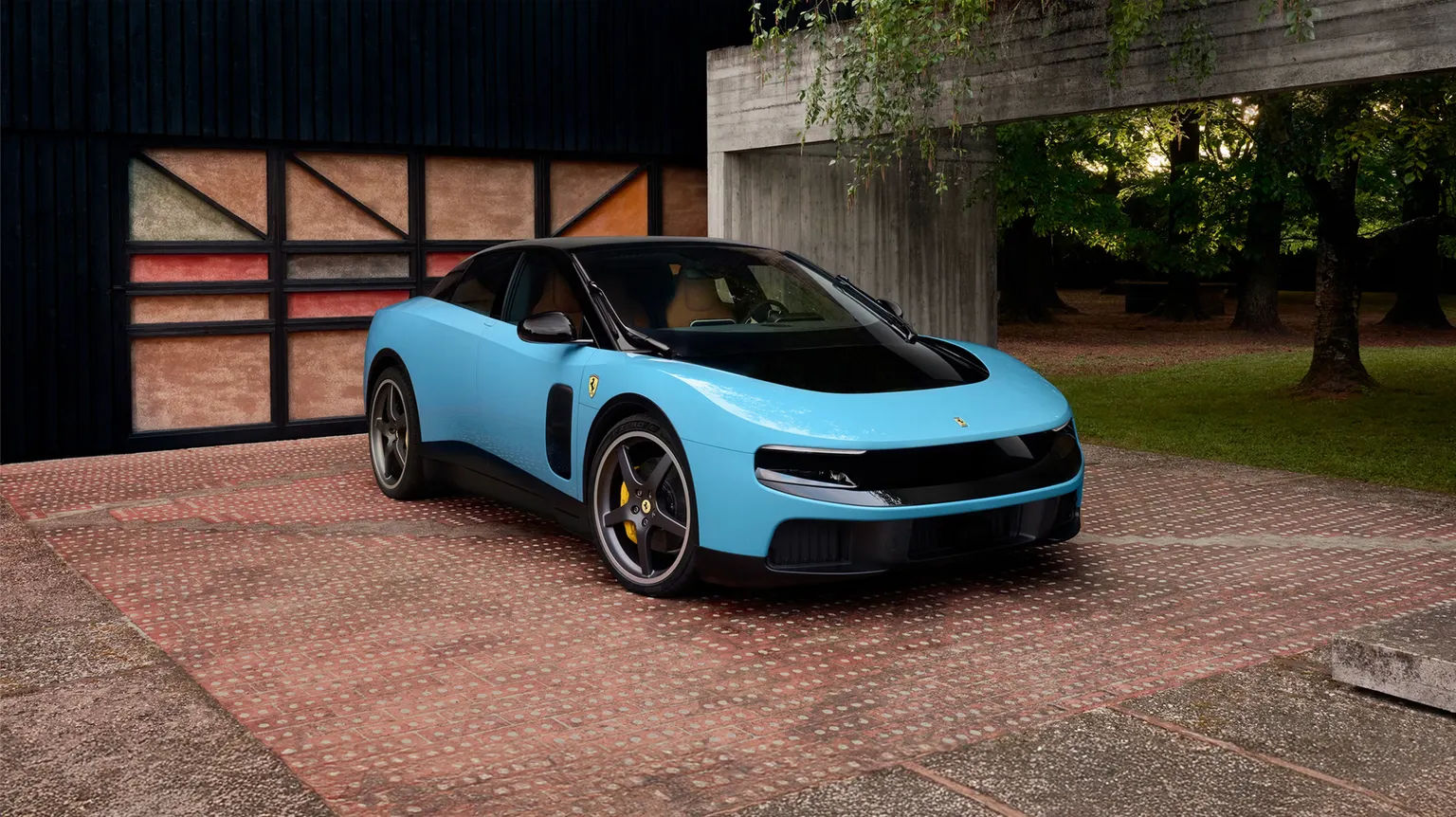
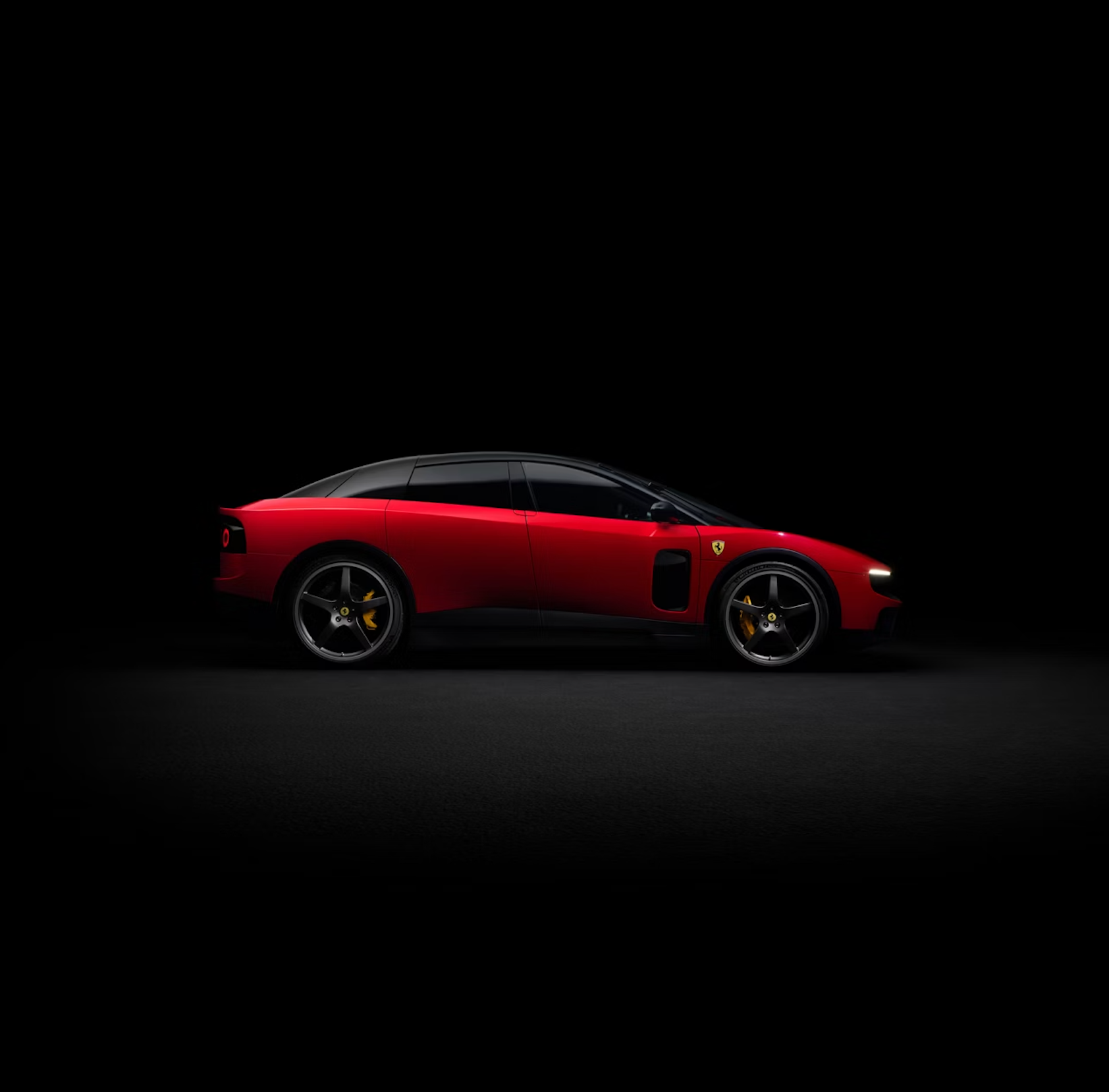
He called the Luce an "abomination" not worthy of a Kia badge. Former Ferrari chairman Luca di Montezemolo went further, demanding the Prancing Horse badge be removed from the vehicle entirely. The internet obliged with comparisons to a "luxury toaster" and a Waymo vehicle.
And then Ferrari quietly sold out its initial allocation in China.
The order books stretch well into 2027. The stock dropped 6-8% on reveal day. The Chief Marketing Officer of 16 years exited.
What follows is not a defense of the car. The car is genuinely strange. What follows is a breakdown of the marketing logic underneath the chaos, because there is one, and it is worth understanding.
The Day Jony Ive Walked Into Maranello and Deleted the V12
Ferrari built its entire identity on irrational drama. The V12. The low, violent silhouette. The sensation that the car is barely tolerating your presence inside it.
That identity is not incidental to the brand; it is the brand.
Every other luxury automaker knows this, which is why nobody else was willing to let Jony Ive and Marc Newson's creative collective, LoveFrom, touch their most emotionally loaded product line.
Ferrari did it anyway.
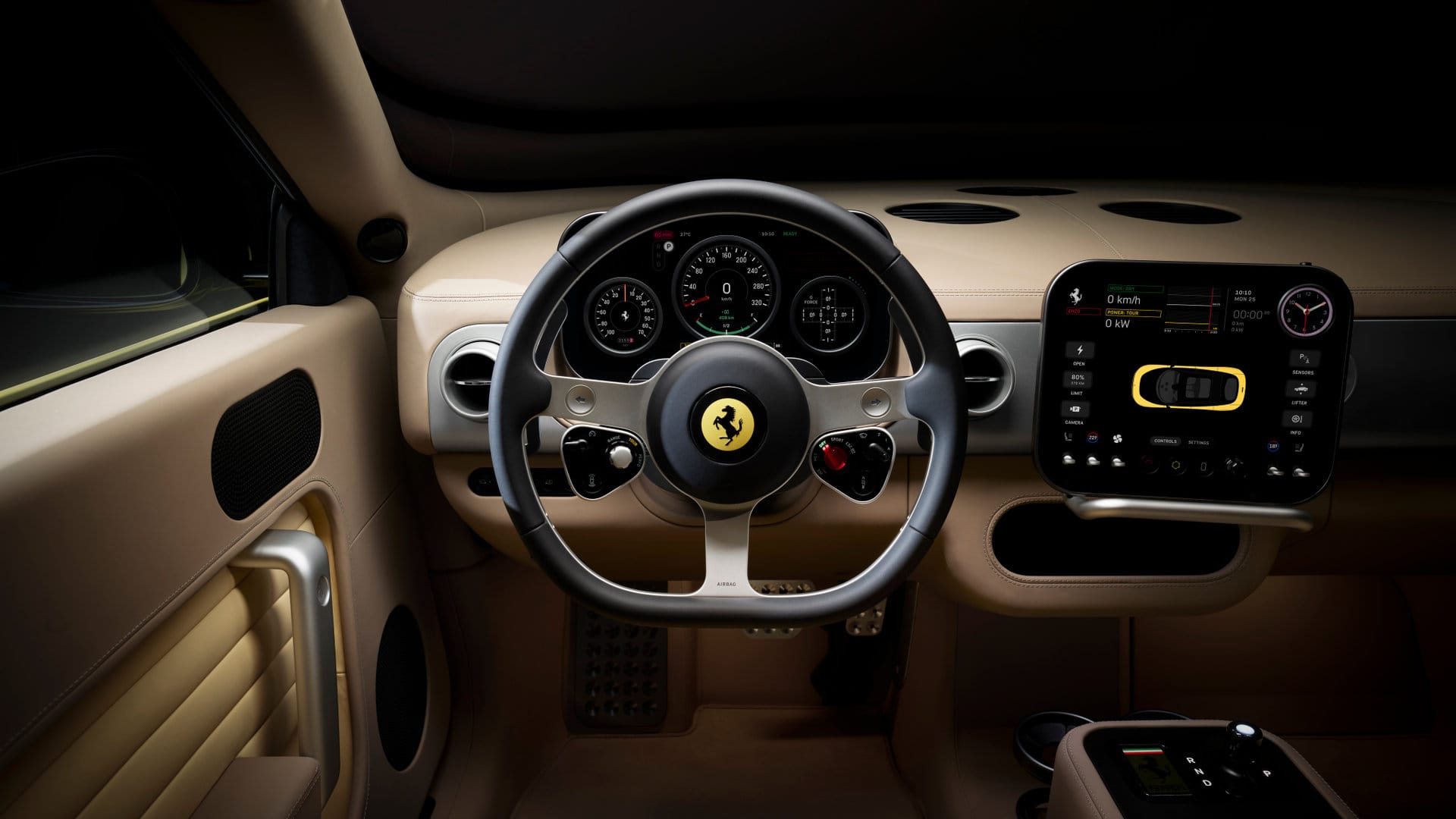
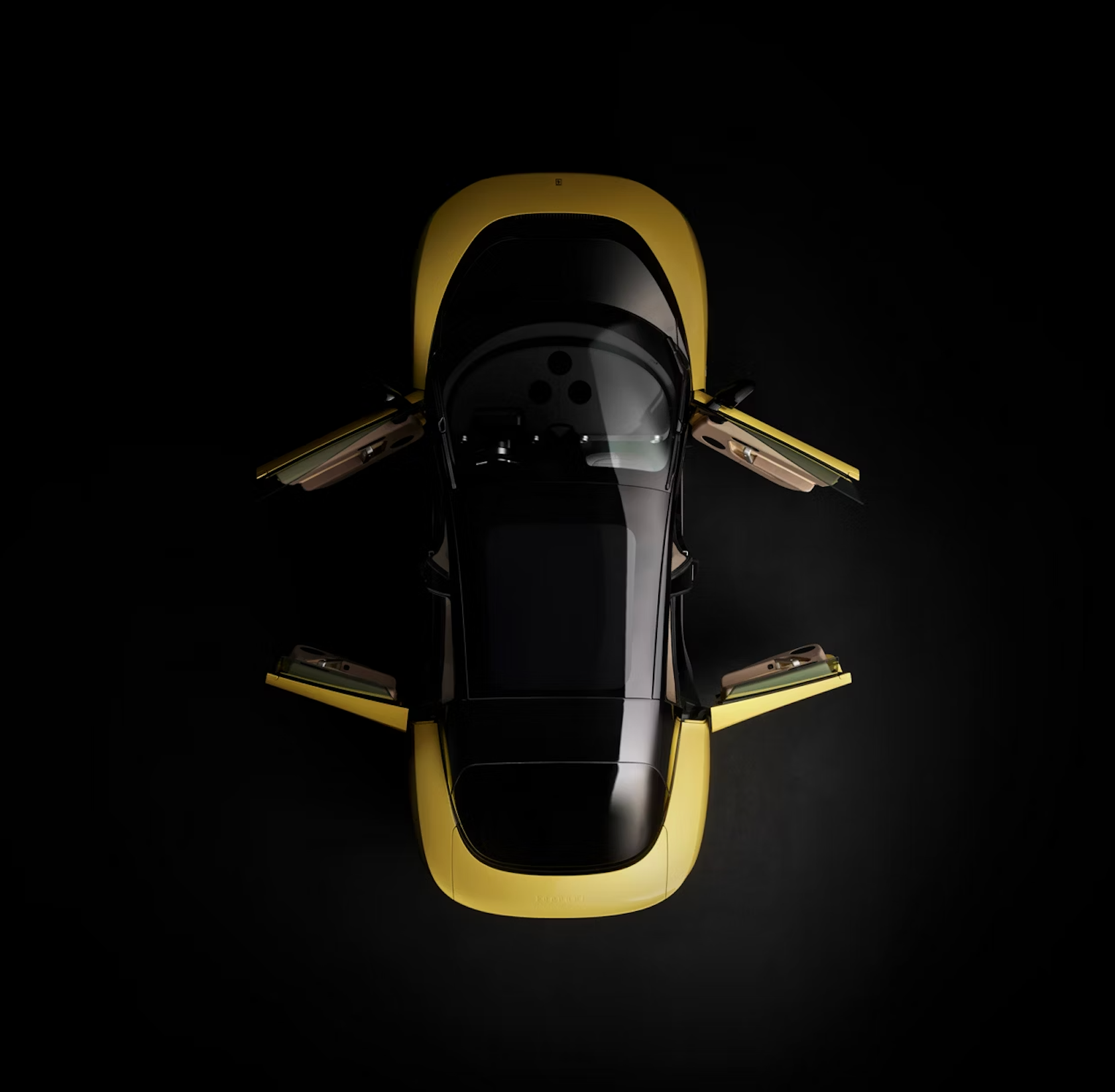
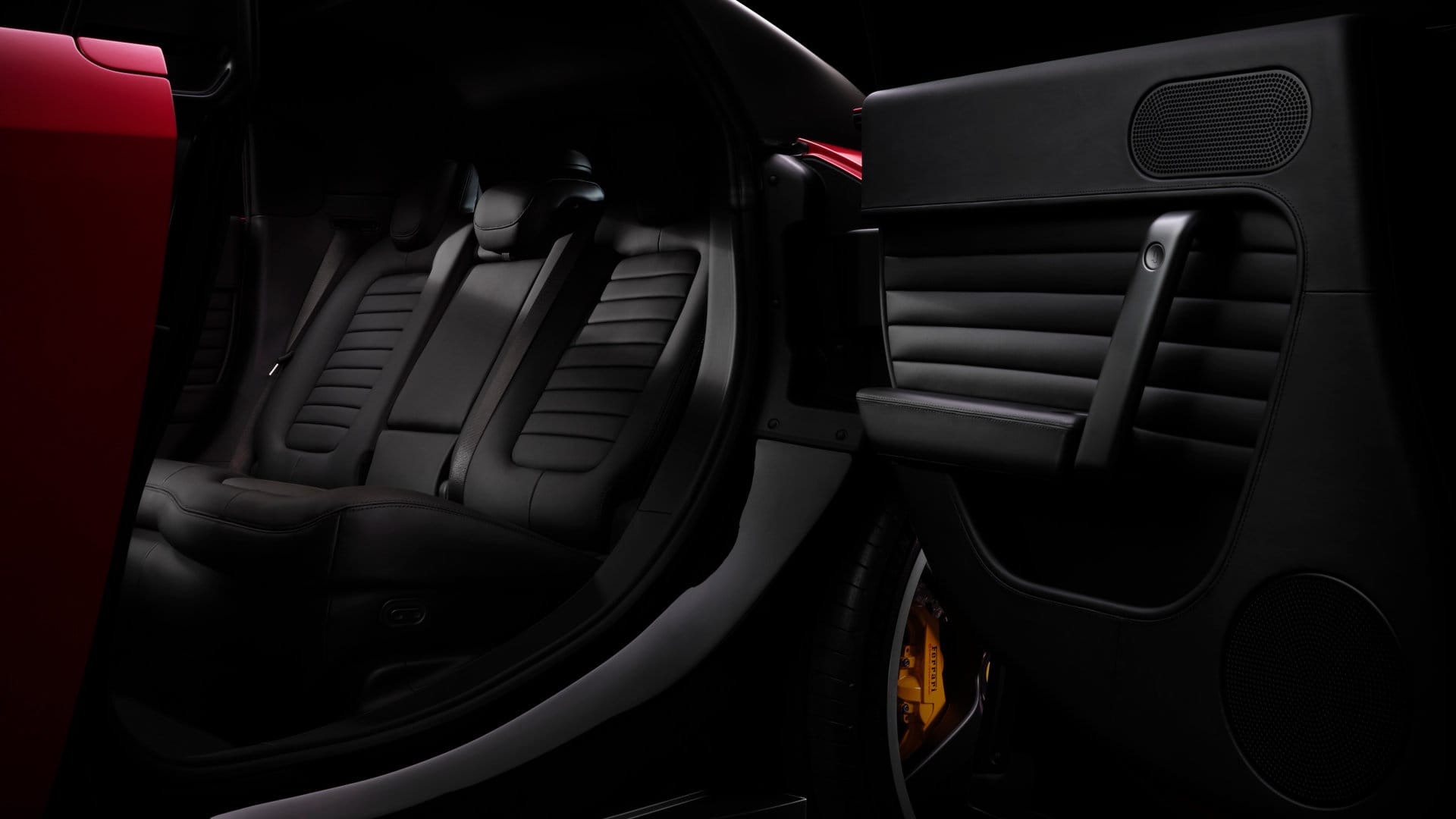
The Luce is a five-seater. It has a 600-liter trunk. Its silhouette is aerodynamically smooth rather than visually aggressive, engineered for a record-low drag.
Without the acoustic identity of a combustion engine, the design lost the experiential anchor that traditionally gave Ferrari its permission to be extreme. Strip away the exhaust note and you are left with a shape that needs to carry the full emotional weight on its own.
The Luce's shape did not do that for legacy buyers. It was never designed to.
The Anti-Screen Philosophy Nobody Noticed
Ferrari
Here is the detail the backlash almost completely buried.
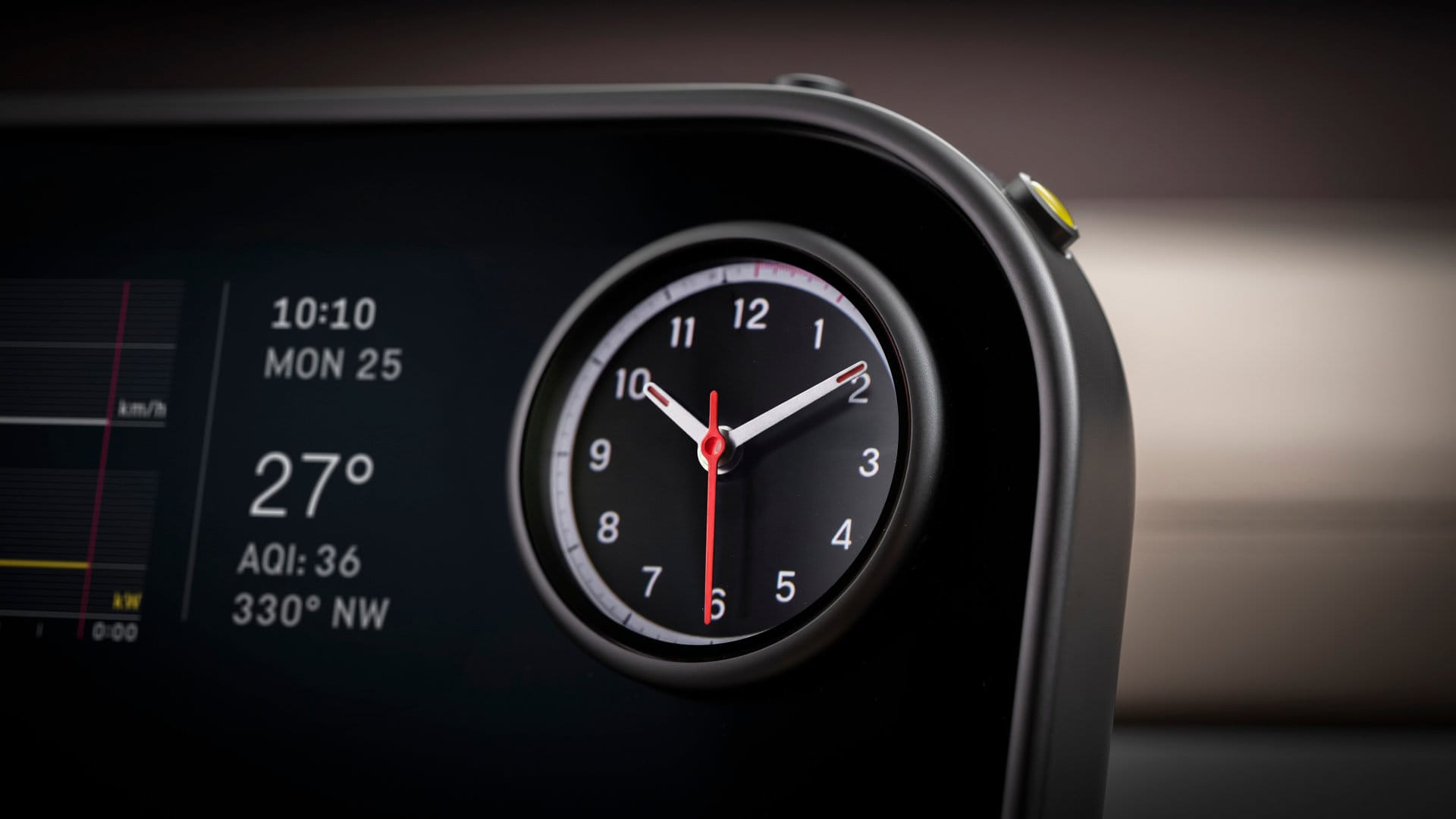
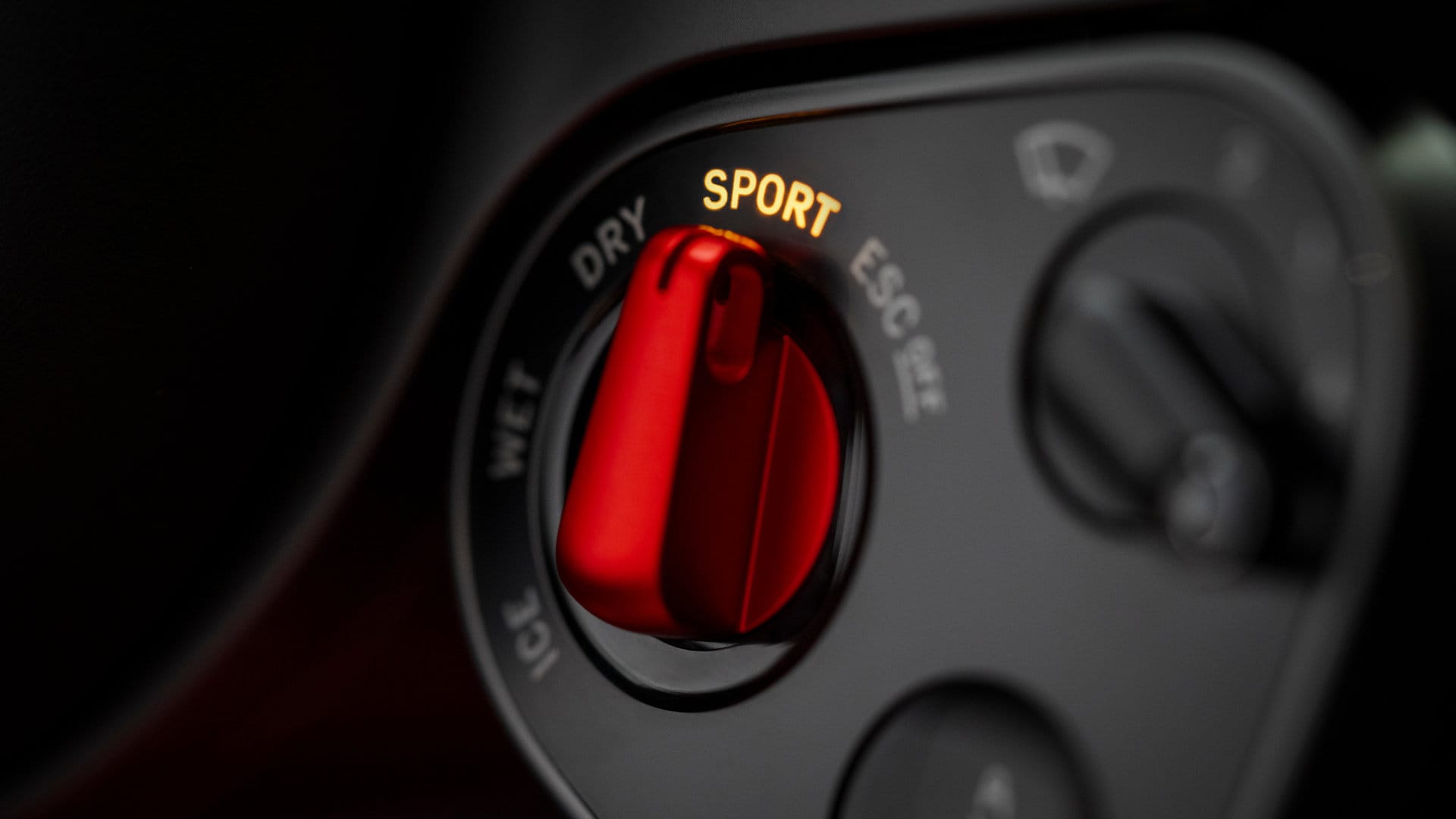
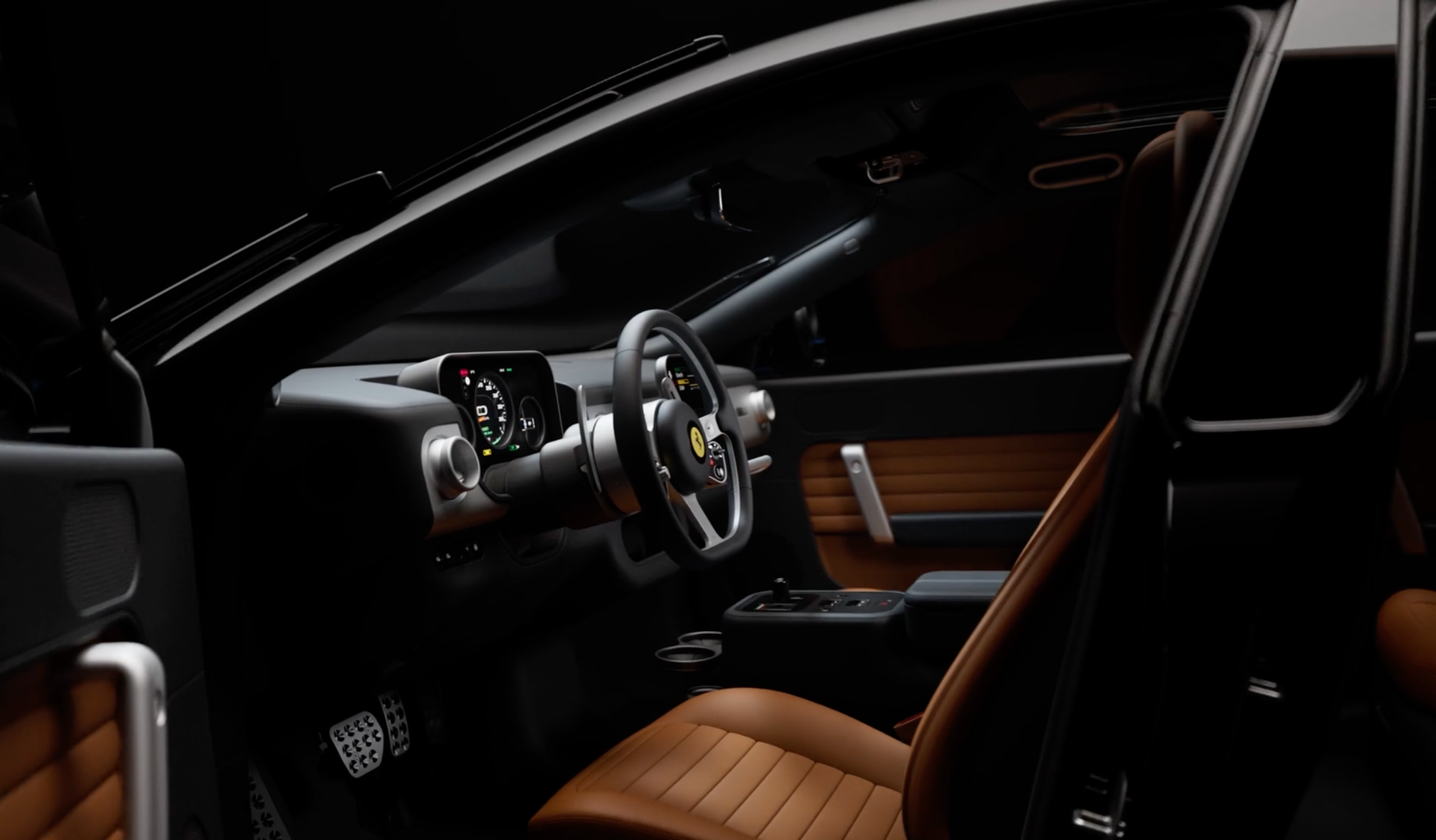
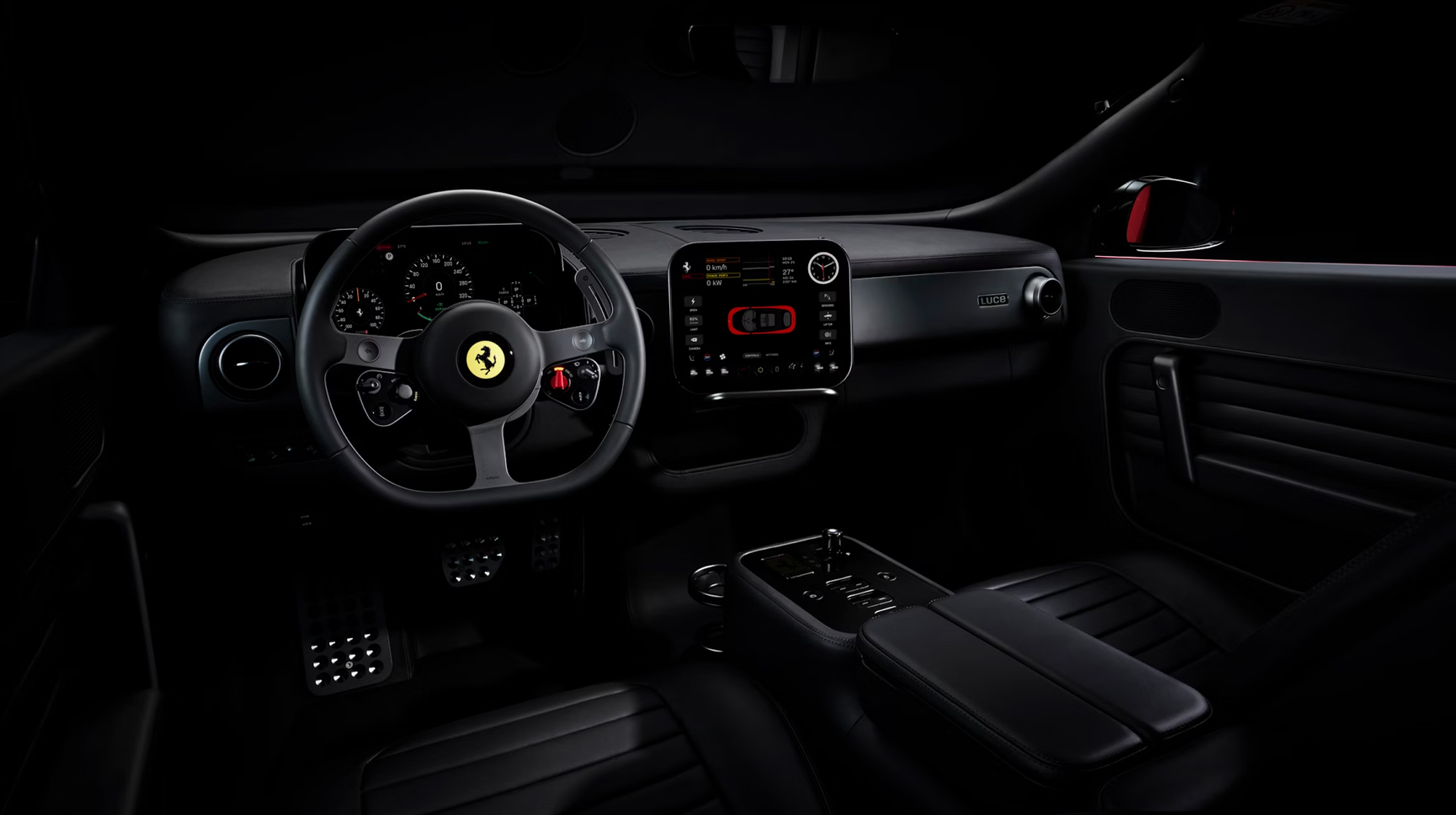
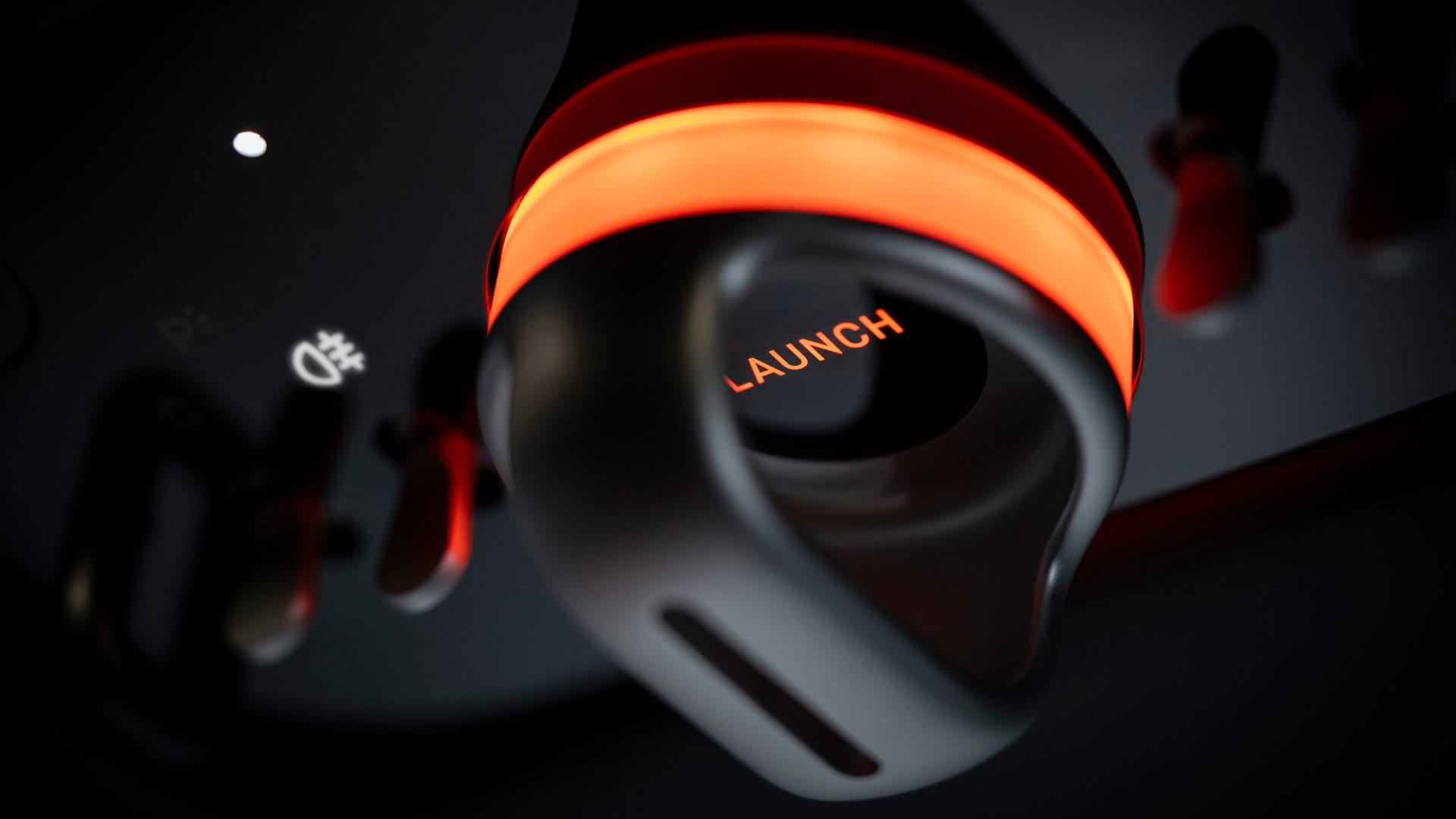
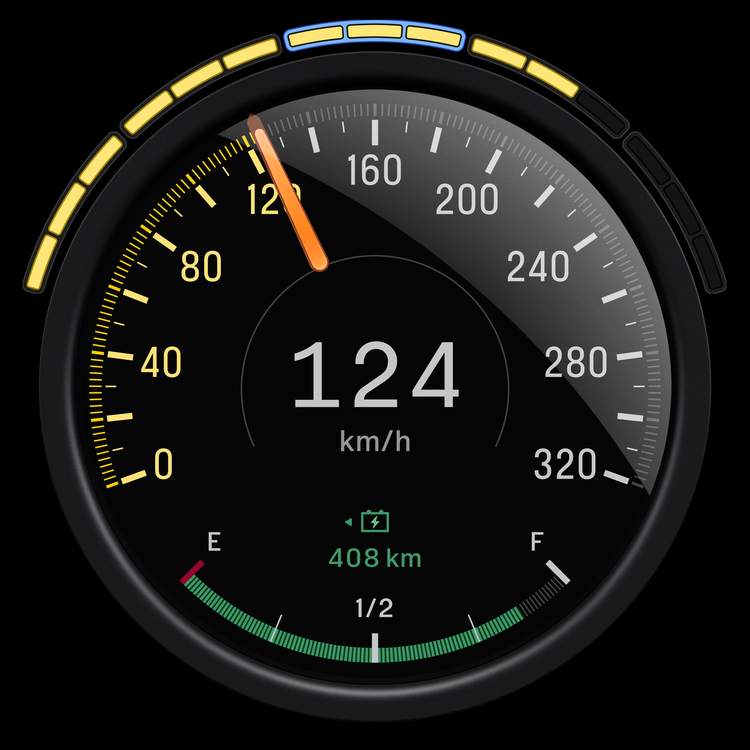
While critics were busy comparing the exterior to various household appliances, Ive and Newson were quietly executing one of the more interesting interior arguments in recent automotive design. The Luce's cockpit is dominated by physical, tactile switches rather than the enormous, featureless touchscreens that have become the default aesthetic of EV interiors everywhere else.
The man who helped define the modern touchscreen smartphone argued that screens do not belong in a luxury performance car. That is not a contradiction. That is a position. The argument is that true luxury lives in tactile, mechanical feedback, in the weight of a physical dial, in the resistance of an engineered button, not in a software menu that will look dated in three years.
The irony is that the interior received near-universal praise from the same critics who hated the exterior. Even Ive's detractors admitted that the no-screen decision was right. The purists who called the car an "Apple product on wheels" were, in one significant way, wrong about that. An Apple product on wheels would have had one giant screen and nothing else.
What Ive built was actually a counterargument to Silicon Valley's interpretation of luxury. It just got drowned out by the exterior controversy, which, in retrospect, may have been the point.
Trading Brand Purists for Capital Reality
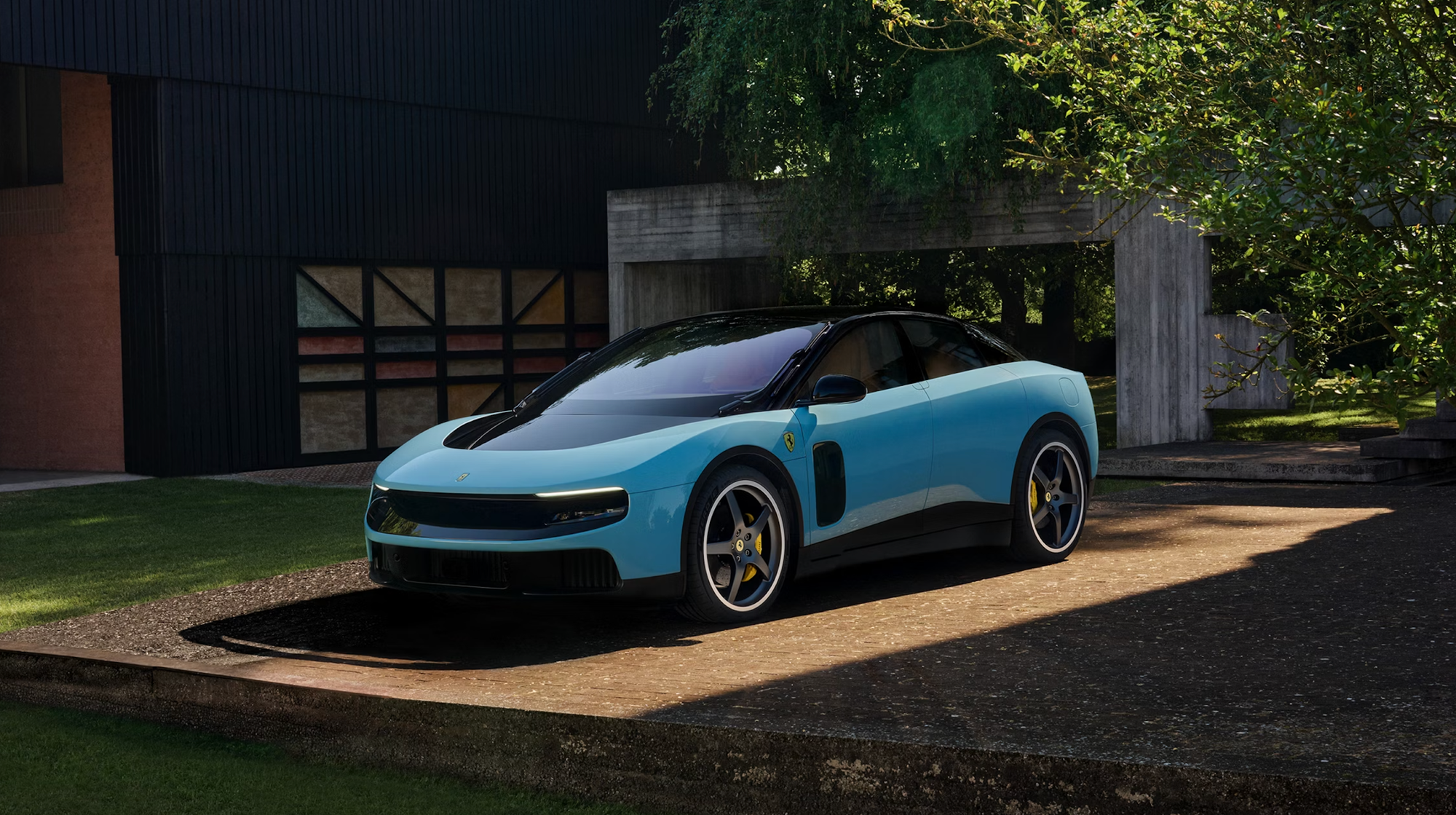
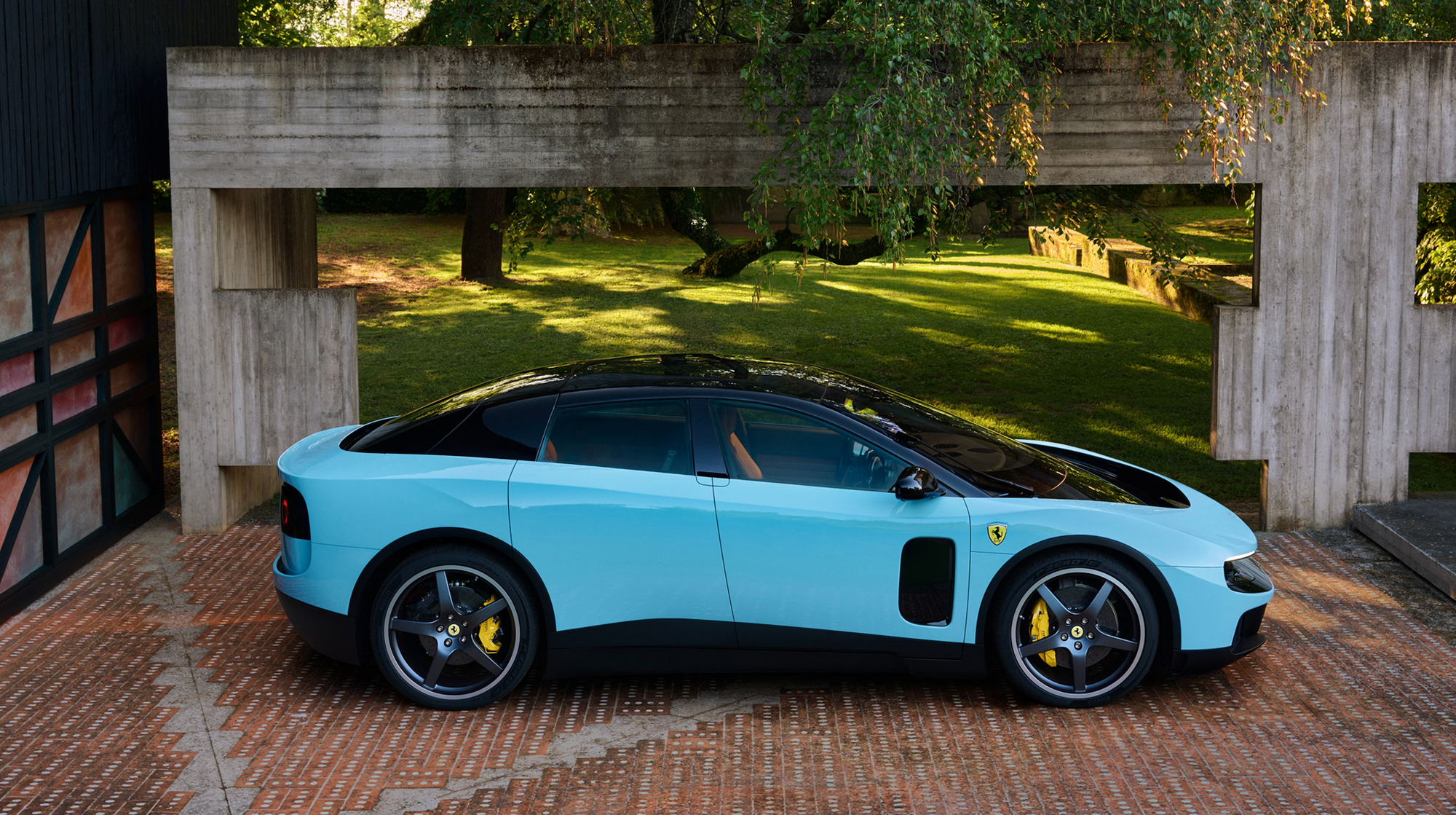
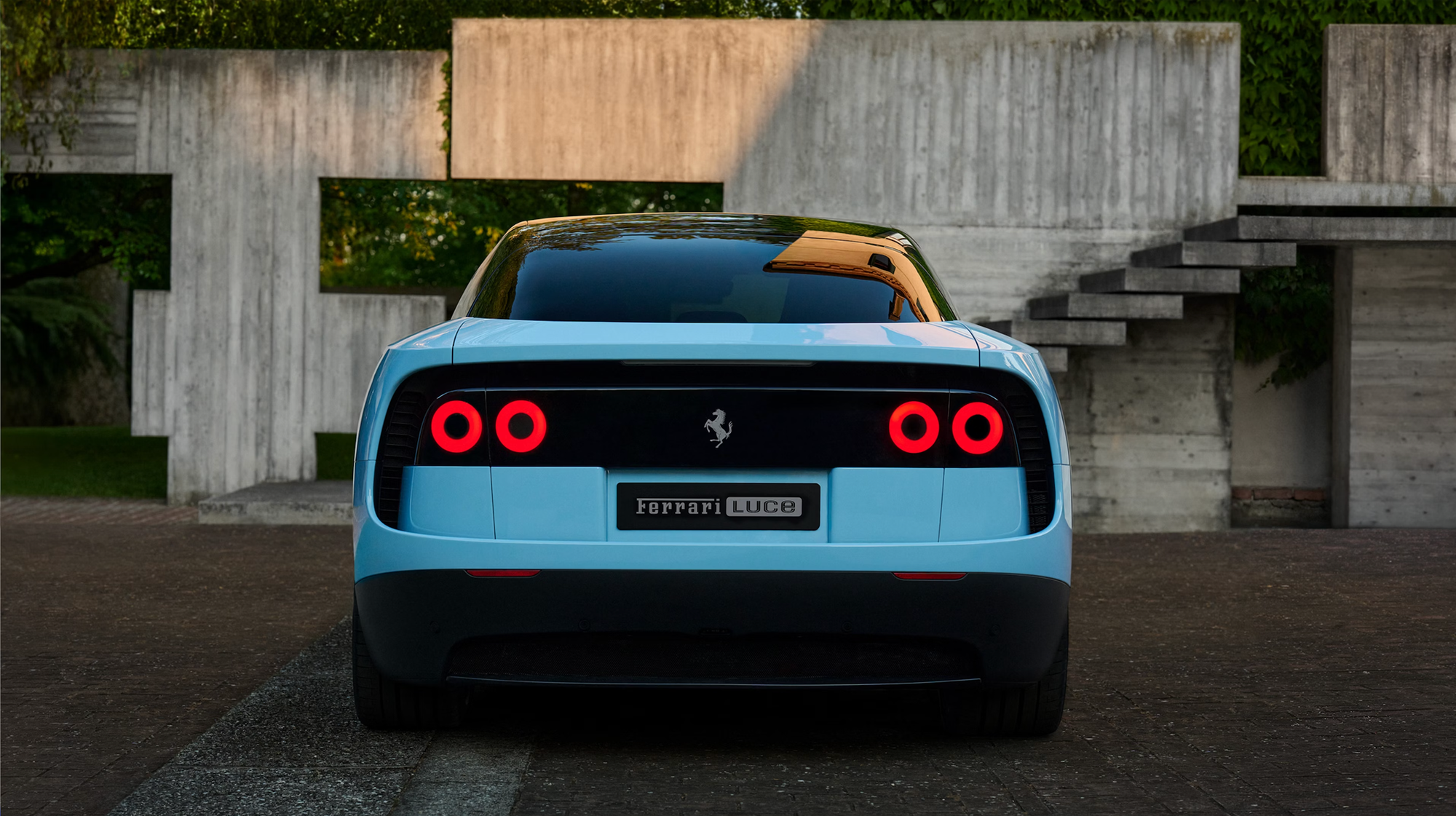
Ferrari
Let's look at who actually hated the Luce.
Legacy Ferrari collectors. Automotive traditionalists. High-net-worth individuals who buy Ferraris for the mechanical experience rather than the badge. People like Jeffrey Cheng, who is presumably very wealthy and very angry and not part of Ferrari CEO Benedetto Vigna's target demographic for this particular vehicle.
Ferrari's existing sports car buyers are deeply loyal to a specific kind of product. That loyalty is valuable, and Ferrari knows it. Ferrari also knows that those buyers are not going to purchase a $640,000 family EV regardless of what it looks like.
By leaning into Silicon Valley minimalism rather than trying to create an electric version of a traditional Ferrari, Vigna made a calculated choice to stop fighting for approval from people who were never going to buy this car and start speaking directly to the people who would.
Tech-wealthy buyers in China and across Asia who have grown up with Apple's design language as a marker of premium quality. Multi-generational wealthy families who want a car that signals sophistication without aggression. A new demographic of ultra-rich buyers who have no emotional attachment to the V12 era but have very strong opinions about material quality and design restraint.
The Luce sold out instantly in China. That is not an accident of geography. That is the signal that shouldn’t be missed.
The Friction Filter: What Every Brand Can Steal From This
There is a strategic pattern underneath this specific Ferrari story that applies well beyond the automotive industry.
Play 1: Use polarization as a selection mechanism.
When a brand launches something genuinely divisive, the backlash reveals exactly who feels ownership over the brand's identity. Ferrari now has a remarkably clear map of which customers are attached to the V12 experience and which customers are attached to the badge.
Those are two different customer bases, and they require different products, different pricing, and different communication strategies. The Luce did not create that split. It exposed it.
Play 2: The luxury always lives in whatever is scarce.
Every major EV manufacturer is currently building interiors around large touchscreens. Screens are free, in relative terms. Physical, precision-engineered mechanical controls are expensive, slow to produce, and difficult to get right. Ive went to the harder, scarcer option.
When a category converges on a single aesthetic solution, the premium positioning shifts to whoever refuses to converge. That is what "counter-trend differentiation" looks like in practice, and Ferrari executed it in a category where everyone else was pointing the same direction.
Play 3: Social media backlash is a trailing indicator, not a leading one.
The stock dropped 6-8% on reveal day. The CMO left. The internet memed the car into oblivion. The order books filled through next year. Anyone watching only the cultural noise made the wrong call on the commercial reality. The noise told one story; the capital told a different one. Serious brand strategists need to know which one to read.
What Ferrari Actually Got Wrong
Ferrari
None of this means Ferrari executed flawlessly.
The CMO's exit after 16 years is not a minor footnote. It suggests the internal communications around this launch were poorly managed, that stakeholders were not aligned before the public reveal, and that the gap between strategy and communication was wide enough to cost Ferrari a senior leader with deep institutional knowledge.
A pivot this significant required internal narrative coordination before it required external presenting the new design to the public. Ferrari apparently skipped the first step.
The exterior design also fails to give legacy buyers a graceful exit. A brand can migrate its customer base without humiliating the people it is leaving behind.
The Luce gave traditionalists nothing to hold onto, no thread of visual continuity, no acknowledging nod to the design lineage. That is not strategically necessary. It reads as either oversight or contempt, and neither of those is a good look on a company that still needs its legacy buyers to purchase its other products.
The strategy was sound. The execution was sharp in some places and careless in others.
What Actually Happened Here
Ferrari
Ferrari used a $640,000 electric car to run a loyalty stress test on its own customer base, and the results told them exactly what they needed to know about who their future buyer is.
The people who are willing to spend that amount of money on a five-seater EV from a brand historically associated with two-seat combustion engines are signaling something specific about their relationship with the brand.
They are buying the badge, the exclusivity, and the access to future allocations. They are not buying a driving experience. That is a different customer, with a different set of motivations, who will respond to a different kind of product development.
The old-world purists who called the car an abomination made Ferrari's segmentation work for free.
When a legacy brand deliberately breaks its own rules at this price point, with this level of public exposure, and this much cultural attention, it is not a miscalculation. It is an audience migration strategy dressed up as a product launch.
The Prancing Horse is still on the car, Chairman Montezemolo's objections notwithstanding. Ferrari just decided to take it somewhere new.
💡 OffLabel-021 | The Friction Filter
Diagnosis: Brands entering new markets often dilute their offering in an attempt to satisfy both existing customers and future buyers. The result is a product that clearly belongs to neither audience. Polarization, when intentional, can function as a filter rather than a failure.
Prescription: Design category-defining products for the customer you want next, not the customer who made you successful. Let backlash reveal where genuine loyalty ends and where future demand begins. Measure order books before opinion polls.
Strategic Medication: Audience Migration, Friction Filtering, Counter-Trend Differentiation [Provisional]

