
All Edge, No Room: How a Barbell Market Squeezes EDC Knife Makers
The EDC knife market is a barbell economy with five titans at the top, elite artisans at the other end, and hundreds of independent makers bleeding out in the middle. Here's why.
Quick Answer:
The EDC knife market operates as a barbell economy with five industrial titans dominating mass retail, a ghost class of elite custom makers selling investment art, and an overcrowded middle tier where hundreds of independent designers. Nearly all share the same factories, materials, and aesthetics are slowly bleeding out. Passion got them in. It won't get them out.
Scroll your Instagram feed for thirty seconds and count the titanium frame locks. Go ahead. I'll wait.
Somewhere between the seventh and tenth M390 flipper with carbon fiber inlays and a deep-carry clip, the blur sets in. Not because the knives are bad, many of them are genuinely excellent, but because they are indistinguishable. Same steel. Same lock. Same factory in Guangdong. Different logo on the pivot.
This is the EDC knife market in 2026: a hyper-fragmented ecosystem that looks from the outside, like a golden age of independent design. More makers. More steel choices. More colorways than a Pantone catalog. But beneath the surface, it's a barbell economy running a structural flaw that no amount of Timascus anodizing can fix.
On one end of the barbell: five industrial titans with global retail footprints, locked-in contracts, and supply chains that would survive a regional economic collapse.
On the other end: a ghost class of elite custom makers who operate outside market gravity entirely, selling scarcity as a luxury product to collectors who treat a blade like a Rolex Daytona rather than a cutting tool.
In the middle: The wide, bloated, unstable center of the barbell. It sits a graveyard of passionate independent designers fighting a war they didn't know they'd entered.
This piece is about that middle. Why it formed, why those knife makers struggle, and what a maker would actually need to do to walk out the other side.
The Big Five: Why the Titans Don't Lose Sleep Over You

Name the major players and the list writes itself: Benchmade, Spyderco, Kershaw and its premium sibling Zero Tolerance, CRKT, and the WE Knife/Civivi empire, which quietly became the most interesting structural story in the market over the last five years.
These companies do not compete with independent mid-tier makers in any meaningful sense. The game they're playing is categorically different. Benchmade holds contracts with military and law enforcement units across the United States. Spyderco's hole is a registered trademark that doubles as a one-glance brand identifier visible from across a trade show floor. Kershaw sells knives at Walmart. Civivi has figured out how to deliver $60 knives with $150 fit-and-finish by running its own manufacturing infrastructure rather than outsourcing it.
The moat isn't product. It's scale, access, and decades of compounded brand equity. A new independent maker releasing a titanium flipper is not disrupting Benchmade. Benchmade isn't watching.
What the Big Five have, collectively, is the ability to absorb bad quarters, invest in automated production, and lock up retail shelf space before a mid-tier maker has finished their Kickstarter draft. Their weakness, a genuine one, is creative conservatism. They move slowly on design innovation because they have too much to protect. That gap is real. The problem is that the middle tier hasn't been able to exploit it cleanly.
The Ghost Class: Selling Scarcity as the Product
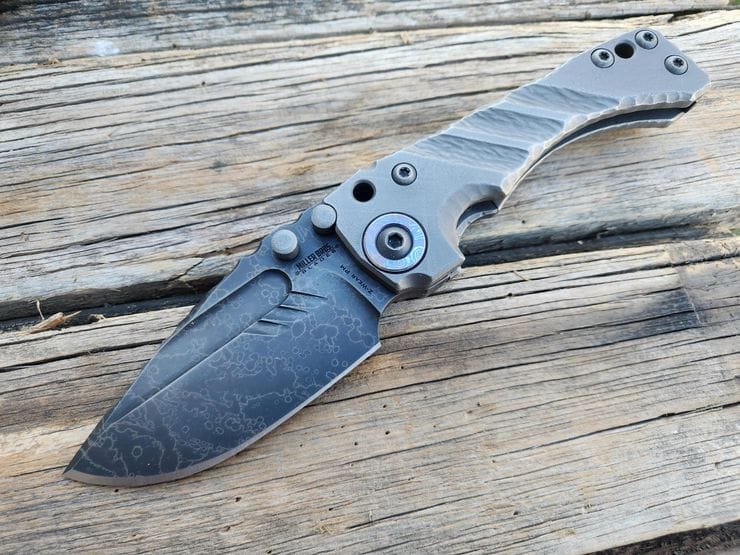
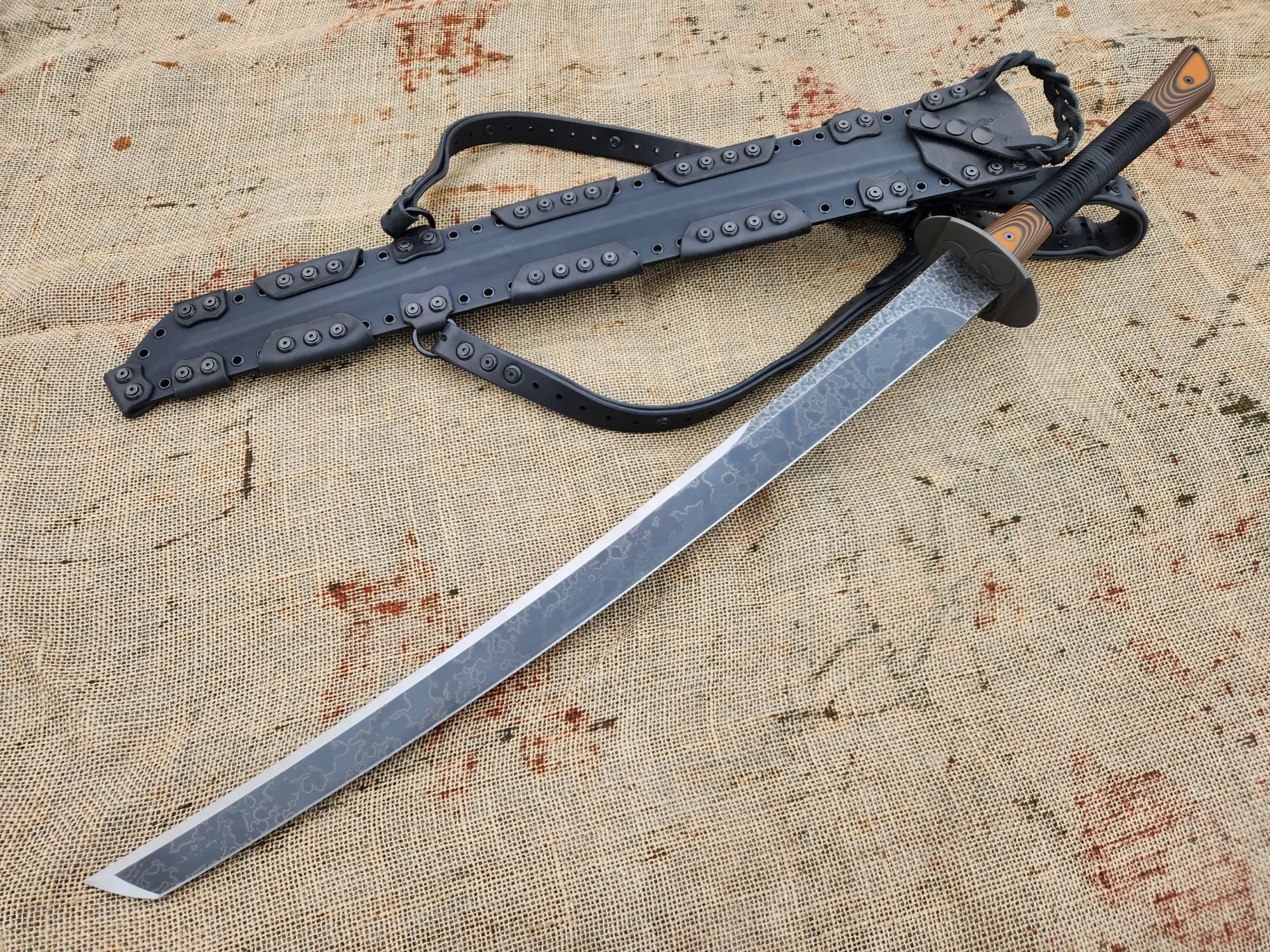
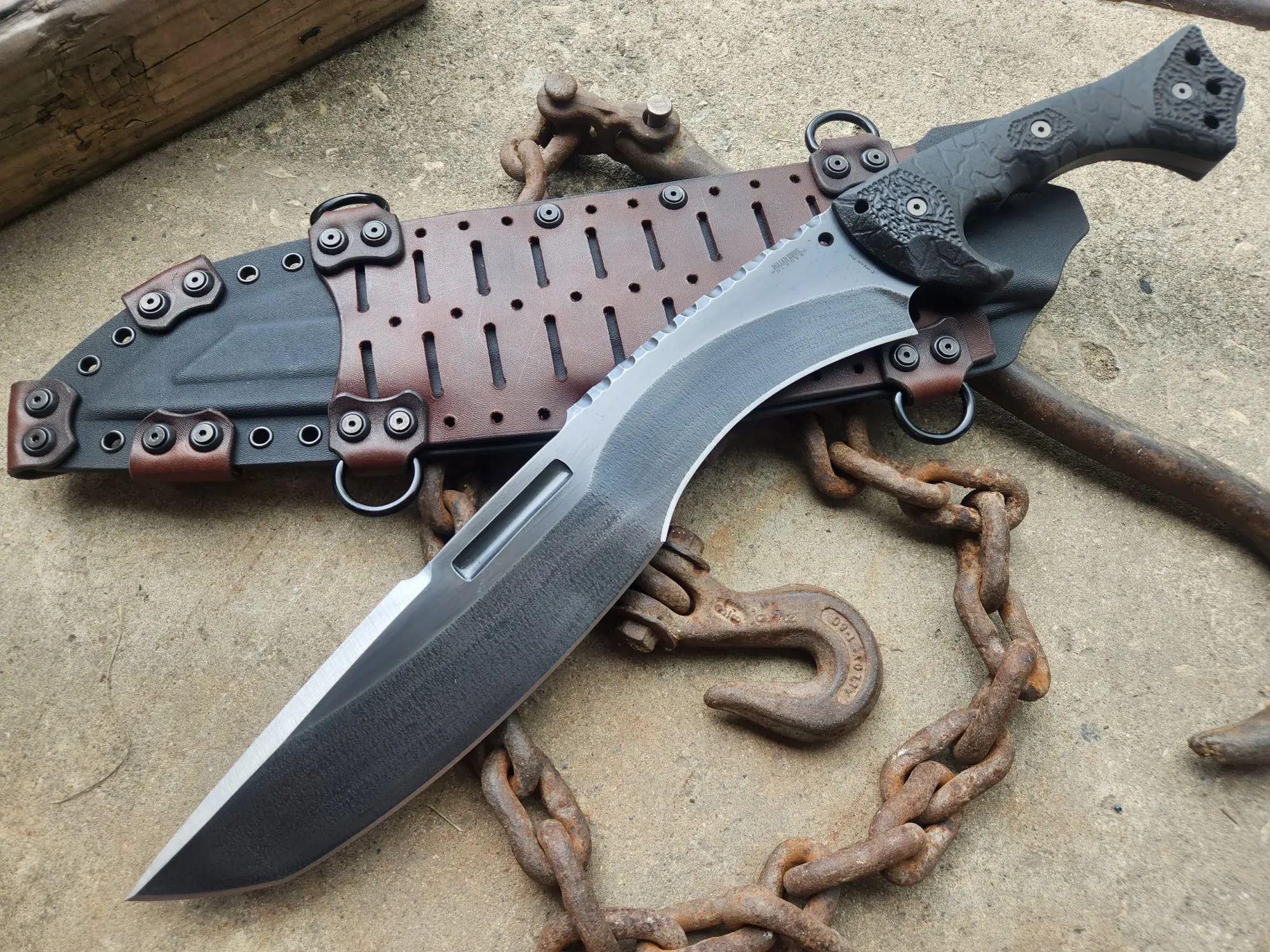
The offerings from Miller Bros. Blades
On the other end of the barbell lives a maker who hand-grinds three blades a year, announces availability via Instagram lottery, and closes the waitlist before most collectors even see the post. Knifemaker Scott Cook, famous for doing this sort of thing with his Lochsa integral folding knife.
These are the elites. The names circulate in closed forums and Discord servers. Their work involves materials most buyers have never held: Timascus (a pattern-welded titanium alloy that behaves like Damascus but costs significantly more), stabilized ancient bog oak, hand-stitched leather organizers that take longer to produce than the knife itself. The prices start at four figures and climb from there.
Here is the critical insight about the ghost class: they are not in the knife market. They are in the art market, using a knife as the medium.
The collectors who buy their work are not sourcing a cutting tool. They are acquiring a scarce object with documented provenance, aesthetic singularity, and the kind of story that justifies displaying it rather than using it. A custom blade from a maker with closed books and a two-year waitlist is, functionally, a financial instrument with an edge.
This segment operates entirely outside normal market pressure. No discounting, no influencer dependency, no factory MOQ anxiety. The demand exceeds supply by design. You cannot out-compete a maker in this tier by improving your steel choice. You can only join it by building a reputation that takes years and produces something genuinely irreplaceable.
Most mid-tier makers cannot and should not try.
The EDC market is becoming a barbell. The middle keeps getting squeezed.
The same tools that opened knifemaking also compressed differentiation. Scale dominates one side. Scarcity dominates the other. Everyone else competes inside a narrowing window where launches decide survival.
The Overcrowded Middle: How the Democratization of Manufacturing Built a Trap
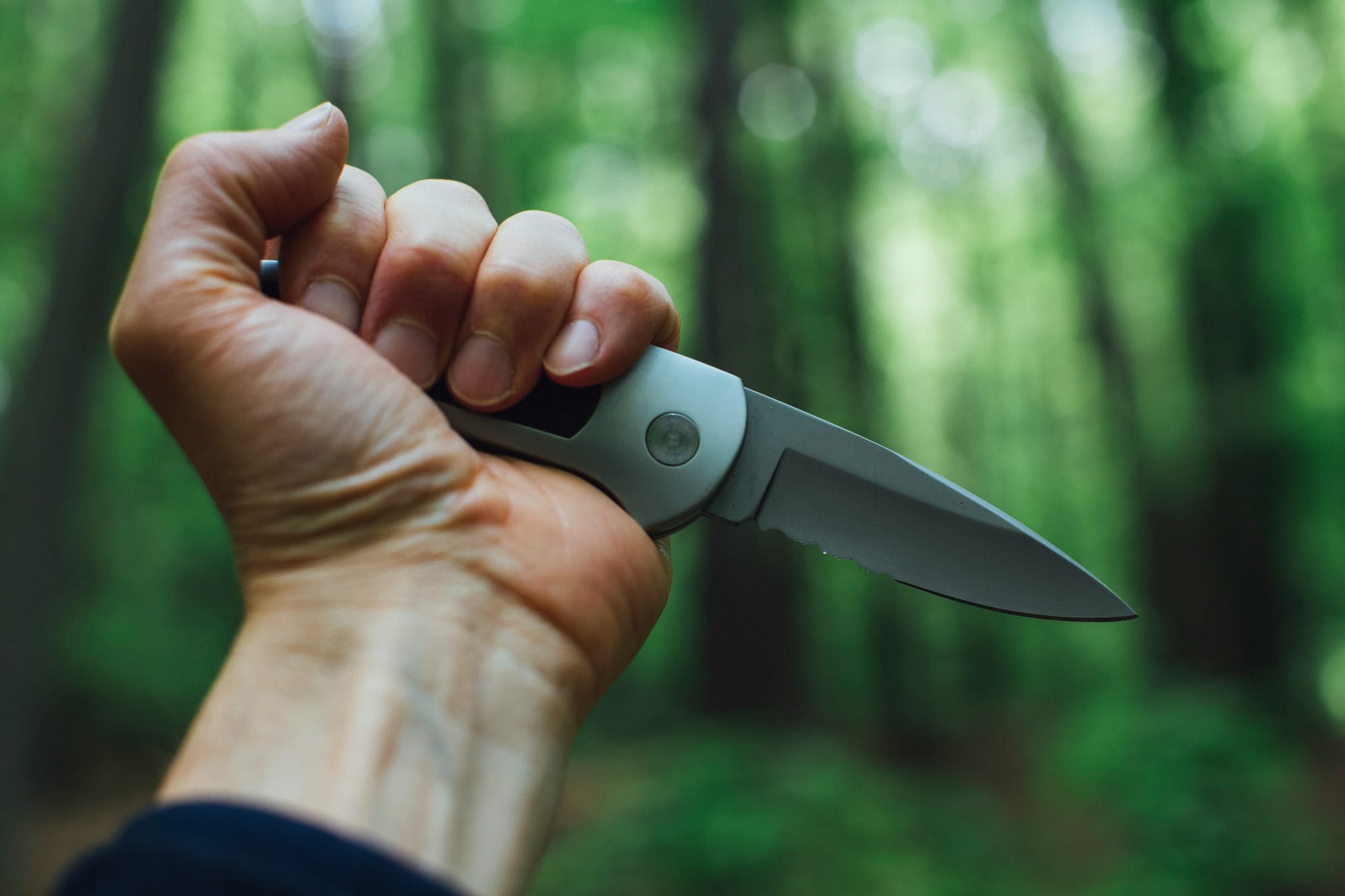
Here is the paradox that defines the modern mid-tier knife market. The same forces that made independent knifemaking accessible. Be it global OEM manufacturing, accessible design software, Instagram as a distribution channel, also made it structurally impossible to differentiate between them all.
The pipeline looks like this.
An independent designer develops a concept, often genuinely innovative. They outsource production to a respected OEM factory. Take your pick of Bestech, QSP, Kizer, or any of a dozen capable facilities operating out of China. The factory has worked with forty other independent brands this year. The tolerances are excellent. The fit and finish is legitimately impressive. The knife ships, gets reviewed, sells.
So does the knife from the next brand. And the next. Because here is what nobody in the pipeline talks about clearly: when dozens of independent makers use the same factories, specify similar steels (M390, 20CV, S35VN), favor the same lock mechanisms, and target the same price points ($150–$350), the output converges. The "Same-ification" of EDC isn't an aesthetic failure. It's a systemic outcome.
Buyers scrolling through releases face a genuine cognitive challenge: distinguishing between a QSP collab, a Kizer custom project, and a Bestech-produced independent run at the same price point with nearly identical specifications. The differentiation exists at the level of micarta color choice and clip geometry. That is not enough.
The result is choice fatigue operating at industrial scale. Buyers freeze → Inventory sits → Margins collapse.
The Economics of Churn: Why the Hype Window Decides Everything
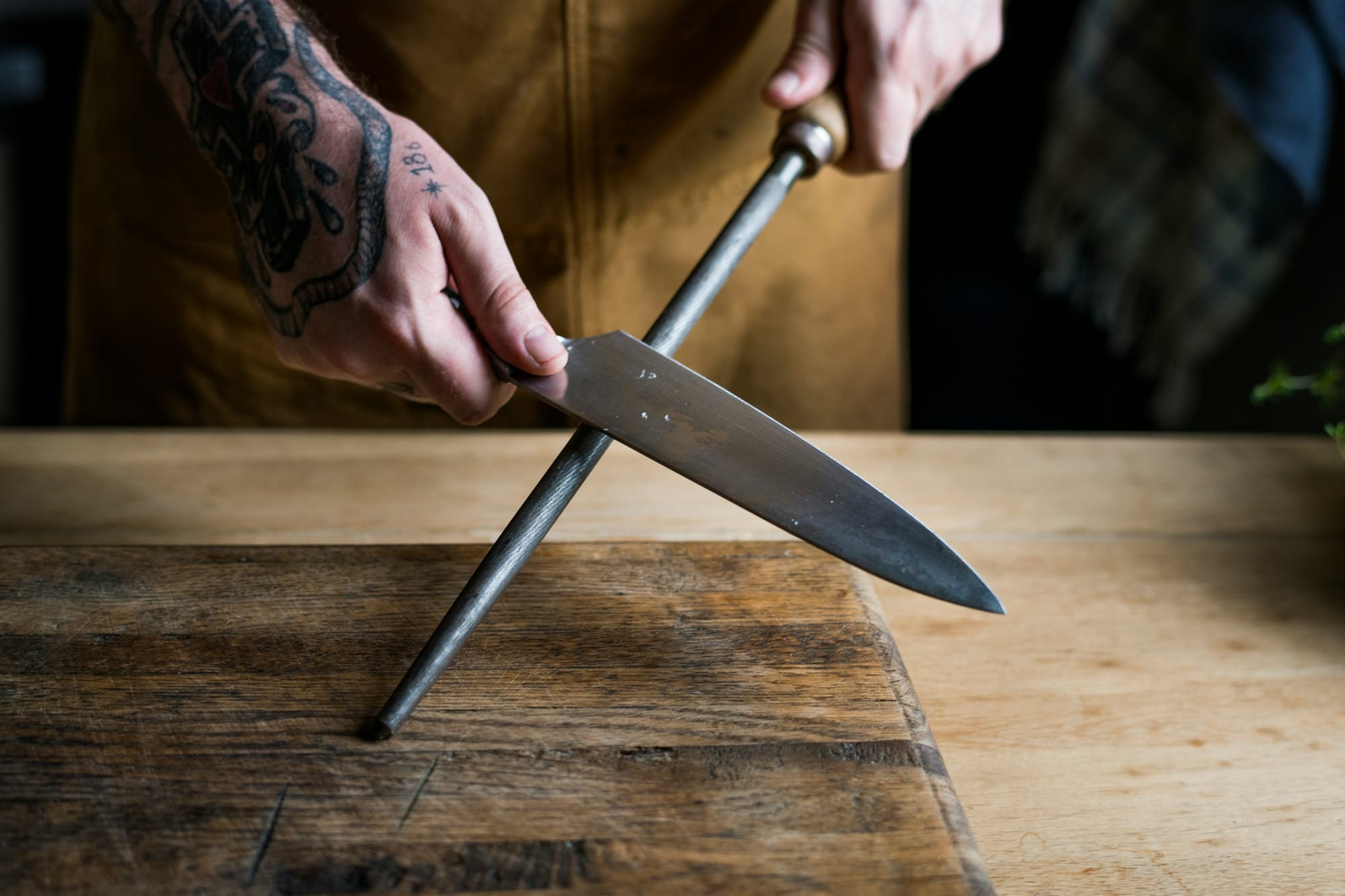
A mid-tier independent release now runs on a single, brutal economic clock. The launch hype window, the period between announcement and the first wave of YouTube reviews and forum discussion determines whether the production run sells through or becomes a liability.
If the right reviewers pick up the knife in week one, the run clears. The maker recoups factory costs, covers shipping, services the customer base. Then maybe, if the stars align, it turns a small profit to fund the next project. If the reviews are late, muted, or the algorithm simply doesn't surface the content to the right audience, the batch sits. The garage fills up. The maker starts discounting to move inventory. The discount signals distress to the market, which further erodes perceived value, which makes the next launch harder.
The margin structure makes this worse. Factory MOQs require a minimum production commitment before a single unit sells. Rising international shipping costs (particularly post-2020) eat into margins on every unit. Platform fees on credit card processing, website hosting, and the now-essential cost of product photography and video production all precede any revenue. A $200 knife generating $40 in margin before these costs is not a business. It is a very expensive hobby with a spreadsheet attached.
This is not a criticism of the makers. The passion is real and the craft is often excellent. But passion is a 10/10 entry point and a 2/10 operational model.
Who Actually Walks Out of the Knife Fight?
The consolidation is already happening. Not through dramatic exits or public announcements, but through the quieter attrition of makers who release one or two projects, don't find the margin to continue, and return to buying knives as a collector rather than producing them as a business.
The survivors will cluster into three identifiable profiles.
The Community Builders. Makers who understand that the product is the relationship, not just the blade. Closed Discord communities, pre-release access for long-term buyers, genuine founder personality that gives the brand a face the algorithm can attach to. This is not influencer marketing. It is the deliberate construction of a cult, and it requires a founder willing to show up consistently for years before the numbers justify it.
The Technical Innovators. Makers who solve a real mechanical problem—a new lock architecture, a genuinely improved deployment mechanism, an ergonomic geometry that nobody has addressed—and own that solution as their core identity. Innovation at this level is difficult and expensive, but it creates defensible territory that "same-ification" cannot erode.
The Escapees. Makers who recognize the mid-tier trap early and deliberately build toward the ghost class. This means restricting production volume before the market demands it, raising prices aggressively, investing in hand-finishing and exotic material sourcing, and cultivating a collector base rather than a buyer base. It is a slower build with a smaller ceiling, but it operates outside the economics that are destroying the middle.
What does not survive: a great knife with no community, no differentiation, and a production partner that makes the same knife for twelve other brands.
The Only Question That Actually Matters for Mid-Tier Makers
The EDC knife market is not a meritocracy. A technically superior knife with no audience, no story, and no structural differentiation loses to an adequate knife with a loyal community and a founder who shows up on YouTube every week. That is a hard truth and it is also a map.
The makers who entered this space because they love blades are not wrong to love blades. The craft matters. The metallurgy matters. The geometry matters. But none of it matters enough to overcome the structural economics of the overcrowded middle without a deliberate business model built around it.
Passion is the price of admission. Ruthless strategic clarity is the exit ticket.
The knives in your garage are probably excellent. The question is whether your business model deserves them.
💡 OffLabel-020 | The Barbell Trap
Diagnosis: Markets that become easier to enter often become harder to survive. When production, quality, and access become democratized, competitors converge until buyers stop seeing meaningful differences and competition collapses into scale at one extreme and scarcity at the other.
Prescription: Stop competing in the overcrowded middle. Either build structural advantages that compound (community, owned channels, proprietary capability) or deliberately move into scarcity where identity matters more than output.
Strategic Medication: Barbell Positioning, Demand Concentration, Relationship Equity, Strategic Scarcity [Provisional]

