Volkswagen Put's a Racetrack Engine in a Hatchback
Volkswagen's ID. Polo GTI Clubsport Concept swaps infotainment for roll cages. Here's what the marketing is really trying to prove.
Quick answer:
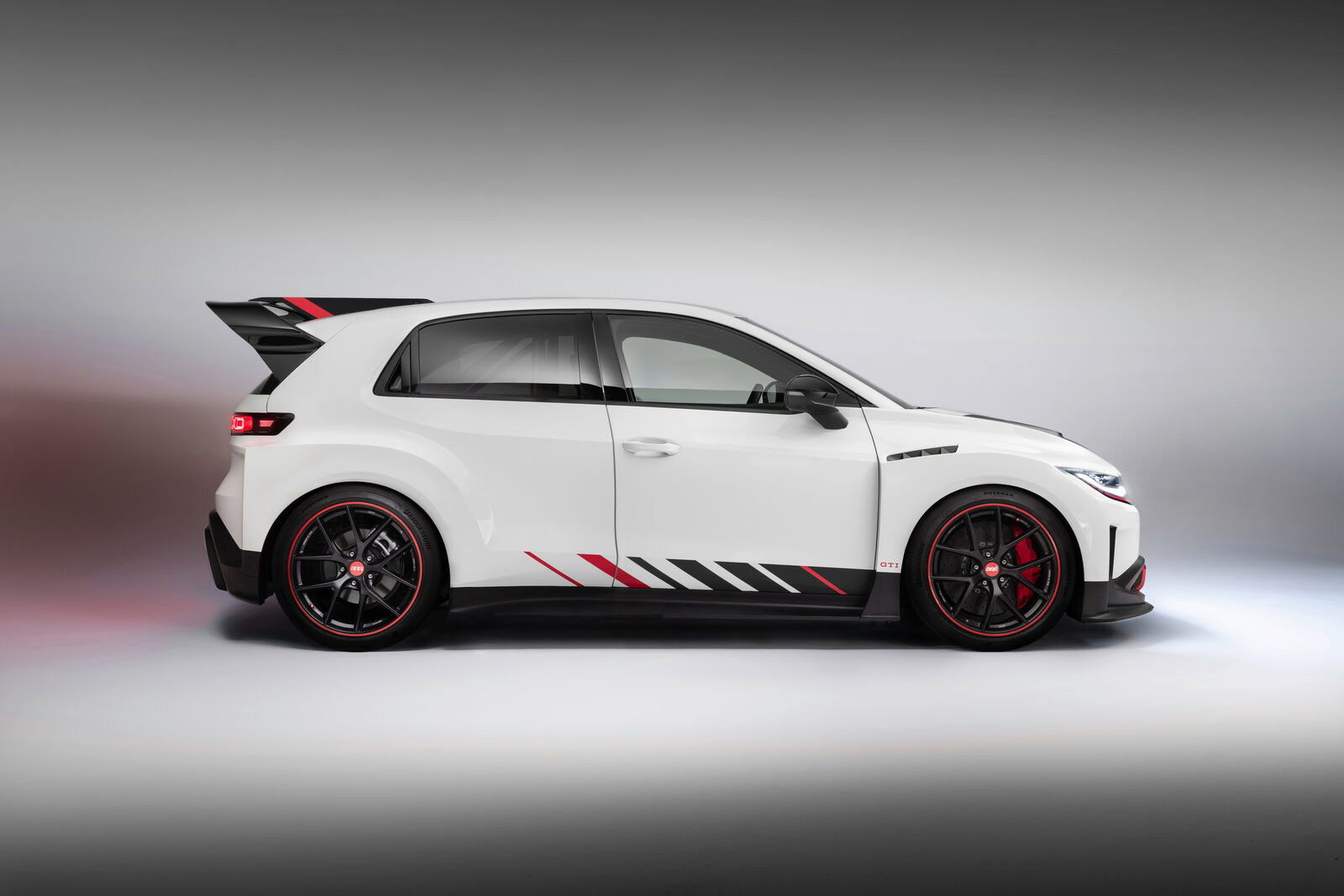
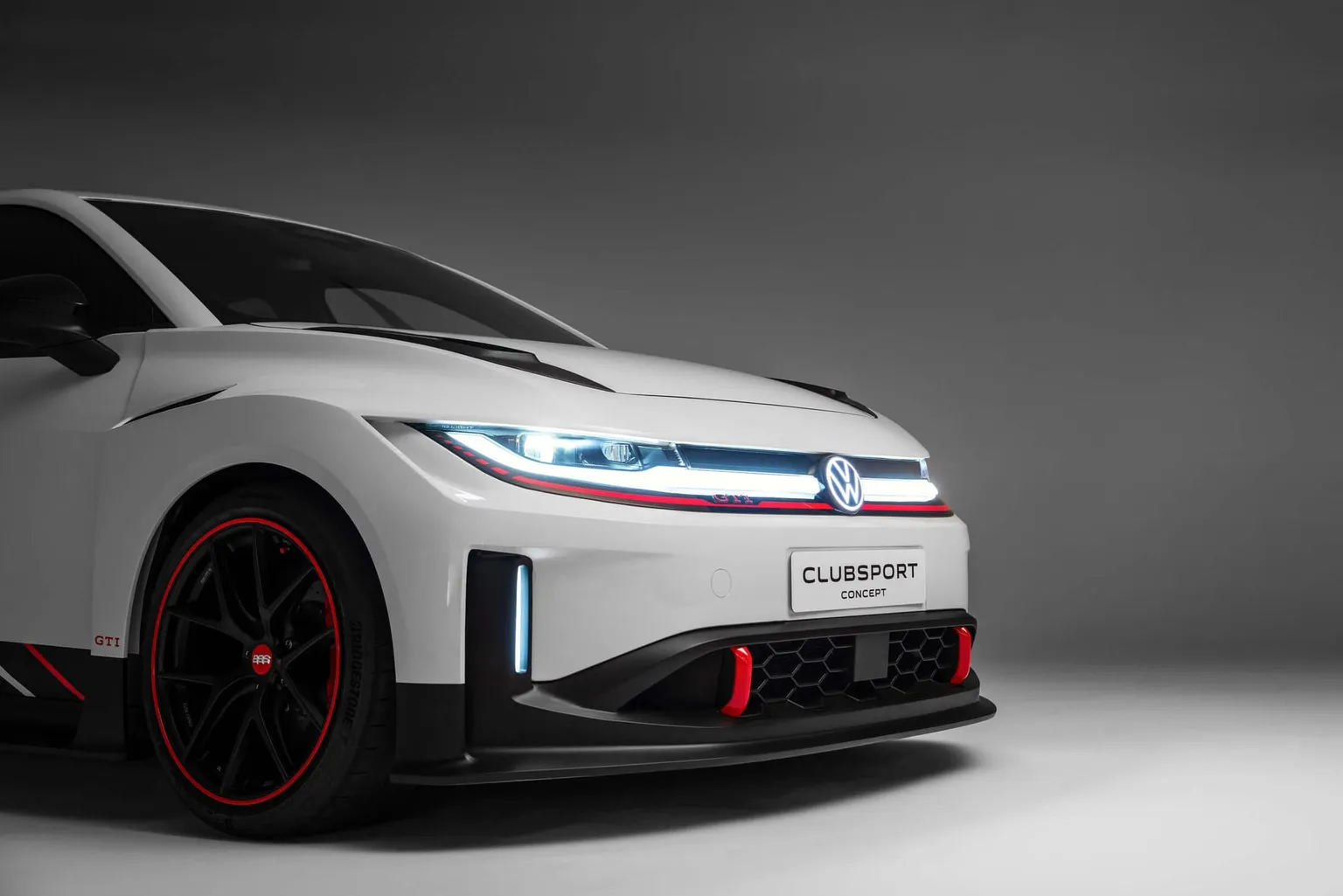
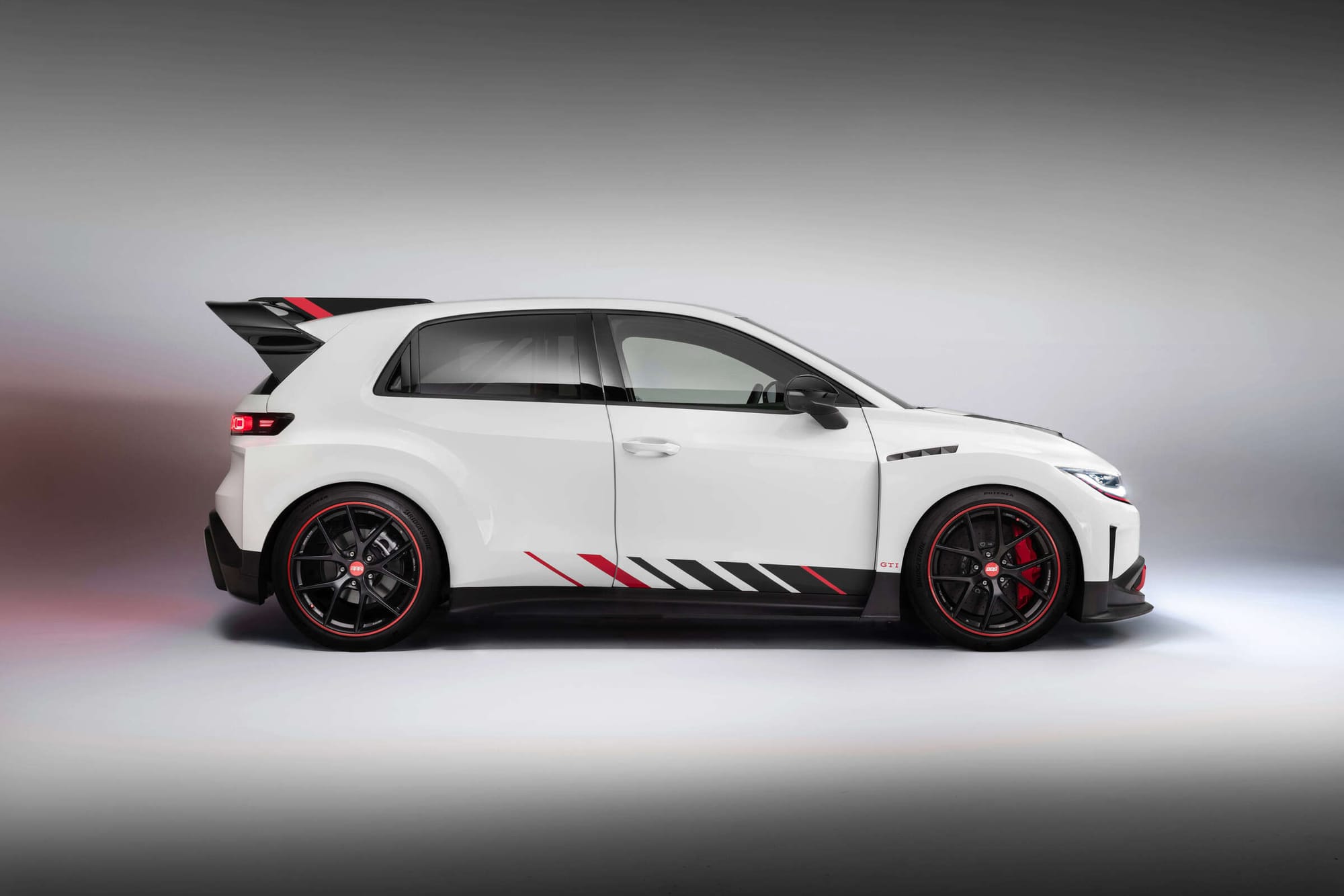
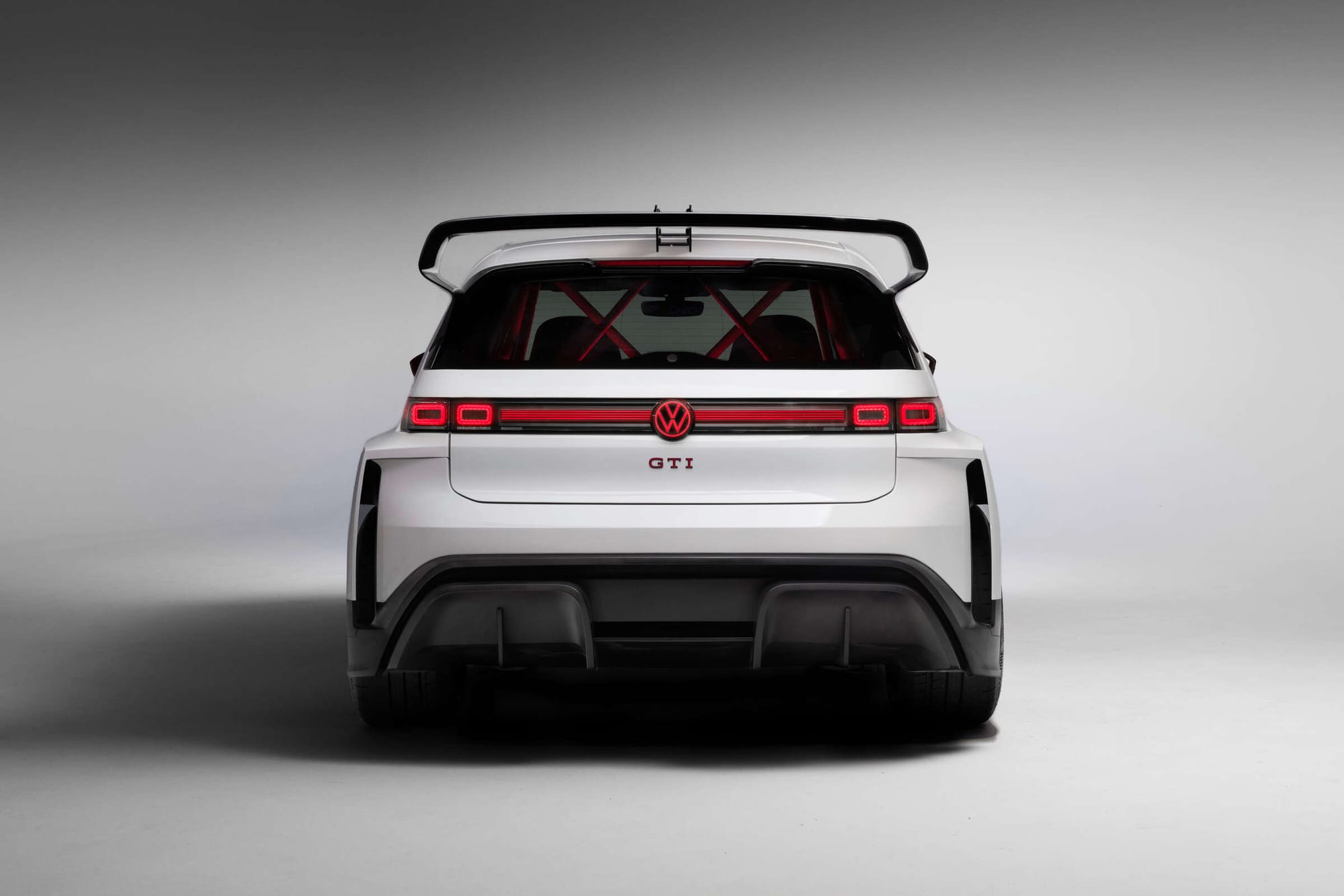
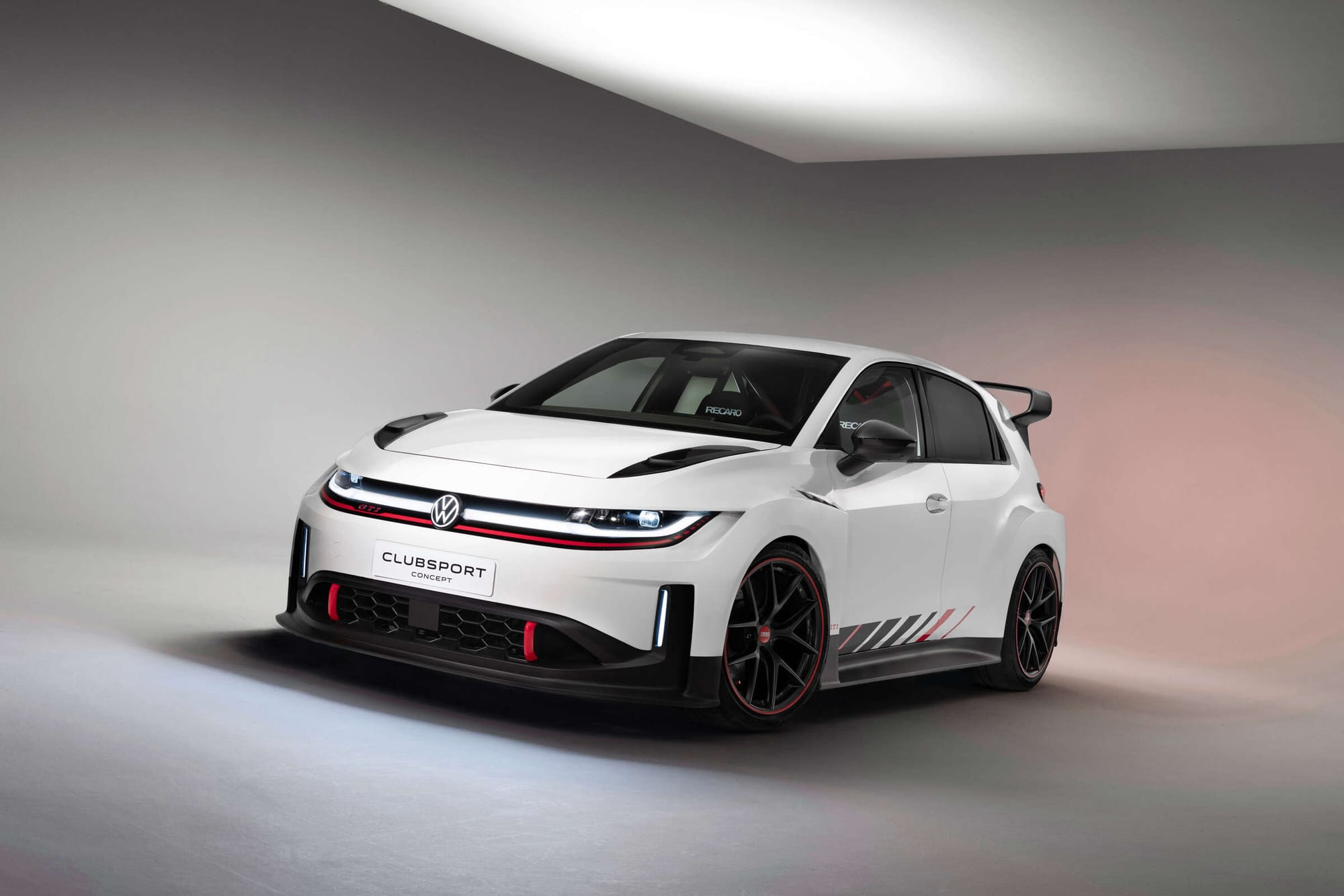
The ID. Polo GTI Clubsport Concept is Volkswagen's electric reinterpretation of its most extreme GTI tradition: a two-door, two-seat concept car built on the MEB+ platform, producing 270 kW (367 PS), hitting 100 km/h in 4.7 seconds, and topping out at 240 km/h. It drops the infotainment system, adds a roll bar and Recaro racing seats, and borrows a motor meant for the much larger ID. Tiguan. It debuts at the Essen Motor Show as the GTI badge turns 50.
You Can't Electrify a Feeling. Or Can You?
Volkswagen has a problem that every legacy performance brand eventually inherits: the thing that made the car desirable in the first place (noise, friction, mechanical drama) is exactly what electrification removes. The GTI's whole mythology was built on a specific feeling. Pop the clutch, hear the exhaust, feel the car fight you a little before it settles.
So the marketing insight here isn't about horsepower. It's about using a concept car as a credibility transplant. Volkswagen took its smallest, most practical electric hatchback and stuffed it with a motor engineered for a much bigger SUV, then stripped the interior down to a roll cage and a pair of harnesses. That's not a product decision. That's a statement aimed directly at the people who assumed an electric GTI would be a contradiction in terms.
Volkswagen
A Love Letter to the Gasoline Faithful
The target segment isn't buyers. Concept cars rarely are. This one is talking to enthusiasts, automotive press, and the internal audience of VW's own engineering culture, who need proof that electrification hasn't flattened the brand's performance identity into something interchangeable with every other EV on the market.
The messaging leans entirely on heritage math. Fifty years of GTI, more than 2.5 million units sold, a lineage running through the Golf GTI Edition 50 and the upcoming ID.3 GTI. Volkswagen is building a timeline where the electric GTI isn't a departure, it's the next chapter, and the Clubsport Concept is the chapter written in italics.
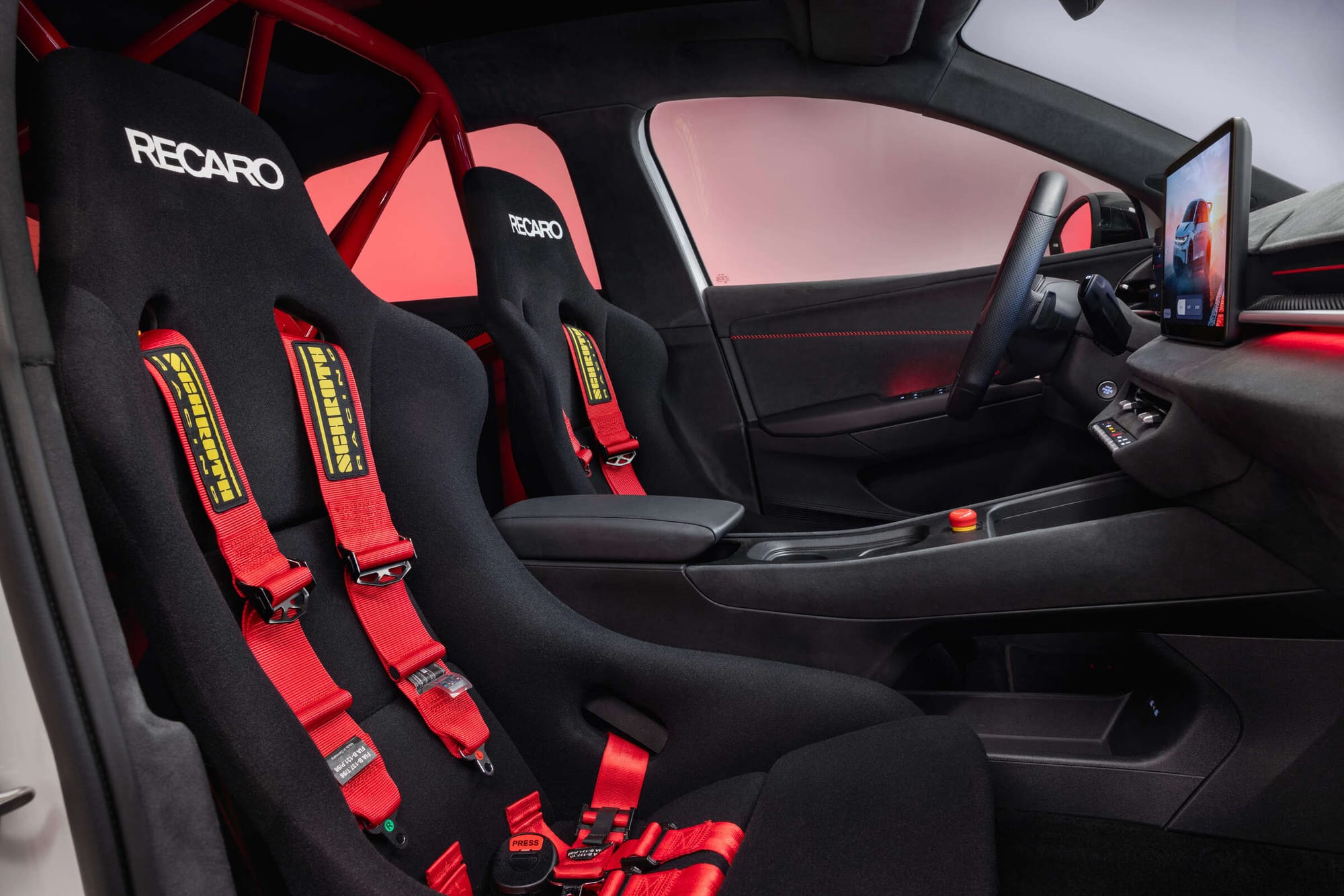
The experience being staged is almost theatrical in its specificity. No screen. No ambient lighting. Just bucket seats, a dash panel sewn by VW trainees, and a rollover bar painted Tornado Red. That's a deliberate contrast to every other EV launch obsessed with touchscreens and ambient everything.
The community angle is subtler. By crediting trainees with the interior fabrication, Volkswagen ties the Clubsport Concept to its own internal apprenticeship culture, the kind of detail that plays well with people who already romanticize German manufacturing tradition. It's a small flex, but it's consistent with how GTI has always marketed itself: a performance car built by people who actually care about cars.
The differentiation is mechanical, not just emotional. Fitting the APP550 motor (designed for the ID. Tiguan and ID.7) into a Polo-sized chassis, then pairing it with an electronic front differential lock, is a genuinely unusual engineering choice. Most manufacturers chase performance through bigger batteries or dual-motor all-wheel-drive setups. Volkswagen chose front-wheel drive, the same layout that made the original GTI a handling benchmark, and built the electronics around taming an amount of torque that platform was never meant to carry.
Volkswagen
The Car Is Optional. The GTI Badge Isn't.
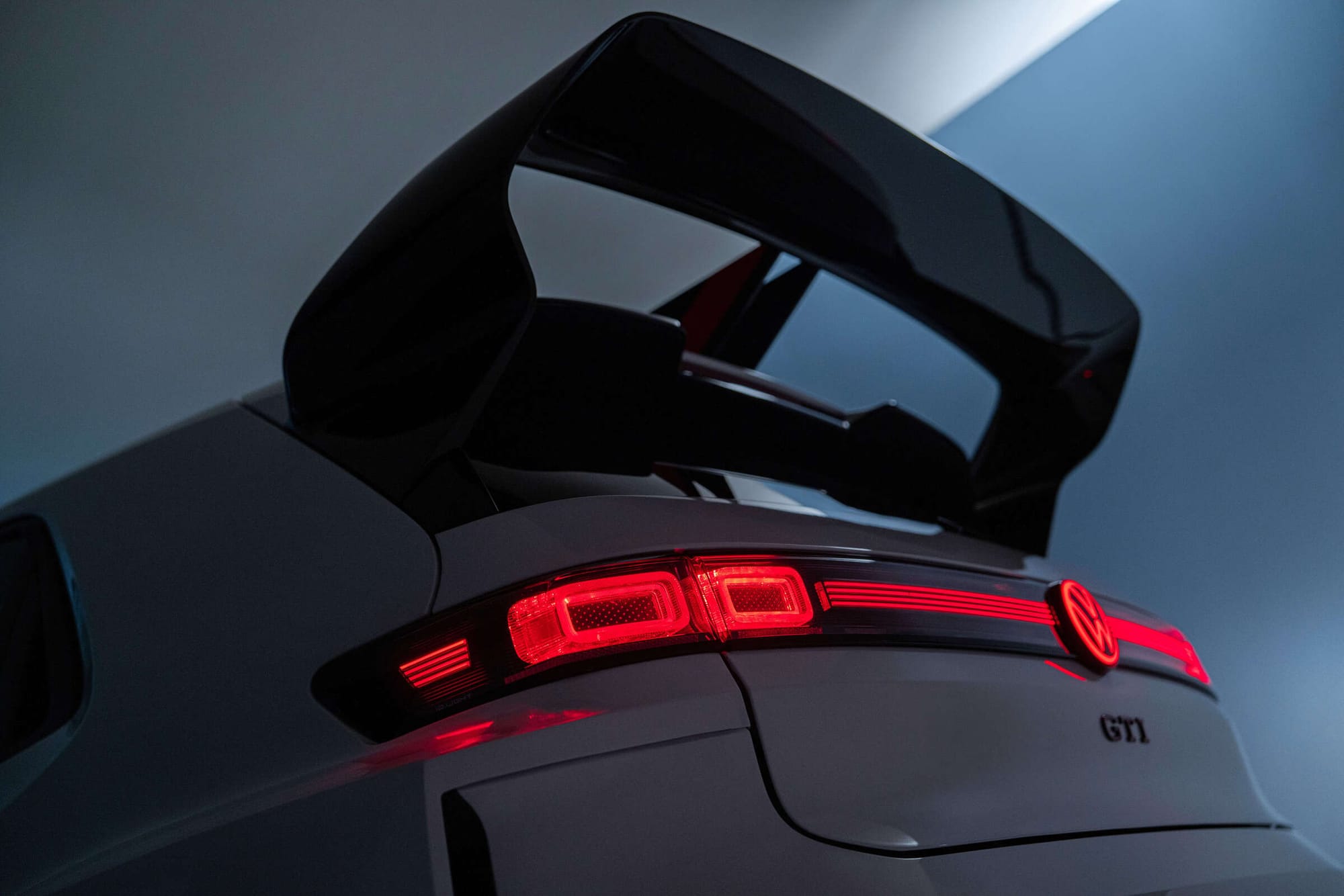
The design language does the rest of the convincing. Flared wings, a motorsport splitter, a carbon rear wing that rises above the roofline. None of it reads as EV minimalism. It reads as racing silhouette, borrowed intentionally from a vocabulary that predates electrification by decades.
Put together, the pitch isn't "buy this car." It's "believe this badge." Volkswagen is using a vehicle that will likely never reach production to answer a question nobody asked directly but everybody in the GTI fan base has been quietly wondering: can an electric hot hatch still feel like a hot hatch, or is the category simply over.
The Clubsport Concept doesn't fully answer that. It can't. Concept cars never have to survive a customer's commute or a dealership's margin requirements. But as a piece of marketing, it does something more useful than answering the question. It keeps the argument alive long enough for the production cars to make their case.
 Volkswagen