
Sony Found a New Audience for 1979
Sony revived its 1979 MDR-3 headphone with USB-C and a Stranger Things edition. Here's what the retro play actually says about its strategy.
Quick answer:
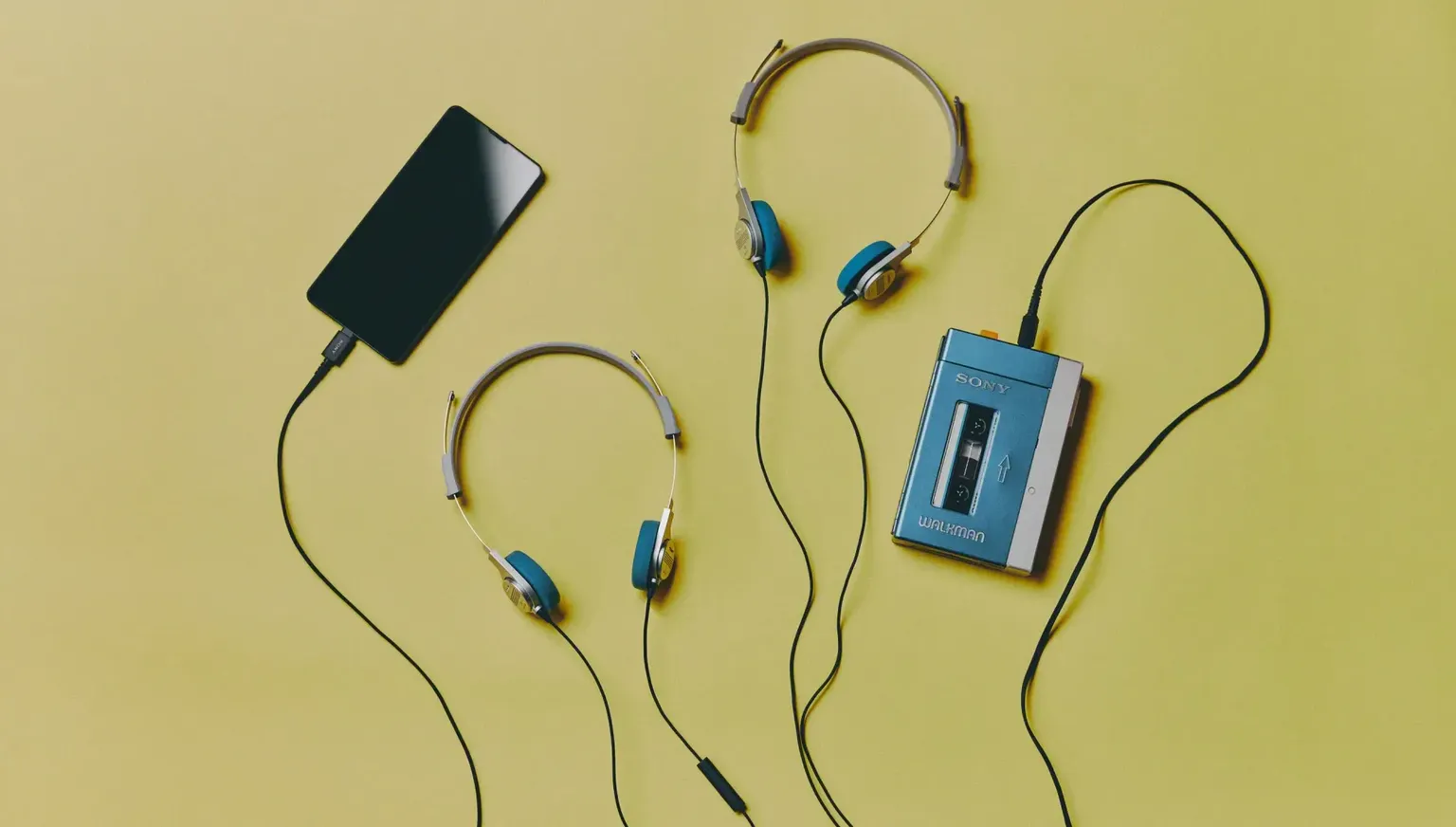
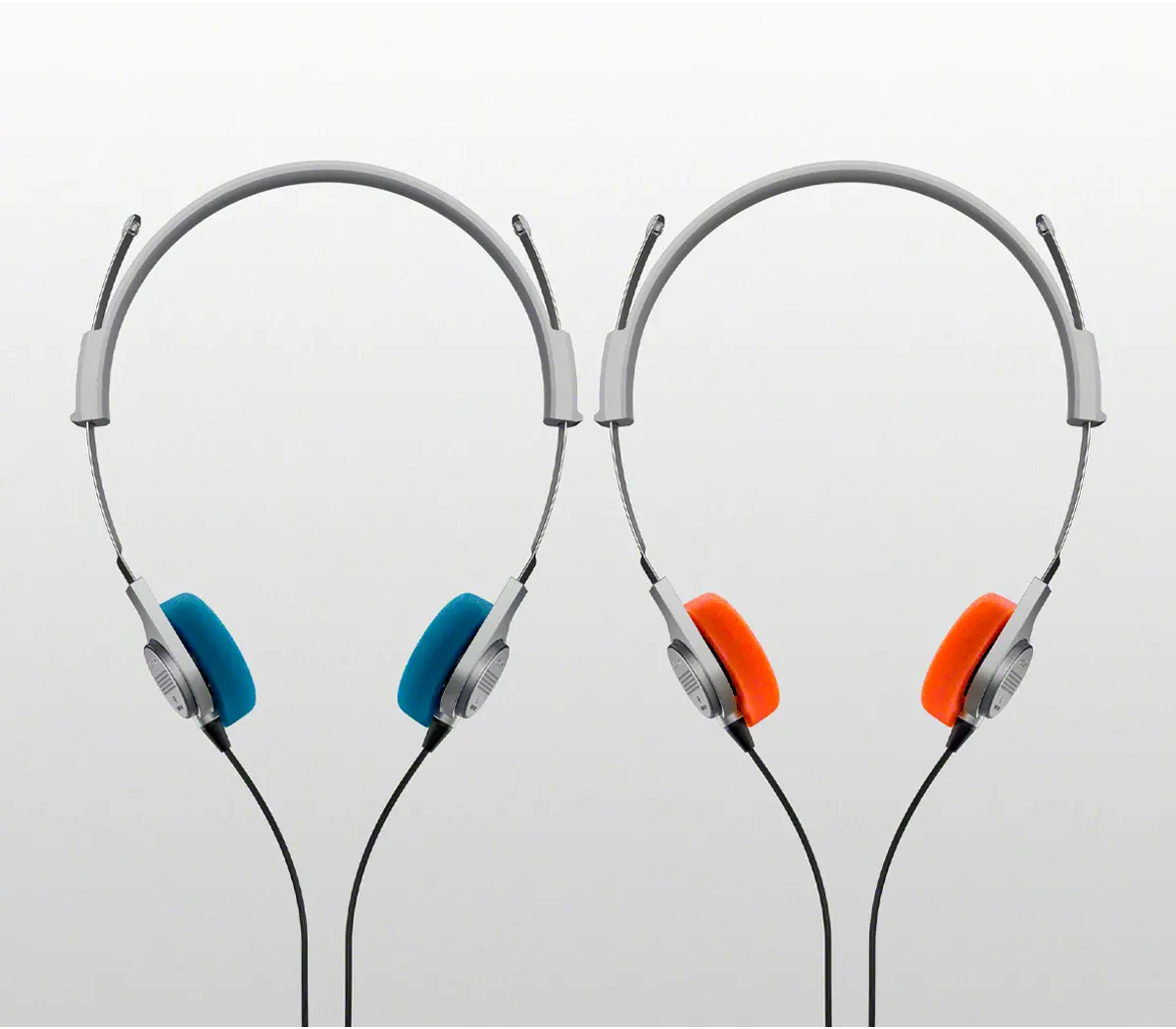
The MDR-3R is Sony's $59.99 wired on-ear headphone, a redesign of the original MDR-3 that launched alongside the first Walkman in 1979. It plugs in via USB-C, ships with swappable orange and blue earpads, and comes in a Stranger Things collaboration edition. No battery, no pairing, no noise cancellation. Just a retro shape wired straight into your phone.
The Past Looks Better With USB-C
Sony didn't reissue the MDR-3 because engineers found a better driver in a drawer somewhere. They reissued it because the shape itself now functions as a signal.
The original MDR-3 debuted next to the Walkman, the device credited with inventing portable music as a personal, private experience. That's heavy cultural cargo for a $59.99 pair of headphones to carry. Sony is betting the silhouette alone does the talking, before a single song plays.
This is nostalgia marketing running in reverse. Usually a brand ages a product up, slaps "heritage" on a reissue, and charges a premium for the privilege of remembering something you didn't actually live through. The MDR-3R does that too, but it pairs the throwback shell with USB-C, the most unglamorous, current-year connector in consumer electronics. Old face, new wiring.
That combination is the whole pitch. You get the aesthetic of 1979 without sacrificing the plug-and-play convenience of 2026. No charging cable to misplace, no Bluetooth handshake failing in a crowded subway car. Just wire-in-socket simplicity dressed as a design statement.



Sony
Stranger Things Made Nostalgia a Renewable Resource
Sony didn't stop at reissuing the original color scheme. It also built a Stranger Things limited edition, finished in black with the same orange and blue earpad swap.
That pairing is not accidental. Stranger Things has spent a decade turning 1980s suburban America into a renewable content resource, and its audience skews toward people who experienced the decade secondhand, through syndication, TikTok edits, and vinyl revival culture rather than lived memory.
The MDR-3R isn't chasing the original Walkman buyer. That customer is in their sixties now and probably owns noise-cancelling earbuds already. Sony is chasing the twenty-five-year-old who thinks the 1980s looked cooler than whatever decade they're currently living through, and who will pay fifty-nine dollars for a wearable prop that happens to also play music.
Design here is doing recruitment work that a spec sheet never could.
One Brand. Two Different Ideas of Progress.
Here's the part that makes this interesting rather than just cute. Browse the MDR-3R product page and the "frequently bought together" rail puts it shoulder to shoulder with the ULT WEAR, Sony's noise-cancelling wireless flagship, and the ULT FIELD speaker. Same brand, same page, opposite philosophies.
One line sells you the absence of technology as a feature. The other sells you the presence of technology as the entire value proposition. Sony isn't choosing a lane. It's running both lanes simultaneously and letting the customer self-sort.
That's either a confident multi-tier strategy or a company hedging because no single story about headphones works on everyone anymore. Probably both. The unglamorous truth of modern consumer electronics is that heritage and innovation aren't opposing forces inside one company's lineup. They're just two different price-points for two different kinds of memory.
The MDR-3R isn't trying to out-engineer the ULT WEAR. It's trying to out-feel it. Whether fifty-nine dollars of plastic and nostalgia can hold its own next to active noise cancellation is a bet Sony is clearly willing to make twice on the same web page.
🔗 https://electronics.sony.com/audio/headphones/headband/p/mdr3r-s

