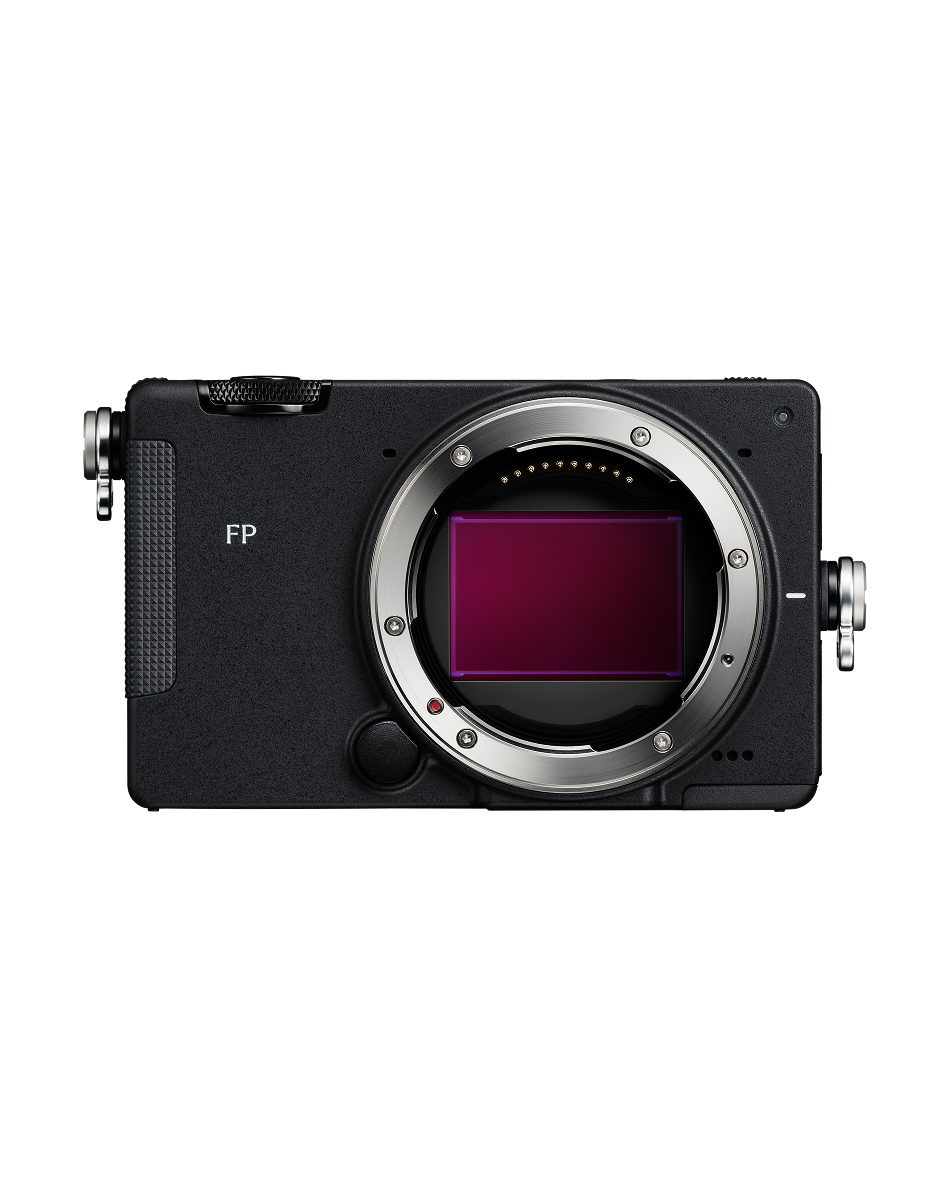
Sigma FP2: The Small Camera With a Big Argument
The Sigma FP2 bets that compactness, not more features, is the real differentiator. Here's the brand logic behind that bet.
Quick answer:
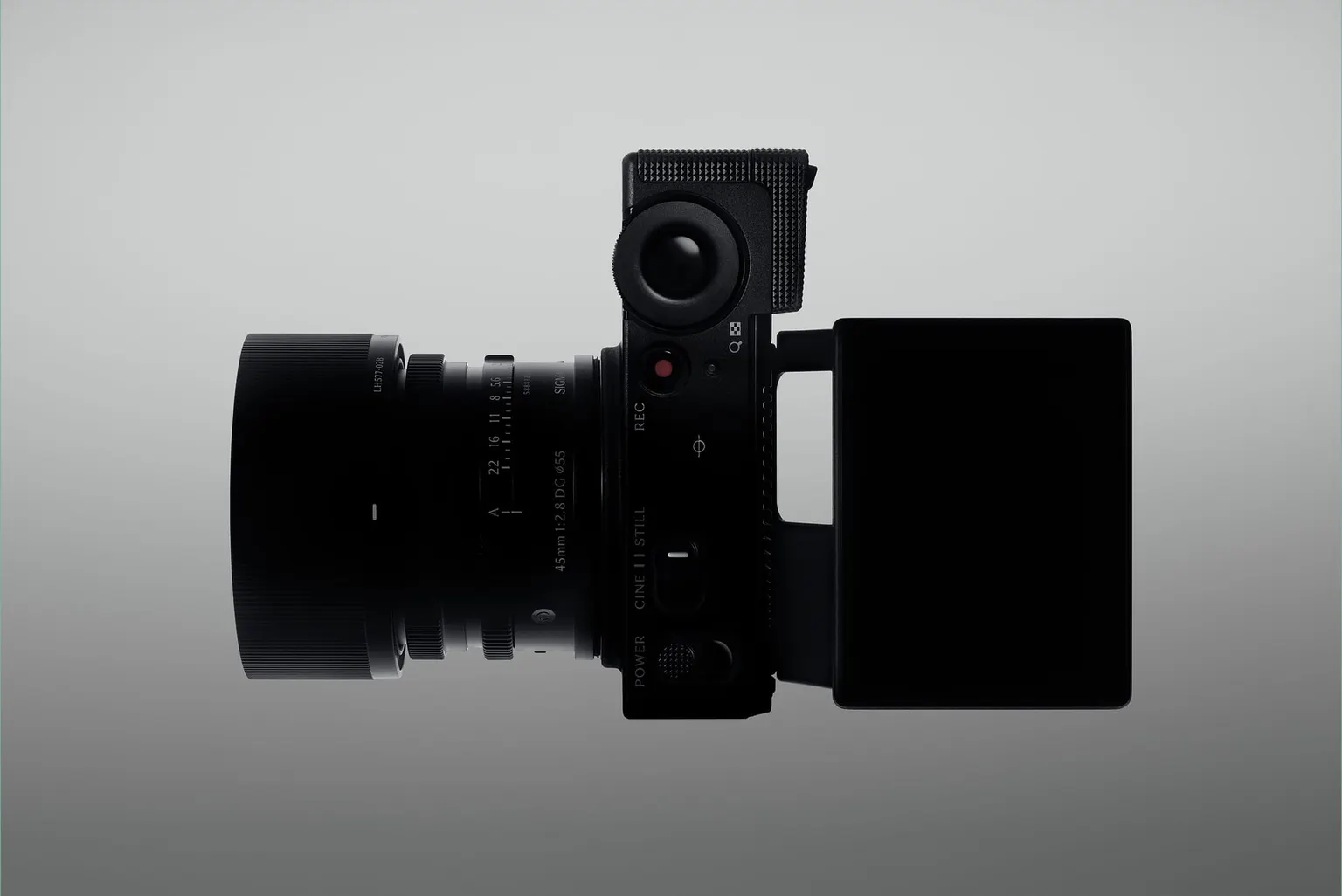
The Sigma FP2 is a compact full-frame mirrorless camera built on three stated principles: small, powerful, adaptable. It switches between still photography and cinema production with a physical switch, pitches itself as a tool that disappears into the user's hand rather than dictating workflow, and positions compactness itself as the differentiator in a category that has spent a decade getting bigger.
Every camera brand claims it builds tools for creative freedom. Sigma built a camera that argues the opposite point first: that most cameras get in the way, and the only honest fix is to get smaller.
The Art of Getting Out of the Picture
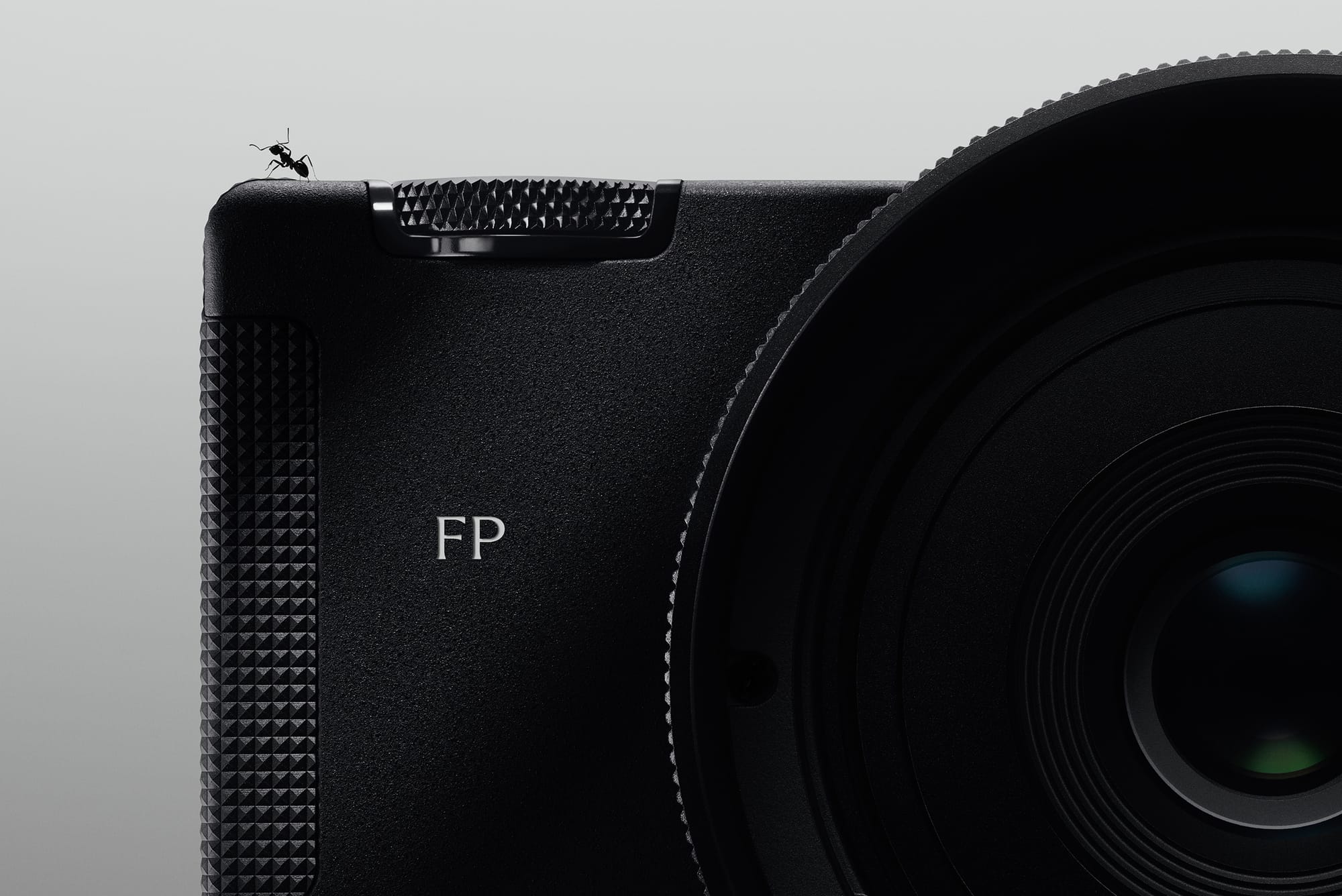
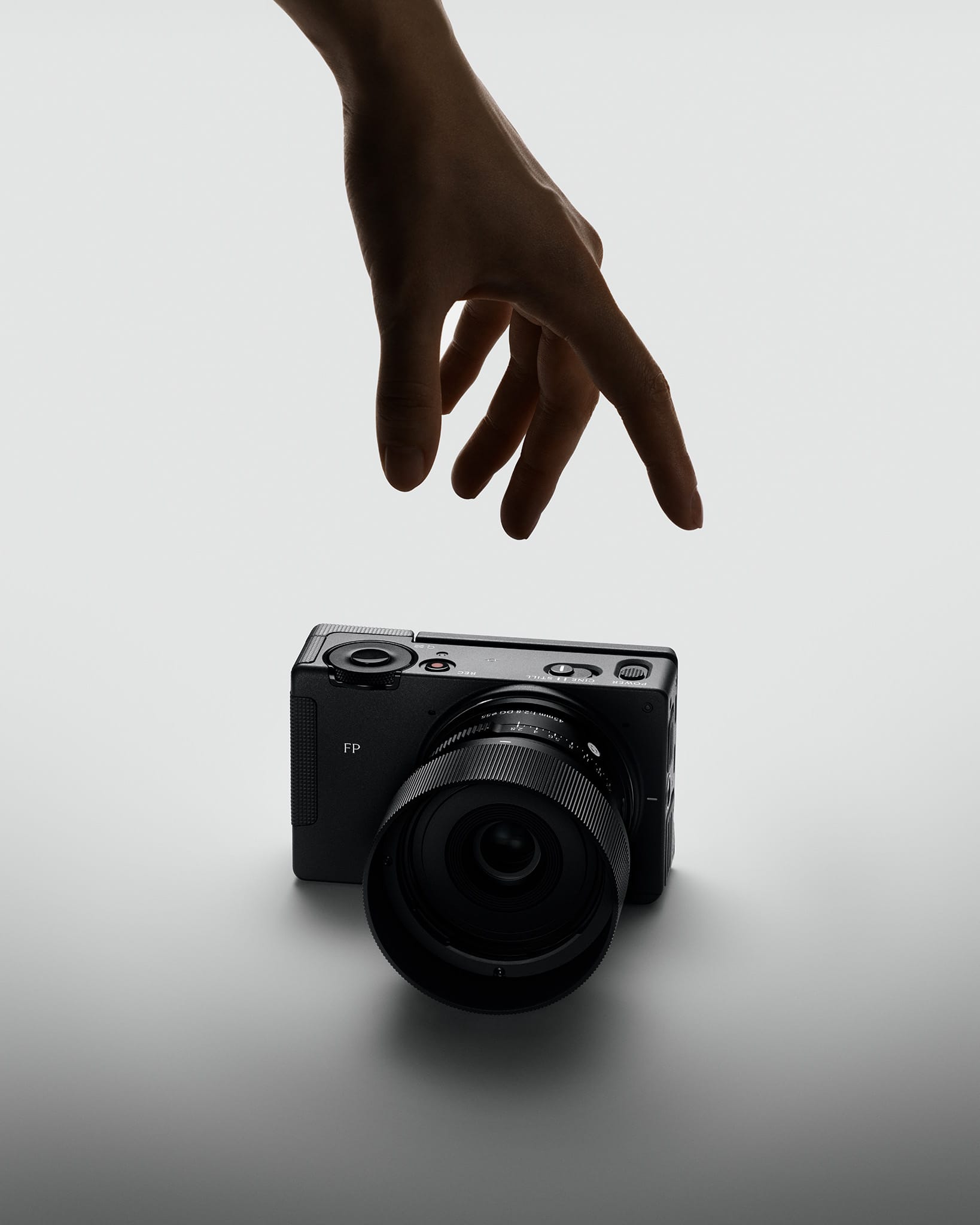
Sigma's positioning here is almost contrarian by omission. Instead of listing what the FP2 adds, the brand leads with what it refuses to have: bulk, clutter, friction between the photographer and the moment. That's a specific bet. Compactness is treated as a philosophy, not a spec.
The target segment follows from that bet. This isn't a camera pitched at mass-market shooters who want the biggest sensor and the longest lens roster. It's pitched at photographers and filmmakers who already know what they want from a tool and resent cameras that assume otherwise. The messaging leans hard into a line of thinking borrowed from industrial design more than camera marketing: the ideal tool is one whose presence disappears in use. That's a Dieter Rams sentence wearing a camera strap.
Sigma
The experience Sigma is selling isn't really about megapixels. It's about a switch on top of the body that toggles between STILL and CINE modes, each with its own interface. That's a journey built around identity switching, not feature stacking. Community-wise, Sigma leans on working photographers and cinematographers rather than influencer culture, which reinforces a quieter, craft-first audience.
The differentiation claim, world's smallest full-frame body, is specific enough to be falsifiable, which is rare in a category full of vague superlatives. And the design language, shot in a factory in Aizu and described in tactile, material-first language, extends the restraint argument from the sensor all the way to the body shell. The marketing pitch writes itself: this is the camera for people who think good tools should vanish, not announce themselves.
Thirteen Ways to Have an Opinion
Here's the part that's genuinely interesting from a brand strategy angle. Sigma didn't build thirteen color modes because customers demanded thirteen color modes. They built them because color modes are a cheap, repeatable way to let a camera have opinions, and opinions are what differentiate commodity hardware in a mature category.
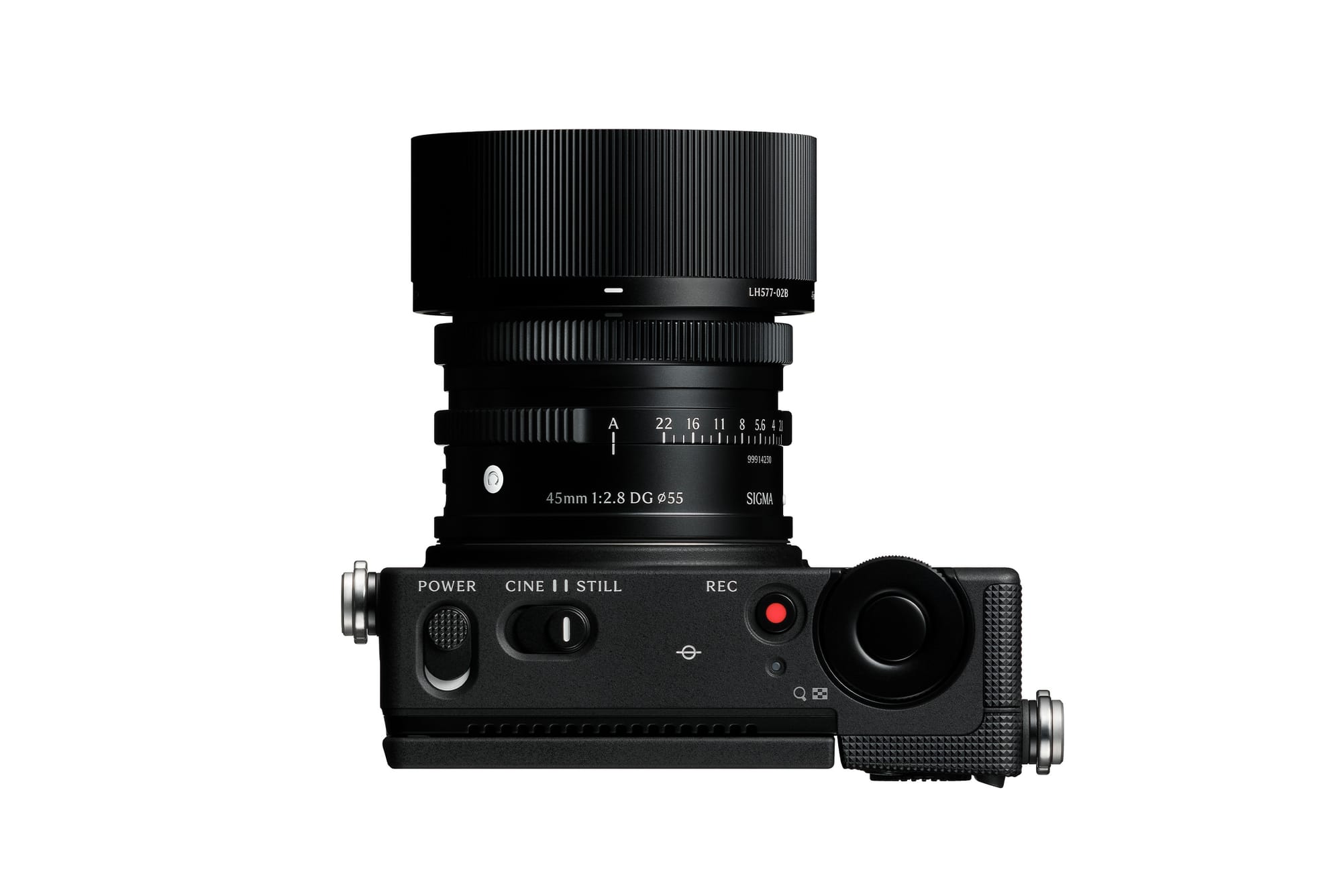
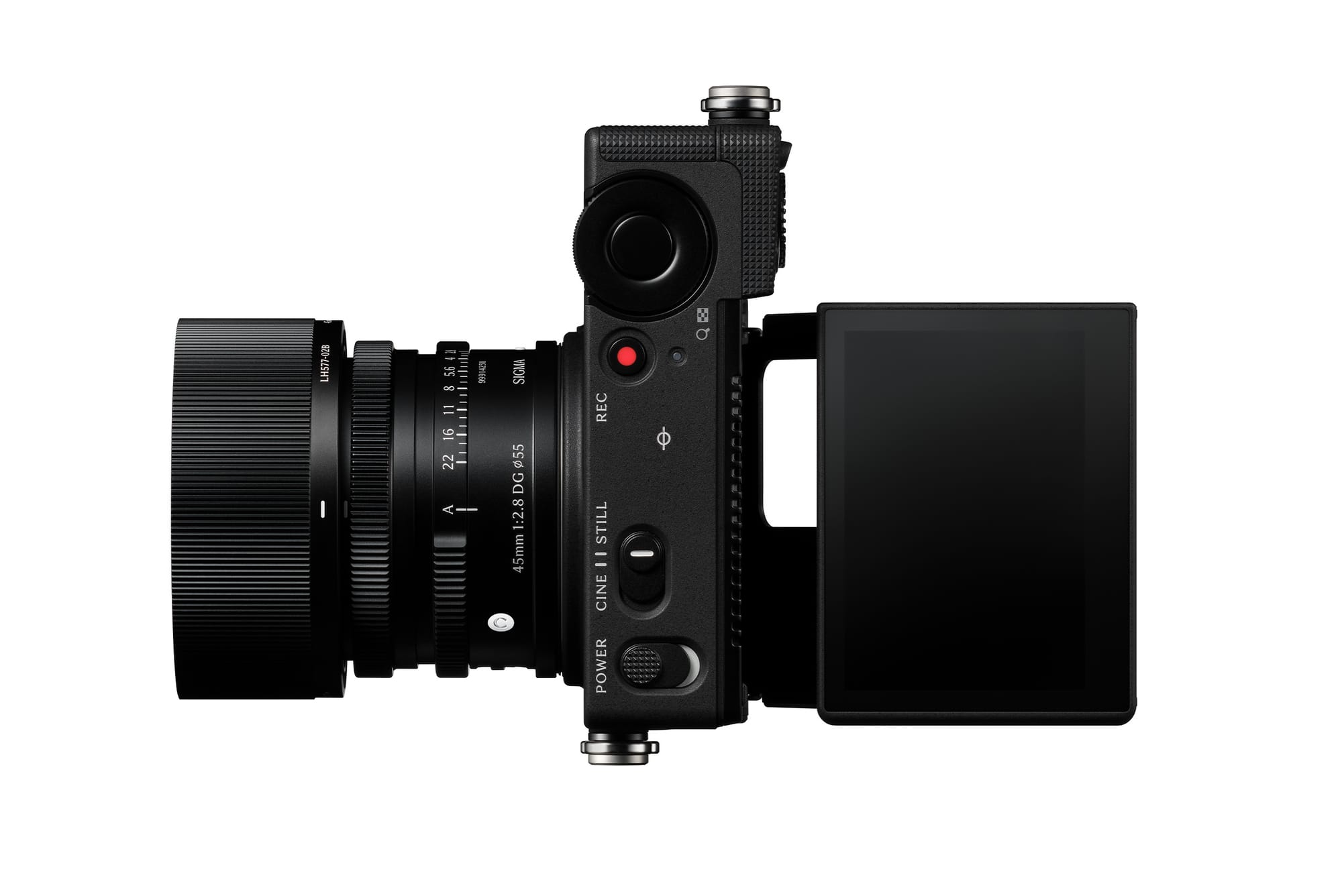
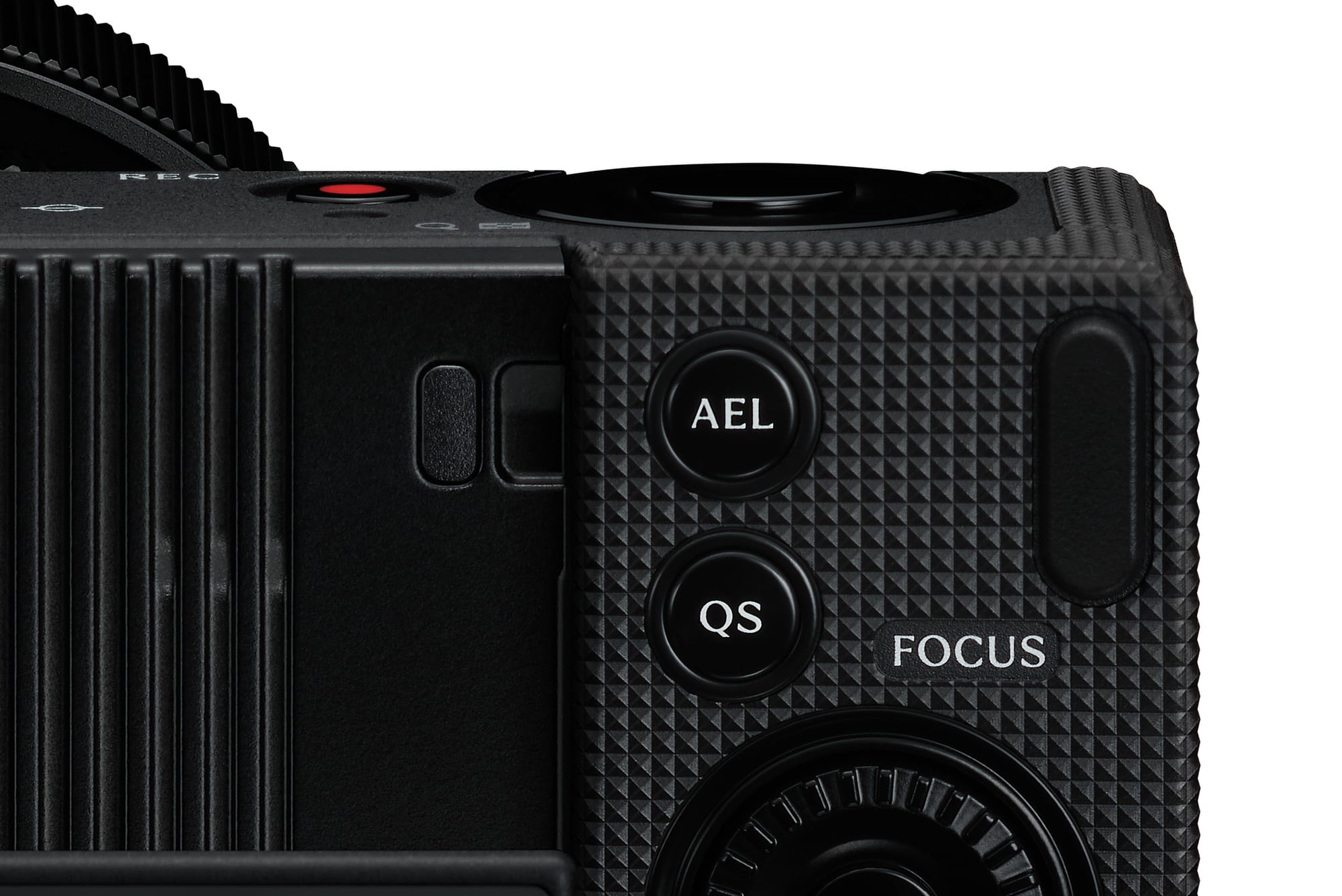
Sigma
Names like Teal and Orange, FOV Classic Blue, and Cinema aren't neutral labels. They're references, to 1970s film stock, to Sigma's own Foveon sensor history, to contemporary color grading trends. That's a brand talking to people who already know what bleach bypass processing looks like. It's not explaining the joke. It's assuming you're already in on it.
This is where the Considered Builder reading of the FP2 gets sharper. A camera with thirteen built-in looks is functionally a taste delivery system. It turns a hardware purchase into an aesthetic commitment, which is a smarter retention mechanic than most subscription models in the category.
One Body. Two Creative Lives.
The riskiest part of the FP2's story is the claim that one small body can be a legitimate stills camera and a legitimate cinema camera, switched at will. Most of the market has spent the last decade specializing, building dedicated cinema bodies with separate ergonomics, separate menu logic, separate everything, because professionals on set don't want compromise tools.



Sigma
Sigma's answer is a hardware switch and two distinct interfaces layered onto one chassis. It's an elegant solution to a problem the rest of the industry solved by just making two separate products. Whether that holds up against dedicated cinema bodies on an actual professional set is a genuine open question, and nothing in the material reviewed here resolves it one way or the other.
What's clear is the intent. Sigma isn't trying to beat specialized cinema cameras on their own terms. It's betting that enough photographers and solo filmmakers would rather carry one honest, compact tool than two compromised ones. That's a coherent strategic position. Whether the market agrees is the actual story here, and it's one worth watching rather than assuming.