
The Vanishing Middle: How Enthusiast Markets Split Into Mass and Elite
The mid-tier of enthusiast gear is disappearing across watches, cameras, and bicycles. Here is what is driving the barbell effect, and who is still surviving it.

Quick answer: Enthusiast markets across categories from watches to bicycles are polarizing into cheap-and-functional at one end and handcrafted-and-expensive at the other. The middle tier, once the natural home of the serious hobbyist, is losing ground fast, and the brands still alive in that space are surviving on specificity, not price.
In 2010, a serious photographer could spend $800 on a Canon 7D and get near-professional results without a professional budget. That camera existed in a confident middle space: too good to be dismissed, affordable enough to be attainable. Today, that same photographer chooses between a $400 Sony a6100 that handles 90% of what the 7D could do, and a $9,000 Leica M11 that does a little more but costs dramatically more. The $800 camera has not been replaced. It has been deleted.
This pattern is not a camera industry quirk. It is showing up across nearly every enthusiast category: watches, audio, furniture, menswear, bicycles, coffee equipment. The barbell economy, originally a finance concept describing how capital concentrates at the safest and riskiest ends while avoiding the middle, has migrated from investment theory into consumer goods. And it is accelerating.
The question is not whether the middle is disappearing. At this point, the evidence is fairly decisive. The more interesting question is why now, who survives it, and what the shape of these markets actually tells us about how people spend, identify, and decide.
What Is the Barbell Effect, and Why Is It Hitting Enthusiast Markets?

The barbell effect in consumer markets describes demand concentrating at the extreme ends of a price spectrum while the middle hollows out. It is a structural pattern, not a trend. Three forces are driving it in enthusiast categories specifically.
Globalization made the low end genuinely good. A $200 bicycle from Amazon is better than a $200 bicycle from fifteen years ago. A $50 Casio G-Shock keeps time accurately, survives abuse, and carries a real design legacy. When the cheap option crosses a certain threshold of acceptability, it removes the entry-level justification for mid-range pricing.
The internet made the high end visible and accessible. A one-person leather workshop in Portugal can sell a $500 bag directly to someone in Toronto who found it through Instagram. The craft economy now has distribution infrastructure that previously only existed for mass retail. This gave small-batch makers a direct path to premium prices, which they have used aggressively.
And social media turned niche expertise into a credential, which made the story around an object as commercially important as the object itself. A Patek Philippe Nautilus is not just a watch. It is a claim about who you are and what you understand. A Pinarello Dogma at $12,000 is not sold to people who need to go fast. It is sold to people for whom going fast is an identity.
The middle tier never had that. It was always about reasonable performance at a reasonable price. When "reasonable" became available for $50, the value proposition dissolved.
The Collapse in Action: Where the Middle Has Already Gone
| Category | Mass Tier | Middle Tier (Disappearing) | Elite Tier |
|---|---|---|---|
| Watches | Casio G-Shock ($50) | Seiko Presage ($300) | Patek Philippe Nautilus ($50,000+) |
| Audio | Anker Soundcore ($50) | Audio-Technica ATH-M50x ($150) | Audeze LCD-X ($1,200+) |
| Furniture | IKEA KALLAX ($50) | West Elm Mid-Century Sofa ($1,200) | Herman Miller Aeron ($1,500+) |
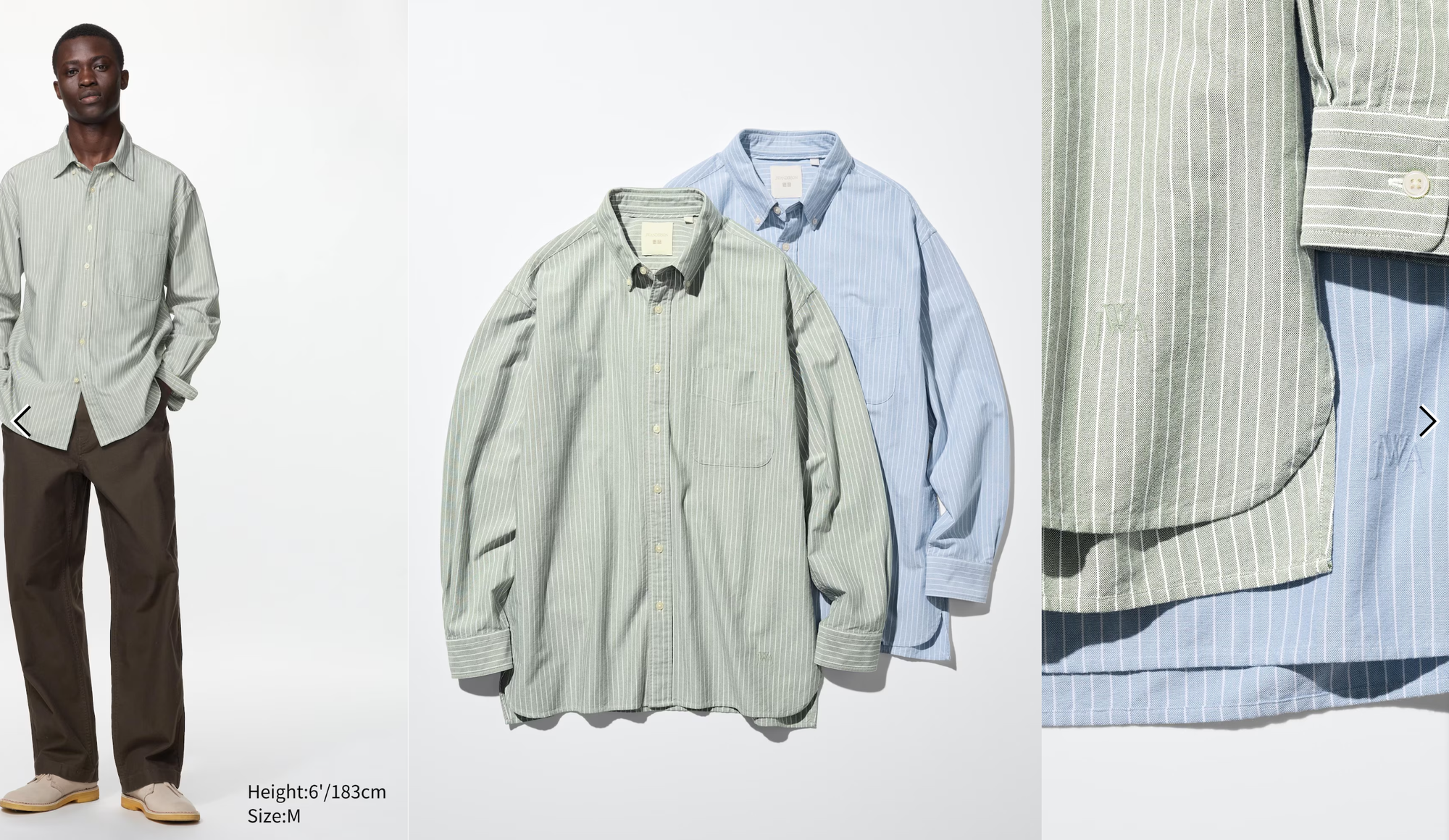
| Menswear | Uniqlo Oxford Shirt ($30) | Brooks Brothers OCBD ($120) | Charvet Paris ($300+) |
| Bicycles | Schwinn Wayfarer ($200) | Trek FX 2 ($600) | Pinarello Dogma ($12,000+) |
| Cameras | Sony ZV-E10 ($700) | Fujifilm X-T30 ($900) | Leica M11 ($9,000+) |
| Coffee Gear | AeroPress ($40) | Baratza Encore ESP ($200) | La Marzocco Linea Mini ($5,500+) |
What makes this pattern consistent across such different categories is not price. It is the position of the buyer. Mass-tier buyers want function without friction. Elite-tier buyers want story, scarcity, and the quiet satisfaction of owning something difficult to obtain. Mid-tier buyers wanted both, and that turned out to be a market position rather than a stable identity.
Why the Middle Tier Fails to Hold Its Ground
There is a useful way to read the decline of mid-range watches that applies to almost every category on that table. Mid-tier brands are not being undercut on price. They are being outflanked on meaning.
The mass tier does not compete on meaning. It competes on adequacy and convenience. The elite tier does not compete on price. It competes on desire and exclusion. The mid-tier has to compete on both simultaneously and wins neither fight.
Consider menswear. A Uniqlo Oxford shirt has become a genuinely credible garment. The fabric is decent, the construction is reliable, and the brand carries enough minimal-aesthetic legitimacy that wearing it requires no defense. Meanwhile, Brooks Brothers charges $120 for a button-down that is technically better, but the brand's cultural position has been deteriorating for years. The gap between $30 and $120 used to feel like real quality differentiation. Now it mostly feels like a pricing decision made by a company still operating on a 2005 retail logic.
That is the death of the middle-class brand in one sentence: when the story stops justifying the price, the price stops making sense.
Who Still Survives in the Middle, and How
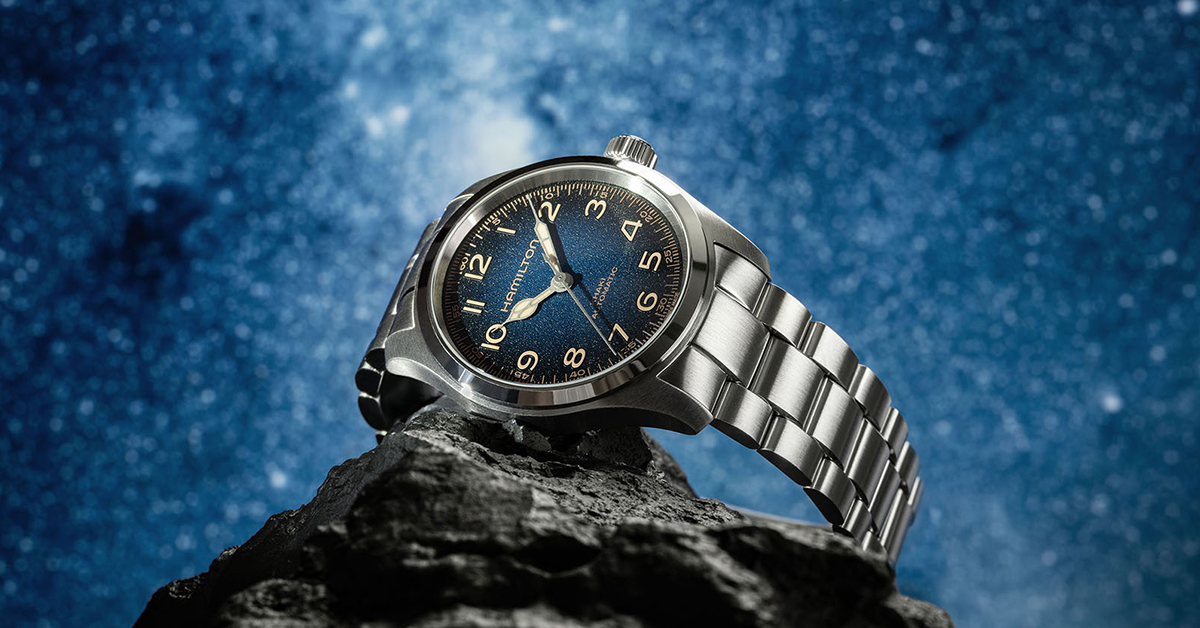
A handful of brands are holding the middle without being consumed by it. The pattern in how they do it is consistent enough to be instructive.
Hamilton watches sells Swiss heritage at genuinely accessible prices. The brand does not pretend to be something it is not, and it benefits from real provenance: Hamilton supplied watches to the US military and American railroads, which is the kind of history that does not need to be invented. Sennheiser's HD 600 has held its reputation in the audiophile community for decades by being, without much argument, the most honest-sounding headphone in its price range. Not the most exciting. Honest.
Canyon bicycles bypassed the retail markup entirely by going direct-to-consumer, which freed the pricing enough to offer high-performance frames at mid-range price points. Taylor Stitch in menswear uses a crowdfunding pre-order model that lowers inventory risk and lets them invest in better materials without inflating margins. Floyd's modular furniture is designed to be disassembled and moved, which solves a real problem for people who rent, relocate, and do not want to buy from IKEA again but also cannot afford to furnish a home with heirlooms.
The through-line is not price management or clever marketing. Each of these brands solved a specific, articulable problem in a way that could not be easily replicated at the low end. That is the actual condition for surviving in the middle: not competing against both extremes, but making the question of comparison irrelevant.
The Anti-Middle Middle: A New Shape Is Forming

There is something genuinely strange happening at the edges of this pattern. Some brands are creating a new kind of middle by rejecting the logic of both tiers entirely.
Patagonia's Worn Wear program sells used Patagonia gear at reduced prices, wrapped in a story about sustainability and intentional consumption. The product is secondhand. The brand equity is not. The pricing lands somewhere between mass and elite, but the positioning lands somewhere else entirely: it is a values statement dressed as a transaction.
Baltic Watches is doing something similar from the production side. The brand offers Swiss-adjacent quality at around $500 by keeping operations lean and distribution direct. They are not pretending to be Patek. They are building a case that the most interesting watches right now are not the ones that cost the most.
Both examples point to the same mechanism. The brands surviving (and building) a new middle tier are the ones that compete on something the direct-to-consumer craft revolution made possible: a tight story, a specific audience, and a pricing model that does not require a retail chain to justify itself. They are not finding the middle by averaging between mass and elite. They are defining their own axis.
How to Spot a Dying Middle Tier Before It Dies

For brand strategists and market-watchers, the early signals are consistent. A checklist worth keeping:
- Is the low end dominated by Amazon or AliExpress private labels? If a $40 version of the product now performs at 80% of the $200 version, the mass tier is winning on adequacy.
- Is the high end dominated by small-batch makers with direct-to-consumer distribution? If a one-person studio can charge $400 and sell out, the elite tier has found its audience.
- Are mid-tier brands discounting more aggressively than they used to? Promotional pressure is a reliable signal that the pricing story is losing conviction.
- Are enthusiasts talking about either buying the cheapest option or saving up for the best? When the community itself stops recommending the middle, the middle has already lost the narrative.
The middle isn't disappearing. Its justification is.
Enthusiast markets are concentrating around two increasingly distinct propositions: affordable products that perform well enough, and premium products whose meaning extends beyond performance. The traditional middle is losing the argument that once justified its price.
Three price positions. Only two clear identities.
The mass and elite tiers answer different customer needs. The traditional middle tries to occupy both positions.
Three forces changed what buyers consider valuable.
Global production improved the low end.
Affordable products became genuinely capable. The performance gap between mass and middle narrowed enough to weaken the case for paying more.
Direct distribution expanded the high end.
Independent makers gained access to global audiences without relying on traditional retail. Specialized craft became commercially viable.
Niche expertise became social identity.
Enthusiast communities transformed provenance, scarcity, and technical knowledge into signals of belonging and taste.
The middle is being outflanked on meaning.
Why pay more for a similar outcome?
When a cheaper product delivers sufficient quality, the mid-tier's incremental performance advantage becomes less persuasive.
Why settle when you can aspire?
Premium brands offer distinction, heritage, scarcity, and community. Their value proposition reaches beyond utility.
Specificity replaces compromise.
The brands holding their ground are not simply better at defending a mid-range price. They solve a distinct problem for a recognizable audience.
Provenance
Accessible watches supported by a genuine military and railroad history.
Credibility
An enduring reputation for honest sound among serious listeners.
Distribution
Direct-to-consumer sales reduce traditional retail markup on performance bicycles.
Utility
Modular furniture designed for disassembly, moving, and changing spaces.
Stop competing on the same axis.
Emerging middle-tier models challenge the assumption that value must be defined by position on a cheap-to-expensive spectrum.
Price versus quality
A brand positions itself between inexpensive utility and expensive craftsmanship, promising a reasonable balance of both.
Purpose versus alternatives
A brand defines a distinct reason to exist through audience fit, values, product purpose, or a more efficient business model.
Four signals that the middle is weakening.
Inexpensive products deliver most of the performance customers actually need.
Small-batch producers reach enthusiastic buyers without depending on traditional retail.
Promotional pressure suggests that the original price is becoming harder to justify.
Community advice shifts toward buying the cheapest adequate option or saving for the aspirational one.
The middle is not a price point. It is a claim.
Stop defining the brand as a sensible compromise between cheap and expensive. Identify the customer whose needs are underserved, the specific problem the product solves, and the reason competing alternatives cannot satisfy that need equally well.
Quality Was Never the Problem
The middle class of enthusiast markets did not disappear because quality stopped mattering. It disappeared because quality stopped being a sufficient argument on its own. In a market where the low end is genuinely capable and the high end carries cultural weight that transcends performance, "good enough quality at a fair price" is a positioning statement without a natural buyer.
The brands that survive in that space will be the ones that figured out that the middle is not a location on a price curve. It is a specific claim about what a product does, for whom, and why that matters now. The ones still treating it as a pricing band are, if the pattern holds, running out of time.
💡 OffLabel-025 | The Middle Ground Trap
Diagnosis: As affordable products get better and premium brands sell more than performance, the middle loses its appeal. Buyers can get what they need for less or spend more on something they genuinely want. Brands caught between the two struggle to explain why their higher price is worth paying.
Prescription: Stop relying on being the sensible choice between cheap and expensive. Give buyers a specific reason to choose you, whether that's better performance, a distinct purpose, a strong identity, or a problem other brands overlook. The middle can survive, but only when it stands for something beyond its price.
Strategic Medication: Market Polarization, Brand Positioning, Price Justification, Niche Marketing [Provisional]

