The Swedish Hotel That Sells by Refusing
Wanås Restaurant Hotel in Sweden ditched online booking in 2026. Here's what that decision reveals about the brand's positioning, design, and marketing strategy.

Quick answer:
Wanås Restaurant Hotel is an 11-room boutique hotel and Nordic farm-to-table restaurant built inside two converted 18th-century barns on the Wanås Estate in Skåne, southern Sweden. Opened in 2017, it sits on a medieval estate that includes one of Sweden's largest organic dairy farms and a sculpture park with works by Yoko Ono, Maya Lin, and Anthony Gormley.
Most hospitality brands spend enormous resources engineering the illusion of scarcity. Wanås went the other direction: starting in 2026, the hotel simply stopped taking individual reservations altogether, shifting to a full-buyout model where only one group books the property at a time and contact happens by email, not by clicking a button. That is not a feature. That is a positioning statement delivered without a press release.
What the Brand Is Actually Doing
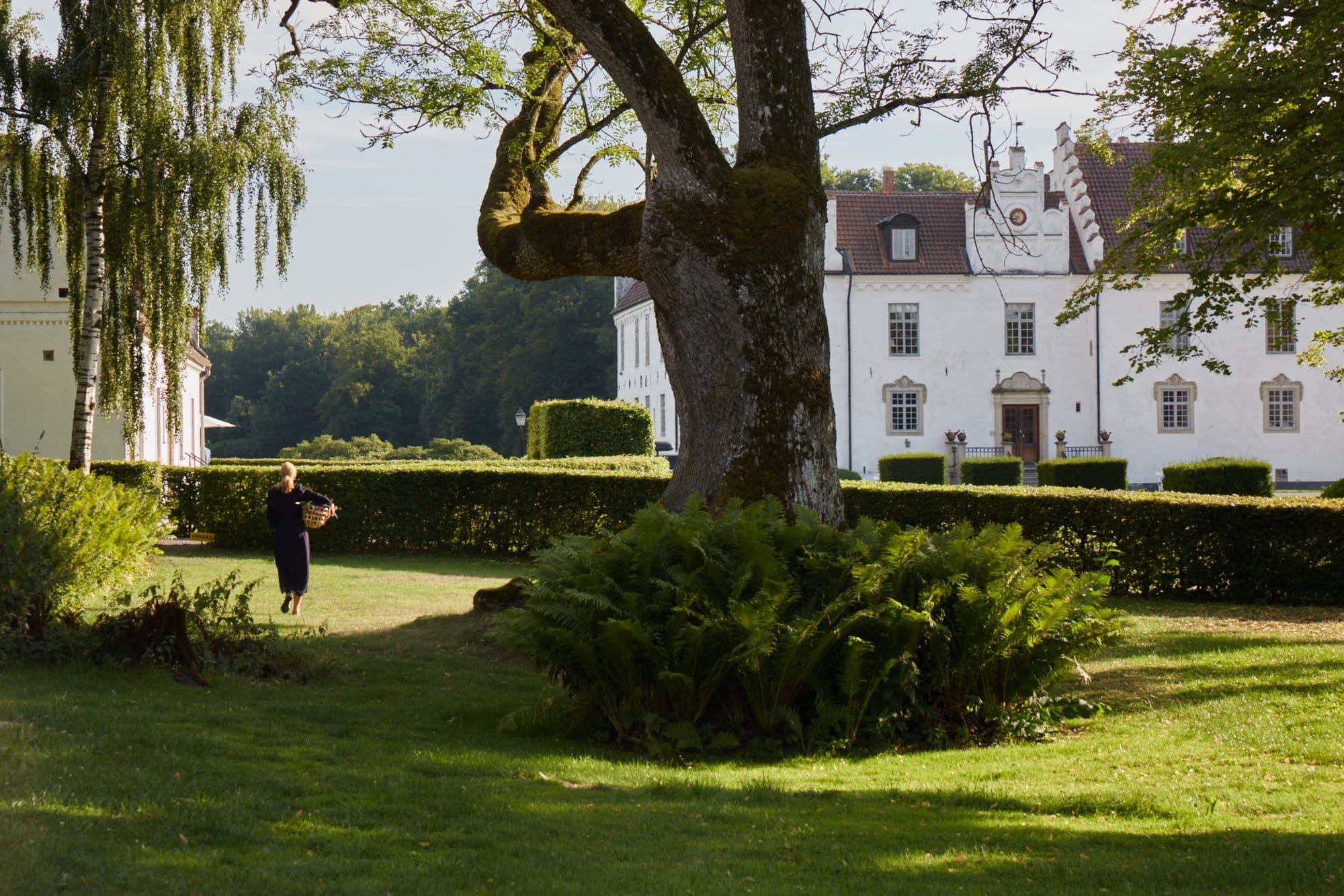
Wanås operates at the intersection of three things that rarely coexist at this level of execution: serious contemporary art, a working organic farm, and a kitchen where the sourcing is not a marketing story but a literal operational fact. Condé Nast Traveler put it on its Hot List. The New York Times T Magazine named the sculpture park one of the world's best travel destinations. The Financial Times covered it. Wallpaper covered it. None of that coverage happened because Wanås ran a campaign.
The brand's positioning is anti-category. It does not compete with other boutique hotels in the conventional sense because the sculpture park, run by the Wanås Foundation since 1987, contains permanent site-specific works by Ann Hamilton, Robert Wilson, Janet Cardiff, and Kimsooja alongside the Yoko Ono wish trees most guests photograph immediately upon arrival.
That collection is not ambient decoration. It is the destination itself, and the hotel exists as infrastructure around it.
A Portrait of the Brand in Motion
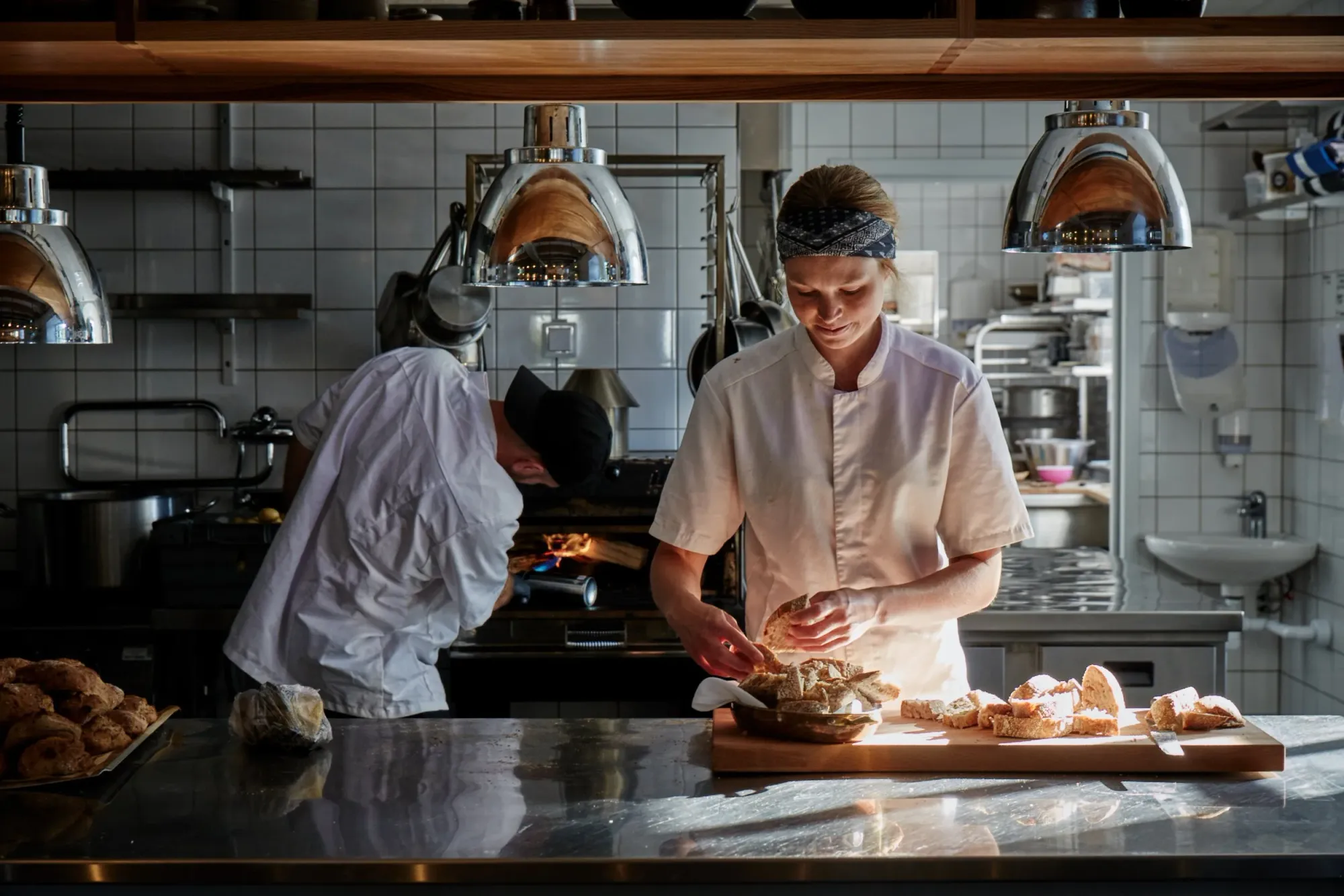
The target audience is identifiable with some precision. Condé Nast Traveler reviewer Stephen Whitlock described the guests as people who care about eating well, drinking well, and art, and noted that the Crown Princess of Sweden has visited. The dress code, noted informally, is "country smart." These are not people who need a loyalty points program explained to them.
The messaging Wanås uses is stripped of hospitality industry language entirely. Their own website states: "Wanås Restaurant Hotel is a place for cultural and culinary visits, but also a place for the soul. Honesty, towards our guests and ourselves, as well as towards nature, is a part of every meal and every stay." That sentence would not survive a standard brand review process at most companies. It is too earnest, too open-ended, too unwilling to convert. And yet it is perfectly calibrated for an audience that has already opted out of being marketed to.
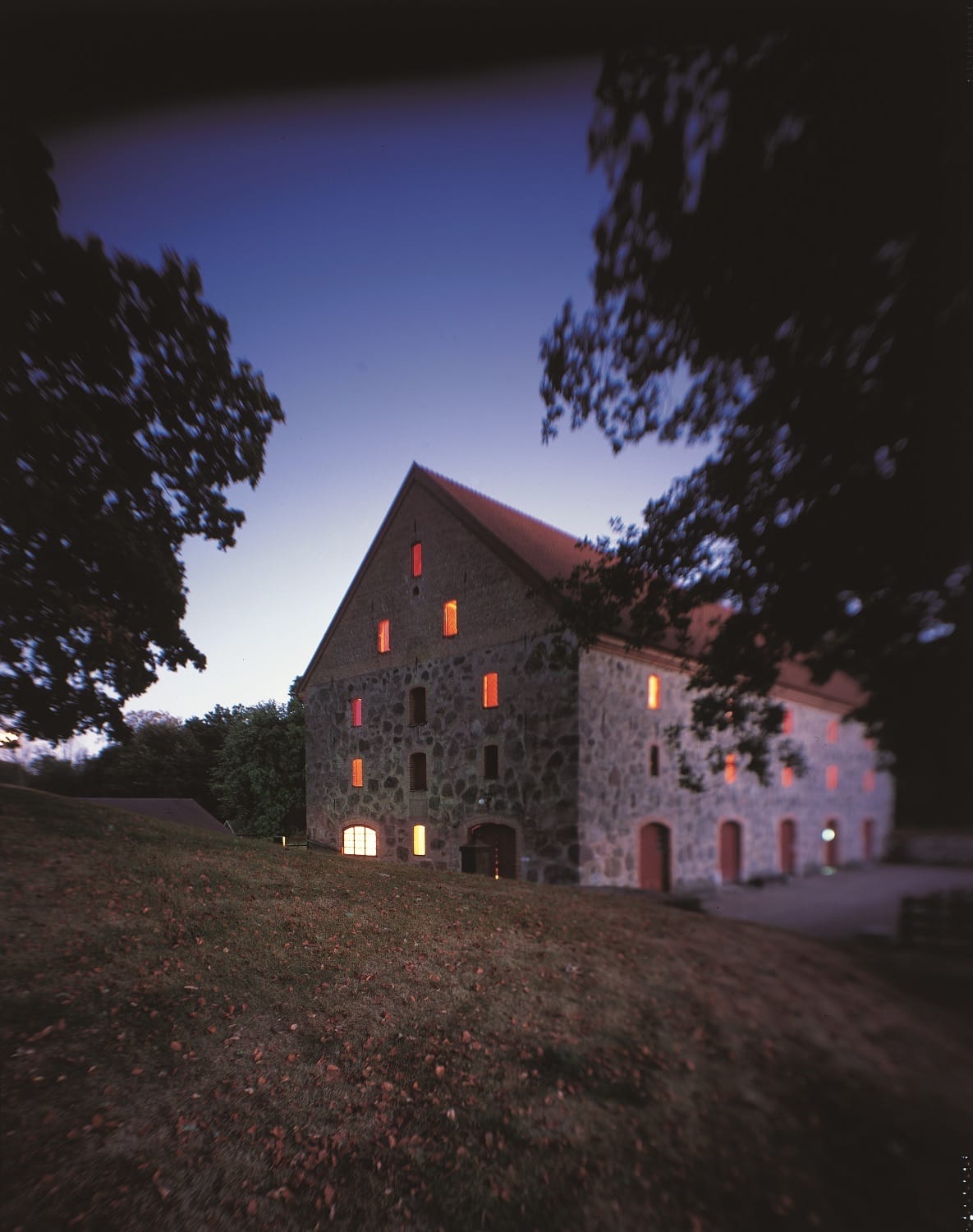
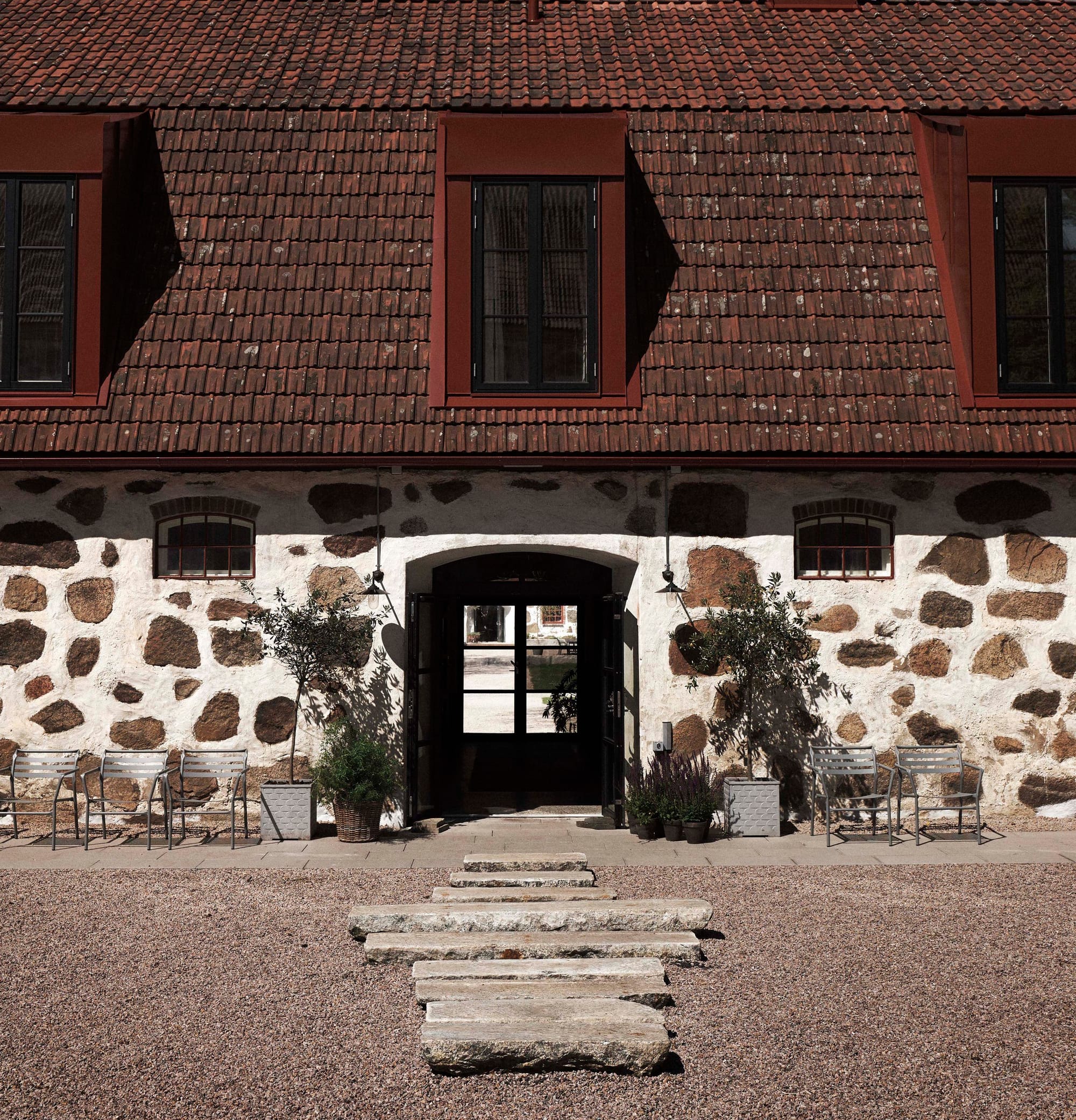
The experience Wanås designs is about controlled displacement. Guests borrow Hunter wellies from a mudroom and walk through a beech forest past a Robert Wilson installation of a lit cottage with speakers embedded in the surrounding trees. They eat at communal tables in a barn with meter-thick stone walls and a chef who can trace the beef on the menu to specific cows on the farm. The architecture was converted by Kristina Wachtmeister, herself an architect and the wife of Baltzar Wachtmeister, the ninth-generation inheritor of the estate. The building feels like it chose to become a hotel rather than being built as one.
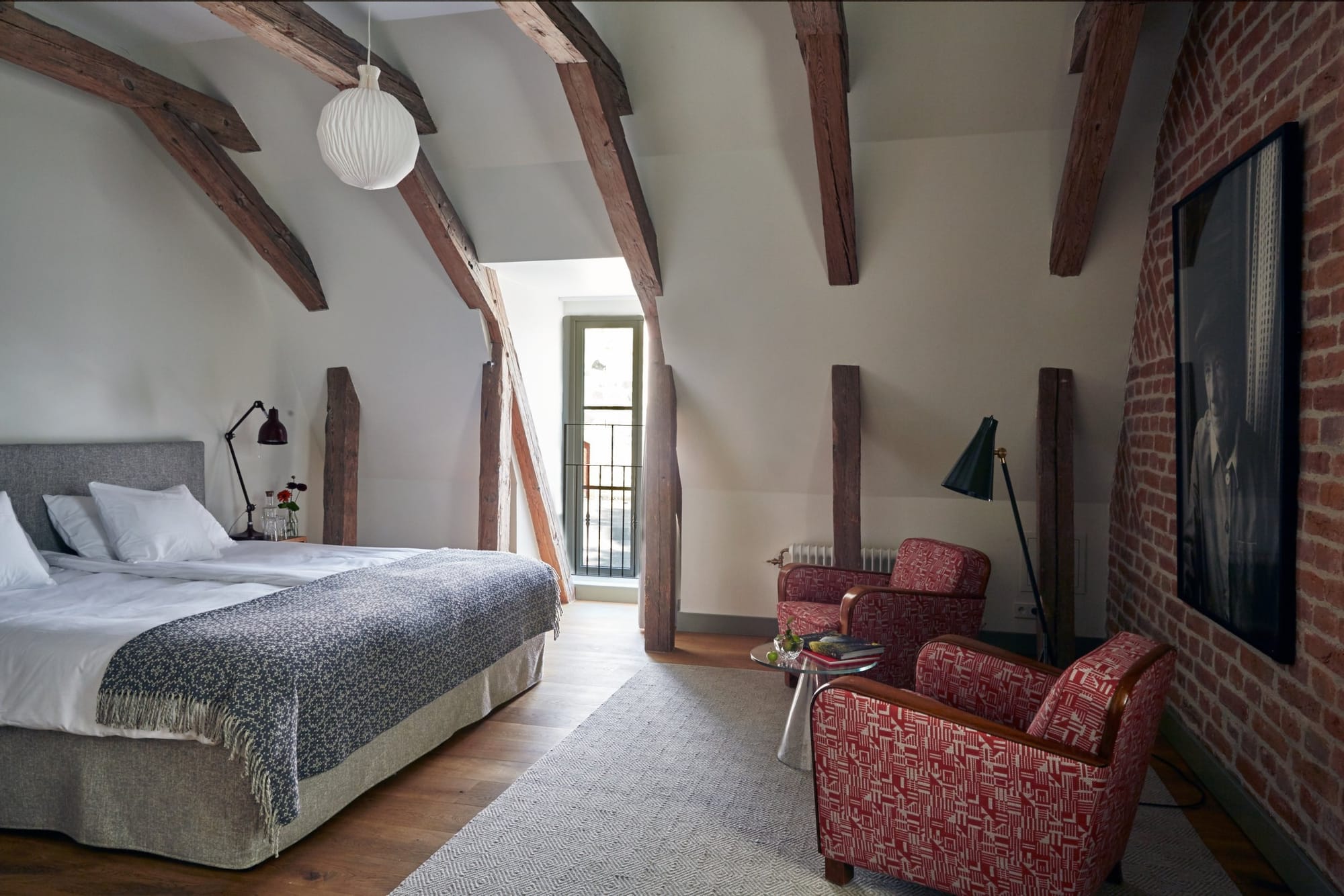
Visually, the design language refuses to resolve into a single aesthetic era. Art deco pieces sit alongside mid-century chairs and contemporary art on salvaged timber walls. Oak floors from the estate. Limestone. Exposed brick. The visual system communicates age and intention simultaneously, which is harder to execute than it sounds. Travel writer Quinn Fish, visiting for The JQ List, described her suite as "extravagantly styled in a gorgeously Scandinavian fashion using only organic and locally-sourced materials," adding that it was difficult to leave when checkout arrived.
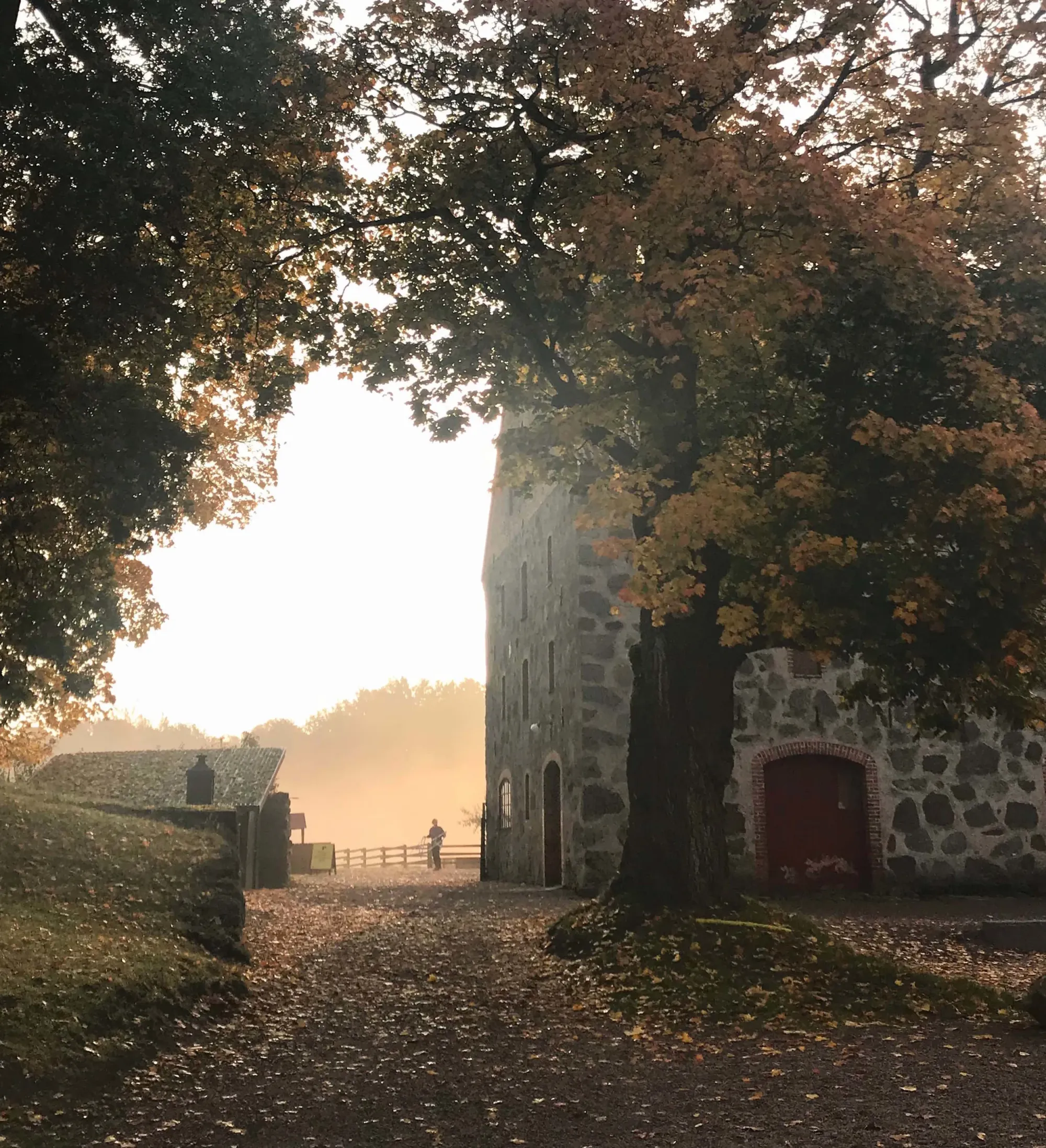
Wanås Restaurant Hotel
The culture Wanås is embedded in is the slow luxury movement, though it would probably reject that label. It is part of a broader shift among high-net-worth travelers away from maximalist resort experiences and toward places that offer genuine context. The 2026 model of hosting one party at a time is the brand logic taken to its conclusion: maximum sustainability, maximum personalization, zero compromise on experience quality. That is a commercially risky move. It is also the kind of move that makes a brand genuinely difficult to replicate.
Why the Marketing Pitch Holds
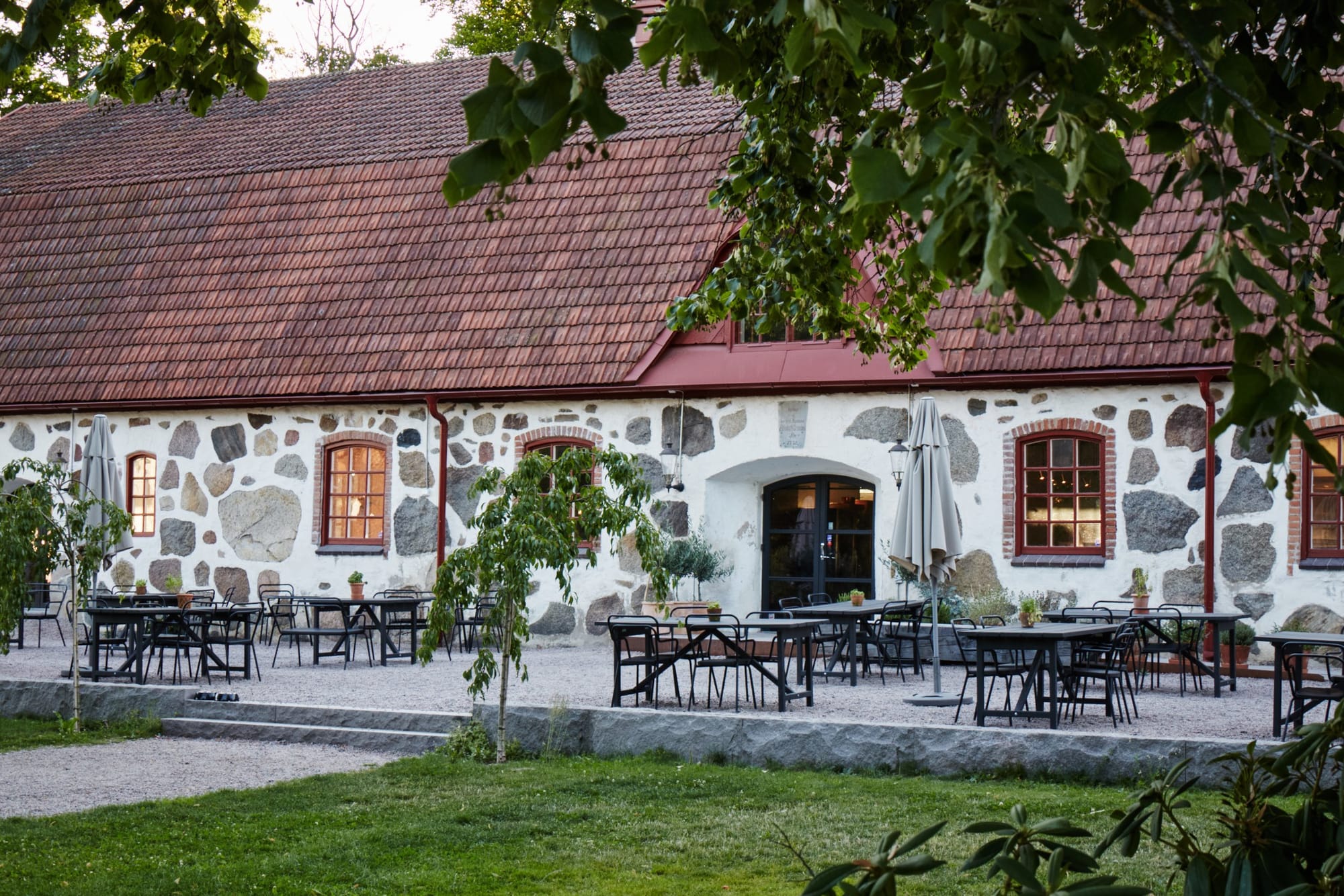
The differentiation is not a product feature. Any hotel can claim farm-to-table. Any property with old walls can photograph well. What Wanås has is a sculpture park with over 70 permanent international works that took nearly four decades to build, a family lineage on the land stretching back to medieval Sweden, and an architect-owner who converted the barns herself. None of those assets are acquirable. They are the result of time and commitment, which is exactly what makes them defensible.
The marketing pitch, reduced to its clearest form: come to a place that was not designed to impress you, and be impressed anyway. No booking engine. No amenities checklist. Just an email address and a farm in Skåne.