The Mashpi Lodge Built Its Brand Before It Built Its Rooms
Mashpi Lodge's marketing strategy turns conservation into a business model. A breakdown of how the brand positions, messages, and sells one of South America's most unusual luxury lodges.
Quick answer:
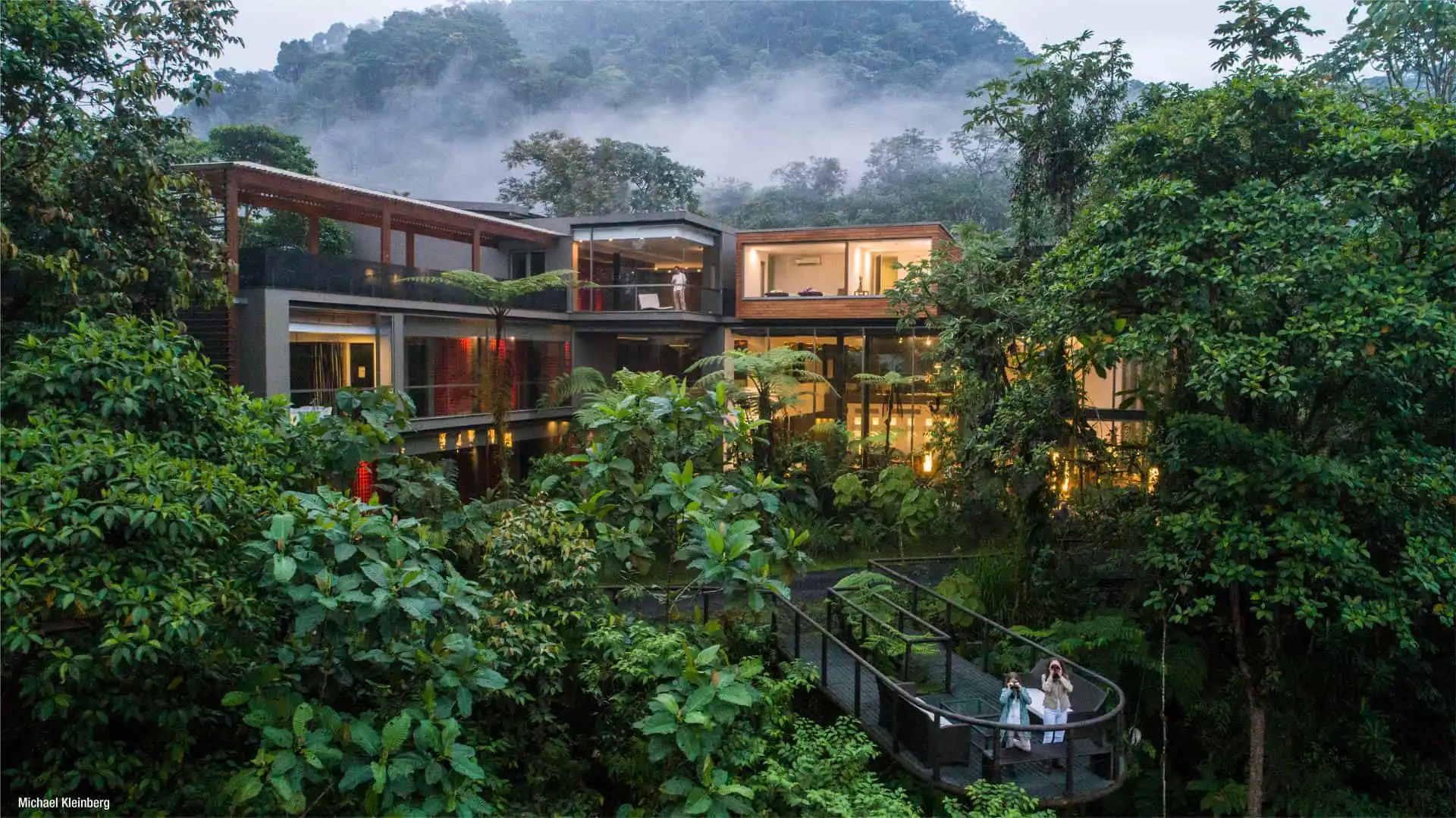
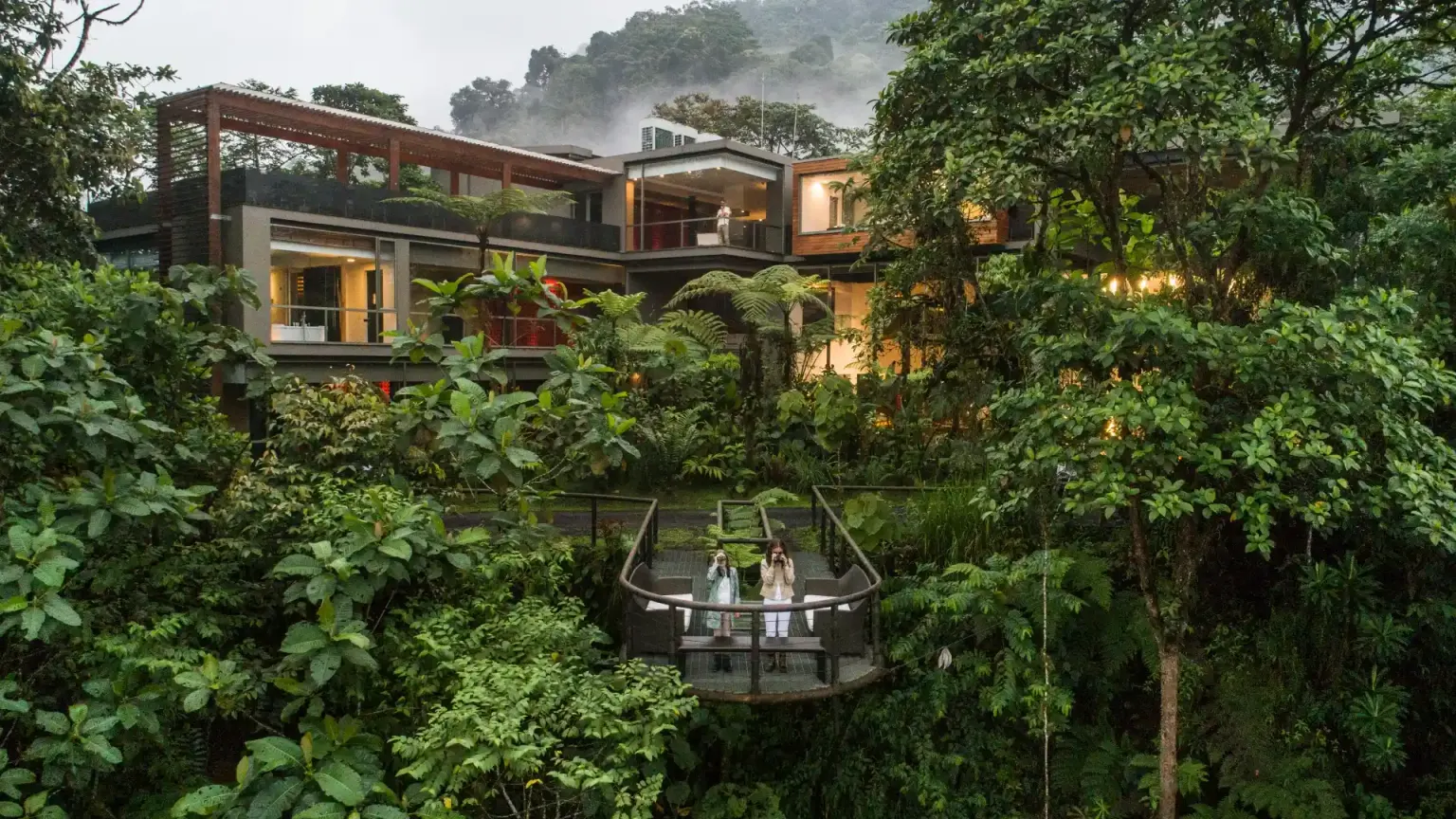
Mashpi Lodge is a 24-room eco-luxury lodge operated by Metropolitan Touring, set inside a privately protected cloud forest reserve in Ecuador's Chocó-Andean region, roughly three hours from Quito. Founded by former Quito mayor Roque Sevilla after acquiring 1,200 hectares of forest in 2000, the lodge opened in 2012 as a functioning conservation station that happens to offer some of the most architecturally striking guest rooms in South America.
What Is the Real Marketing Insight Behind Mashpi Lodge?
Most luxury hotel brands sell an escape. Mashpi Lodge sells a consequence. The guest is not the protagonist of a relaxing vacation. The guest is a participant in keeping one of Earth's most biologically concentrated ecosystems alive. That is not a marketing angle bolted onto a business model. It is the business model, which is why Spain's IESE Business School and Ecuador's IDE Business School selected Mashpi Lodge as the subject of an international case study on sustainable luxury tourism in 2025.
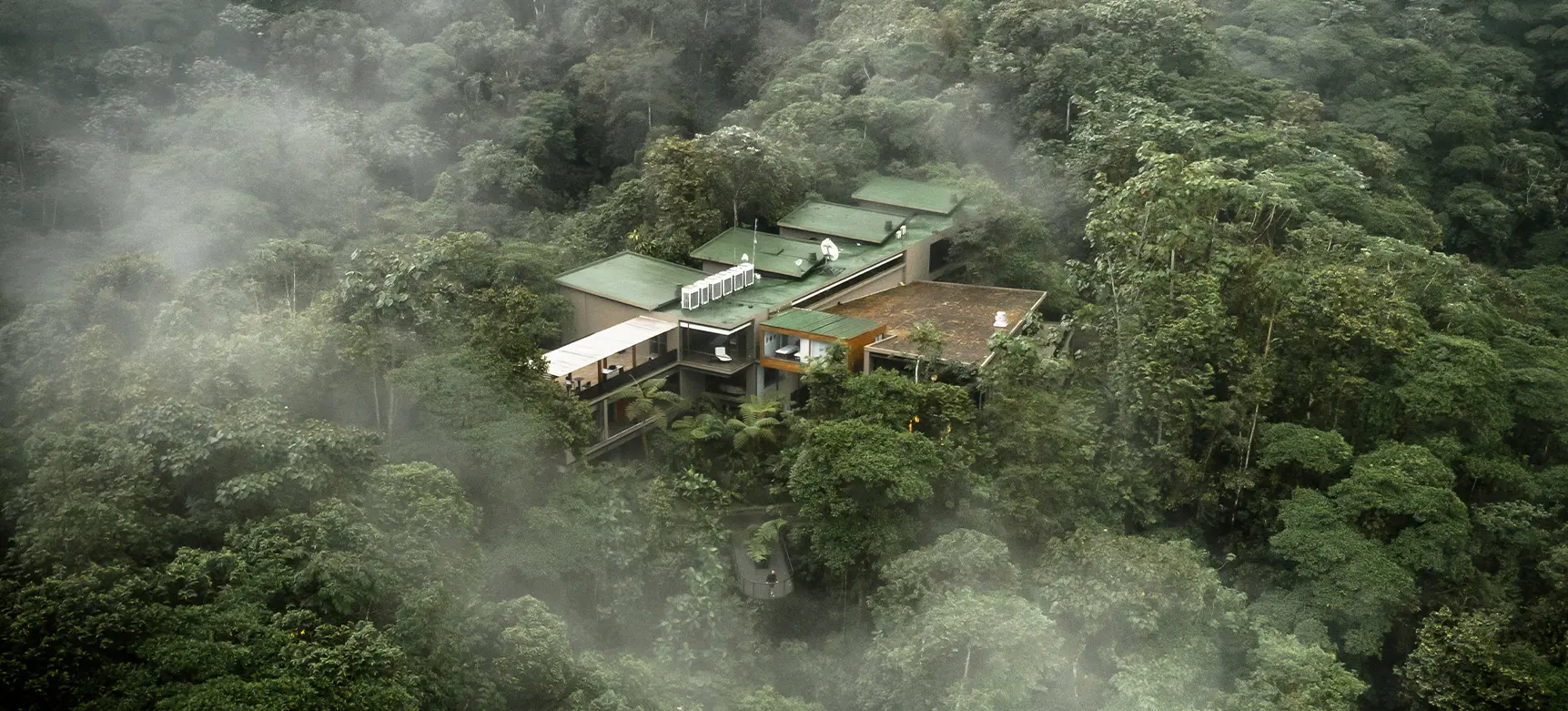
The inversion is what makes it work. The forest existed first. The lodge came second, and it was designed to justify the forest's protection financially. Every guest is, structurally, a donor who also gets a bed with floor-to-ceiling windows.
How Does Mashpi Lodge Position Itself Against Other Luxury Nature Lodges?
The brand sits in an unusual triangular position: luxury hotel, scientific research station, and conservation argument. Waterstone Marketing describes the design aesthetic as "Contemporary Glass Cocoon / Forest-Integrated / Eco-Luxe," which captures the visual grammar, but not the underlying positioning logic. Mashpi Lodge does not compete with Aman or Six Senses on spa programming or material opulence. It competes on access to something genuinely irreplaceable.
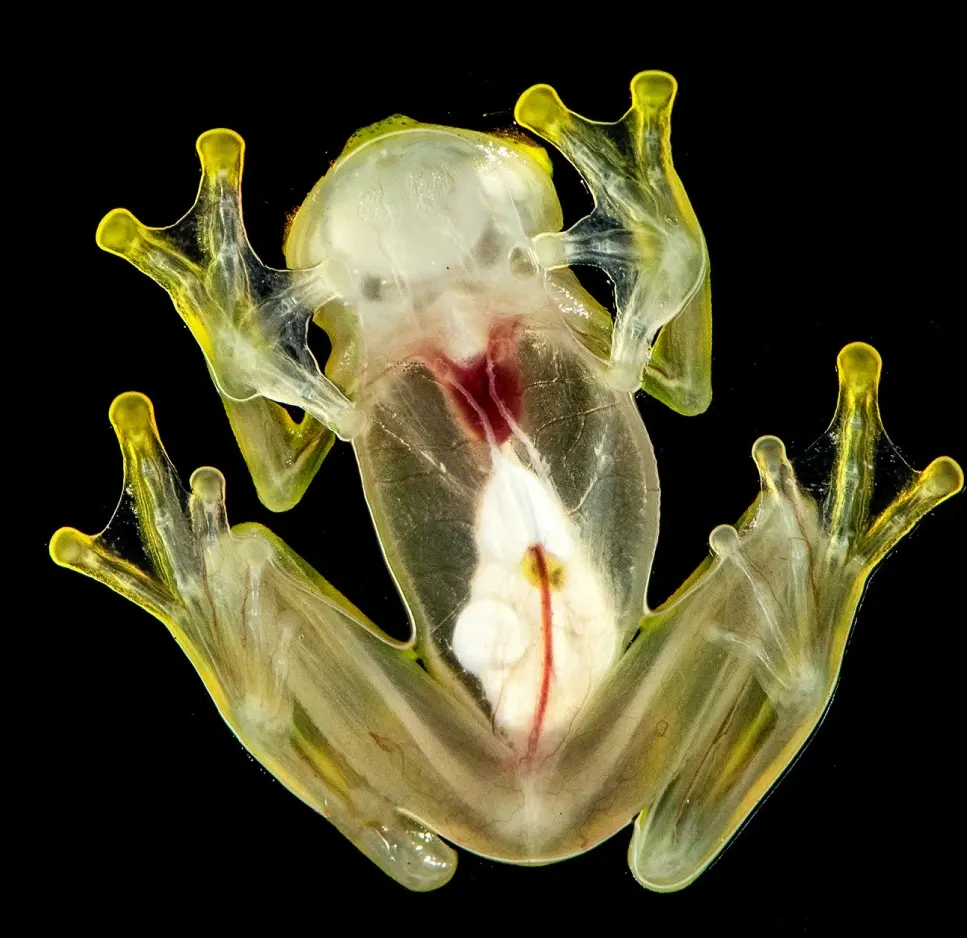
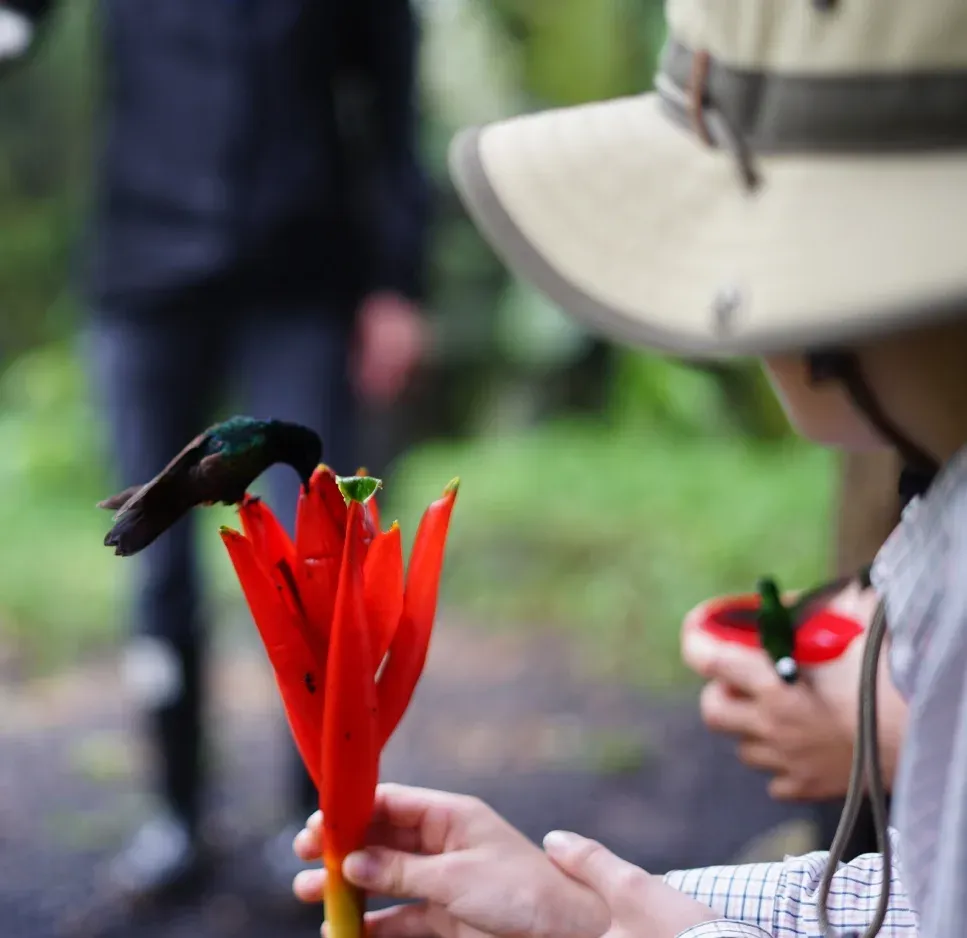
The reserve hosts what Mashpi Lodge's research team estimates at roughly 830 bird species and houses 26 newly discovered species documented through the lodge's in-house biology program. That is not a curated experience. That is a scientific credential, and the brand treats it as one.
Mashpi Lodge
Who Is Mashpi Lodge Actually Selling To, and What Are They Selling Them?
The target segment is not simply "wealthy nature lover." It is the traveler who has already done the Galápagos, already done Patagonia, and now wants something with intellectual weight. HauteBlack's editorial guide to the property describes the ideal Mashpi guest as someone who "values discovery" over "total control over every wildlife moment," which is a precise and honest description of who the product actually serves.
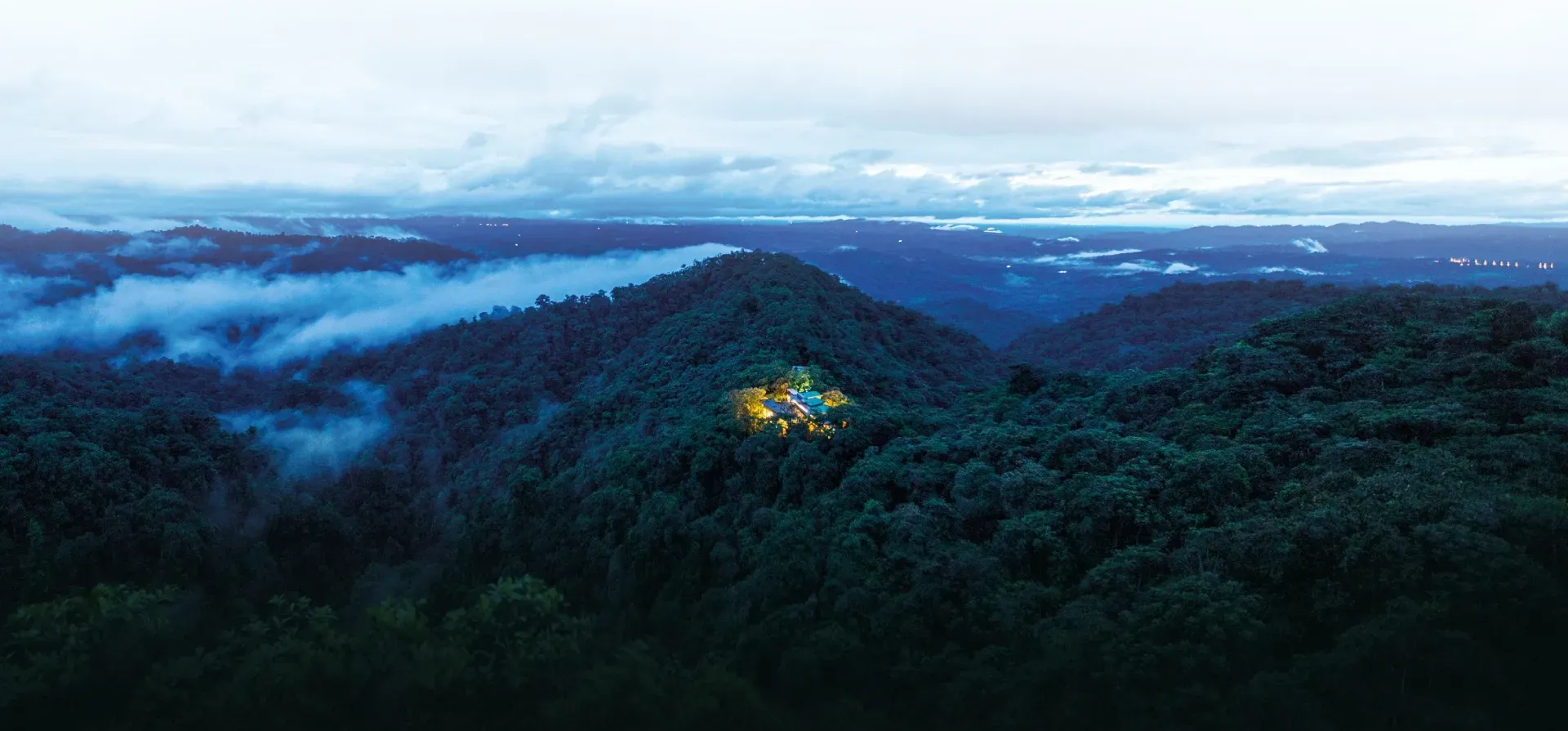
The messaging runs on a consistent story: you are not checking into a resort, you are entering a protected world that contains a lodge. The arrival journey from Quito, three hours through narrowing mountain roads as the city dissolves behind you, is treated as part of the narrative sequence, not a logistical inconvenience. The brand understands that the experience begins well before check-in.
How Does Mashpi Lodge Use Design to Communicate Conservation Values?
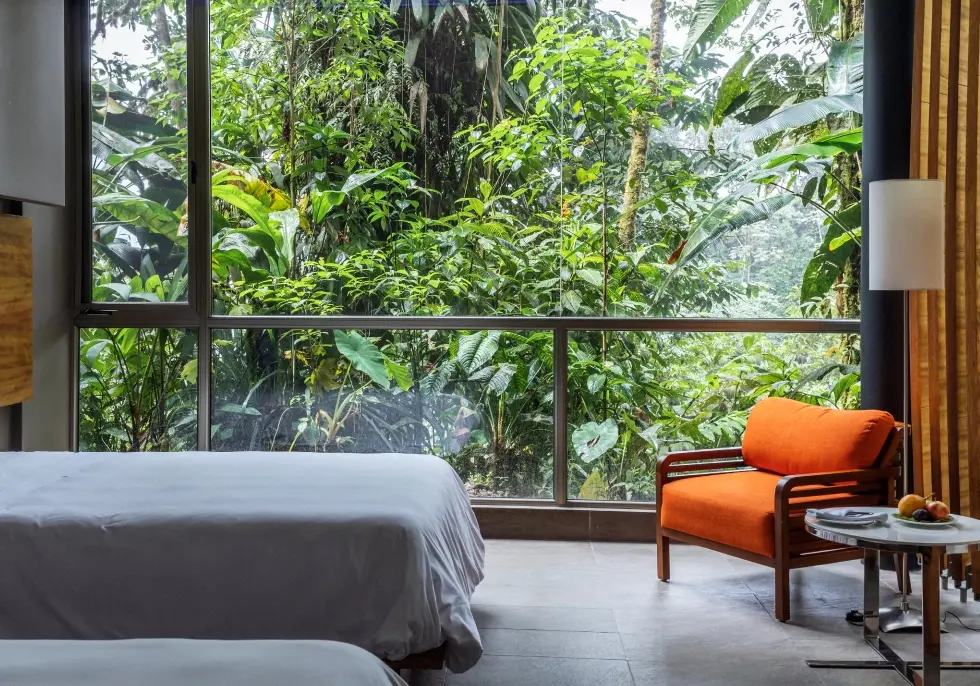
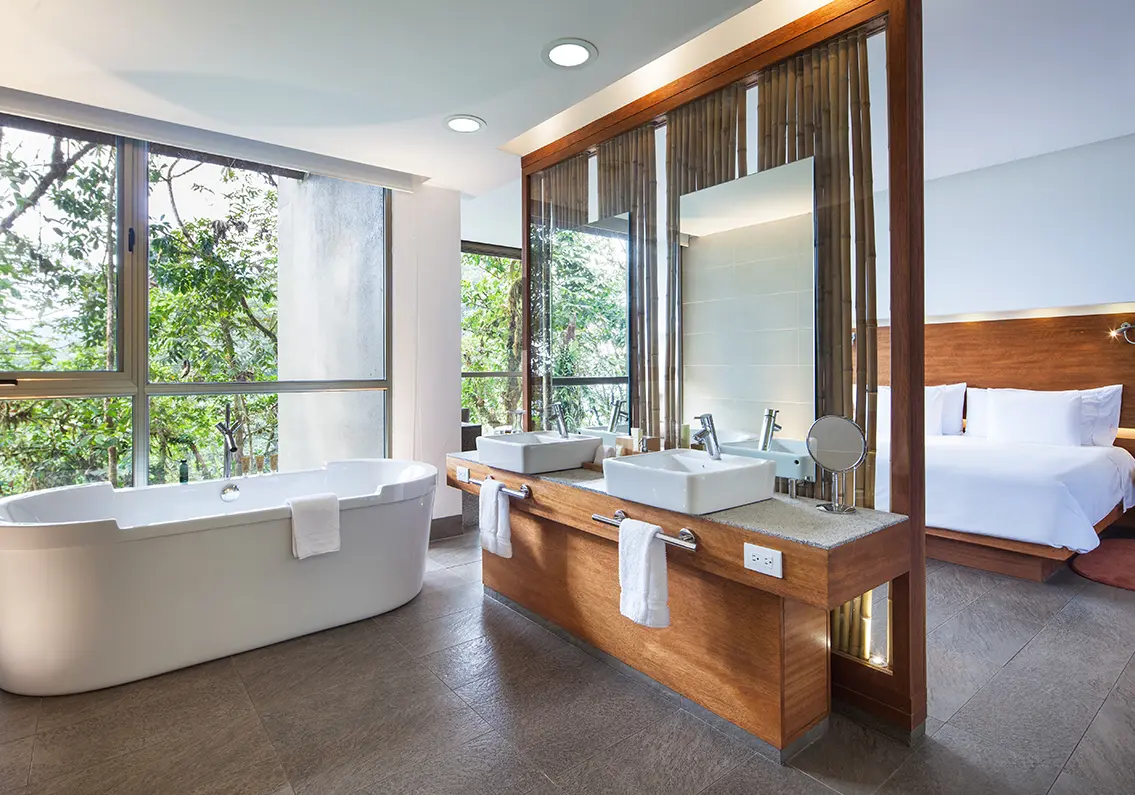
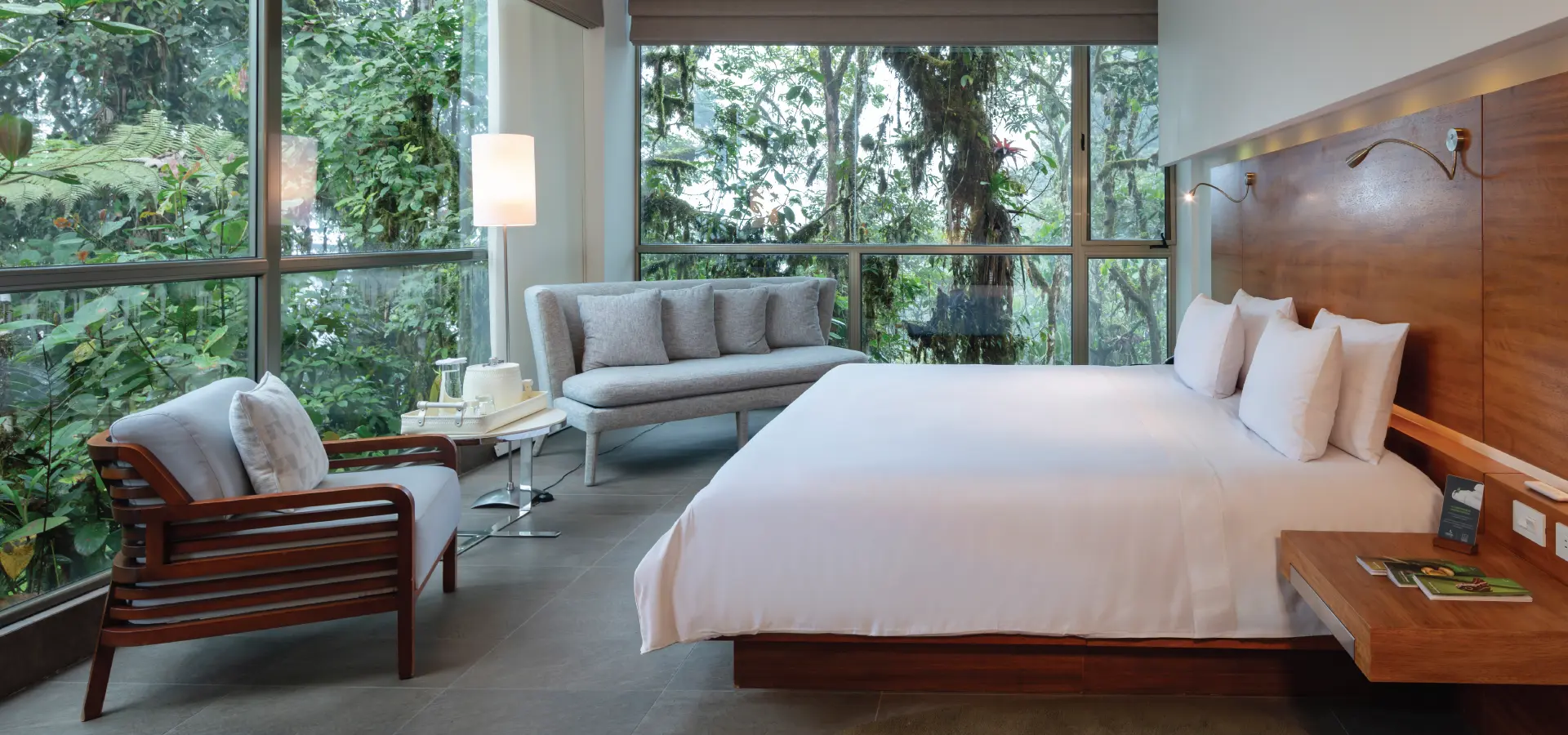
The architecture does the heaviest persuasion work. Floor-to-ceiling glass throughout the 24 rooms turns every room into an observation instrument pointed at the forest. The building does not mimic nature. It presents nature, framed, from a position of disciplined modern geometry. Happy Gringo Travel notes that "every room has large panoramic windows that look out on the forest, using nature as part of the aesthetic of the design."
Mashpi Lodge
The Sky Bike and Dragonfly Gondola are not amenities in the hotel spa sense. They are kinetic design objects that change the guest's spatial relationship to the ecosystem, offering sequential perspectives from canopy height. The food sourcing, using wild garlic and herbs grown within the reserve, brings the same logic into the dining room. Every layer of the experience is making the same claim: the forest is the product.
What Is the Real Marketing Pitch, and Why Does It Work?
The pitch, distilled: staying here funds the forest's survival, and you get to be inside it while that happens. That is a harder thing to replicate than a spa menu or a celebrity chef. It won the 2024 Travel Weekly Magellan Gold Award in the Overall Luxury Hotel/Resort category, and it has generated sustained coverage across Condé Nast Traveler, National Geographic, Forbes, and the BBC.
The community dimension holds the brand accountable to its own argument. 48% of Mashpi Lodge's employees come from surrounding communities, 330 students benefit from on-site educational programs, and the operation runs on renewable hydroelectric power. The brand does not claim to be sustainable. It publishes the numbers and lets the architecture, the science, and the local economics make the case.
The actual marketing insight is structural, not tonal. When the product and the cause are the same thing, the pitch never sounds like a pitch.
 David
David