Five Ways to Open a Knife Nobody Asked For (Until Now)
Five deployment methods, a Hungarian designer, and a brand building toward proprietary IP. A marketing breakdown of the Vosteed Zander and what it signals about Vosteed's strategy.
Quick answer:
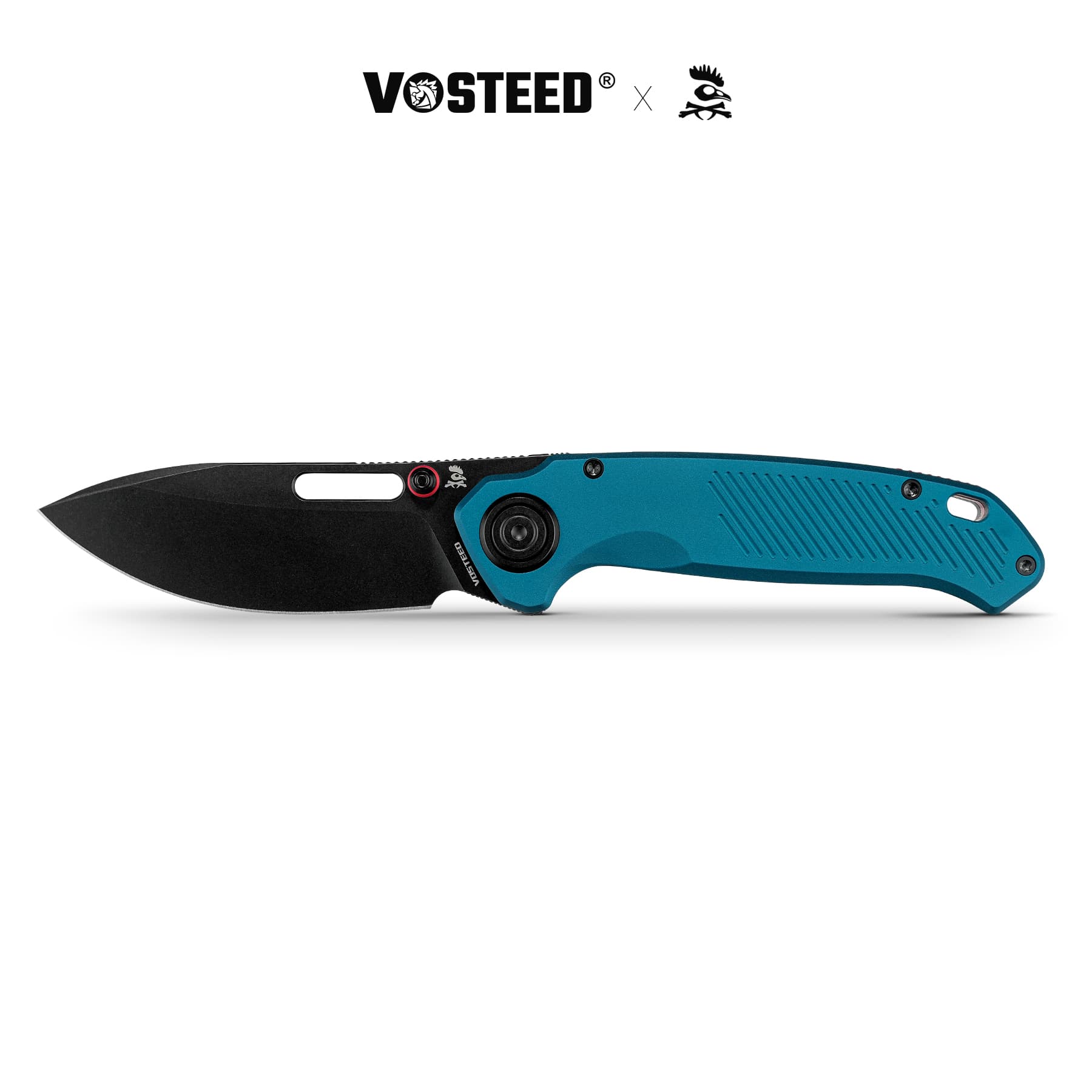
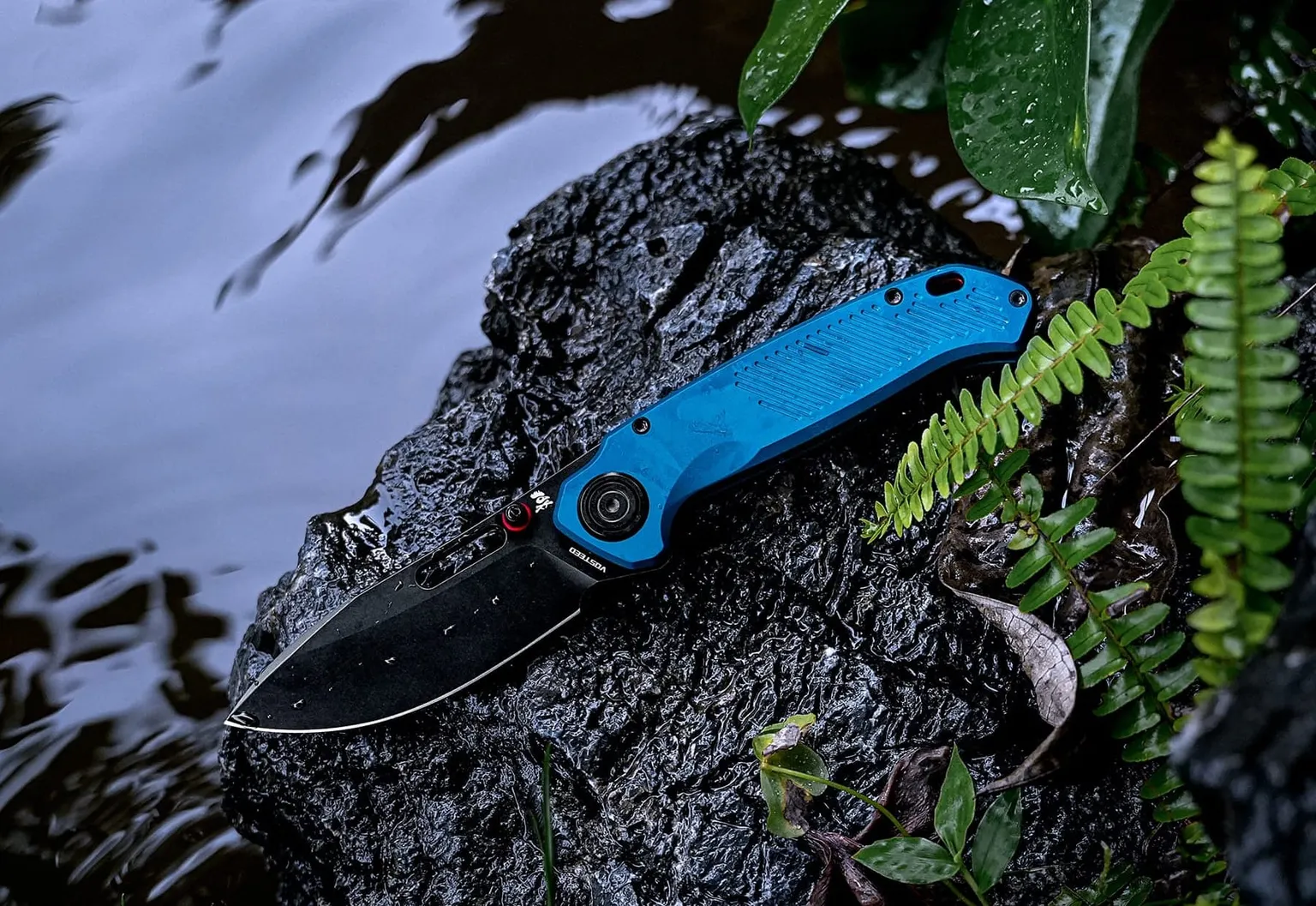
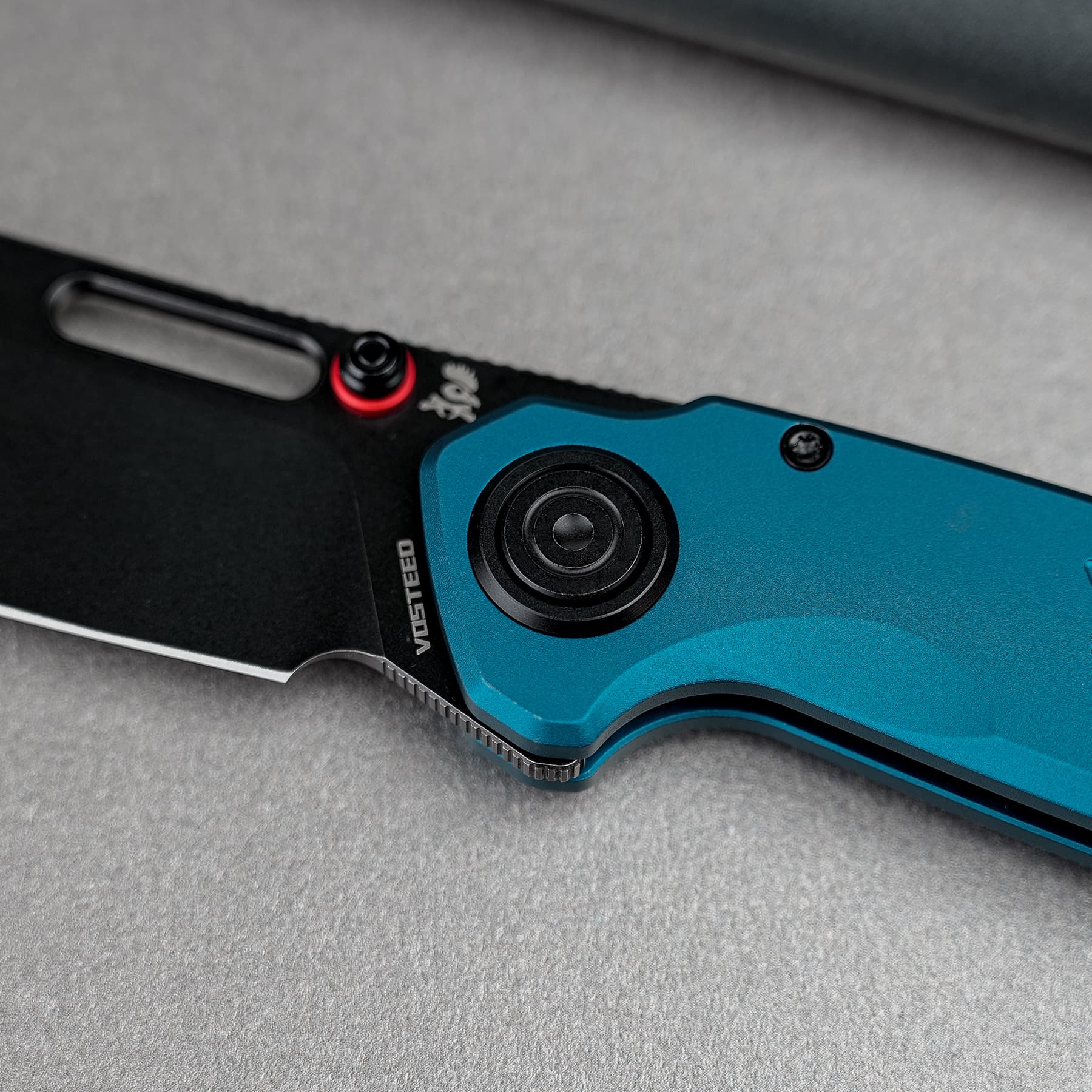
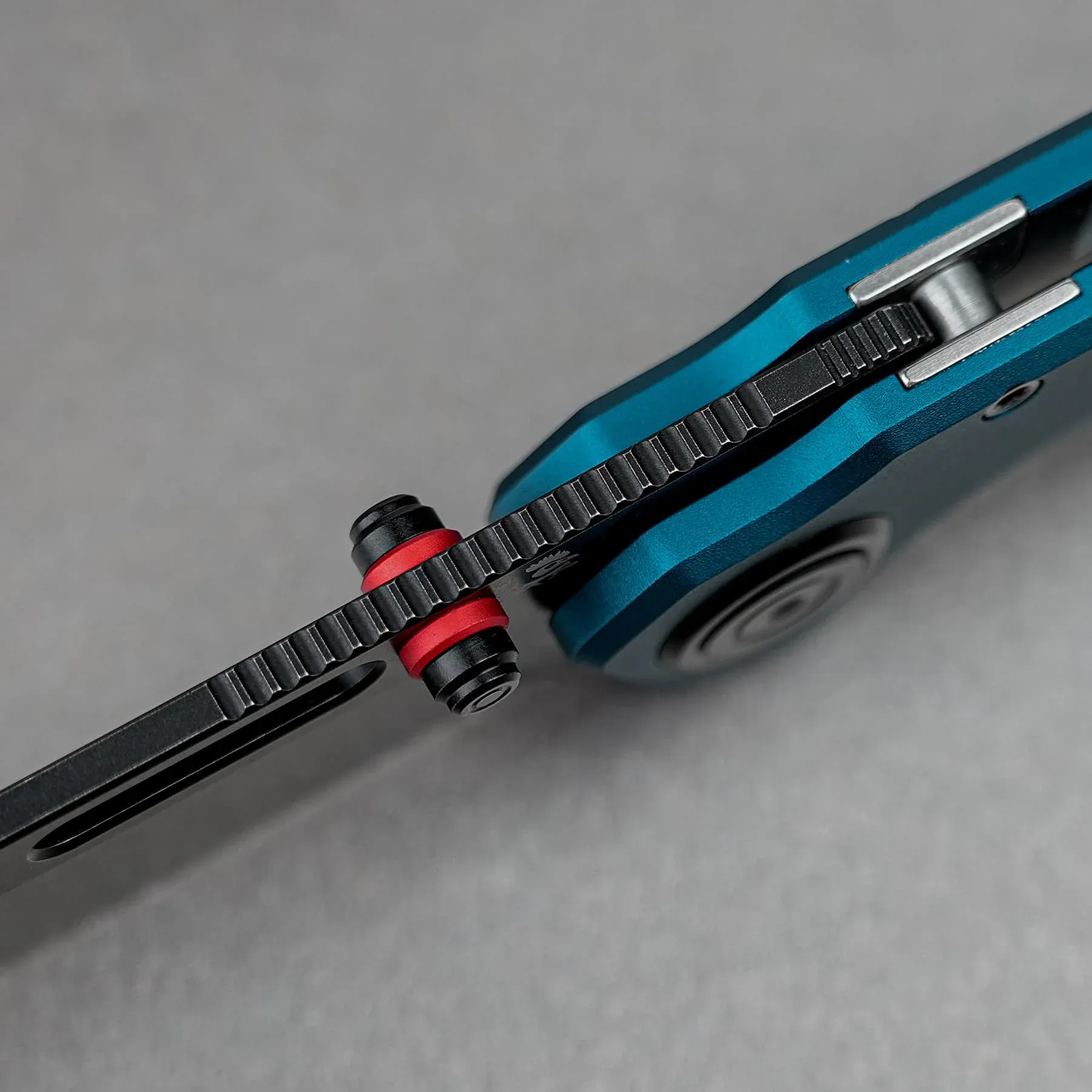
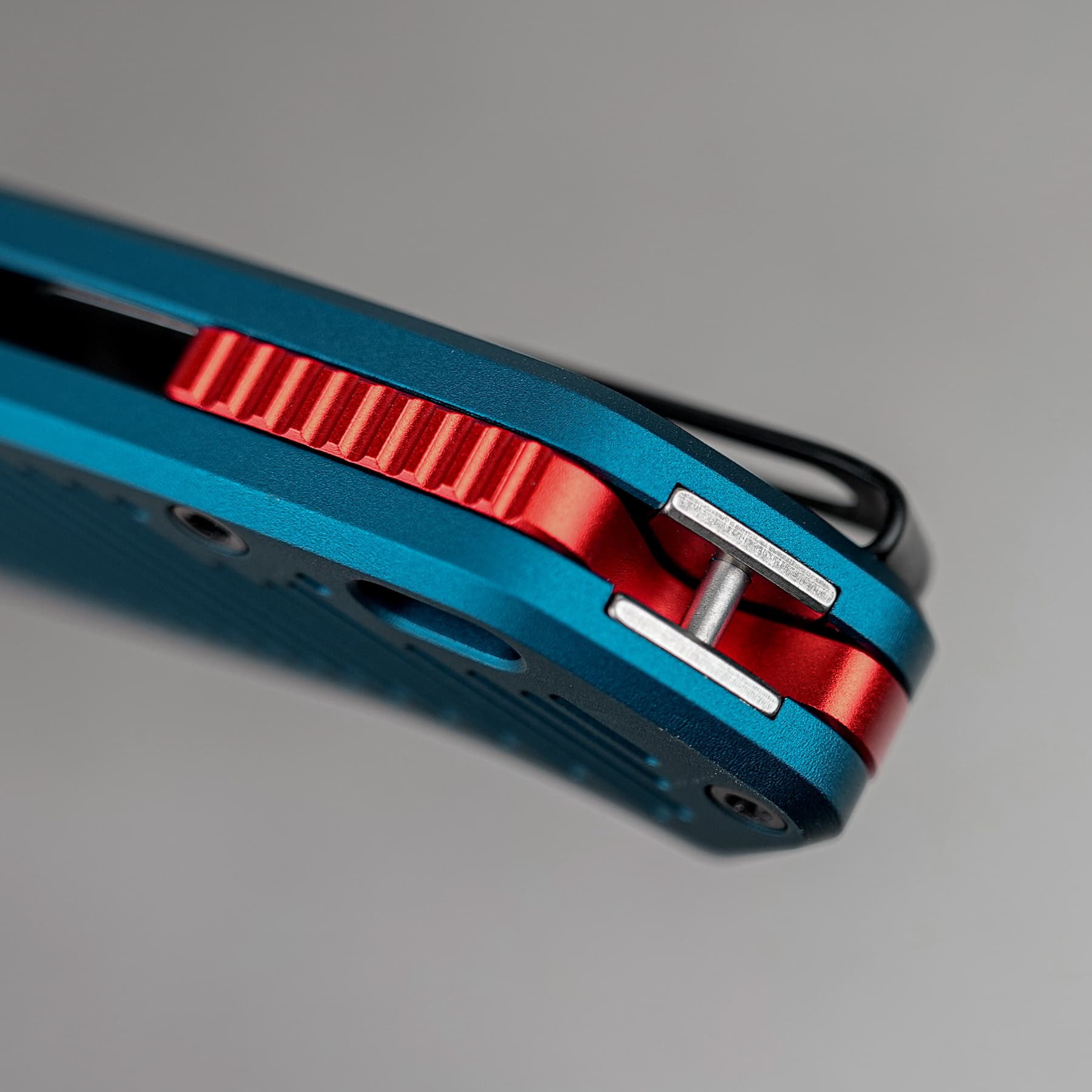
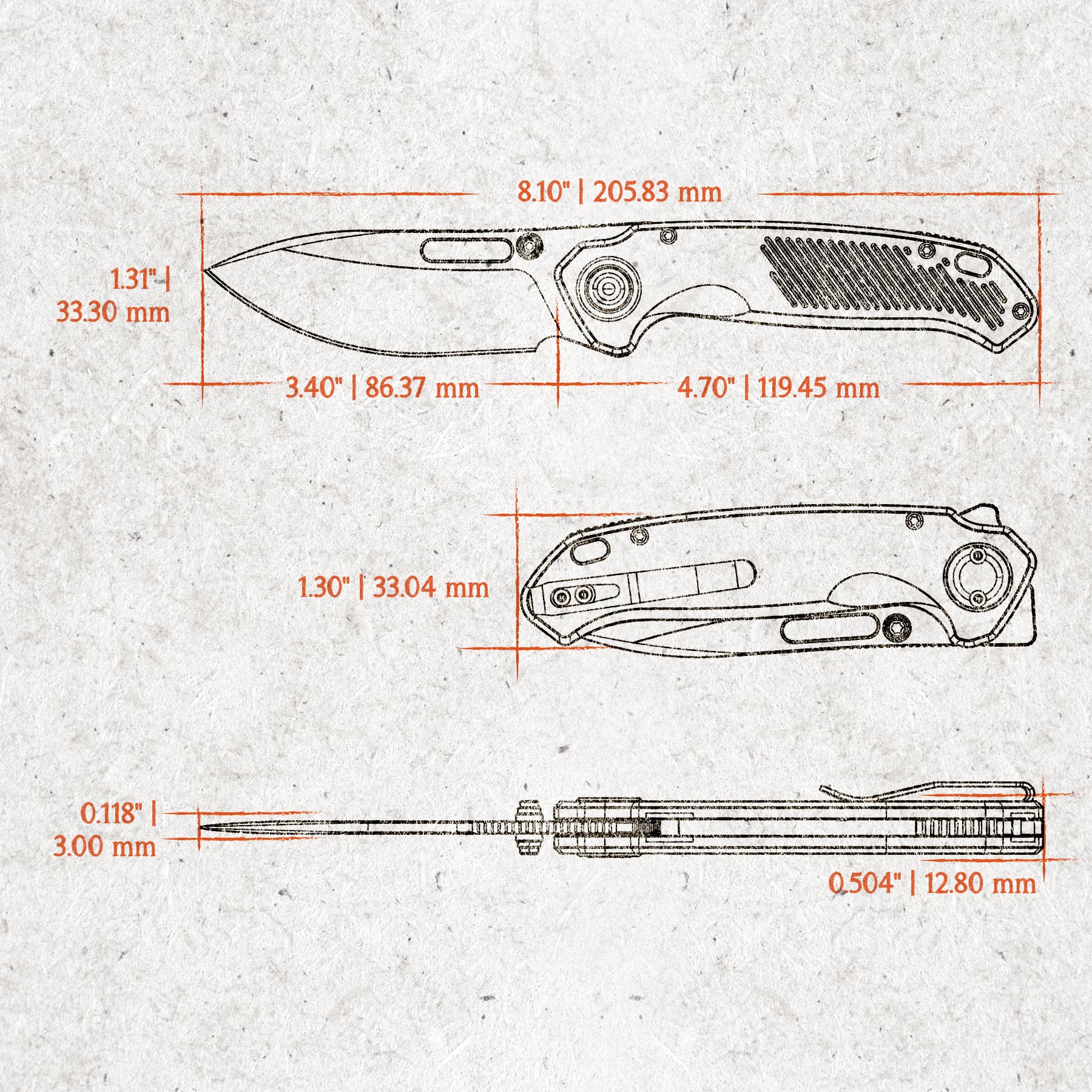
The Vosteed Zander is a full-size folding EDC knife designed by Hungarian maker Kornel Kiss and built around S35VN steel, a proprietary Vanchor Lock, and five distinct deployment methods that include: front flipper, back flipper, thumb stud, thumb hole, and button-assisted flick. It ships in six color treatments and carries in the sub-$200 tier of a market crowded with serious options.
The Insight That Makes This Interesting
Most knife brands pick a lane. Tactical. Traditional. Gentleman's carry. The quiet, underexplored middle ground is the knife that refuses to categorize itself without feeling muddled. That is the space the Vosteed Zander is genuinely trying to occupy, and the marketing logic underneath it is more considered than it first appears.
A Brand Playing a Long Game Inside a Very Loud Room
Vosteed
Vosteed, founded in 2021 by Johnny and Yue, operates under the tagline "Stay Sharp, Stay Wild" and positions itself explicitly as a bridge between designers, makers, and enthusiasts. That is not a typical Chinese knife brand framing. Most competitors in this tier lead with materials, price, or volume. Vosteed leads with relationships.
The target audience is the gear-obsessed EDC carrier who treats a pocket knife as a considered object, not just a cutting tool. They read Gear Patrol. They argue about locking mechanisms on Reddit. They buy five knives and carry one. This audience already knows what S35VN is, so spelling it out in the headline is the wrong move. What they respond to is novelty with credibility, which is exactly what five deployment methods on a single blade delivers.
The Collaborator Model as a Positioning Move
Vosteed
Here is where Vosteed does something that most brands at this production scale do not bother with: it publishes the designer's story alongside the knife. Kornel Kiss is a graphic designer and GIS technologist from Hungary who has been making fixed-blade knives by hand for over 15 years. He designs digitally first, working in software to test line, arc, and proportion before any CAD model exists.
His quote, "For me, a knife has to be ergonomic and fully usable first. The harmony and aesthetics come after that," is doing real marketing work. It sounds like a craftsman talking. It sounds like someone with an opinion. And it gives the Zander a provenance narrative that a product page alone cannot manufacture.
Gear Patrol's review called the Zander "fantastic" and noted that the five deployment methods, "without being overly fussy," land the fidget appeal without compromising the tool's integrity. That is a meaningful third-party confirmation of what the brand is trying to say without saying it directly.
Design Language as Brand Signal
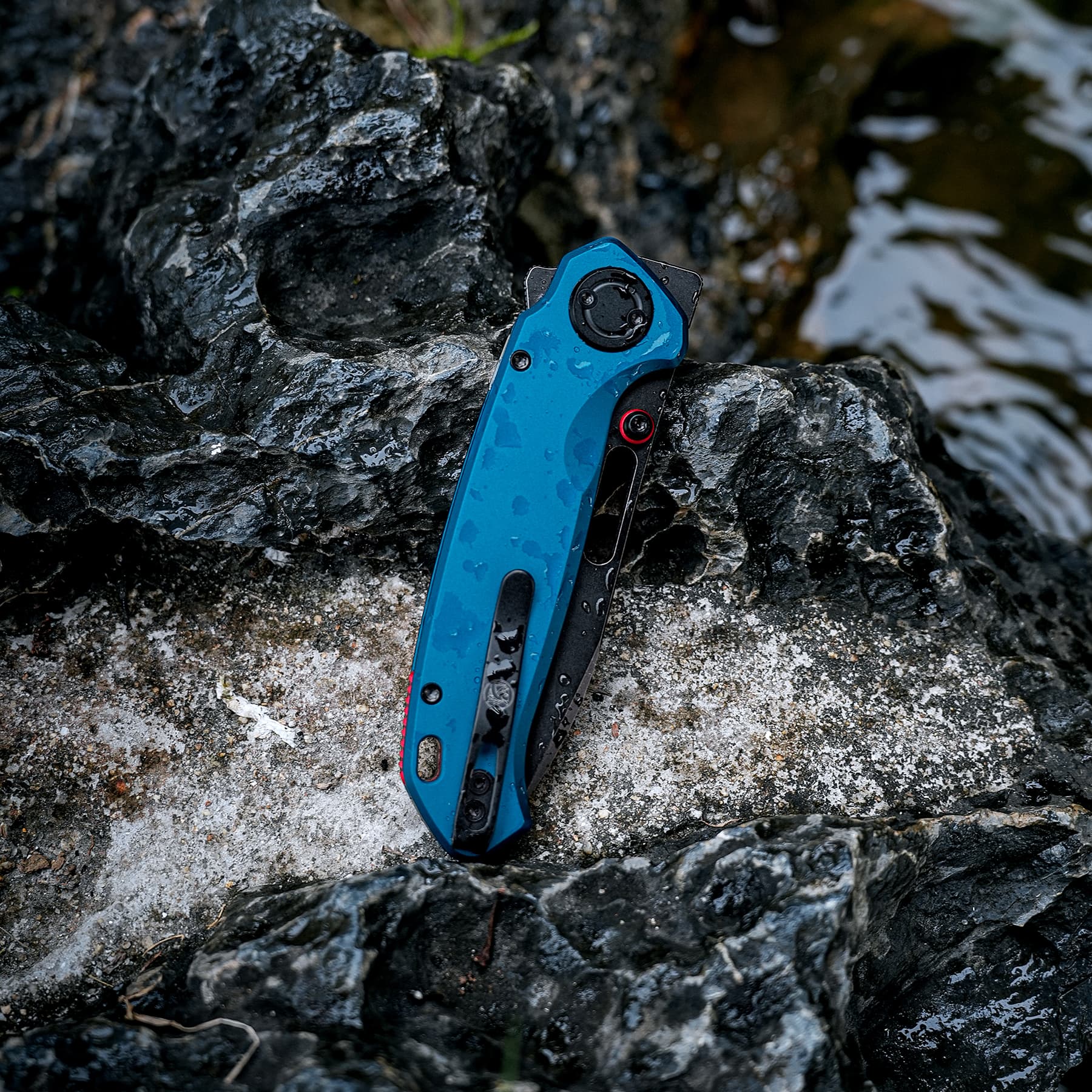
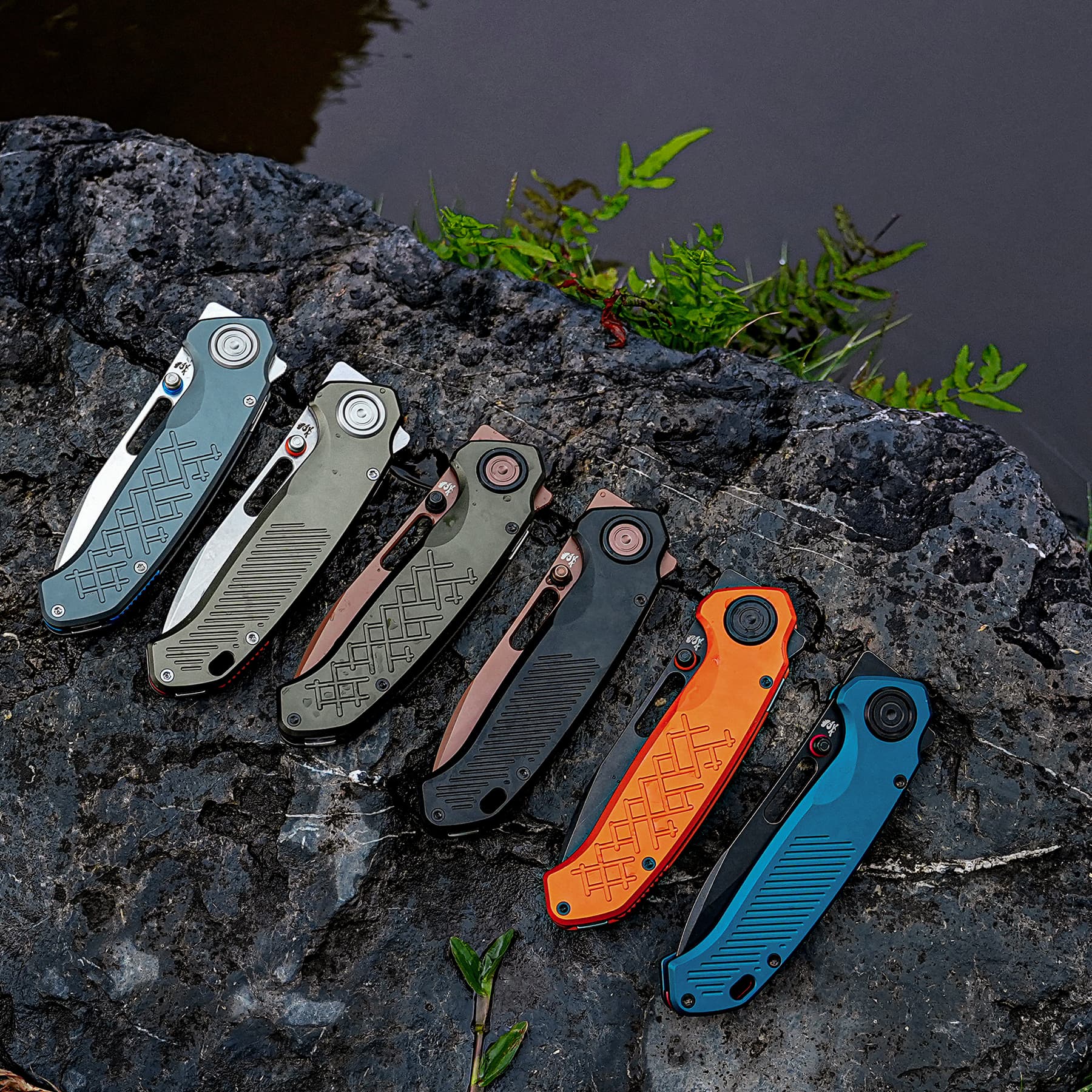
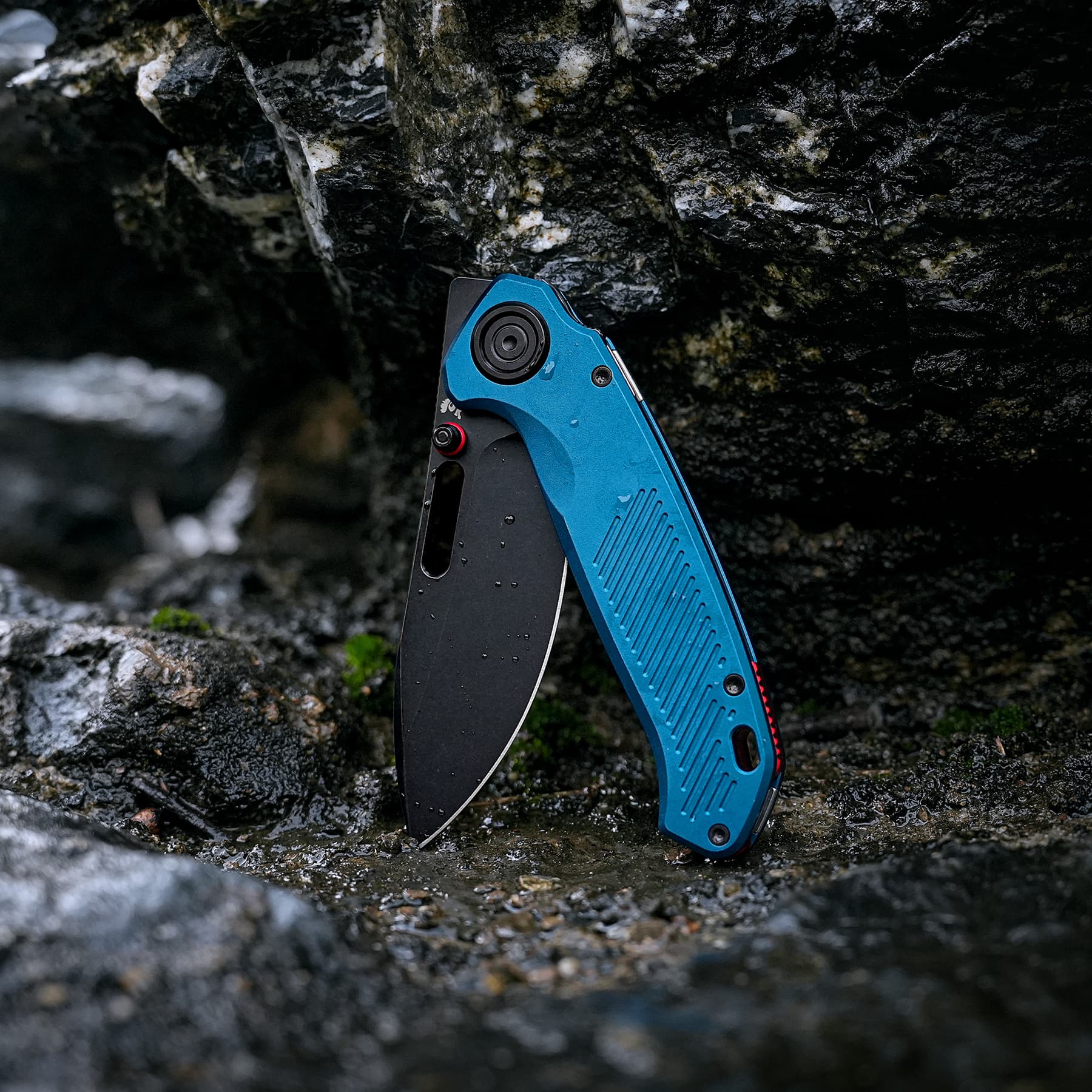
The Zander is named for the Eurasian pike-perch, a sleek freshwater predator, and the silhouette reads accordingly. Six color treatments range from Steel Blue-Black Stonewash to Orange-Black Stonewash to Olive Green-Copper Dune, which is a palette decision that signals personalization over uniformity. The EDC community codes identity through gear. Color choice is not cosmetic. It is tribal.
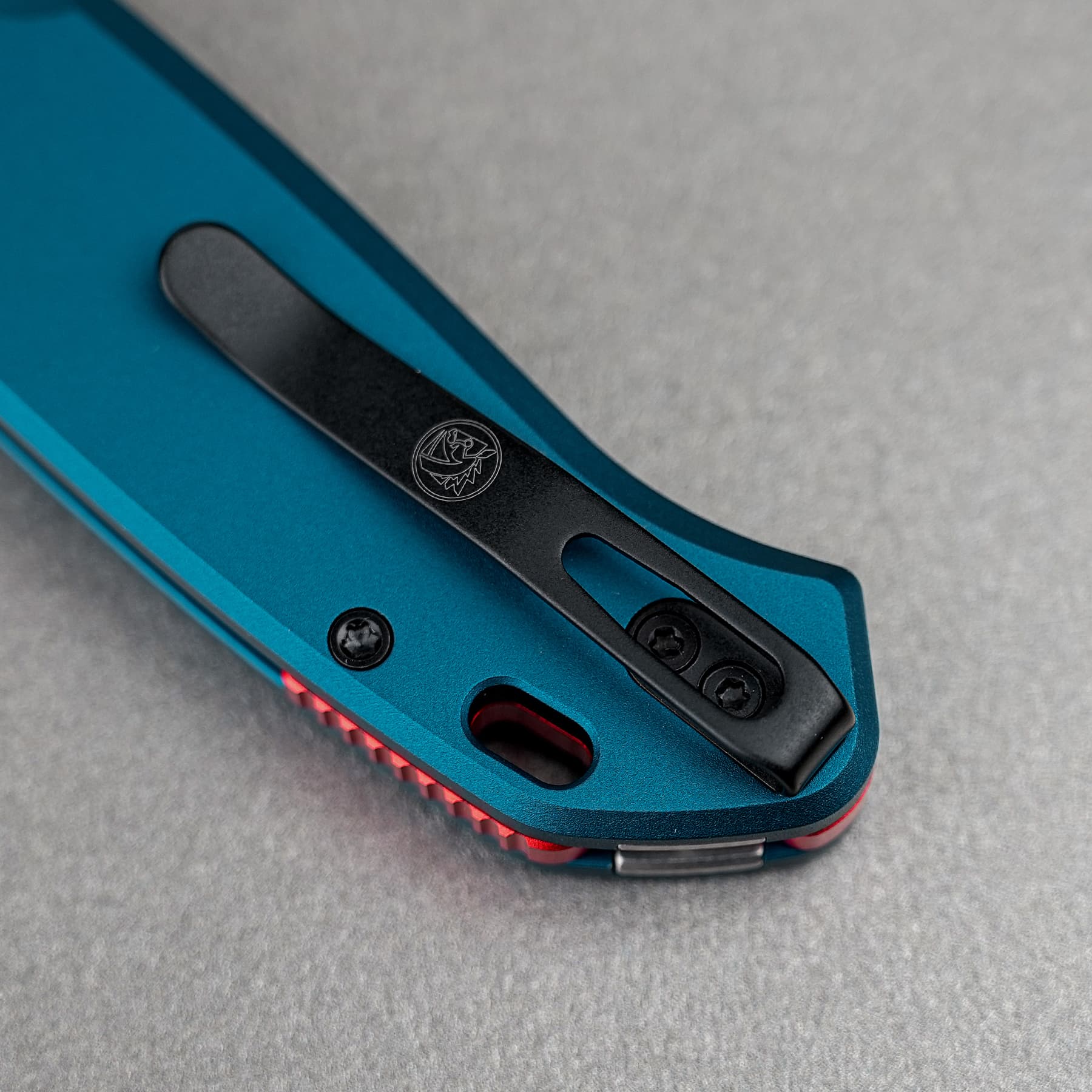
The aluminum handle carries either a diagonal texture or a scale-inspired crosshatch, a textural detail that quietly references the fish without announcing it. This is design restraint operating as brand consistency, the kind of thing that registers in the hand before it registers in the brain.
Everyday Commentary's 2026 knife industry roundup placed Vosteed alongside Civivi and CJRB as one of the dominant Chinese production brands flooding the market at high volume.
The challenge for Vosteed, then, is differentiation inside a category it has already helped saturate. The Zander's answer is not a new steel or a lower production cost. The answer is authorship. A named designer with a traceable philosophy and a public interview is not nothing in a market full of anonymous factory folders.
What the Zander Is Actually Selling
Vosteed
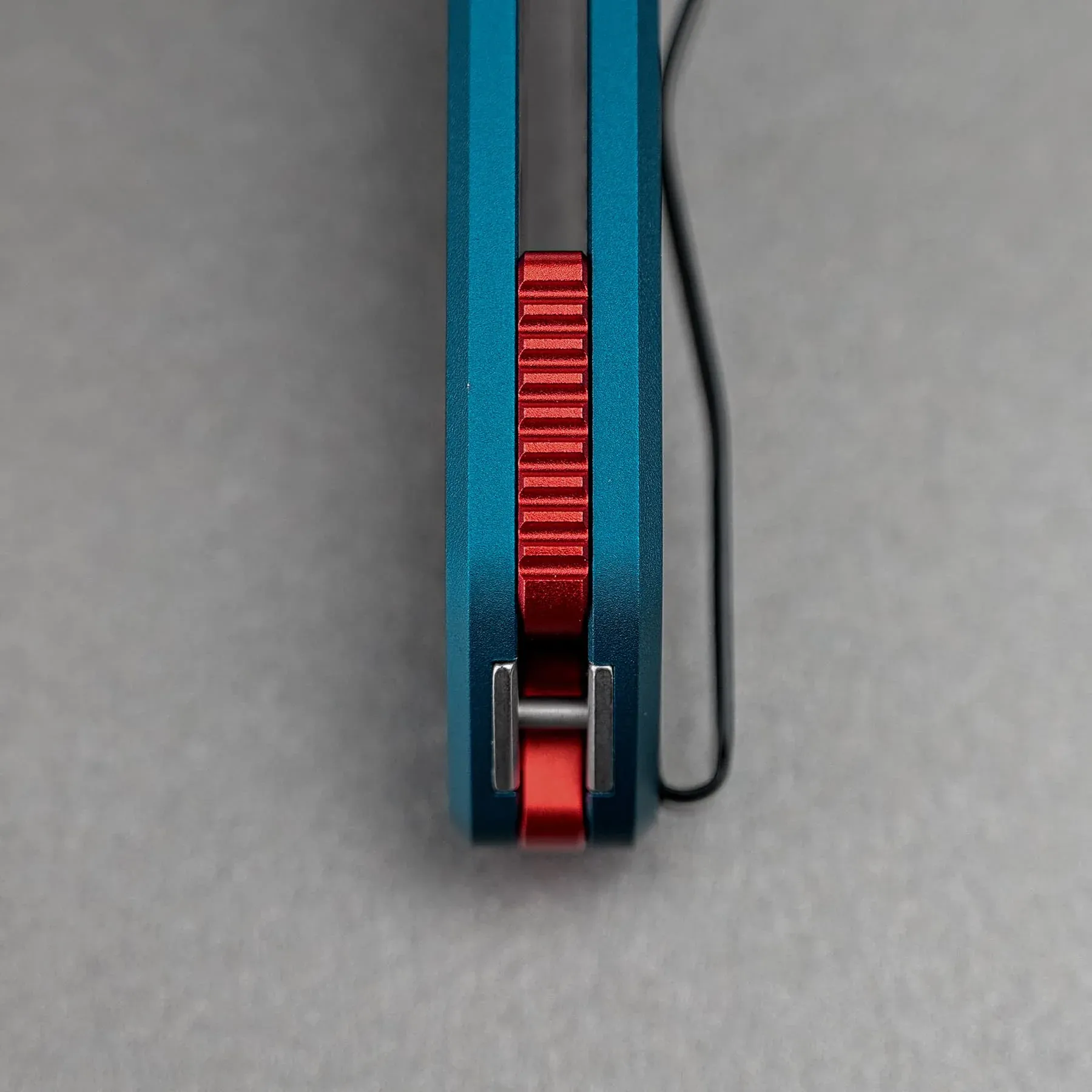
The Vanchor Lock is Vosteed's proprietary mechanism, and the Zander was designed specifically to push its full potential. That is a brand building toward a proprietary IP story, which is a longer and smarter play than chasing the next steel upgrade.
The five deployment methods are genuinely unusual. They exist partly for functional optionality and partly because, as Kiss put it, "who doesn't like fidgeting with a knife." That candor is the brand's real personality surfacing. Fidget culture in the EDC world is real, enthusiastic, and slightly embarrassing to admit, which means naming it directly is a small act of cultural honesty that resonates harder than a spec sheet ever could.
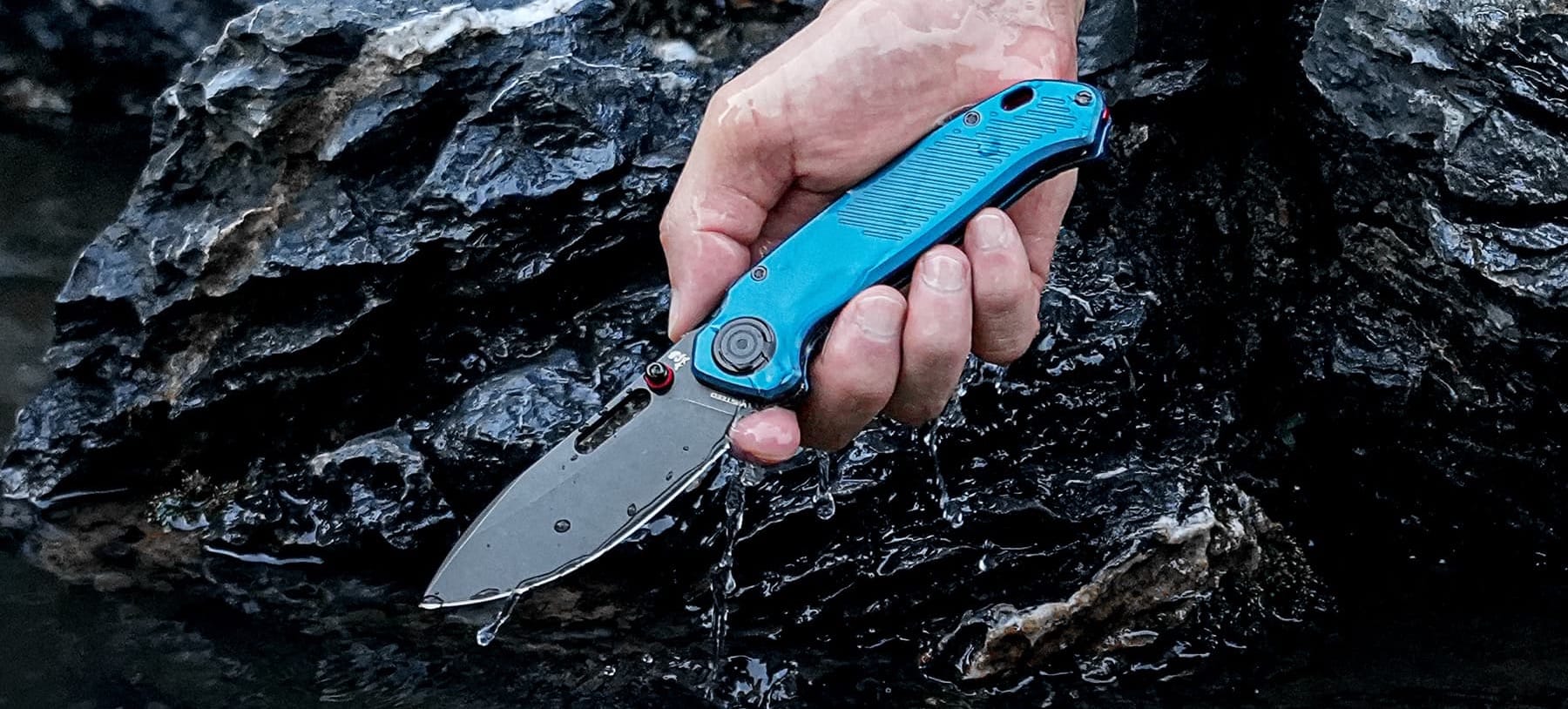
The marketing pitch underneath all of this: Vosteed is selling the idea that serious craft and joyful obsession are not competing values. The Zander is for the person who wants a working knife with real ergonomics and, yes, also wants to flip it open six different ways at their desk at 2 p.m. for no reason at all. That is a more specific and more honest audience than "EDC enthusiast," and specific audiences are the ones that stay loyal.
The question is whether Vosteed can maintain that specificity as the product line scales. Right now, the Zander has enough authorship behind it to feel like a considered object. The next knife will need to do the same.
 Vosteed