The Logo That Isn't There: Leica's Boldest Brand Move in Years
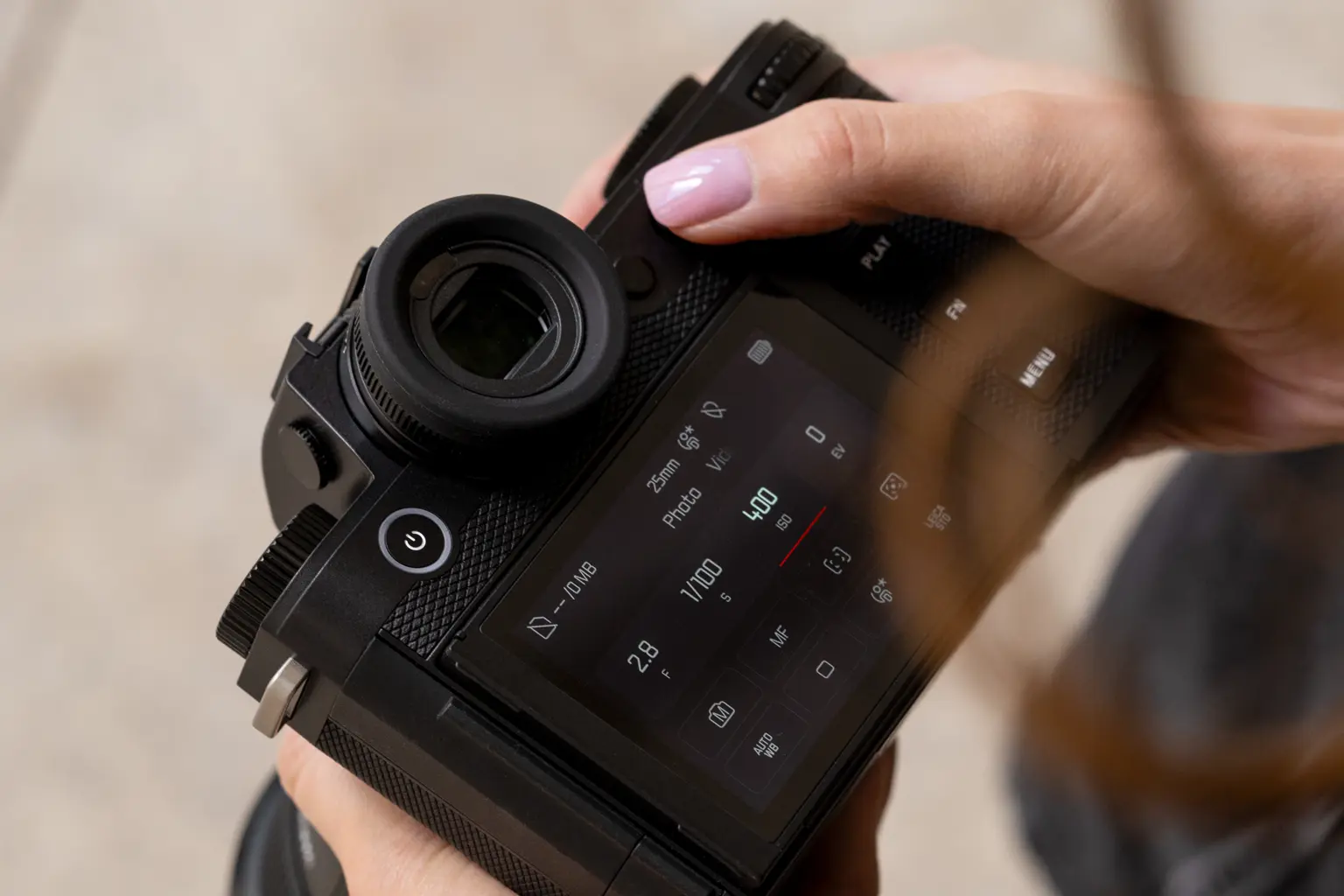
Leica’s SL3-P camera, notable for its lack of the iconic red dot, targets hybrid professionals who value trust and reliability over technical specifications.
Quick answer:
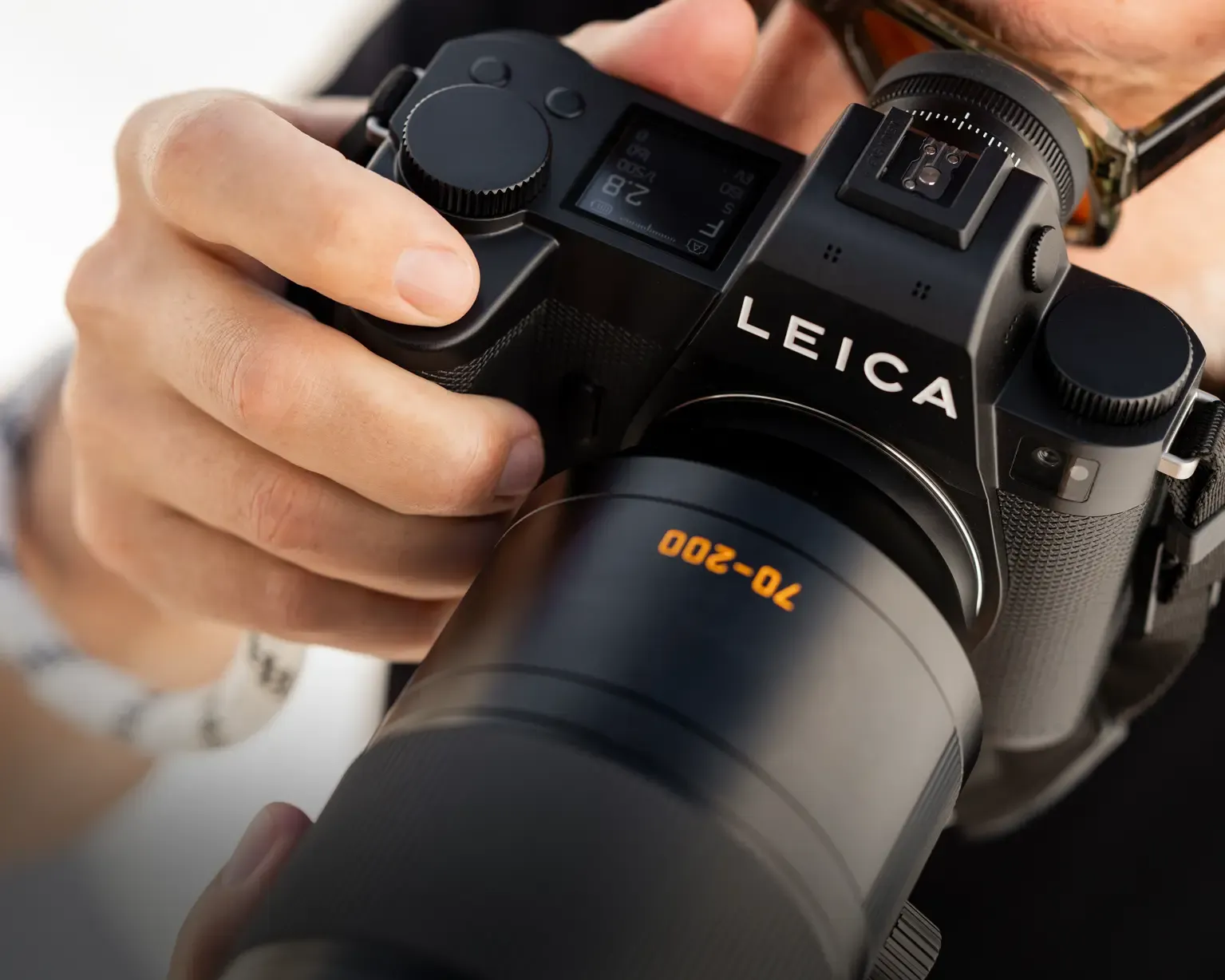
The Leica SL3-P, launched June 25, 2026, is a full-frame mirrorless camera with a 44MP sensor, 8K video capability, hybrid autofocus, and a full-metal body built in Germany. It retails at €5,990. Its most talked-about feature has nothing to do with any of that. The SL3-P ships without the red Leica dot.
Most camera brands compete on numbers. More megapixels. Higher frame rates. Faster glass. Leica, with the SL3-P, made its most striking move by taking something away.
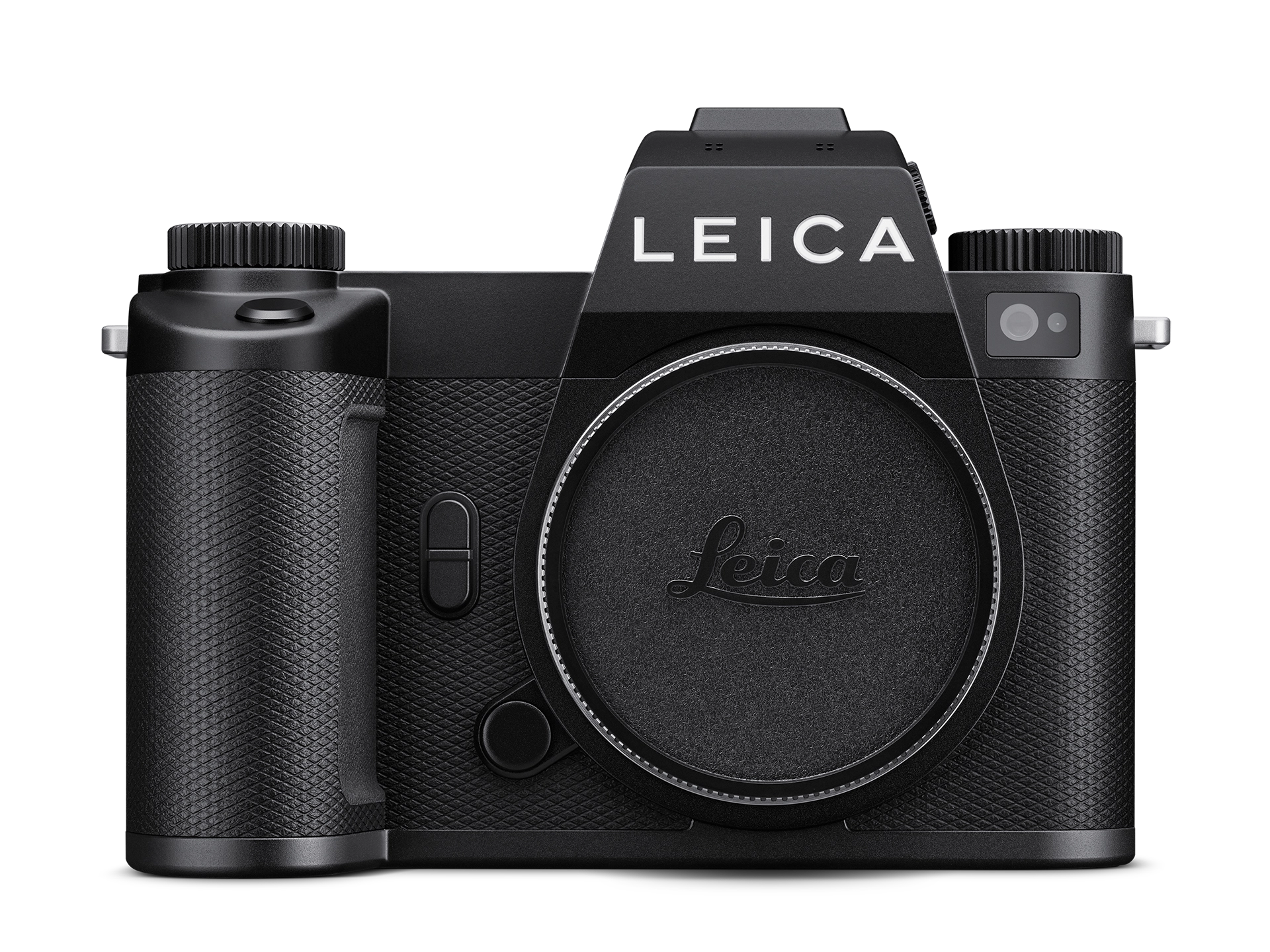
The red dot — one of the most recognized brand symbols in photography — is simply gone. Black body, black controls, no logo. The "P" suffix in the name carries Leica's content credentials technology, which cryptographically verifies image authorship at the point of capture, a direct response to a moment when AI-generated imagery has made provenance genuinely uncertain. But the deletion of the dot is what the market actually noticed. A brand so established it can erase its own most visible signal and trust that those who need to know will know. That is a peculiar kind of confidence. The question worth sitting with is whether it's a strategy or a personality trait.
What Is Leica Actually Selling Here?
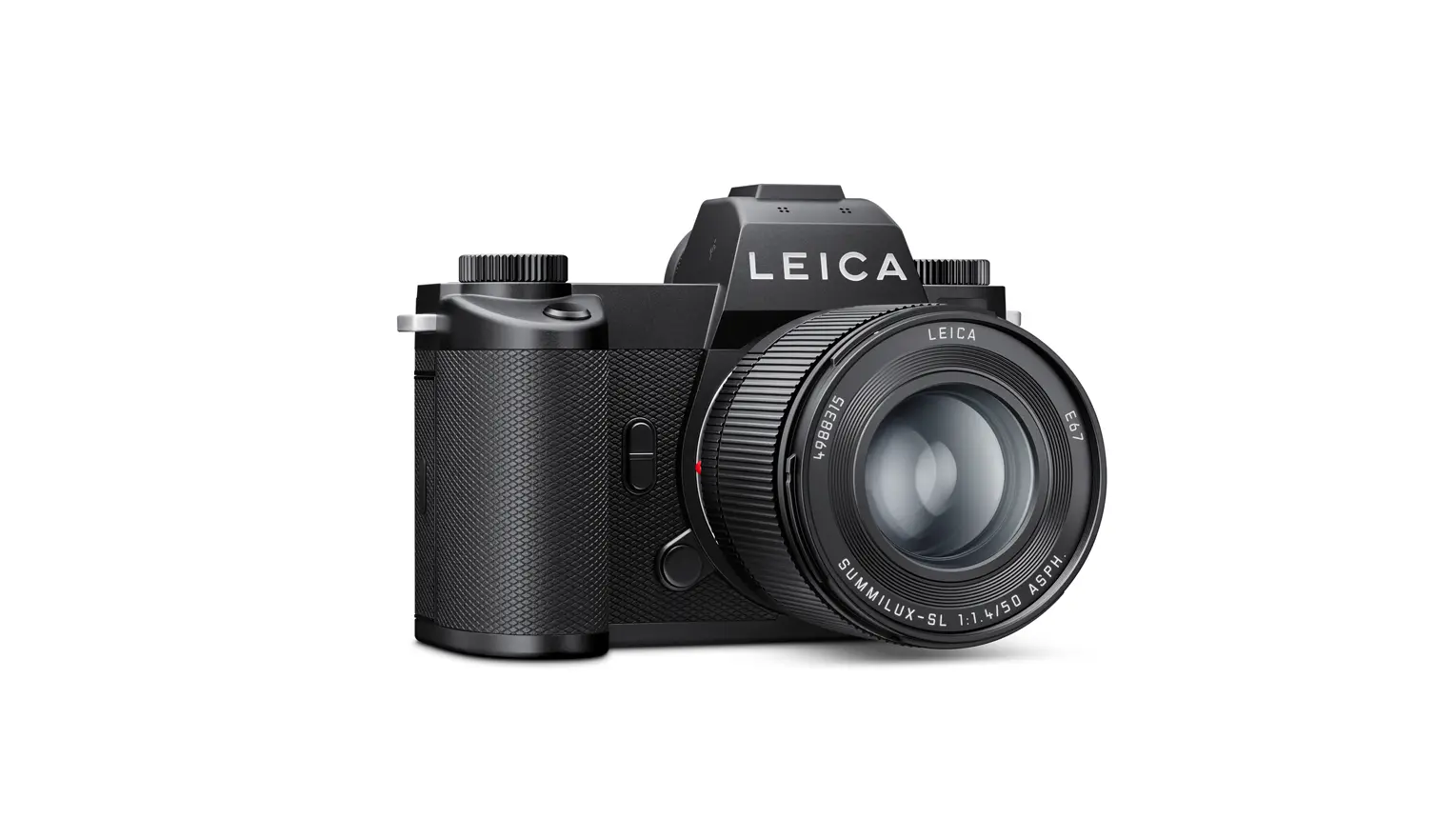
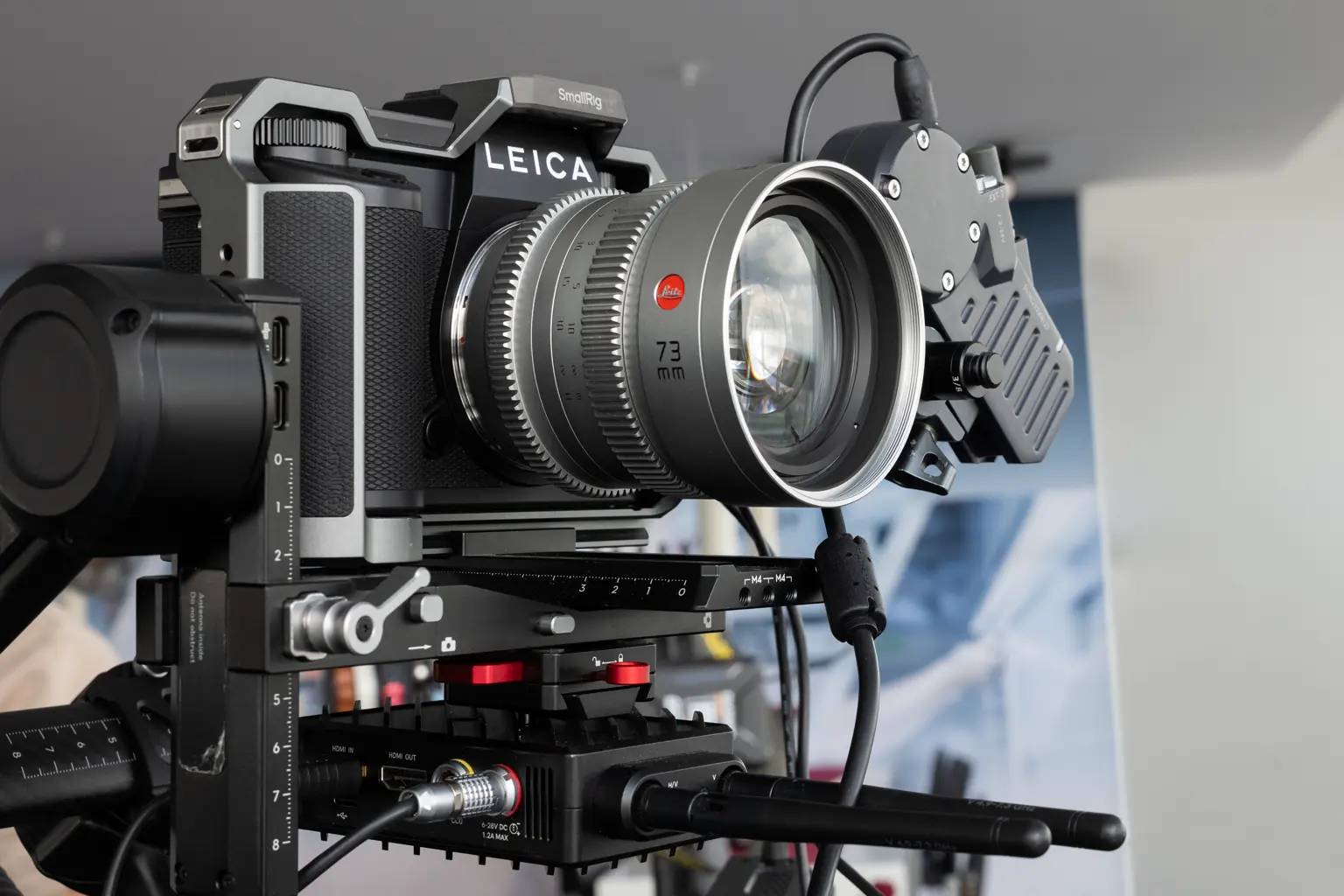
The SL3-P targets a specific kind of professional — not the photographer who has settled into one discipline, but the hybrid practitioner who crosses between editorial stills, commercial video, and documentary work without wanting to carry two systems. The camera handles 8.1K Open Gate video and 40fps stills with continuous autofocus from the same body, color-coded by mode (red for photo, yellow for video) so the interface itself signals which world you're operating in. That UX decision is telling: Leica knows its user is often switching contexts under pressure, and the design accounts for cognitive load rather than just technical capability.
The positioning is anchored around trust rather than features. Leica's own campaign language leads with it: "Ultimately, one thing matters above all else: trust. In your camera, and in yourself." That's a deliberate choice to compete on feeling rather than specification. Whether it lands depends entirely on whether the audience already believes Leica is capable of delivering on it. With over 150 years of manufacturing history and German production still intact, there is something real underneath the claim. It is not purely rhetorical.
The Brand as Cultural Object, and What That Costs
Leica has always operated somewhere between tool manufacturer and cultural institution. Around 30 Leica Galleries exist worldwide. The Leica Oskar Barnack Award, running since 1979, has shaped documentary photography's canon. Leica Academies run workshops that function less like training programs and more like initiation into a particular way of seeing. The brand's culture is less about community in the social media sense and more about lineage — a continuous thread from Henri Cartier-Bresson's M3 to whatever arrives next.
The SL3-P fits into that lineage in a specific way. Content Credentials technology, developed in alignment with the Content Authenticity Initiative, embeds tamper-proof metadata into images at capture. For photojournalists and documentary practitioners, this matters practically. For the broader brand, it signals that Leica is positioning itself as the camera for images that need to be believed. At a moment when synthetic imagery has complicated the epistemology of the photograph, that is a coherent and genuinely interesting stance. It connects a 150-year-old craft tradition to a 2026 problem.
The risk, and it is real, is the price. The body alone is €5,990. The lens ecosystem is substantial in both quality and cost. This narrows the addressable market significantly. Leica has always accepted that tradeoff, but the SL3-P is attempting something broader with its hybrid photo-video positioning, speaking to a practitioner class that is growing but still selective. The camera asks for serious commitment. That is not a weakness in Leica's system of meaning — it may actually reinforce it — but it does limit the ceiling.
The Marketing Pitch, Stated Plainly
The SL3-P's real argument is this: the people who know what they're doing don't need to announce it, and neither does their camera. The absent red dot is the message. Everything else — the sensor performance, the autofocus system, the ProRes codecs, the Content Credentials — is evidence supporting a pre-existing belief about what kind of photographer picks up this camera and why.
That is a closed-loop brand strategy. It works on those already inside the circle of belief. It does less work on those outside it. Leica seems to have made peace with that limitation long ago, which is either wisdom or stubbornness, and sometimes those are the same thing.
The SL3-P is not trying to win a spec race. It is trying to be the camera for the kind of work that gets remembered.
 Robin Sinha