
GMC HUMMER X: Built to Get Lost, Designed to Come Back
The HUMMER X concept vehicle, unveiled by GM, is not for sale but serves as a testbed for manufacturing methods and a new off-road ownership experience. The design, targeting “builder maker” enthusiasts, emphasizes sustainability through FLEX FAB manufacturing and modular components.
Quick answer:
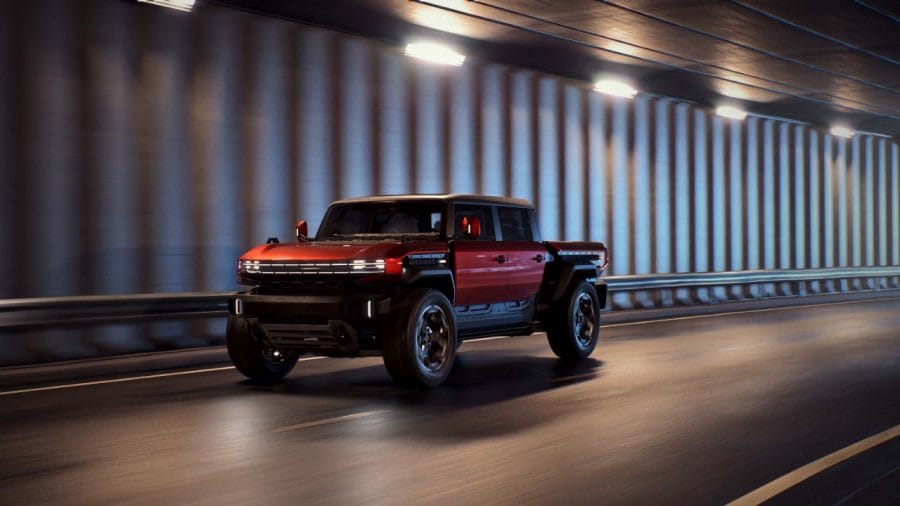
Revealed in May 2026 at GM's new Advanced Design Pasadena studio, the GMC HUMMER X is a modular mid-size EV concept in truck and SUV form, built around four pillars: reconfigurability, capability, community, and sustainability. It targets the "builder maker," someone who modifies, shares, and participates in vehicle culture rather than just consuming it.
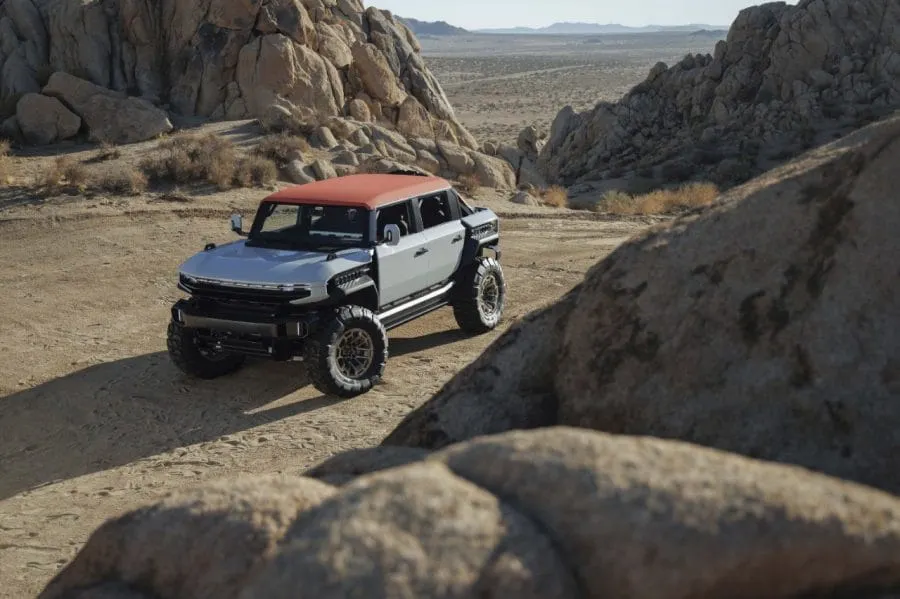
The HUMMER X is not for sale. GM has said this clearly. Revealed alongside the opening of the company's new 148,000-square-foot Advanced Design Pasadena studio, the concept arrives in both truck and SUV form as a testbed for manufacturing methods, material experiments, and a new theory of what off-road ownership should feel like. The truck runs 207.3 inches long. The SUV sits on 37-inch Goodyear rock tires with Multimatic shocks and 13.2 inches of ground clearance. Real specifications for a vehicle that remains, for now, entirely theoretical.
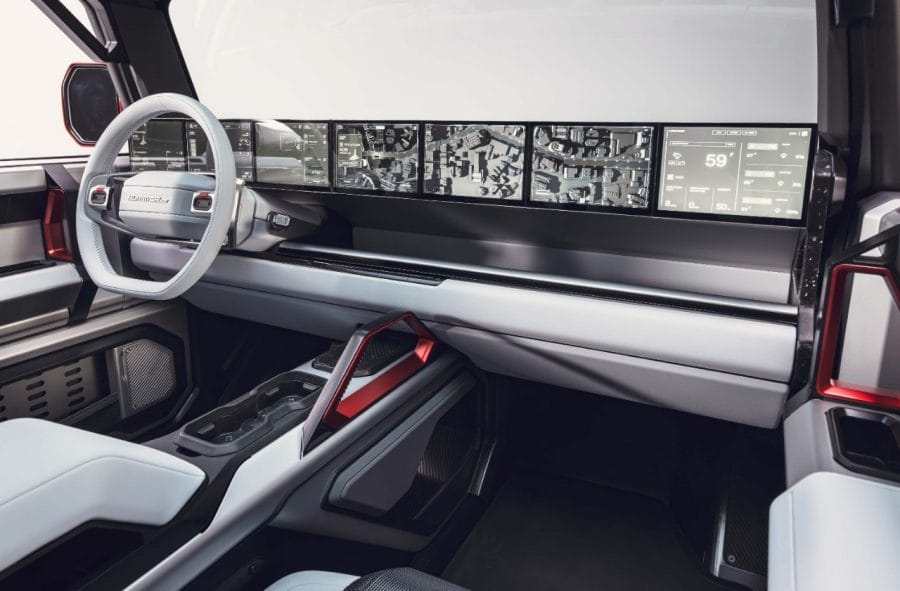
The more interesting thing is not the specs. The design team built the HUMMER X around a single working mantra: "Take nothing but pictures, leave nothing but footprints." This was not marketing copy written after the fact — it was the design brief, according to outgoing studio director Brian Smith. The team imprinted it in Morse code on the floor. They spelled it out in the tire treads. The concept vehicle is physically carrying its own founding document inside its body panels, which is either the most committed piece of embedded brand storytelling in recent automotive history, or a very expensive bet that somebody will look closely enough to notice.
The positioning is unusually specific for a concept reveal. HUMMER X targets what the design team calls the "builder maker," not the generic off-road enthusiast, but someone who modifies vehicles, shares parts within a community, and treats ownership as ongoing participation. That culture already exists in overlanding forums and trail-modification communities. It is tribal, skeptical of corporate co-optation, and loyal when trust holds. A concept vehicle is a reasonable first contact. Sustaining that relationship through to production is a different project entirely.
The design language does real strategic work. FLEX FAB, GM's flexible manufacturing method for small-batch metal production without specialized stamping tools, generates a specific visual output: flat-topped silhouettes, laser-welded seams, visible precision bolts, radiused edges. The aesthetic is honest-to-process in the way raw concrete announces how it was poured. Mono-materials replace adhesives with snap fits and mechanical fasteners. Seatbacks come from recycled car fascias. Parts are designed to be disassembled, swapped, and recirculated. The material philosophy folds sustainability into the design argument rather than treating it as a separate ethical claim stapled on afterward.
The HUMMER HUB concept, a connected app suite linking drivers before, during, and after trips and including a scout drone that maps terrain ahead on the trail and docks itself autonomously back to the vehicle, is where community strategy becomes operational. It is also where the pitch carries the most execution risk. Connected vehicle ecosystems have a reliable history of arriving ambitious at concept stage and landing considerably reduced by production.
What the GMC HUMMER X Concept Actually Says About Where the Truck Market Is Heading
The underlying bet is that the next competitive advantage in the truck segment is not a towing number or a zero-to-sixty time. It is belonging. The HUMMER X positions a vehicle as something you join rather than purchase, a platform for customization, community, and circular participation. GM sold 714,896 vehicles in Q2 2026 alone. Building an intimate, trust-based brand experience inside a company operating at that scale requires a specific kind of organizational will that concept reveals, by definition, cannot demonstrate.
The idea is coherent. What happens to it between Pasadena and production is the actual story worth watching.

