Casa Modico: The Brand That Doesn't Try to Be One
Casa Modico, a holiday home in São Miguel do Gostoso, Brazil, was originally built as a personal project by Atelier Branco architects. Its minimalist design, featuring natural materials and a focus on simplicity, appeals to design-forward travelers seeking a unique and authentic experience.
Quick answer:
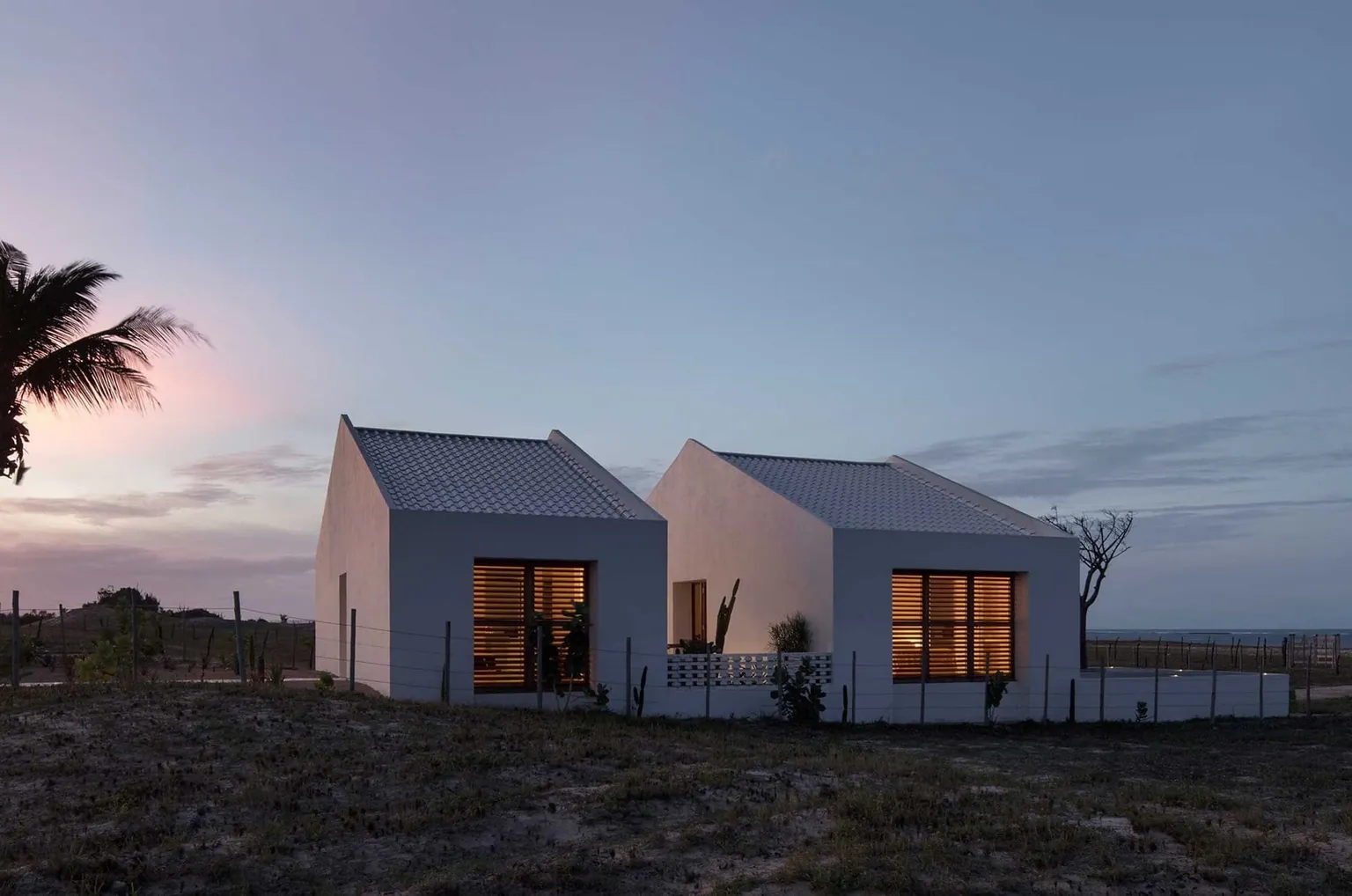
Casa Modico is a minimalist beach house on the northeast coast of Brazil, designed by Atelier Branco Arquitetura and completed in 2019. Two symmetrical blocks, four bedrooms, one long wooden table, and an 80-square-meter deck facing the ocean. The name means "modest" in Portuguese. That is the entire pitch, and it works.
The most interesting thing about Casa Modico is that it was never meant to be a product. Matteo Arnone and Pep Pons, the founders of Atelier Branco, needed somewhere to stay in São Miguel do Gostoso. So they built it. Then they opened it to guests. The official website says: "We needed a roof and we translated this need to the essence of a beach house." That sentence is doing more brand work than most agencies deliver in a year.
What the House Is Actually Selling
São Miguel do Gostoso sits roughly 100 kilometers north of Natal, in Rio Grande do Norte. It is a former fishing village that became internationally known for kitesurfing, kept its cobblestone streets, and somehow avoided the fate of most coastal towns that get discovered. The air smells like salt and wind and whatever is cooking at Genesis or Sampei at sundown. It is the kind of place that feels endangered by the act of describing it.
Casa Modico positions itself directly inside that tension. The audience is not Brazilian families on school holidays. The property was listed for sale through Architecten Woning, a Belgian luxury real estate firm, signaling an international buyer with design literacy and disposable income. It was featured in Wallpaper* Architects Directory 2020 alongside firms competing for global recognition. Federico Cairoli photographed it. These are not accidental decisions. The target is the design-forward traveler who treats accommodation the way a serious reader treats books: the object itself is part of the experience, and a bad one ruins the whole thing.
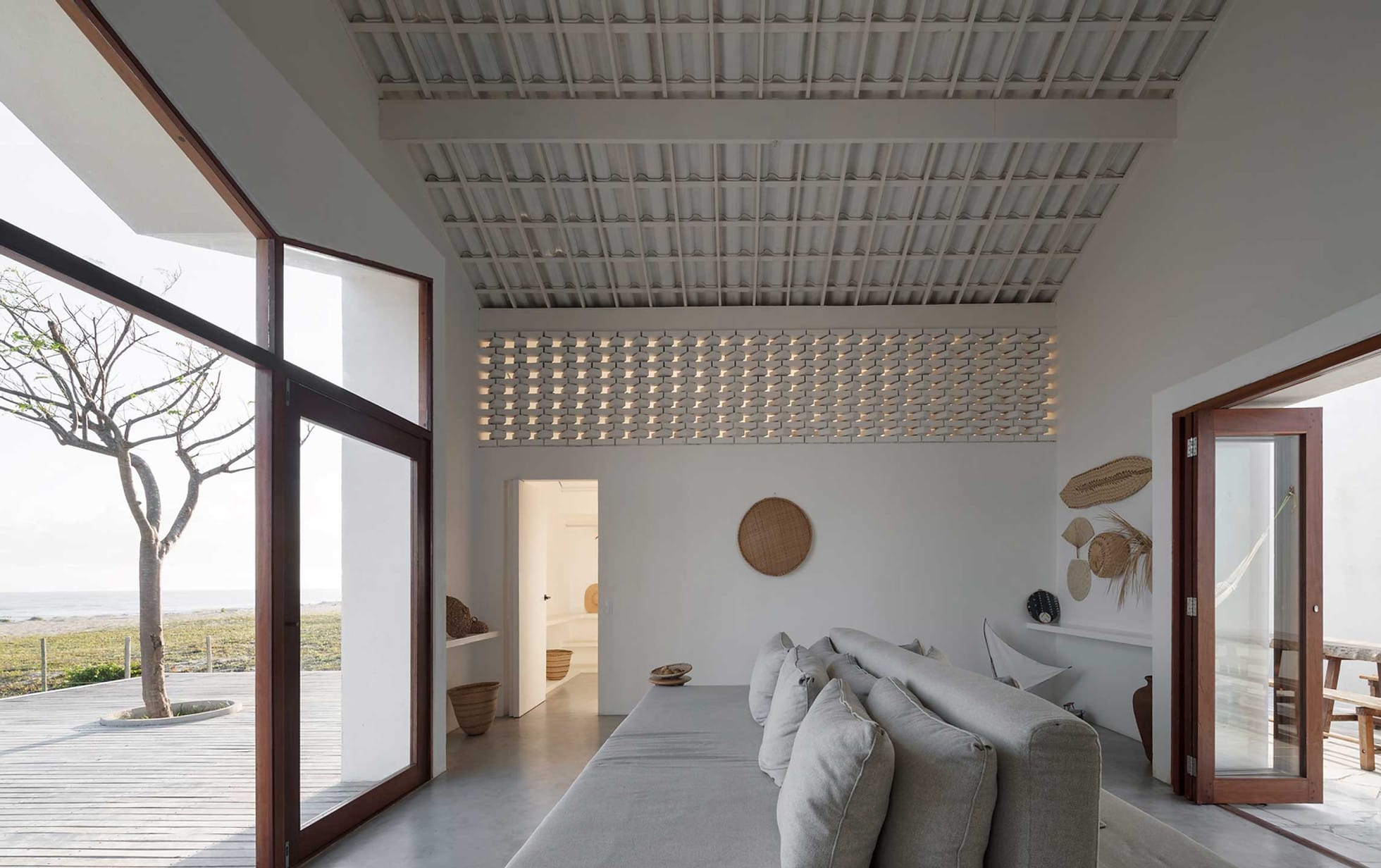
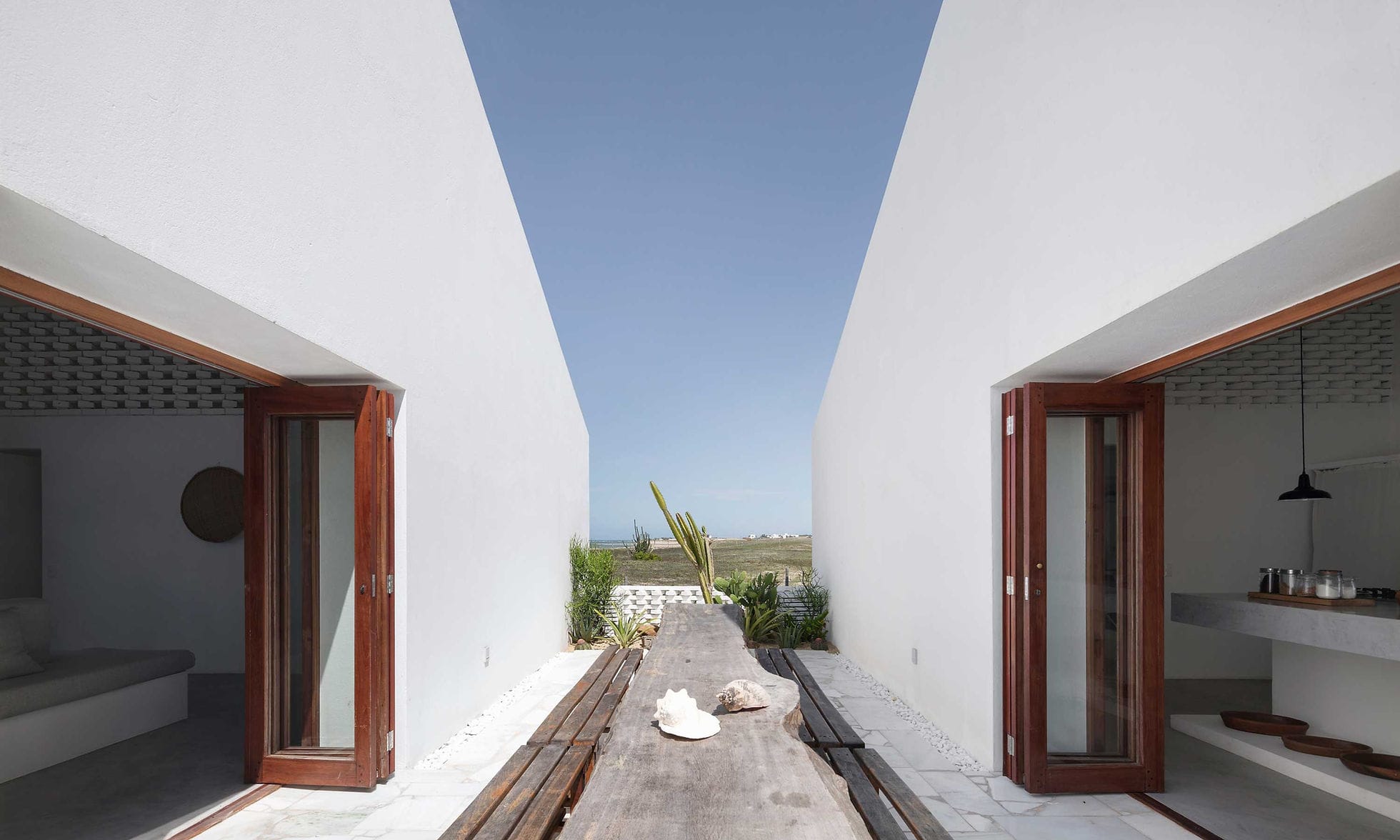
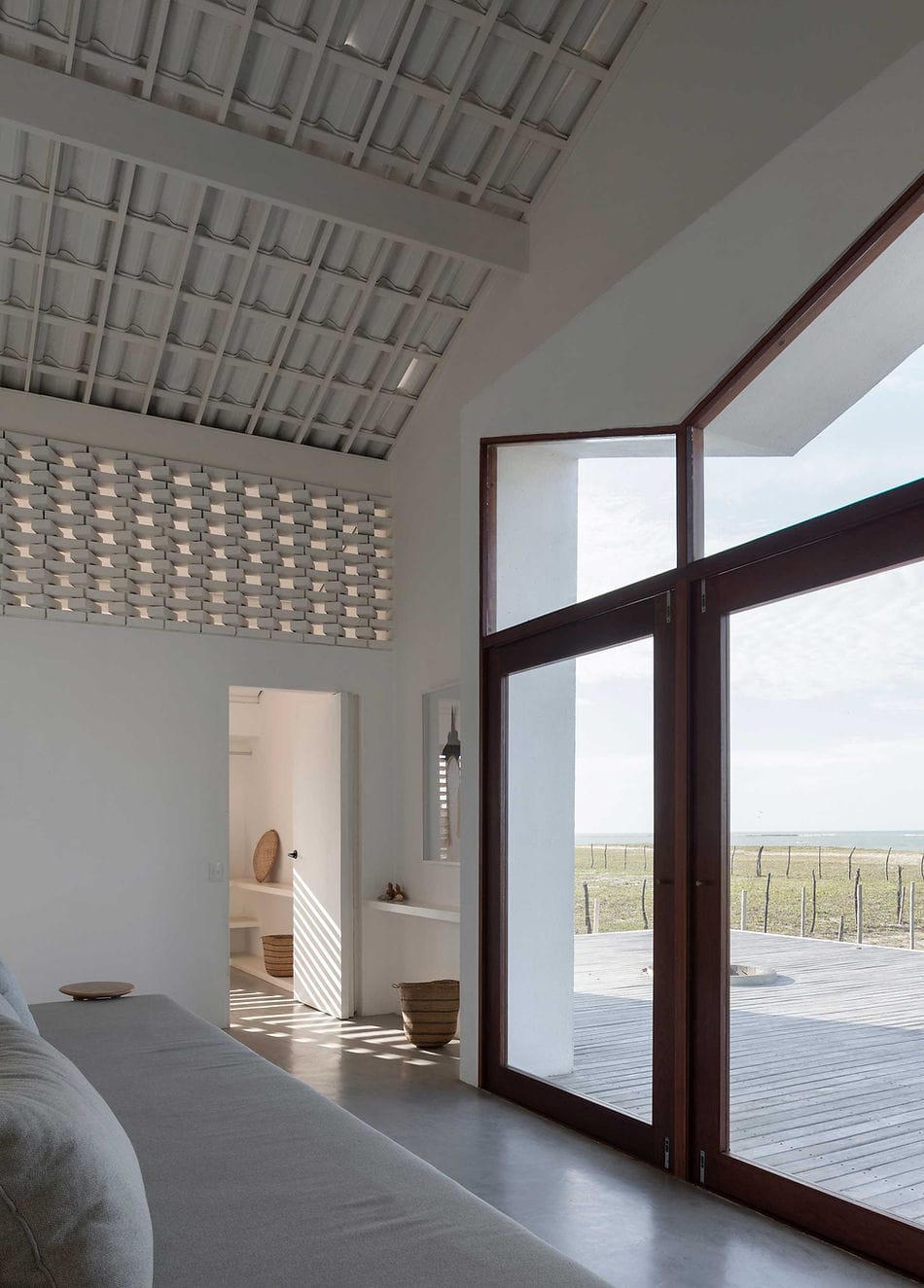
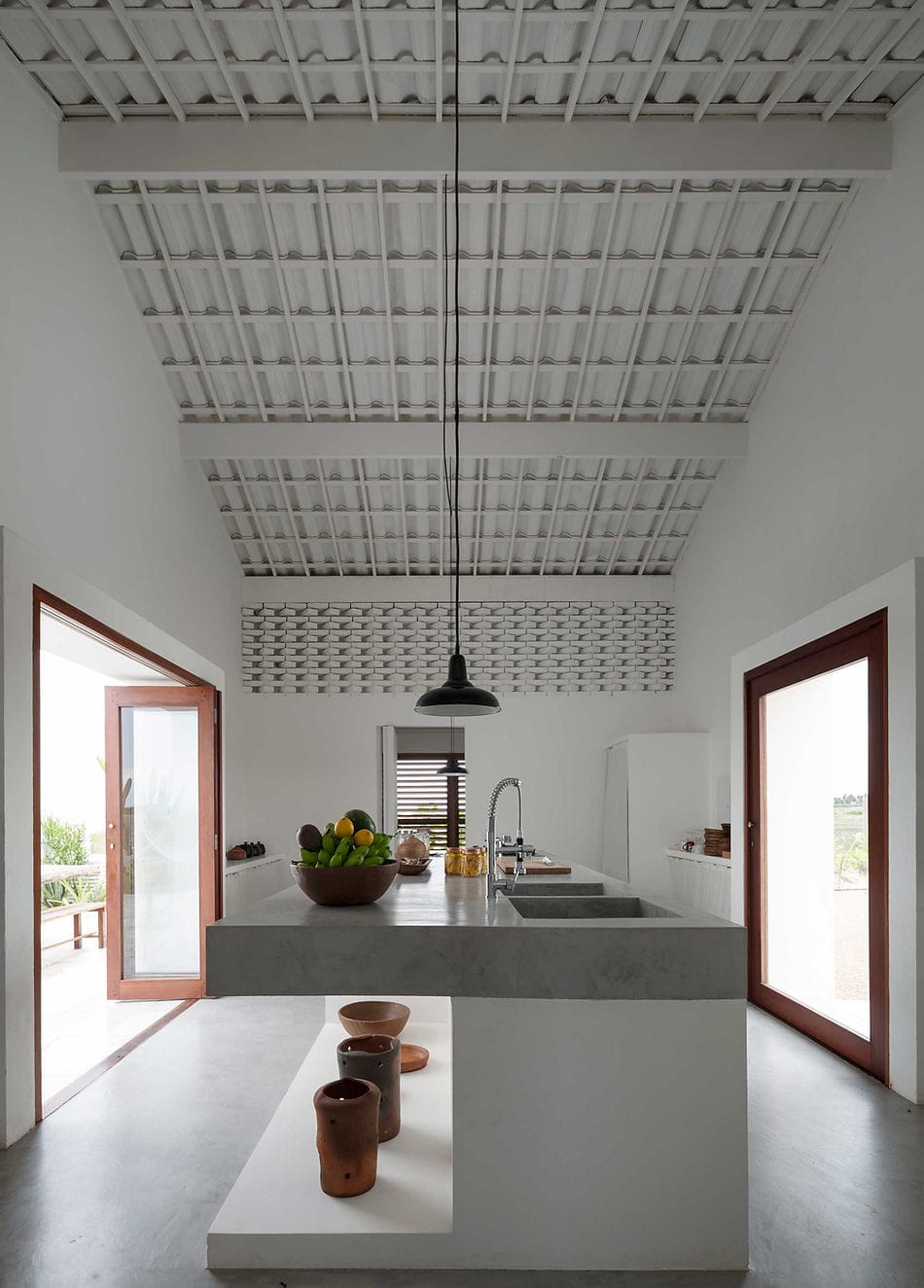
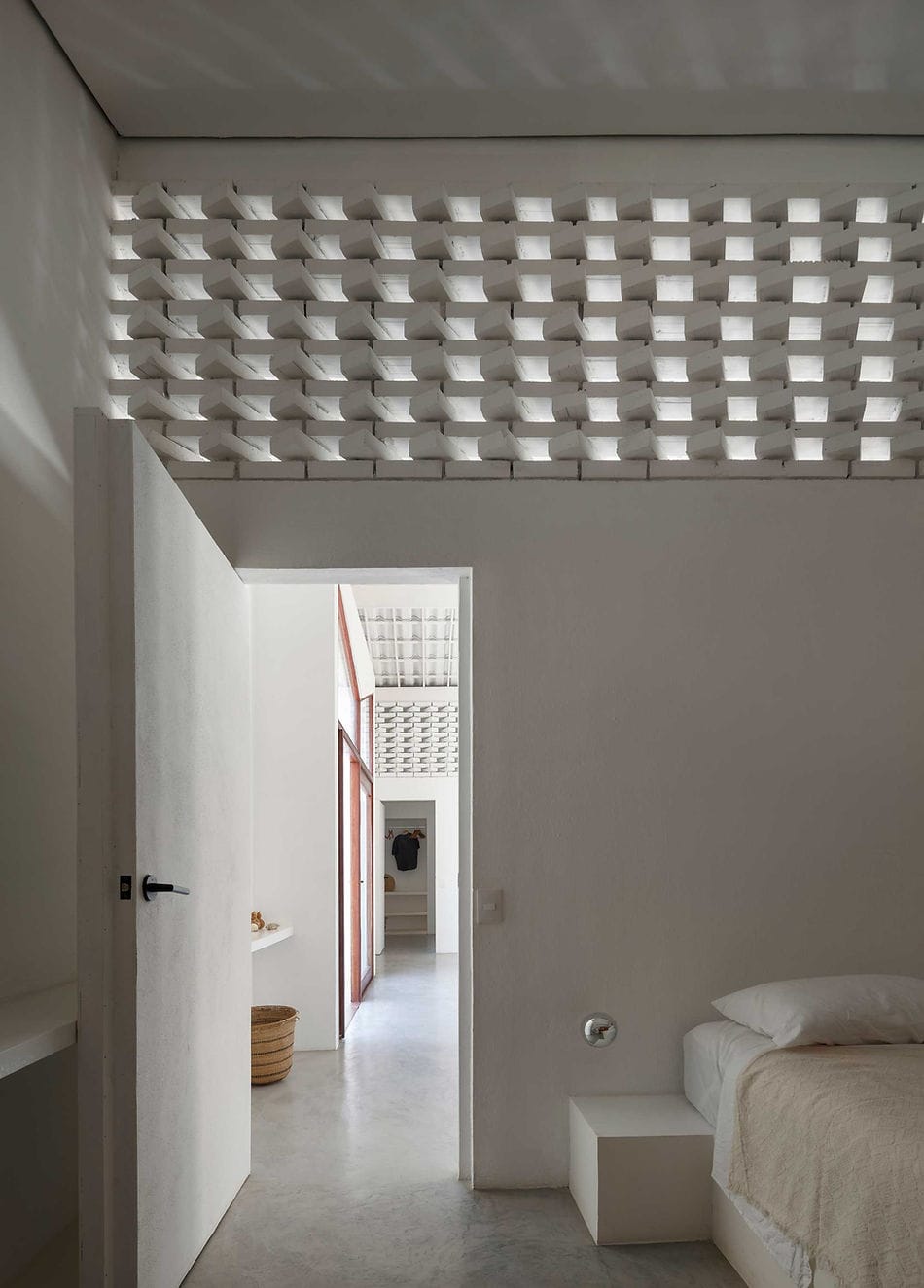
The messaging never oversells. "A dream of freedom" is the only line that comes close to a tagline, and it earns that ground because the architecture physically delivers on it. Two identical volumes separated by a shaded patio with a seven-meter wooden table. No hierarchy between the blocks. Wind passing through brick composition walls as a deliberate design feature, not an afterthought. The sequence inside moves from small entrance to open patio to living room sofa facing the ocean to a three-by-three-meter door opening onto eighty square meters of deck, as if the house itself is slowly learning to exhale.
The storytelling mechanism here is scarcity of language. Atelier Branco's own description of the project reaches its highest point with: "Simplicity is clarity. Clarity is elegance, substance, honesty and therefore moral beauty." That is a full brand manifesto compressed into one sentence, and it shows up in the architecture before it shows up in any copy.
The Design Language Is the Marketing Strategy
Casa Modico
Everything communicates the same thing. Three materials: natural brick, horizontal wooden slats, grey concrete floor. Four door sizes that create a spatial narrative rather than a floorplan. Landscape design by Atelier Branco and Julieta Fialho, which keeps the surrounding fazenda, Sitio São Pedro, integrated rather than bracketed off. A vegetable garden. A fire pit facing the landscape behind the house. The property is bookable on Airbnb, which is a strange but honest move. It keeps the friction low and the pretension lower.
The differentiation from luxury coastal accommodation elsewhere in Brazil comes through what Casa Modico refuses to include. There is no pool. No infinity edge. No curated artwork program. No brand partnerships. The absence is the product. For an audience that has stayed in every version of the well-designed boutique hotel, the offer of genuine spartan living at a high level of architectural quality reads as genuinely rare.
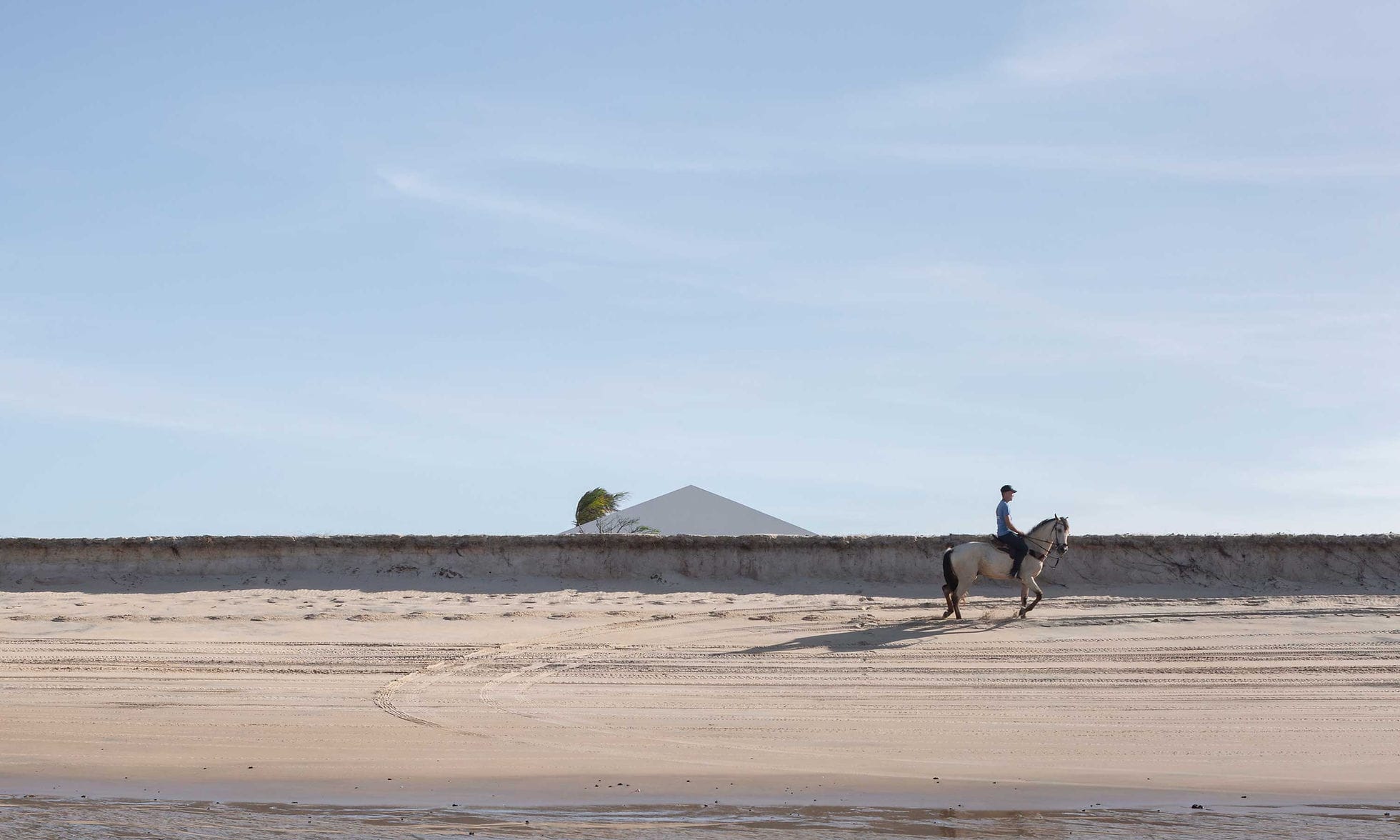
Atelier Branco was approximately one year old when Casa Modico came together. The project helped launch the firm into international recognition. That is the hidden commercial logic underneath the apparent personal project: the house is also a built portfolio piece, a proof of philosophy, and a business development tool operating on a decade-long timeline.
The marketing pitch, if you compress it to its working parts, is this. The architects needed a house. They built the truest version of that house they could. Enough people wanted to stay in it that it became a product. Enough people respected the product that it became a reputation. That is either an unusually clean origin story or the best accidental brand-building in contemporary Brazilian architecture.
Probably both.