The Car That Helped Invent the Speed Limit Finally Got a Roof
125 years in the making, the AC GT Coupe is the first-ever production coupe from Britain's oldest car brand. Here's what the marketing is really selling.
Quick answer:
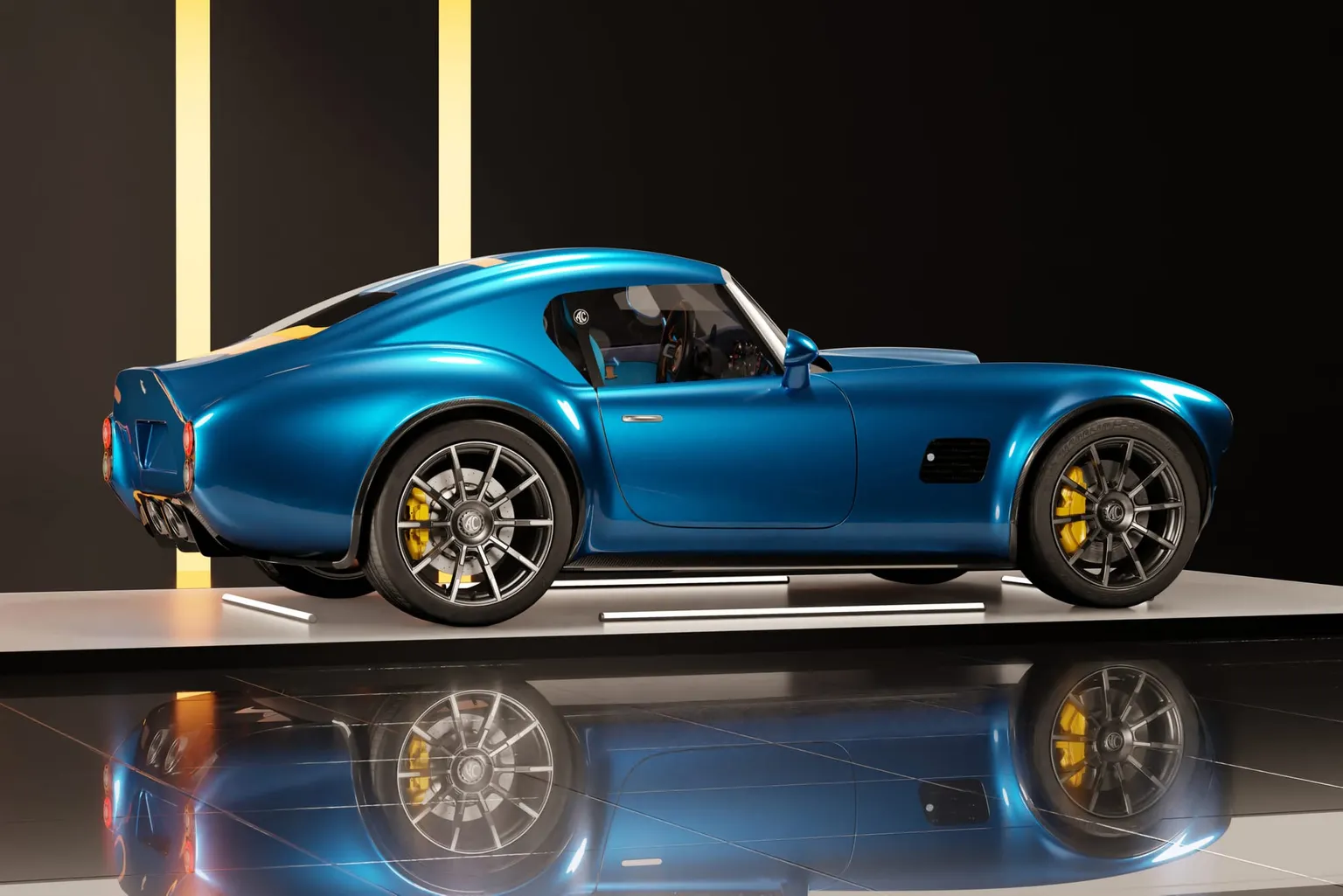
The AC GT Coupe is the first factory-built production coupe from AC Cars, Britain's oldest active vehicle manufacturer, founded in 1901. Built on the same platform as the 2023 GT Roadster and powered by a 5.0-litre Ford Coyote V8, just 250 examples will be produced annually worldwide, with a top-tier Clubsport edition limited to 99 units.
The Marketing Insight Nobody Is Saying Out Loud
The backstory writes itself, and AC Cars knows it. In 1964, the company took a one-off racing prototype called the A98 to the newly-built M1 motorway in the dead of night and clocked 183 mph because no British racetrack could handle sustained runs at that speed. That midnight sprint is widely cited as one of the catalysts for the UK introducing a 70 mph speed limit in 1965.
Now that same A98 is the visual and spiritual blueprint for the GT Coupe. The brand is essentially saying: the car that broke Britain before Britain had rules to break is back, and this time it has a proper roof.
That is not a product launch. That is a mythology transfer.
The Positioning Read
AC Cars is playing a longer game than most people realize, and the GT Coupe is the clearest evidence of it. Britain's oldest active vehicle manufacturer, 125 years running, is not positioning itself against Ferrari or McLaren. The brand is positioning itself against time itself, against the idea that something iconic can only belong to the past.
The target buyer is not the person who wants to be seen. It is the person who already knows. The collector who can identify an A98 at Goodwood, the enthusiast who knows Carroll Shelby's name before his morning coffee, the operator who deliberately chooses something with 125 years of production scars over something assembled in a Modena glass box. This is a car for people who believe provenance is a performance metric.

The messaging strategy is built on a productive tension: the brand runs a V8 in a world sprinting toward electrification, and it frames that as principle rather than delay. AC Cars is not anti-technology; the company has been developing EV platforms since 2010. The V8 in the GT Coupe is a deliberate cultural signal. It tells the buyer: we are not changing because the market changed. We are staying because this is what we believe in.
The customer journey AC Cars is constructing is less funnel, more initiation. You do not browse your way to a $320,500 car with 250 annual units. You arrive through a community, a club, a track day at Donington Park, a conversation at Le Mans Classic. The brand became an official partner of Le Mans Classic 2023, a 100th anniversary event celebrating the very race where the Cobra first proved itself in 1963. That is not sponsorship. That is cultural homecoming.
AC Cars
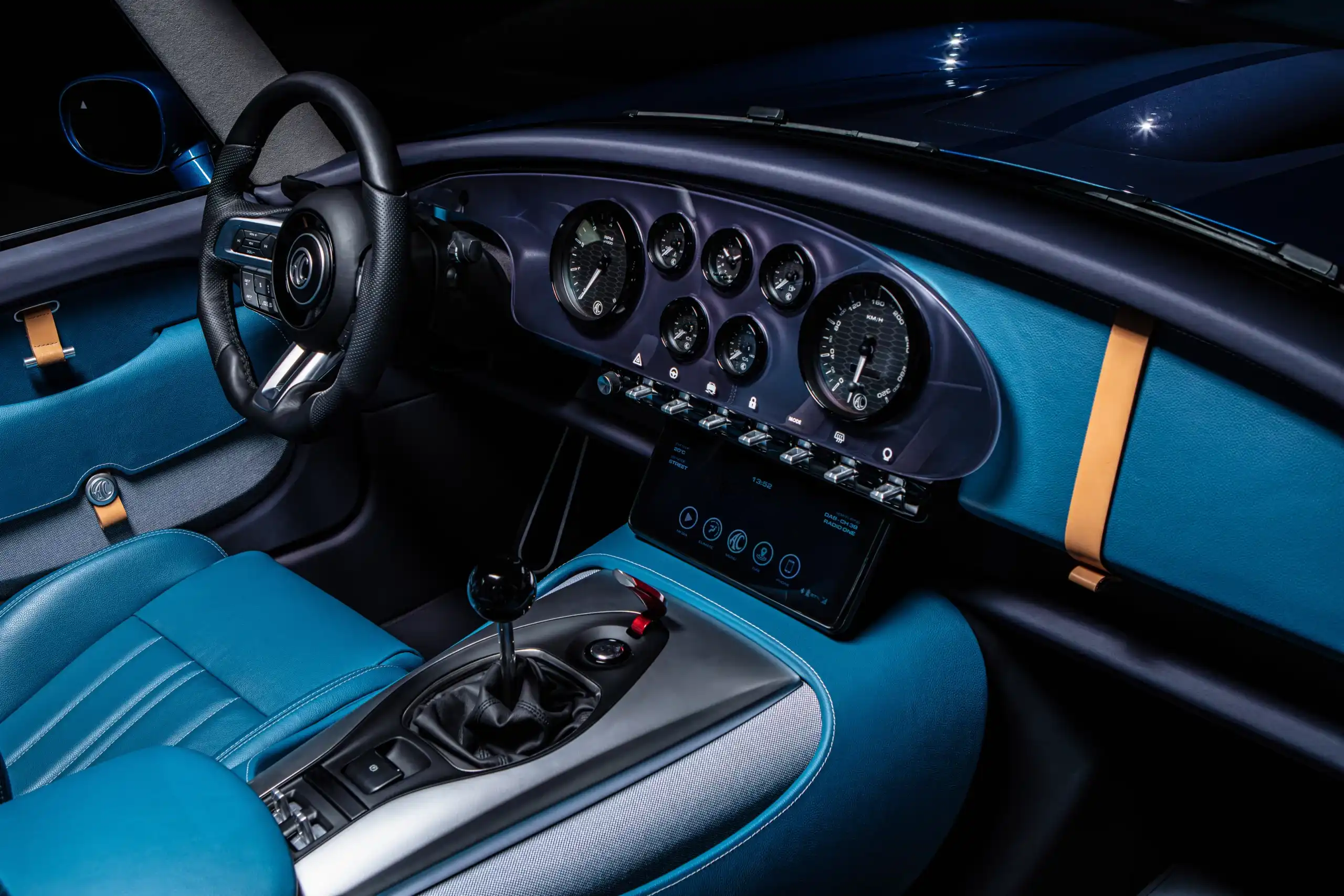
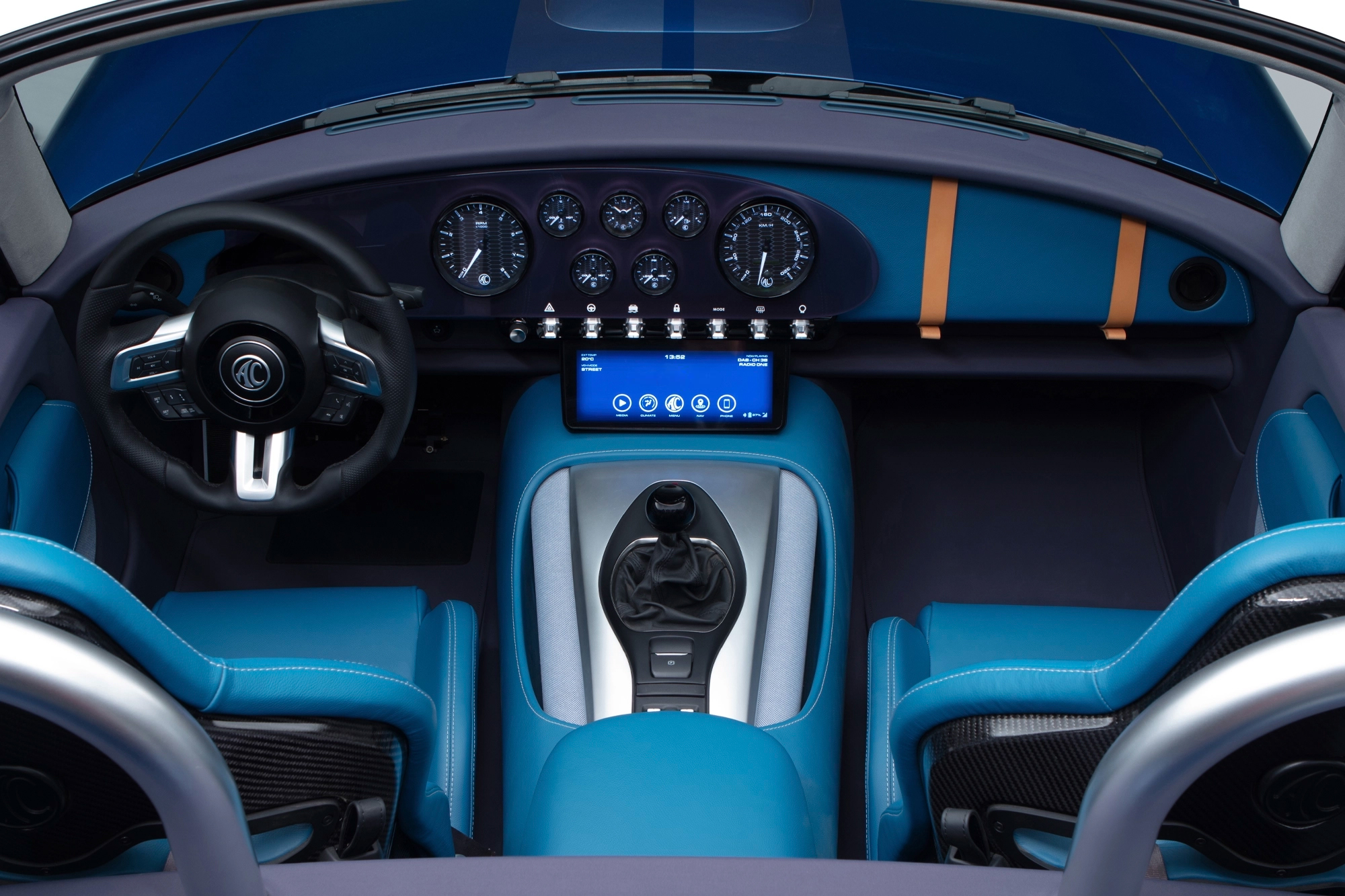
The design language does something quietly sophisticated. The Kammtail rear, a truncated aerodynamic solution borrowed directly from the A98 race car, is not decorative. It is functional racing architecture made street-legal. The "double bubble" roofline is a direct nod to Le Mans coupe tradition. The interior, equestrian in inspiration with saddle-bag door cards and hand-stitched leather, signals that this is closer to bespoke craft than automotive manufacturing. The Art Nouveau logo, unchanged in spirit since 1907, sits on carbon fiber seats. That particular collision of centuries is not an accident.
The community AC Cars is cultivating is not passive. Cobra culture is one of the most obsessive niches in the collector car world, with marque loyalists who track provenance, chassis numbers, and racing history the way others track equity portfolios. The GT Coupe does not ask that community to update its identity. It asks them to step into the next chapter of a story they already believe in.
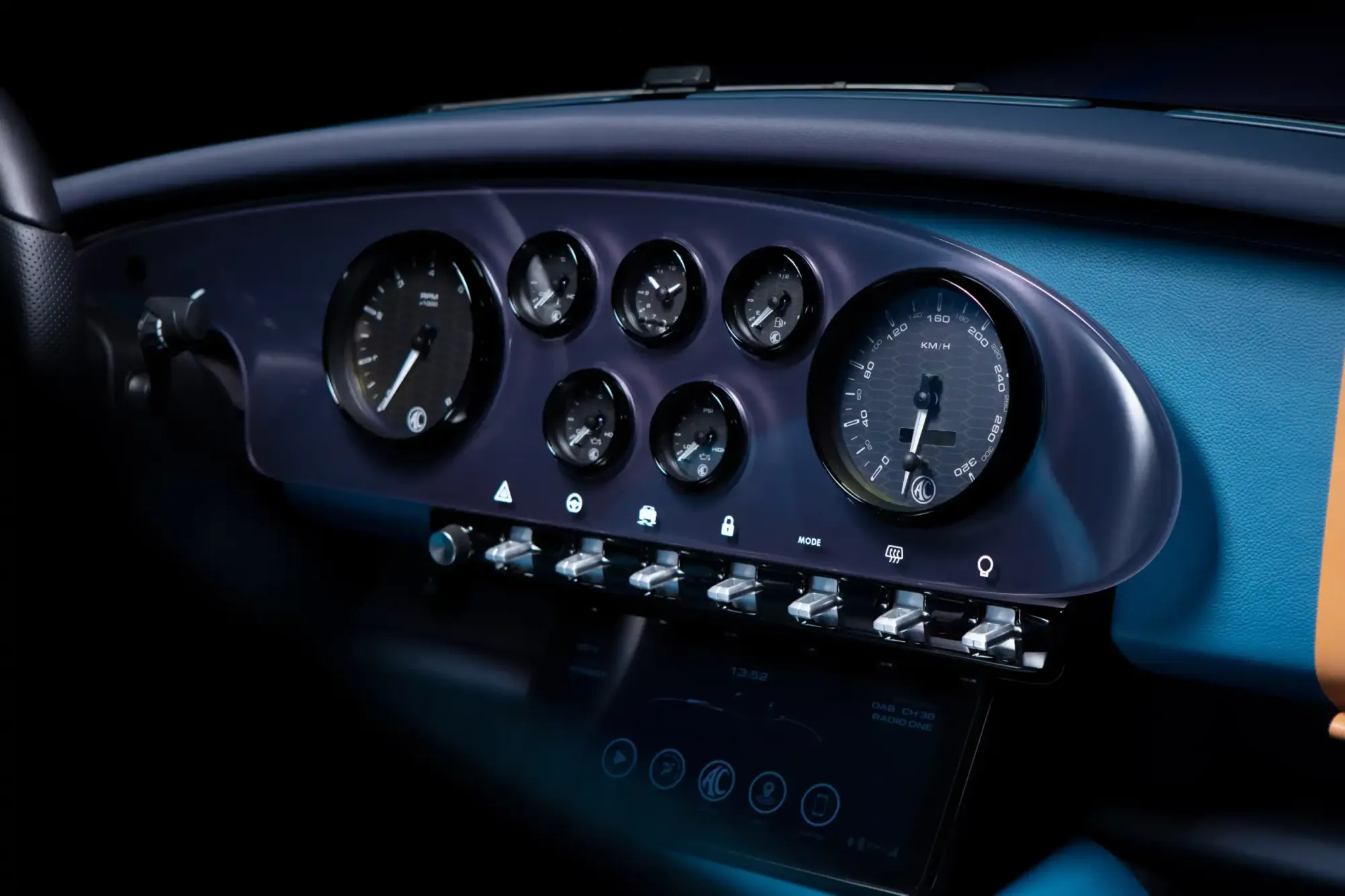
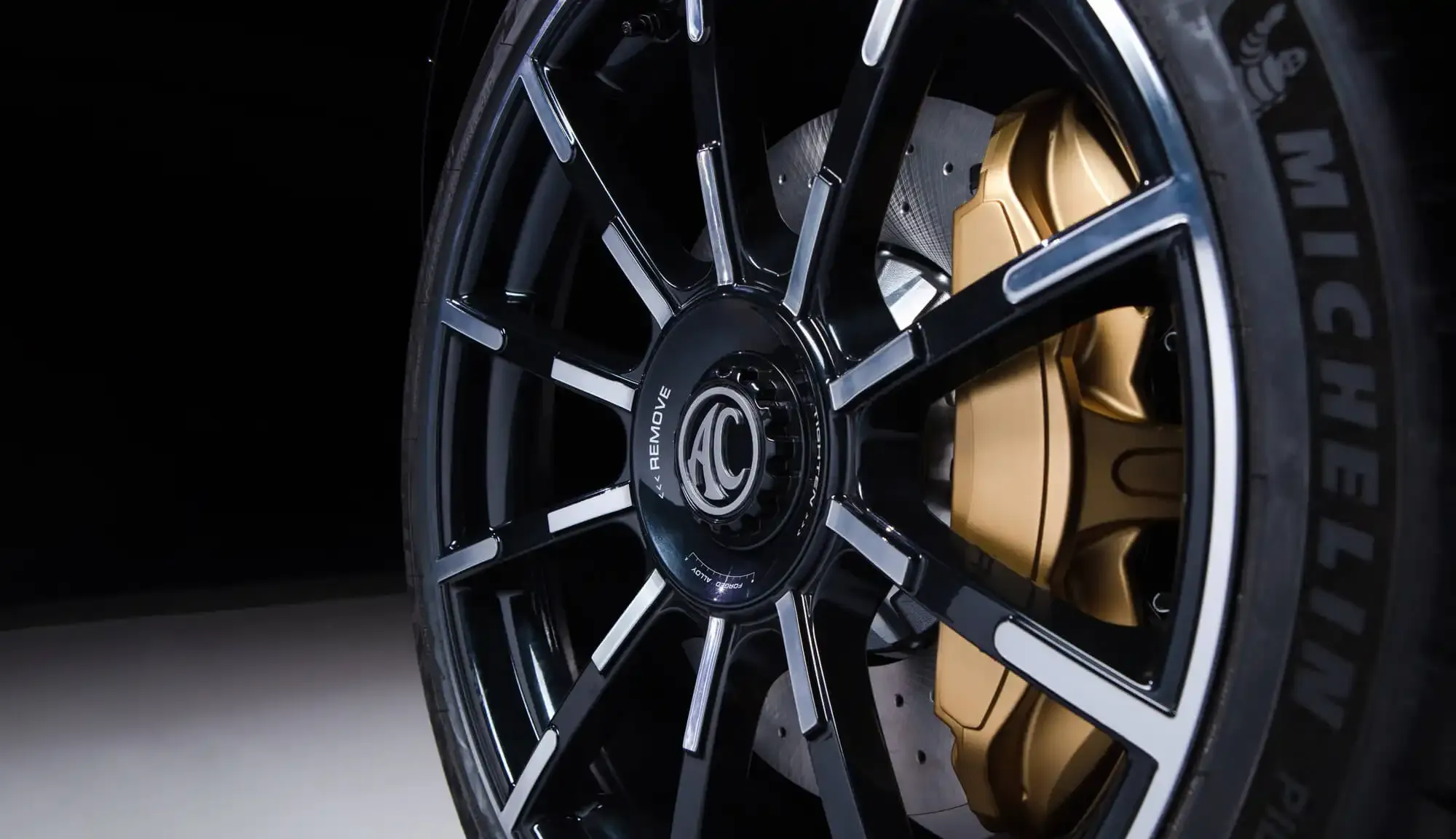
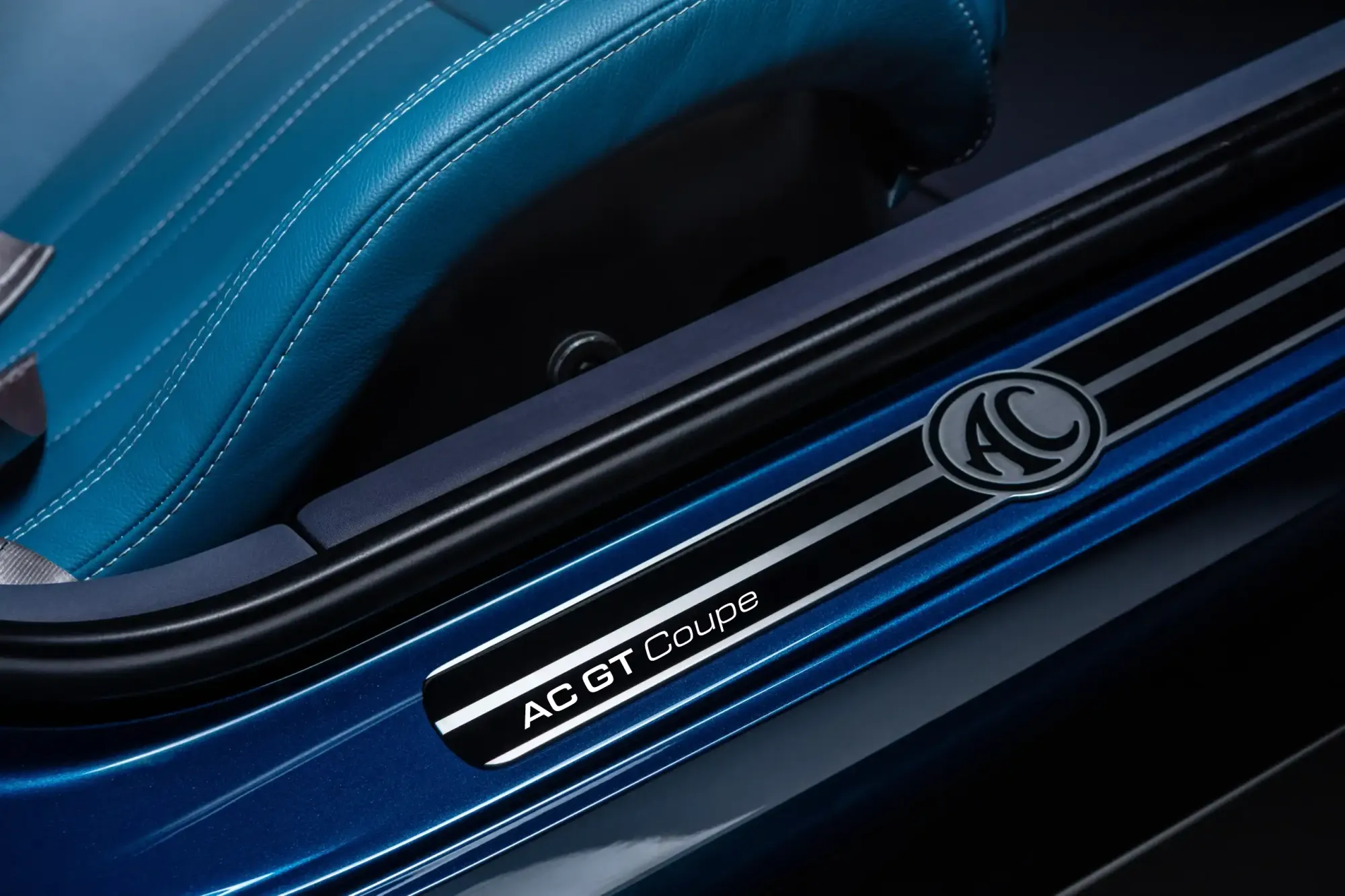
AC Cars
What the Marketing Pitch Actually Is
AC Cars is not selling performance. Plenty of manufacturers sell performance.
The pitch is rarer than that: AC Cars is selling continuity. The argument is that 125 years of staying alive through two world wars, multiple bankruptcies, and the full sweep of automotive history is itself a kind of proof. The GT Coupe is what you build when you have survived long enough to know what matters.
CEO David Conza put it simply: "125 years ago, AC Cars began shaping automotive history. Today, the AC Cobra GT Coupe continues that legacy, combining timeless design, handcrafted craftsmanship, and modern performance for a new generation. The next chapter starts now."
Whether 250 cars a year can carry that weight is a different question entirely.