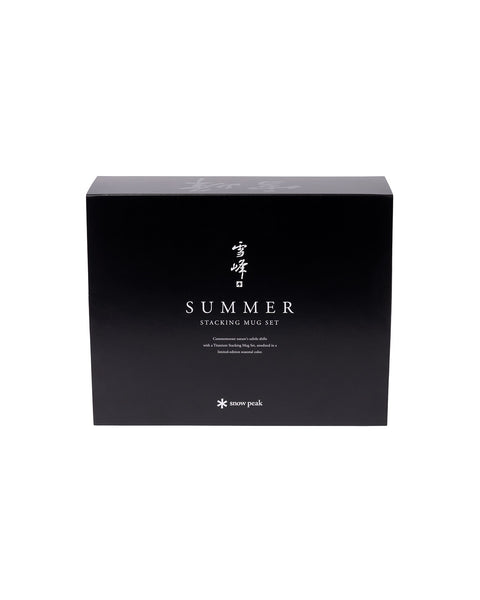
The $110 Mug Is Not About the Mug
A 1,200-unit numbered titanium mug set in verdant green. Here's what Snow Peak's Summer Stacking Mug Set reveals about their brand strategy.
Quick answer:
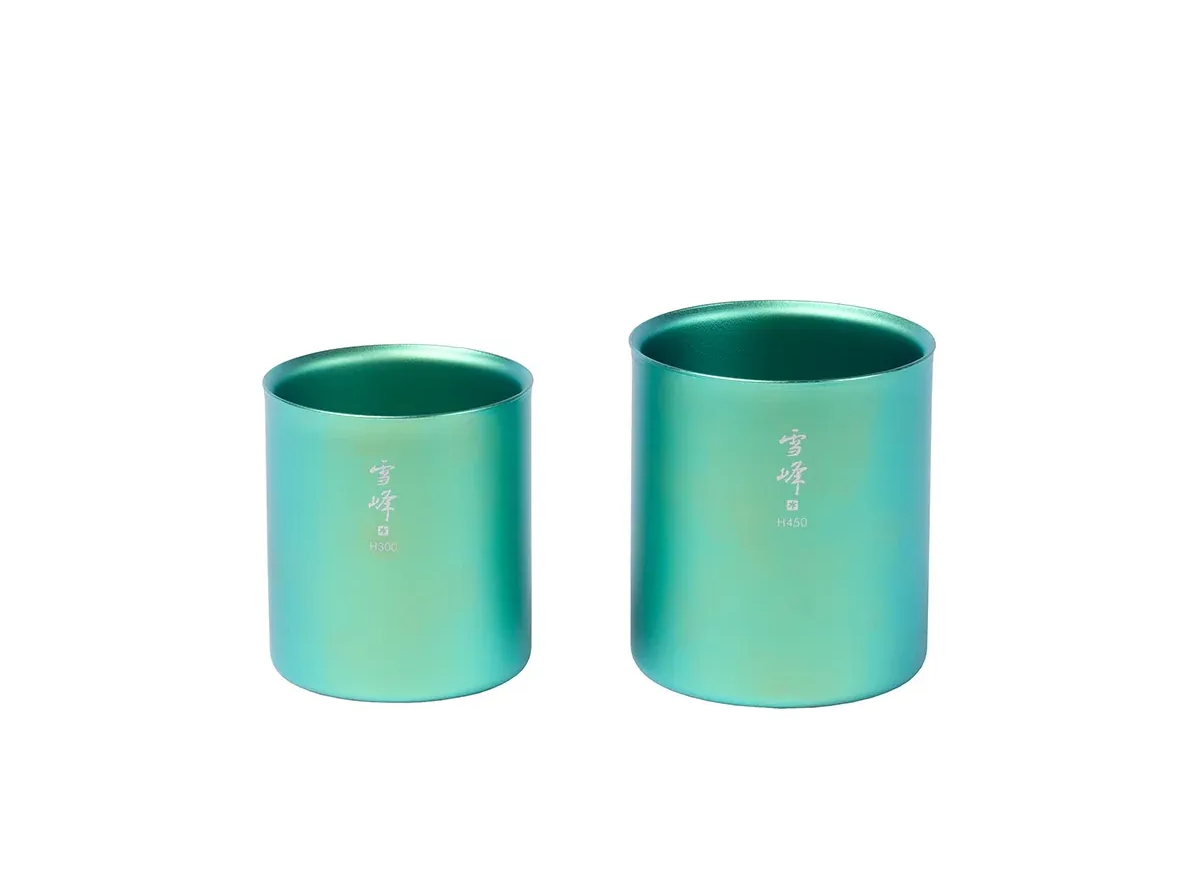
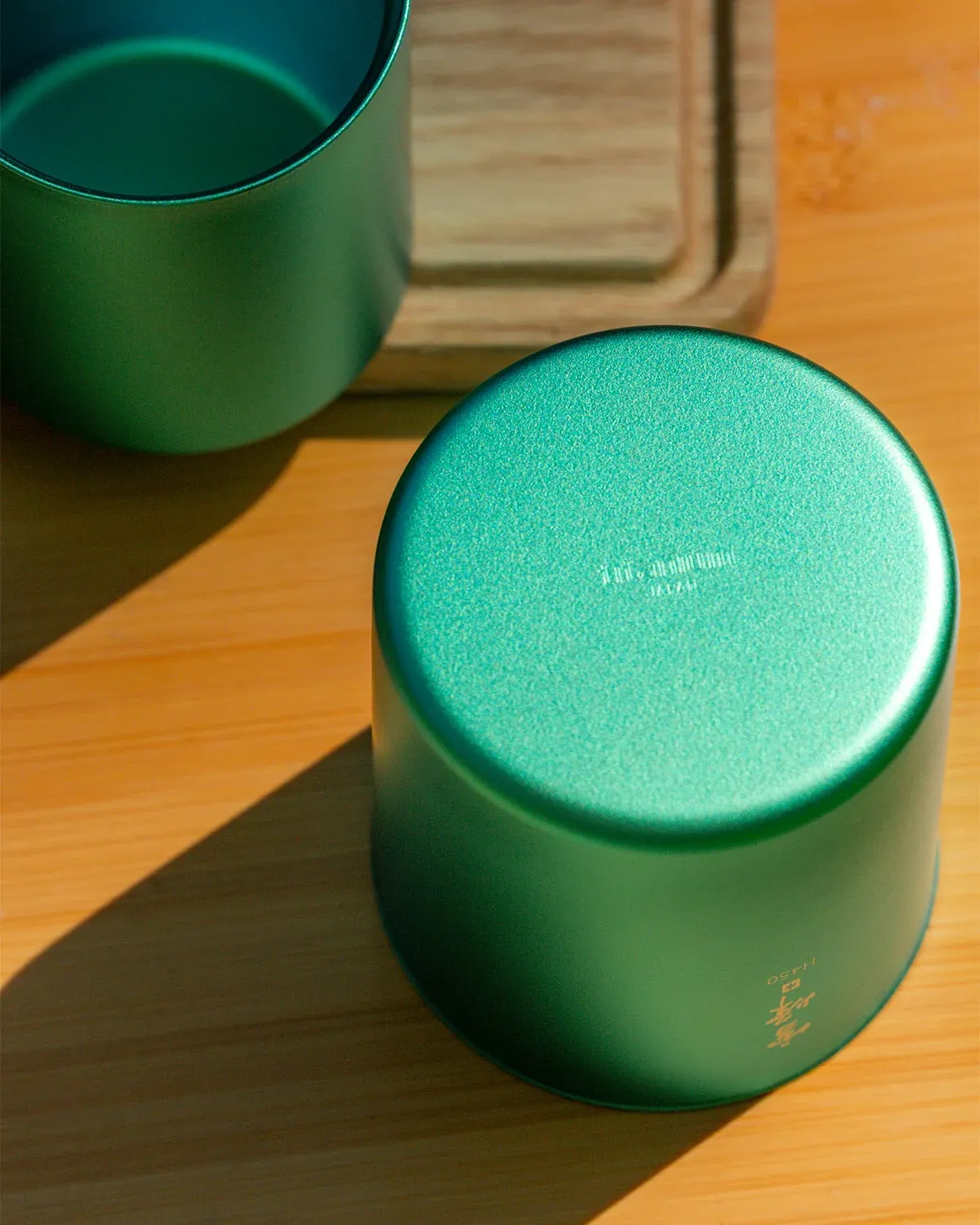
The Snow Peak Summer Stacking Mug Set is a numbered limited-edition set of two ultralight Japanese titanium mugs (the H300 and H450) finished in a verdant green anodized color, priced at $109.95, and capped at 1,200 units globally. Made in Japan. Backed by a lifetime guarantee. The second in a seasonal release series.
Snow Peak did not release a mug. Snow Peak released a timestamp.
The Summer Stacking Mug Set exists within a deliberate seasonal cadence, each edition color-coded to mark a moment in nature's calendar. The verdant green is not a colorway choice. It is an argument, one that says time outside deserves to be commemorated the way wine vintages do, the way limited sneakers do, the way anything worth keeping does. At 1,200 numbered units, scarcity is the message long before the product ships.
Brand, Audience, Story, Culture, and Why It All Connects
Snow Peak was founded in 1958 in Tsubame-Sanjo, Japan, a region historically known as the country's metalworking capital. The founder, Yukio Yamai, turned to mountaineering to recover from trauma sustained during WWII, then built a brand around that recovery. His son Tohru later scaled it into a car camping lifestyle brand, chasing urbanites burned out by Tokyo's relentless pace. That origin story is not incidental. It is the product philosophy, still running decades later.
The audience Snow Peak is speaking to has not changed all that much. They are people who have traded proximity to nature for proximity to their careers, who live in cities and feel the friction of that trade-off daily. The brand does not market escape. It markets reconnection, which is a subtler and stickier proposition. There is a Japanese concept embedded in all of this: Noasobi, loosely translated as "playing in the field." Snow Peak's Chief Brand Officer Yui Uchida described it plainly: "We believe the human body and mind constantly seek to reconnect with nature."
That philosophy moves through every layer of this product.
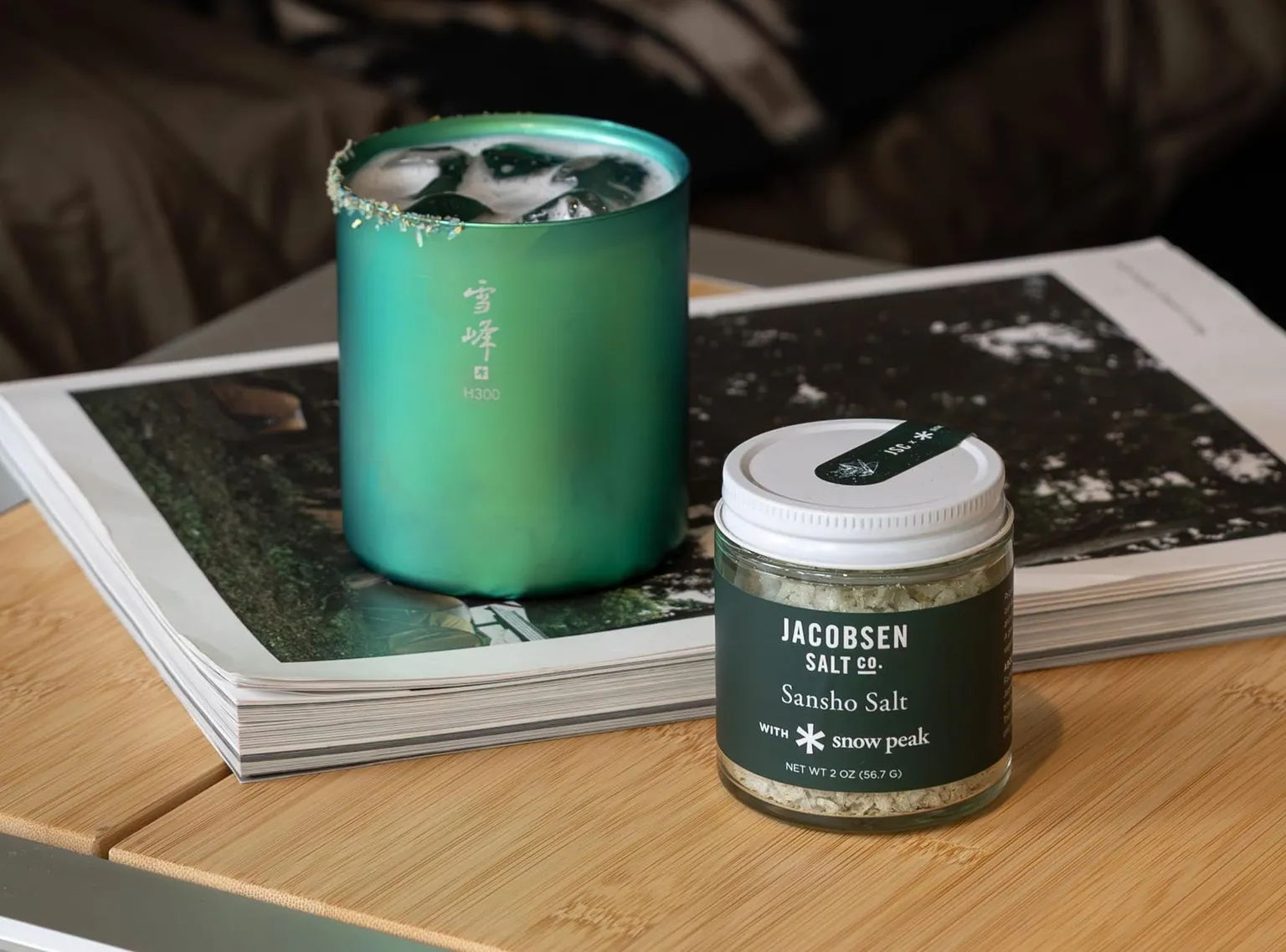
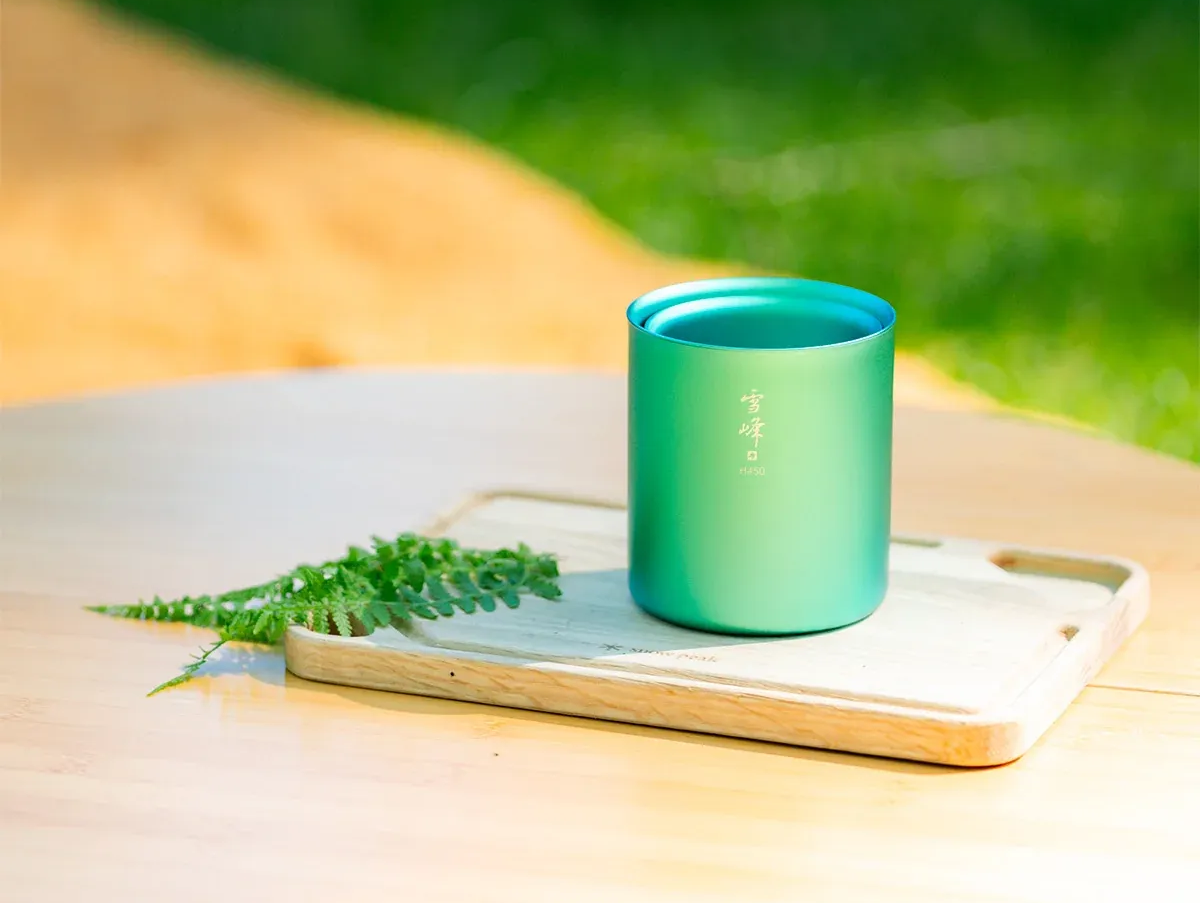
The anodized titanium finish is not decorative in the conventional sense. It is functional storytelling. The green communicates season. The titanium communicates permanence. The numbered edition communicates that this particular summer will not repeat. Taken together, the product becomes something closer to a commemorative object than a drinkware purchase, which is exactly how Snow Peak wants it to land.
What the Design Is Actually Saying
The mug set's design language is minimal to the point of saying very little on purpose. Two cups. One mesh bag. A color. That compression of form is the point.
Snow Peak's US headquarters sits in Portland, Oregon, chosen specifically because the city bridges ocean and mountains, and because its design culture runs deep. The brand's aesthetic owes a debt to Japanese craft traditions: nothing ornamental, nothing removed. Products are tested in real camping conditions, often at Snow Peak's own campgrounds, of which there are now seven across Japan and one opening in Long Beach, Washington. The design earns credibility through context, not marketing.
The numbered-edition model, combined with a lifetime guarantee, creates a deliberate tension. The product is scarce enough to feel special, but durable enough to last a generation. That is not a contradiction. It is the whole positioning. Buy it once, keep it forever, tell the story every time it comes out of the bag.
The Marketing Pitch, Decoded
Snow Peak is selling proof of participation. Not proof of gear ownership. Not proof of camping expertise. Proof that you slow down, that you notice seasons, that you hold something made with intention in your hands and let the morning take its time.
The seasonal drop format turns buyers into collectors, and collectors into community. Snow Peak has been running its own customer-and-staff campout event, called Snow Peak Way, since the 1990s. The mug set drops into that context. It is not a product launch sitting inside a brand. It is a brand ritual wearing the shape of a product launch.
At $109.95 for two titanium mugs, the price is high enough to signal quality and low enough to remain accessible to the person who hasn't yet bought the $600 firering set. It functions as an entry point that still feels like an inside move. That is the pitch, restated clearly: you are not buying a mug. You are buying your way into a calendar that pays attention.
 Snow Peak