GiantMouse Knows Exactly How Many Customers It Wants
A $445 pirate-themed pocketknife reveals how scarcity, niche fluency, and design language combine into one marketing pitch.

Quick answer:
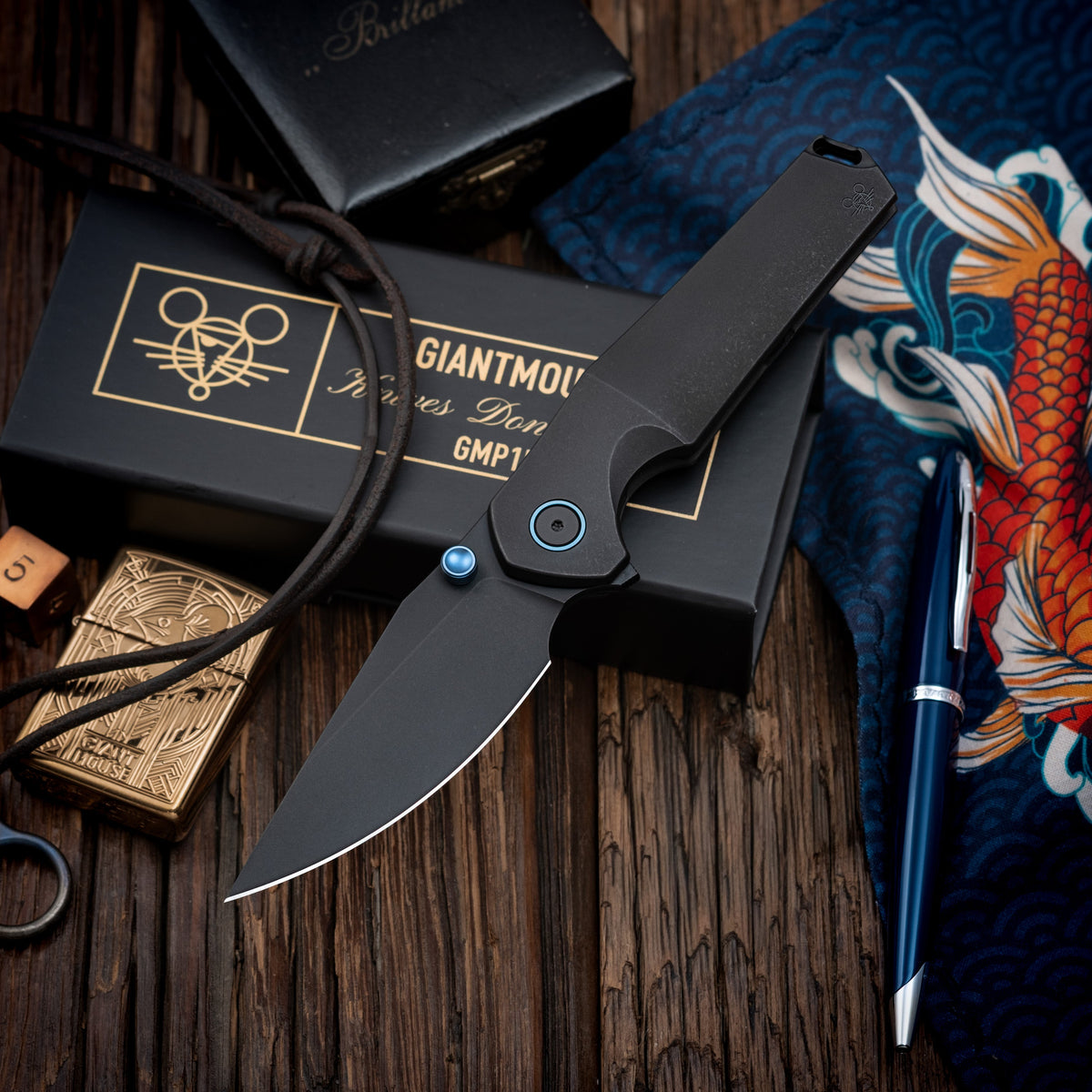
The GiantMouse GMP15 is a $445 folding knife limited to 150 numbered units, built by Reate with an S90V blade and a titanium frame lock finished in tactical black PVD. It's a niche hardware product, but the way it's sold reveals something sharper: a scarcity model built for a community that already knows the specs by heart.
150 Knives. Not One Discount.

Most brands bolt scarcity onto a product after the fact. A "limited run" sticker, a countdown timer, the usual theater.
GiantMouse built the GMP15 the other way around. The product page leads with the number 150 before it mentions the steel grade, and it closes the purchase path by capping each customer at one unit, with discounts, promo codes, and coupons explicitly disabled for this release.
That's not a marketing flourish. That's a pricing policy. A brand that refuses to discount a $445 item signals that the number itself is the offer, not a negotiating position.
Compare that to the standard GM15, priced at $395 with no numbered run and presumably no customer cap. Same lineage, same knife company, fifty dollars and an edition number apart. The gap between those two prices is not steel or labor. It's scarcity, priced and sold as a feature.

GiantMouse
Pirates Don't Need a Persona Slide
Call it the "Pirate Edition" and most brand strategists would ask for a target audience brief. GiantMouse apparently didn't need one.
The knife community buying a $445 collector's folder already has a shared vocabulary: steel grades, pivot mechanisms, bearing systems, anodized titanium. The copy on the product page assumes all of it, listing S90V, PVD, and frame lock construction without a single explanatory clause.
That's a messaging choice, not an oversight. Writing for people who already speak the dialect is cheaper than writing for people who don't, and it filters out buyers who were never going to purchase anyway.
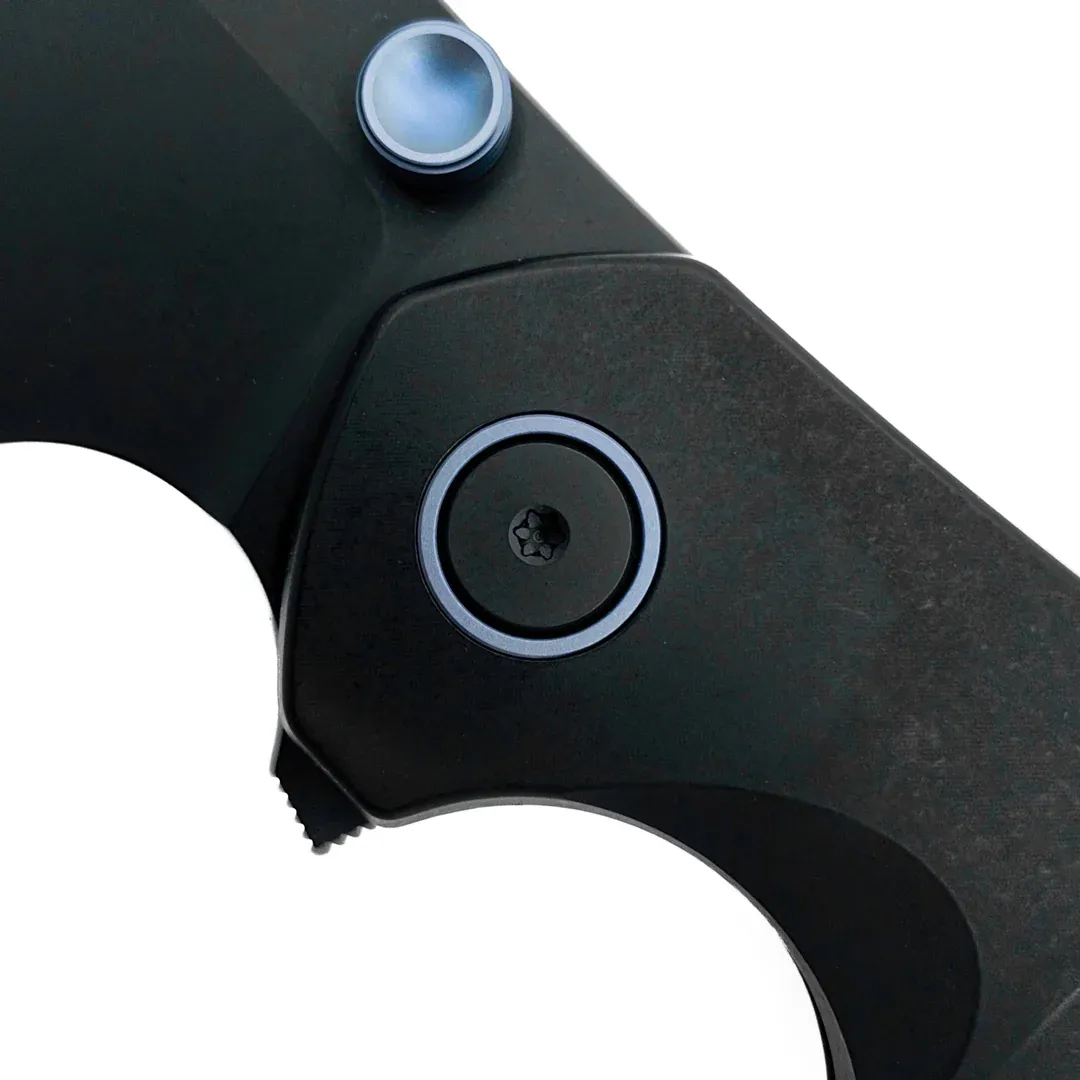
The "pirate" theme does lighter lifting than the specs do. It supplies just enough narrative texture, a dive-watch-inspired crown thumb stud, a dark PVD finish described as making details "hit even harder," to give collectors something to talk about besides Rockwell hardness numbers. Community and culture, in this category, look less like a hashtag campaign and more like a shared fluency in materials science with a costume thrown over it.


GiantMouse
Black Is the New Exclusivity
Design language usually gets discussed as a separate discipline from pricing. The GMP15 makes the case that, in a collector's market, they're the same conversation.
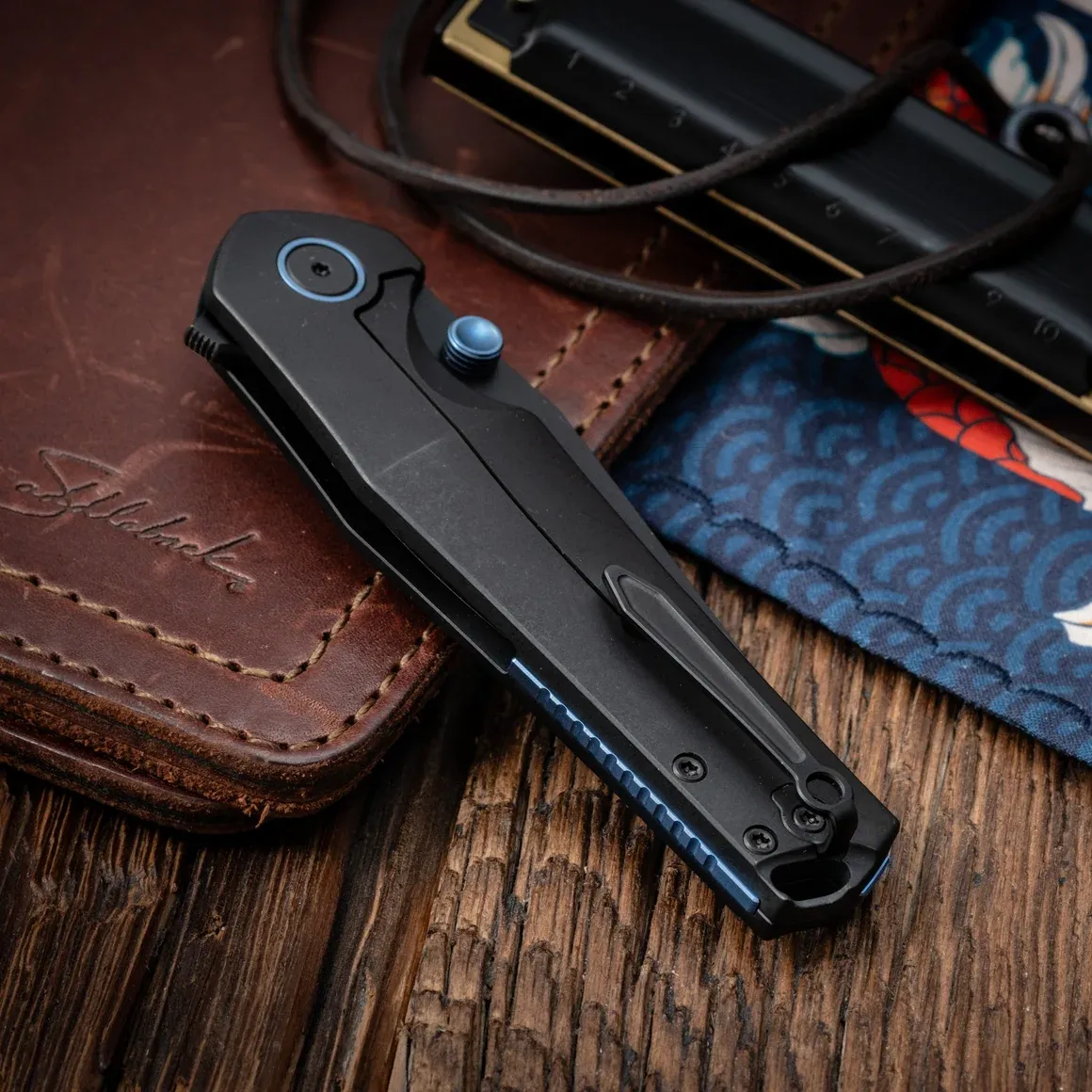
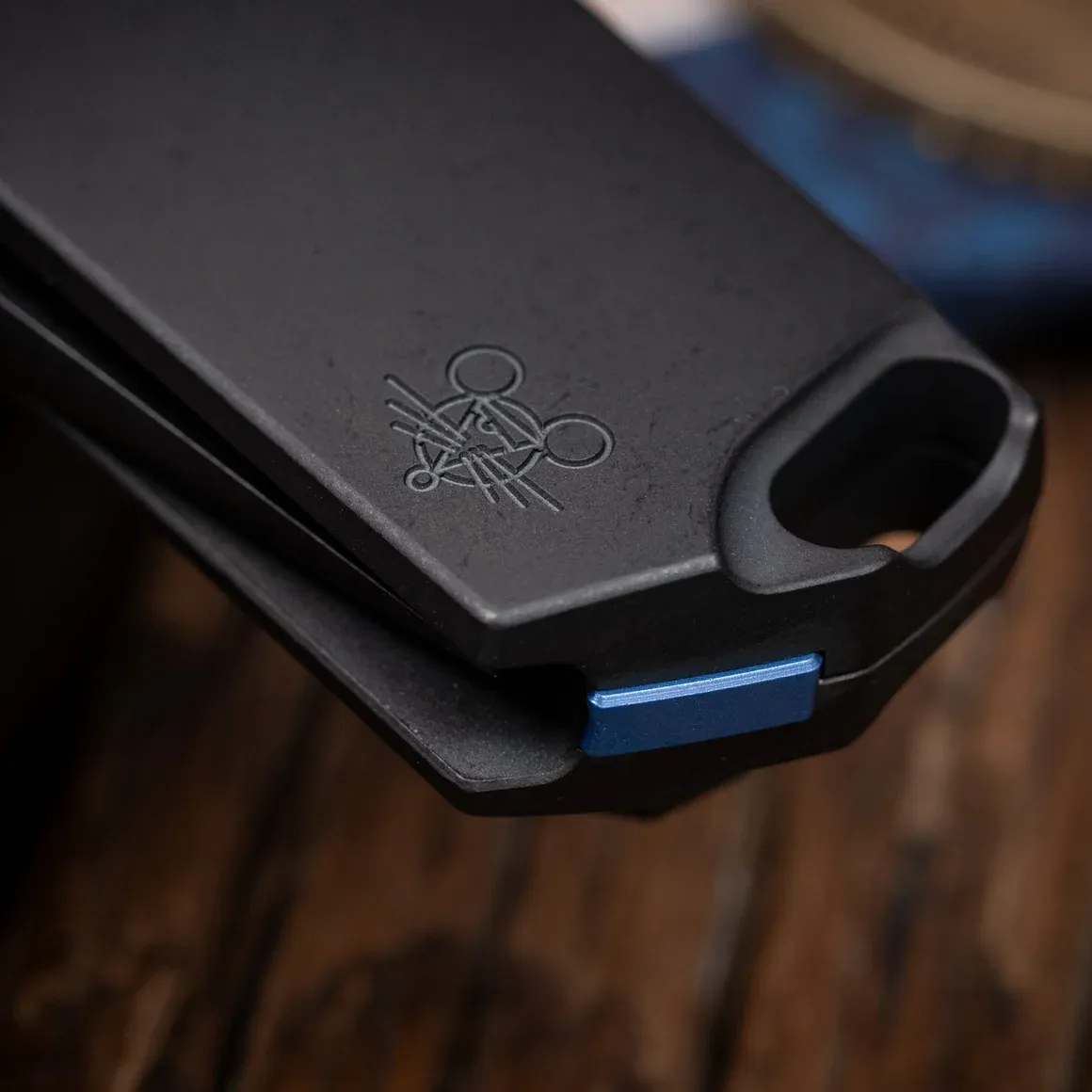
A black PVD coating is not a cosmetic upgrade. It's a visual signal of exclusivity, the finish equivalent of an invite-only drop, applied to a hand, backspacer, and pivot collar that are each individually machined and then hand-finished with anodized accents.
Every one of those details is a decision to make the object look harder to produce than a standard model, whether or not it actually is. That perceived difficulty is the entire marketing pitch: buy this because 150 people worldwide will own one, and the object itself looks like it knows it.
Strip away the knife category entirely and the model still holds. Any brand selling into a community fluent in its own technical language can skip the explainer, cap the inventory, disable the discount, and let the finish do the talking. The GMP15 isn't teaching the knife industry anything new. It's confirming that the oldest scarcity trick in commerce, make less and say less about why, still outperforms a well-run discount code.
 GiantMouse