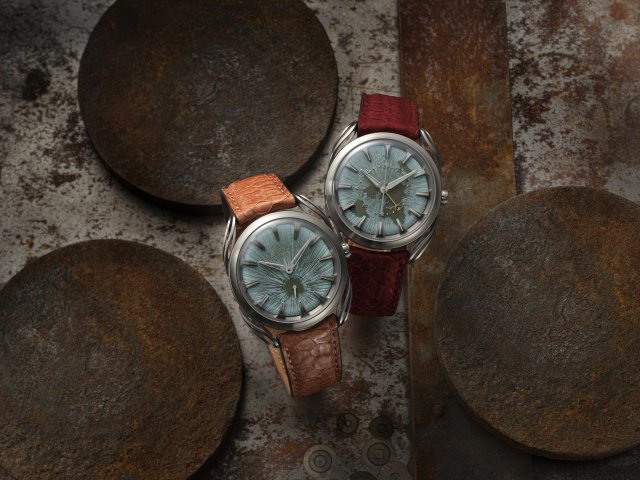
Rooster Feet, Titanium Dust, and a Very Good Watch
A deep-dive into the Holthinrichs Lab Series: 3D-printed titanium, copper oxide patina dials, and rooster feet leather. What this indie brand is actually doing.
Quick answer:
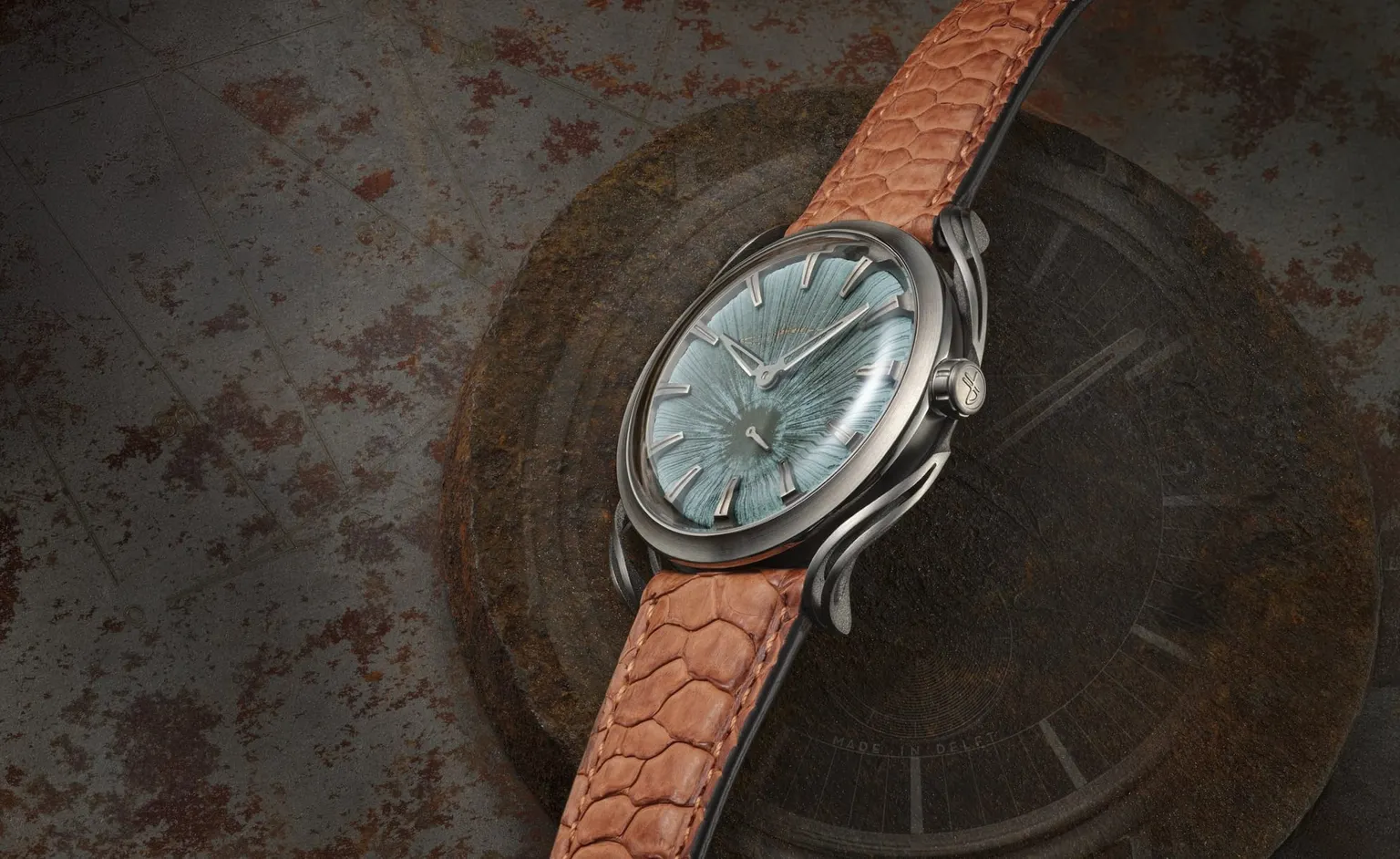
The Holthinrichs Lab Series is the experimental sub-line from Dutch independent watchmaker Holthinrichs Watches, founded by architect Michiel Holthinrichs in Delft in 2016. Each model features a 3D-printed grade 5 titanium case built via selective laser melting, an in-house copper oxide patina dial unique to every single piece, and a strap made from rooster feet leather. Limited to 100 pieces per reference, priced from EUR 5,900.
The Insight Nobody Talks About
Most independent watch brands fail for the same reason most indie music acts fail: they confuse originality of material with originality of thought. Holthinrichs does something rarer. Michiel Holthinrichs trained as an architect at Delft University of Technology, and rather than treating that as a biography footnote, he treated it as a production method. The result is a brand whose design logic is genuinely alien to how Swiss watchmaking has operated for 200 years.
The Lab Series is where that logic gets pushed furthest.
What the Brand Is Actually Doing
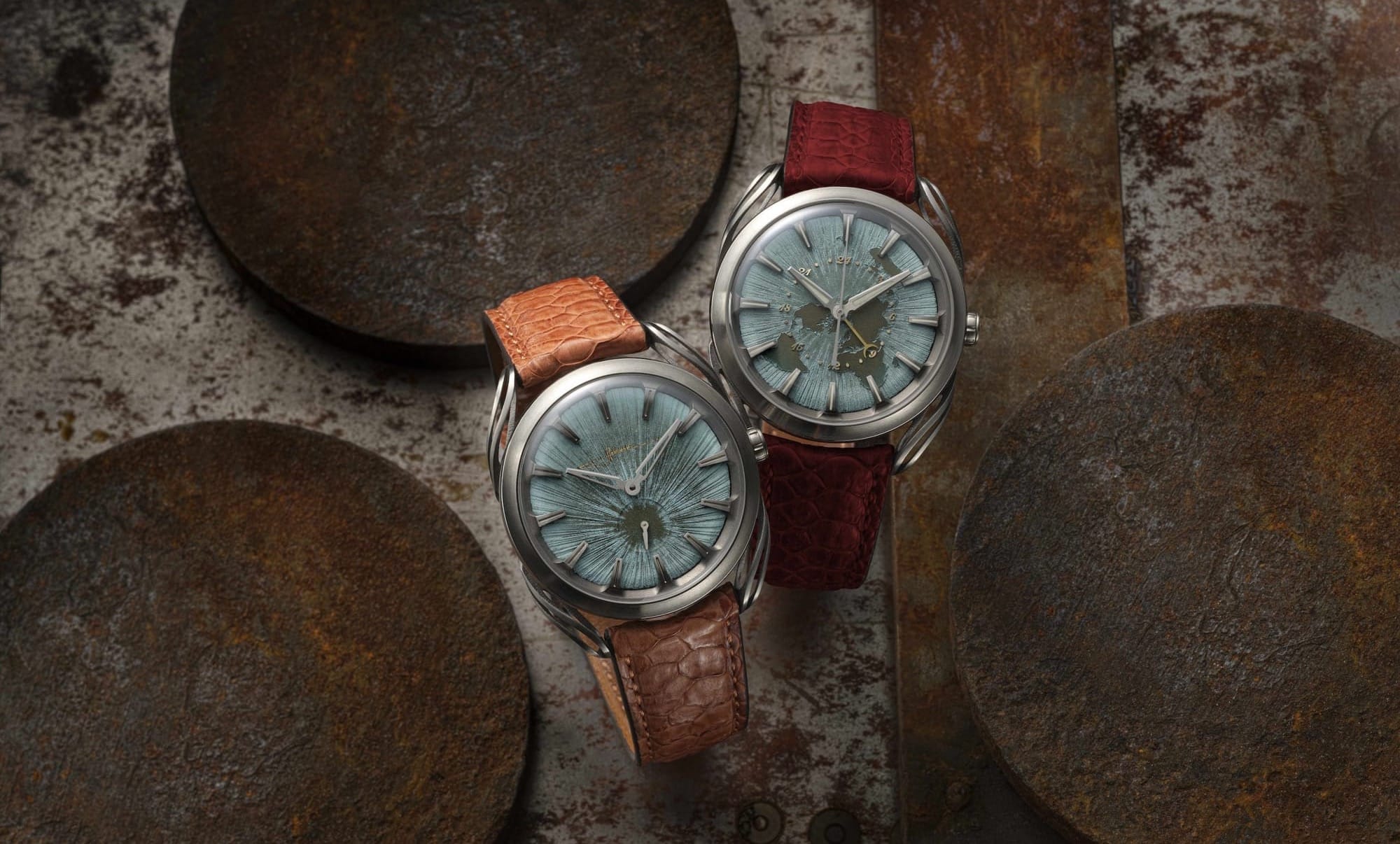
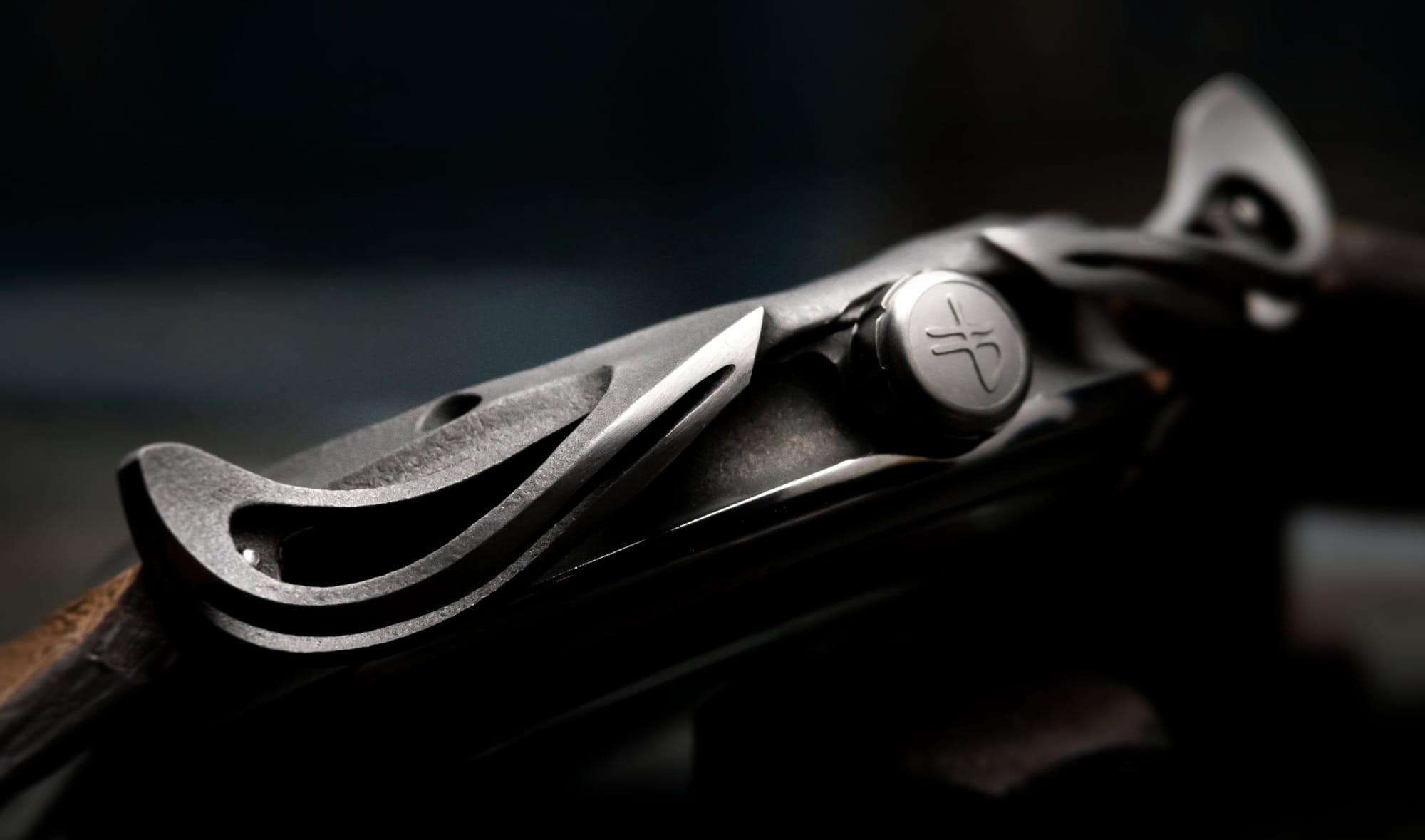
Holthinrichs positions itself as "architecture on the wrist," and the Lab Series is where that claim stops being metaphor and starts being manufacturing process. The cases are 3D printed from titanium powder using selective laser melting, a technology borrowed from aerospace and medical engineering, not from the Vallée de Joux. Each build plate holds 45 cases and runs for up to 48 hours. Then every case is hand-finished individually in the Delft atelier, which happens to be the former national armoury of the Netherlands.
That is not a detail for the press release. It is the point.
The target audience for the Lab Series sits at an interesting intersection: serious collectors who are exhausted by the endless parade of 1960s dive watch revivals, and design thinkers who want an object that has genuine conceptual weight. Monochrome Watches described Holthinrichs as "one of the rising stars of the indie watchmaking scene" for exactly this reason. The brand is not appealing to nostalgia. It is appealing to people who find nostalgia intellectually lazy.
The Marketing Pitch Hiding Inside the Design Language
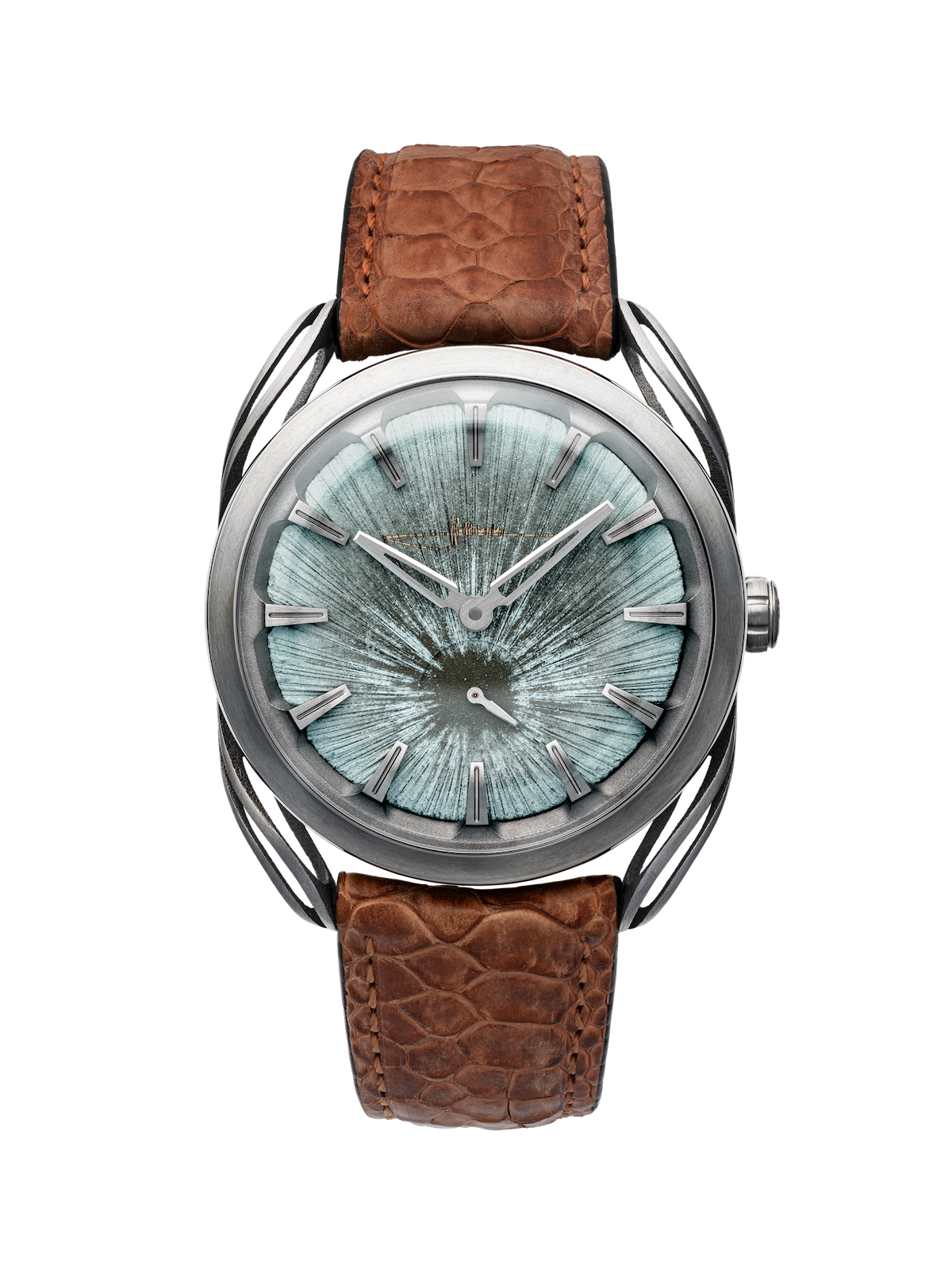
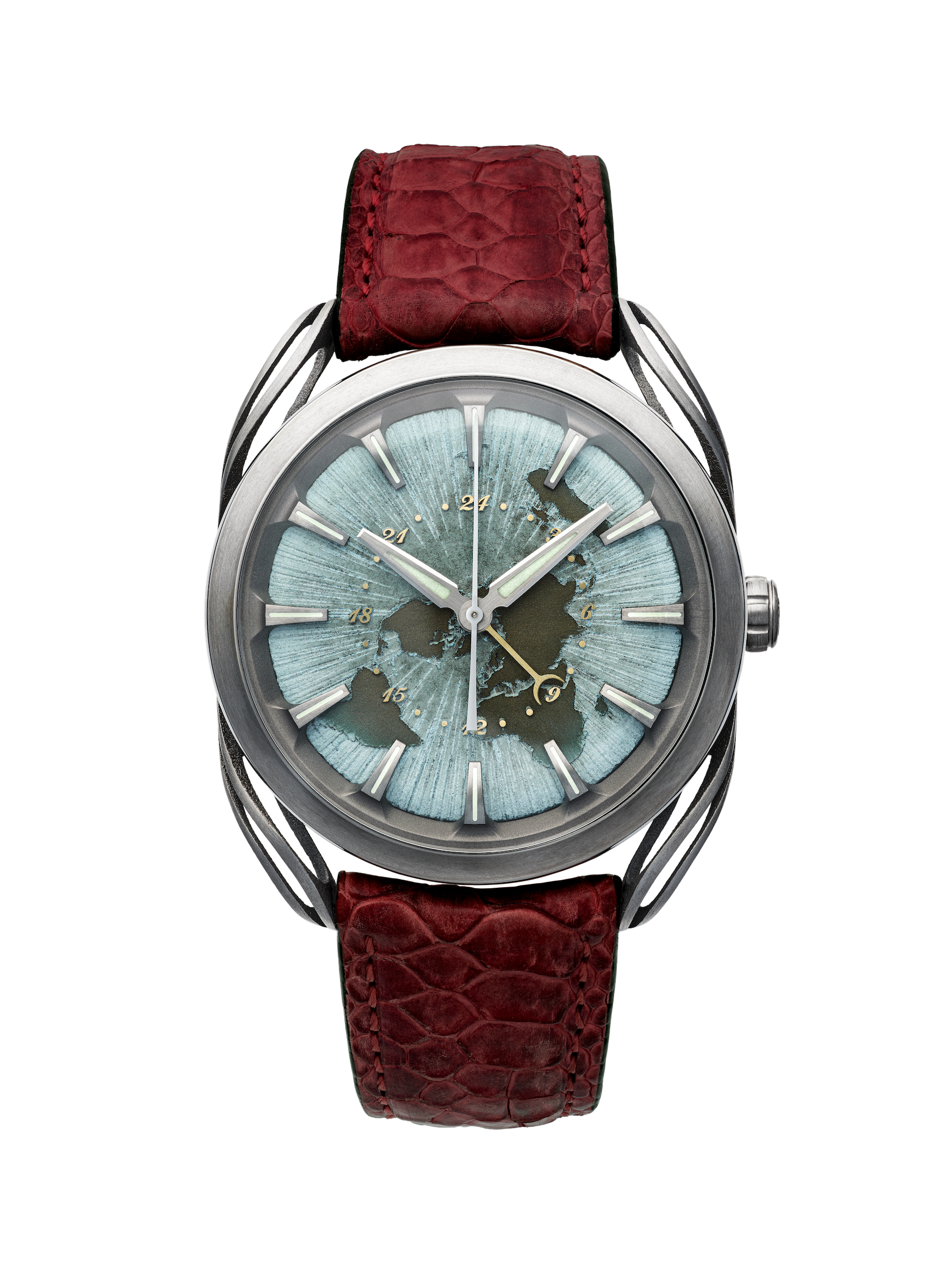
The storytelling here runs on a concept called Horlogerie Brut, Holthinrichs' design philosophy drawn from Le Corbusier's Béton Brut movement in architecture. The idea is that colors, textures, and finishes are derived directly from the manufacturing process rather than applied afterward to achieve a predetermined look. The copper oxide patina on every Lab Series dial is forced through electrolysis and heat treatment, and because natural oxidation is involved, no two dials are identical. That is not a marketing line. It is a genuine production constraint that the brand turned into its strongest asset.
The strap is rooster feet leather. Sourced responsibly, processed by hand at an Italian tannery, softer than it has any right to be. The first reaction from most people is confusion. The second is that they can not stop thinking about it. That is not an accident.
Holthinrichs
What Holthinrichs has built, particularly through the Lab Series, is a community that rewards close attention. Collectors who discover the brand tend to go deep fast, because each object reveals more the longer you look at it. The hand-carved patina rotor visible through the caseback. The heat-treated tungsten weight that develops blue and purple tones. The lug structures so thin that reviewers at Quill and Pad compared them to "two thin ribbons bent by a gust of wind," while also noting that 3D-printed titanium is used in rocket engine parts.
The differentiation strategy is not price, heritage, or movement manufacture. It is irreproducibility. Nobody else has spent a decade mastering this specific intersection of 3D metal printing and artisanal patination. The brand has been building that gap quietly since 2016, and the Lab Series is where the accumulated distance becomes visible.
What to Take From This
The Holthinrichs Lab Series 1.S sold out. The 1.GMT is still available at EUR 6,500 ex. VAT, limited to 100 pieces, completed in small batches through the end of 2026.
For brand builders watching from the outside, the sharper lesson is about constraints as creative capital. Holthinrichs did not achieve distinctiveness by having more resources than competitors. Each 3D print run is capped at 45 cases. Production is slow by design. The brand has 16 people. What they have, instead of scale, is a decade of proprietary process knowledge that cannot be copied in a quarter or licensed from a supplier.
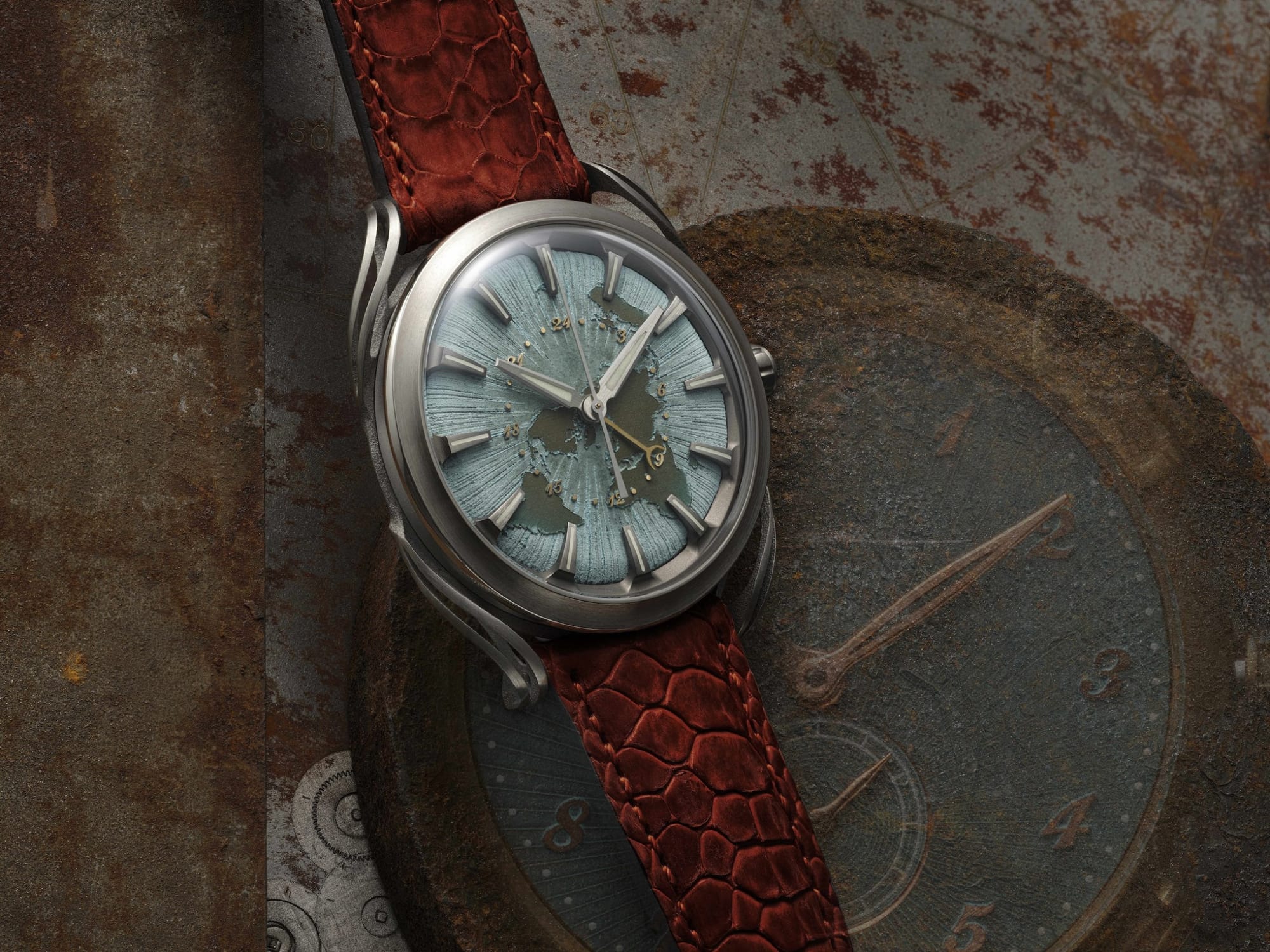
The rooster feet strap is a provocation that earns its place. The patina dial that looks like it was buried for a century is a genuine technical achievement. The case that looks structurally impossible is structurally impossible by conventional manufacturing methods. That gap between appearance and explanation is where the brand lives, and it is a genuinely hard place for anyone else to occupy.