
BMW's Electric X5 Would Rather You Not Notice It's Electric
The 2027 BMW iX5 60 xDrive makes a radical case for staying exactly the same. Here's the strategy behind the continuity.

Quick answer:
The 2027 BMW iX5 60 xDrive is a dual-motor, all-wheel-drive electric SUV built on BMW's Neue Klasse platform, delivering an estimated 435 miles of range, up to 460 kW peak charging, and roughly 578 horsepower, priced at $81,250 delivered. It shares its body, cabin, and nameplate with the gas and plug-in hybrid X5, with deliveries planned for early 2027. The interesting part isn't the motor. It's the argument BMW is making about what an electric luxury SUV is allowed to look like, and who gets to decide that.
The Art of Keeping Customers Comfortable
BMW isn't selling the iX5 as a departure from the X5. It's selling it as the X5, with the powertrain treated as one more trim choice among five eventual options: mild hybrid, plug-in hybrid, diesel, electric, and a hydrogen variant due later. That's the real insight buried under the spec sheet: BMW is betting that brand loyalty beats EV evangelism.
Chief engineer Michael Ahlers reportedly treated the frunk as non-negotiable from the start, a small detail that says more about priorities than any horsepower figure. Keep the compartment. Keep the comfort. Don't make a single existing buyer feel like they switched brands to go electric.


BMW
Same Driveway, Different Fuel
The X5 is BMW's best selling nameplate in America, the suburban status symbol that quietly outsells everything else in the lineup. That buyer isn't chasing EV culture the way a Rivian or Lucid customer might. They want range anxiety solved without ceremony, not celebrated as a personality trait.
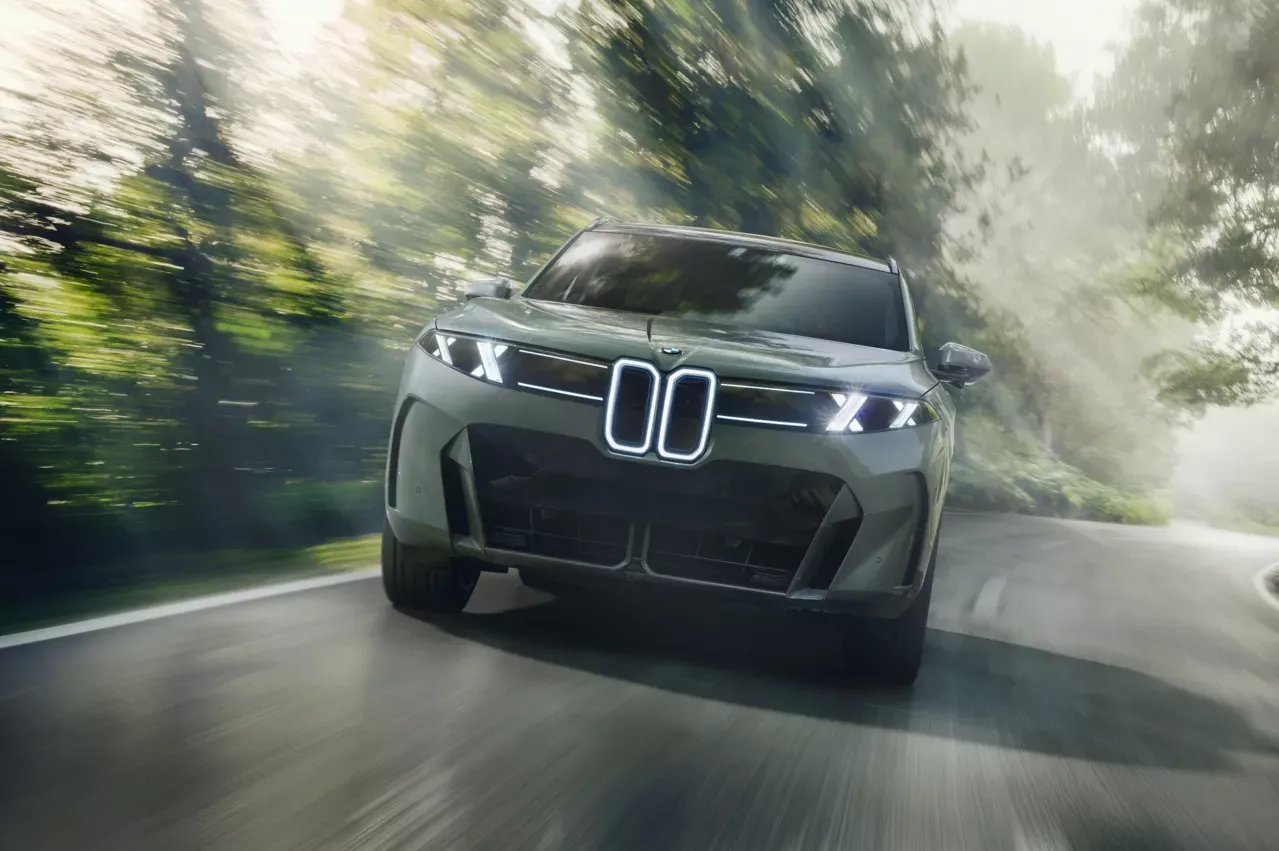
The messaging follows accordingly. BMW layered a design language pulled from the Neue Klasse concept onto a familiar shape rather than reinventing it, which is a strange kind of bravery. Step inside and the experience barely shifts across powertrains, down to the same panoramic head-up display replacing the traditional gauge cluster. The journey from showroom floor to driveway was engineered to feel identical, regardless of what, if anything, is burning fuel underneath.
This particular SUV is also built at Spartanburg, South Carolina, a plant that has assembled X5s since 1999. That's not a footnote. It lets BMW frame its electric SUV as American-built continuity rather than imported disruption, which matters to a nameplate this entrenched in suburban identity.

Where rivals like the Lucid Gravity or Rivian R1S sell EV-native identity as the whole point, the iX5 sells the opposite: a car you could mistake for its gas sibling from the back seat. The split tailgate is gone, and the ride turns noticeably stiffer under that 144-kWh pack, tradeoffs nobody put on a billboard. The unique selling point was never the battery. It was the refusal to let the battery become the story.
Visually, BMW split the difference instead of picking a side. The X-shaped headlights and slimmer grille are a genuine departure pulled straight from a concept car, while almost everything else stayed exactly where loyalists left it. That's design thinking aimed at a very specific anxiety: looking forward without asking anyone to let go.

A Future that Looks Suspiciously Familiar
Strip away the charging numbers and the horsepower claims, and the actual offer here resembles reassurance more than innovation. BMW isn't asking X5 owners to believe in an electric future. It's asking them to believe their life requires zero adjustment to get one.
That's either the smartest hedge in the segment or the quietest admission that BMW doesn't entirely trust its own customers to want the future on its own terms.

