Avocado Cabin and the Geography of Almost Gone
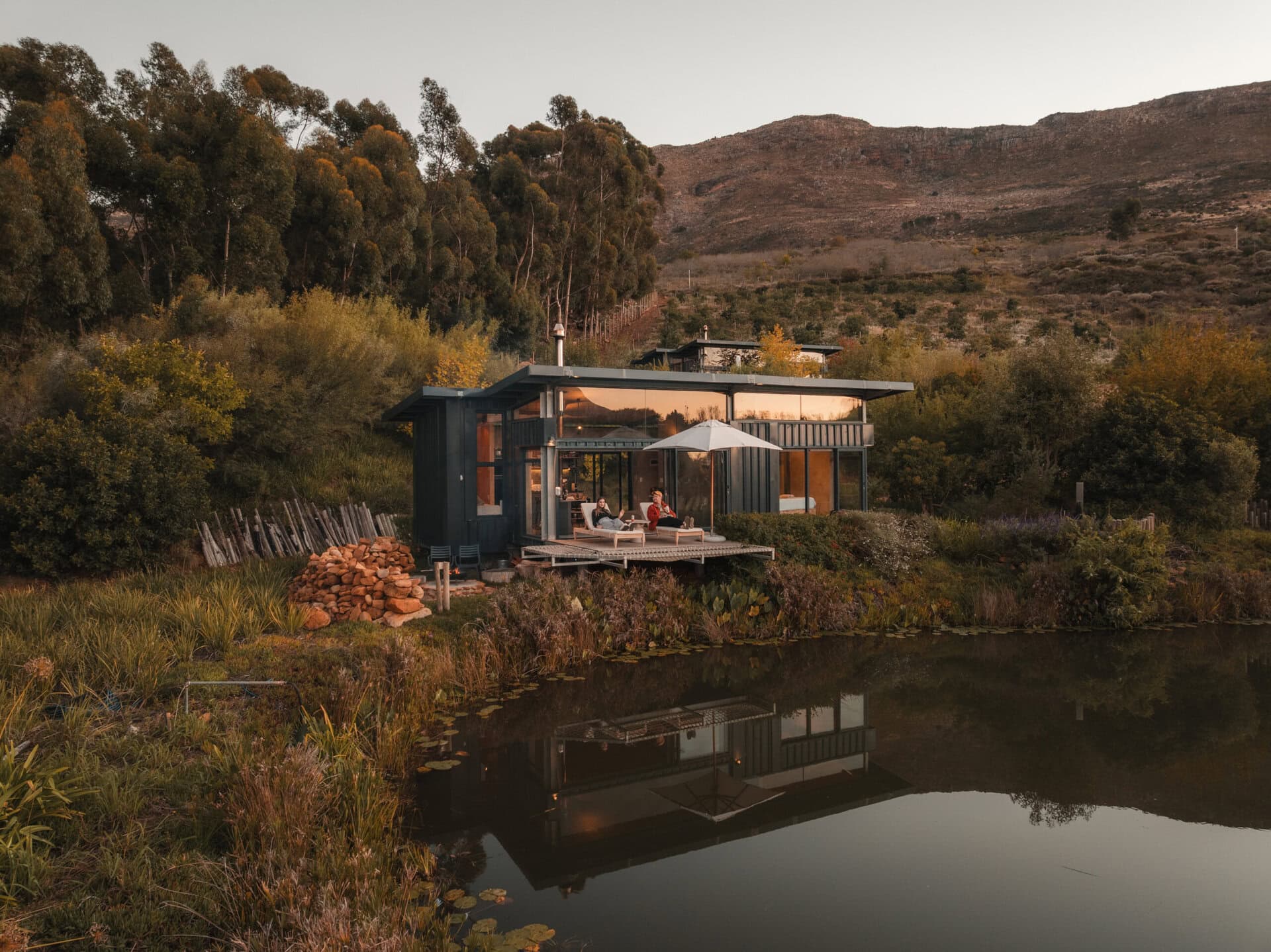
Avocado Cabin, a property listed through Lifetree Escapes, offers a unique escape experience by emphasizing psychological displacement rather than remoteness. The cabin’s design, rooted in the land and its history, creates a harmonious blend of Scandinavian minimalism and Cape Winelands terroir.
Quick answer:
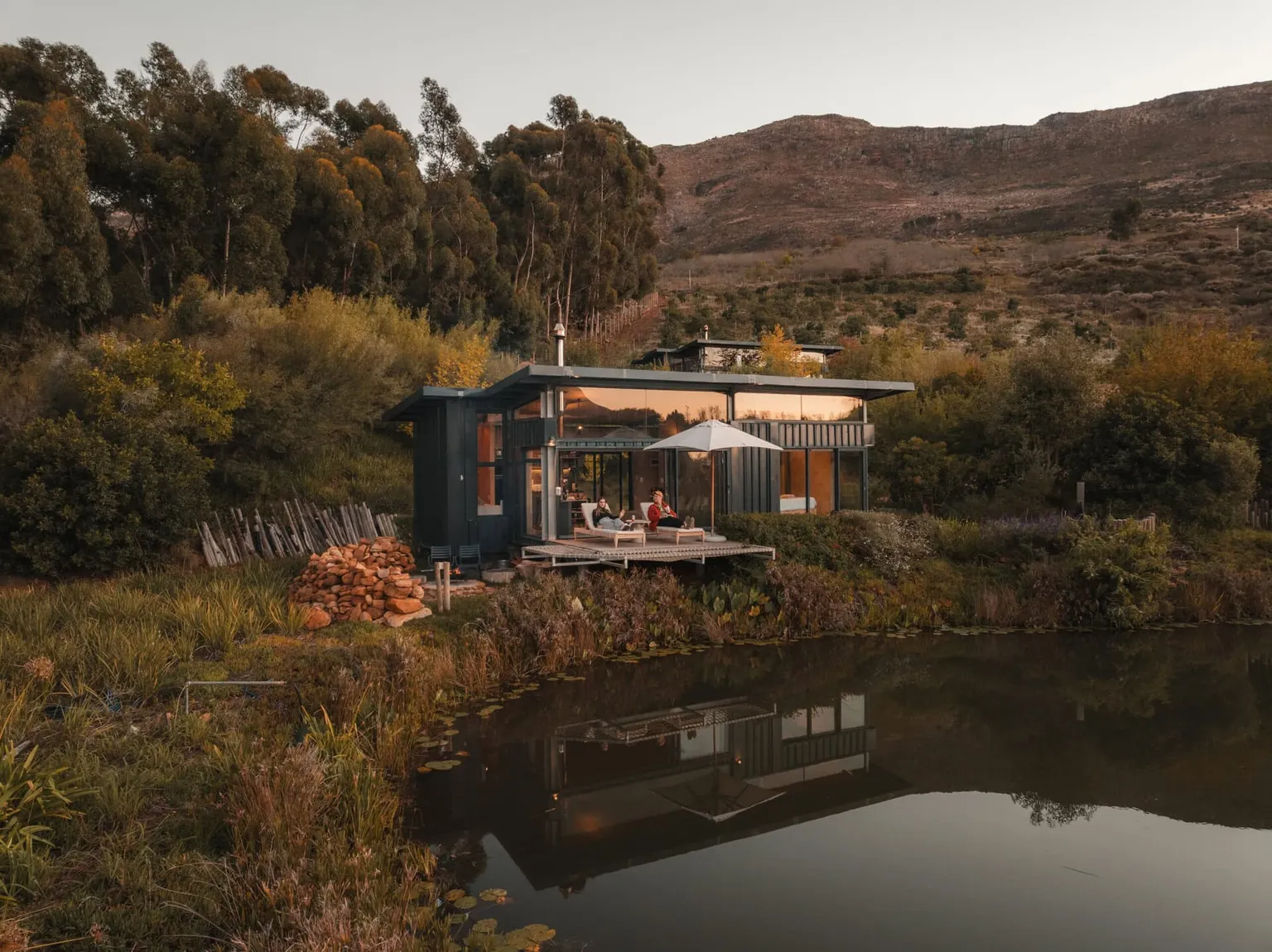
Avocado Cabin is a Scandinavian-styled eco cabin on Camissa Farm in the Banhoek Valley, Stellenbosch, South Africa. Listed by Lifetree Escapes and Cabin Fever Escapes, it sits beside a dam on a 60-hectare regenerative farm with floor-to-ceiling glass, a wood-fired hot tub, mountain views, and access to hiking, wild swimming, and a sauna. It sleeps up to three guests and sits eight minutes from Stellenbosch.
The Insight Nobody Is Talking About
Eight minutes from Stellenbosch. That is not a disclaimer. That is the product.
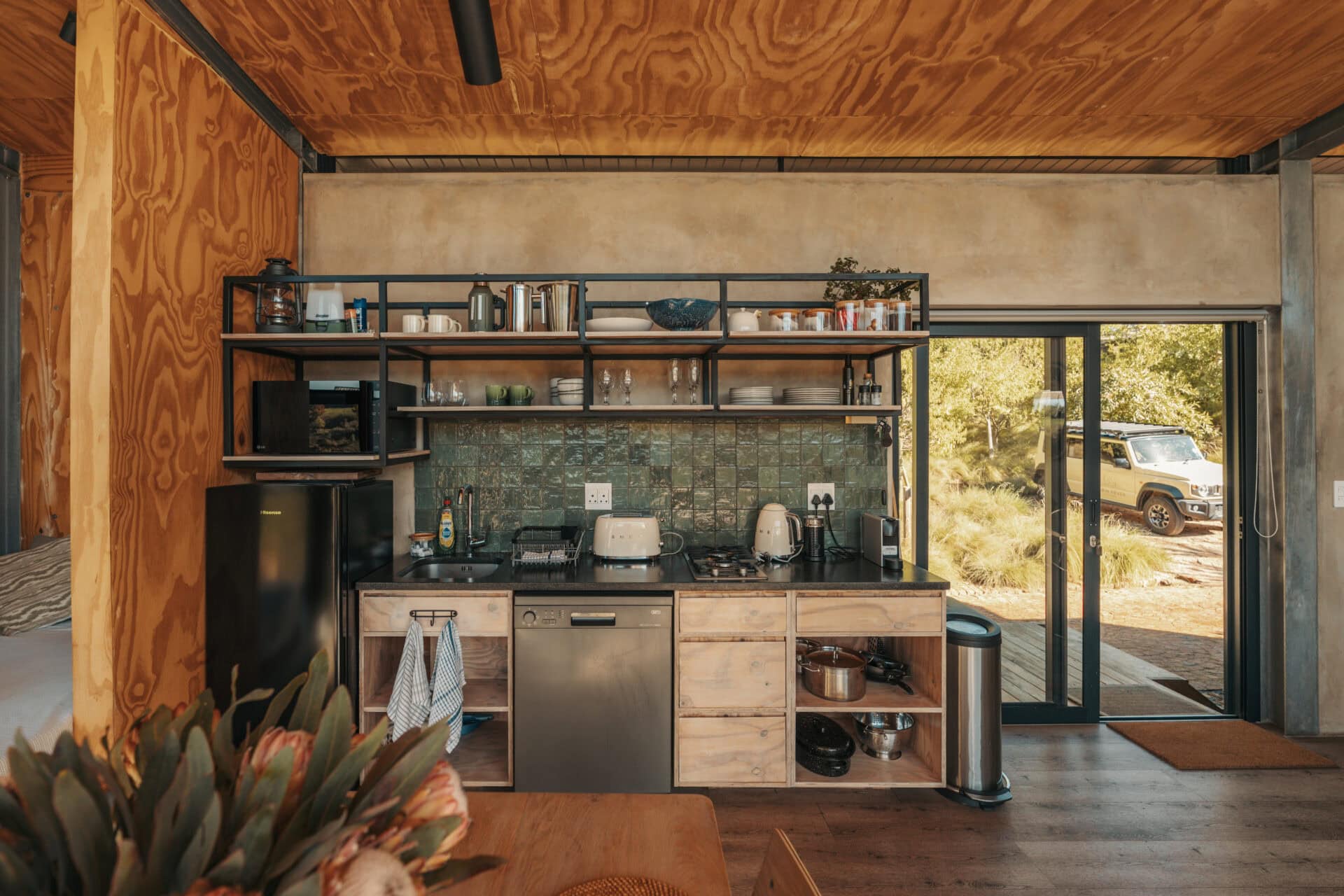
Avocado Cabin does not sell escape through remoteness. The brand sells escape through psychological displacement, which is a meaningfully different pitch. Proximity to civilization is usually listed apologetically in hospitality marketing, buried under "close to local amenities" because nobody wants to admit the wild is actually around the corner from a SMEG kettle and a Nespresso machine.
Avocado Cabin inverts this. The fact that you could drive into Stellenbosch for dinner at Oldenburg Vineyard and be back before the hot tub cools down is the offer. This positions the cabin not as a retreat from modern life but as a controlled experiment in slowing it down. That is a sharper and more honest pitch than most boutique accommodation manages.
What the Brand Is Actually Doing
Avocado Cabin is listed through Lifetree Escapes, a Cape Town-based curation platform built by two ex-corporate founders (Saskia Brown and Cara Egan) whose stated mission is to find South Africa's extraordinary local getaways and tell their stories through video and photography. Their brand ethos is three words: RAW. ROOTED. REAL. Their anti-positioning is explicit: "thoughtfully not dictated by algorithms." This matters because the platform is selling editorial trust as much as it is selling beds.
The target audience is the South African mindful traveler who wants something they found rather than something the algorithm served them, and who would like to tell that story at dinner. Avocado Cabin feeds that desire precisely. Named after the avocado trees that have grown on Camissa Farm long before anyone thought to monetize the view, the cabin borrows its identity from the land rather than inventing one from scratch. Camissa itself is a Khoi word meaning "place of sweet water." That etymology is doing serious brand work. It roots the property in pre-colonial geography, signals the farm's legitimacy as a place with actual history, and provides an origin story that no copywriter could manufacture.
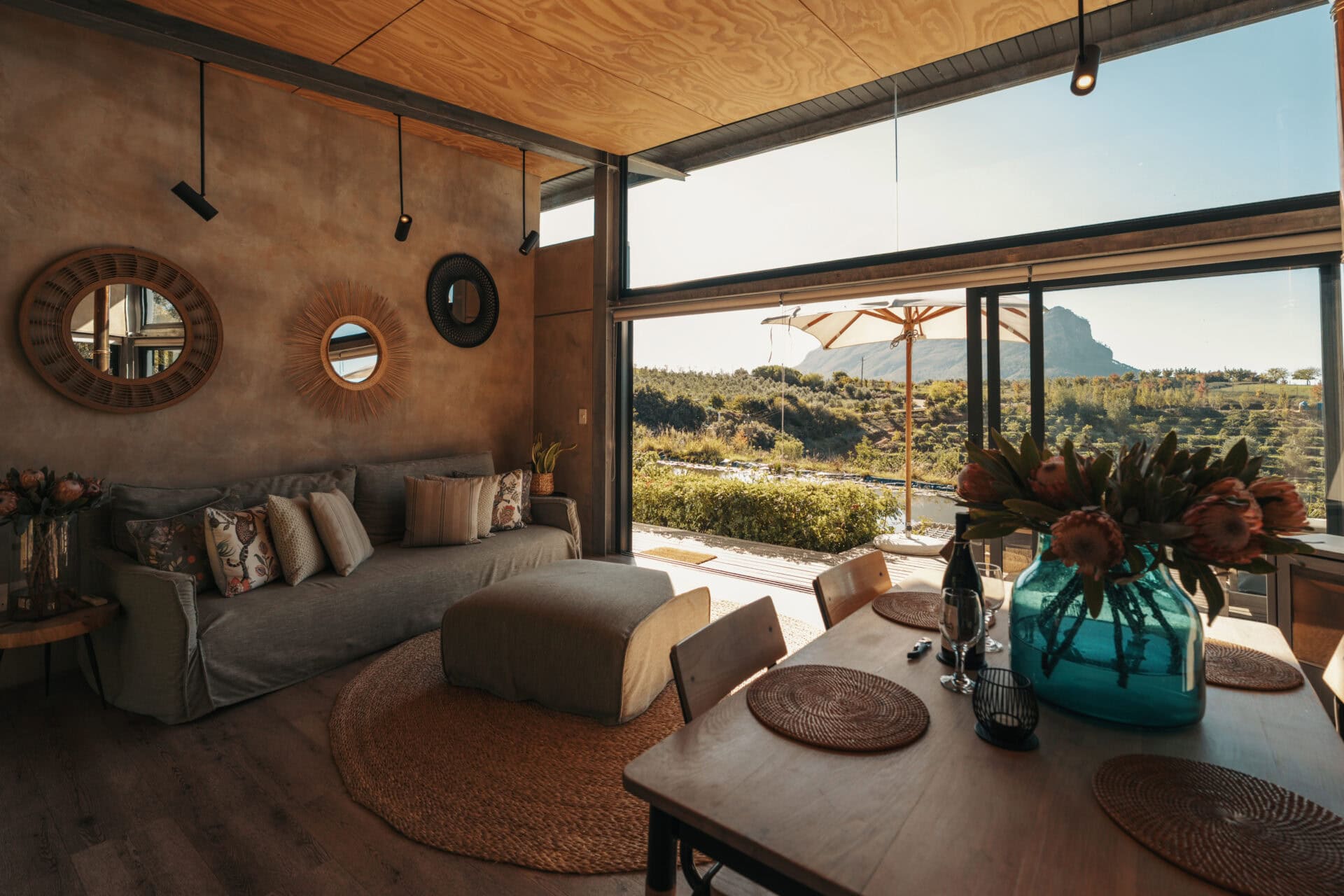
The design language is deliberate without being labored. Scandinavian minimalism, floor-to-ceiling glass, earthy finishes, Mungo throws (a South African heritage textile brand from Wellington). The aesthetic produces a specific tension: Nordic simplicity dropped into Cape Winelands terroir, framed by mountains, anchored by a dam. It should not cohere.
It does. The glass walls ensure the landscape is never decorative, it is structural to the experience. You wake up and the Simonsberg is already in the room with you. The wood-fired hot tub and the infrared sauna are not luxury amenities so much as ritual anchors, the things you organize the day around. This is a considered sequence: arrive, decompress, move through the valley, return, soak, eat, sleep. The brand does not announce this itinerary. It arranges the furniture so the itinerary arranges itself.
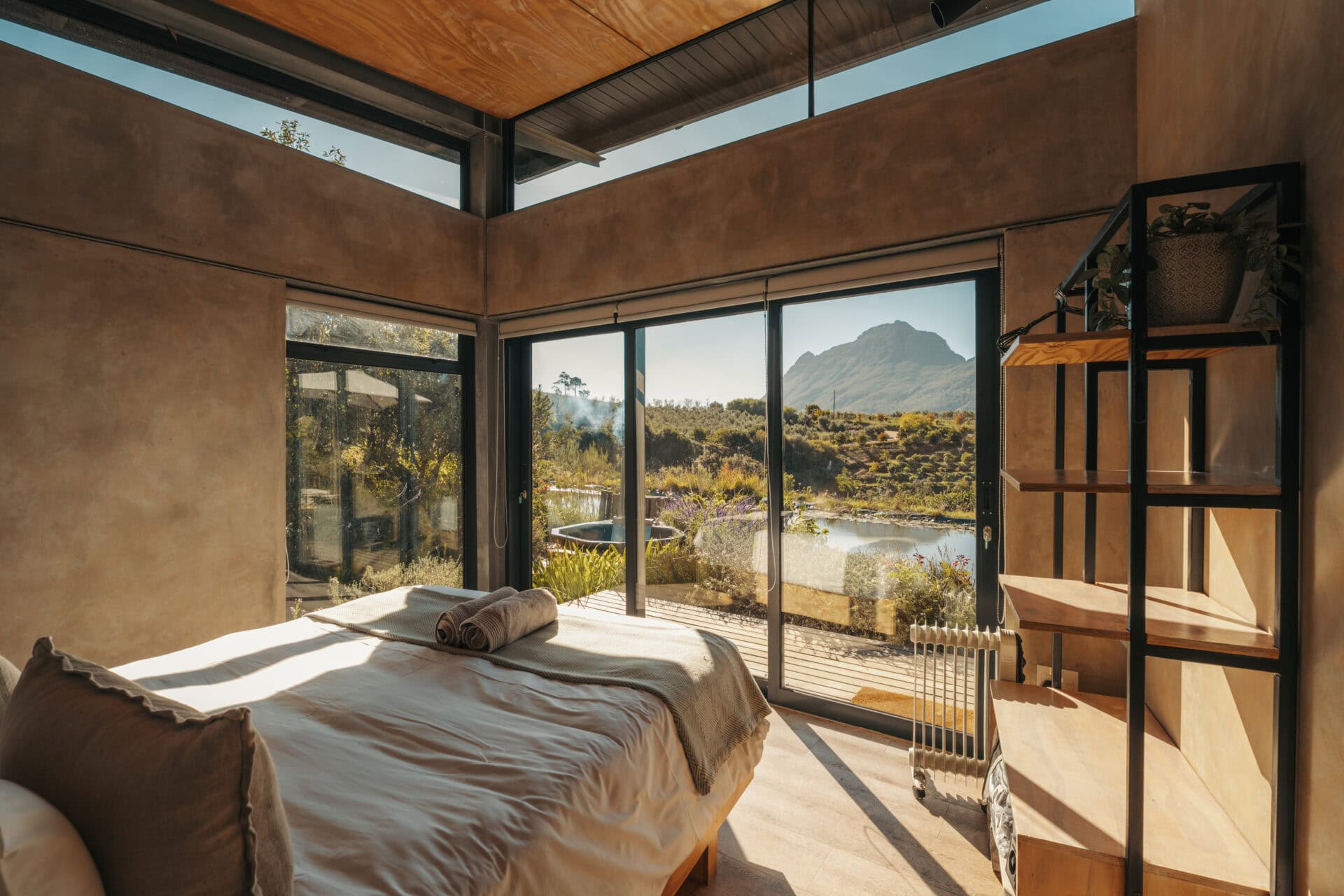
Cabin Fever Escapes tags the property as simultaneously romantic, family-friendly, close to wine farms, and suitable for remote working. That is either an unfocused brief or a genuinely flexible offer. My read is the latter. The cabin earns those categories honestly because the space is genuinely multivalent. The reading nook converts to a sleeping pod for kids. The high-speed Wi-Fi sits beside the fire pit. The deck has both sun loungers and cargo nets. The product contains real contradiction, and the marketing wisely lets that contradiction stand rather than resolving it into a single persona.
The Pitch, if You Had to Say It in One Line
A Scandinavian cabin named after a tree that was already there, on a farm that has been growing food the slow way since before slow food was a brand category, eight minutes from a town you can ignore if you want to.
That is the pitch. The rest is execution.
What the Western Cape Tourism Surge Means for Properties Like This
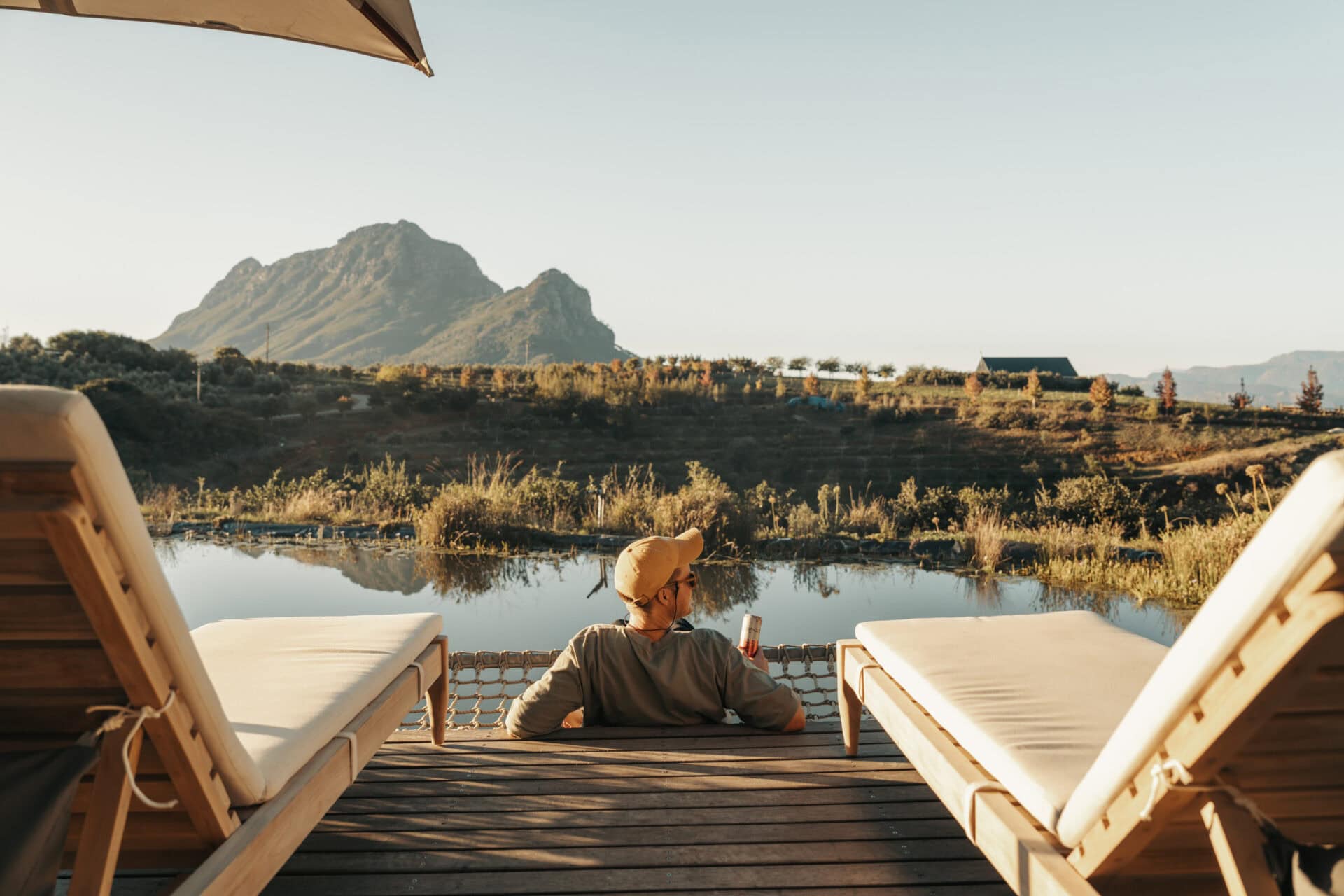
Avocado Cabin sits inside a broader moment. According to Cape Nature Reserve (2025), the Western Cape saw a 50 percent increase in day visitors during the December 2024 and January 2025 summer peak compared to the same period the prior year. South Africans are exploring their own country with increasing intention, and the boutique domestic escape category is expanding fast. Properties that have locked in editorial curation, a story connected to the land, and proximity to a major hub without sacrificing the feeling of distance are positioned well for this shift. Avocado Cabin has all three. The risk is that the category catches up. When every farm in the Banhoek Valley has a Scandinavian cabin and a wood-fired hot tub, the differentiation becomes the story, and the story needs to keep getting told well.
Lifetree Escapes is a content business that also happens to list accommodation. That distinction is load-bea... actually, that is the entire game. Properties that understand they are competing for attention before they are competing for bookings will survive the category saturation. Avocado Cabin, at this moment, has a name, a founding myth, and a platform that knows how to shoot it. That combination is rarer than the hot tub.