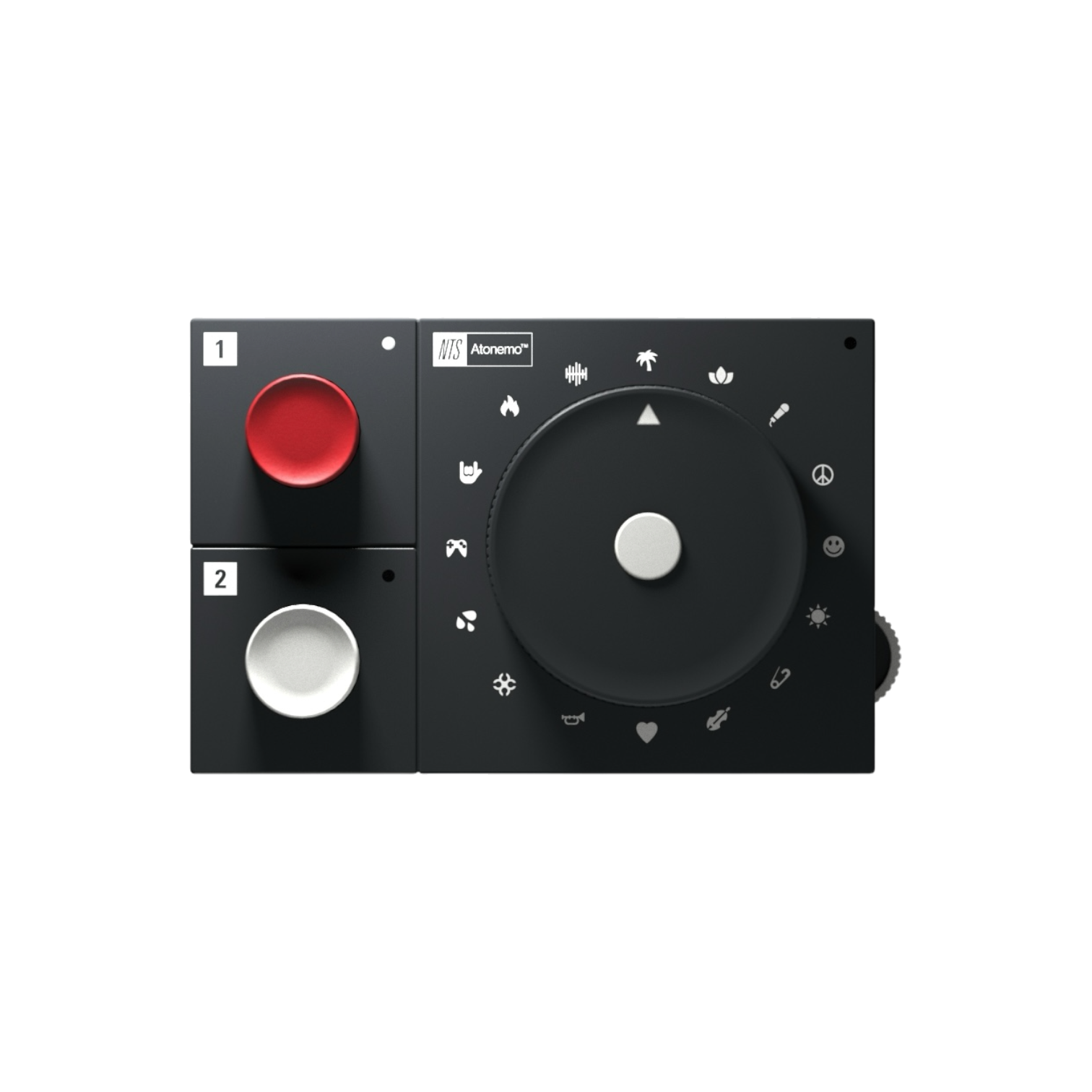
The Station That Doesn't Know What You Like (And Is Right Not To)
NTS Radio built 2.6 million monthly listeners with no ads, no algorithms, and a two-word ethos. Here's the brand strategy behind it.
Quick answer:
NTS Radio is a London-born, globally distributed online radio station founded in 2011 by Femi Adeyemi. Operating across studios in London, Manchester, and LA, with regular broadcasts from Shanghai, NTS runs 500+ resident show hosts, reaches 2.6 million monthly listeners, carries no on-air advertising, and is free to access. Its organizing principle is a two-word declaration: "Don't Assume."
The marketing insight worth sitting with is this: NTS built a globally significant media platform by refusing to optimize. No playlist algorithm. No audience targeting by genre. No predictable format. The station's CEO Sean McAuliffe described the positioning in a single sentence: "If DSPs are Pinterest, NTS is an art gallery." That is not a tagline. That is a complete strategic worldview, and it explains almost every decision NTS has made since 2011.
What NTS Radio Is Actually Selling, and to Whom
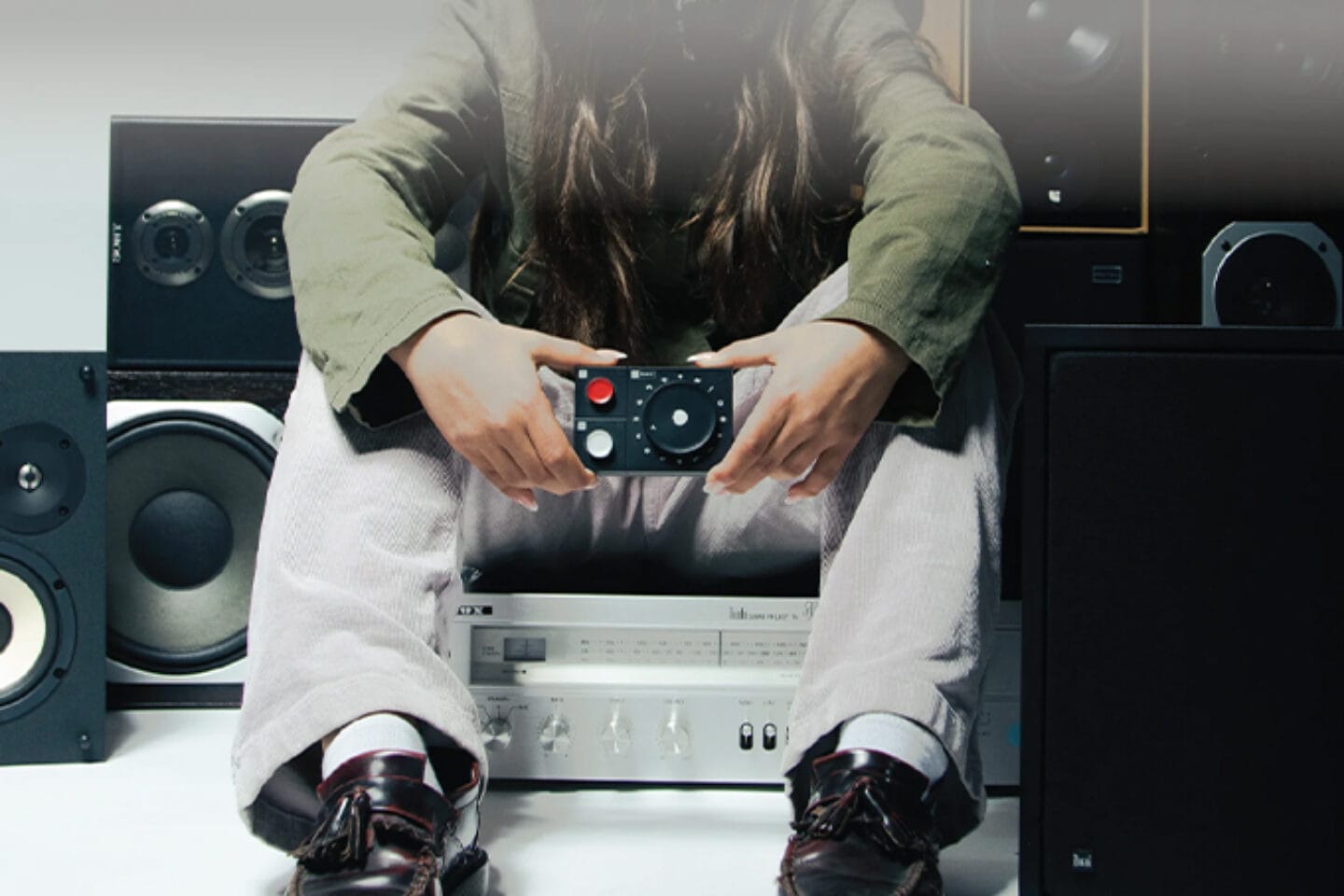
NTS positions itself against the entire logic of modern music discovery, which is to say, against the idea that what you liked last Tuesday should determine what you hear next. The audience it attracts is precisely the kind of person who finds that proposition faintly insulting: culturally omnivorous, post-tribal, open-minded in ways that don't fit neatly into a Spotify category. NTS Creative Director Tabitha Thorlu-Bangura described the audience plainly: "a place for people who don't fit into labels or boxes." The station does not talk to a demographic. It talks to an orientation.
The messaging runs through everything. "Don't Assume" (borrowed from a Maggie Nichols record) functions less like a slogan and more like a covenant between the station and its hosts. Show hosts get complete creative freedom, no format, no playlist, no genre restriction. A single listening session on NTS might move from South African gqom to Taiwanese folk to something that sounds like a field recording of a factory in 1973. This is not accidental. It is the product. And rather than trying to explain or justify that unpredictability, NTS leans into it entirely.
NTS
The listener experience is built on a particular kind of trust: the belief that the human on the other side of the broadcast knows something you don't, and that finding out what it is worth 80 minutes of your time (average session length in 2021, against roughly 25 minutes for most traditional radio). The chat room, a live social layer running alongside every broadcast, turns what would otherwise be a solitary act into something closer to a crowd gathered around a sound system. NTS has understood from early on that the product is not music. The product is belonging inside a particular kind of cultural curiosity.
Visually, NTS communicates all of this through deliberate understatement. The design language is graphic, minimal, and anti-corporate: the kind of aesthetic that signals "we are not trying to sell you something" in the same breath that it sells you something.
Brand partnerships have been selective and coherent, including Netflix, Rockstar Games, Adidas, Carhartt, and SONOS, chosen in ways that do not contaminate the station's sense of itself. NTS Studio, the creative agency arm launched in 2022, extended the brand into campaign production without abandoning its voice, opening with a Squarespace collaboration that spotlighted LGBTQIA+ creatives. The marketing pitch, when you compress it down: NTS is proof that in a market saturated with personalization, the most powerful thing a brand can offer is the permission to be surprised.
Why This Is a Model Worth Studying
What NTS solved, and solved early, is the problem every media company eventually faces when algorithmic abundance flattens discovery into confirmation. The station did not try to compete with Spotify on Spotify's terms. It identified the gap those platforms structurally cannot fill: context, curation, and the feeling that someone, not something, made a choice on your behalf.
That is a defensible position. And the lesson it carries for brand-builders elsewhere is not "abandon data" or "reject technology." The lesson is more precise than that. When a market converges on the same optimization logic, the brand that refuses to participate in that logic becomes, by default, the most differentiated thing in the room. NTS did not set out to be contrarian. It set out to be honest about what music listening could feel like. The contrarianism was just what happened when everyone else went the other way.