
The Eames Pavilion System Is Not a Tribute. It's a Completion.
Launched by Kettal and the Eames Office, is not a replica but a completion of a design concept from the late 1940s. The system aims to expand the Eames legacy beyond existing fans by selling possibility and adaptability.
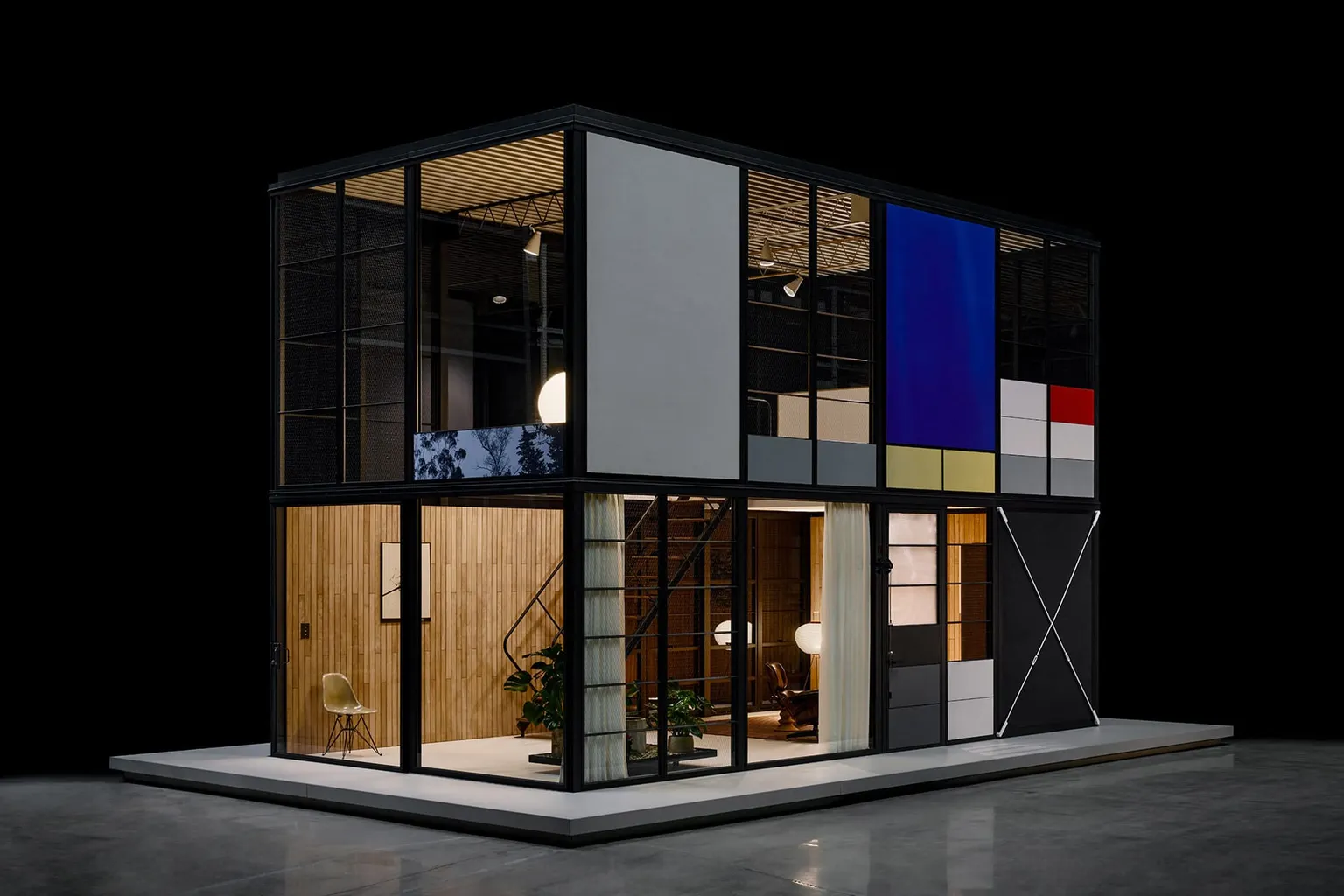
Quick answer:
The Eames Pavilion System is a modular prefab building system developed by Eames Office and Barcelona-based manufacturer Kettal. Debuted at Triennale di Milano during Milan Design Week 2026, it translates Charles and Ray Eames' unbuilt and unrealized residential ideas into a purchasable, configurable architectural kit starting at approximately $325 per square foot.
The strangest part of this product's launch is not the product. It's the timeline. The original design thinking that informs the Eames Pavilion System dates to the late 1940s. Some of it was never built. Some of it was buried in correspondence and only discovered during the three-year development process led by Vitra's former chief design officer Eckart Maise. What Kettal and Eames Office are actually selling is not a replica or a collector's edition. They are selling the completion of an argument that Charles and Ray Eames never got to finish.
That is a remarkable thing to position a product around. And it mostly works.
What the Brand Is Actually Doing Here
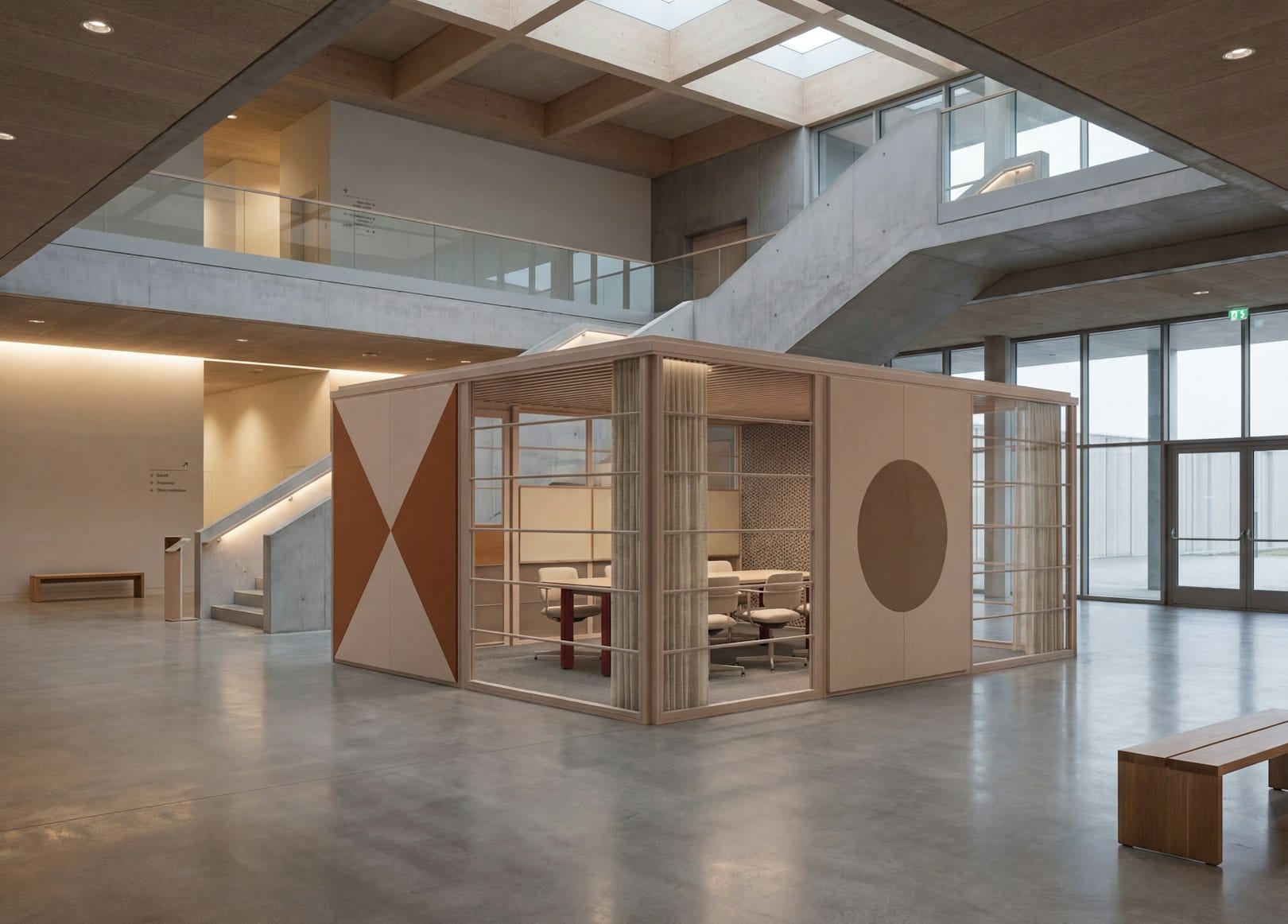
Eames Demetrios, Director of the Eames Office and grandson of Charles and Ray, put it plainly: "It's not a nostalgia exercise at all. What we really did is brought it across the finish line." The positioning is careful. The Pavilion System does not ask you to revere the past. It asks you to live in a version of it that was always meant to be functional, adaptable, and international in scale.
That distinction matters to the brand because the Eames legacy already occupies a dangerous position in consumer culture: it is beloved, which means it is also easily fetishized. The Lounge Chair is a status object. The Case Study House is a pilgrimage site. The risk with any new Eames-branded product is that it becomes merch dressed up as meaning.
The Pavilion System sidesteps this by anchoring itself to a systems argument rather than an object argument. Charles Eames said it himself: "The rigidity of the system is responsible for the free use of space." The product is positioned as a kit, a framework for configurations that do not yet exist, which means the brand is selling possibility more than provenance. That is a genuinely smart move.
The Audience, the Aesthetics, and the Pitch
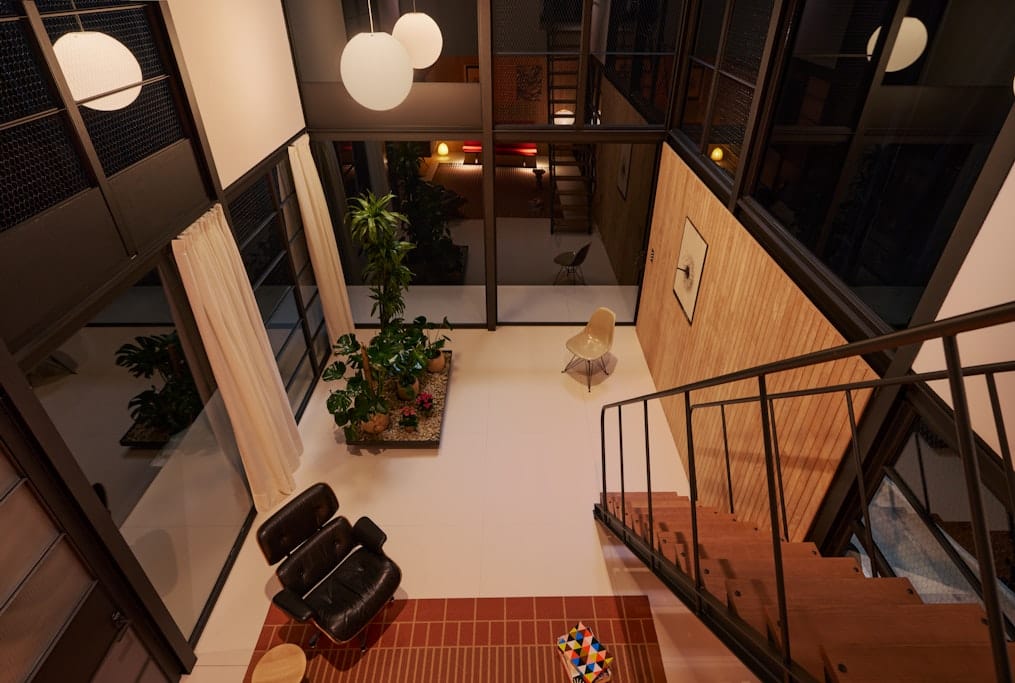
The target audience is design-literate and property-owning, but the brand is deliberately trying to expand beyond existing Eames fans. "We want to create Eames fans through it," Demetrios has said. The aesthetic language supports this ambition: the signature bursts of Eames blue and yellow against industrial black and grey read as vivid and legible to people who have never heard of Case Study House No. 8. Ray's artist sensibility (her 1948 paper collages directly informed the color palette) is present without being explained, which is the right call. The system deploys Kettal's global installation network to ensure fidelity across markets, which gives the brand a credibility argument it would not have with a smaller manufacturer.
The cultural community being addressed sits at the overlap of architecture enthusiasts, design-forward homeowners, and the prefab-curious. Milan Design Week 2026 was the right venue for a debut, with Triennale Milano conferring a layer of institutional legitimacy that a trade show floor would not. Timed alongside a Phaidon book on the Eameses' complete residential work, the launch is less a product release than a coordinated cultural argument: this is what the Eameses always meant to build.
The pitch, reduced to its cleanest form, is this: the ideas you admire were always meant to be yours. Not copied. Not commemorated. Shipped flat, assembled on your property, reconfigured as your life changes. The Eameses treated architecture as a service to the people who would live inside it. The Pavilion System is that philosophy made orderable.
Whether the market at $325 per square foot can absorb something this conceptually loaded is a different question entirely. But the brand has built a coherent case. It knows what it is selling and why it matters. That alone puts it ahead of most launches that arrive with a legacy this heavy to carry.
🔗 Kettal: Eames Eames Pavilion System


