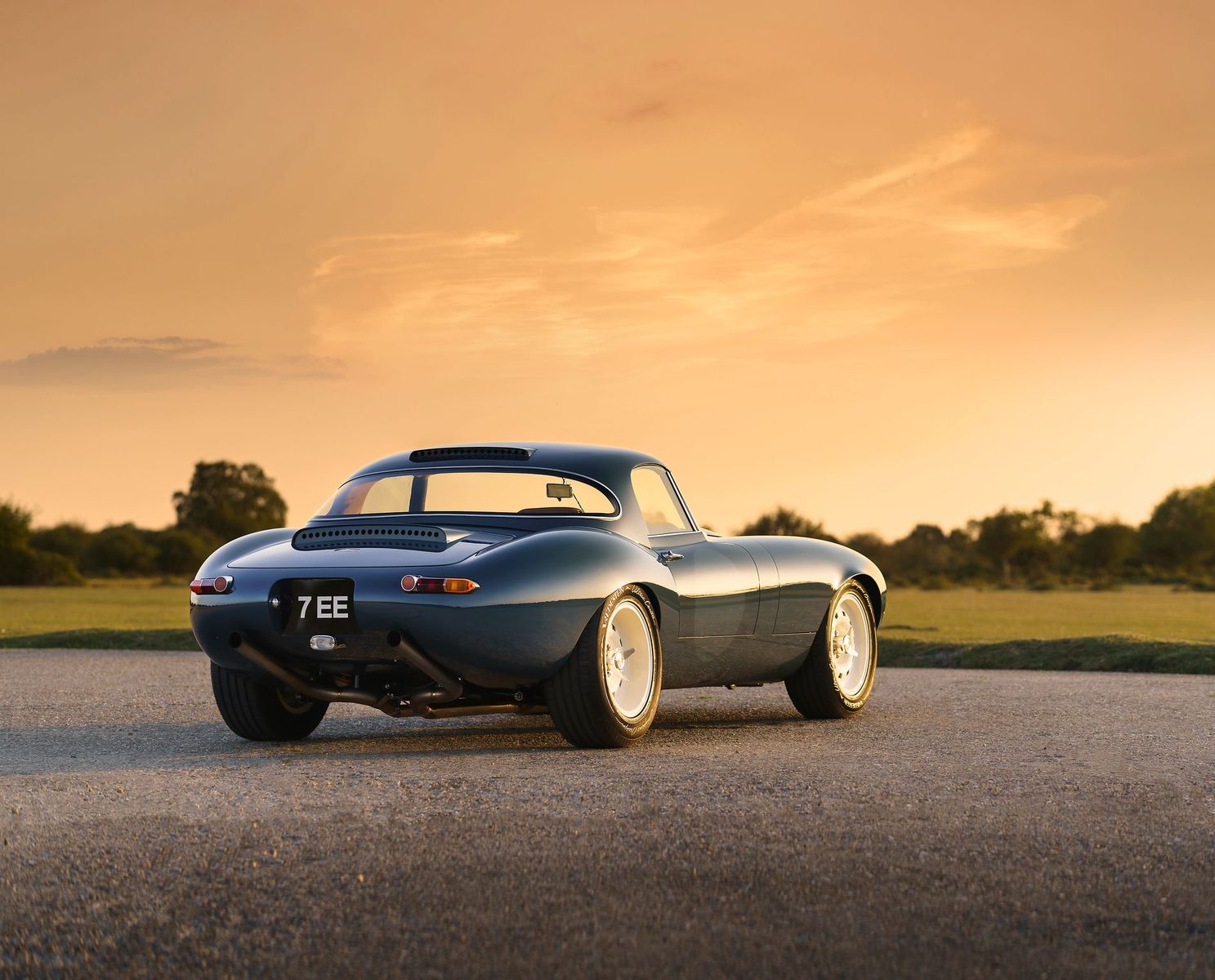
The Car That Refused to Be a Museum Piece
The Eagle Lightweight GT is a bespoke reimagining of Jaguar’s 1963 Lightweight E-Type, built by Eagle E-Types in East Sussex. Eagle focuses on creating a driver’s car, not a display object, targeting enthusiasts who value quality and authenticity.
Quick answer:
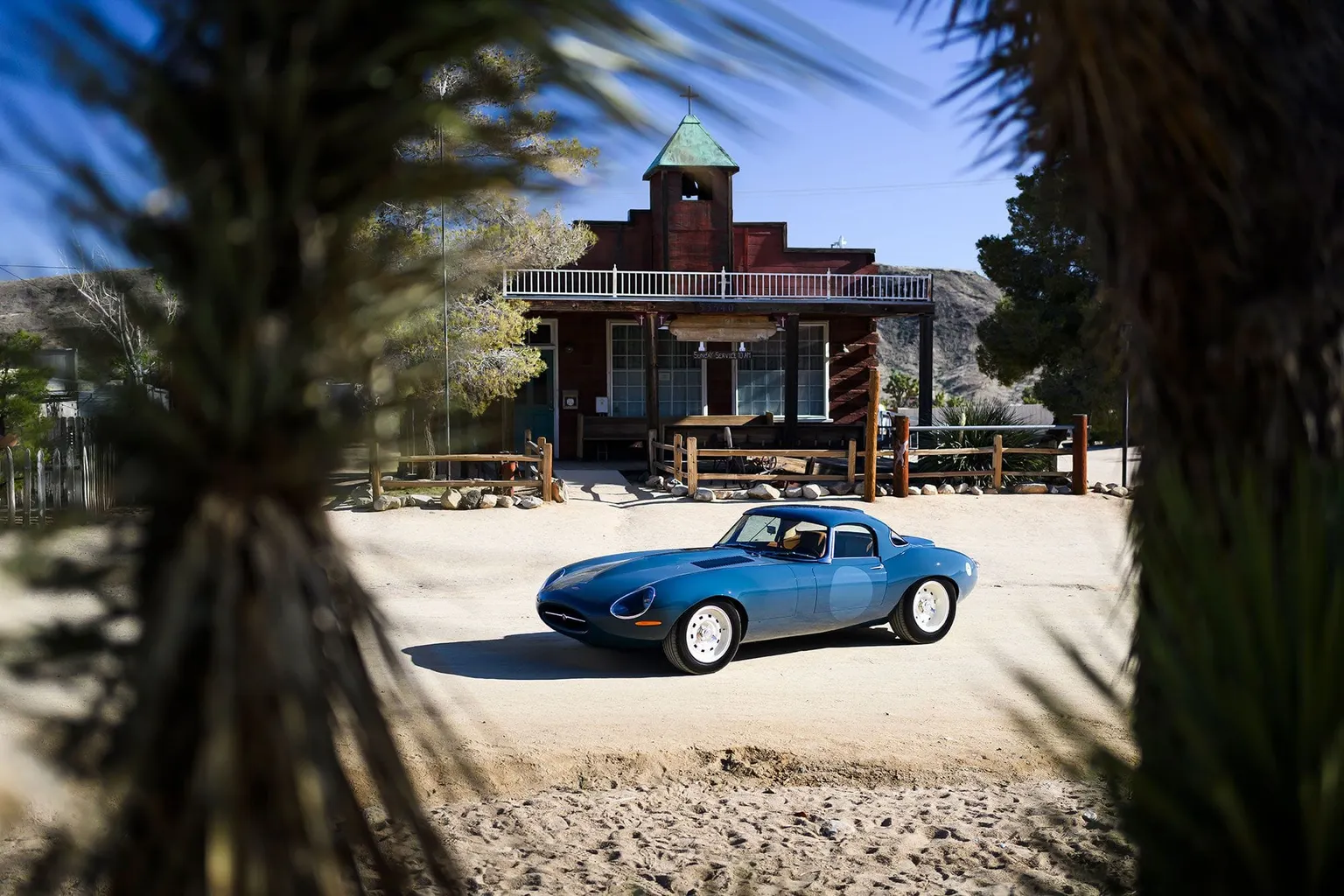
The Eagle Lightweight GT is a bespoke, road-going reimagining of Jaguar's 1963 factory Lightweight E-Type, built by Eagle E-Types in East Sussex. Each car begins as an original Series 1 E-Type, stripped and rebuilt with period-correct materials, exotic lightweight alloys, and modern safety and comfort systems, all concealed beneath bodywork that looks like it arrived from 1963 with nowhere better to be.
There is a version of this product that could have gone very wrong. Take an icon, sand off its edges for compliance and comfort, sell it to collectors who park it. Eagle did the opposite. The Lightweight GT is positioned as a driver's car, not a display object, and that single decision is the clearest signal of what Eagle actually believes about its customers. Forbes called it "the most beautiful car of 2020." Jeremy Clarkson confessed it kept him awake at night. Andrew Frankel noted it was GT3 Porsche fast, yet quiet and comfortable off the throttle. These are not the responses a museum piece generates.
What Eagle is actually selling, and to whom

Eagle's brand is built on a specific kind of authority: 35 years of obsessive focus on a single model. That is not a marketing positioning so much as a fact that became one. The target audience is not the broad luxury car buyer. It is the person who already knows what a Lightweight E-Type is, who understands why only 12 were ever built, and who has spent years looking for something that delivers that experience without destroying their spine or their marriage. Eagle calls these people "the world's most demanding enthusiasts," which is accurate without being flattering. The messaging does not sell aspiration. It sells specificity. There is no tagline about freedom or legacy or heritage. The copy on the Eagle website reads like a technical brief written by someone who finds the word "luxury" slightly suspicious.
The storytelling mechanism is lineage: C-Type to D-Type to XKSS to Lightweight E-Type. Eagle frames the Lightweight GT as the road-going XKSS equivalent that Jaguar never built, a gap in history that Eagle fills by right of expertise. That is a genuinely clever narrative move, because it makes the product feel less like a restoration and more like a correction. The customer journey Eagle constructs runs from discovery, usually through press coverage or an existing relationship with the marque, through a deep specification process that is explicitly described as bespoke, all the way to a commission. You do not buy a Lightweight GT. You commission one. That distinction shapes how every part of the experience feels.
What the design language is actually doing
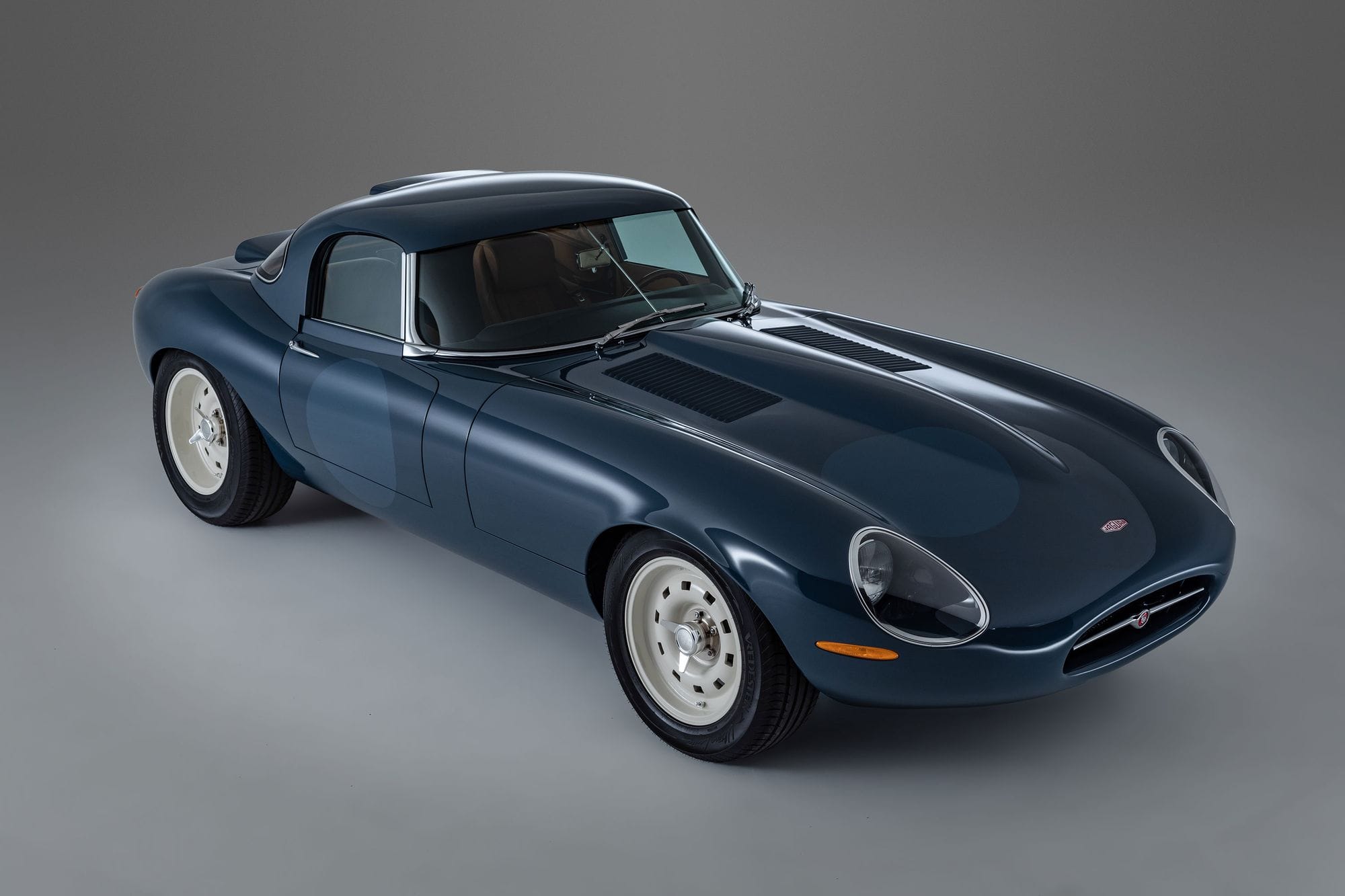
The magnesium peg-drive wheels, the three-eared spinner nuts, the interior reworked with 3D-printed bespoke control levers: none of these are novelties. They are what Eagle calls "ultimate evolutions of the correct period technologies." The design language holds a very particular line between period accuracy and quiet modernization. Air conditioning exists, but it was designed in-house so it would not look like an afterthought. The electrical distribution panel increases safety without announcing itself. The visual identity of the car is controlled to the point of being almost invisible as branding, which is itself a brand statement. The differentiation is buried in the method, not broadcast on the surface.
That is the strategic bet. Eagle is not competing on visibility. The brand competes on the integrity of the object itself, trusting that the right 20 people in the world will find it and understand what they are looking at. A waiting list is not an accident here. It is the product.
The marketing pitch, stripped to its logic: Eagle built the car that Jaguar should have built in 1966, using the patience Jaguar never had, for the buyer who has already decided that money is not the constraint, only quality is. At 1,017 kg, luxuriously specified, the Lightweight GT is lighter than an Alpine A110 despite housing an engine twice the size. That number is doing more strategic work than any headline ever could.
The pitch writes itself, because Eagle had the sense not to write it.