The Callum XJ220 Isn't Really a Car. It's a Sales Pitch. A Great One.
This strategic move showcases Callum Designs’ capabilities and positions them as a unique player in the market for reimagined automotive icons.
Quick answer:
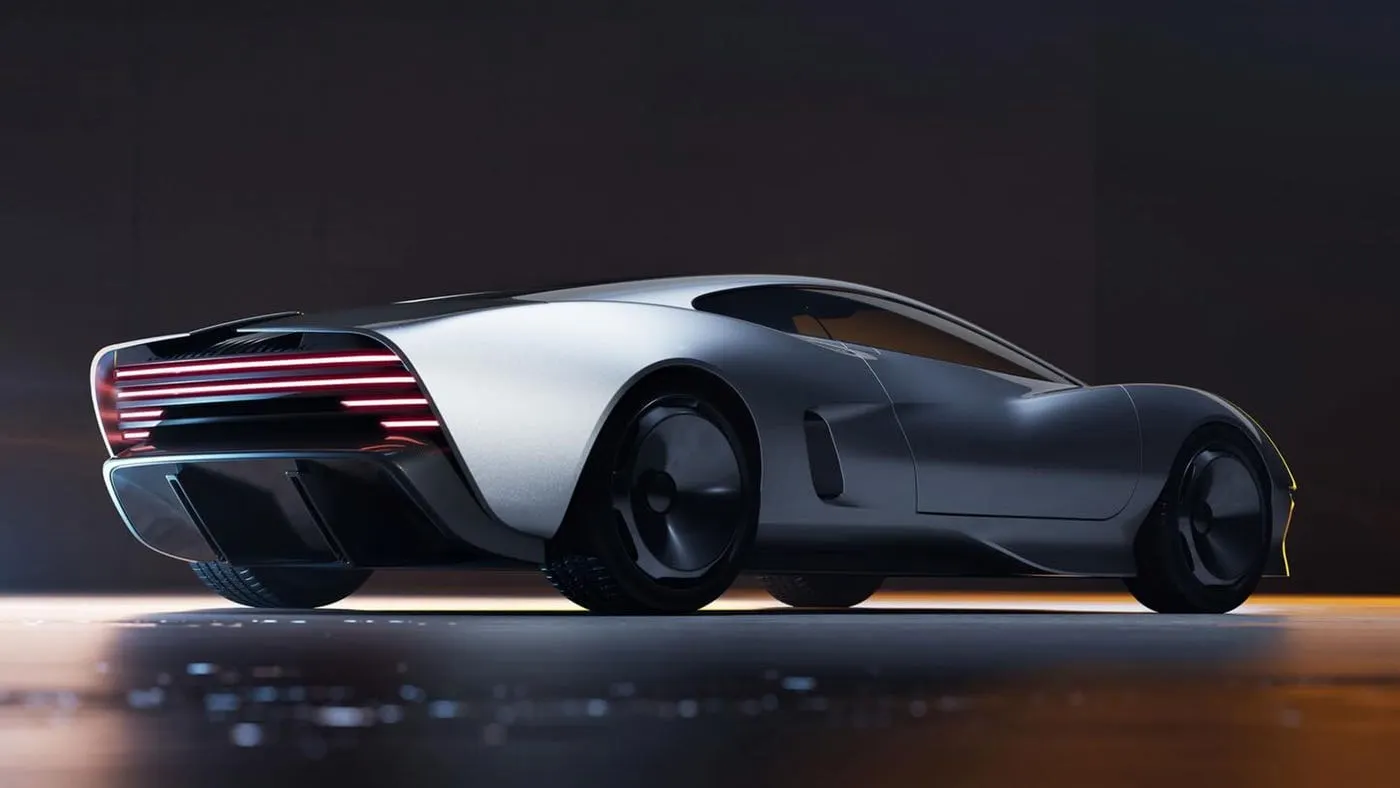
In June 2026, designer Ian Callum's consultancy Callum Designs revealed a modern reimagining of the Jaguar XJ220 as a "portfolio project" – a design study, not a production vehicle. Released to mark the original XJ220's 35th anniversary, the concept reinterprets the 217-mph British supercar's silhouette with sharper surfacing, cleaner form, LED light strips, and a two-piece rear wing, while preserving signature details like the egg-shaped side windows and flank air ducts.
There is a version of this story where Ian Callum just really loves the XJ220 and decided to draw one. That version is probably true. It is also the least interesting version.
The more interesting version is this: Callum Designs released two images, a side profile and a rear three-quarter shot, on Instagram. No front. No powertrain. No price. No production plan. Just enough to let the internet build the rest of the car in its imagination. The post generated 1,847 likes and coverage across Car and Driver, Road and Track, Top Gear, and Motor1 within 48 hours. That is not a coincidence. That is a media strategy dressed as a design sketch.
Callum Designs positions itself as a "fresh, dynamic British design and engineering house" whose portfolio spans bespoke automotive builds, whisky, furniture, and lifestyle objects. The brand is built entirely on the personal authority of its founder. Ian Callum spent 19 years as Jaguar's design director. Before that, he penned the Aston Martin DB7 and Vanquish. His name functions less like a brand asset and more like a credential that the industry has already agreed to accept. The XJ220 project is the consultancy speaking directly to two audiences simultaneously: ultra-high-net-worth collectors who could actually commission a one-off build, and the much larger population of car enthusiasts and design professionals who generate cultural attention. The "portfolio project" designation is the connective tissue between those two groups. It makes the object aspirational for the crowd and available for the client.

The messaging does something genuinely clever. Callum's own words: "Honouring the past, not constrained by it." That line is doing a lot of quiet work. The original XJ220 was a car defined by broken promises. The V12 became a V6. The all-wheel drive became rear-wheel drive. The hoped-for 220 mph became 217.1, and then the McLaren F1 arrived and made all of it feel beside the point. The original owners were so unhappy that some sued. Framing the reimagining as something that honors rather than preserves is a way of saying: the car's complicated history is not a liability. It is creative latitude. The XJ220 never quite became what it was supposed to be, and that is exactly what makes revisiting it interesting.
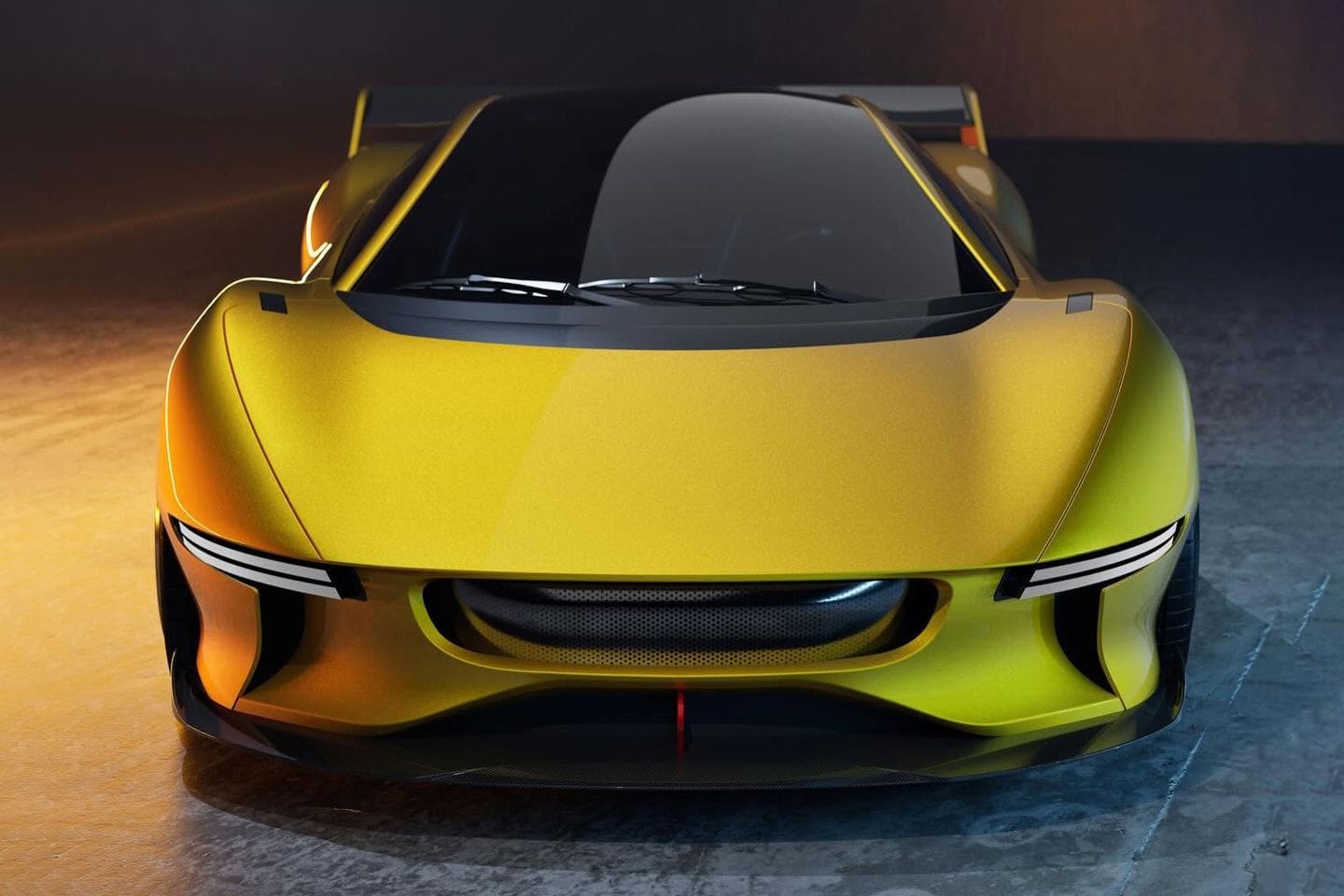
The customer journey the brand constructs is deliberately incomplete. Two images, no front view, a promise of "more coming soon." This is not an oversight. Withholding the front of the car is the visual equivalent of releasing a trailer with no release date. It creates forward momentum without commitment. The experience Callum Designs is selling at this stage is not a car but the feeling of waiting to see what comes next, which is a surprisingly effective way to build an audience for something that may never be produced. Previous projects, the road-legal C-X75, the CALLUM Vanquish 25, and a Wood and Pickett Mini restomod, prove the studio will build things when the conditions are right. The XJ220 study signals capability without triggering the obligations of a product launch. As a design strategy, it is efficient. As a marketing strategy, it is close to perfect.
The cultural territory Callum Designs is operating in, reimagined icons built for collectors who want emotional weight alongside modern engineering, is increasingly populated. Singer does it for Porsche 911s. Evoluto is doing it with the Ferrari F355. RUF sells a carbon-fiber version of the 1980s CTR Yellowbird. What separates Callum's XJ220 from the category is authorship. These other firms are interpreting cars they admired from the outside. Callum spent two decades building the visual identity of the brand the XJ220 belongs to. That distinction is not sentimental. It changes what the object means, and meaning is what collectors actually buy.
What Callum Designs Is Really Selling
The XJ220 concept is a capability demonstration, a press release, and a client pitch compressed into two rendered images. The design language, preserved DNA, sharpened surfaces, and modern lighting in place of vintage chrome, communicates that Callum Designs can update a legend without making it unrecognizable. The marketing pitch is that only one design house on earth can make this particular claim about this particular car, and Ian Callum runs it.
That is a very small market. It is also exactly the right one.