
Style Is What Happens When Preference Survives Pressure
Most brands think unlimited budgets create better work. The truth is that true style is a residue forged under tight deadlines and creative friction.

Quick Answer:
True style is the specific subset of creative preferences that survives budget cuts, tight deadlines, and technological limitations. An unconstrained brand only has a budget, while a defined brand voice emerges as a resilient residue forged under immense operational pressure. Choose deliberate constraints if originality matters more than comfort.
Most brands operate under the assumption that a massive war chest and zero rules will automatically generate a unique voice. They believe that if they just had more time and fewer client revisions, their true genius would finally emerge. This is a comforting lie. Infinite choice results in bland, homogenized output. When an agency or a founder can do anything, they usually end up doing what everyone else is doing.
The mechanism here is simple. Total freedom removes the need for decisive choices. Without the need to make hard choices, creative teams fall back on industry defaults. You end up with a 4/10 output wrapped in a 9/10 production budget. An unconstrained brand has no style; it only has a budget.
Pressure Forces The Creative Filtration Process
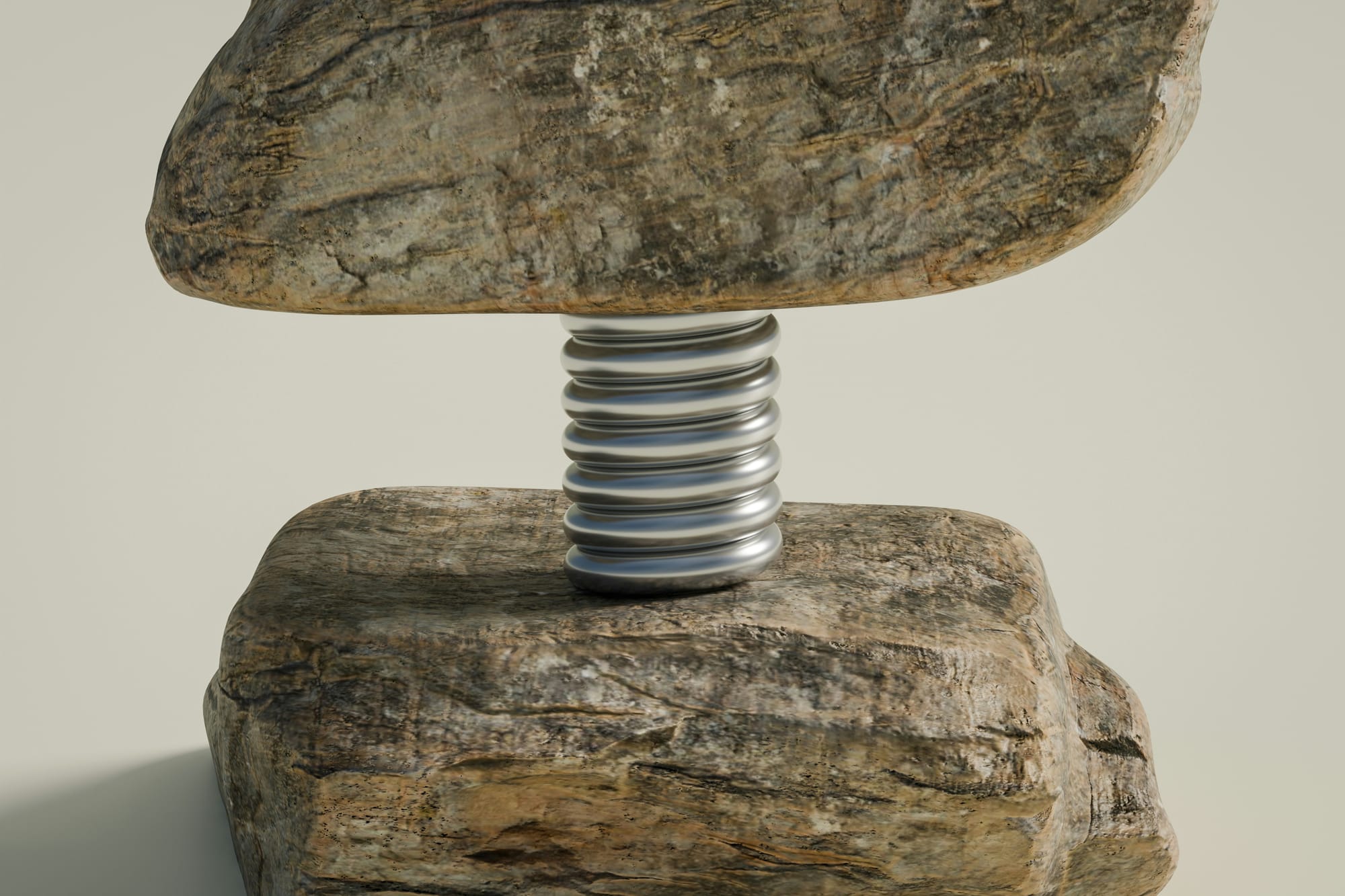
Creative pressure arrives in many uncomfortable forms. You face limited media formats, tight turnaround times, aggressive legal compliance, or skeleton crews trying to do the work of fifty people. Most strategists view these limitations as the enemy of good work. They spend their days trying to negotiate more time or more money.
When the crunch hits, non-essential aesthetic flourishes get stripped away immediately. You stop worrying about the perfect custom typography when the legal team gives you four hours to revise the entire campaign. What remains in that moment of panic? You are left with the core preferences you refuse to compromise on.
Style is geological. It operates like the pressure required to turn carbon into diamonds. According to basic physics, you cannot get the diamond without the crushing weight. The pressure filters out the weak ideas and leaves behind a hardened, unmistakable aesthetic residue. A brand voice forged in this environment scores an 8/10 on originality because it had no other choice. It had to survive.
Consistency Is A Shared Reflex Under Fire
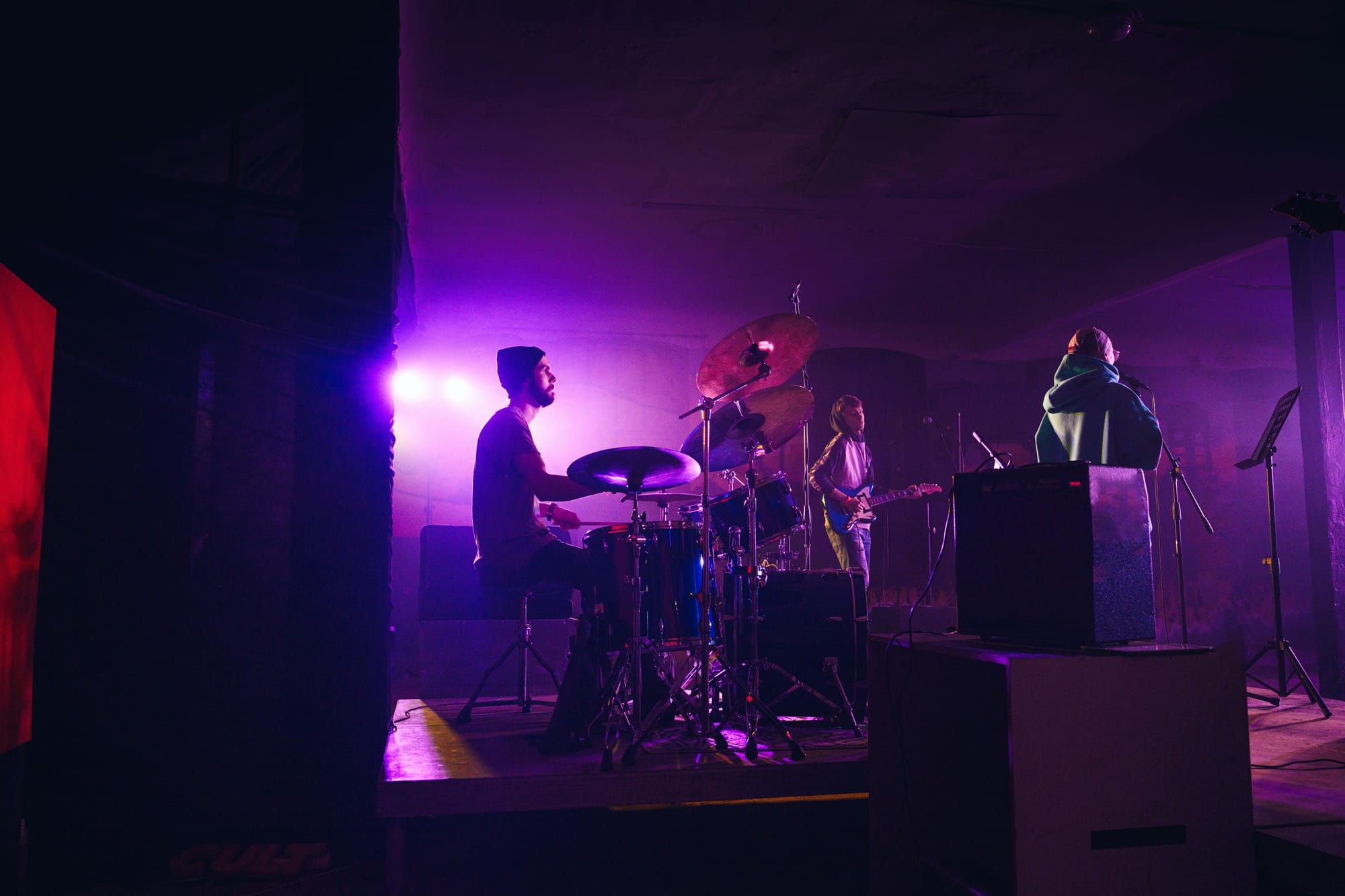
We tend to talk about creative consistency as a deliberate checklist handed down by a bored art director. A brand guideline document usually dictates the exact hex codes and the approved tone of voice. This treats consistency as a luxury. True consistency is actually an act of survival.
Consider the most memorable directors, writers, and designers. Their defining characteristics were shaped more by what they could not do early in their careers than what they could. They developed shared reflexes when things went wrong. If a brand voice changes the moment a crisis hits, you never had a voice at all. You just had a script.
When the marketing team faces a sudden cultural shift, the approved guidelines go out the window. The team relies entirely on their ingrained reflexes. (This is exactly like watching a jazz quartet completely lose the melody and find it again without speaking). The way a company reacts under market pressure reveals its true style.
Design The Pressure Chamber Deliberately

You need to stop trying to remove all friction from your creative workflows. Comfort breeds mediocrity. If you want an aesthetic breakthrough, you have to use constraints deliberately.
Give your team half the time they ask for. Cut the production budget by thirty percent and see which ideas survive the chopping block. The Off Label approach embraces the messy edge where strategy meets operational reality.
Do not protect your creative preferences from pressure. Throw them directly into the fire and see what refuses to melt.

