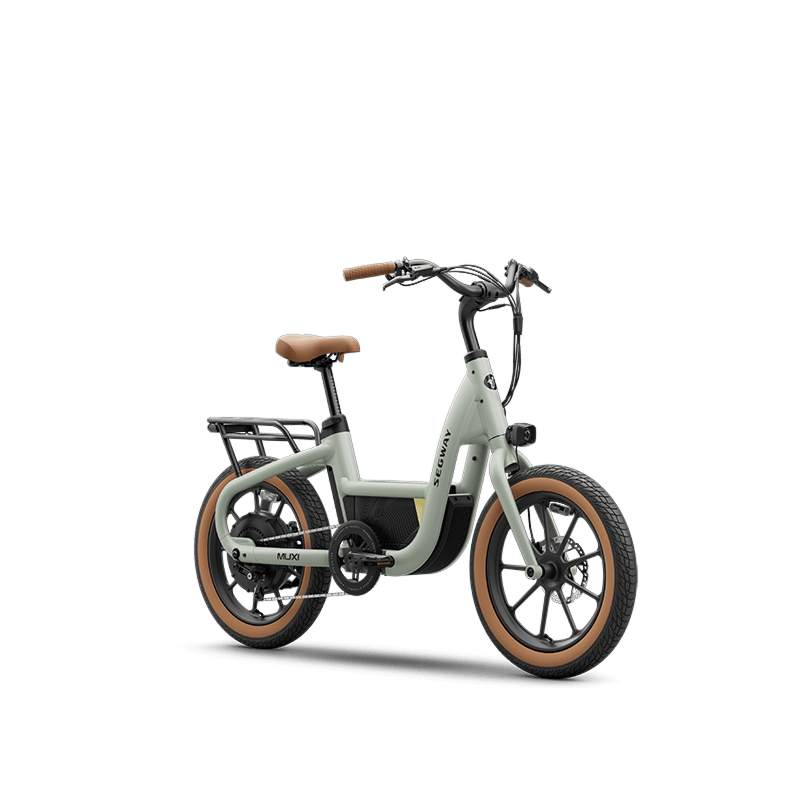
Segway Designed an E Bike for People Who Don’t Want to Look Like Cyclists
Segway’s MUXI makes utility e-bikes feel casual instead of complicated. With cruiser styling, cargo flexibility, and built-in smart features, it targets riders who want something practical for errands, passengers, and short trips without feeling like they bought a cargo bike.
The Setup
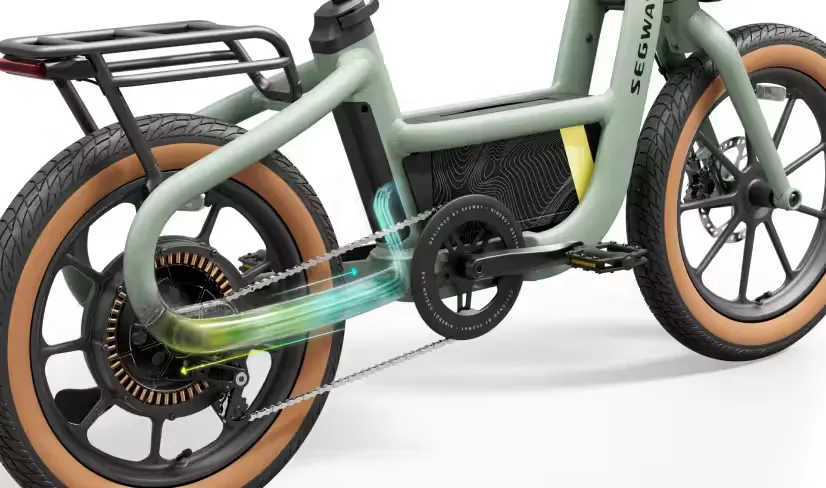
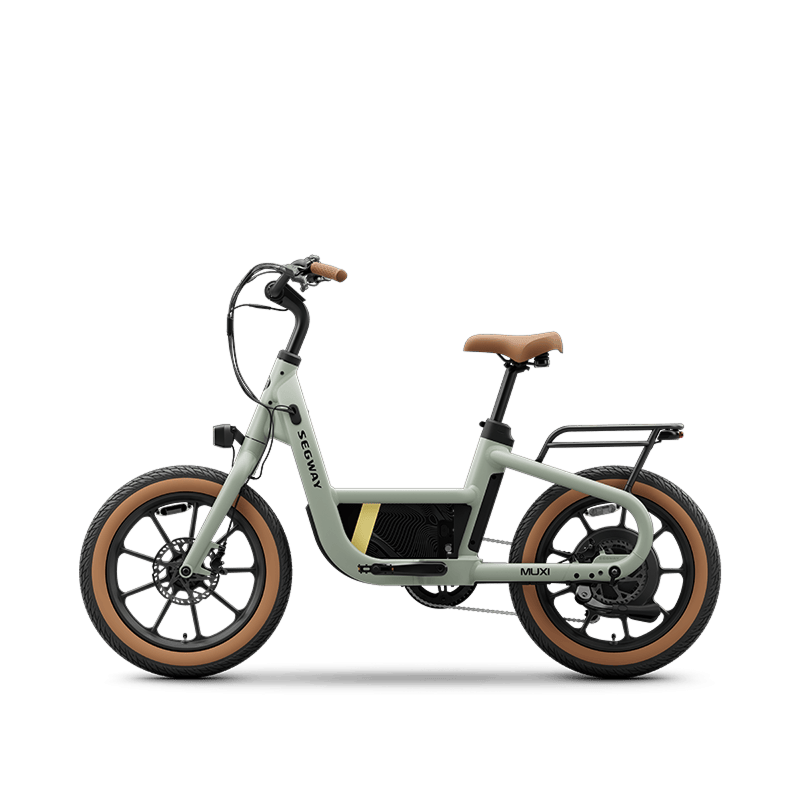
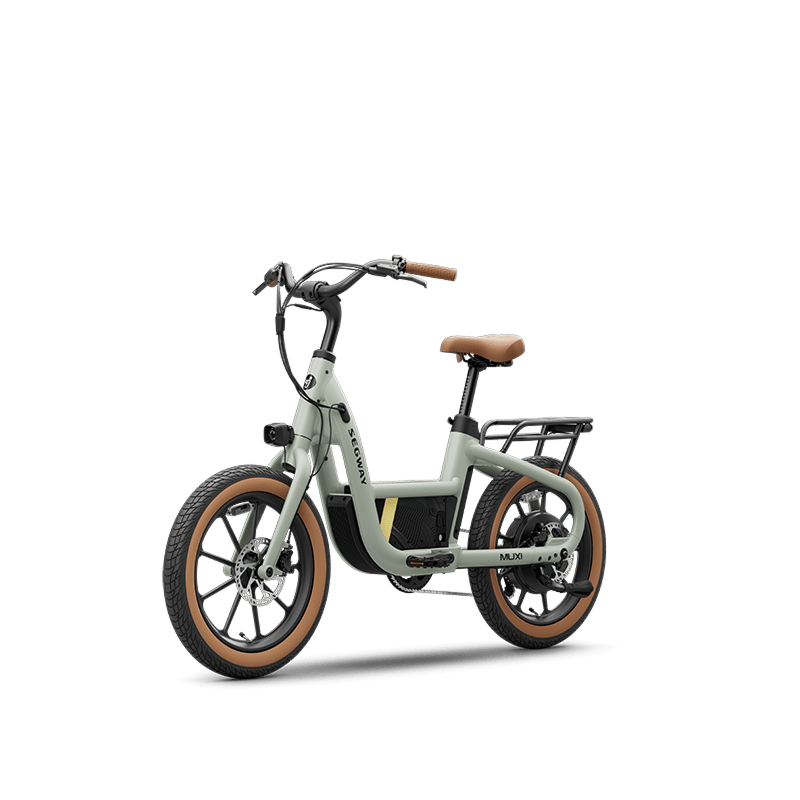
You usually spot an e-bike by its hostility. They project the energy of a stripped-down delivery moped or a commuter vehicle designed for combat. Segway takes the compact utility category and softens it into something approachable. The MUXI pairs a low frame and fat 20-inch tires with a posture lifted straight from a beach cruiser. Underneath that relaxed exterior sits a 750W motor, 80Nm of torque, and Apple Find My integration. It hides a connected safety system behind a design that looks like it just wants to go get coffee.
Segway
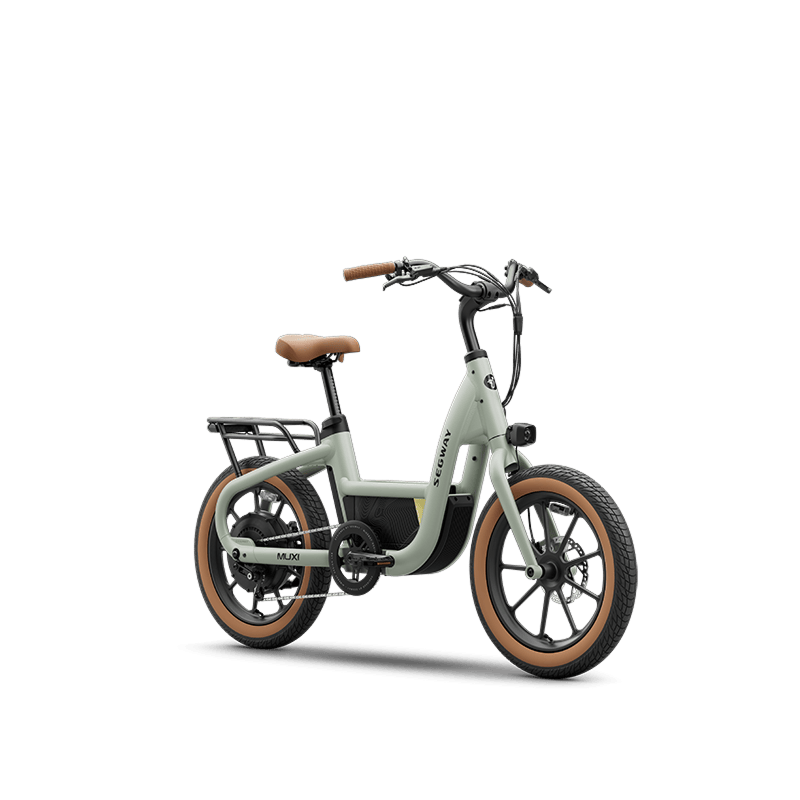
Segway avoids making the hardware feel technical. The surf-van comparison works because it recasts cargo utility as lifestyle freedom. The tech stack stays invisible until you need it. Theft protection, hill assist, and regenerative braking sit quietly behind a bike that mainly wants to look relaxed and easy to live with. The next wave of category growth comes from people replacing short car trips. That requires making the hardware look entirely casual.
Segway MUXI
An Infotechnics™ analysis of how a product rates across eight areas of performance.
To explore in more detail, pinch out to zoom in
MUXI is strongest where utility stops looking like work.
The shape shows a product improving perception more than reinventing transport. Positioning, experience, and design score highest because Segway removes much of the visual and practical friction that keeps people away from utility bikes. The weaker areas are culture and differentiation. Cargo and utility e-bikes already exist. MUXI’s move is making the category feel casual enough that buyers do not think of themselves as cargo-bike owners at all.
The Breakdown
Brand Positioning and Identity
Segway positions the MUXI as a short-tail utility vehicle built to make urban riding feel easier and more adaptable. The product blends a beach-cruiser stance with cargo-bike usefulness. It features a low standover frame, a single-speed drivetrain, and modular accessories for passengers. Segway moves beyond scooters into a broader micromobility identity. The brand treats the bike as transport, lifestyle object, and small utility vehicle all at once.
Target Segment and Audience
Who actually buys a cargo bike that hides its cargo capacity? The audience here is the urban rider who wants utility without looking like a bike messenger. That includes errand runners, parents carrying a small passenger, and people who want an e-bike that feels friendly rather than technical. The $1,699.99 price puts it in a highly accessible lane. The 418-pound payload and accessory system give it enough substance for practical daily use. The target market values casual aesthetics as much as raw performance.
Messaging and Storytelling
The messaging strategy runs on a retro cool meets modern utility angle. Segway describes the MUXI as fun, compact, and customizable. The head of the e-bike division compared it to a surf van without the parking problem. That line does real brand work. It turns a spreadsheet of specs into an urban lifestyle tool. The story is simple. Ride comfortably, carry more, park easily, and let the tech quietly handle stability and theft protection. The narrative sells weekend leisure to move daily utility.
Experience and Journey
What happens when you bury the technical features under a cupholder? The customer journey starts with visual approachability. The rider first sees the low frame, cruiser styling, passenger kit, baskets, and fenders. Then Segway layers in Hill Start Assist, regenerative braking, traction control, and AirLock proximity locking. The experience is designed to feel relaxed on the surface and highly managed underneath. It works like a luxury hotel where the service happens entirely out of sight.
Community and Culture Insight
The MUXI enters a culture shifting from enthusiast commuting into everyday car replacement. Riders want grocery capacity, passenger options, and theft protection without buying something huge or intimidating. Media coverage places the MUXI inside a larger move from novelty mobility into highly practical territory. It borrows the low battery layout from light electric motorcycle design. It serves a demographic that wants the benefits of a second car without the insurance payments.
Differentiation and Unique Selling Point
The unique selling point sits at the intersection of compact utility and a sub-$2,000 price tag. The MUXI offers a 750W direct-drive motor, 716Wh battery, 80 miles of range, and a 418-pound payload. The low battery placement gives the bike a lower center of mass. This specific engineering choice directly improves stability when riding with heavy cargo. Segway differentiates the product by making the heavy lifting look effortless. The spec sheet proves the casual aesthetic is merely a disguise.
Design Language
The design language crosses a beach cruiser with a compact cargo bike. The curved frame, upright stance, fat tires, and accessory points make the bike look relaxed. That matters because utility equipment usually looks industrial. The MUXI softens the category with friendlier proportions while maintaining enough carrying ability to make the design highly useful. Good design hides the effort required to make it work.
Marketing Pitch
The marketing pitch is simple. Buy the little e-bike that behaves like a second vehicle. Segway sells a compact, approachable ride that can commute, carry groceries, bring a passenger, protect itself from theft, and still feel like a casual cruiser. MUXI does not ask buyers to choose between fun and function. It makes utility look relaxed enough for everyday riders who would never describe themselves as cargo-bike people. The smartest brands know exactly when to hide their power level.
Is It A Winning Pitch?
Do e-bikes grow faster when they feel less like cycling products and more like everyday lifestyle tools?