Pulitzer Amsterdam Understands That Good Hotels Need Bad Geometry
Pulitzer Amsterdam turns 25 historic canal houses into one hotel experience. Instead of smoothing out Amsterdam’s quirks, it builds around them, using design, discovery, and local culture to make the hotel feel less like accommodation and more like part of the city.
The Setup
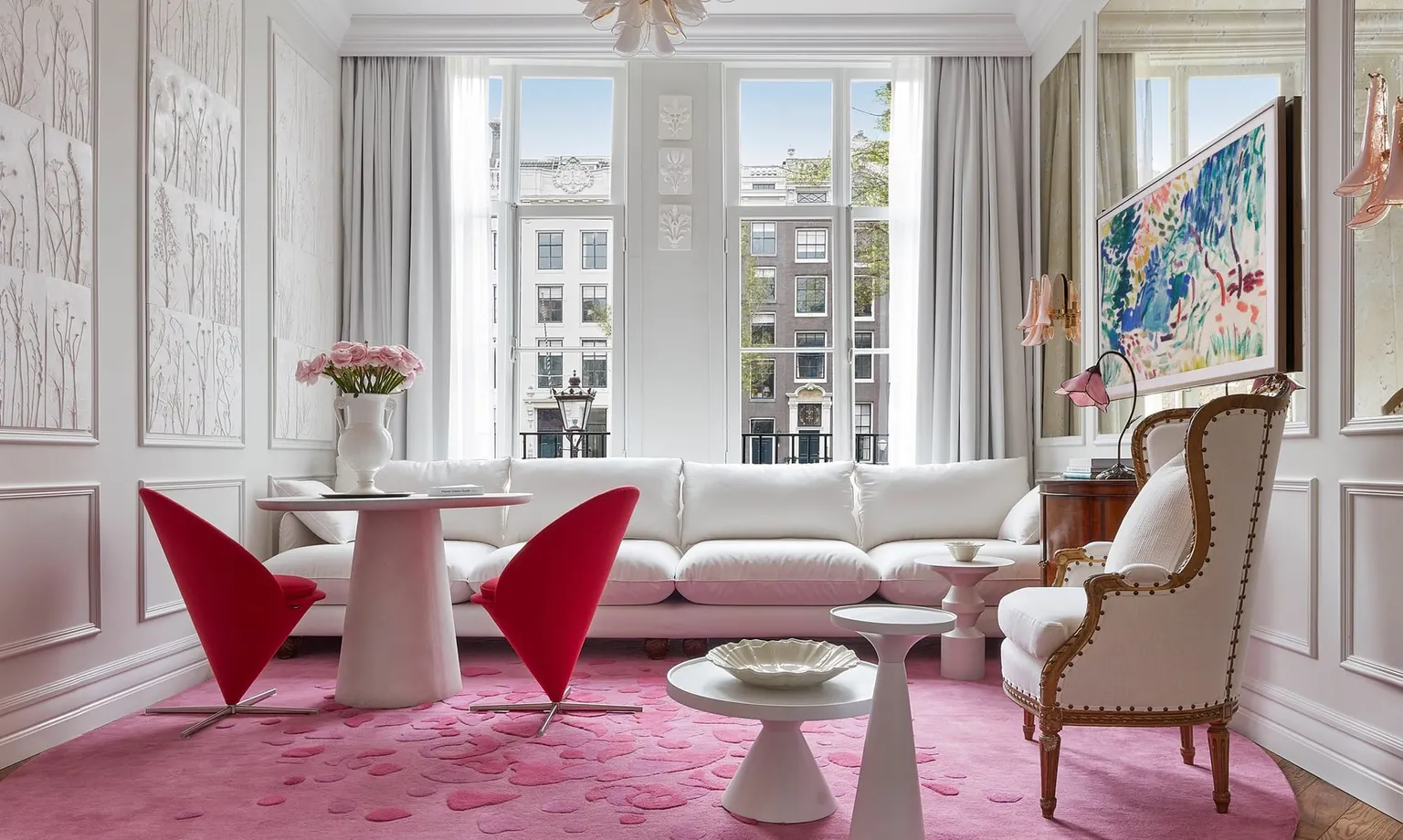
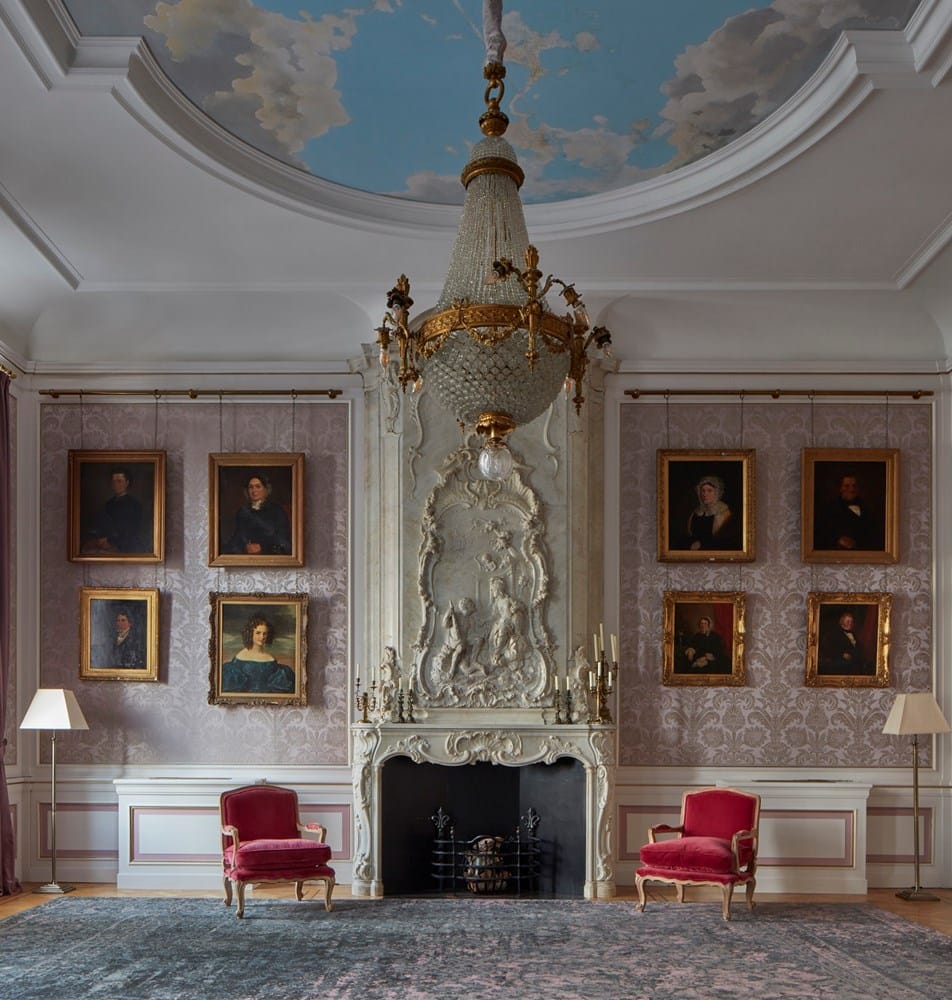
Pulitzer Amsterdam stretches across 25 restored canal houses along the Prinsengracht and Keizersgracht, which gives the hotel something most luxury properties spend millions trying to fake: an actual relationship with the city around it. Rooms shift in proportion, staircases lean, corridors turn unexpectedly, and the whole property behaves more like a private Amsterdam neighborhood than a standardized five-star hotel. Jansz, Pulitzer’s Bar, interior gardens, and Jacu Strauss’ redesign complete the feeling that the guest is stepping into a living part of the canal district rather than observing it from behind polished glass.

Pulitzer Amsterdam
What makes Pulitzer interesting from a brand perspective is how aggressively it protects irregularity. Most luxury hospitality smooths everything into predictability because predictability scales. Pulitzer goes the opposite direction. The awkward floorplans, connected canal houses, and layered history become the product itself. That creates a stronger memory than another perfect marble lobby ever could. The hotel understands that people increasingly travel for texture and atmosphere, not only amenities. Staying there feels less like booking a room and more like borrowing a small piece of Amsterdam for a few days.
Pulitzer Amsterdam
An Infotechnics™ analysis of how a product rates across eight areas of performance.
To explore in more detail, pinch out to zoom in
Pulitzer does not recreate Amsterdam. It occupies it.
The strongest areas are experience, culture, and positioning because the product is inseparable from the canal houses themselves. The weaker area is pitch. “Live like a local” is familiar hotel language. What separates Pulitzer is that the building carries enough history and irregularity to make the promise feel earned.
The Breakdown
Brand Positioning and Identity
How do you brand a labyrinth? Pulitzer Amsterdam positions itself as a luxury hotel that behaves like a physical slice of the city. The property spans 17th and 18th-century canal houses shaped by Dutch history, old money, and the odd geometry of Amsterdam architecture. Its identity is elegant, literary, and quietly playful. Jansz, Pulitzer's Bar, and the winding canal house layouts turn the stay into a layered urban experience. The positioning rejects the copy-paste luxury model entirely.
Target Segment and Audience
Who actually wants to walk crooked hallways? The target guest is the design-aware luxury traveler who wants Amsterdam's canal culture without surrendering comfort, service, or a proper martini. It speaks to cultural travelers, design obsessives, and guests seeking the Jordaan and central canal district. The hotel works for people who want heritage with a pulse. Sterile five-star properties need not apply.
Messaging and Storytelling
Why sell a room when you can sell a discovery? The storytelling builds entirely around getting lost. The Pulitzer does not simply market a historic hotel in Amsterdam. It sells a maze of connected canal houses, each with its own scale, view, quirks, and past life. The hotel's history page leans heavily into merchants, aristocrats, and centuries of Dutch wealth. Outside coverage keeps returning to the property's labyrinthian layout. That story works because the physical building makes the promise undeniably true.
Experience and Journey
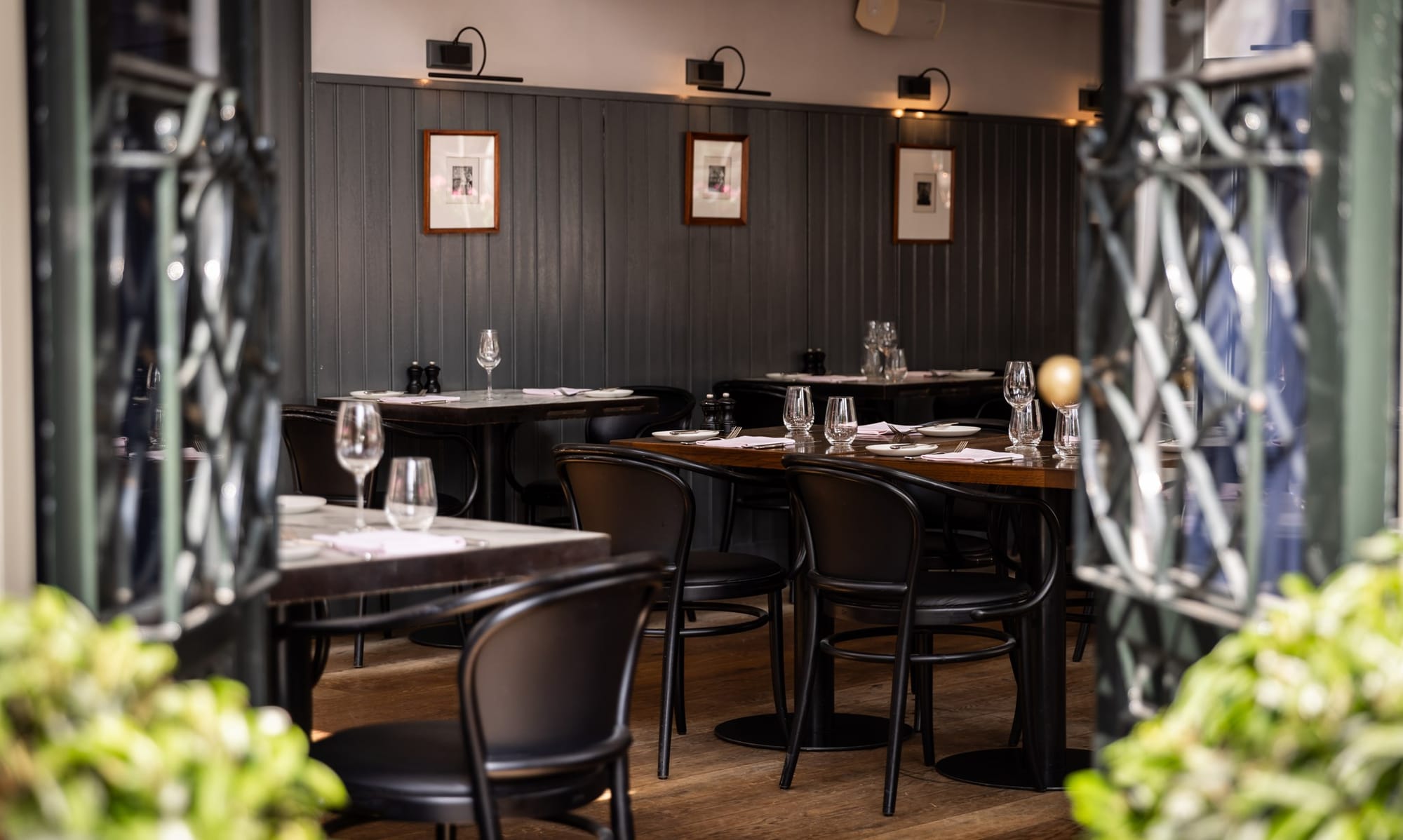
What happens when the building is the main event? The guest journey moves through the hotel like a neighborhood walk. You pass the canal entrance, walk uneven corridors, find the room, hit the garden courtyard, grab dinner at Jansz, and step back out into Amsterdam. Reviews consistently point to the hotel's strong location, food, and internal sense of discovery. The experience relies on friction and surprise. It is about staying somewhere with enough turns, stairs, and details to make the architecture part of the trip.
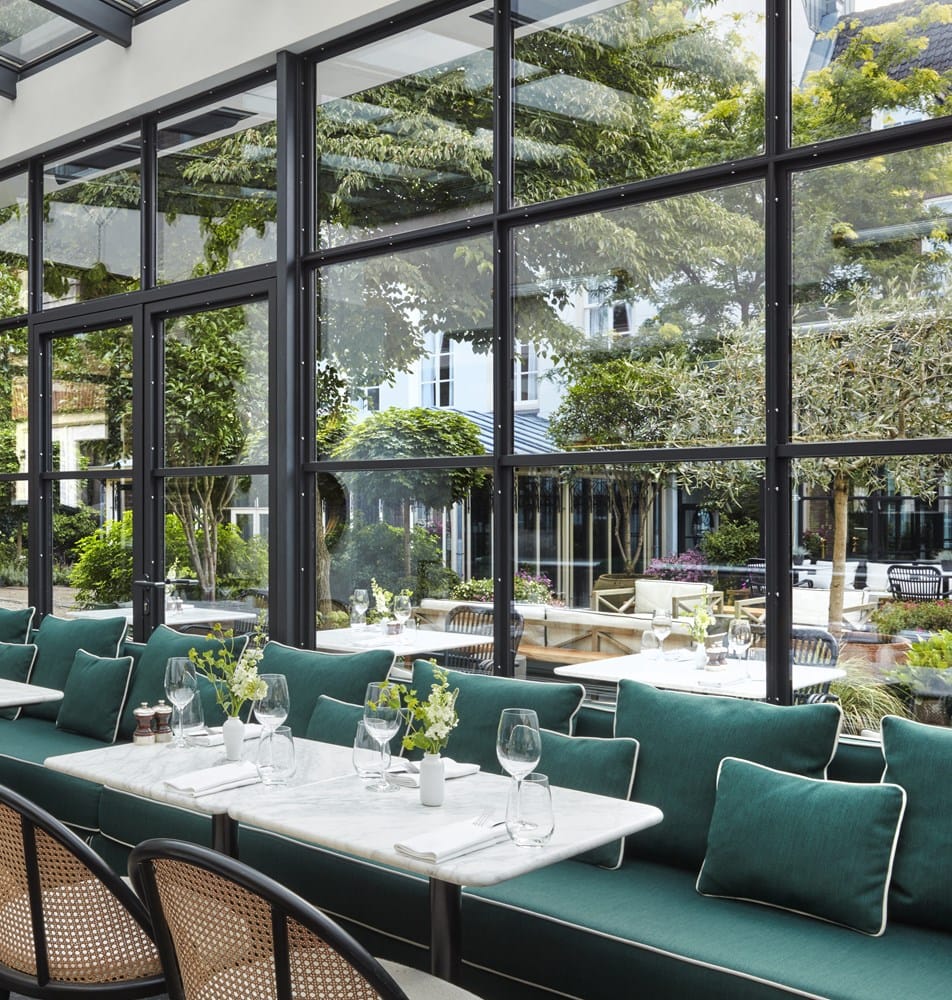
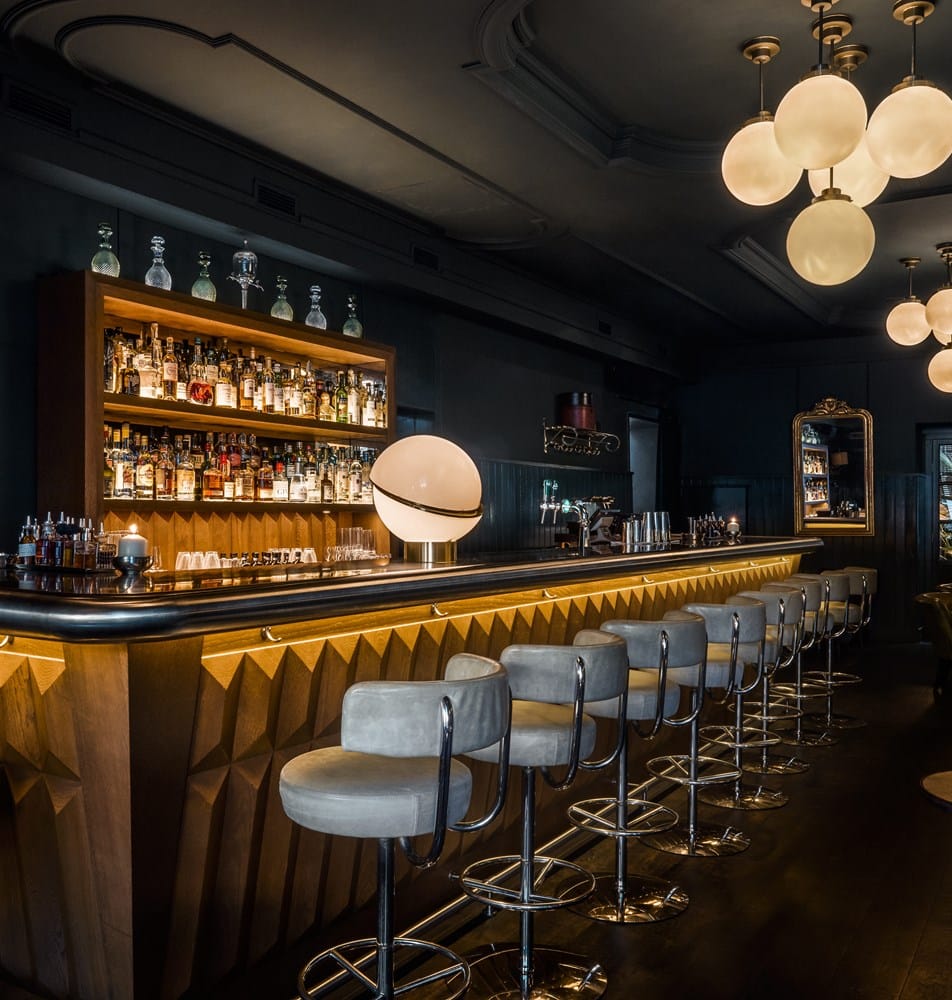
Pulitzer Amsterdam
Community and Culture Insight
Can a hotel actually belong to a city? Pulitzer Amsterdam sits inside the city's UNESCO canal culture and the Nine Streets shopping ecosystem. The property possesses a massive advantage here. It does not need to invent local atmosphere because it is physically constructed from it. That makes the hotel part of Amsterdam's cultural fabric. Canal houses, courtyards, old merchant wealth, contemporary design, good bars, and walkable city life all blur together. The building is the culture.
Differentiation and Unique Selling Point
How do you separate yourself from every other luxury bed in the city? The unique selling point is a five-star operation stitched through 25 historic canal houses, executed with enough hospitality polish to make the irregularity feel deliberate. Many city hotels sell location alone. The Pulitzer sells location, architecture, and story all at once. The unusual connected house layout, private garden, canal setting, and individualized rooms give it a built-in advantage. Competitors cannot easily copy centuries of architectural weirdness.
Design Language
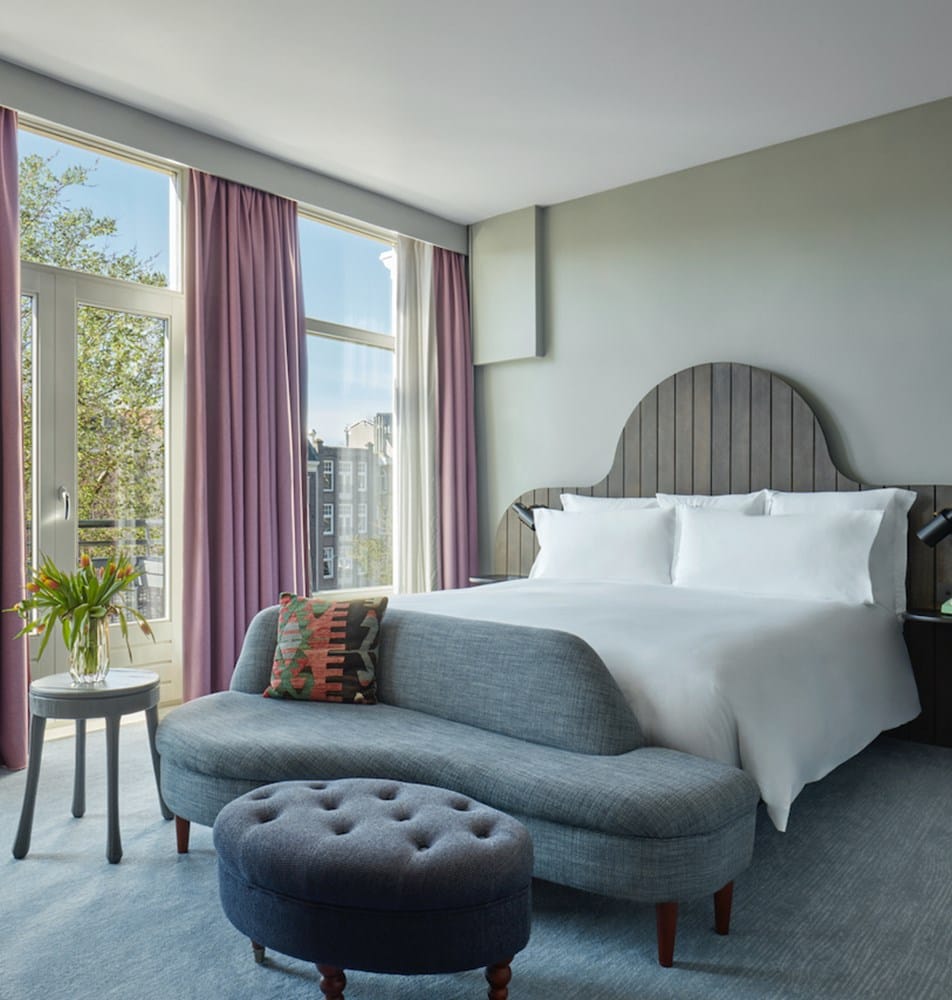
How do you modernize a 17th-century maze? The design language is Dutch heritage manipulated by a lively modern hand. Jacu Strauss led the redesign with jewel tones, exposed beams, brick, varied rooms, and collector-inspired suites. The smartest design move is that the hotel keeps the canal house oddness instead of sanding it down. Crooked plans, unusual room shapes, historic materials, art, and color all make the property feel collected rather than decorated. It looks like the home of an eccentric aristocrat.
Marketing Pitch
What is the final argument? Book a room inside Amsterdam rather than a box sitting next to it. The Pulitzer turns the city's canal house history into a luxury hotel experience with enough food, drink, garden space, and service to feel complete. The product works because the hotel's strongest asset is not an amenity list. It is the feeling that the building has already lived several lives before yours arrived. Memory outlasts perfection.
Is It A Winning Pitch?
Do the best luxury hotels operate more like destinations, or like temporary membership into a city’s culture?