
JBL's L150 Classic Argues That Bigger Is the Point
JBL's new flagship bets on knobs over apps. A look at the positioning behind the L150 Classic, and why no one's heard it play yet.

Quick answer:
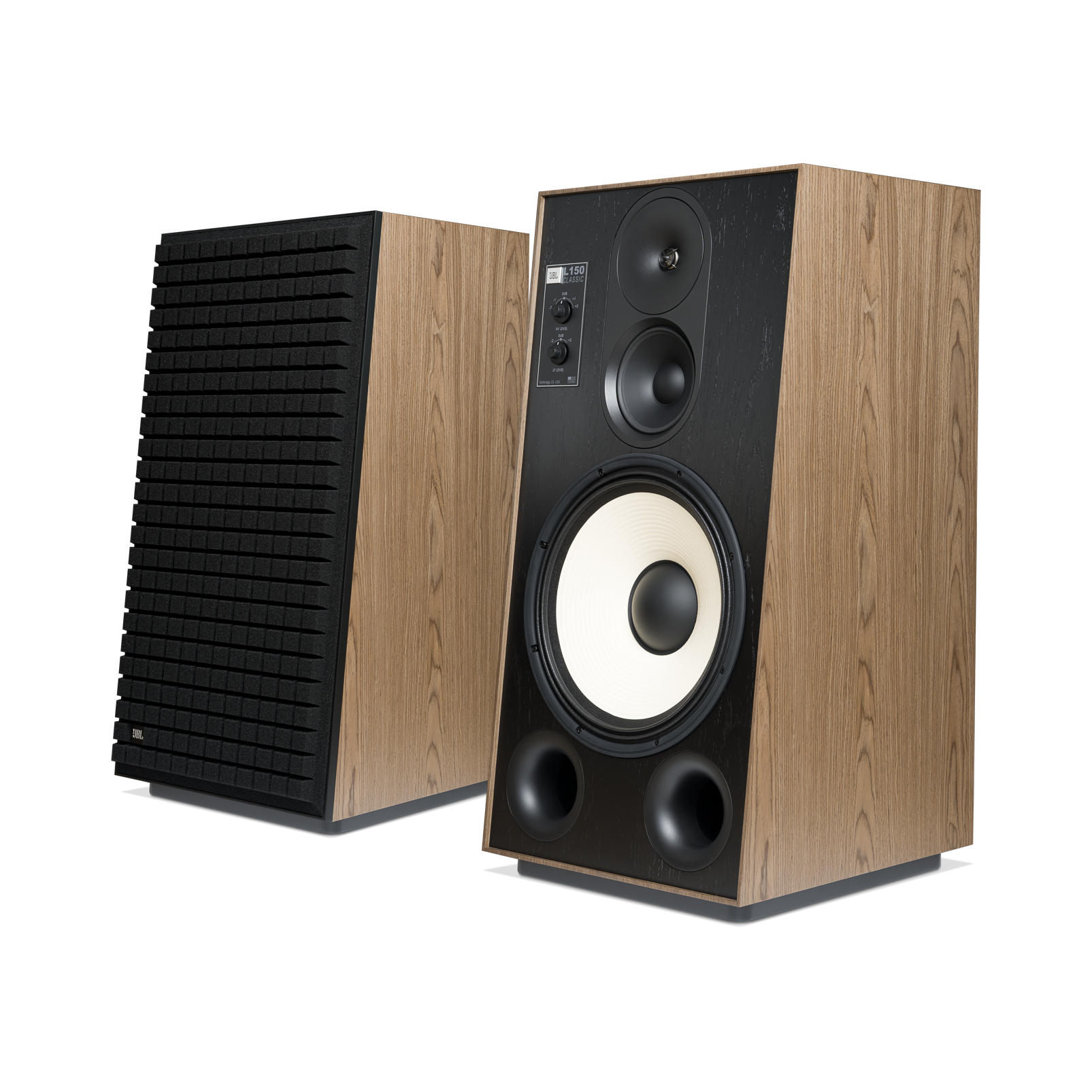
The L150 Classic is the new flagship of JBL's Classic Series, a 3-way floorstanding loudspeaker with a 15-inch woofer, walnut veneer, and a magnetically attached Quadrex grille, priced around $9,999 per pair. It revives the scale of 1970s large-format JBLs for listeners who want physical knobs, not an app.
JBL Didn't Get the Minimalism Memo
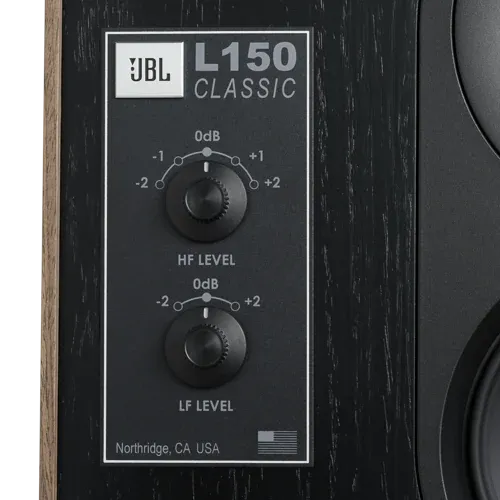
Every speaker brand in 2026 is racing toward the same silhouette: slim towers, app-based EQ, DSP room correction quietly fixing whatever the cabinet gets wrong. JBL looked at that race and built a 52 kilogram walnut box with front-panel dials that adjust tonal balance without touching a firmware update. That's not a missed memo. That's a position.
HARMAN Luxury Audio's own language calls it an effort to bring large-format JBL sound to a wider audience. Say that next to the actual object: a 4-ohm, 88 dB speaker that demands real amplifier current, not the easygoing load of a horn-loaded Klipsch. "Wider audience" here means wider within a hobby that already requires a dedicated room and a four-figure amplifier.
One more nuance worth sitting with: this is the flagship of the Classic Series, not of JBL as a company. Harman's Summit tier, Everest and K2, still sits above it. JBL didn't shrink that technology down. It built a different, parallel argument about what a flagship can mean to people who never wanted a Summit speaker in the first place.
Some People Still Like Turning Knobs
Positioning first: JBL isn't chasing the hi-fi establishment's obsession with disappearing electronics. It's selling presence, the kind of object you walk into a room and notice. The target buyer already owns vinyl, already has opinions about cabinet bracing, and already resents being talked down to by minimalist marketing copy.
The messaging leans on nostalgia without pretending to be a museum piece. It's explicitly not a component-for-component reissue of the 1979 original, which swapped a 12-inch woofer and passive radiator for a 15-inch Differential Drive system. The storytelling works because it updates the engineering while keeping the silhouette legible from across a living room.
The customer journey starts at a trade floor, not a showroom. It debuted at the Audio Video Show in Warsaw, moves next to specialist dealers, then into someone's listening room where the real negotiation happens: amp pairing, speaker placement, and the slow ritual of nudging those front controls until the room sounds right.
JBL
The community angle is the strangest part, and the most convincing. Danish and Swedish editors at Lyd & Billede had been asking JBL for exactly this speaker since reviewing the L100 Classic. That's a product brief written by the enthusiast press before the product existed.
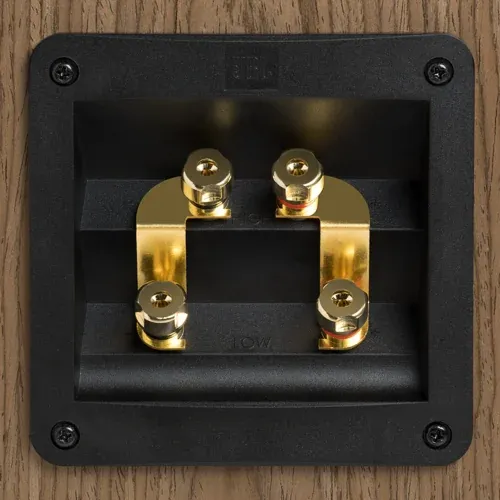
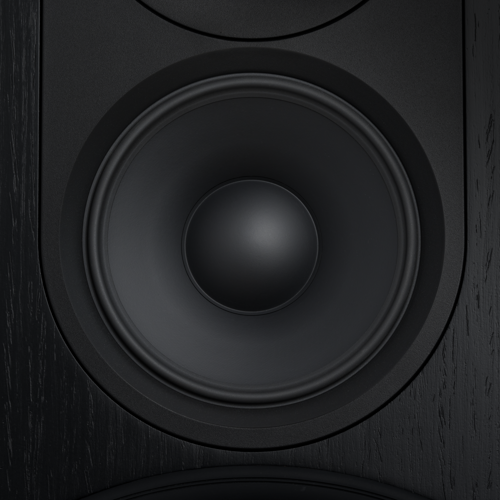
Against Klipsch Cornwall IV and Fyne Audio Vintage Classic X, the L150 Classic draws its line through driver philosophy rather than price. Klipsch stays horn-loaded and easy to drive with modest amps. Fyne goes coaxial with a smaller 10-inch driver. JBL doubles down on scale: a 15-inch cone, a sloped baffle aimed at the listener, dual binding posts for bi-amping.
Design language ties it together without a single wasted gesture. The Quadrex grille is graphic design. The magnetic attachment and gold-plated posts are object design. The decision to solve tone balance with a dial instead of an app is design thinking with an opinion attached. The pitch underneath all of it: you shouldn't need a subscription to adjust your speakers.
The Only Thing Missing Is the Sound
Here's the honest gap in the story. Every claim about dynamics, imaging, and "authoritative" bass is coming from the company itself, not from an independent listening session. Review units aren't expected until 2027, which means the industry is currently reacting to a press release wearing a walnut veneer.
That's not a condemnation. It's just the current state of the evidence, and a reminder that a flagship built on nostalgia still has to survive the one test nostalgia can't fake: somebody's actual listening room, with the lights off and the knobs set wrong on the first try.

