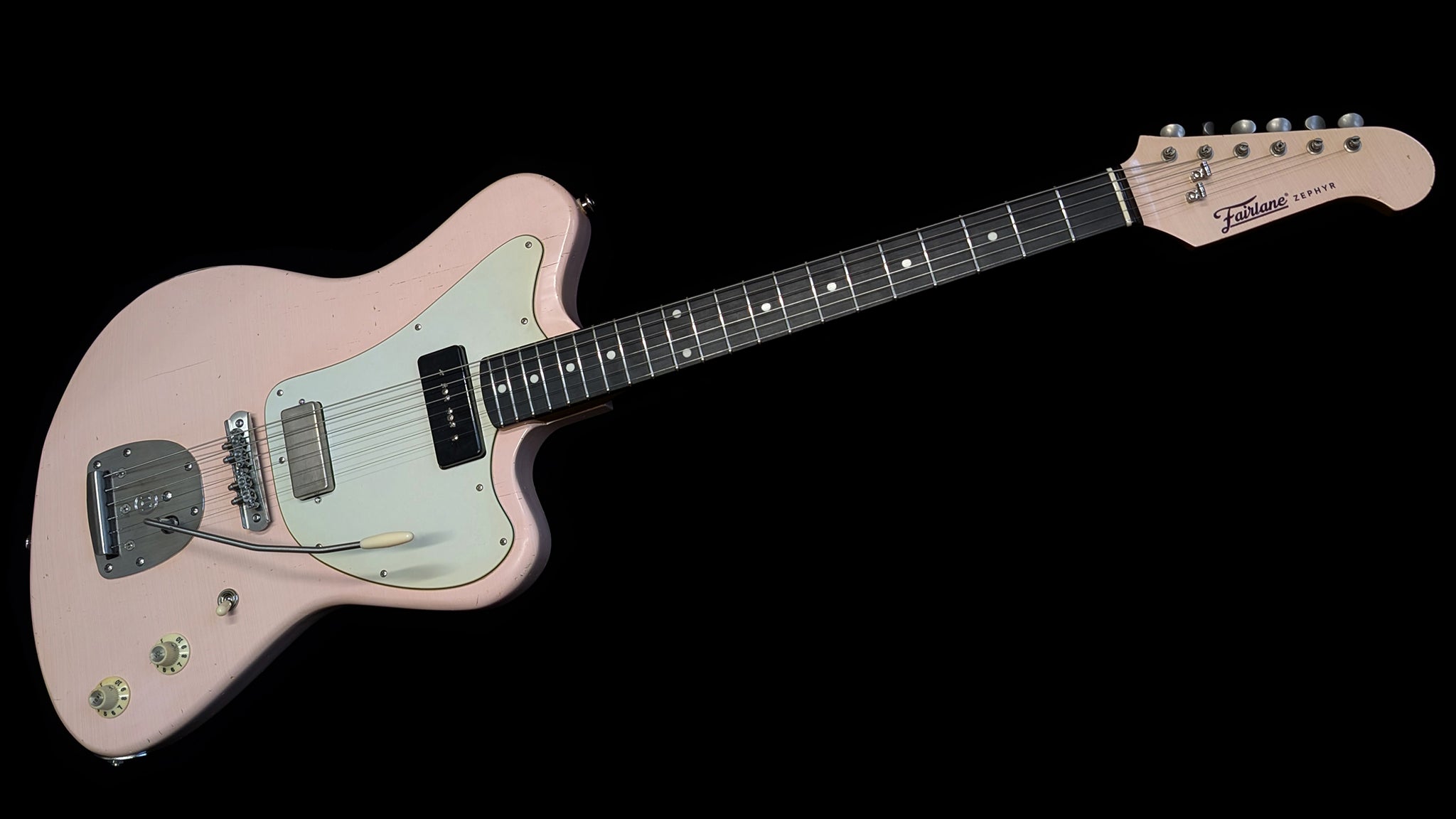
Fairlane's Zephyr Sells Nostalgia Without Apologizing For It
How Fairlane Guitars turns a six-month build queue and aged nitro finishes into a positioning strategy built entirely on patience and taste.
Quick answer:
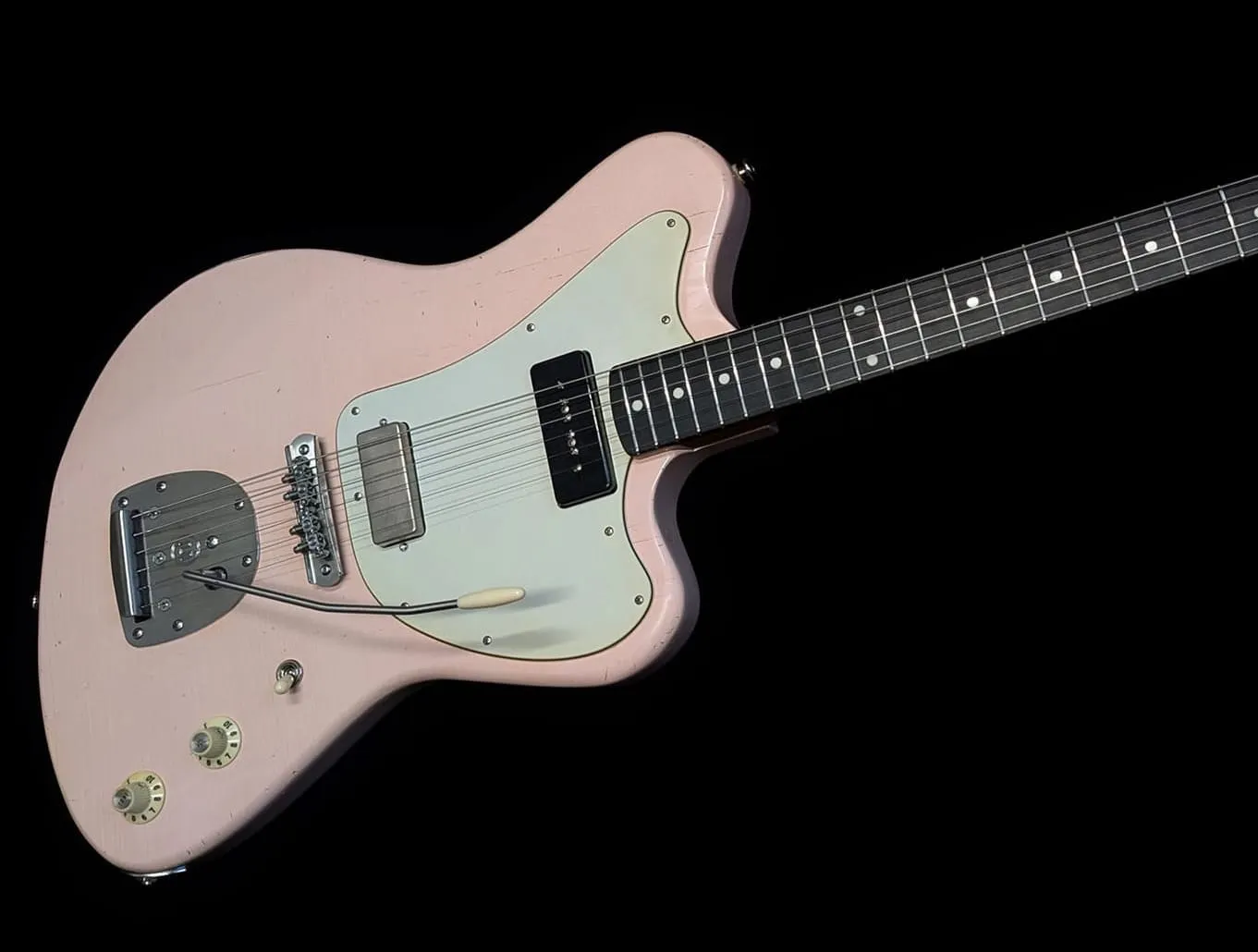
The Zephyr is Fairlane Guitars' flagship offset electric, a $3,416 instrument built to order over roughly six months. It pairs a 25.5-inch scale with a 12-inch fretboard radius, a bone nut, clay dot markers, and a nitro finish that can be aged on request. Every neck is hand carved, every pickup set is custom wound with Monty's, and every build is a bet that a customer will wait half a year for something that feels pre-worn.
A Guitar Built Around a Contradiction
Fairlane has made an unusual choice with the Zephyr. It is a modern instrument engineered for stability and comfort, yet every marketing decision points backward. The copy promises a neck that feels like "you've been playing it your whole life," fret ends rolled for a "vintage played-in feel," and lacquer that can be sanded thin to mimic decades of use.
That is not a small ask. Aging a brand new product is an admission that newness itself is not the selling point. The Zephyr's target buyer does not want a guitar that looks untouched in a case. They want evidence of a life the instrument has not actually lived yet.
This is where the positioning gets interesting. Fairlane is not selling a reissue, and it is not selling innovation for its own sake either. It is selling the feeling of inheritance without the inconvenience of actually inheriting anything.
The Build Queue Is the Brand Experience
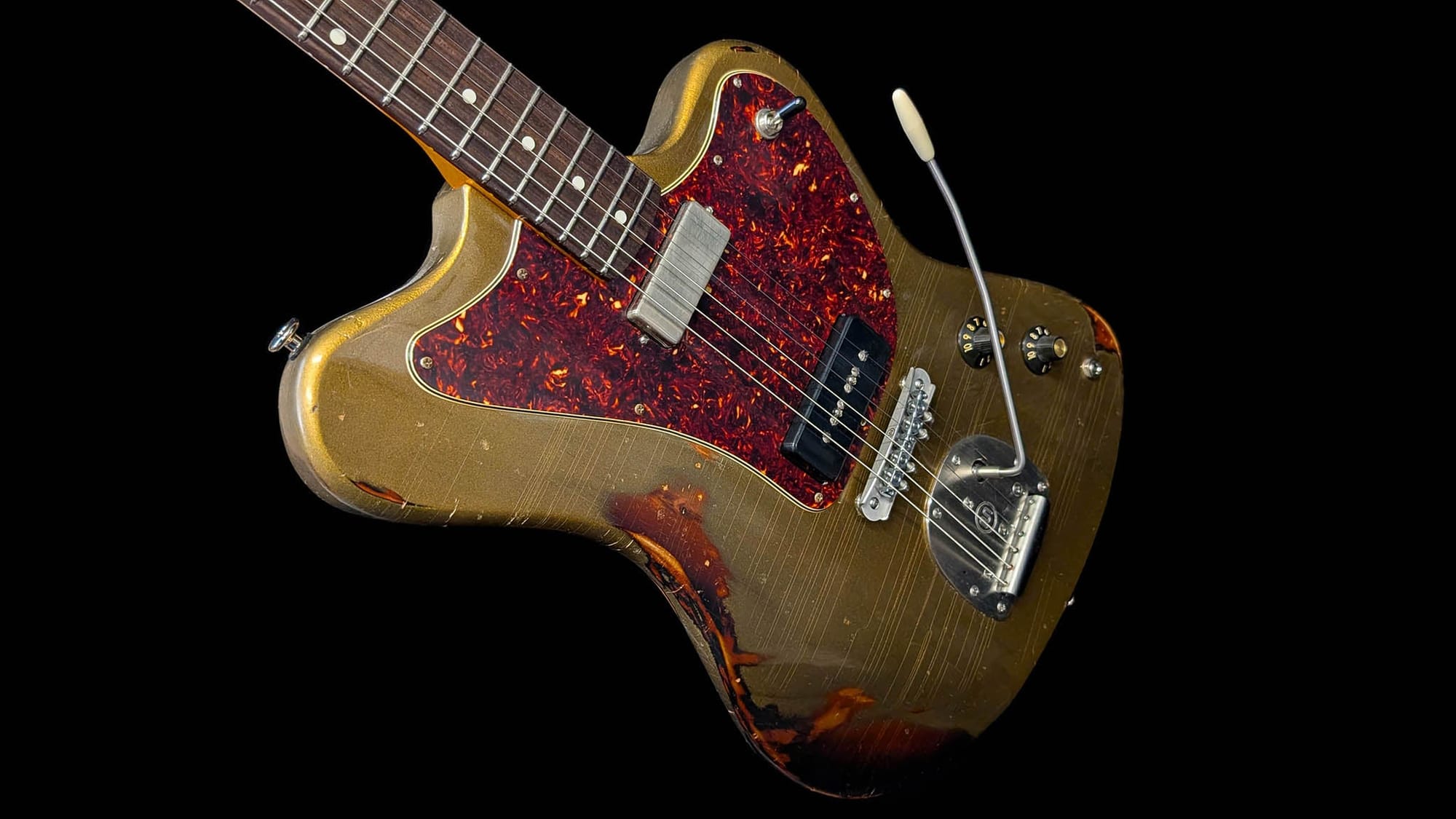
Here is the part most guitar brands get wrong: they treat customization as a feature list. Fairlane treats it as the entire customer journey. A buyer configuring the Zephyr chooses between tempered pine or basswood bodies, four neck materials, three fretboard options, four bridge systems, and ten distinct Monty's pickup combinations before they even get to finish and relic level.
That is not friction. That is theater. Every decision point is a small ritual that converts a purchase into a project, and a project into a six month wait that the customer chose for themselves.
The community implication follows naturally. Guitar players who spend six months waiting on a build are not casual buyers browsing a music store wall. They are participants in a slower, more deliberate subculture, the kind that debates neck radius on forums and photographs their instrument's grain pattern before it ships. Fairlane is not reaching guitarists generally. It is reaching the ones who already understand why a Gibson-style radius paired with a Fender scale length is a meaningful spec, not a footnote.
Where the Differentiation Actually Lives
The obvious differentiator would be the offset body shape, except offsets have been commercially available since the Jazzmaster. Fairlane's real separation is subtler, and it shows up in the Monty's partnership.
A P90 wound to sit next to a Firebird pickup, or a Jazzmaster neck unit paired with a vintage voiced P90 bridge, is not a configuration you find on a factory spec sheet. It is a collaboration between two small, specialist builders, and it signals something the price alone cannot: this instrument was designed by people who think about tone the way sommeliers think about pairing, not the way a parts catalog thinks about compatibility.
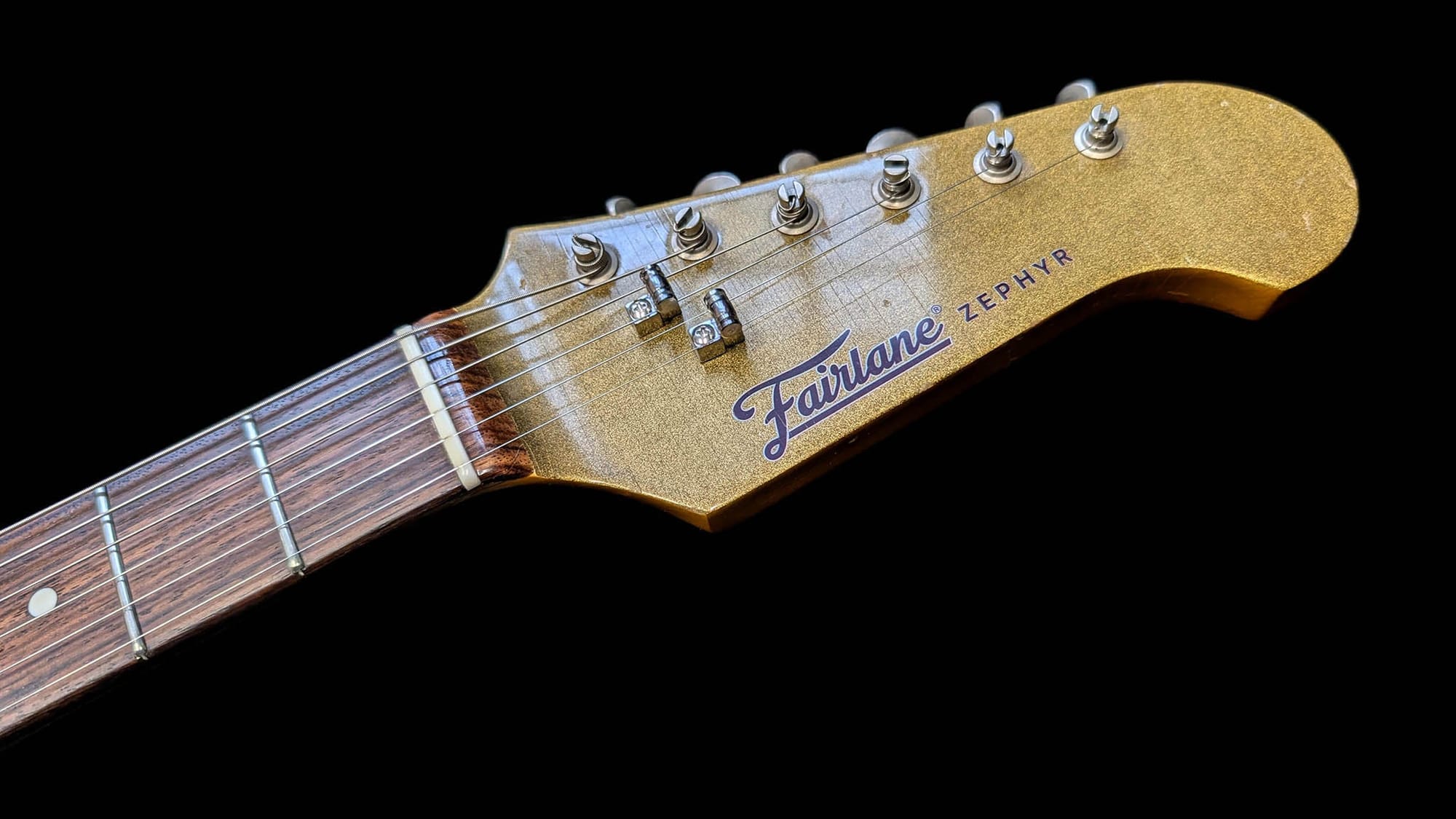
That is the design language doing its job without a single graphic element involved. The visual choices, the clay dots, the witch hat knobs, the nitro aging options, all reinforce a single idea. This is a guitar for someone who already knows what they are looking at.
Which gets to the marketing pitch underneath all of it. Fairlane is not competing on price, and it is not competing on innovation. It is competing on taste, patience, and the specific kind of collector who would rather wait six months for a guitar that feels used than buy one off a wall that looks new. That is a narrow audience. It is also exactly the audience willing to pay $3,416 for the privilege of waiting.
 Fairlane Guitars