The Raymond Weil Millesime Understands What Watch Collectors Miss
The Raymond Weil Millesime Small Seconds watch is a well-executed neo-vintage timepiece that appeals to watch collectors. It’s success lies in its disciplined design, thoughtful execution, and rational pricing, making it a compelling choice for enthusiasts seeking a tasteful mechanical dress watch.
The Setup
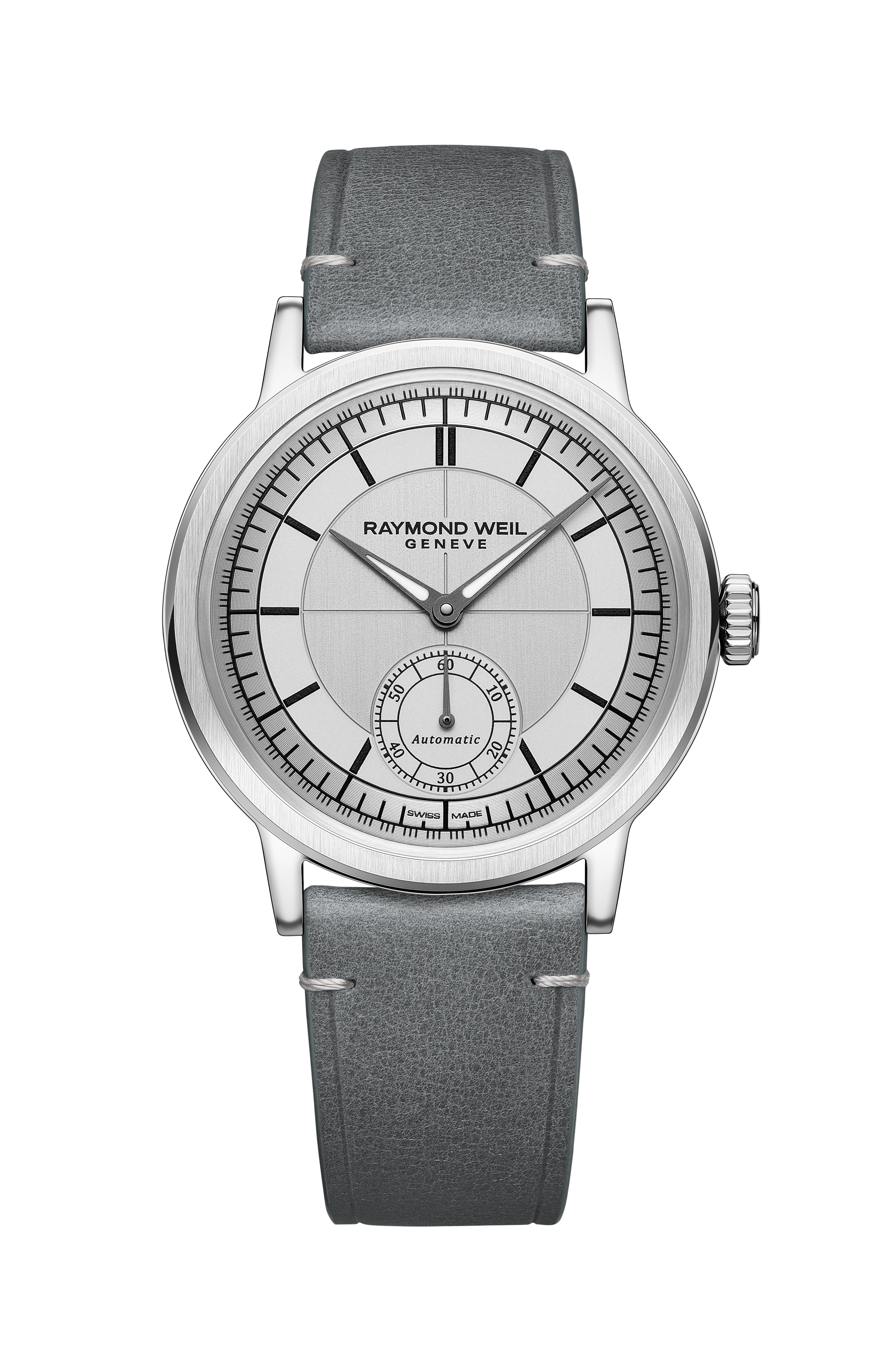
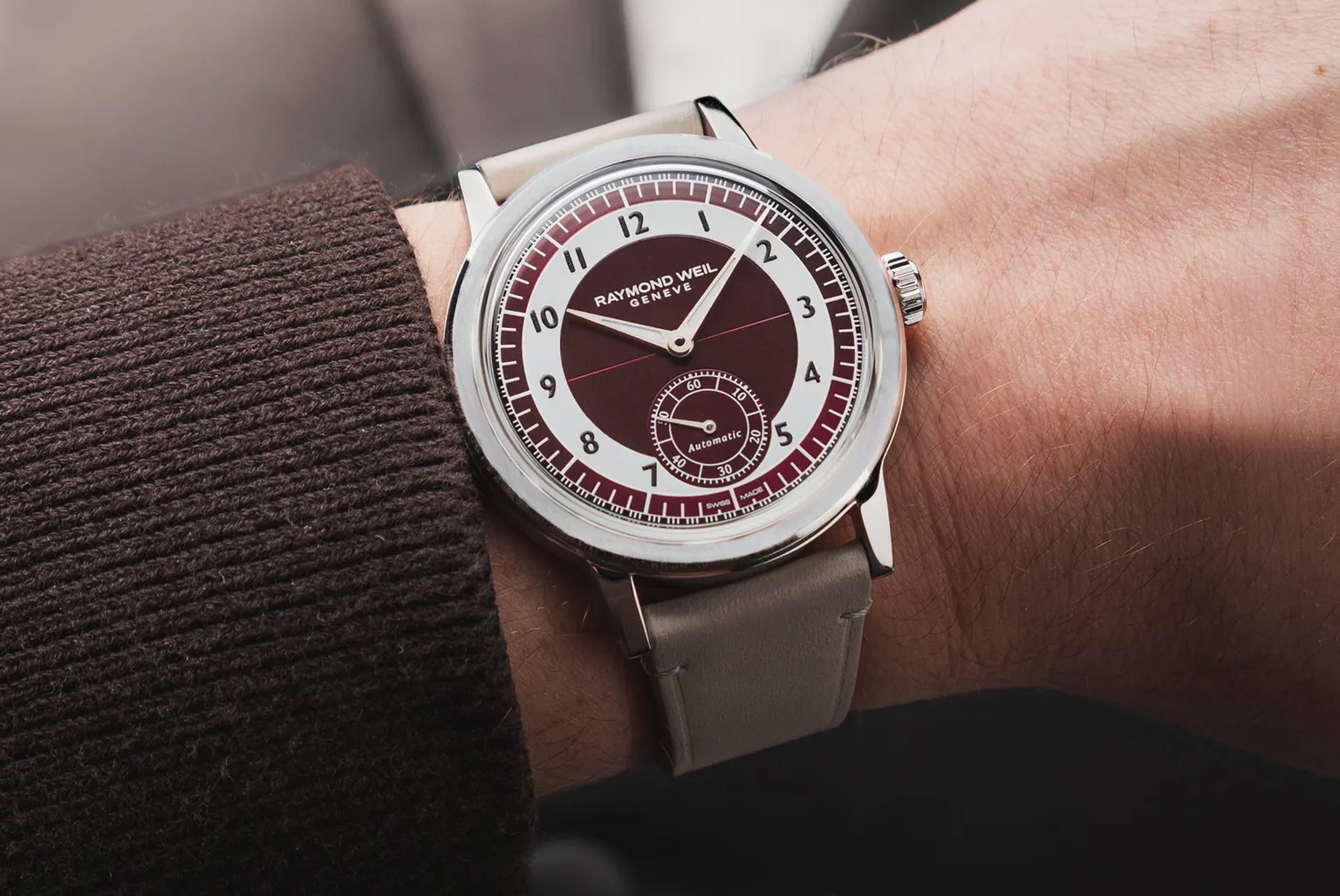
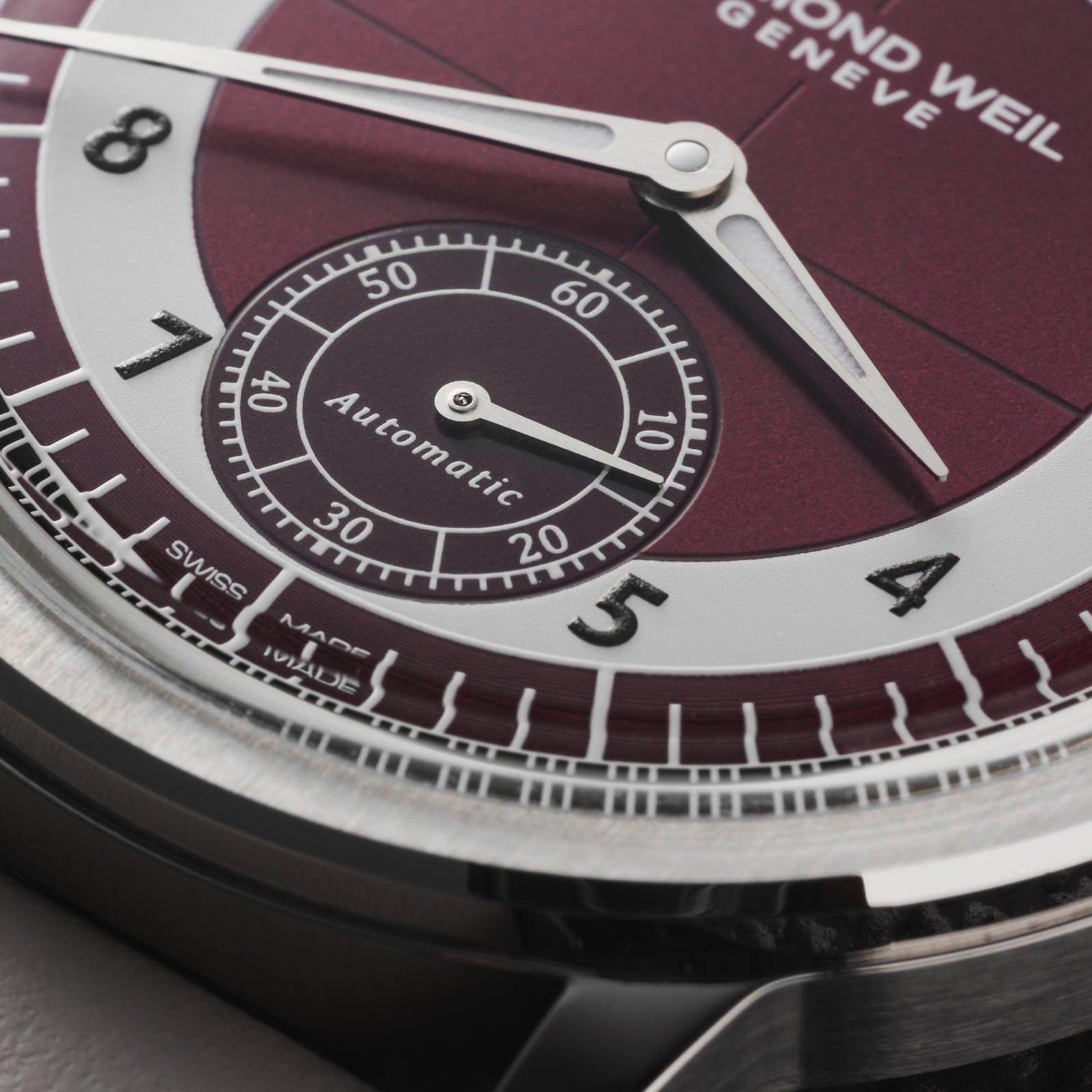
The Raymond Weil Millesime Small Seconds feels like a watch designed by people paying attention to collector conversations over the last five years. Sector dial. Small seconds. Glassbox sapphire. Compact 39.5mm proportions. Enough dial texture to reward close inspection without turning into vintage cosplay. The line also picked up the GPHG 2023 Challenge Watch Prize, which helped shift the Millesime from “nice Raymond Weil” into something enthusiasts started recommending with actual enthusiasm.
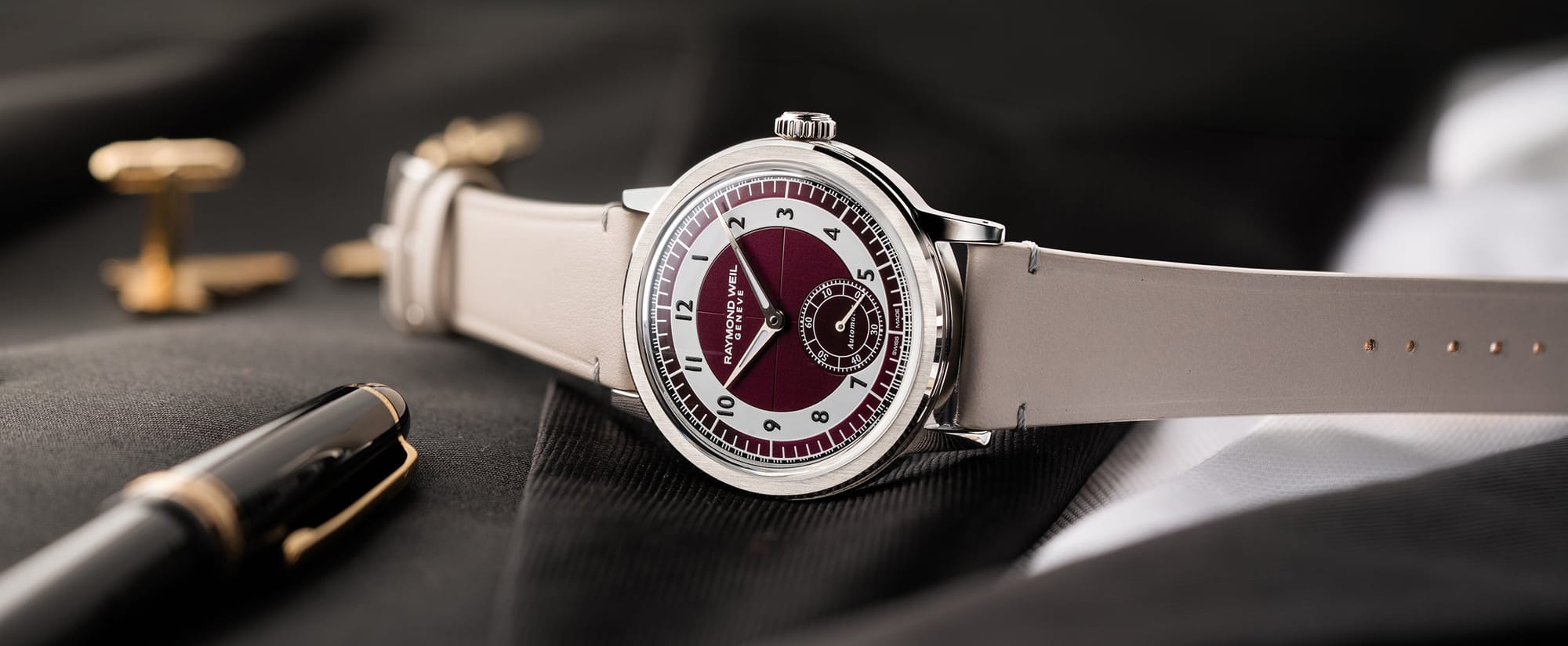
The interesting part is how disciplined the product feels. A lot of brands chasing vintage energy either over-polish the nostalgia or inflate the pricing once collectors approve. The Millesime takes a calmer route. Raymond Weil built a watch around proportion, texture, wearability, and visual balance, then kept it in a price range where people can still justify buying it without writing forum posts about “value retention.” The result feels less like a hype object and more like the kind of watch someone keeps wearing ten years later because every small design choice still works.
The Breakdown
Raymond Weil Millesime Small Seconds
An Infotechnics™ analysis of how a product rates across eight areas of performance.
To explore in more detail, pinch out to zoom in
Raymond Weil wins by stacking good decisions, not by owning one big idea.
The shape tells the story. Design, positioning, and product execution carry the strongest scores because the Millesime feels unusually well edited for its price. The weaker areas are the expected ones for a neo-vintage Swiss release: messaging and culture are participating in an existing collector movement rather than creating one. The result is a watch that feels more thoughtful than disruptive, which is exactly why it works.
Brand Positioning and Identity
The target buyer is someone who wants a tasteful mechanical dress watch without jumping into Omega, Cartier, Longines, or vintage-maintenance headaches. It speaks to first serious-watch buyers, collectors who appreciate proportion, and enthusiasts looking for a sub-$3,000 sector dial that feels considered. Worn & Wound’s read is especially useful here: the small seconds model feels aimed at people who care about hand length, case finishing, dial texture, and emotional design details.
Target Segment and Audience
Messaging and Storytelling
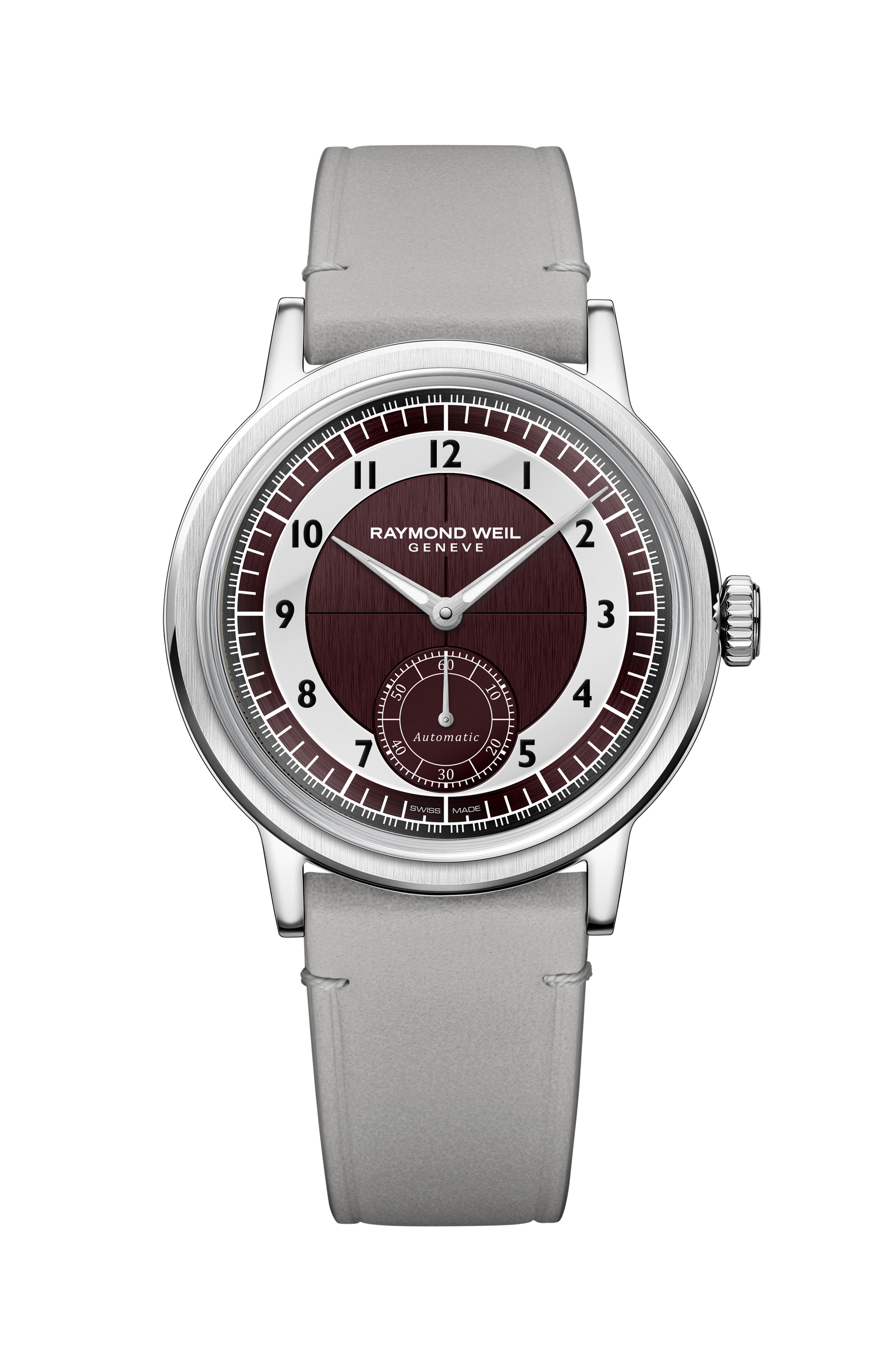
The messaging is built around old-watch charm made easy to buy new. Raymond Weil leans into the sector dial, small seconds, recessed circlet, vertical brushing, snailed minute track, smooth hour track, and glassbox sapphire crystal. The outside coverage consistently uses words like vintage-inspired, neo-vintage, elegant, balanced, and wearable. That story works because the watch gives enthusiasts familiar design cues without making the buyer chase fragile vintage references or inflated heritage-brand pricing.
Experience and Journey
The buyer journey starts with clean vintage appeal, then rewards closer inspection. From a distance, the Millesime reads as a quiet sector-dial dress watch. Up close, the dial separates into smooth, snailed, brushed, and recessed zones, which makes the watch feel richer than the price suggests. Reviews repeatedly call out the wearability, especially the 39.5mm diameter, 46mm lug-to-lug feel, curved lugs, and roughly 10.25mm thickness. The experience is understated, but not flat.
Raymond Weil
Community and Culture Insight
The Millesime lands inside a collector culture that has become increasingly receptive to neo-vintage design, smaller proportions, and affordable Swiss mechanical watches with actual finishing detail. The GPHG win helped shift Raymond Weil into enthusiast conversation, while later 35mm and tuxedo-dial versions show the line gaining enough traction to become a platform. The cultural insight is simple: collectors still want romance, but they also want rational pricing and fewer excuses.
Differentiation and Unique Selling Point
The USP is a GPHG-winning sector-dial small seconds watch that delivers proportion, finish variety, and Swiss automatic credibility at an approachable price. The 39.5mm stainless-steel case, glassbox sapphire, 50m water resistance, RW4251 automatic movement, 38-hour power reserve, W-shaped rotor, calf leather strap, and textured dial make the package feel complete. The point is not one flashy feature. The point is a lot of small decisions lining up properly.
Design Language
The design language is disciplined neo-vintage. The sector dial gives the watch architecture, while the smooth hour track, snailed minute track, vertically brushed center, recessed small seconds, box crystal, thin bezel, and curved lugs create depth without visual noise. The case mixes brushed and polished surfaces, which helps it feel more expensive than a simple dress watch. It communicates taste through restraint, proportion, and texture.
Marketing Pitch
The marketing pitch is: Raymond Weil made the enthusiast dress watch without the enthusiast tax. The Millesime Small Seconds gives buyers the look and feel of a thoughtful vintage-inspired Swiss watch, but with new-watch reliability, mainstream availability, and enough award credibility to make collectors pay attention. It works because the watch is not trying to shout. It is trying to be the one quiet recommendation that keeps making sense.
Is It A Winning Pitch?
What modern watches do you think are getting the balance right between vintage influence and everyday wearability?