
The Quiet Power of YouTube: Why It Still Owns the Internet
YouTube has become a default utility for users, surpassing entertainment platforms by fostering a habit of reliance. Its dominance lies in capturing user intent for learning, fixing, and long-form viewing, and presence on Connected TV.

A Quiet Giant Playing a Different Game
While everyone else fights for your attention, YouTube built a habit. Not the twitchy, scroll-until-your-thumb-goes-numb kind, but the slower, more dangerous one. The kind where you open a tab because you actually need something, and 40 minutes later you’re still there, learning, fixing, deciding.
That difference sounds small. It isn’t.
It’s the gap between entertainment and reliance. Between a place you visit and a place you depend on. And over time, that gap compounds into something most platforms never achieve. Not popularity. Not relevance. Something closer to default.
YouTube did not just win attention. It became the place people reach for when they need something.
The platform’s strength is not only entertainment. It is reliance. People open YouTube to learn, fix, compare, decide, and watch at length. That slower habit is harder to copy than a feed.
Intent holds attention longer than impulse.
Short feeds create fast loops. YouTube captures a different behavior: the user arrives with a reason and stays because the answer keeps unfolding.
The app became television without becoming cable.
YouTube moved from phone habit to household habit. Connected TV turned the platform into a daily screen for learning, entertainment, and long-form viewing.
Dwell Time Matters
While apps like TikTok operate like digital slot machines designed for fast scrolling, YouTube has evolved into a utility. In 2026, the platform functions as the second-largest search engine and the largest educational institution in the world. According to YouTube Statistics 2026, the site now serves 2.7 billion monthly users who treat it as a primary destination for both answers and entertainment.
The difference lies in why people open the app. TikTok relies on discovery and quick hits of dopamine, but YouTube captures user intent. People visit YouTube to find specific solutions, watch long-form deep dives, or learn new skills. This behavior shows up in the data, as average session lengths reach 40 minutes on YouTube compared to just 10 minutes on TikTok. But note that is for a "sit down" session where focus is involved.
In shorter session where the audience is looking for hits on the run, TikTok lasts 10.85 minutes, compared to 7.41 minutes for YouTube.
Building a Sustainable Creator Middle Class
Contagion Media
This steady attention creates a more reliable economic base for artists and educators. TikTok’s Creator Fund often pays as little as $0.02 per 1,000 views. In contrast, YouTube provides a sustainable income through a mature revenue-sharing model and over 125 million Premium subscribers. As detailed in the TikTok Creator Earnings Breakdown, the stability of YouTube’s ad rates makes it the preferred home for professional creators.
This commitment to the creator class goes beyond passive revenue sharing. YouTube actively invests in the visibility and growth of its community through structured programs like the YouTube Creator Awards, which officially celebrate milestones from 100,000 to over 100 million subscribers. These physical plaques serve as a "validation and motivation" for those treating the platform as a professional production house.
A Web 2.0 App for the Living Room
YouTube is also winning the battle for the living room. It has moved beyond mobile screens to dominate Connected TV (CTV) sets. By 2025, the platform surpassed cable giants like Comcast and Charter in influence, with viewers watching over 1 billion hours on television screens every day.
Industry reports on Connected TV Statistics show that advertisers are rapidly moving their budgets from traditional networks to YouTube to follow this audience. Younger viewers are leading this shift, with Gen Alpha using the platform as their primary television service. Current projections from NewscastStudio suggest YouTube TV will lead the entire U.S. pay-TV market by 2027.
The Visual Wikipedia
Beyond entertainment, the site acts as a visual Wikipedia. Millions of instructors upload tutorials on everything from coding to home repair, creating a library of knowledge that stays relevant for years.
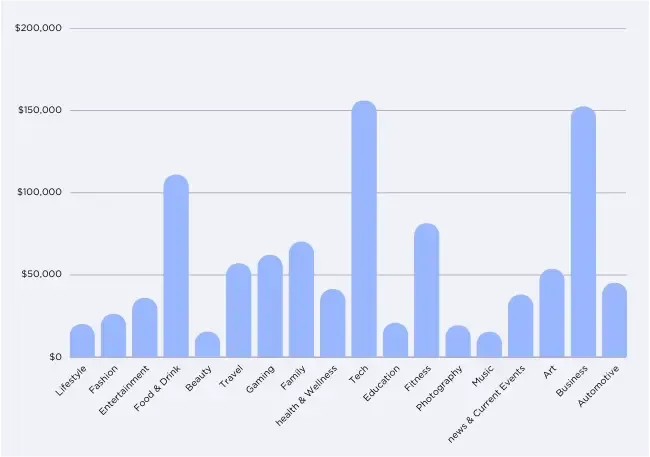
Unlike a social media post that disappears from a feed in hours, a helpful YouTube video can rank in search results and earn money for a decade. This longevity is a major draw for the 75 percent of creators who prioritize long-term growth over temporary viral moments.
Barrier to Entry as Competitive Edge
Competition remains difficult because the entry costs are so high. Bandwidth alone is a killer and you need that just to get into the space. The financial burden of hosting petabytes of high-definition video prevents most startups from even trying to compete.
YouTube has also successfully protected its position by launching Shorts to handle quick-hit content while keeping its long-form videos as the main attraction.
YouTube’s greatest advantage is that it has become the default setting of the modern web. It does not need a weekly controversy to stay relevant. It is a tool that users would likely pay for even if the social features were removed. By becoming a necessary utility rather than just another social app, YouTube has built a position that no competitor can easily shake.
Where Attention Ends and Habit Begins
Most platforms are still auditioning for your time. They flash, they refresh, they beg for one more swipe.
YouTube doesn’t audition.
You don’t “check” it. It gets installed into your behavior. You go there when something matters. When you need to fix something, learn something, decide something. It’s less like opening an app and more like reaching for a tool that’s already in your hand.
That’s the part most competitors misunderstand. They think they’re competing for attention. They’re not. They’re competing against habit, against utility, against the quiet moment when a person already knows what they need and knows exactly where to go get it.
And once a platform earns that position, it doesn’t need to chase you.
You come to it.

