The Morgan SuperSport 400 Looks Like 1958 and Hits 62 MPH in 3.6 Seconds
The Morgan SuperSport 400 combines classic British roadster design with modern performance, featuring a 402 bhp BMW engine and lightweight aluminum platform. It appeals to enthusiasts who value craftsmanship and individuality over digital features and raw power.
The Setup
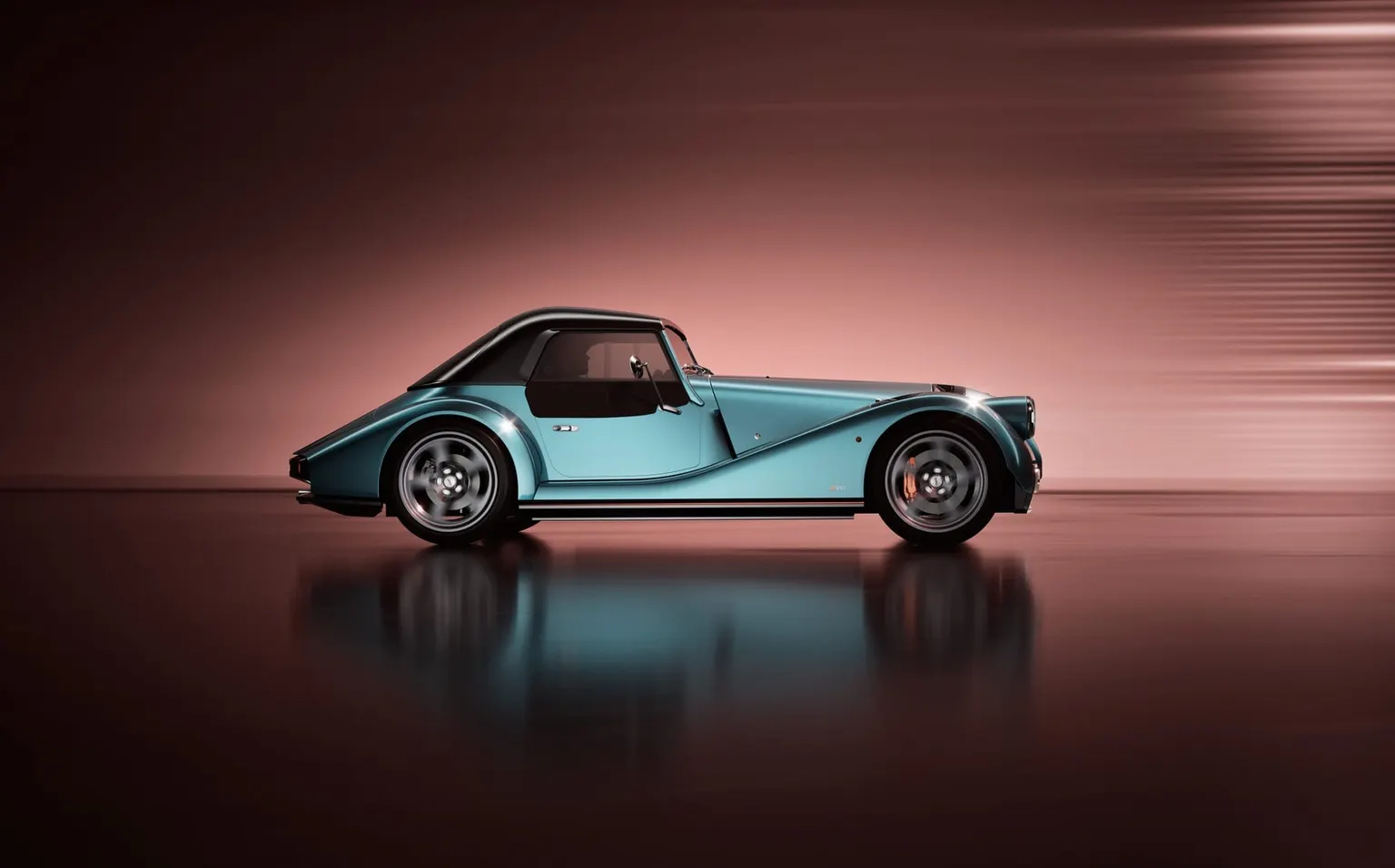
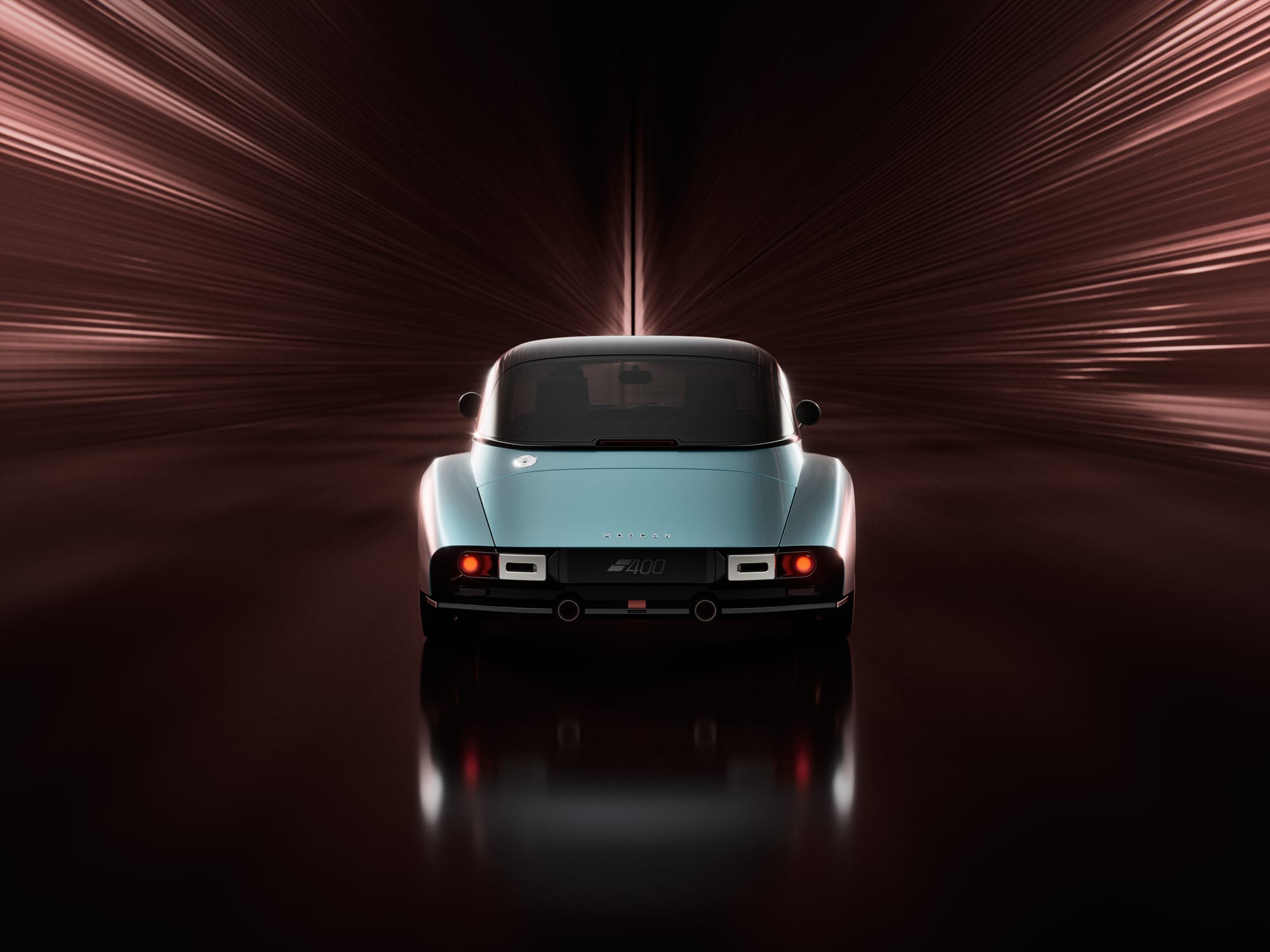
Morgan’s new SuperSport 400 takes the company’s old-world roadster formula and gives it real modern force. Underneath the long bonnet and coachbuilt bodywork sits a 402 bhp BMW inline-six, upgraded chassis tuning, Nitron dampers, and a lightweight aluminum platform capable of 0 to 62 mph in 3.6 seconds. It still looks unmistakably Morgan. It just moves with a lot more intent now.
Morgan Motors
The smart move is that Morgan never abandoned the romance to chase the performance headline. Most modern sports cars are converging toward the same shape, same interface, and same filtered driving experience. Morgan leaned harder into craftsmanship, oddness, and physical character, then added enough pace to make the conversation serious again. The SuperSport 400 works because it feels handmade in a market trying very hard to hide the fingerprints.
The Breakdown
Morgan SuperSport 400
An Infotechnics™ analysis of how a product rates across eight areas of performance.
To explore in more detail, pinch out to zoom in
Morgan's achievement is not adding power. It's adding power without losing character.
The strongest scores come from positioning, experience, and differentiation because the SuperSport 400 gives Morgan a modern performance headline while staying recognizably Morgan. The weaker areas stem from audience reach. The appeal is deep rather than broad, aimed at enthusiasts who already value craft, lightness, and eccentricity. The result is a stronger flagship, but not a fundamentally larger market.
Brand Positioning and Identity
Morgan positions the SuperSport 400 as the most powerful production Morgan to date, but still frames it through craft, lightness, and involvement rather than brute-force supercar theater. The car uses the latest BMW B58 inline-six with 402 bhp, an eight-speed automatic gearbox, a lightweight CXV aluminum platform, and sharper chassis tuning. The identity is classic British coachbuilt charm given real modern pace. Morgan is using the 400 badge to show that old-world character can still punch hard.
Target Segment and Audience
The audience is the enthusiast who wants a sports car with personality, craft, and rarity, but no interest in anonymous modern performance. It speaks to Morgan loyalists, wealthy weekend drivers, design-led collectors, and buyers who might appreciate Porsche or Alpine dynamics but want something stranger and more hand-finished. The SuperSport 400 also reaches people who want speed without giving up an emotional connection to materials, shape, and British eccentricity.
Messaging and Storytelling
The messaging is built around “sharpened response.” Morgan talks about drawing the full capability from the CXV platform, improving feedback, body control, and driver involvement. Outside coverage focuses on the milestone: more than 400 hp in a production Morgan for the first time. That story works because the number gives journalists a headline, while the brand can keep talking in its own quieter language of balance, craftsmanship, and connected driving.
Experience and Journey
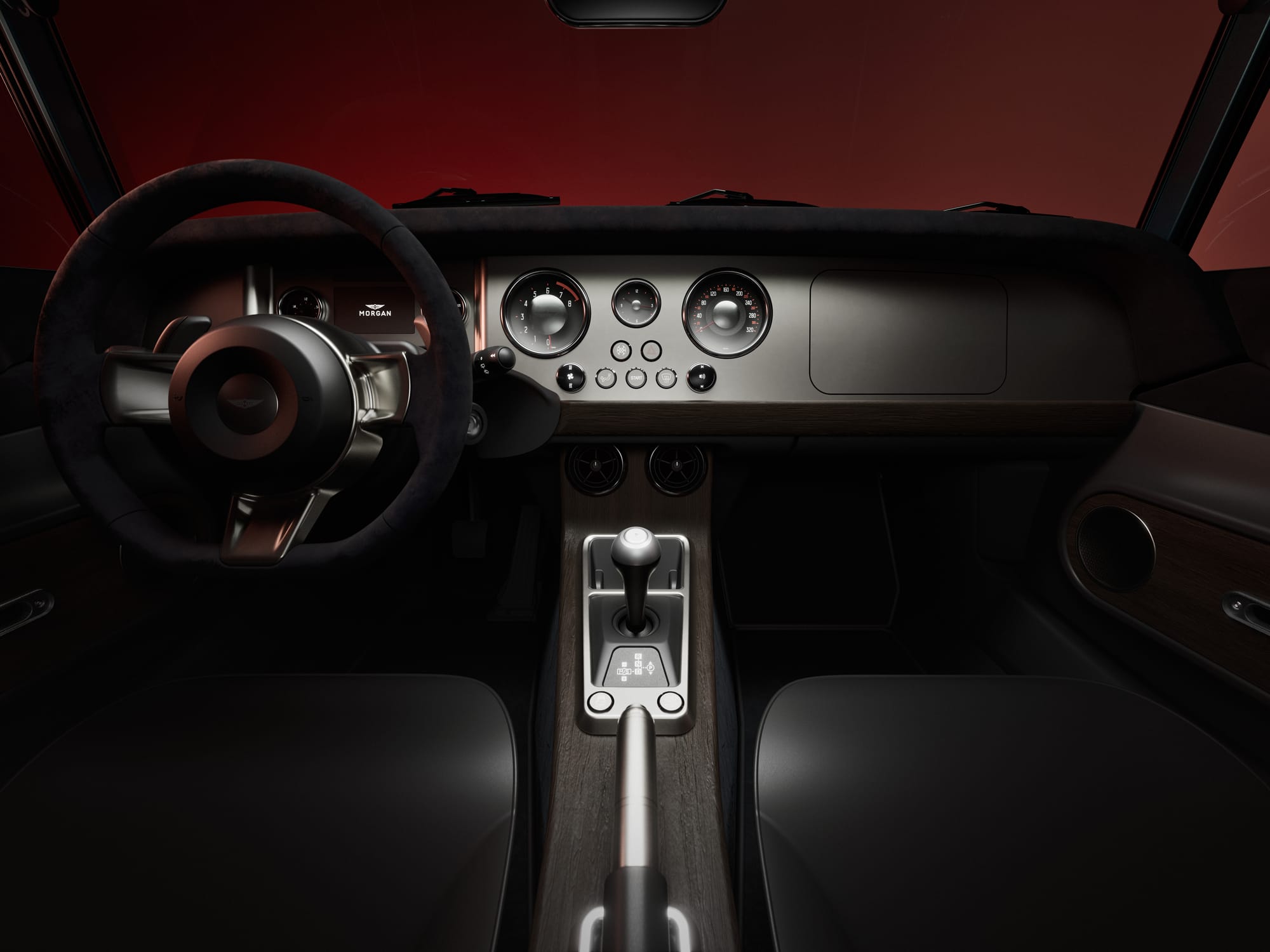
The buyer journey starts with familiar Morgan beauty, then reveals a much harder edge underneath. The car keeps the long bonnet, compact cabin, removable roof options, and coachbuilt feel, but adds 0 to 62 mph in 3.6 seconds, 180 mph potential, Dynamic Handling Pack hardware, improved suspension geometry, and performance exhaust tuning. The journey is not shock for shock’s sake. It gives the customer a car that can still feel special at low speed, then become far more serious when asked.
Morgan Motors
Community and Culture Insight
The SuperSport 400 sits inside the culture of small-volume British sports cars, where character matters as much as lap time. Morgan’s audience already understands that the brand’s appeal comes from contrast: heritage forms, hand-built craft, and modern components living in the same object. The 400 gives that culture a stronger answer to today’s performance market, where many sports cars have become heavier, more digital, and less visually distinct. Morgan’s move is to make the handmade oddball faster without sanding off the oddness.
Differentiation and Unique Selling Point
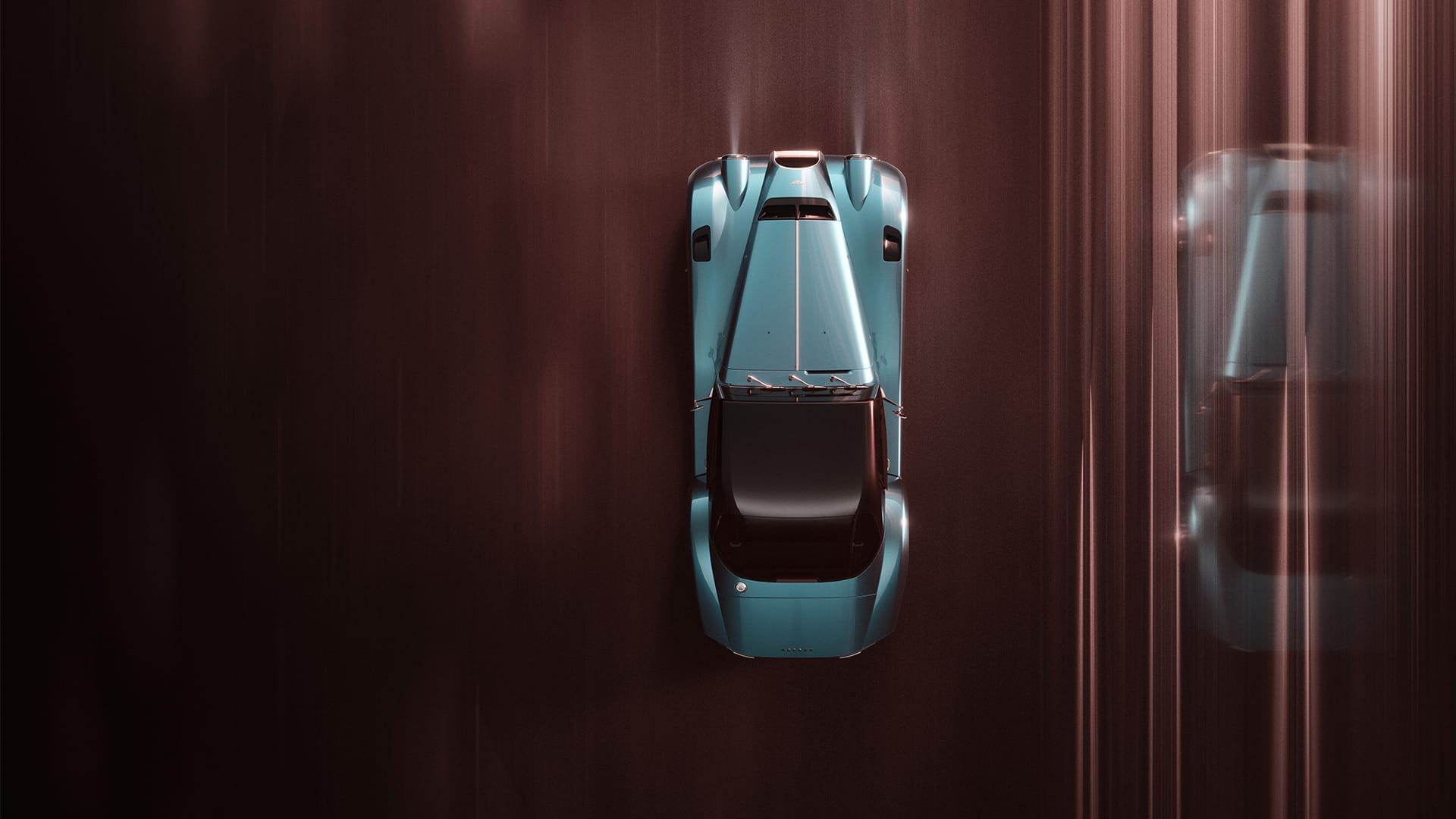
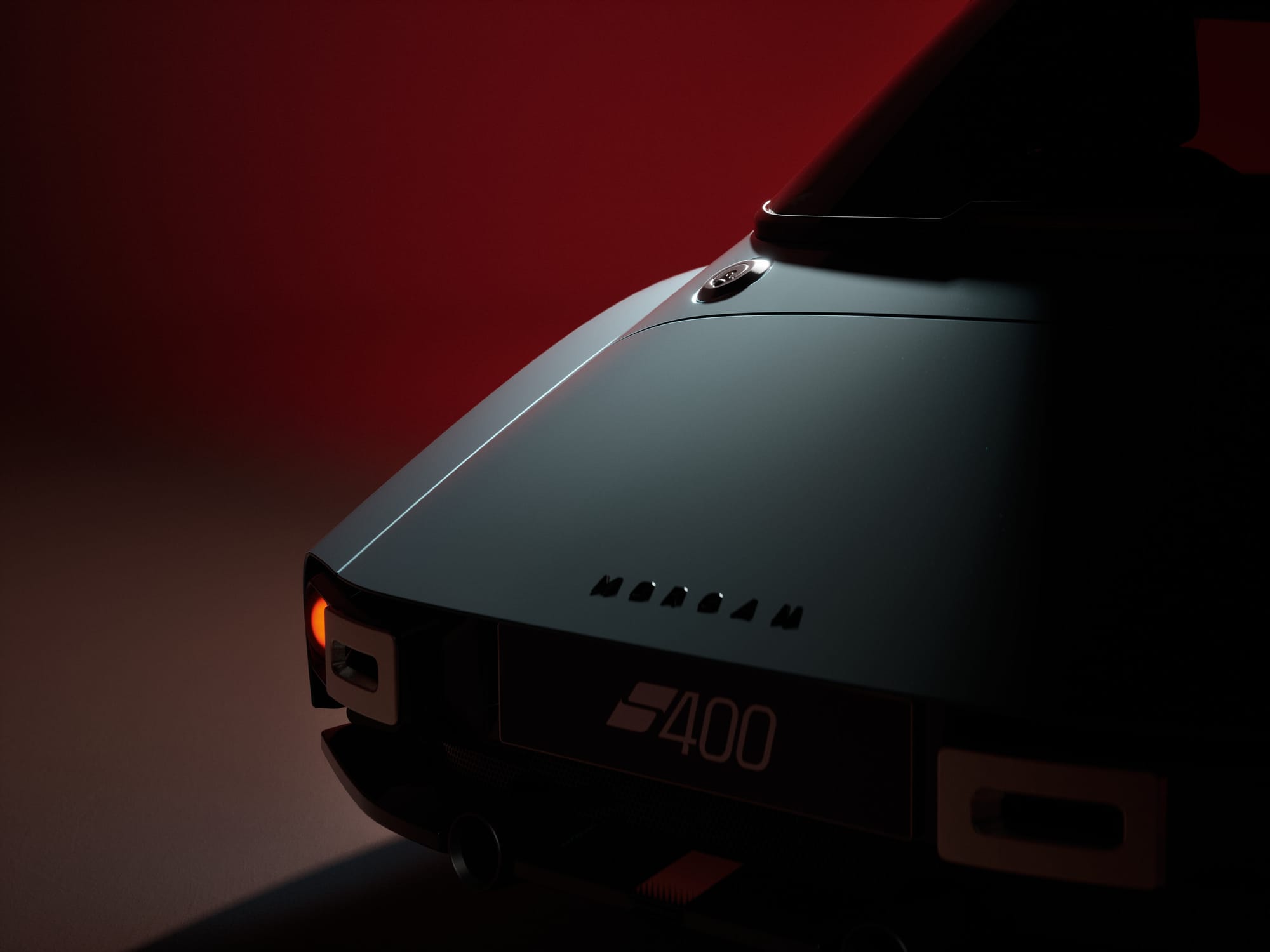
The USP is a 402 bhp Morgan with lightweight construction, coachbuilt personality, and the brand’s most serious production performance yet. The SuperSport 400 keeps Morgan’s visual identity but adds a stronger BMW B58 engine tune, ZF eight-speed automatic, Dynamic Handling Pack as standard, adjustable Nitron dampers, new front wing vents, performance exhaust, and bespoke interior options. It does not compete by looking like everyone else’s performance car. It competes by making heritage feel quick enough to matter now.
Design Language
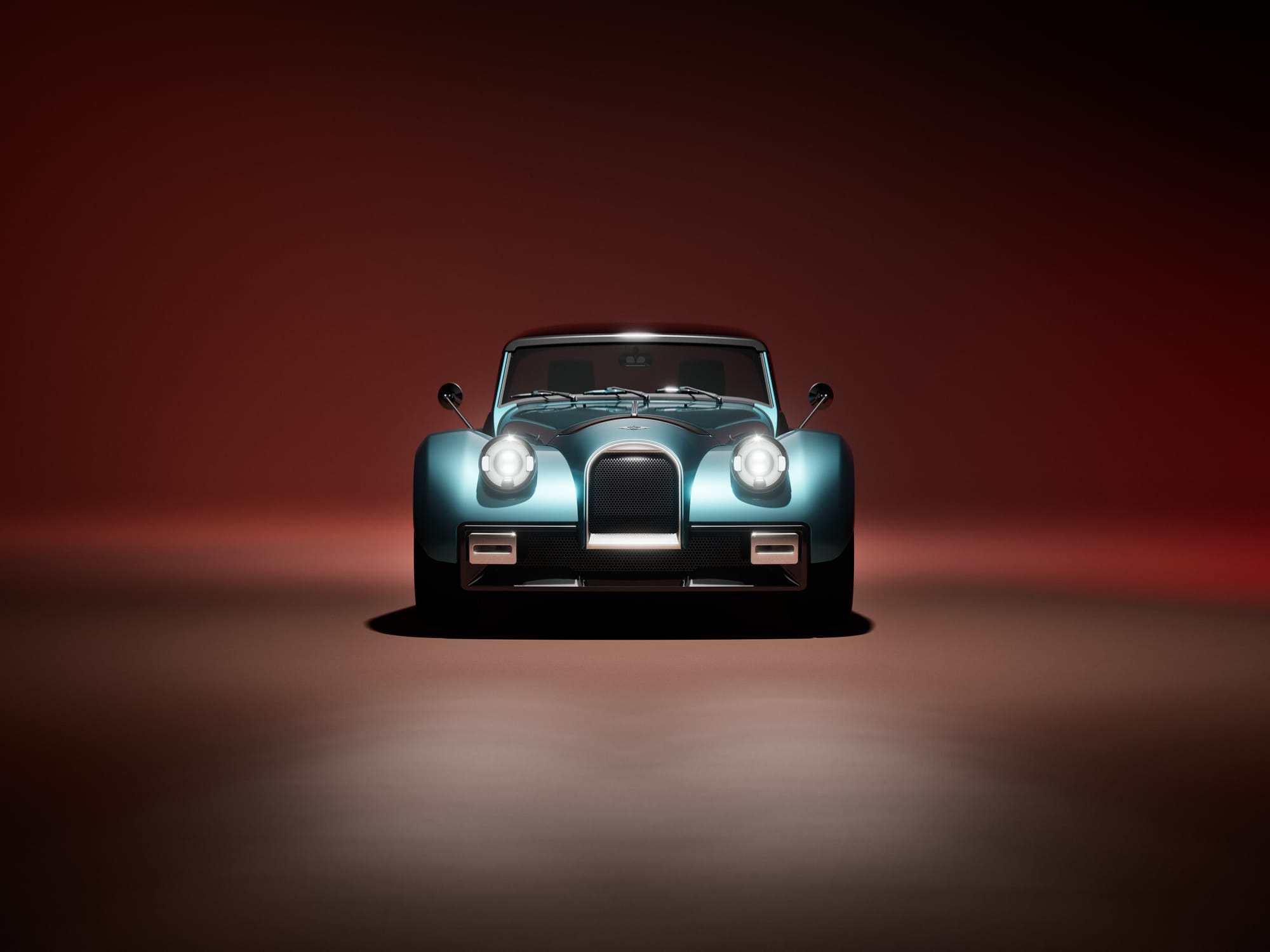
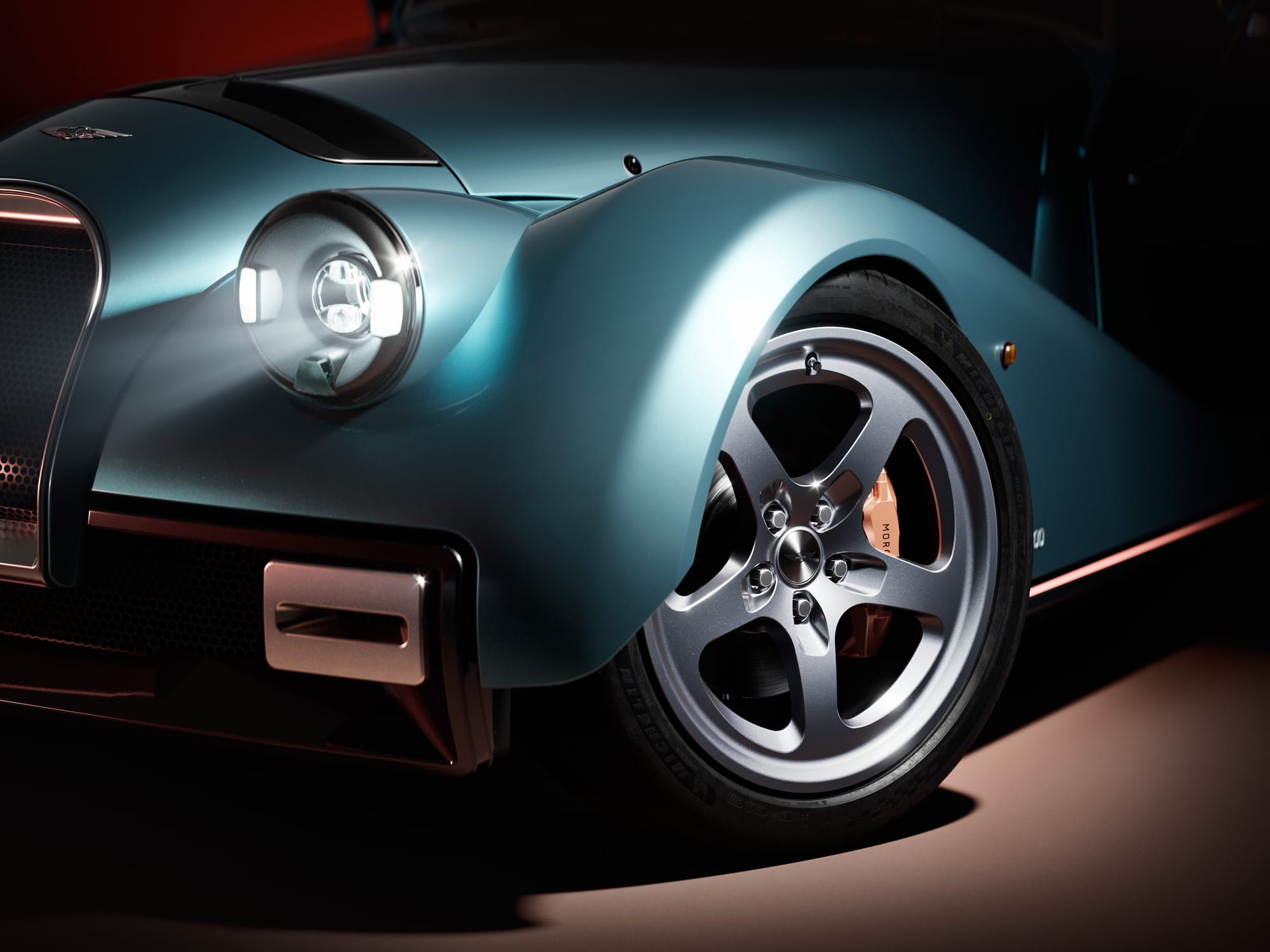
The design language is vintage British roadster with enough modern tension to avoid costume work. The SuperSport 400 keeps Morgan’s long bonnet, rounded fenders, compact cabin, and hand-finished cabin cues, then adds gloss lower trim, front wing vents, 19-inch Sportlite wheels, Alcantara options, bespoke stitching, unique dial artwork, and optional aluminum trim. It looks old enough to be romantic and new enough to be credible. That balance is the whole brand.
Marketing Pitch
The marketing pitch is: Morgan finally gave its old-world roadster romance the power figure modern enthusiasts can’t ignore. The SuperSport 400 sells the fantasy of driving something handmade, rare, beautiful, and unmistakably British, but without asking the buyer to apologize for choosing charm over pace. It gives Morgan a stronger flagship story: not a nostalgic escape from modern performance, but a hand-built alternative with teeth.
Is It A Winning Pitch?
Do you think modern performance cars have become too polished, or is Morgan selling nostalgia with horsepower?
 dan newby