The Klipsch + Ojas Speaker Turns Listening Into a Gallery Room for Sound Curators
Klipsch partnered with Ojas to create the kO-R1, a limited-run loudspeaker that combines Klipsch’s horn-loaded architecture with Ojas’s listening-room culture.
The Setup
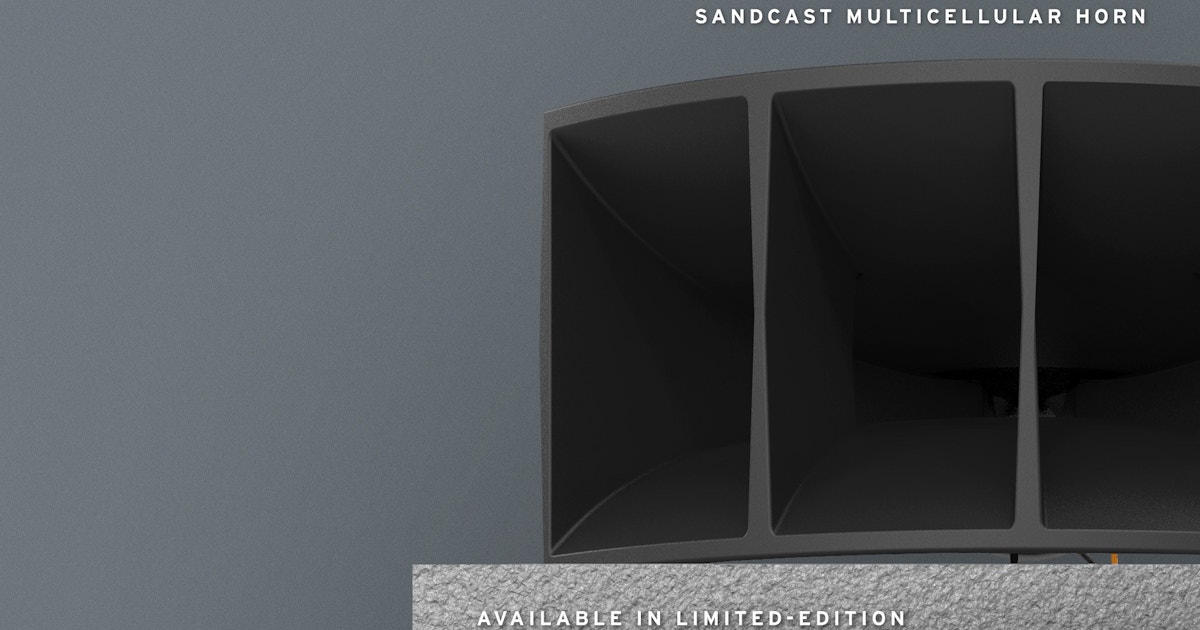
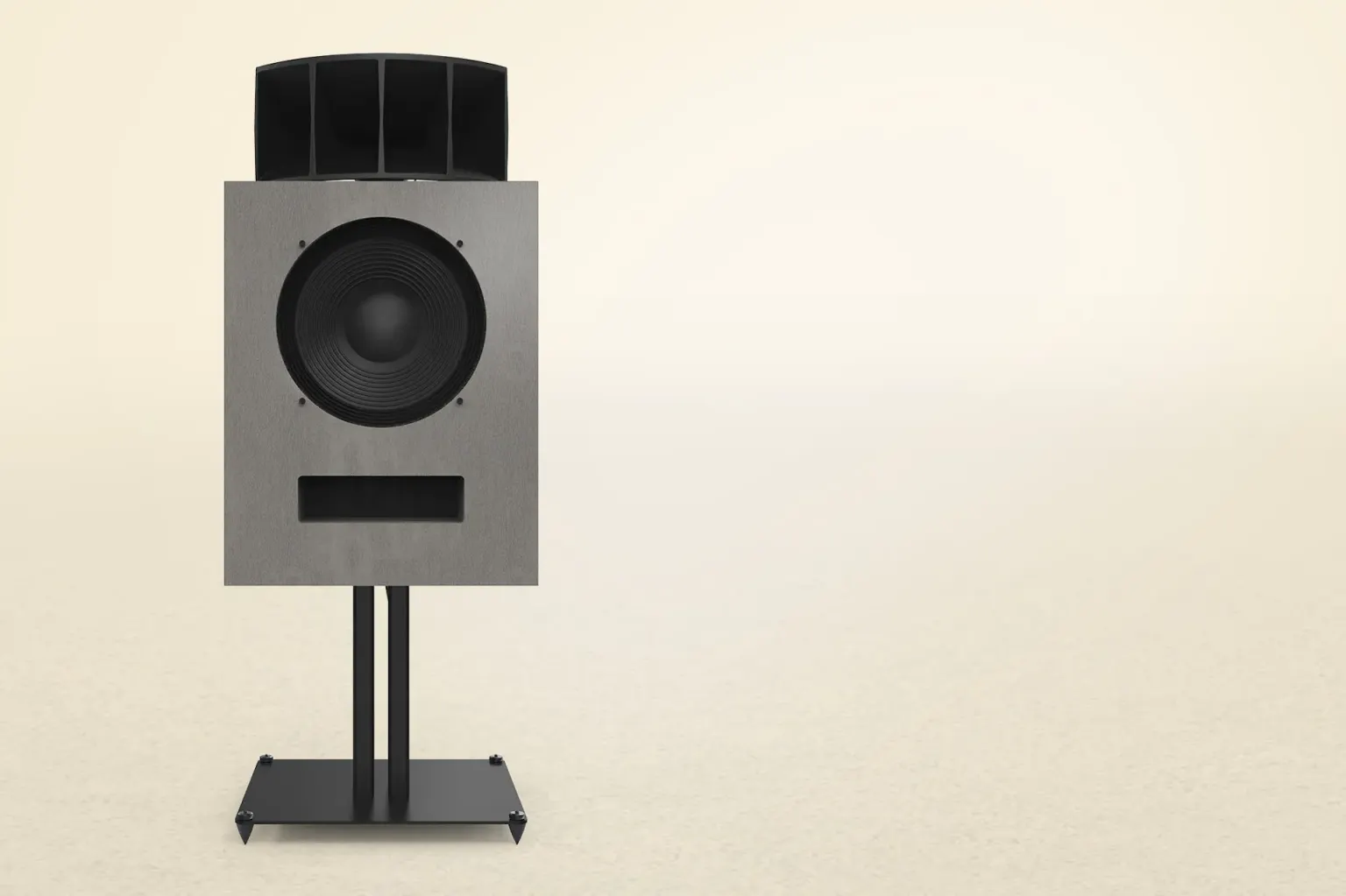
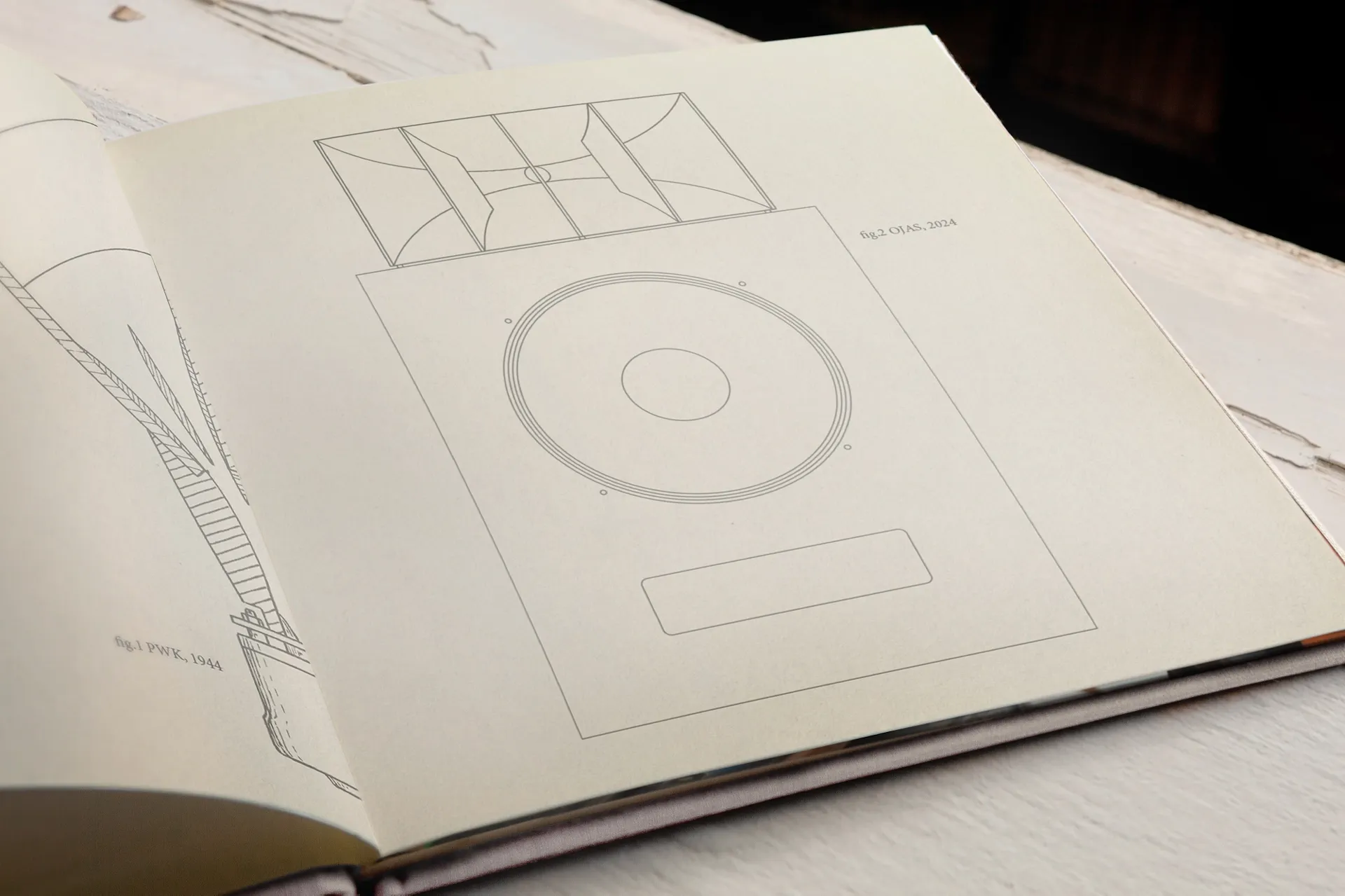
Klipsch partnered with Devon Turnbull’s Ojas to create the kO-R1, a limited-run loudspeaker that leans heavily into both heritage and culture. Built in Hope, Arkansas, it uses classic Klipsch horn-loaded architecture with a 12-inch woofer and exposed multicell horn, wrapped in Baltic birch with furniture-grade finishes. Each pair comes with custom stands and a hardbound book documenting the build. Only a small number exist, and most were spoken for quickly, placing it closer to collectible object than standard hi-fi gear.
Klipsch + Ojas
What makes it interesting is how it reframes audio as something you live with, not something you hide. Klipsch brings decades of engineering credibility, while Ojas brings listening-room culture that has shown up in hotels, galleries, and downtown record spaces. Together, they create a product that signals taste before it plays a note. The form, materials, and scarcity pull it into the same conversation as furniture and art, while the technical detail keeps serious listeners engaged. It lands in a space where sound quality and cultural context carry equal weight.
The Breakdown
Klipsch + Ojas kO-R1
An Infotechnics™️ analysis of how a product rates across the eight areas of performance.
To explore in more detail, pinch out to zoom in
Klipsch + Ojas turns hi-fi into something the room is built around.
The strength shows up where object and culture meet. Positioning, design, and differentiation land because the speaker reads as both serious audio gear and a considered piece of furniture. Community builds from that same idea. This is listening as a shared habit, not a solo setup. The limits are clear in audience and experience. It asks for intention and rewards a smaller group, but that focus is what keeps it from feeling generic.
Brand Positioning and Identity
Klipsch is positioning the kO-R1 as heritage hi-fi filtered through downtown design culture. The product ties Paul W. Klipsch’s 1946 horn technology to Devon Turnbull’s Ojas practice, then packages it as a limited-edition object rather than a standard speaker release. The brand identity is equal parts Arkansas workshop, listening-room ritual, and collectible design piece. At $8,498 per pair, with only 100 pairs noted in outside coverage, Klipsch is using Ojas to move its heritage into a more culture-literate lane without abandoning the engineering story. 
Target Segment and Audience
The audience is the design-aware audiophile who treats sound equipment as part of a room, a record habit, and a personal mythology. This buyer likely knows Klipsch Heresy, understands horn-loaded sound, follows Ojas or Devon Turnbull, and sees limited production as part of the appeal. The GQ piece places the product around Nine Orchard, Supreme, Public Records, SFMOMA, and music-culture insiders, which tells you the audience is not only old-school hi-fi. It is collectors, creatives, DJs, design people, and wealthy music obsessives who want gear with a story attached. 
Messaging and Storytelling
The messaging uses three stories at once: Klipsch’s nearly century-long engineering history, Ojas’s artist-led listening culture, and scarcity. Klipsch calls out Paul W. Klipsch, horn technology, Hope, Arkansas handcraft, and a hardbound book documenting the product’s creation. GQ adds the softer cultural myth: Turnbull as a former fashion figure and sound obsessive whose systems live in hotels, museums, shops, and listening rooms. The story works because it lets buyers feel like they are buying a speaker with technical credibility and cultural permission.
Experience and Journey
The journey is designed to move from object desire to listening ritual. The product page starts with the collaboration, then moves into limited-edition urgency, handcraft, material detail, stands, and the book. That order matters. First, the buyer sees the speaker as rare. Then they see why it costs what it costs. Then they imagine it in a room. GQ extends that journey by framing Ojas systems as experiences where listeners bring records, take off shoes, and hear familiar music differently. Klipsch is not only selling a pair of loudspeakers. It is selling a better room for your records to live in.
Klipsch + Ojas
Community and Culture Insight
The kO-R1 sits at the meeting point of audiophile culture, downtown New York taste, furniture-grade design, and vinyl listening culture. Ojas brings credibility from Public Records, Supreme, Nine Orchard, SFMOMA, and artist-led listening rooms. Klipsch brings legacy and hand-built American hi-fi. That combination lets the product speak to two groups that do not always overlap: the spec reader and the culture reader. The community insight is sharp: high-end audio is being reintroduced as social furniture, not lonely gear for forum debates.
Differentiation and Unique Selling Point
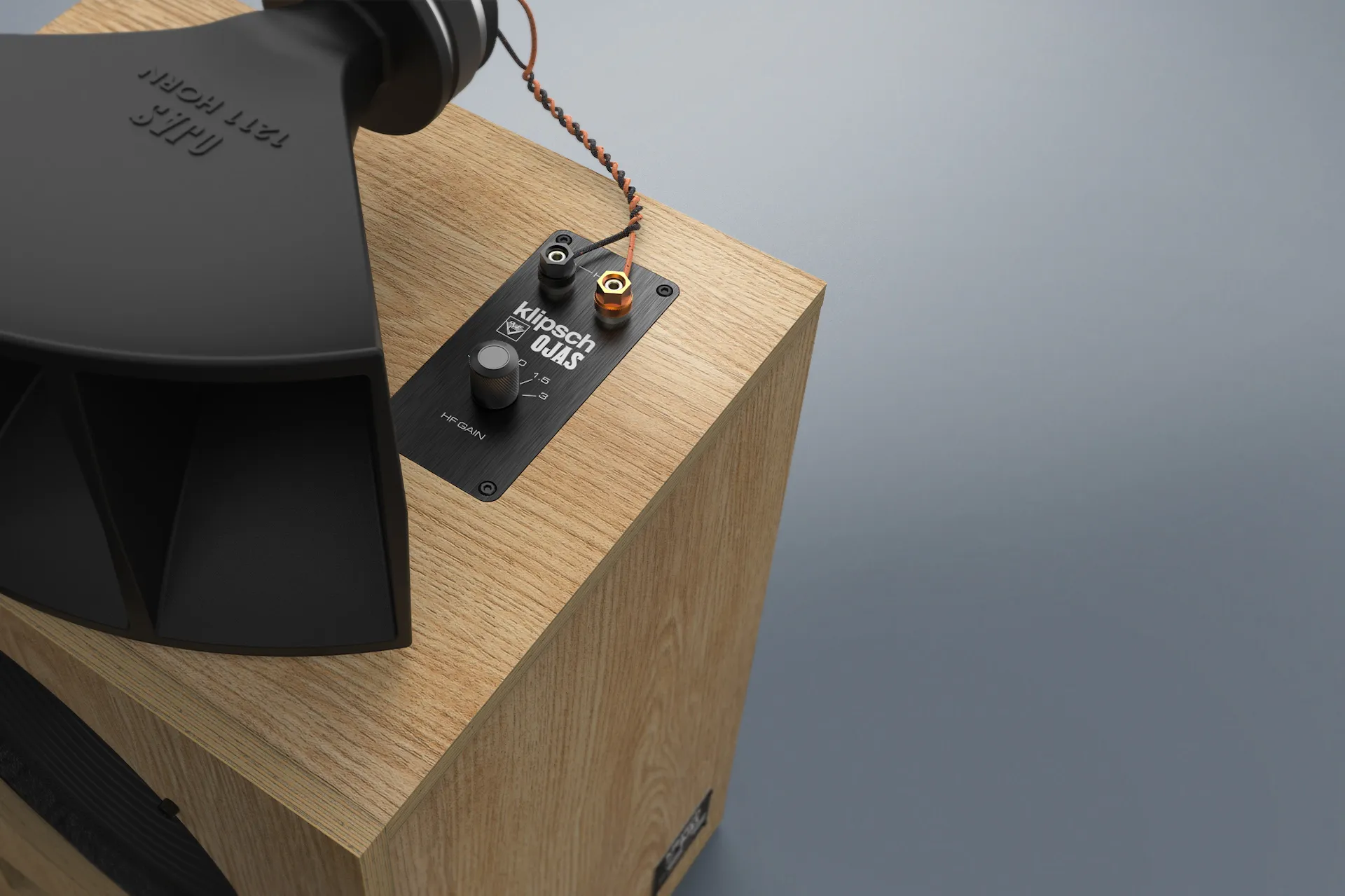
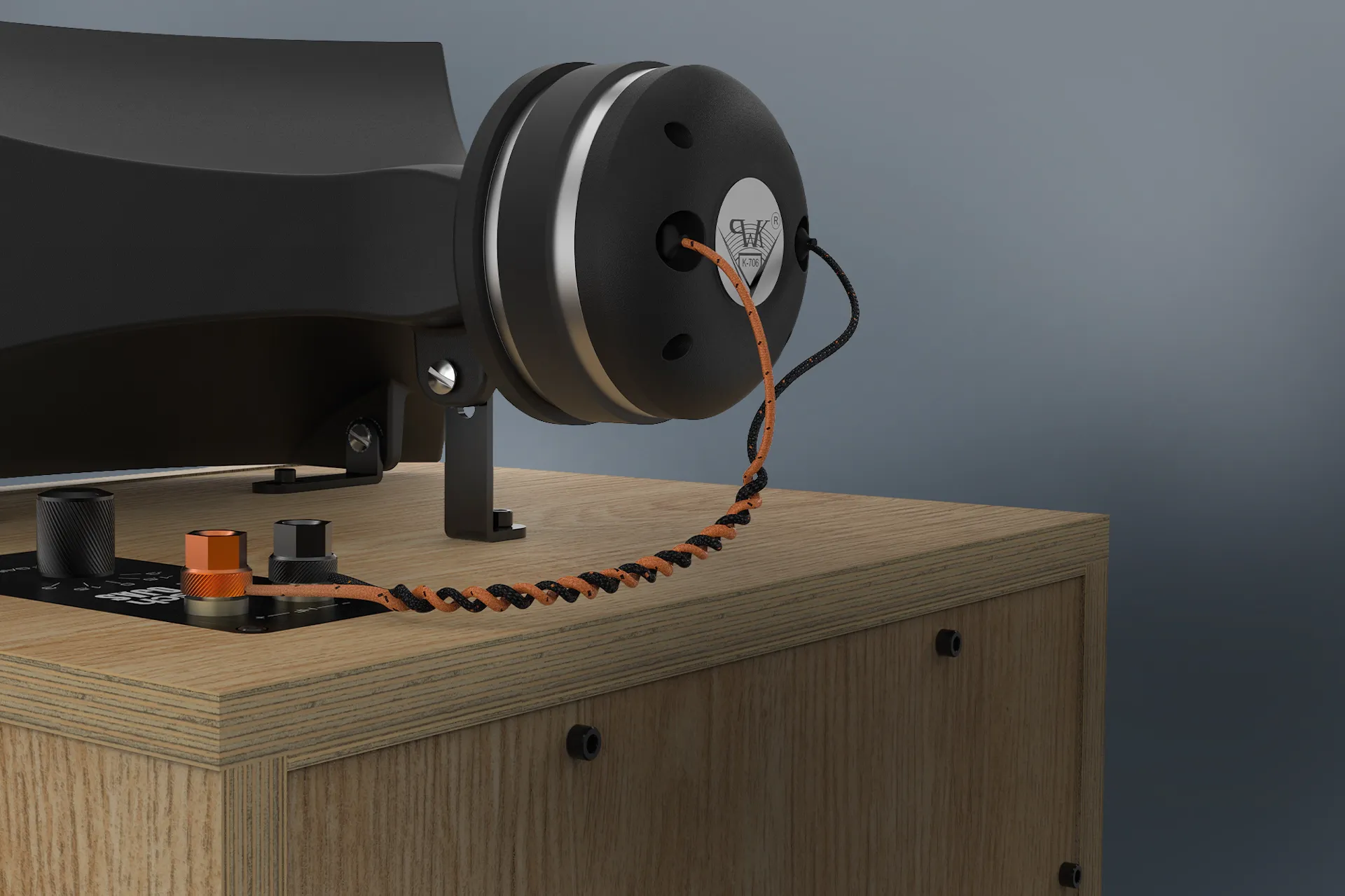
The USP is a limited Klipsch and Ojas two-way multicell loudspeaker with exposed sandcast aluminum horn, Baltic birch plywood construction, 12-inch woofer, K-706 high-frequency driver, five-step high-frequency gain attenuator, included stands, and a hardbound creation book. The product is differentiated through proof, not gimmick. It has the Klipsch horn lineage, Turnbull’s design authorship, American handcraft, collectible scarcity, and enough technical specificity to satisfy serious listeners. The sold-out status on Klipsch and Common Wave also turns scarcity from copy into market behavior. 
Design Language
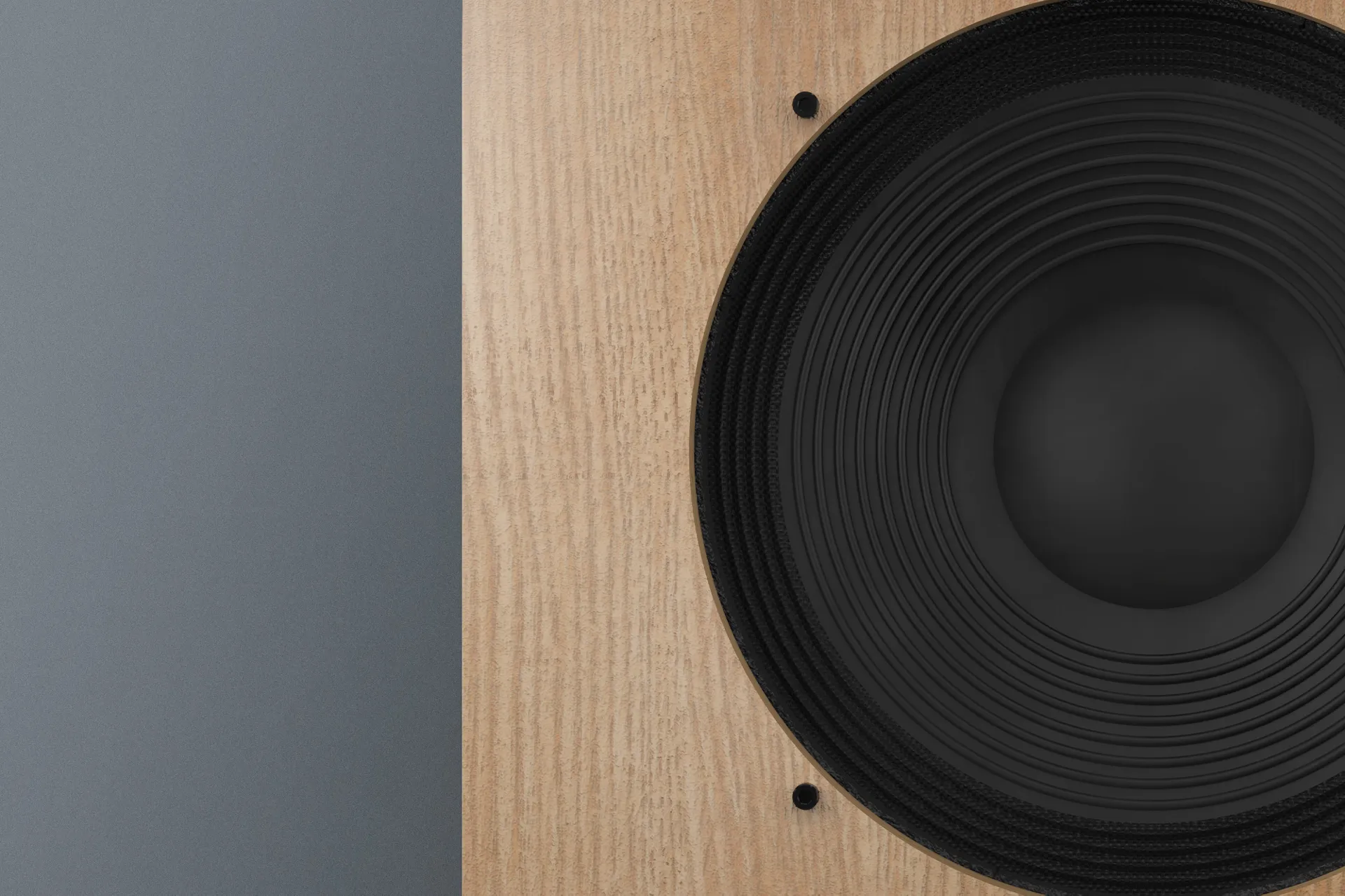
The design language is brutally simple, but not plain. The exposed multicell horn becomes the face of the product. Baltic birch, red oak veneer or pewter gray, matte black horn, visible construction, metal ID plate, and purpose-built stands all make the speaker feel closer to studio equipment, modern furniture, and collectible object design than typical home audio. The package also includes a hardbound book, which turns the ownership experience into something archival. The design tells buyers that the product belongs in a room where the gear can stay visible. 
Marketing Pitch
The marketing pitch is: bring museum-grade listening culture into the home through a speaker with Klipsch heritage and Ojas taste. The kO-R1 gives Klipsch a cultural halo without pretending to be a fashion brand, and it gives Ojas the manufacturing credibility of a legacy audio company. For the buyer, the appeal is clean: rare object, serious sound, visible craft, good story. It is hi-fi for people who want their speakers to say something before the record even starts. 
Is It A Winning Pitch?
Would you rather build a system like this around your room, or keep your audio setup out of sight?