
The Beauty of Nonlinear Creativity
Creativity doesn’t move in a straight line. Break the sequence, explore the gaps, and shape something better from the pieces you didn’t plan.

Memory & Order
From the beginning, we were all taught how to count and recite the alphabet. Numbers move in a straight line. We either count up or count down. The alphabet follows a set path from A to Z, with 24 letters in between that we are expected to move through in order.
The obvious goal was rote memory. The underlying goal was order. That sense of order sticks with us. It stays even as we rearrange letters into words and words into sentences. It stays as we learn how numbers combine, or don’t.
Linear thinking can stifle creativity. It pushes beyond constraint into something more rigid. It puts us in a box, then into a rut, and eventually into a creative block.
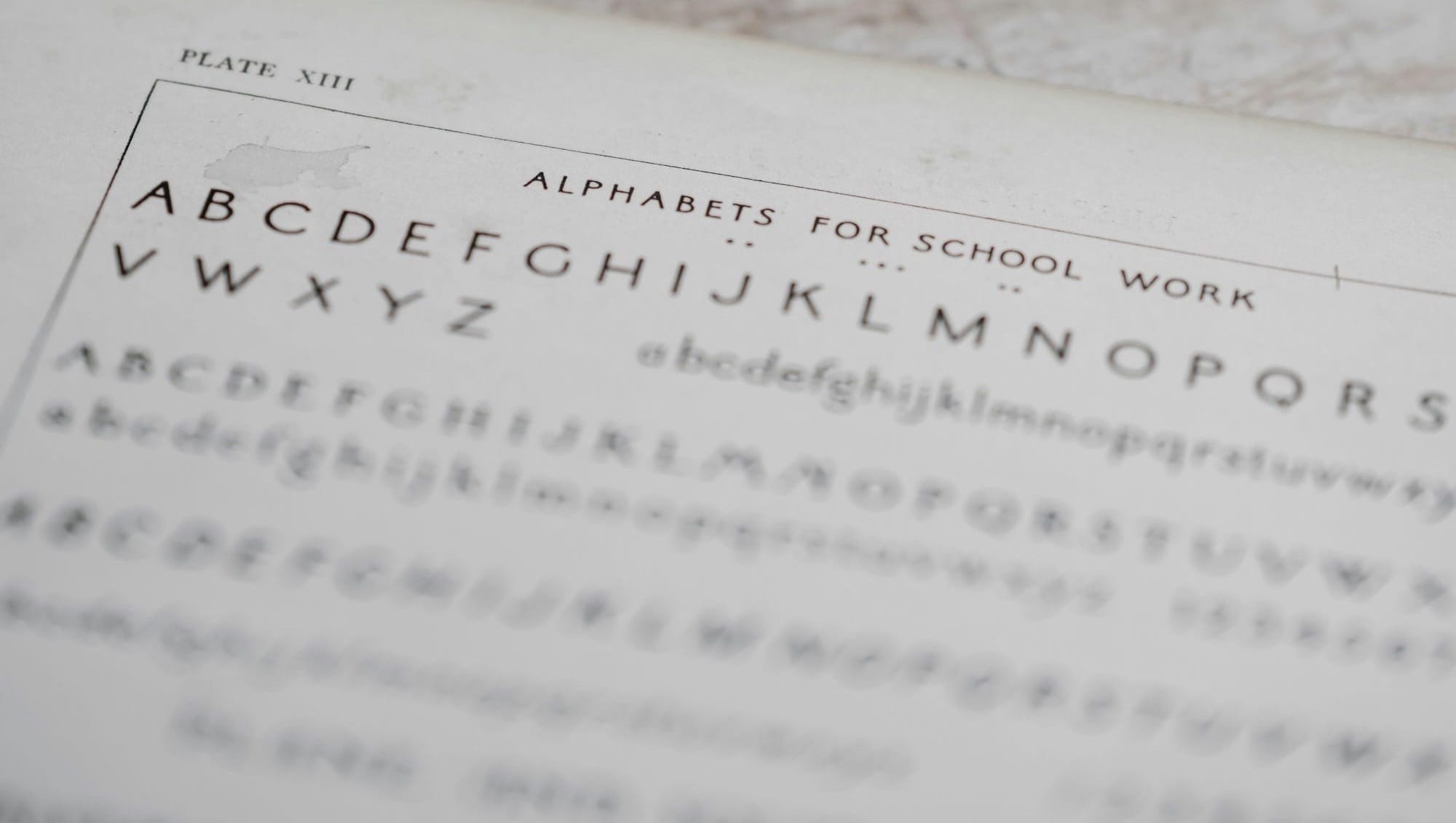
When we believe everything needs to follow a precise order or checklist, the result is often a roadblock. It isn’t meant to work that way. At least not with creativity.
Creativity is about exploring pathways toward the work. Moving in a straight line usually gives you one path, one option. That’s rarely enough.
Nonlinear creativity opens things up. It removes the pressure of where to begin. You can jump around, circle back, and approach the work from different angles. It isn’t a meandering walk with no direction. It’s a commitment to the idea that sometimes the best way to find order is to start completely out of order.
The Way They Do it in Film
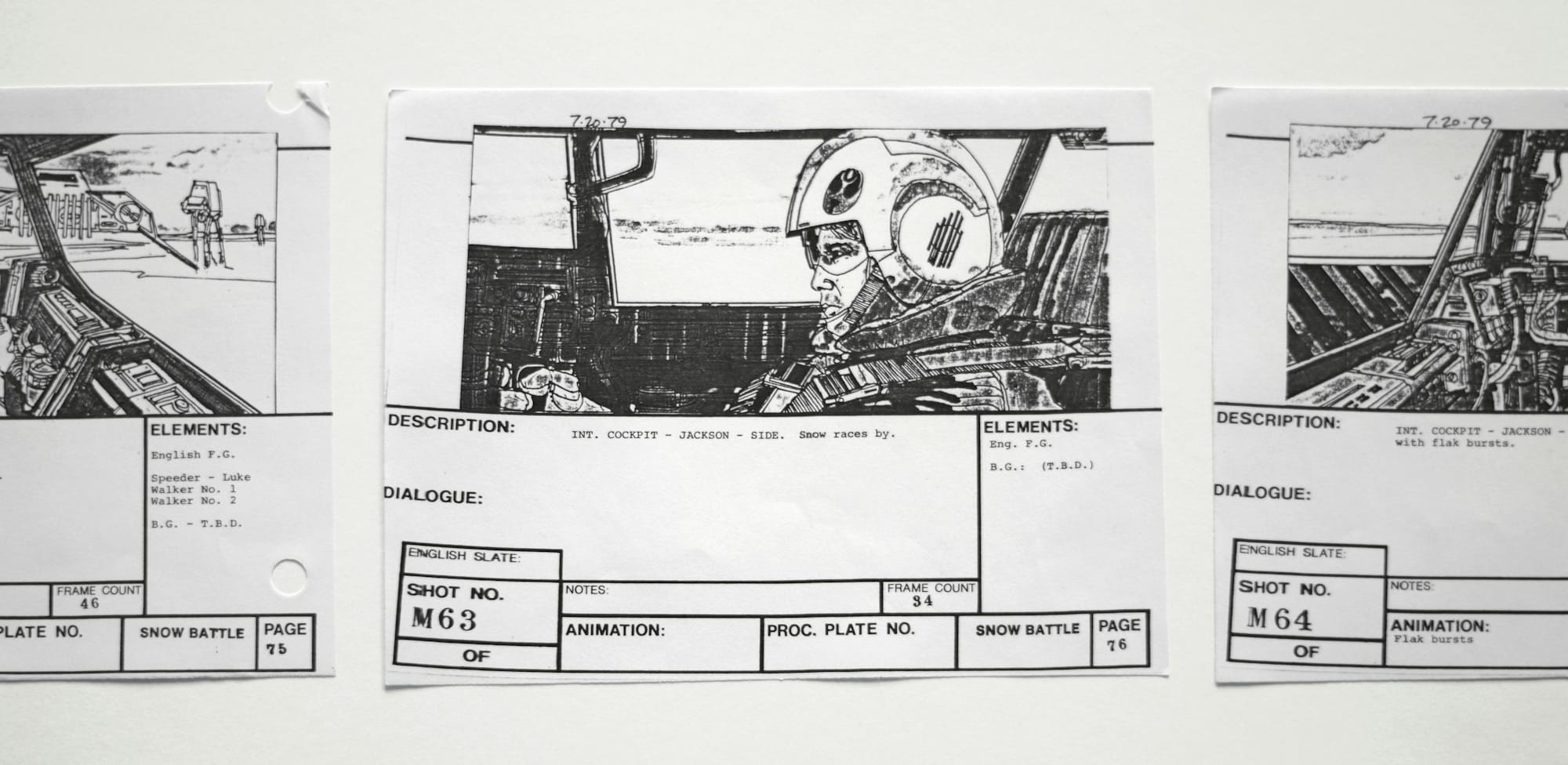
I’ve always admired people who work in film and video production. Directors, cinematographers, editors. You get the idea.
A director might keep a take rolling on one actor without calling cut. The actor runs the scene over and over, trying different approaches. Later, the director reviews it and may have 50 variations of a performance from a three minute scene. They choose the strongest one and lock it in.
A script might move across several locations. Instead of shooting in sequence and traveling back and forth, production groups scenes by location. An opening scene and a closing scene might be filmed on the same day. The same logic applies to actors. If a character appears in a handful of scenes, it makes more sense to capture all of their parts in one block rather than bringing them back each time their moment appears in order.
These are simple examples, but they show how working out of sequence saves time and money. Following a strict order can feel logical, yet in many cases it creates unnecessary friction.
Better economics and more efficient creative sessions are a secondary benefit of nonlinear thinking.
A cinematographer, beyond capturing the A-roll, will go out and hunt for B-roll to enrich the visual story. They follow what catches their eye. They film details, textures, and moments that were never part of the original plan.
They might shoot the same subject from different angles and vantage points, exploring how it changes through the frame. What they gather isn’t always linear or planned. It’s collected, then shaped later into something cohesive.
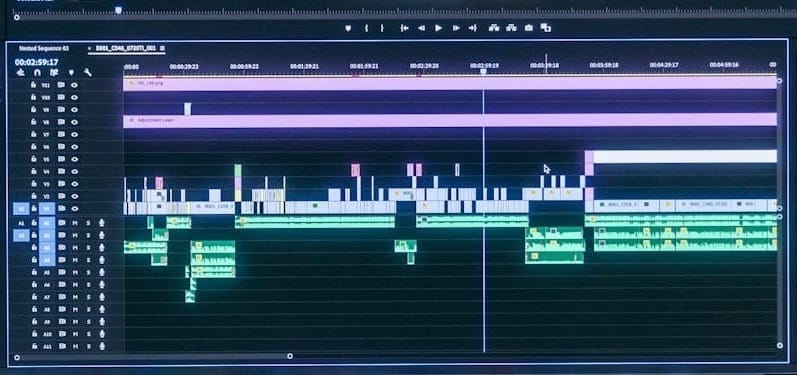
A video editor is the most practical expression of this, and the example carries into other forms of creative work.
An editor takes all the footage from a shoot, whether it’s a news segment, documentary, or film, and brings structure to it. They sort, organize, and arrange pieces that were captured out of order.
They’re working with fragments, shaping them into something cohesive and engaging. In the end, they turn disorder into sequence. That’s the craft.
A Variation of Takes
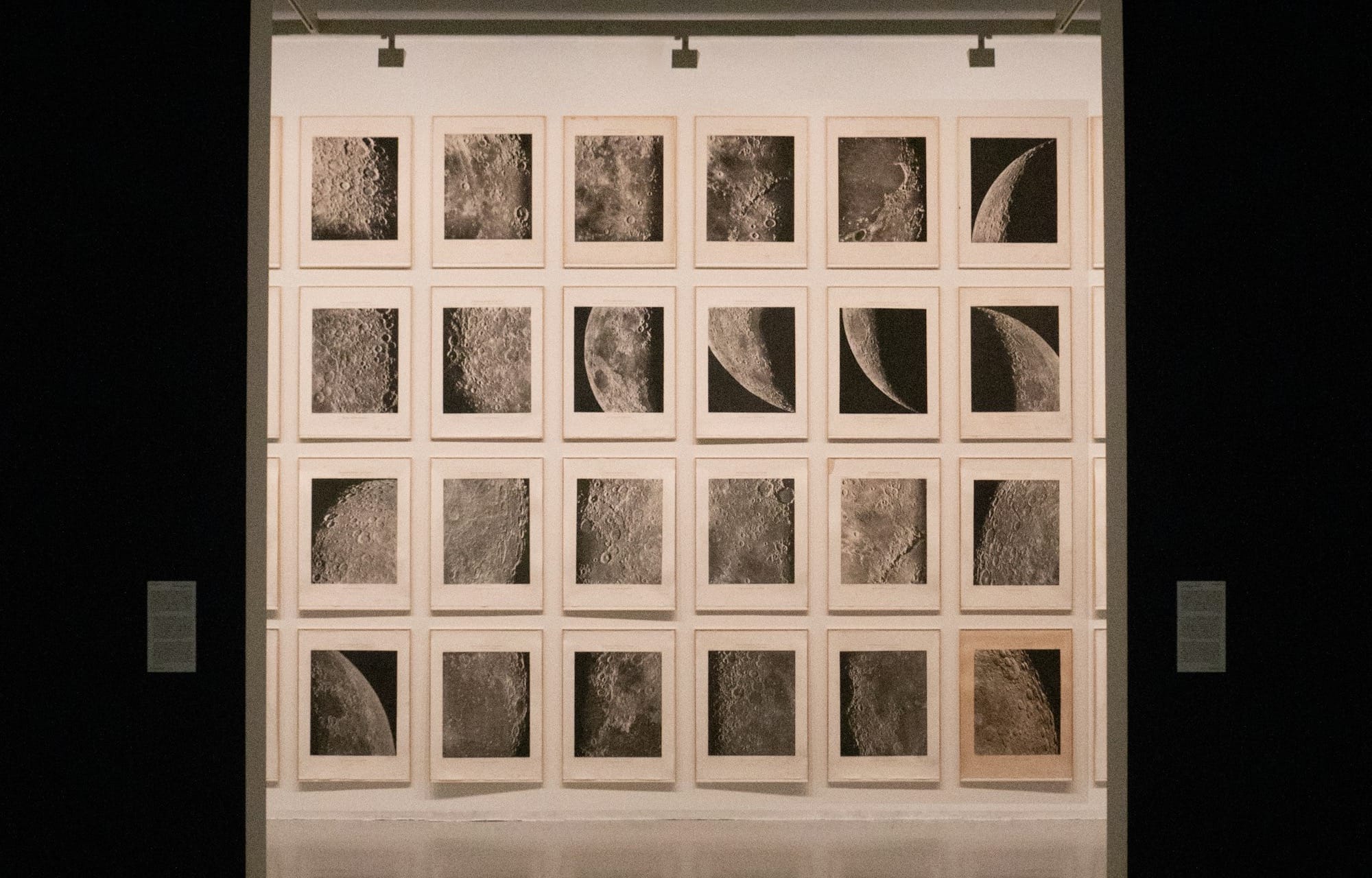
Having variation in takes, scenes, and editing choices expands what’s possible. It allows us to connect ideas in ways we might not see at first. If you know where “C” is and you know where “F” is, figuring out what becomes “D” and “E” turns into a more interesting problem.
A Love Supreme by John Coltrane is made up of four live-recorded pieces. Yet there are multiple variations of those takes. You can find the complete masters and hear how each performance is slightly different.
Jazz is Nonlinear and Agile
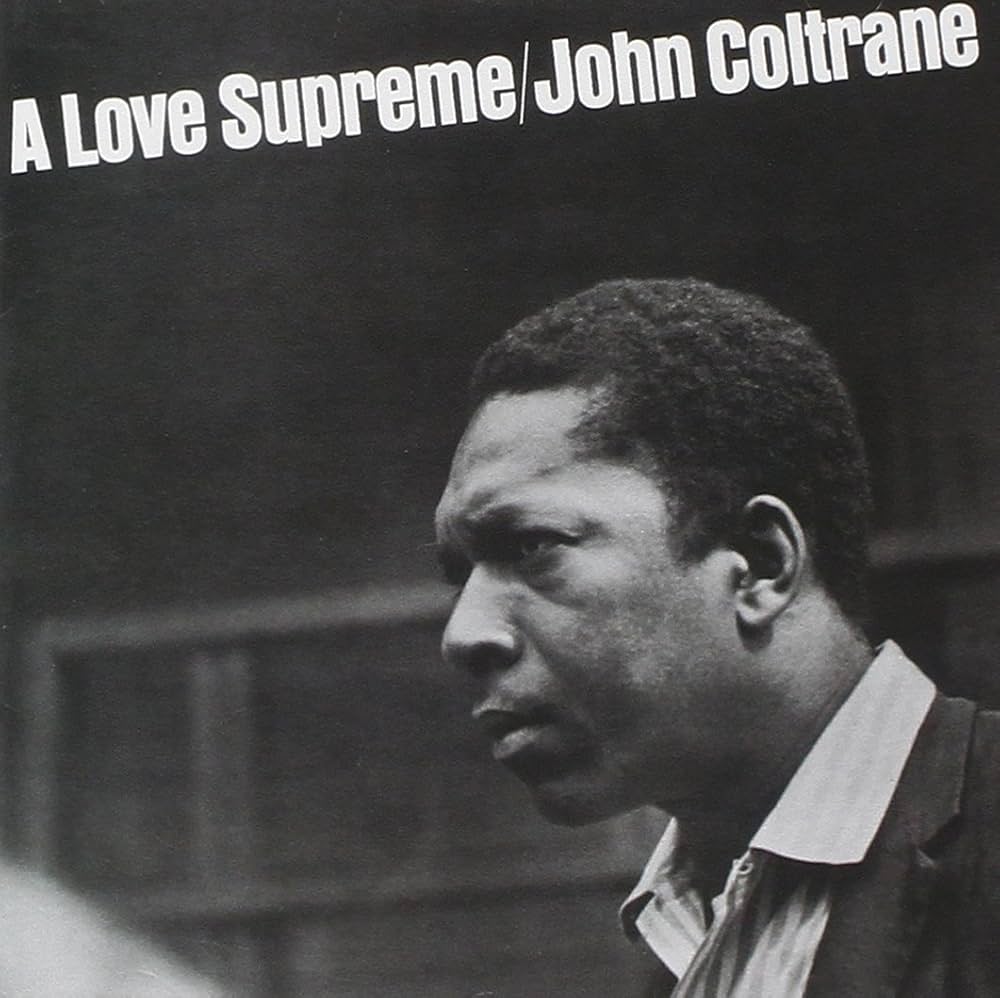
Aside from a chord chart, which acts as a loose roadmap, jazz is inherently nonlinear. It’s built on improvisation between musicians who stay in time while exploring freely.
No one calls it Agile, but the comparison fits. It mirrors the role of a project manager balancing timelines with orchestration. Jazz lives in that tension. Time and orchestration, working together in real time.
In the mid twentieth century, it reflected the pace of American life. You can look at it now and see something similar in how we manage work. We take nonlinear solos, licks, and fills, and shape them into order and flow.
Out of Order, On Purpose
Obviously, I’m a big fan of nonlinear creativity. This paragraph actually started at the opening of the article and found its way here. That’s the beauty of working this way. It breaks the rules we were taught and opens possibilities we might not have considered.
In the right hands, it offers both freedom and control. It sharpens creative problem solving, encourages experimentation, and improves flow through improvisation. The end result is simple. It increases the chances of making something original.

