Love Hultén Builds Technology People Thought the Future Would Have
Love Hultén, a Swedish designer, creates handcrafted electronic devices that blend retro-futurist aesthetics with modern technology. Hultén’s designs stand out for their unique combination of craftsmanship, functionality, and a nostalgic yet futuristic visual language.
The Setup
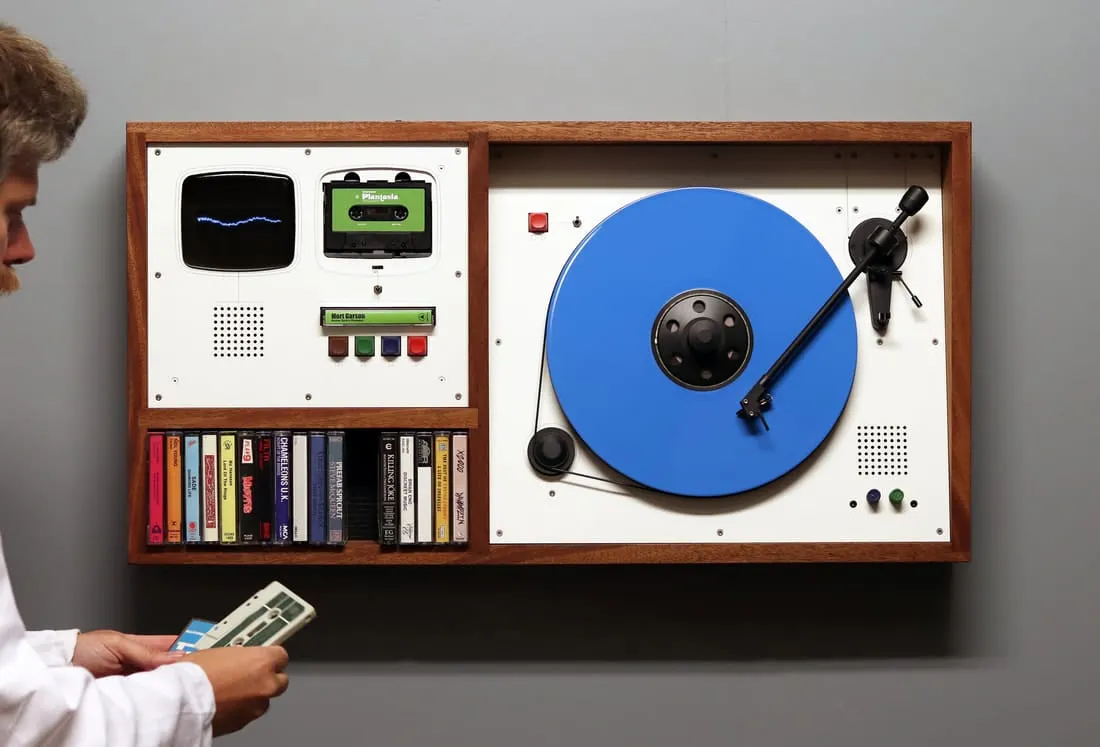
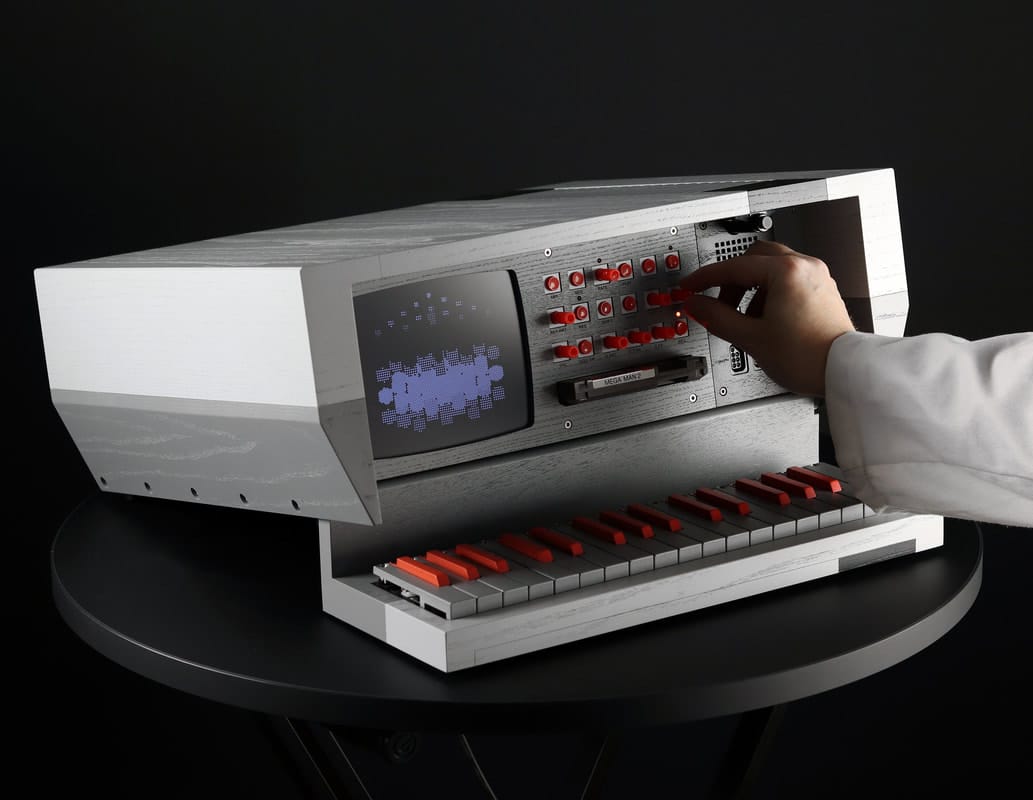
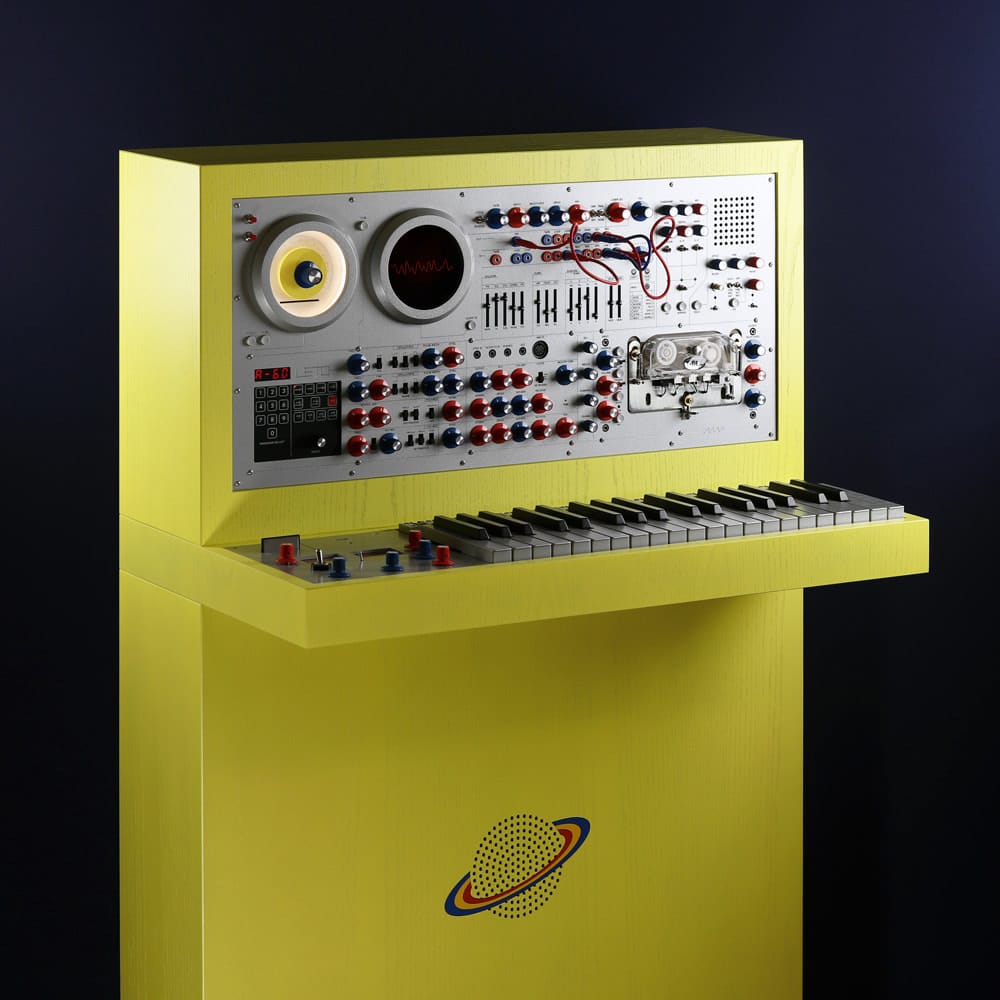
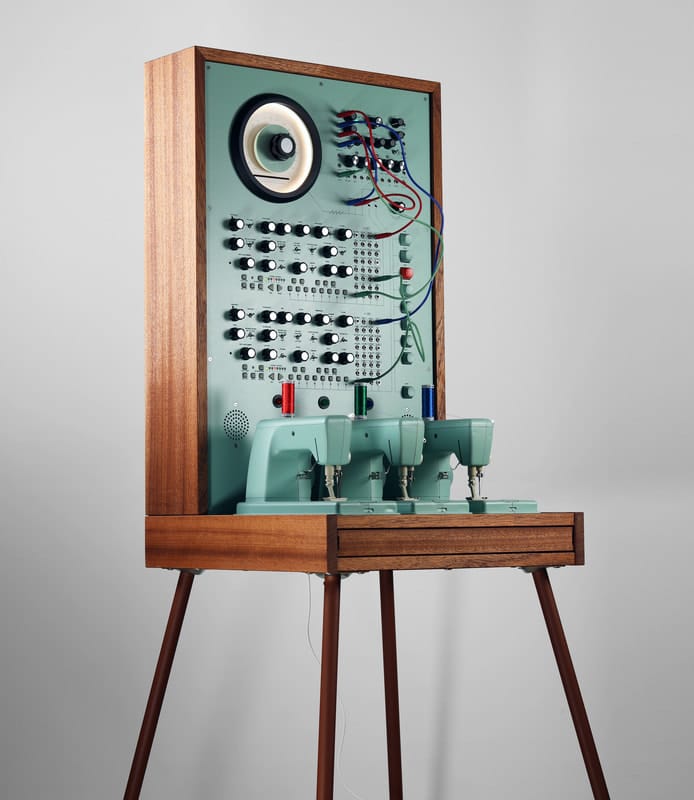
Love Hultén’s studio sits in a strange and fascinating corner of design culture. The Swedish maker builds handcrafted synths, arcade cabinets, cassette players, ferrofluid visualizers, and custom electronic furniture that look pulled from an alternate version of the future. Warm wood, brass details, analog knobs, geometric cases, and retro-futurist proportions turn familiar technology into objects that feel half instrument and half prop from a lost science-fiction film.


Love Hultén
What makes the brand interesting is how directly it responds to the emotional fatigue of modern technology. Most consumer electronics now arrive as smooth black rectangles tied to subscriptions and cloud ecosystems. Hultén’s work pulls in the opposite direction by making interaction physical, slow, and memorable again. The machines ask to be touched, displayed, and explored. That shift matters because people increasingly want technology with personality, not only efficiency. In a world built around frictionless software, Hultén turned tactile friction into luxury.
The Breakdown
Love Hultén
An Infotechnics™ analysis of how a product rates across eight areas of performance.
To explore in more detail, pinch out to zoom in
Love Hultén succeeds because the objects feel mythological, not manufactured.
The strongest scores land in differentiation and design language because almost nobody else combines retrofuturism, electronics, furniture craft, and playable utility this coherently. Messaging also scores unusually high because the brand language matches the work instead of sounding overmanaged. The softer areas are audience and community. Hultén’s world is deeply appealing, but it remains niche by design and difficult to scale beyond collectors, musicians, and design-heavy internet culture.
Brand Positioning and Identity
Love Hultén positions the studio as a one-person world of handcrafted electronic objects: part instrument maker, part furniture designer, part retro-futurist toy inventor. The brand lives between woodwork, synth culture, arcade nostalgia, and gallery-grade product design. Hultén’s own site presents the work as a portfolio of strange functional machines, while outside coverage consistently describes him as a Swedish audiovisual artist and woodworker who merges traditional craft with modern electronics. The identity is not mass hardware. It is custom alientech from Sweden, built by hand and meant to feel alive.
Target Segment and Audience
The audience is musicians, synth collectors, design obsessives, retro-gaming people, art buyers, and culturally fluent tech collectors who want machines with personality. Pitchfork notes that Hultén takes custom orders for high-profile clients, including musicians, while his arcade work speaks to people who grew up with cabinets, cartridges, and physical controls. The buyer wants utility, but the deeper attraction is ownership of an object that feels like a private artifact from a stranger timeline.
Messaging and Storytelling
The story is built around machines that should not exist, but somehow do. Hultén’s work often begins with familiar categories: arcade cabinets, tape decks, synths, game consoles, audio cabinets. Then he makes them feel rescued from a dream version of the past. His Instagram bio says “I make stuff. Custom alientech, craftporn and noise from Sweden,” which is a nearly perfect brand line because it refuses polish while saying exactly what the work is. The storytelling works because every object is instantly explainable and still impossible to ignore.
Experience and Journey
The customer journey starts with visual disbelief, then moves into tactility. You see a wooden arcade cabinet, a synth built into a strange case, a music cabinet that plays vinyl vertically, or a ferrofluid visualizer responding to sound, and the first response is curiosity. Then the work rewards closer inspection: wood, brass, knobs, switches, screens, speakers, circuits, and playful mechanical details. Hultén’s objects make interaction feel important again in a category increasingly dominated by screens and software.
Love Hultén
Community and Culture Insight
Love Hultén sits inside several overlapping cultures: synth nerds, retro gamers, design collectors, cassette futurists, maker culture, and online object worship. His work travels well because the objects are visual enough for design sites, functional enough for musicians, and nostalgic enough for gaming culture. That makes the brand internet-native without feeling algorithm-made. The community insight is sharp: people miss physical machines with character, especially when so much technology now looks like a slab of glass and a subscription plan.
Differentiation and Unique Selling Point
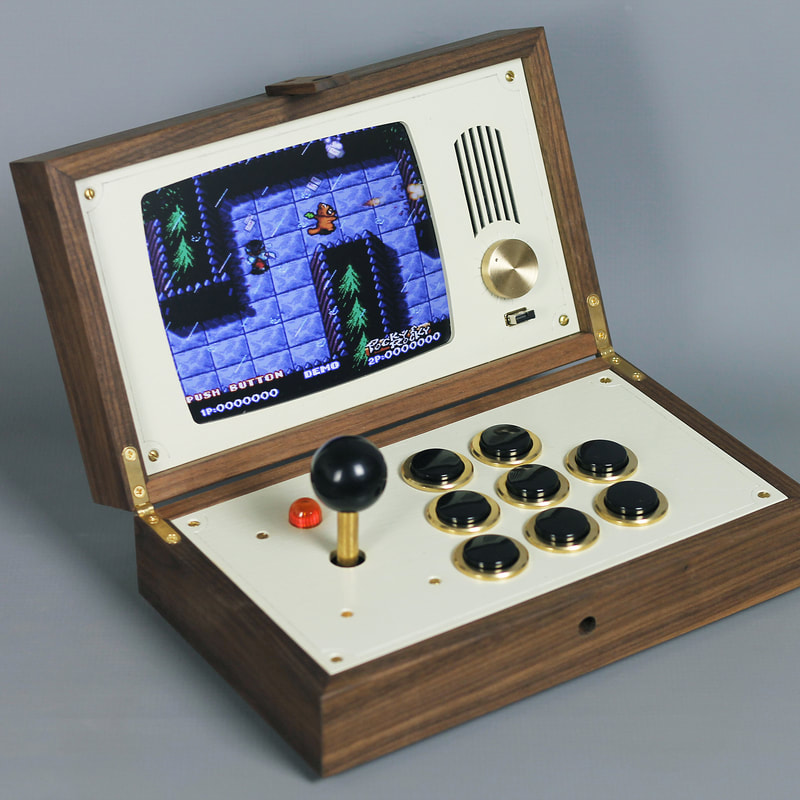
The USP is functional electronics made as one-off or limited handcrafted objects with a strong visual world. Hultén does not simply put synths in wood boxes. He rewrites the emotional role of the device, turning tools into characters, furniture, instruments, toys, and sculptures at once. OriginX stores over 10,000 emulated games inside a wall-mounted wooden arcade cabinet. Pixelkabinett 42 turns a two-player cabinet into customizable furniture. His synth work blends MIDI, analog controls, custom enclosures, and visual effects. The differentiation is craft plus weirdness plus use.
Design Language
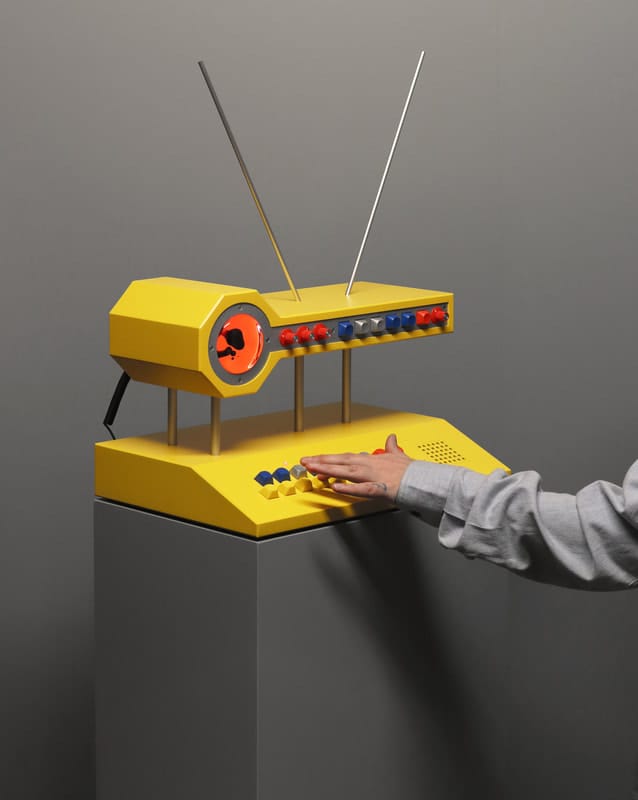
The design language is mid-century science fiction with workshop fingerprints. Warm wood, brass, compact cabinets, arcade proportions, analog controls, geometric cases, odd symmetry, and playful mechanical flourishes make the work feel both old and impossible. Hultén pulls from 1950s and 1960s retrofuturism, arcade memory, synth hardware, and furniture design, then keeps enough hand-built imperfection to avoid sterile luxury. The objects look like props from a better-designed future that already happened.
Marketing Pitch
The marketing pitch is: make machines feel enchanted again. Love Hultén sells functional objects that restore personality, ritual, and physical presence to electronic tools. The work resonates because it does not treat nostalgia as cosplay. It uses old forms to make current technology feel less disposable and more beloved. In a world of frictionless devices, Hultén’s brand makes friction desirable: knobs, wood grain, switches, weight, and the small thrill of touching something that feels invented by one very specific mind.
Is It A Winning Pitch?
Do you think modern technology lost too much personality in the race toward minimalism?