It Says More than Your Swing and Will be the Loudest Thing in the Tee Box
Radmor’s collection copy calls out Lichtenstein, Warhol, lost balls, made putts, and three-putt pain. It identifies with the Golfer who isn't afraid of personality or having gear that speaks their language.
The Setup
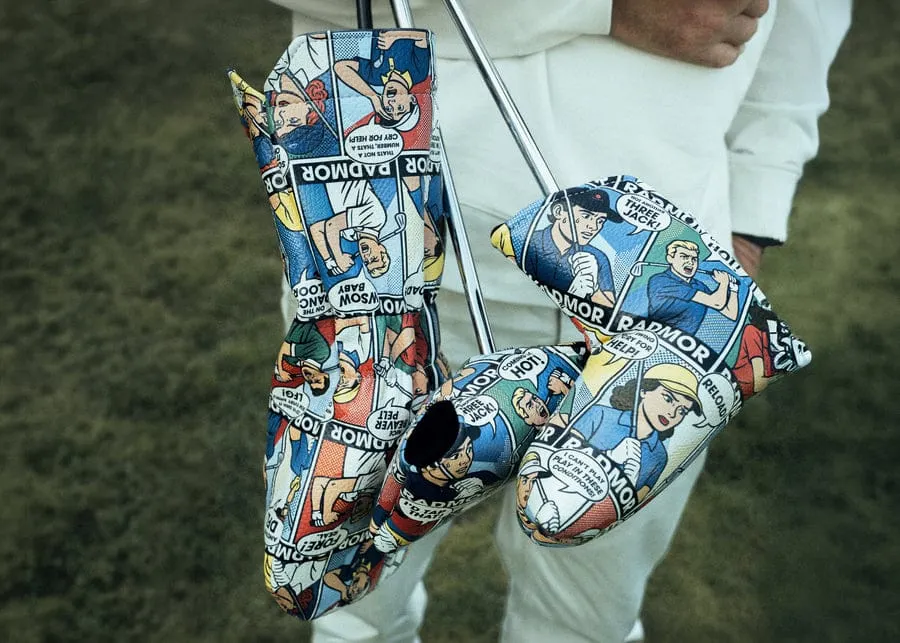
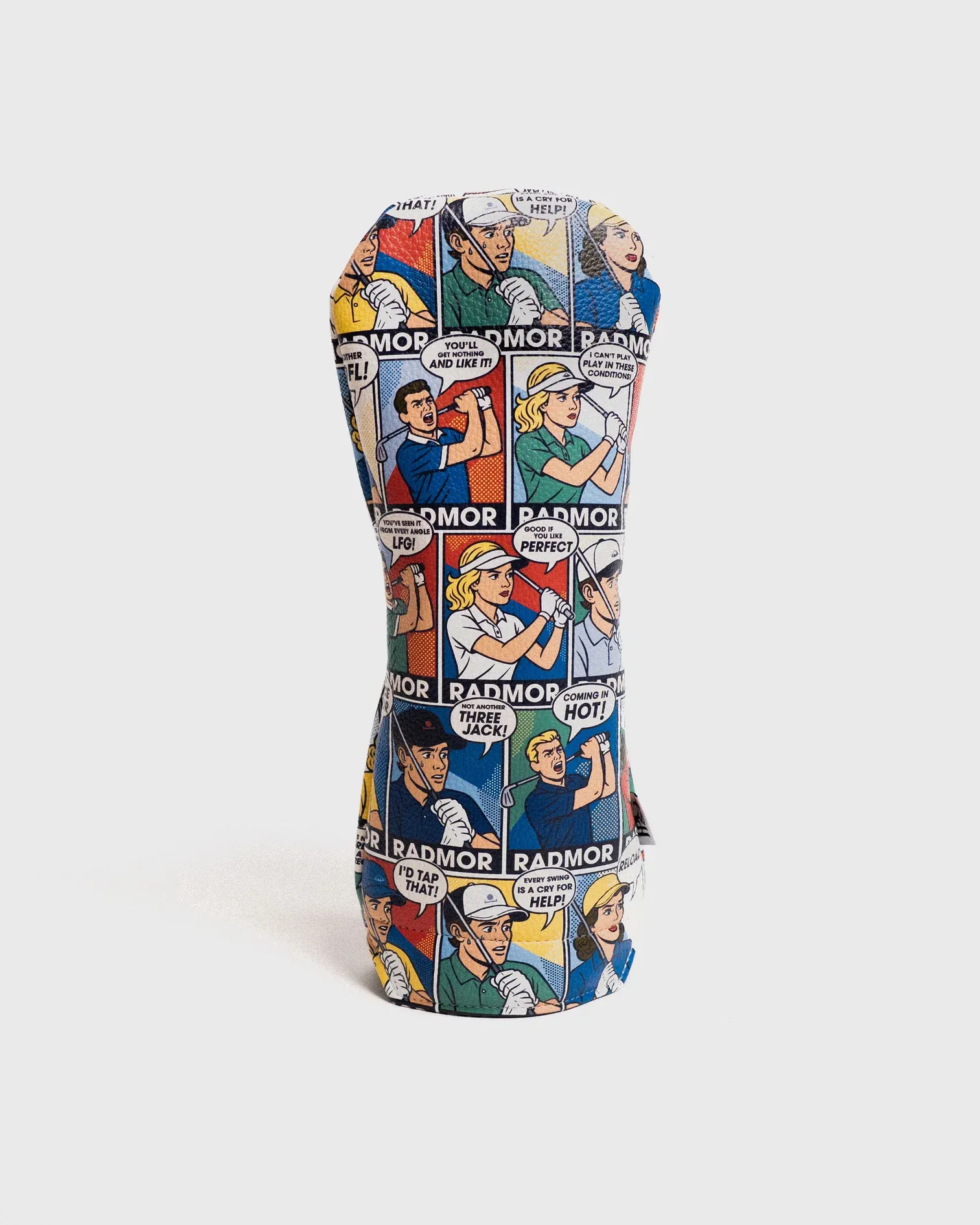
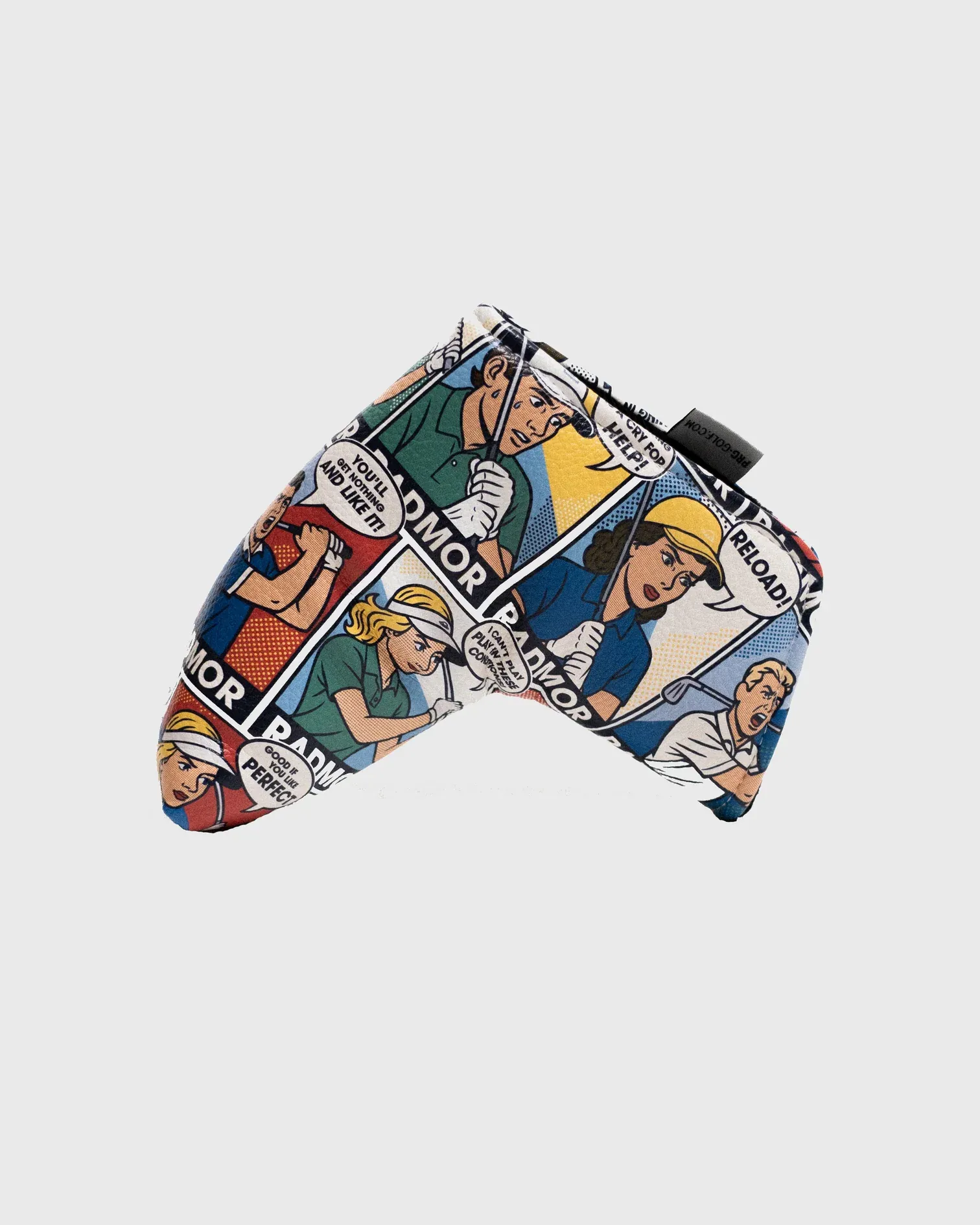
Radmor’s Pop-Art headcovers take one of the most overlooked pieces of golf gear and make it impossible to ignore. Driver, blade, and mallet covers all carry the same comic-strip artwork, printed across vegan leather with water resistance and soft lining where it counts. The graphics pull from classic pop-art panels, complete with exaggerated reactions that feel a little too familiar after a missed putt. Each piece is cut differently, so no two covers land exactly the same across a bag.

Radmor
What makes it work is how quickly it communicates intent. You do not need to know specs to understand what kind of player this belongs to. The product turns a functional item into a visible choice, one that travels with every shot and shows up in every photo. That shift taps into a growing part of golf where the bag is part of the identity, not just a container for clubs. The utility stays intact, but the value moves to what it says about the person carrying it.
The Breakdown
Radmor Pop-Art Headcovers
An Infotechnics™ analysis of how a product rates across eight areas of performance.
To explore in more detail, pinch out to zoom in
The idea is clear, although the ceiling is built in.
This works because it reads instantly. The print, the humor, and the category all line up without effort. Where it tops out is just as obvious. It is still a headcover. The culture around it is strong and the design carries well, but the experience and differentiation stay within the limits of the format. It stands out on the bag, not beyond it.
Brand Positioning and Identity
Radmor positions the Pop-Art headcovers as golf-bag protection with comic-book attitude. The products are $95 leather-style headcovers for driver, blade putter, and mallet putter, made from 100% vegan leather with water and stain resistance. The identity is less country-club polite and more collectible golf accessory. Radmor still keeps its responsible-materials story in view, but this drop moves the brand into louder bag personality.
Target Segment and Audience
The audience is the golfer who treats the bag like part of the outfit. These buyers care about gear, but they also want personality sitting on the first tee. The driver, blade, and mallet versions let a player carry the same visual idea across the bag, while the comic artwork gives it instant social-feed value. It also appeals to golfers who follow newer accessory brands like Swag, Pins & Aces, Cayce, and other makers turning headcovers into collectibles.
Messaging and Storytelling
The story is golf frustration turned into comic-strip comedy. Radmor’s collection copy calls out Lichtenstein, Warhol, lost balls, made putts, and three-putt pain, which makes the headcovers feel like jokes golfers are already in on. The driver page pushes the idea further by calling the cover a “statement of character” as much as protection. That matters because the product’s job is simple, but the story makes it feel chosen.
Experience and Journey
The customer journey starts with the image, then moves into fit and function. The buyer sees the all-over comic print first, then finds practical details: vegan leather, water and stain resistance, faux-sherpa lining on the putter covers, magnetic closure, and fit for modern clubs. Radmor also notes that each cover is cut individually, so pattern placement varies. That turns a small production detail into a nice ownership cue: your cover will not look exactly like the next one.

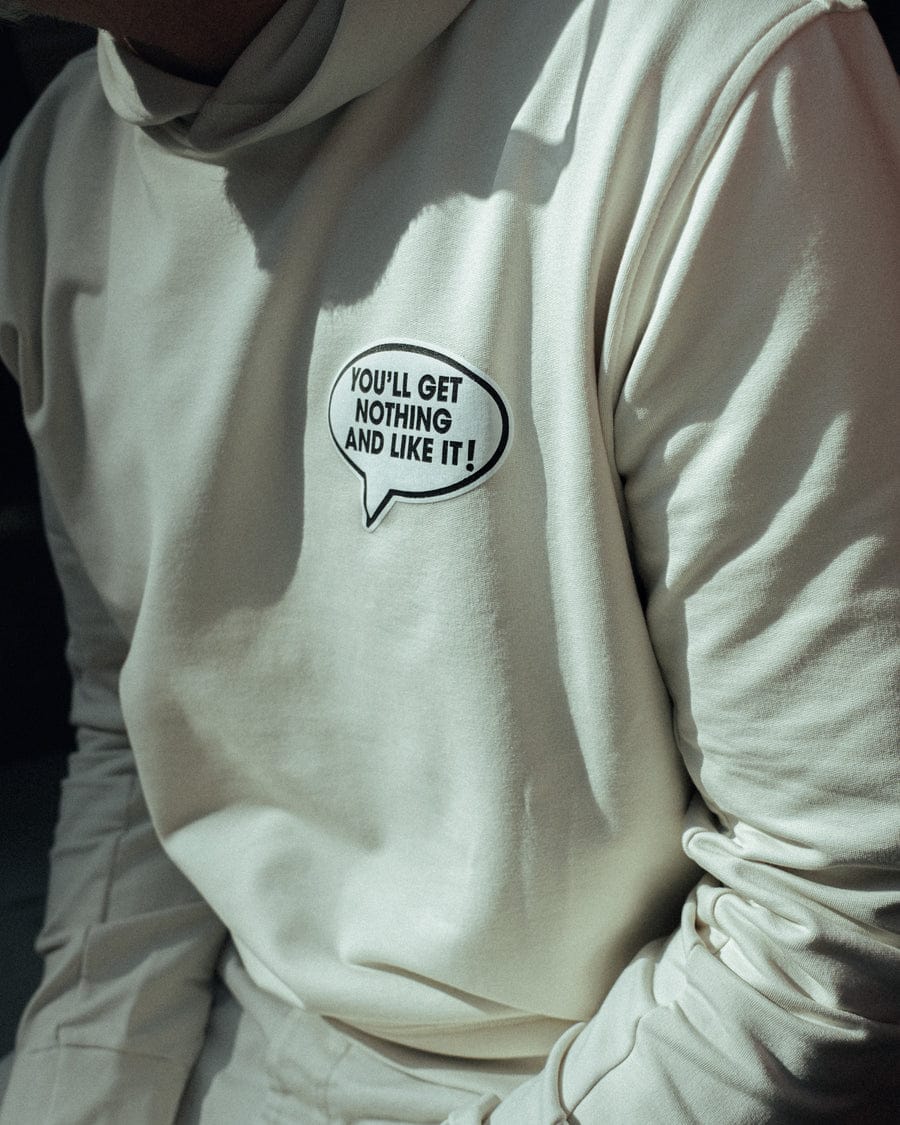
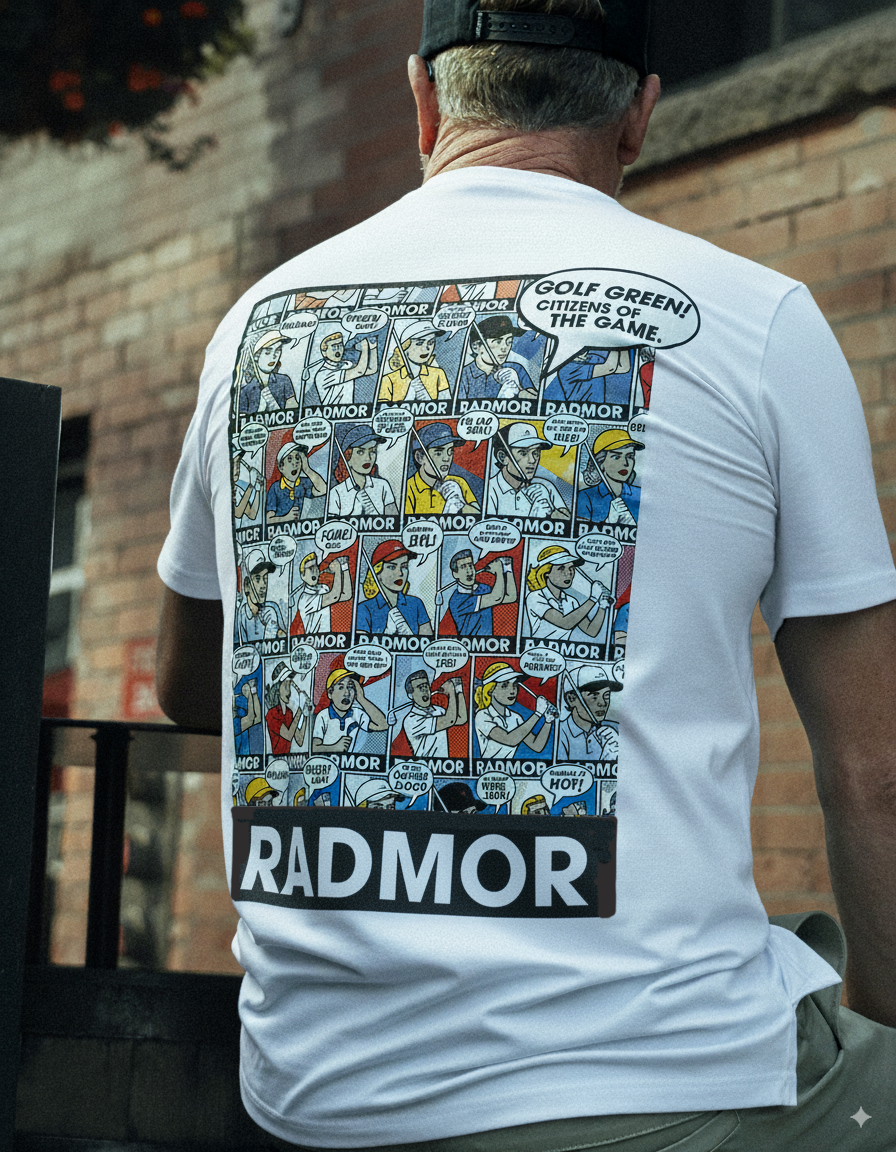
Radmor - The collection extends into T-Shirts and Hoodies.
Community and Culture Insight
The Pop-Art headcovers fit the newer golf-accessory culture where headcovers are no longer throwaway club socks. Golfers use them to show taste, humor, loyalty, and a little edge. Sports Illustrated points to Swag as a premium brand with a collector community, while Pins & Aces and Cayce lean into bold designs that turn heads. Radmor enters that same space with a more art-school version of the joke.
Differentiation and Unique Selling Point
The USP is an all-over Pop-Art print headcover set that protects clubs while giving the bag a clear visual identity. The driver cover is built for modern woods, the blade cover fits modern blade putters, and the mallet cover fits modern mallet putters. The $95 price, vegan leather construction, water and stain treatment, soft lining on putter covers, and pattern variation give the product enough practical backing to support the visual hit.
Design Language
The design language pulls from comic panels, speech bubbles, primary colors, repeated characters, and the visual rhythm of 1960s pop art. It works because headcovers are small objects that need to read from a distance. The repeating print makes the driver, blade, and mallet covers feel like a set without relying on a quiet logo treatment. It turns the golf bag into a walking strip of course satire.
Marketing Pitch
The marketing pitch is: make your bag look like you have a personality before you even hit a shot. Radmor is selling protection, but the real appeal is bag identity. The Pop-Art headcovers make golf’s small rituals feel fun, graphic, and collectible. They let the player wink at the game while still showing up with gear that does the job.
Is It A Winning Pitch?
Would you run a full set like this, or keep your bag a little more low key?