
If Streaming Won, Then Why Does Music Keep Turning Back Into Objects?
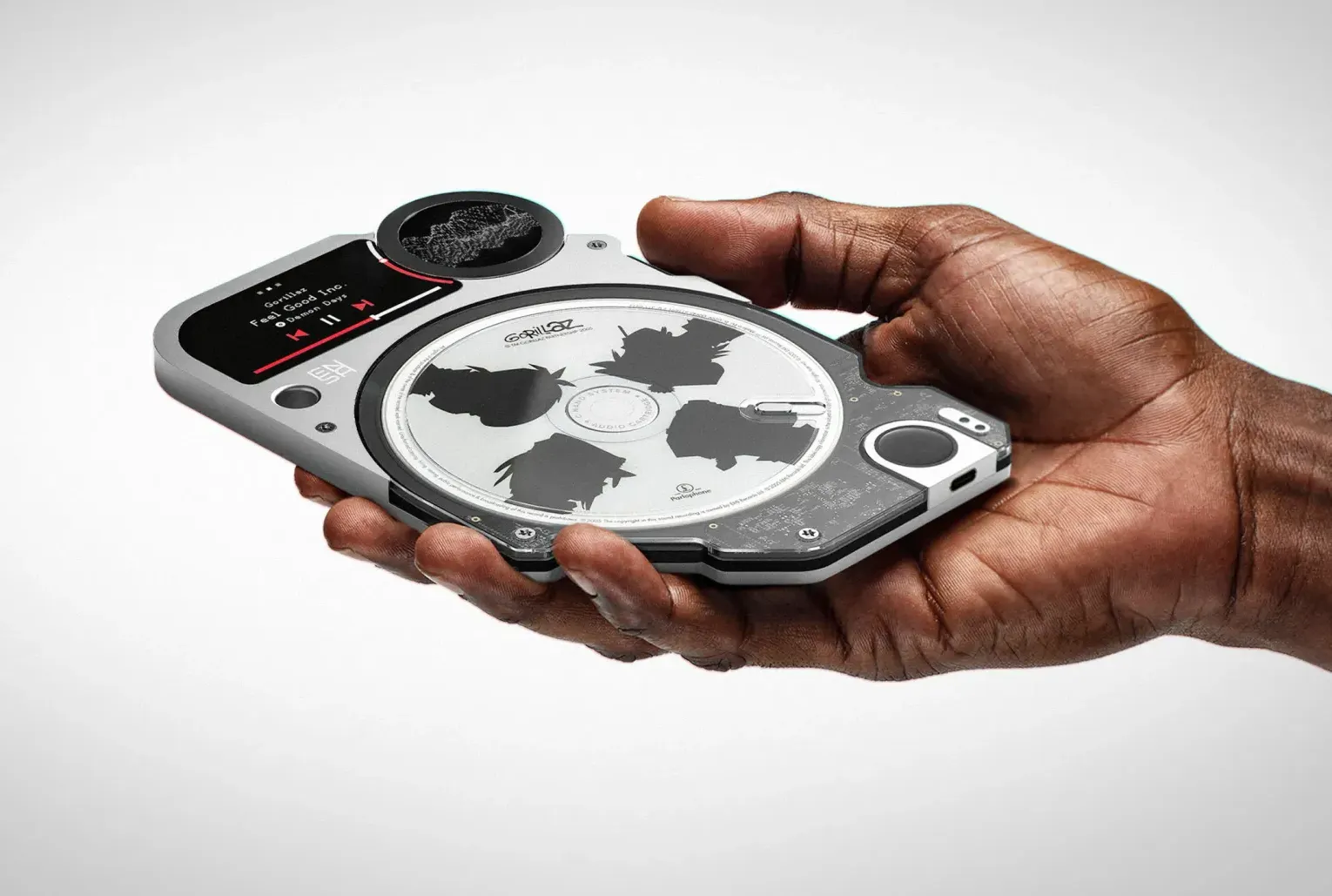
The ENSA P1 is a concept for a portable digital music player that uses physical solid-state album cartridges, aiming to restore the ritual and ownership of music listening. The device’s design emphasizes the album cartridge, making it a visible and tactile part of the listening experience.
The Setup
ENSA P1 is one of those concept projects that quietly says something bigger than the object itself. Designed as a portable digital music player that uses physical solid-state album cartridges, it asks a strange question: what if digital music kept all of its convenience but gave albums their physical presence back?
You choose a cartridge. Insert it. Watch it play. The album becomes visible again. It feels futuristic at first glance and oddly familiar once you sit with it.
ENSA P1
The interesting part is not the hardware. Streaming solved access and accidentally removed ceremony. Music became frictionless. Frictionless became forgettable. ENSA understands something vinyl keeps proving year after year: people do not always want less effort. Sometimes they want effort that feels meaningful.
The smartest move here is turning selection into part of listening again. Because ownership was never only about possession. It was about attention.
The Breakdown
ENSA P1
An Infotechnics™ analysis of how a product rates across eight areas of performance.
To explore in more detail, pinch out to zoom in
ENSA understands the problem better than it proves the business.
The concept identifies something real: streaming gave listeners access but removed ritual, ownership, and attention. ENSA rebuilds those behaviors through cartridges and visible interaction instead of nostalgia props. The risk is that restoring ritual usually means restoring friction too. As an idea it is unusually sharp. As a product, the hardest work begins after the render.
Brand Positioning and Identity
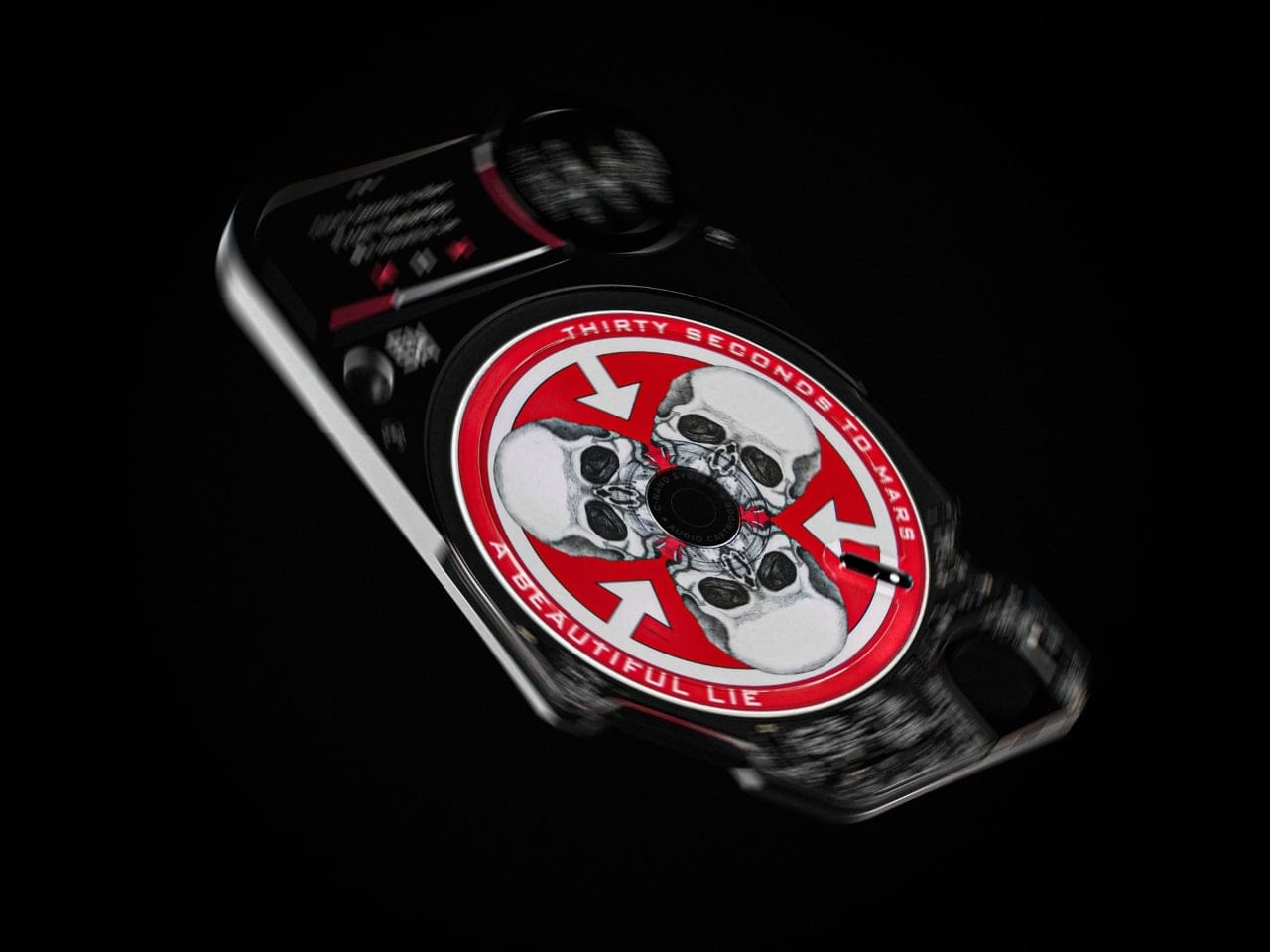
ENSA P1 positions itself as a concept for a physical future of digital music. It is not a streaming device and not a pure retro player. It stores albums on disc-shaped C-NAND solid-state cartridges, giving digital music a physical object again. The identity is modern, minimal, tactile, and album-first. It treats music as something you choose, hold, insert, and watch, rather than something that disappears into a cloud library.
Target Segment and Audience
The target audience is the music listener who misses ownership, album art, ritual, and focused listening, but does not necessarily want to return to fragile physical media. It speaks to design people, album collectors, portable-audio fans, physical-media buyers, and younger listeners drawn to objects with character. The wider market context helps: RIAA reports streaming still dominates U.S. music revenue, but vinyl has reached 19 straight years of growth and passed $1 billion in 2025.
Messaging and Storytelling
The story is simple: streaming made music infinite, but also made it weightless. ENSA P1 answers by making the album physical again without abandoning digital storage. The C-NAND cartridges hold complete albums, while the device gives the cartridge visual prominence in the center of the body. T3 frames it as old-school mentality with modern design, while Behance frames it as a way to restore selection, interaction, and focused attention.
Experience and Journey
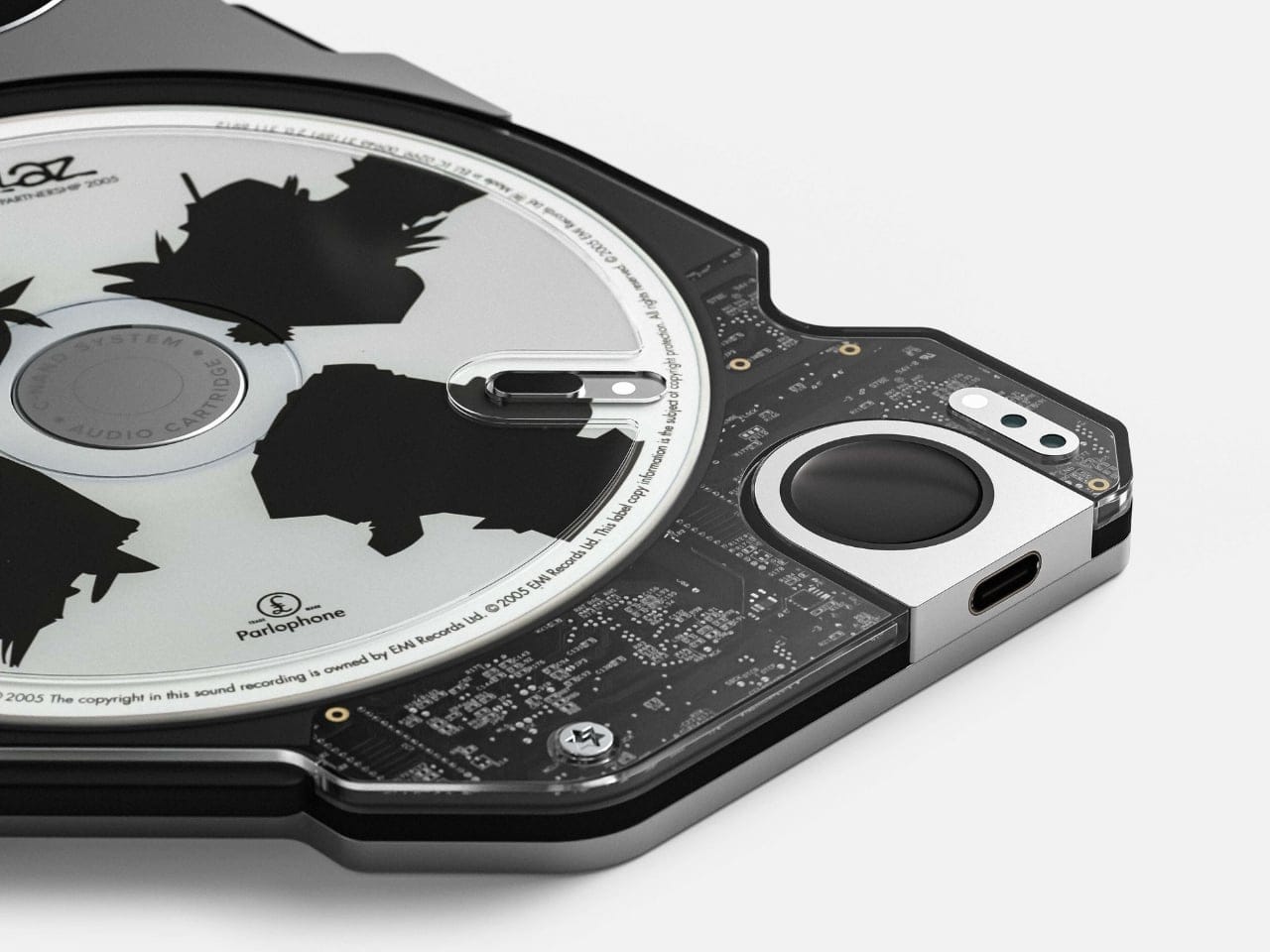
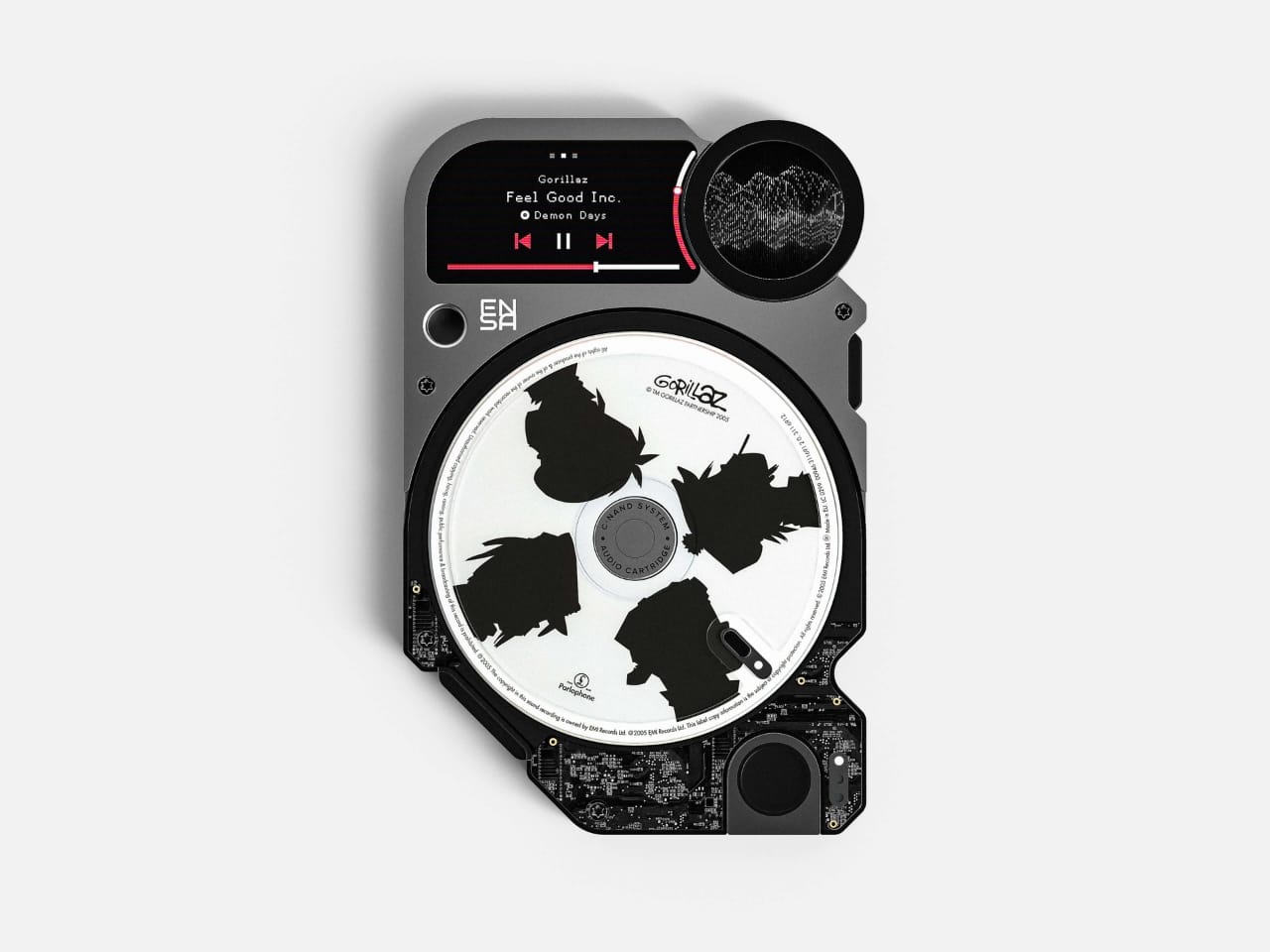
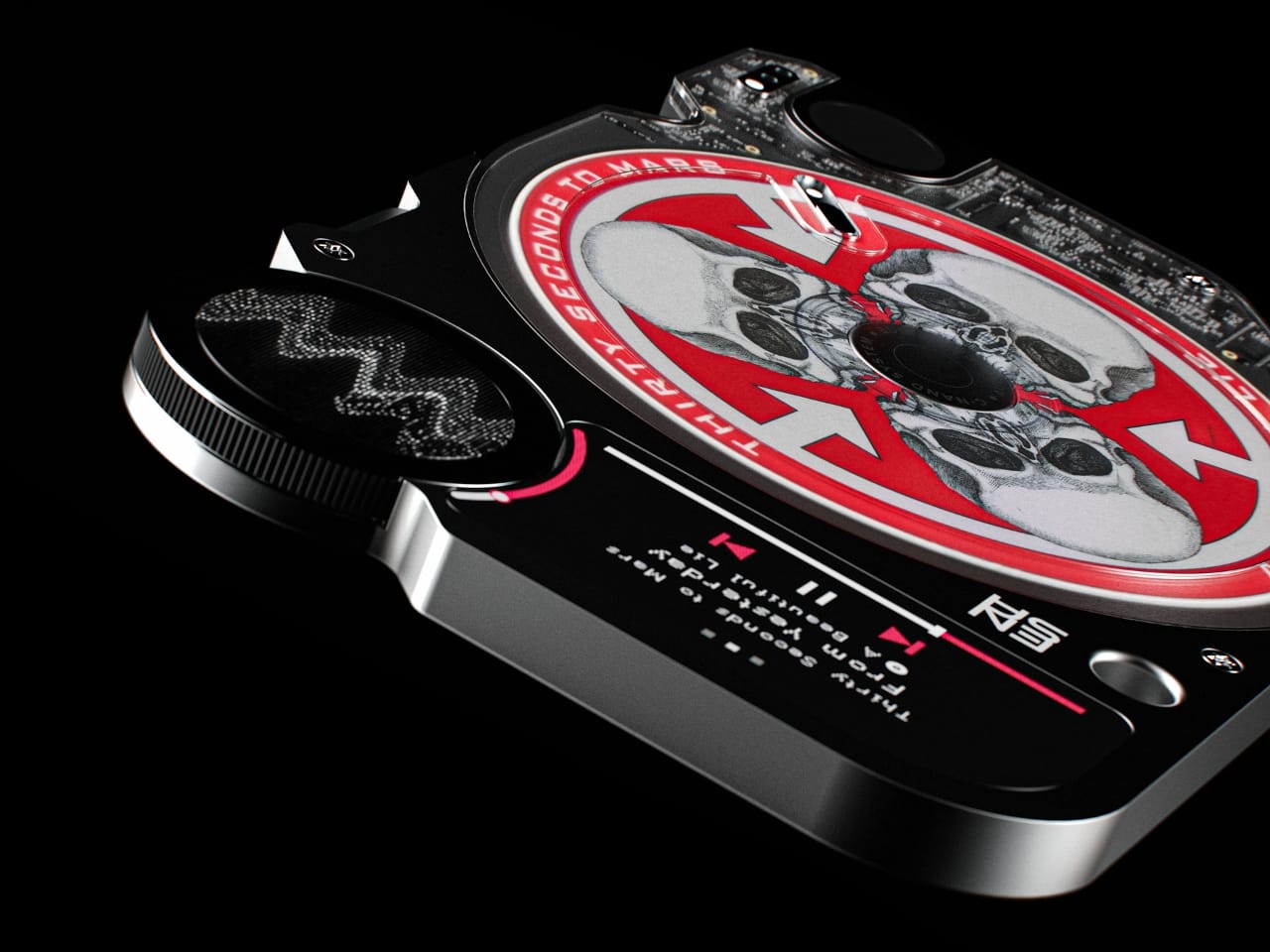
The user journey starts with choosing an album cartridge, then placing it into the player like a small object of intent. The device shows the cartridge in the middle, displays playback information across the top, and uses a mini display to visualize rhythm and dynamics. That turns listening into something seen, touched, and chosen. The point is not maximum convenience. The point is making one album feel worth attention again.
ENSA P1
Community and Culture Insight
ENSA P1 sits inside the physical-media comeback, but it is more interesting than nostalgia alone. Vinyl, cassette players, modern boomboxes, and retro headphones all point to the same cultural mood: listeners want music objects again. ENSA adds a cleaner design idea to that mood by imagining a format that keeps digital storage but brings back album ownership, label art, and the ritual of loading music by hand.
Differentiation and Unique Selling Point
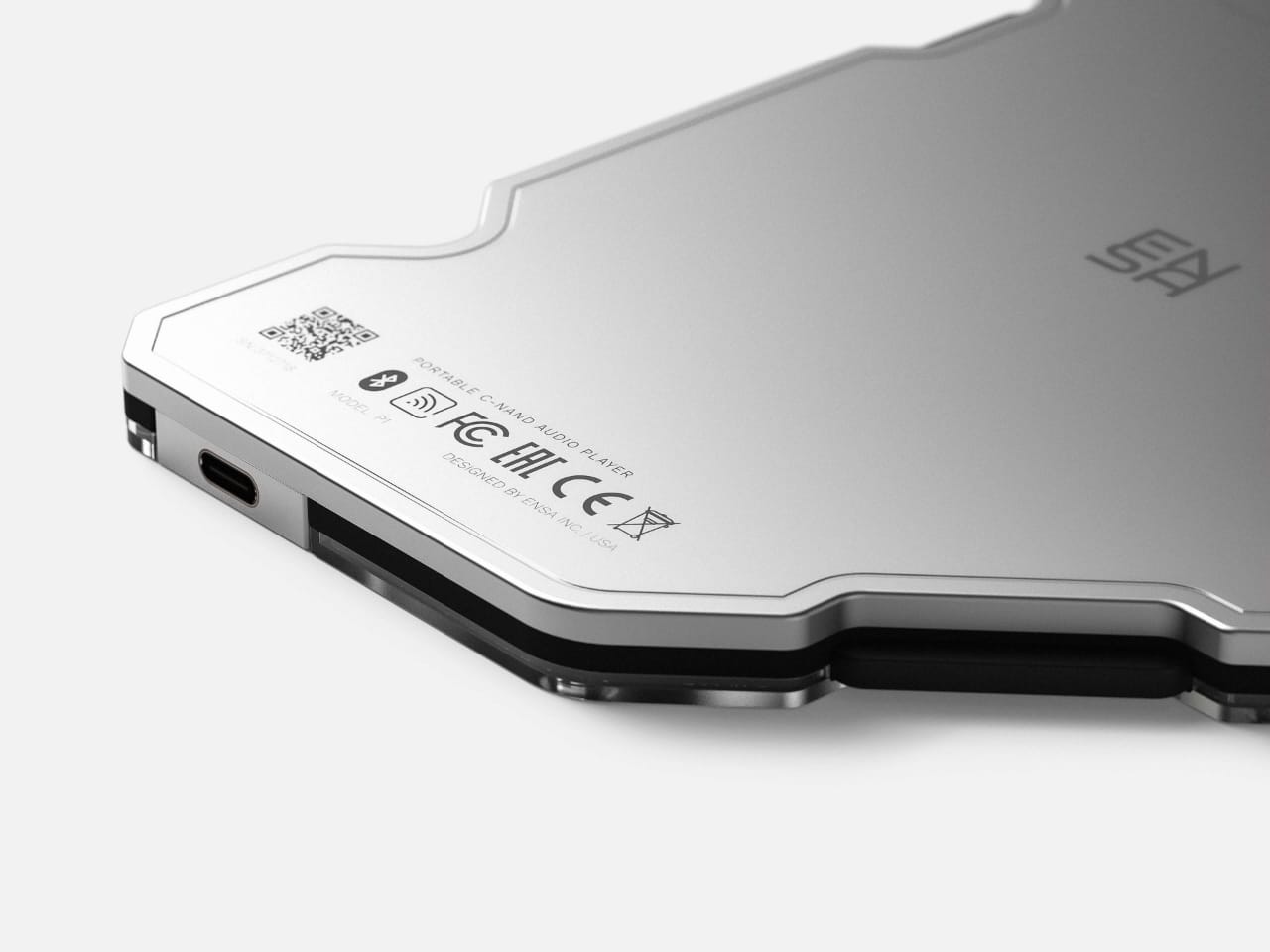
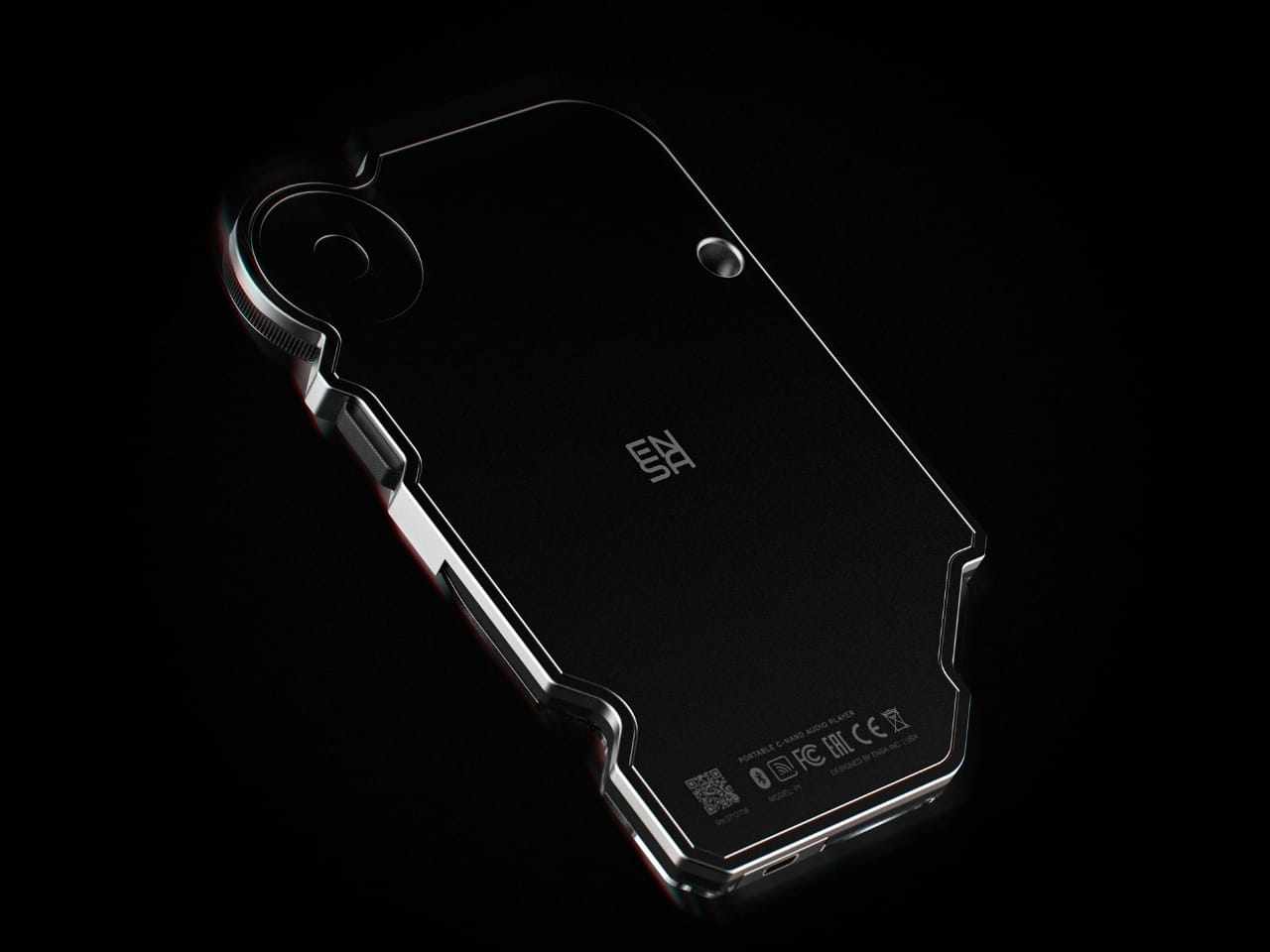
The USP is album-based digital music with a physical cartridge ritual. ENSA P1 does not bring back spinning discs or tapes. It imagines solid-state album cartridges with no moving storage parts, then builds a portable player around visible insertion, touch controls, waveform display, and compact industrial design. That makes it different from streaming devices, MP3 players, CD players, and cassette revivals. It offers the tactility of media with the logic of modern storage.
Design Language
The design language is small, clean, and quietly nostalgic. ENSA uses a hand-sized rectangular body, rounded corners, silver and grey surfaces, a visible center cartridge, a top information display, and a circular waveform screen. The cartridge becomes the visual anchor, which is the smartest design decision. It tells the user that the album is present, not hidden in a menu.
Marketing Pitch
The marketing pitch is: make digital music feel owned again. ENSA P1 sells the missing ritual around music: choosing an album, holding it, loading it, seeing it play, and giving it attention. The concept works because it does not reject digital convenience. It gives digital music a body, a label, and a reason to be handled. In a streaming world built for endless skipping, ENSA makes one album feel like an event.
Is It A Winning Pitch?
What other categories do you think become more valuable when they become physical again?

