Ducati Found a New Place to Park the Brand
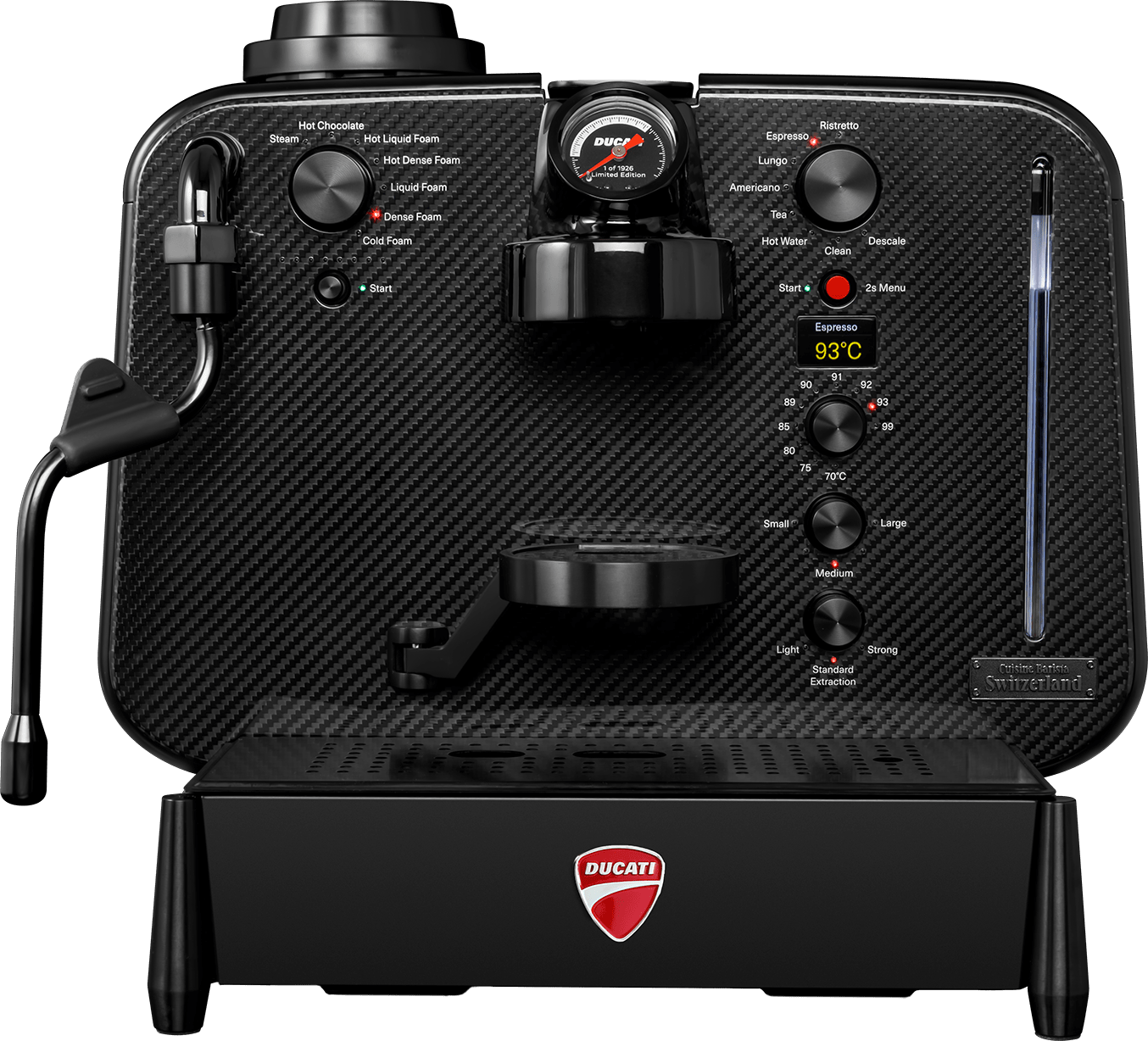
Ducati’s Barista M3 1926 coffee machine, a limited-edition product with carbon fiber panels, is a lifestyle extension rather than a coffee innovation. The machine, aimed at Ducati loyalists and design enthusiasts, positions the brand as part of a daily coffee ritual.
The Setup
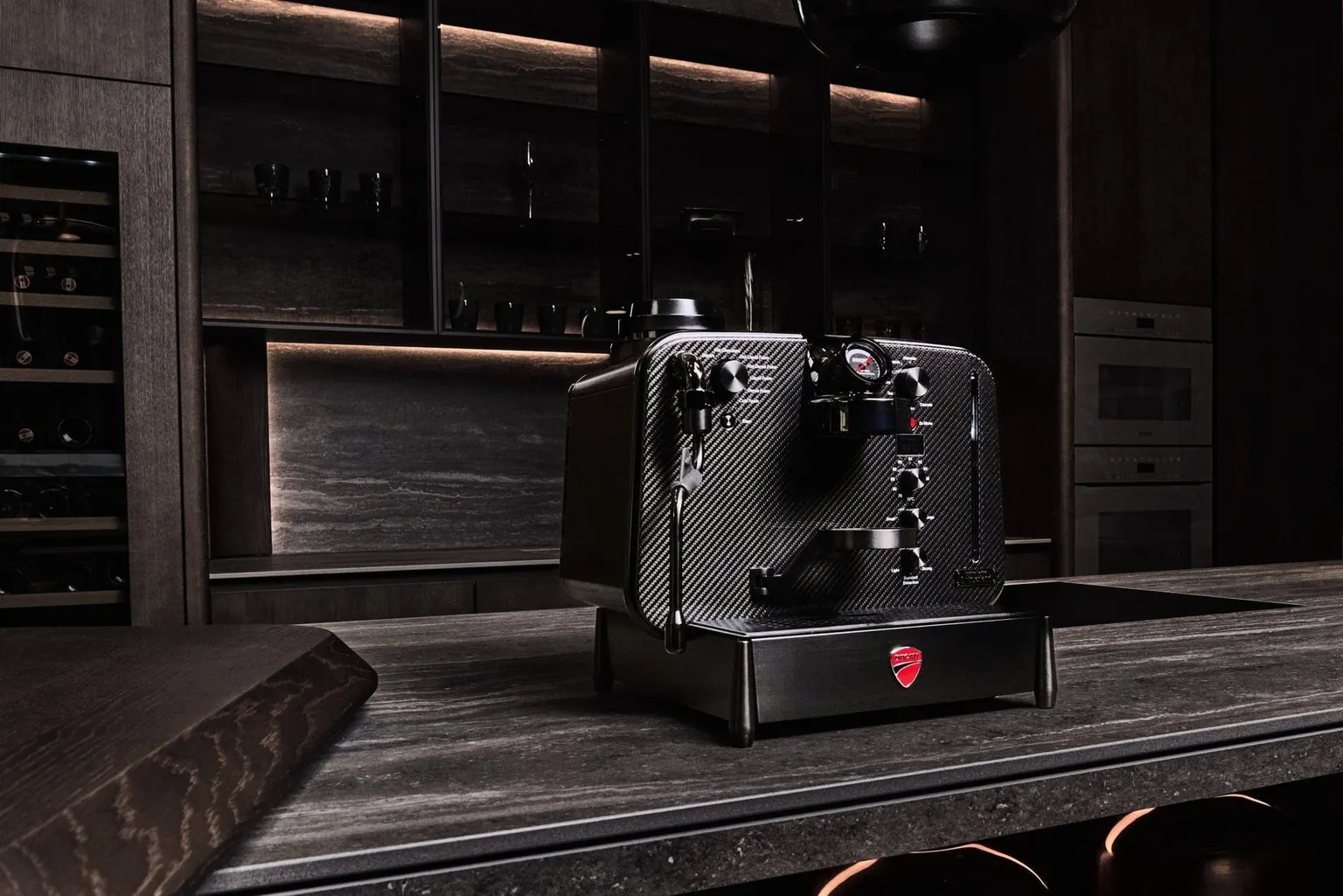
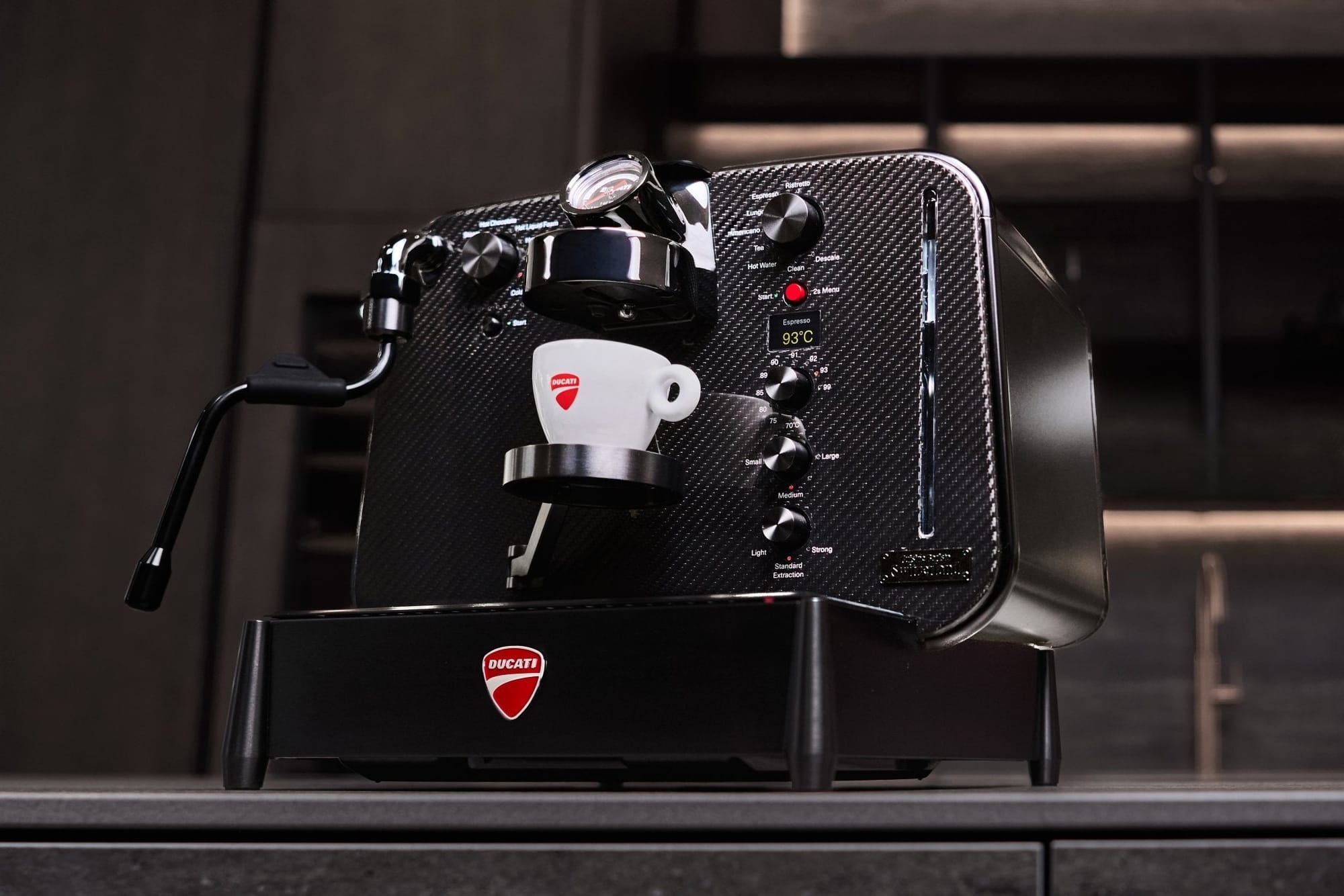
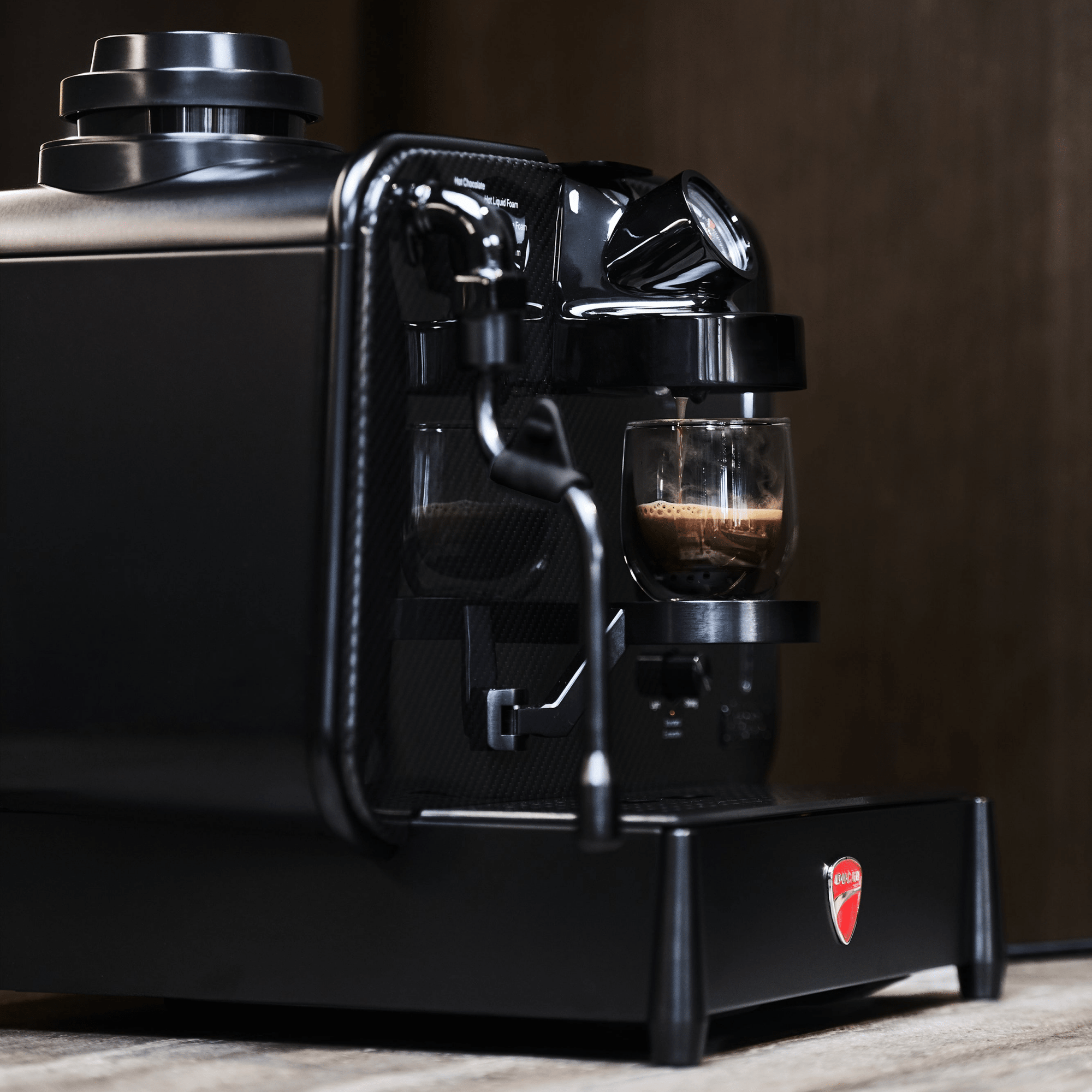
A Ducati-branded coffee machine sounds like the kind of licensing idea that should never leave a conference room. Yet the Barista M3 1926 somehow works. Built with real carbon fiber panels, Ducati design cues, and limited to 1,926 pieces for the brand’s centenary, the machine takes a familiar capsule platform and turns it into a collectible object. The result feels closer to garage equipment than kitchen equipment, which is exactly the point.
Ducati
The interesting marketing move is where Ducati places itself in the customer’s day. Motorcycles are occasional experiences. Coffee is a daily ritual. By attaching the brand to a habit that happens every morning, Ducati shifts from being something owners use on weekends to something they interact with before work. The machine isn’t selling better espresso. It’s selling another moment to live inside the Ducati universe. That’s a much larger opportunity than a coffee machine.
The Breakdown
Ducati Barista M3 1926
An Infotechnics™ analysis of how a product rates across eight areas of performance.
To explore in more detail, pinch out to zoom in
Ducati makes the coffee machine collectible before it makes it better.
The strongest move is visual. Real carbon fiber, numbered scarcity, and Ducati’s racing-material language make the object feel more special than most countertop appliances. The weaker areas show up once the brand effect wears off. The experience remains mostly that of a premium capsule machine, and the audience narrows quickly outside Ducati loyalists. It works best as a lifestyle extension, not a coffee innovation.
Brand Positioning and Identity
Ducati positions the Barista M3 1926 as a centenary lifestyle object, not a normal coffee machine. Cuisine Barista supplies the Swiss capsule-machine platform, while Ducati supplies the racing material story: real twill-weave carbon fiber, PVD-coated stainless steel, numbered scarcity, and Borgo Panigale mythology. It turns morning coffee into a branded garage ritual.
Target Segment and Audience
The audience is the Ducati loyalist, design-object collector, espresso gadget buyer, and motorsport fan who wants brand ownership beyond the bike. At €2,599 and limited to 1,926 units, it is aimed less at coffee purists and more at people who want Ducati identity on the counter. The Nespresso Original pod format makes it easier to live with than a pro machine.
Messaging and Storytelling
The story is “100 years of Italian engineering, now on your kitchen counter.” Ducati and Cuisine Barista lean on carbon fiber, 1926-unit scarcity, racing-machine language, and fast start-up to make the product feel like an extension of the Ducati garage. The strange part is useful: a motorcycle brand making a pod machine is unexpected enough to travel.
Experience and Journey
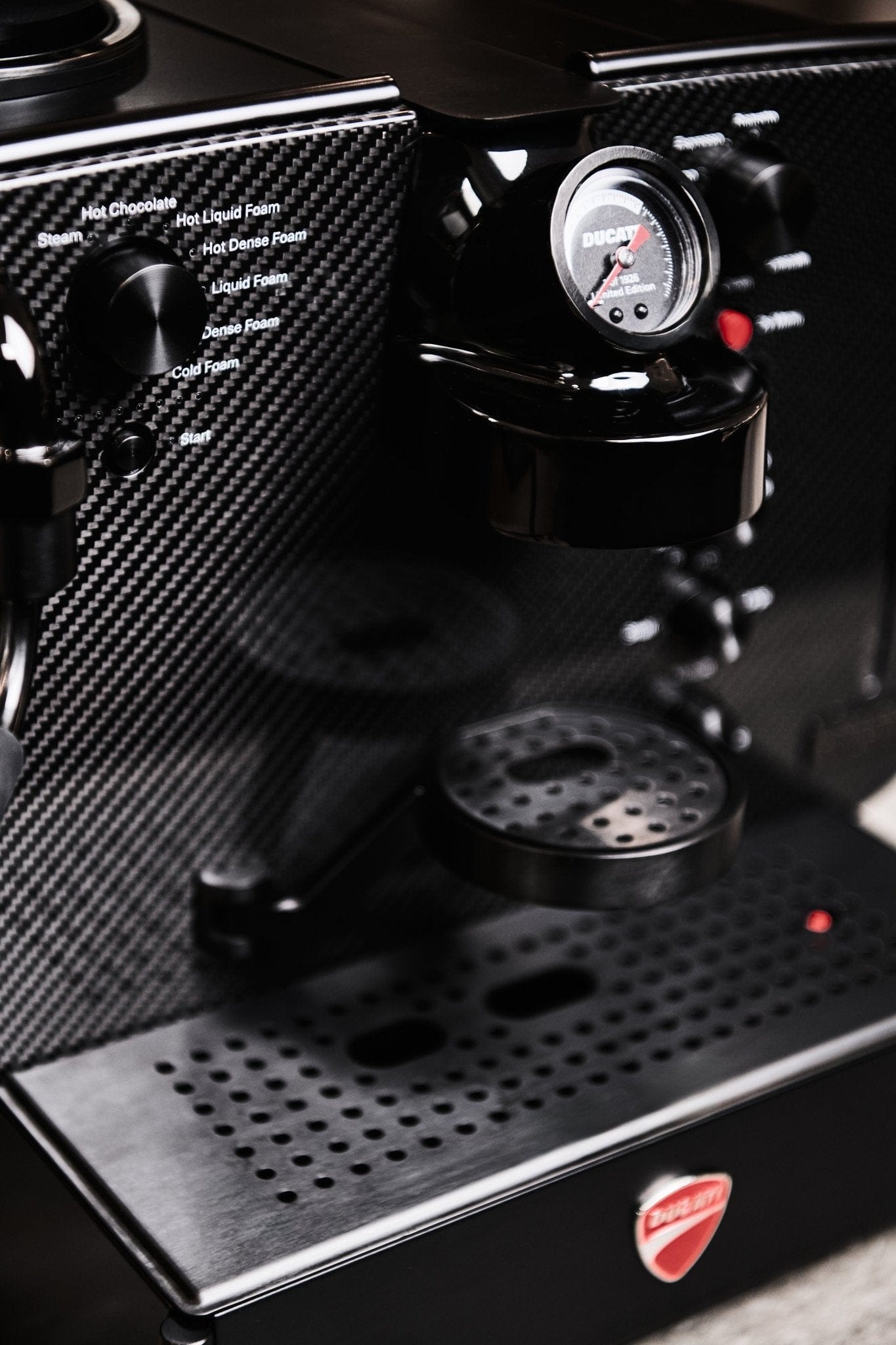
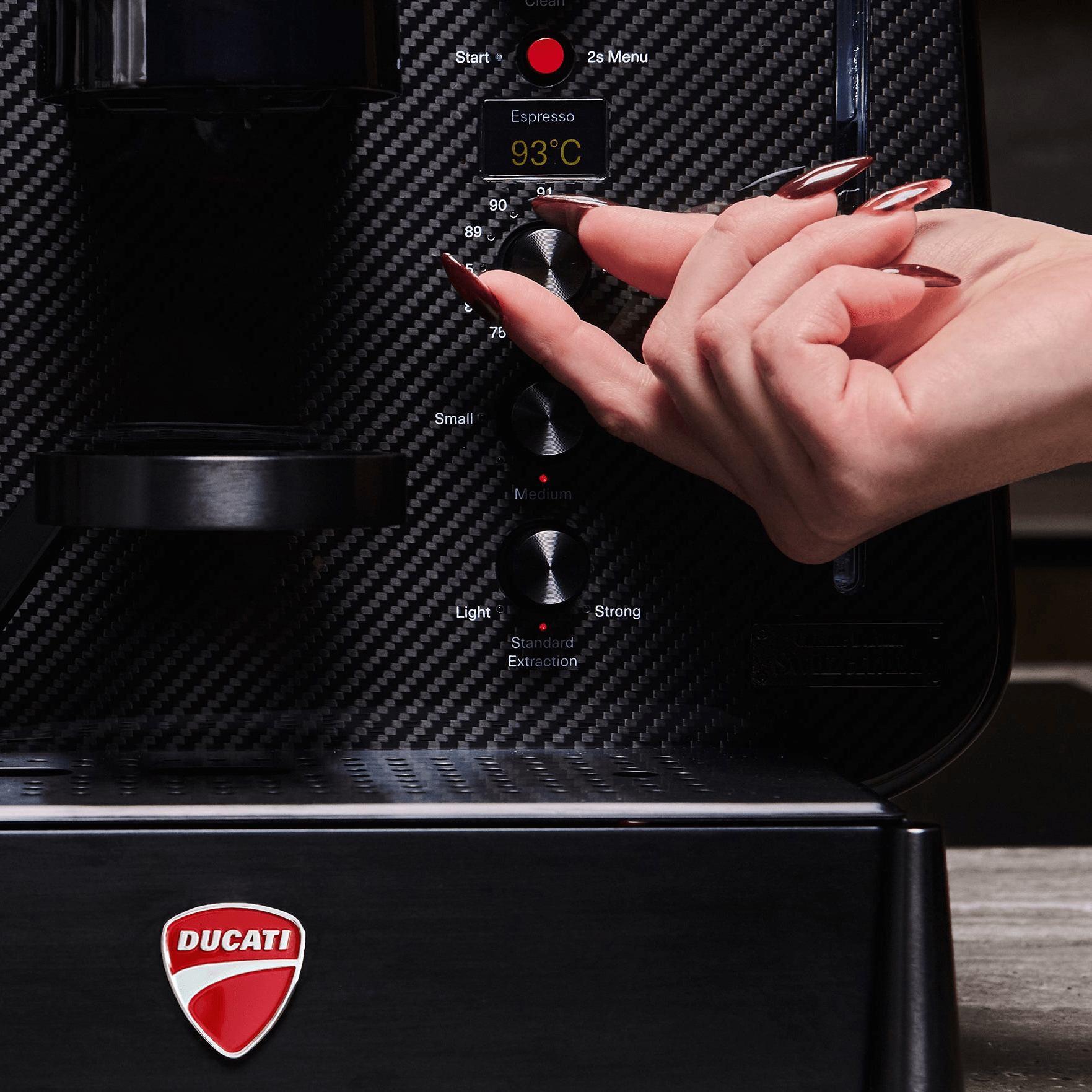
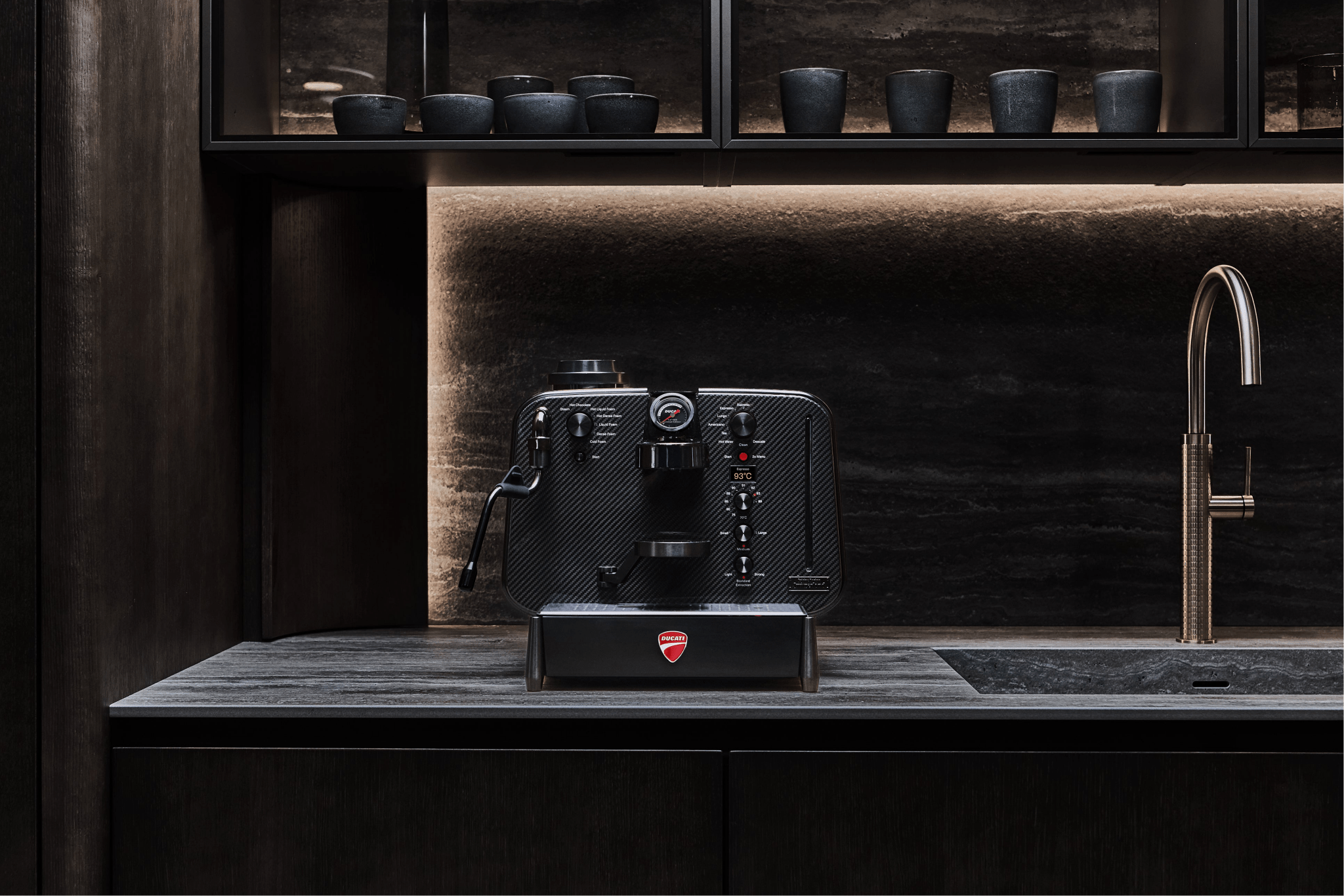
The customer journey starts with the object, then moves into convenience. The buyer sees carbon fiber panels, Ducati badging, dials, stainless steel, and three color options. Then the machine promises daily ease: seven-second heat-up, Nespresso-style capsules, adjustable temperature, 19-bar pressure, in-cup milk frothing, traditional steam wand, water filter, rinse system, and app-guided descaling.
Ducati
Community and Culture Insight
The product sits where motorcycle culture, coffee ritual, design collecting, and luxury merchandise overlap. Ducati already sells a lifestyle around speed, sound, gear, apparel, and garage identity. The Barista M3 1926 extends that into the kitchen. The culture read is simple: fans increasingly want brands to show up in daily rituals, not only weekend toys.
Differentiation and Unique Selling Point
The USP is a limited-edition Ducati-branded capsule machine built with genuine carbon fiber panels, not carbon-look decoration. The product adds fast heat-up, adjustable brewing control, in-cup frothing, stainless steel construction, PVD coating, and 1,926-unit scarcity. It is less about beating a serious espresso setup and more about making a pod machine feel collectible.
Design Language
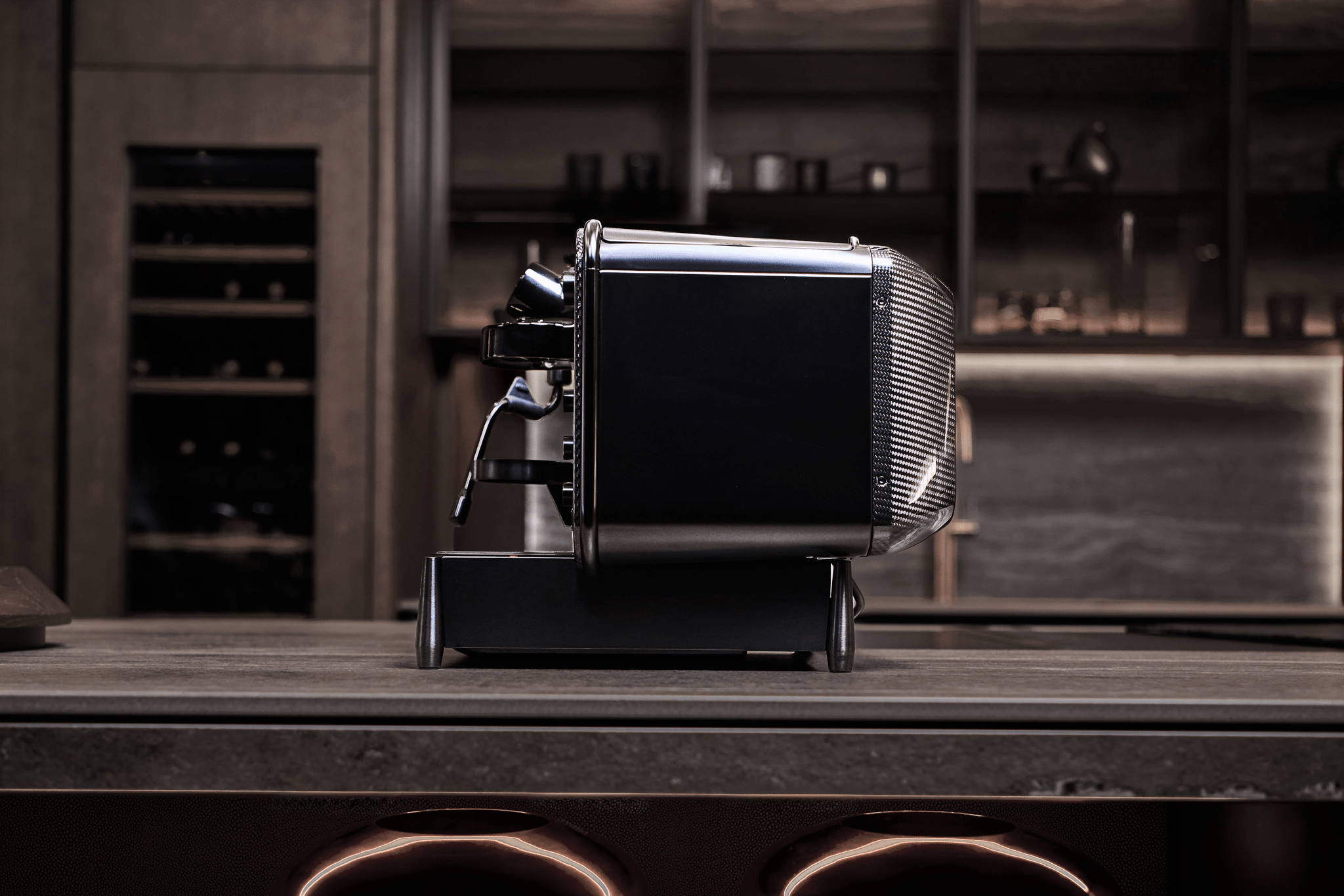
The design language is superbike material logic applied to appliance design. Carbon fiber panels, stainless steel surfaces, Ducati badging, red accent language, dials, and technical controls make the machine look closer to garage equipment than kitchen decor. The visual move is clear: make coffee feel like part of the Ducati ownership world.
Marketing Pitch
The marketing pitch is: Bring your coffee ritual into the garage.
The Barista M3 1926 sells a branded ritual around coffee, carbon fiber, speed, and centenary scarcity. It works because the product is ridiculous in the right way. It gives Ducati fans something daily, visible, and collectible, while letting Cuisine Barista turn a capsule machine into a motorsport object.
Is It A Winning Pitch?
What’s the best example you’ve seen of a brand successfully expanding into a completely unexpected category?
 Cuisine Barista