Donkervoort P24 RS Should be Measured in Violence per Kilogram
The Donkervoort P24 RS is a 600 horsepower, 780 kg supercar with a focus on driver involvement and control. It targets wealthy drivers differentiating itself from modern performance cars with its emphasis on weight, danger, and driver skill.
The Setup
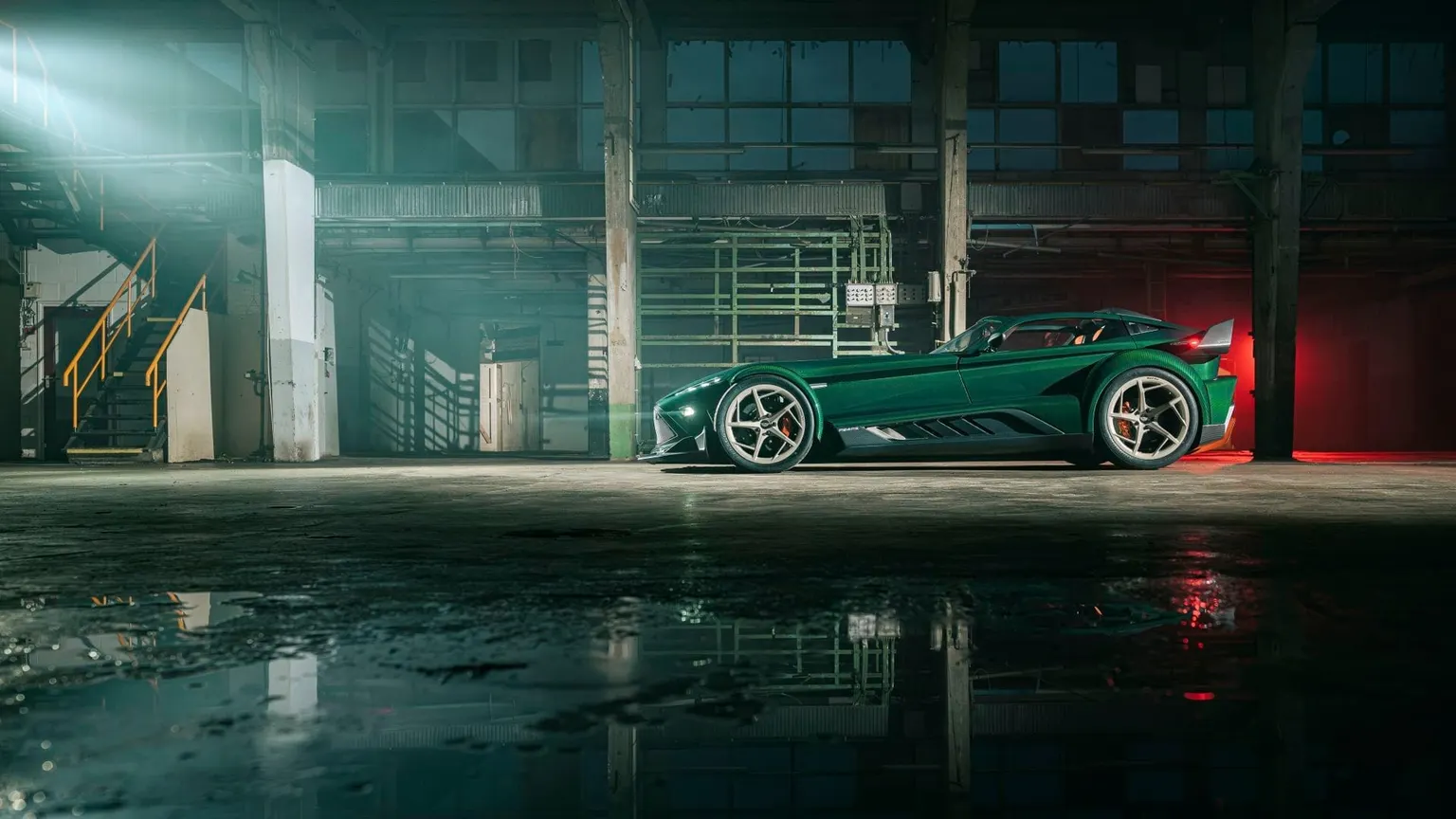
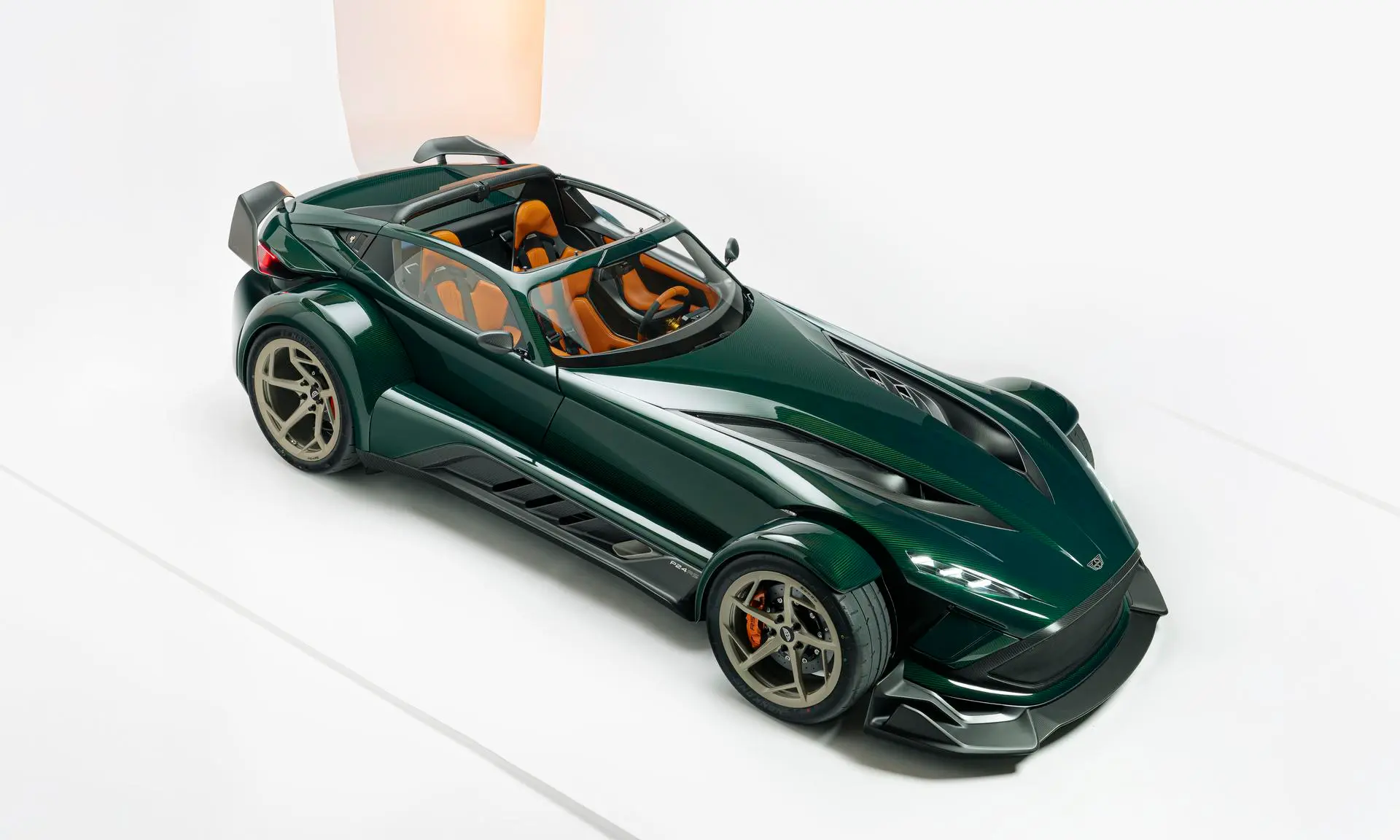
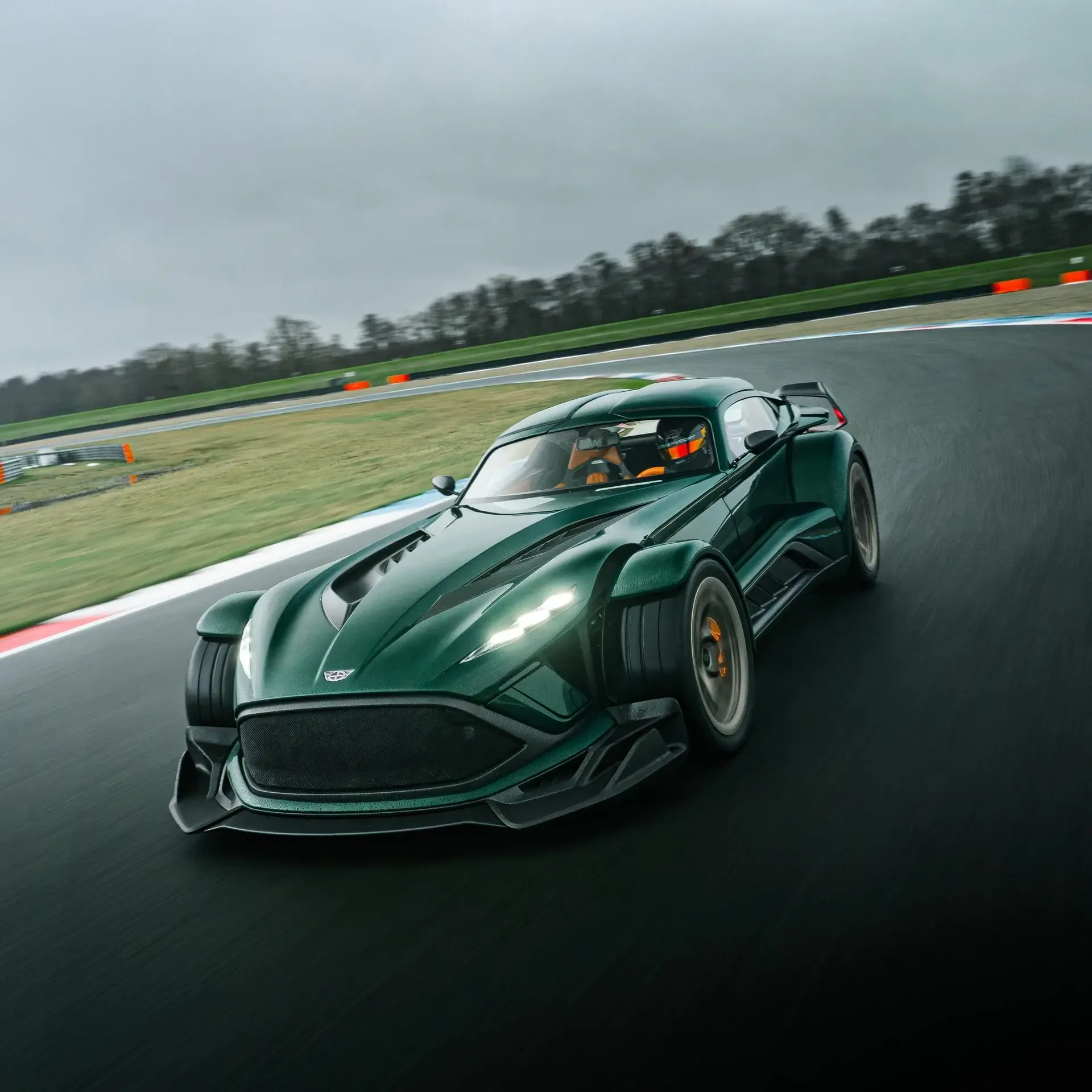
The Donkervoort P24 RS arrives with numbers that sound almost irresponsible: 600 horsepower, 780 kilograms dry, rear-wheel drive, and a five-speed manual. The Dutch brand pairs a new twin-turbo V6 with exposed carbon fiber, open-wheel styling, and selectable power modes that let drivers choose between 400, 500, or 600 horsepower. Production is capped at 150 cars, which feels appropriate for something this unapologetically niche.
Donkervoort
What makes the car interesting is how aggressively it pushes against the direction of modern performance cars. While much of the supercar world keeps adding screens, software layers, and polished comfort, the P24 RS keeps centering the driver’s ability to manage the machine. Even the design feels confrontational. The car looks mechanical, nervous, and slightly dangerous before it moves an inch. That gives Donkervoort a sharp position in the market: performance for people who still want to feel responsible for the outcome.
The Breakdown
Donkervoort P24 RS
An Infotechnics™ analysis of how a product rates across eight areas of performance.
To explore in more detail, pinch out to zoom in
Donkervoort makes difficulty feel desirable.
The P24 RS works because it treats lightness, danger, and driver skill as luxury materials. Differentiation and design lead the score because few brands can make this much power feel this exposed. The experience is also strong because the car gives buyers a path from fear to control. The softer areas are messaging and pitch. The idea is powerful, but the language around raw driving remains familiar in this corner of the market.
Brand Positioning and Identity
Donkervoort positions the P24 RS as a purist supercar for drivers who think modern performance cars have become too filtered. The brand leans into hand-built Dutch engineering, ultra-low weight, manual control, and a new 600 hp twin-turbo V6 with selectable power modes. The identity is raw, expensive, and proudly unreasonable: 780 kg dry weight, 770 hp per tonne, rear-wheel drive, five-speed manual, and production capped at 150 cars.
Target Segment and Audience
The target audience is the wealthy driver who wants maximum sensation, not maximum insulation. This is for track-day obsessives, low-weight evangelists, manual-transmission loyalists, and collectors bored by heavier luxury supercars. The buyer likely understands Caterham, Ariel, Lotus, and Radical logic, but wants something more exotic, more expensive, and more dramatic. Donkervoort is speaking to people who want performance they have to manage, not performance the car quietly edits for them.
Messaging and Storytelling
The story is built around choice, danger, and driver involvement. Donkervoort’s “Power To Choose” system lets the driver select 400, 500, or 600 hp, which makes the car feel like a machine with moods. The brand also gives the P24 RS a personal origin, with the “P” linked to CEO Denis Donkervoort’s daughter Phébe. That mix of family story and extreme engineering keeps the car from feeling like a sterile spec sheet.
Experience and Journey
The customer journey is designed to move from intimidation into control. First, the buyer sees the numbers: 600 hp, 800 Nm, 0 to 200 km/h in 7.4 seconds, 2.3 g cornering, and a top speed beyond 300 km/h. Then Donkervoort reassures them with adjustable power, traction control, optional motorsport ABS, a removable targa roof, practical luggage space, and a cockpit built for tall drivers. The experience is extreme, but not careless.
Donkervoort
Community and Culture Insight
The P24 RS sits inside a niche culture that still treats weight as the enemy and driver skill as the point. It speaks to people who feel mainstream supercars have drifted toward comfort, software, and status management. Around today’s hybrid hypercars and digital dashboards, Donkervoort’s five-speed manual, exposed mechanical attitude, and open-wheel lineage feel almost rebellious. The cultural idea is simple: less car can create more memory.
Differentiation and Unique Selling Point
The USP is a 780 kg road-legal supercar with 600 hp, selectable output, a manual gearbox, and a power-to-weight ratio that pushes into hypercar territory. The P24 RS also moves Donkervoort beyond the Audi five-cylinder era with a new 3.5-liter twin-turbo V6, while keeping the brand’s obsession with carbon fiber, aluminum, low mass, and direct driver control. It is not trying to win through luxury. It wins through violence per kilogram.
Design Language
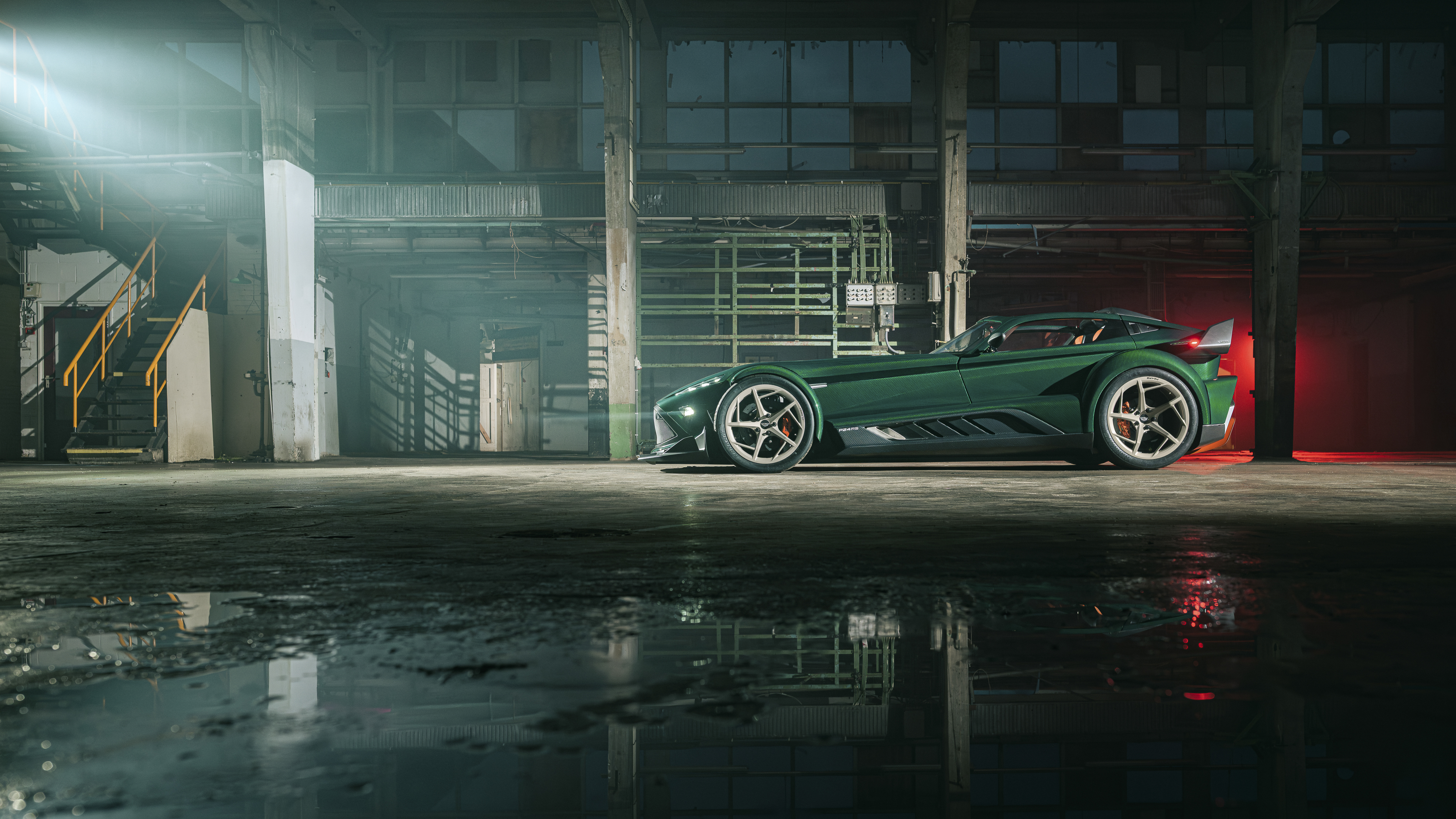
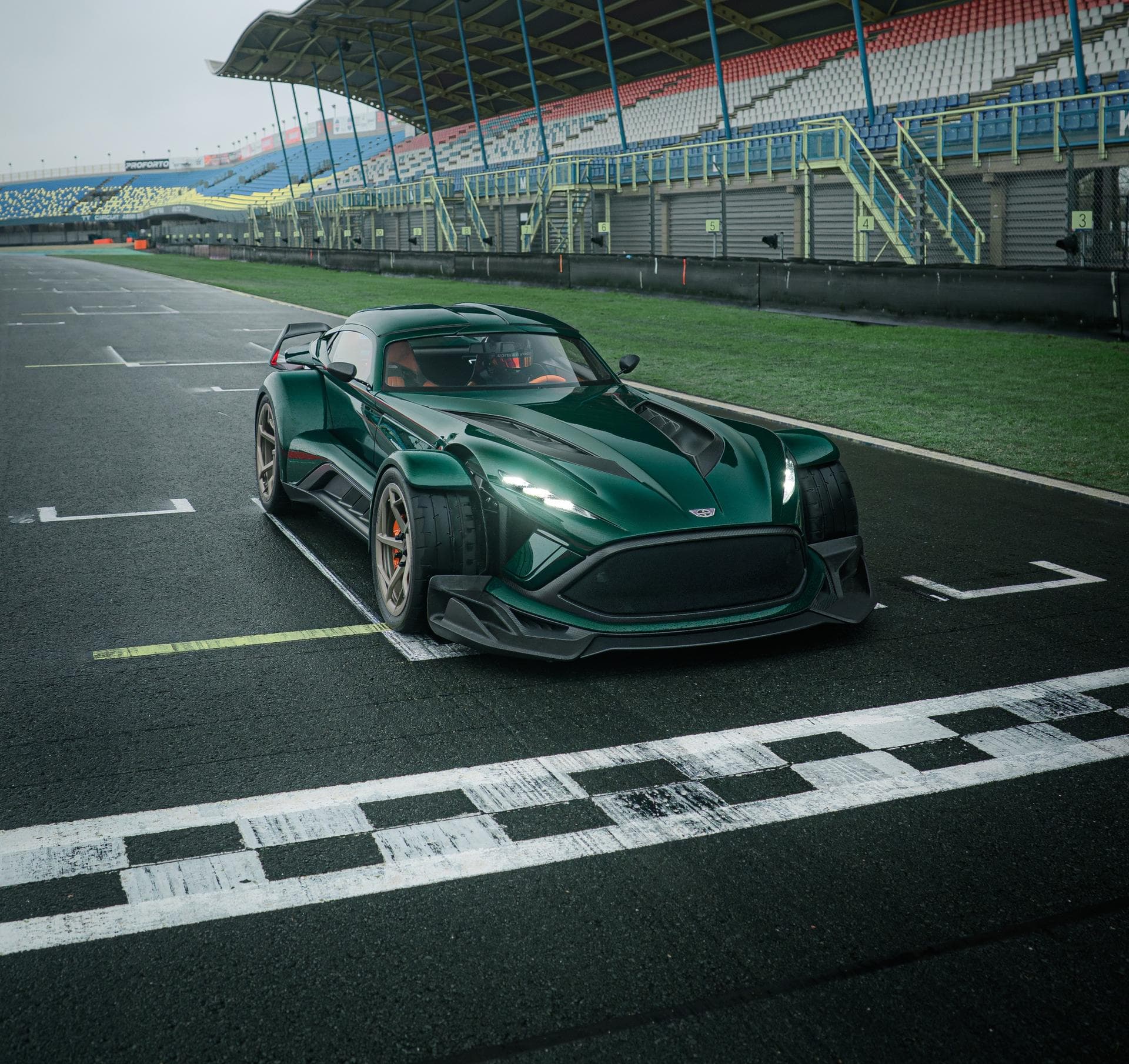
The design language is part insect, part race car, part grown-up Lotus Seven fever dream. The long nose, open front wheel arches, carbon bodywork, rear diffuser, scissor doors, removable roof, and fold-out Aero Blade headlights all make function look theatrical. It is aggressive without pretending to be sleek in the usual supercar way. Every surface seems to say the same thing: less mass, more bite.
Marketing Pitch
The marketing pitch is: buy the supercar that still asks something of you. Donkervoort is selling danger with discipline, lightness with absurd power, and analog involvement at a price point where most brands sell insulation. The P24 RS works because it gives wealthy enthusiasts a rare feeling: the car is not there to flatter them. It is there to find out if they can keep up.
Is It A Winning Pitch?
Would you take something this raw over a modern Ferrari or McLaren?