
Digital Stories Change Every Time They Are Touched
Digital stories aren't fixed objects. Learn why brand storytelling changes with every platform, device, and audience interaction, and how to build stories that hold up.
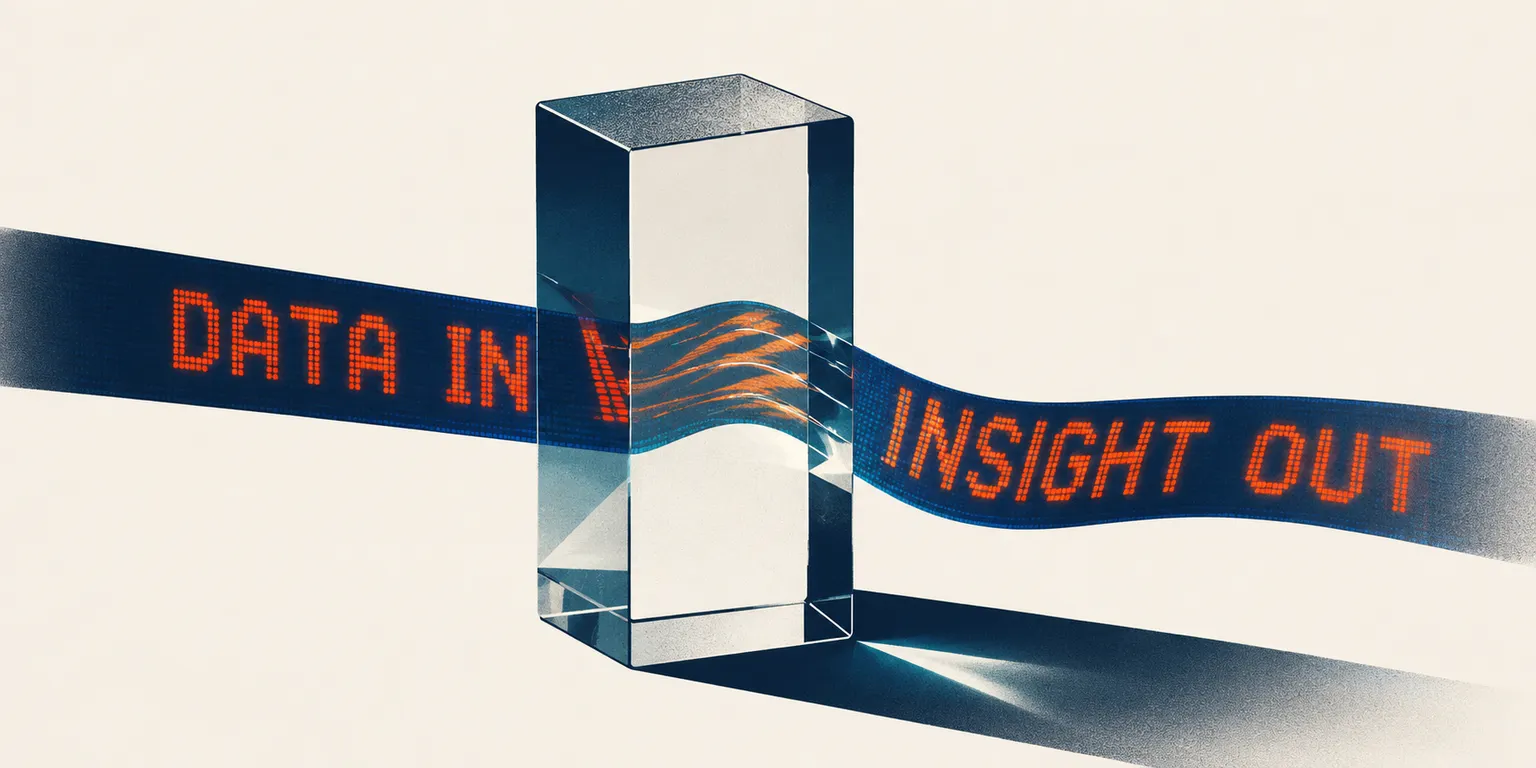
Most marketers think of a brand story the way they think of a press release: write it once, approve it, send it out, and move on. The story travels intact from sender to receiver, like a sealed letter. That assumption is the source of most digital storytelling failures. Digital stories are not sealed letters. Every platform, every device, every audience interaction rewrites them — and understanding that changes everything about how they should be built.
Key Takeaways
- A digital story is not a fixed object. It transforms depending on where it lives, who encounters it, and how they engage with it.
- The dominant misunderstanding in digital storytelling is treating it as traditional storytelling delivered through a screen.
- Platform fragmentation now requires brands to build stories modularly, not as a single linear narrative.
- Audience participation does not just distribute a story. It changes what the story actually is.
- Operational success in digital storytelling comes from setting clear message goals first, then building adaptable story architectures around them.
The Classic Idea: The Story as a Finished Object
Storytelling has always been treated as an act of craft and completion. The Greek tragedians wrote plays with fixed beginnings, middles, and ends. The Homeric epics were memorized and recited in the same sequence, generation after generation. Even with print and broadcast, the model held: the story was authored, produced, published, and received. The audience's job was to receive it.
This is the model that most marketing inherited. A brand story had a clear shape. There was the origin myth (how the founder started the company in a garage, usually). The mission statement. The campaign concept. The narrative arc. All of it was designed, approved, and released as a finished object into the world.
The logic was sound for centuries. And the underlying impulse — to move people through narrative — is not wrong. Research consistently shows that stories are 22 times more memorable than facts alone, and 92% of consumers want brands to make ads that feel like a story (The Trust Agency). The brain, when encountering a well-constructed narrative, processes it as lived experience rather than external information. Oxytocin is released. Attention deepens. Memory forms. None of that has changed.
What changed is the medium through which stories travel. And the medium does not just deliver the story. The medium becomes part of the story itself.
Infotechnics · Mutable narratives
Digital stories change every time they are touched.
A digital story is not a sealed letter. The platform reshapes its grammar. The audience adds its own framing. What travels is not a finished object, but a system designed to survive transformation.
The story refraction lab
One message. Six different arrivals.
Choose a platform, then increase audience participation. Watch the format, framing, ownership, and performance change while the core message stays intact.
Choose its environment
A caption, reaction, or share reframes what the next person receives.
Discovery should feel possible, not intimidating.
The emotional destination remains fixed. Everything around it is allowed to change.
Try this with us
The detour that became the whole trip.
A fast, human moment opens the door. The explanation comes after the feeling.
“This is exactly how our best weekends start.”
Modular story architecture
Consistency is a shared sensibility—not identical content.
Stop scaling one approved asset across every channel. Build a stable narrative core, then arrange the evidence, pacing, invitation, and point of view for the context in which it will land.
What stays fixed
The emotional destination.
The central tension, the belief you want to create, and the recognizable values, voice, and visual language of the brand.
The first three seconds—or paragraph.
Attention arrives under different conditions.
Proof chosen for the audience’s state.
A demonstration, testimony, data point, or lived moment.
Sequence rebuilt for the medium.
Compressed, serialized, searchable, visual, or conversational.
A clear role for the person receiving it.
Respond, choose, remix, share, or add a chapter.
Build the system, not just the story
The platform shapes what arrives. The audience decides what travels next.
A living brand narrative becomes harder to copy because it is partly made by the people it was made for.
What Everyone Gets Wrong About Digital Storytelling
Here is the common version of digital storytelling strategy: take the brand story, translate it into a caption for Instagram, a script for TikTok, a blog post, a newsletter. Same story, different containers.
This is not digital storytelling. This is repurposing. And the distinction matters more than most teams realize.
The assumption underneath this approach is that the story remains stable. That the brand controls the narrative from production to reception. That what you send is what they receive.
On a digital platform, this is never fully true. A TikTok video is not just watched. It is watched on a phone, probably in a vertical orientation, probably with the sound off (85% of Facebook videos are watched without sound, according to The Trust Agency, and the figure on TikTok is comparable). The viewer may be mid-commute. They are also consuming 40 other pieces of content in the same sitting. The visual grammar of the platform tells them what to expect before a single frame plays. Their expectations, formed by thousands of hours of prior consumption, are already shaping how they interpret what they see.
Then they share it. And sharing a story is not a neutral act. When someone reshares content, they add their own framing. Their comment, caption, or reaction becomes part of the story's meaning. A campaign intended to convey warmth and community can be reshaped into irony in a single share. This is not a failure of execution. It is the nature of digital media.
The more serious misunderstanding is this: most brands treat the message goal and the story format as the same decision. They're not. Message goals are about what you want someone to feel, believe, or do. Story format is about how that feeling, belief, or action gets constructed differently depending on context. Collapsing those two decisions into one is why so many campaigns feel simultaneously over-produced and under-communicating.
What Has Shifted About the Way Digital Stories Actually Work
The change that deserves the most attention is not a new platform or a new format. It is the shift from one-directional storytelling to multi-directional storytelling, and the audience is no longer just receiving the story. In a growing number of cases, the audience is writing it.
User-generated content offers the clearest example. When a fitness brand runs a hashtag campaign and invites customers to post their workout routines, the brand does not control the narrative that emerges. The customers do. The brand's original story becomes a prompt, and the community generates the actual content. This is not a loss of control to be managed. It is a storytelling structure with distinct advantages: UGC results in 29% higher web conversions than brand-created content alone (The Trust Agency), and it carries an authenticity that no amount of production budget can replicate. Authenticity functions here not as a vague brand value, but as a specific mechanism. Audiences recognize unscripted content. Their brains assign it a different credibility weighting.
Spotify Wrapped is the defining example of this era's storytelling logic. Every year, Spotify turns individual listening data into a personalized story for each user. The brand is technically the author. But the story is about the user, told using the user's own behavior, designed to be shared publicly. When users share their Wrapped results, they are not distributing Spotify's brand message. They are sharing their own identity, using Spotify as the storytelling vehicle. The brand becomes infrastructure for personal narrative.
That is a meaningfully different relationship between brand and story than what existed in the broadcast era.
Platform fragmentation has also created a condition where the same underlying story must exist simultaneously in multiple, genuinely different forms. A travel brand's core message about discovery cannot be expressed the same way in a 12-second Reel, a 3,000-word travel blog, a 45-minute podcast episode, and an email newsletter. These are not different lengths of the same story. They operate on different attention economics, different audience relationships, and different social contexts. Treating them as containers for identical content produces content that fits nowhere perfectly.
The table below shows how storytelling requirements differ meaningfully across major digital platforms:
Content design · platform fit
The story stays coherent while its form changes with the channel.
Each platform creates different expectations for pace, depth, intimacy, and participation. Format should serve both the idea and the audience’s mode of attention.
Swipe to compare all columns →
| Platform | Format | Optimal Duration | Story Style | Key Technique |
|---|---|---|---|---|
| TikTok | Vertical video. | 15–60 seconds. | Raw, reactive, and responsive to trends. | UGC integration and participatory formats. |
| Instagram Reels | Vertical video. | 15–90 seconds. | Polished but personal. | Influencer storytelling and visual hooks. |
| Instagram Stories | Ephemeral vertical. | 15 seconds per frame. | Casual and sequential. | Behind-the-scenes content and interactive polls. |
| YouTube | Landscape video. | 8–20 minutes. | Deep, serialized, and documentary. | Long-form brand narratives and tutorials. |
| Blog or Article | Long-form text. | 1,000–3,000+ words. | Educational, detailed, and searchable. | Data-driven narratives and SEO content. |
| Text and visuals. | 200–500 words. | Personalized and direct. | Story-driven subject lines and segmented messaging. | |
| Podcast | Audio. | 20–60 minutes. | Conversational, intimate, and serial. | Character-driven narratives and interviews. |
The format differences are mechanical. The more important shift is in the audience relationship. On YouTube, someone has chosen to watch. On TikTok, the algorithm chose for them. On email, the subscriber has already opted into a relationship. Each of these contexts changes the psychological state the story lands in, and that changes what the story needs to do in its first three seconds, its first paragraph, its first listen.
There is also the question of interactive content. Interactive formats, including polls, quizzes, choose-your-own-narrative structures, and participatory campaigns, generate 2x more conversions than passive content (The Trust Agency). But the more interesting finding is not the conversion rate. It is what interactivity does to memory and identification. When someone makes a choice within a story, even a minor one, they take partial authorship of the outcome. The story stops being something that happened to them and starts being something they did. That is a fundamental change in how brands and audiences relate to narrative.
What This Means When You Actually Sit Down to Build Something
The operational shift is not particularly glamorous to describe, but it matters. Here is what changes when you take seriously the idea that digital stories are mutable rather than fixed:
Message goals come before format decisions. This sounds obvious. It is not practiced nearly as often as it should be. A message goal is not "we want people to know about our new product." It is "we want someone in the consideration phase to understand that this product solves a problem they have been tolerating for years." That specificity changes which platforms are relevant, which story structure works, and which audience behaviors need to be designed for.
Stories need modular architecture, not linear scripts. A brand with a clear origin story, a strong set of customer testimonials, a defined visual language, and a few compelling product moments has the raw material to build stories in any format without starting from scratch each time. The linear brand narrative is not the product. It is the source material. The platform-specific execution is where the actual storytelling happens.
Data is not just a measurement tool. It informs what the story is.
When a tech company uses social listening to identify the specific language its audience uses to describe a recurring frustration, then builds a campaign that reflects that language back, the data is not supporting the story. The data is part of the story's construction. This is different from using analytics to optimize headlines after the fact. Audience research conducted before conceptualization changes the direction of the story before it is written.
Audience participation needs to be designed for, not hoped for.
The most effective participatory campaigns are not simply open invitations. They give audiences a specific creative constraint or prompt that makes participation easy and the outcome shareable. The branded hashtag challenge on TikTok works when the prompt is specific enough to be actionable but loose enough to allow personal expression. Too restrictive and no one participates. Too open and no one knows where to start.
Consistency across platforms does not mean sameness. A brand whose Instagram feels playful and whose email newsletter reads like a legal document has an inconsistency problem. But the inverse error is trying to make every platform sound identical. 90% of consumers expect the brand experience to be consistent across all platforms (The Trust Agency). Consistency is about values, voice, and visual identity, not about format. A warm, honest, slightly irreverent brand can express those qualities in a 15-second Reel and a 2,000-word article simultaneously, without either feeling like a misfit.
Build the System, Not Just the Story
The shift in thinking required here is not enormous in theory. In practice, it requires breaking some genuinely entrenched habits. The instinct to produce a single, polished, approved campaign asset and then scale it across channels is not just a laziness problem. It reflects a real belief that the story is the thing that travels, and the platform is just the road.
The road shapes what arrives. A message that builds trust and warmth in a long-form podcast episode needs to be redesigned, not resized, for a 15-second video. The emotional journey that takes six minutes in one format might need to be compressed into a visual metaphor in another. These are not the same task dressed differently.
Start with what you want the audience to know, feel, or do. Build the message goal with real specificity. Then construct the story elements as modular components: the core tension, the human evidence (customer stories, real behavior, specific moments), the resolution, the invitation to participate or respond. Arrange those components differently for each context. Measure not just whether people saw the content, but whether they did something with it, shared it, responded to it, changed their behavior because of it.
Story-driven blog posts generate 67% more leads than standard posts, storytelling can boost conversion rates by up to 30%, and interactive content doubles conversion rates against passive formats (The Trust Agency). These are not separate findings. They are three different expressions of the same underlying truth: the more the audience participates in constructing the meaning of a story, the more that story works.
The brands that figure this out are not just better at marketing. They build story systems that compound. Each piece of audience participation generates new material. Each platform creates a slightly different version of the story for a slightly different audience. Over time, the brand's narrative becomes genuinely distributed, genuinely alive, and genuinely hard to replicate, because it is partly made by the people it is made for.
Frequently Asked Questions
What is digital storytelling in marketing, and how does it differ from traditional storytelling?
Digital storytelling in marketing uses narrative-driven content specifically designed for digital platforms such as social media, websites, mobile apps, and email. Unlike traditional storytelling in print or broadcast, digital storytelling is interactive, data-informed, and platform-specific. The audience can participate directly, share content, and alter its meaning in the process. The story is not a fixed object delivered from brand to consumer. It is shaped by where it lives, who it reaches, and how they engage with it.
Why do digital stories need to be adapted for different platforms rather than simply resized?
Each digital platform creates a different psychological context for the audience. A viewer choosing to watch a 20-minute YouTube documentary is in a fundamentally different mental state than someone scrolling TikTok during a commute. Attention economics, social context, content expectations, and audience relationships all differ by platform. Resizing the same story for every channel produces content that fits no channel well. The message goal should remain consistent. The story structure, format, and even tone need to be rebuilt for each context.
What role does user-generated content (UGC) play in digital brand storytelling?
User-generated content shifts the brand from author to prompt-giver. When customers create and share their own content related to a brand, the resulting narrative carries authenticity that produced brand content rarely matches. UGC also results in 29% higher web conversions than brand-produced content alone. The audience does not just distribute the story when they share UGC. They rewrite it from their own perspective, which makes it more credible and more personal to the next person who encounters it.
How should brands set message goals before developing a digital story?
A message goal should specify what a particular audience segment should feel, believe, or do after encountering the content, not just what information they should receive. "We want people to know about our new service" is a communication task. "We want someone who has tried similar services and been disappointed to believe this experience will be different, and to take a first low-stakes action to find out" is a message goal. The specificity changes which platforms are relevant, which storytelling approach fits, and how success is measured.
How can brands maintain consistency across platforms without making all content feel identical?
Consistency is about values, voice, and visual identity rather than format uniformity. A brand with a clear sense of its personality, its visual language, and the emotional register it operates in can express those qualities very differently across a 15-second Reel, a long-form podcast, and an email newsletter without any of those feeling off-brand. The test is not whether the content looks the same. It is whether someone who encountered the brand across multiple platforms would recognize a common sensibility.
What does "modular story architecture" mean in practice for digital content teams?
A modular story architecture treats a brand's core narrative elements (the central tension the brand resolves, evidence from real customers, the brand's origin and values, visual and tonal signatures) as raw material that can be arranged differently for each platform and audience. Rather than producing a single master campaign that gets adapted, the team builds a library of narrative components. A testimonial clip might appear as 15 seconds on Instagram Stories, as a full two-minute case study on YouTube, and as a paragraph in an email sequence. The component stays consistent. Its framing, length, and context shifts.
How do you measure whether digital storytelling is actually working?
Conversion metrics and engagement rates are surface readings. The more useful signals are behavioral: did someone share the content (which means they chose to associate their identity with the story), did they respond or participate (which means the story created a two-way relationship), did they take a step deeper into the brand experience (which means the story moved them along a decision journey). Story-driven blog posts generate 67% more leads than standard posts and storytelling can increase time spent on a page by up to 520%, both of which indicate that the audience found the story worth staying with, which is the real prerequisite for everything that follows.
An independent voice that will raise an eyebrow.
The Off Label is marketing strategy in action. We go further than what's on the surface. Every play, brief, strategy, and trend published here is proof of how we connect dots and turn ideas into an advantage.
Browse Full Foundations Archive →Published from the Charleston, South Carolina strategy lab. Synthesizing marketing behavior into actionable strategy for New York City and the world's creative hubs.
© 2026 The Off Label. All rights reserved. Content on this site may not be reproduced without prior permission.
NYC / LDN / CDMX / CHS

