Calimala Milano is a Interesting Hotel With a Wallpaper Past
Hotel Calimala Milano embraces its neighborhood’s vibrant culture, offering a rooftop pool, restaurant, and bar that encourage guests to engage with the local scene.
The Setup
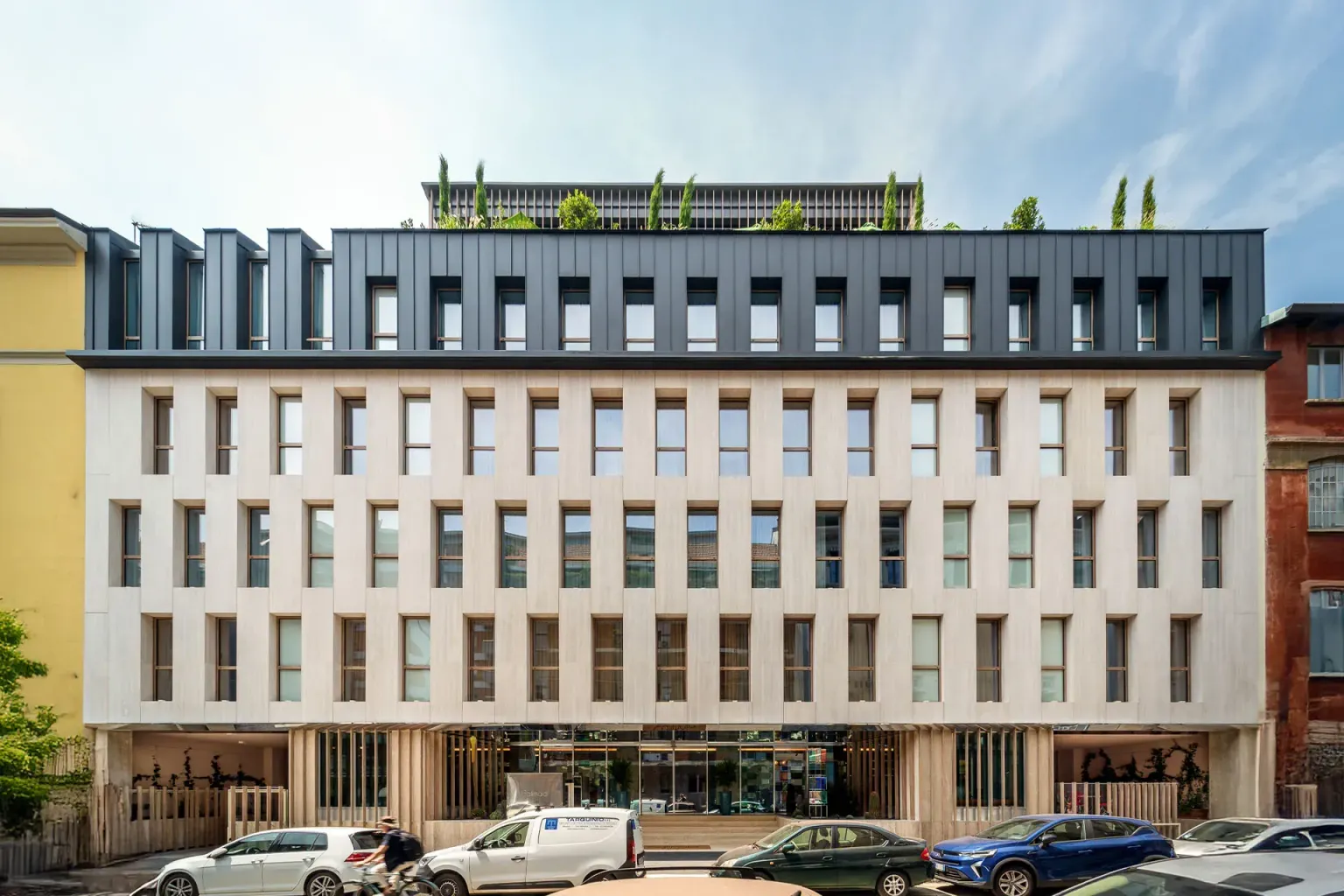
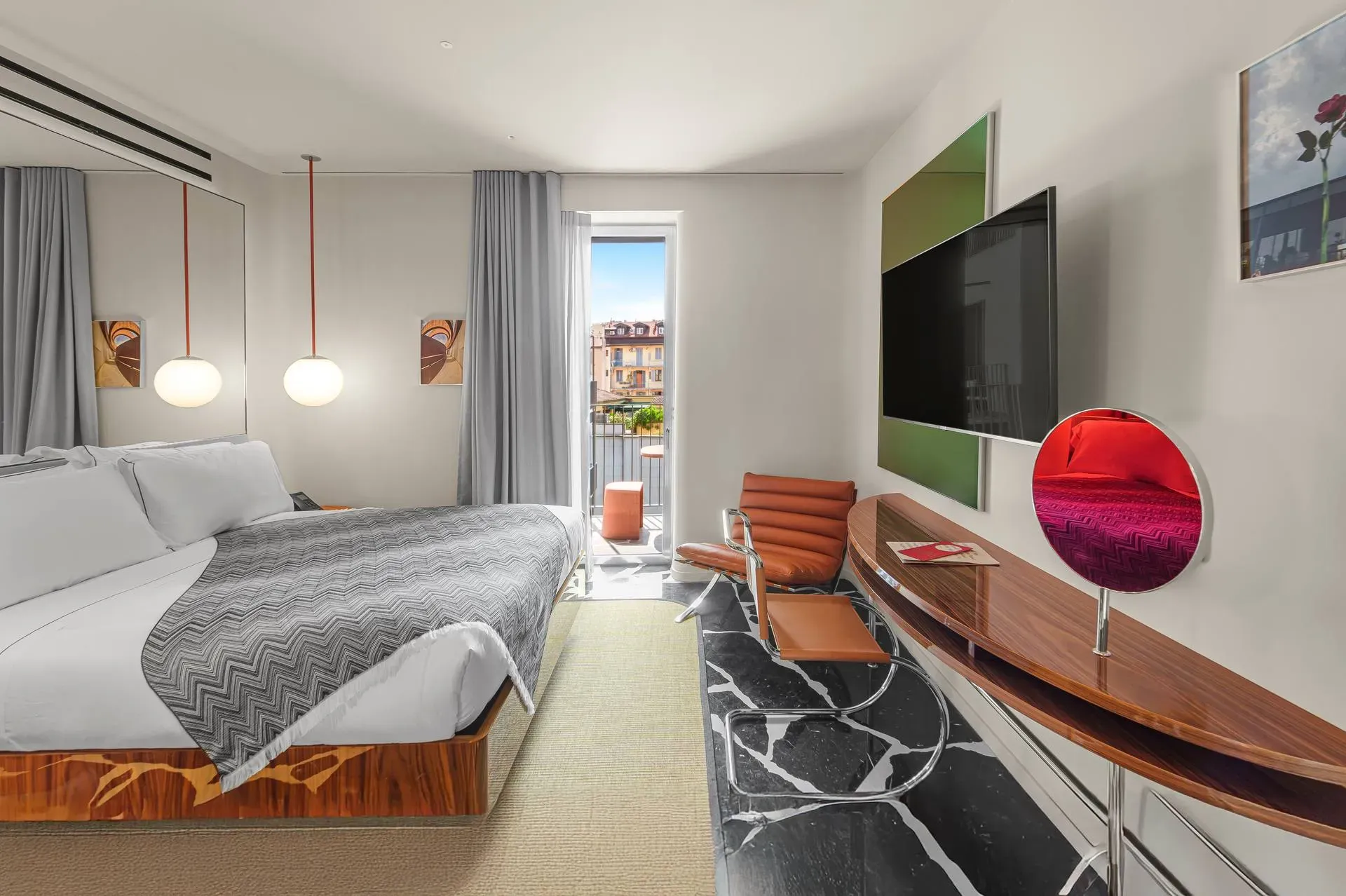
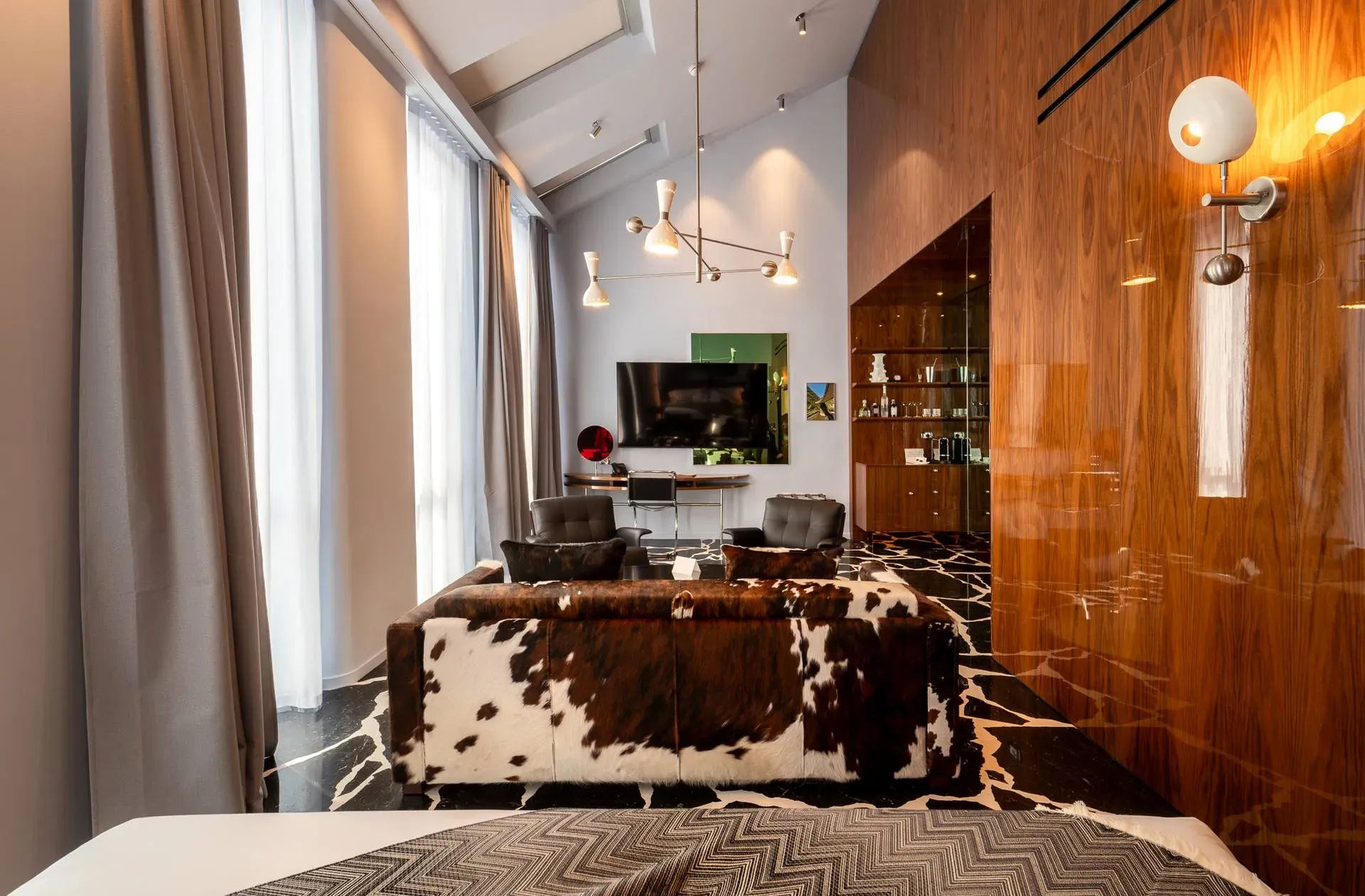
Hotel Calimala Milano takes a former 1960s wallpaper showroom in Porta Venezia and turns it into an 88-room boutique hotel with a rooftop pool, restaurant, gym, and interiors by Alex Meitlis. The Florence-born brand enters Milan without chasing old palace-hotel language. Instead, the property leans into lacquer, marble, layered textures, warm lighting, and a neighborhood rhythm that feels tied to the city’s fashion, dining, and design culture.
Hotel Calimala Milano
The interesting move is how Calimala treats the hotel less like accommodation and more like urban membership. Modern luxury travelers increasingly want hotels that function as part of the city’s social life rather than a sealed retreat from it. Calimala understands that shift.
The rooftop, restaurant, bar, and pool are all designed to keep guests circulating through Porta Venezia instead of hiding from it. Even the building’s wallpaper-showroom history matters because it gives the design story local texture rather than generic boutique-hotel polish. The property feels calibrated for people who want Milan to continue after they close the room door.
The Breakdown
Hotel Calimala Milano
An Infotechnics™ analysis of how a product rates across eight areas of performance.
To explore in more detail, pinch out to zoom in
Calimala understands that hotels increasingly compete as neighborhoods with keys.
The shape shows a hotel that performs strongest where place becomes product. Design, experience, and positioning score higher because Calimala turns Porta Venezia into part of the room rate rather than background context. Messaging and pitch stay more measured because boutique hospitality increasingly speaks the same language. What separates this property is not originality. It is how consistently the neighborhood, interiors, rooftop, and daily rhythm feel like one decision instead of separate amenities.
Brand Positioning and Identity
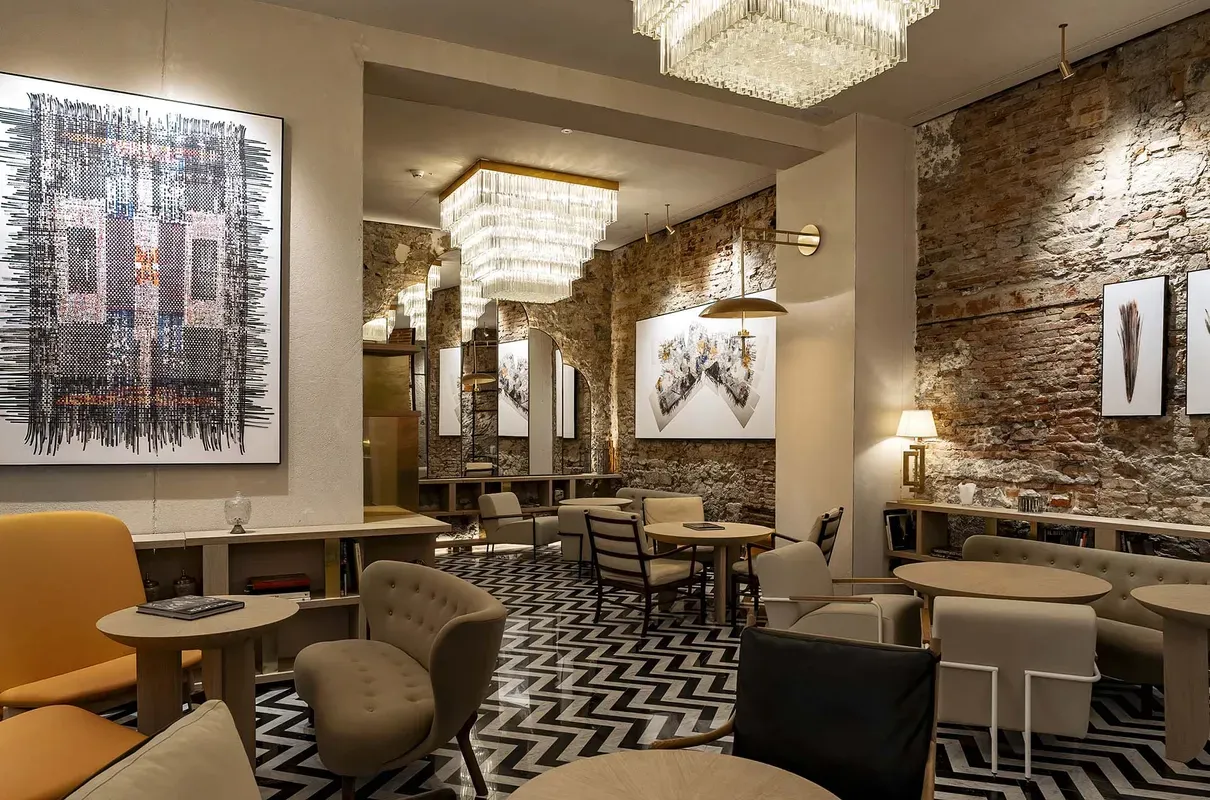
Hotel Calimala Milano positions itself as a design-forward boutique hotel in Porta Venezia, carrying the Florence-born Calimala brand into Milan with a more urban, style-conscious posture. The hotel uses 88 rooms, rooftop dining, pool, gym, and a bar program to sell a full city stay rather than a room-only product. The identity is Milanese, polished, social, and visually confident, with Alex Meitlis translating a former 1960s wallpaper showroom into a hotel with layered color, lacquer, marble, and custom design details.
Target Segment and Audience
The target guest is the Milan traveler who wants design, location, food, and a neighborhood feel without defaulting to grand-hotel formality. It speaks to style-aware leisure travelers, fashion-week visitors, couples, design people, and business travelers who want Porta Venezia’s restaurants, bars, shopping, and walkability. Guest reviews and travel coverage point to the same audience: people who want high-end comfort, strong interiors, easy access, and enough local energy around them.
Messaging and Storytelling
The messaging is built around Milan as a lived city, not a postcard. Calimala’s site leads with dining, rooftop drinks, pool time, and a property that blends tradition with modernity. Outside coverage keeps returning to the story of a Florence hotel brand entering Porta Venezia with a new Milanese attitude. The story works because it uses design and neighborhood energy together: a hotel for people who want Milan’s style language to continue inside the building.
Experience and Journey
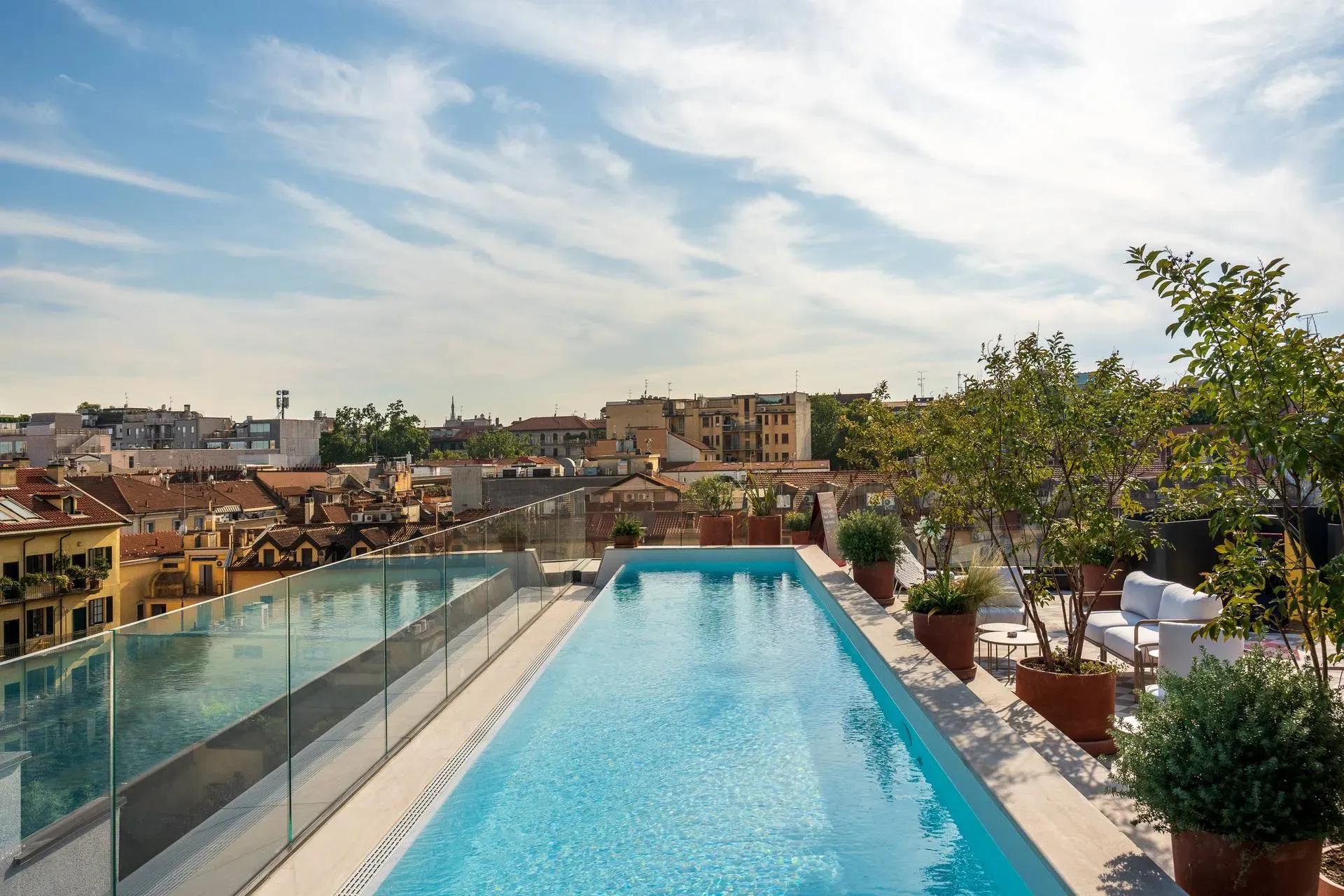
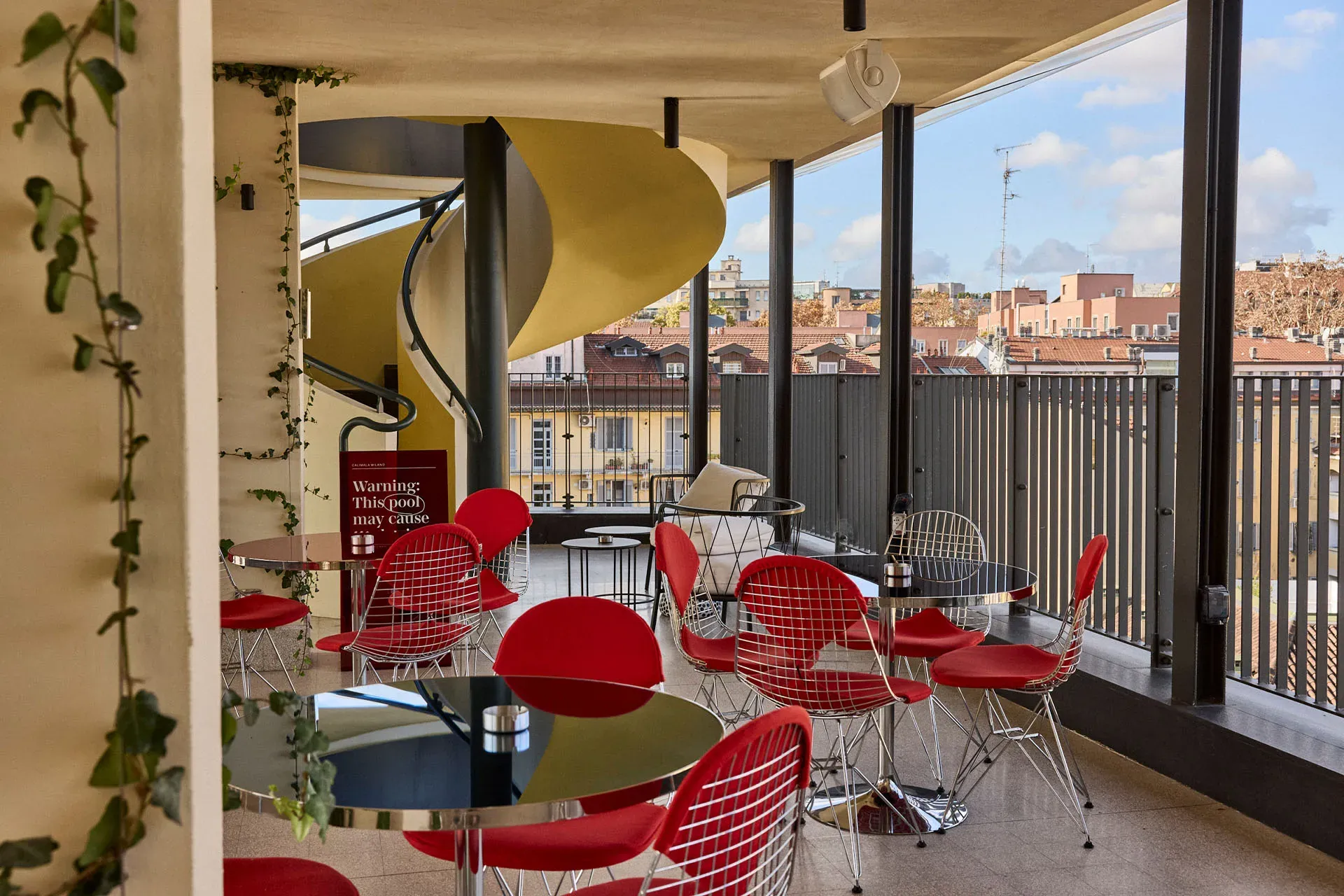
The guest journey moves from street-level Milan into a layered hotel routine: room, bar, rooftop restaurant, pool, gym, neighborhood, repeat. The rooftop is a key part of the offer because Milan hotel pools are still uncommon enough to create real differentiation. Reviews also point to practical perks, including generous in-room extras, staff warmth, and strong design. The experience is meant to feel stylish without becoming precious.
Hotel Calimala Milano
Community and Culture Insight
Calimala Milano sits inside Porta Venezia’s current appeal as one of Milan’s more interesting hotel neighborhoods: central enough for visitors, local enough to feel lived-in, and visually aligned with the city’s design culture. The hotel is not trying to compete through palace heritage. It leans into Milan’s contemporary lifestyle economy: restaurants, fashion, interiors, rooftops, nightlife, and short-stay urban rhythm. That makes it feel more like a stylish neighborhood base than a sealed luxury box.
Differentiation and Unique Selling Point
The USP is a design-led Porta Venezia hotel with rooftop pool, rooftop restaurant, gym, bar, and strong interior identity in one compact boutique package. Many Milan hotels sell either old-world luxury or clean business convenience. Calimala sells a more edited city lifestyle: design detail, food, views, and neighborhood access. The former wallpaper showroom backstory gives the interiors a useful origin story, while the rooftop pool gives the property an easy guest-facing hook.
Design Language
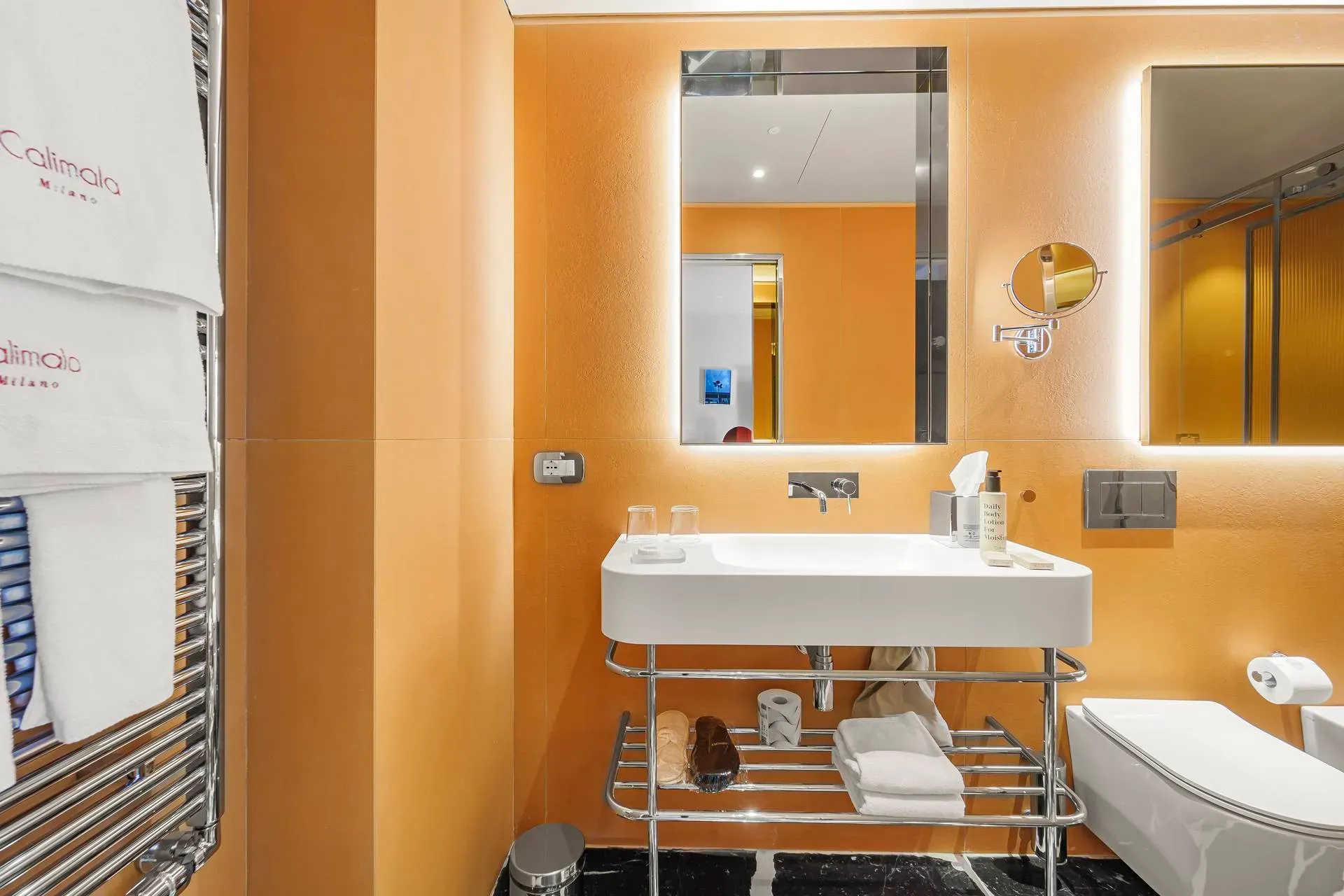
The design language is Milan modernism with a decorative streak. Design Milk points to lacquered surfaces, rich materials, reflective backdrops, and references to the building’s former life as a wallpaper showroom. That matters because the hotel’s design does not feel generic. It uses color, pattern memory, marble, mirrors, warm finishes, and custom detailing to create a hotel that photographs well without losing function.
Marketing Pitch
The marketing pitch is: stay in Milan like the city’s design language followed you indoors. Calimala Milano is selling more than location. It sells Porta Venezia as a mood: stylish, social, walkable, and slightly more local than the obvious luxury-hotel circuit. The hotel works because the product is easy to understand. Good rooms, good food, rooftop pool, strong interiors, and a neighborhood that gives the stay its own point of view.
Is It A Winning Pitch?
Do boutique hotels work better today when they feel like part of the neighborhood instead of isolated luxury compounds?