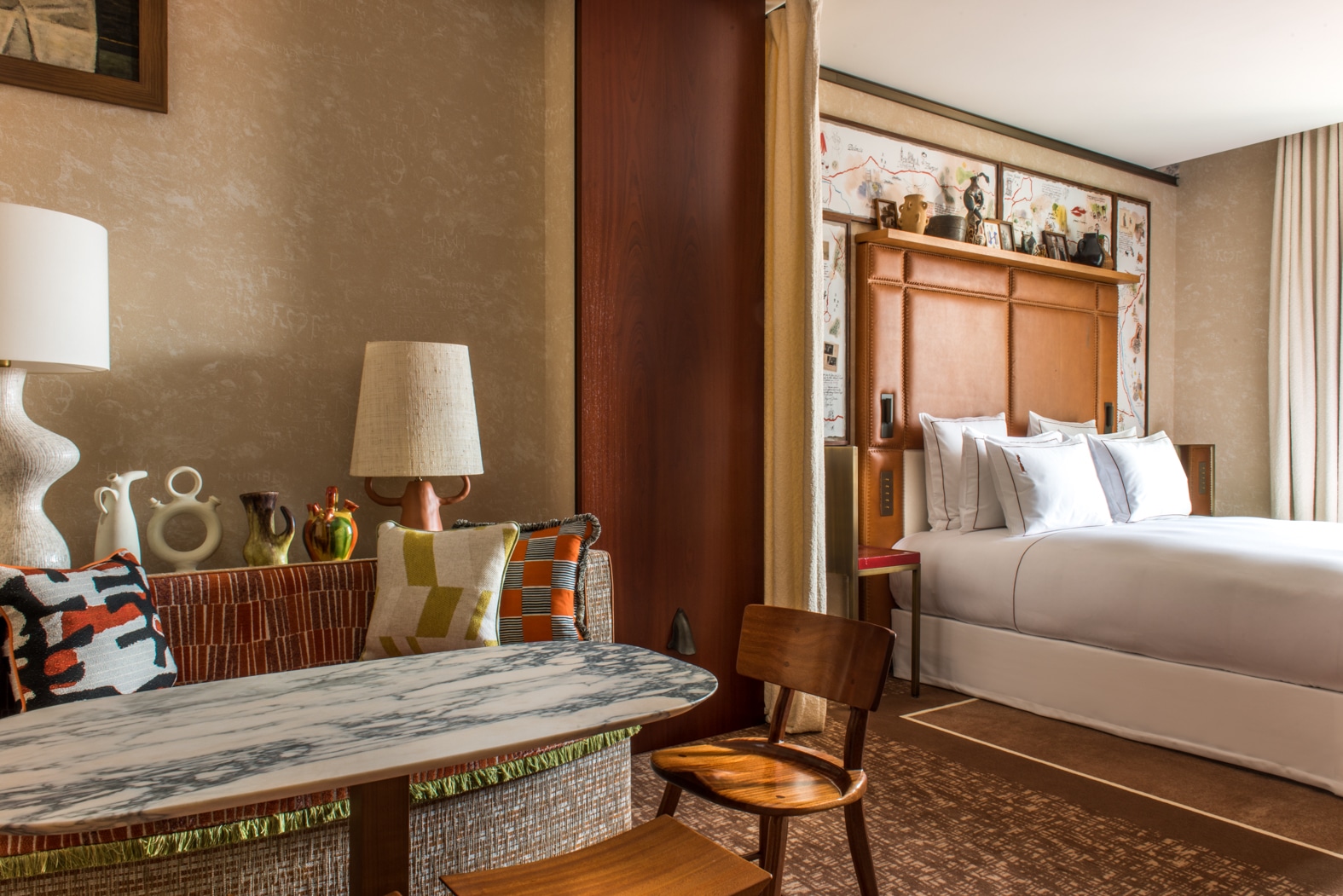
Brach Madrid Sells the Fantasy of Already Living There
Brach Madrid, a Philippe Starck-designed boutique hotel, offers a unique luxury experience by blending French hospitality with Madrid’s cultural energy. While the hotel excels in experience and design, it faces competition in the crowded lifestyle hotel market.
The Setup
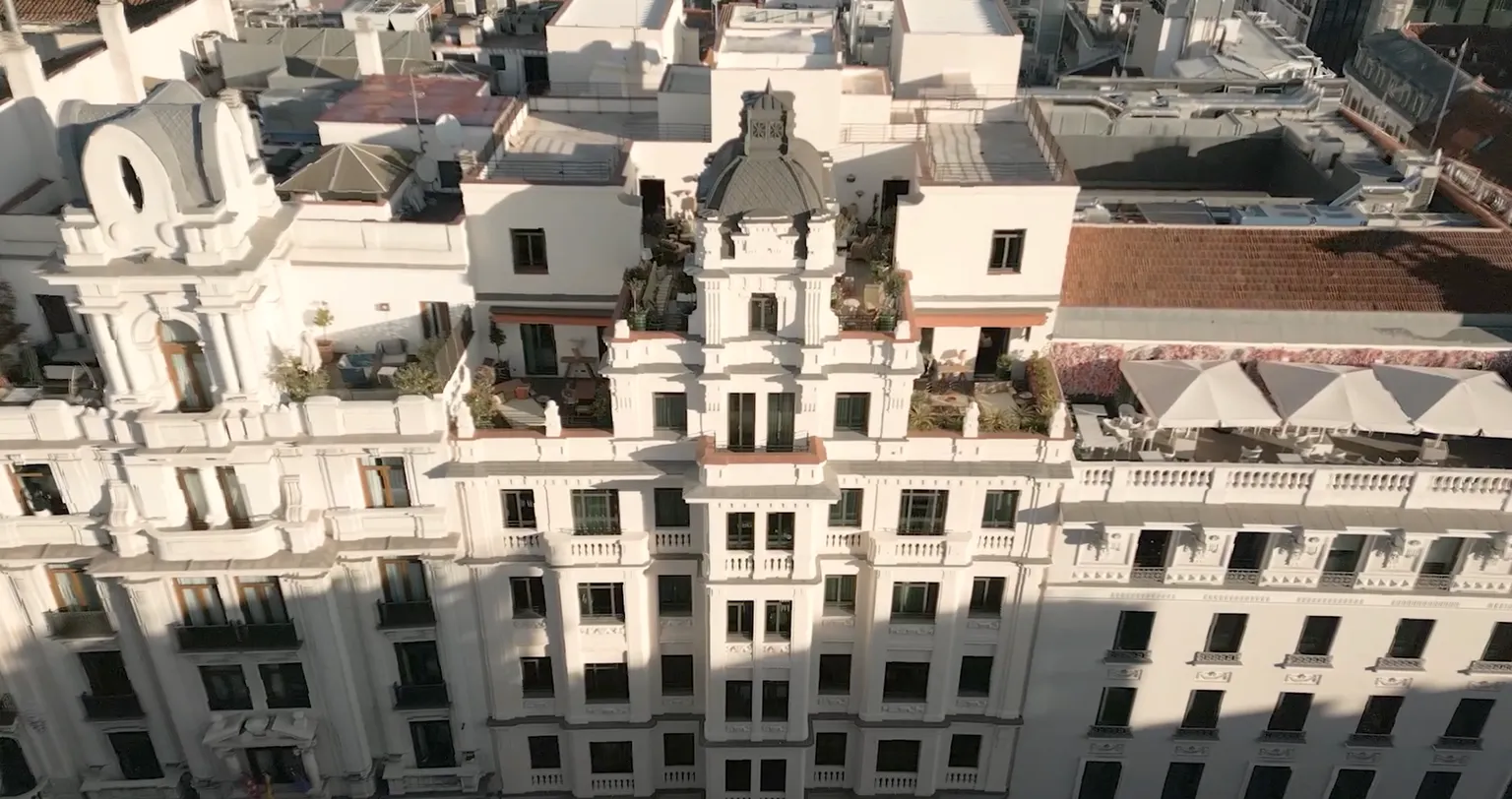
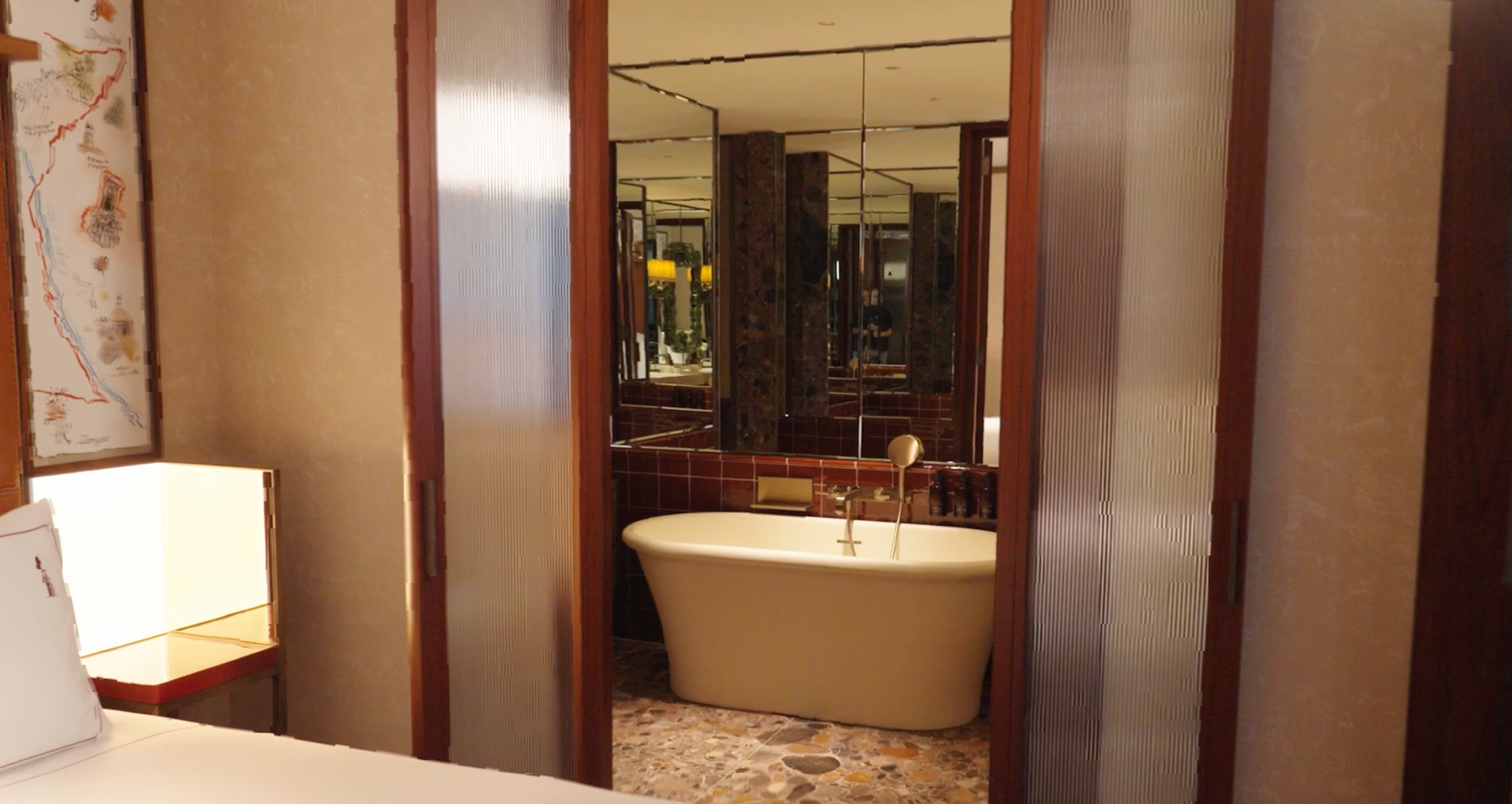
Brach Madrid takes a 1920s Gran Vía building and turns it into something between a luxury hotel, social club, and cinematic set piece. Philippe Starck layers caramel tones, wrought iron, collected objects, rooftop views, pastry counters, bars, spa spaces, and low-lit interiors into a boutique property that feels deeply tied to Madrid’s nightlife and cultural rhythm. The result is smaller and more intimate than the palace-style luxury hotels rising across the city, but far more personality-driven.
Brach Madrid
The interesting move is how Brach sells atmosphere as the actual luxury product. The rooms matter, but the larger idea is emotional immersion. Guests are encouraged to move through the property the same way they move through a city: coffee, streets, cocktails, rooftops, dinner, late-night conversation, repeat. That creates a hospitality model where the hotel behaves less like isolated accommodation and more like a beautifully edited version of urban life. For luxury brands right now, that distinction matters. People increasingly want places that feel culturally plugged in, not hermetically sealed off from the world around them.
The Breakdown
Brach Madrid
An Infotechnics™ analysis of how a product rates across eight areas of performance.
To explore in more detail, pinch out to zoom in
Brach Madrid wins more on atmosphere than originality.
The strongest scores sit in experience and design because the hotel gives Madrid a stylish social base rather than a quiet luxury shell. Starck’s interiors, the food-and-drink mix, rooftop, spa, and central location all support the mood. The lower scores come from differentiation and messaging. The product is polished, but design-led lifestyle hotels in major European cities are now a busy lane.
Brand Positioning and Identity
Brach Madrid positions itself as a five-star lifestyle hotel where French hospitality meets Madrid’s cultural energy. The brand comes from Evok Collection, with Philippe Starck shaping a 1922 building on Gran Vía into a warm, eclectic luxury address. The identity is boutique, theatrical, and social, built around rooms, restaurant, bar, pastry shop, rooftop, spa, and pool rather than a quiet sleep-only stay.
Target Segment and Audience
The target guest is the design-aware luxury traveler who wants Madrid with style, food, wellness, and a sense of scene. It speaks to couples, cultural travelers, fashion-adjacent guests, high-end leisure travelers, and locals who might use the restaurant, bar, pastry shop, or events program. Condé Nast Traveler frames it as a true boutique experience in the center of Madrid’s lively energy, which is exactly the lane Brach wants.
Messaging and Storytelling
The story is built around cultural blending. Brach describes the hotel as French art de vivre mixed with Spanish abundance, while outside coverage keeps pointing to Starck’s “modern nostalgic” mood, 1920s and 1930s references, romantic atmosphere, and Madrid-specific energy. The messaging works because the hotel does not sell design as decoration alone. It sells the feeling of entering a private Madrid story with French manners and Spanish heat.
Experience and Journey
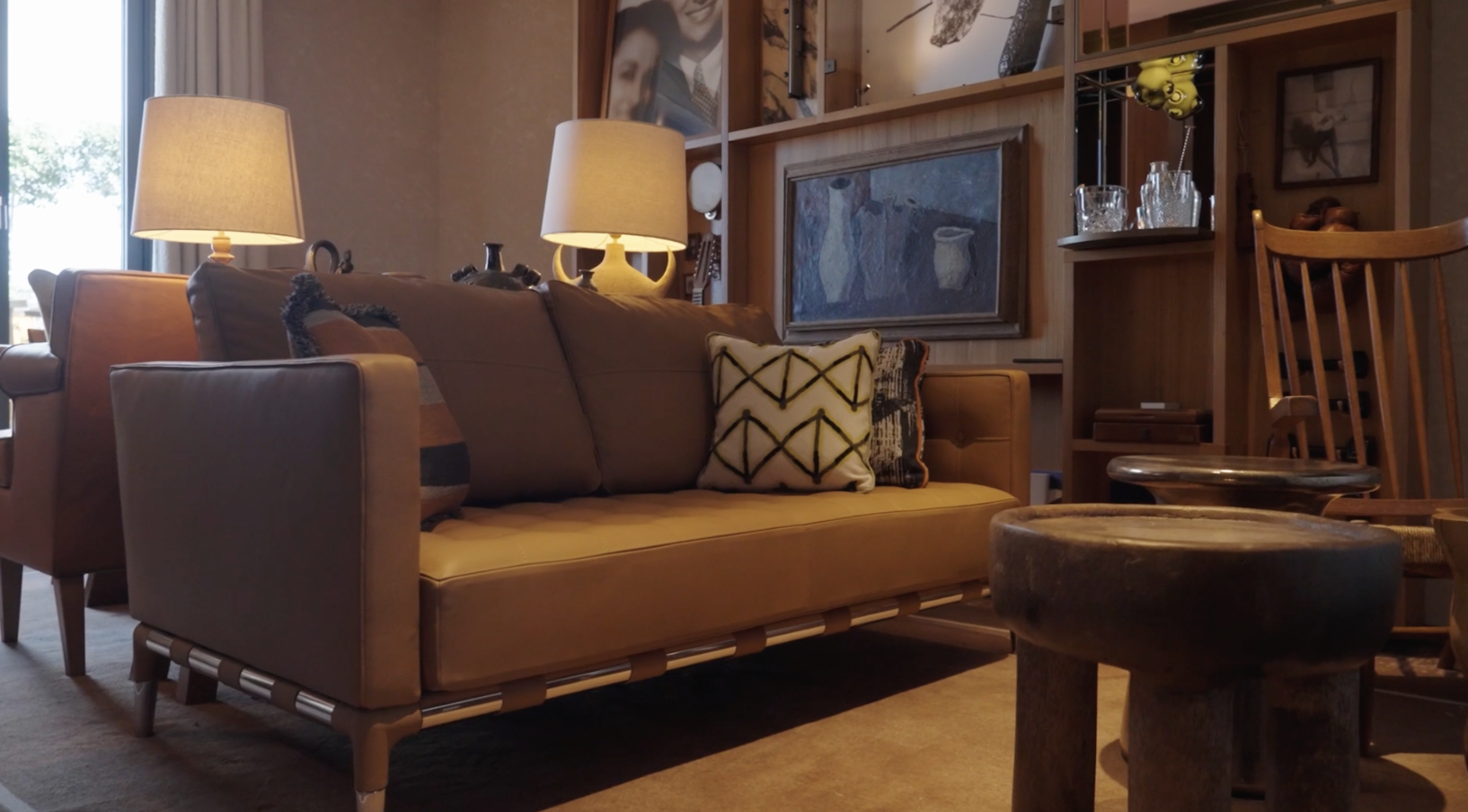
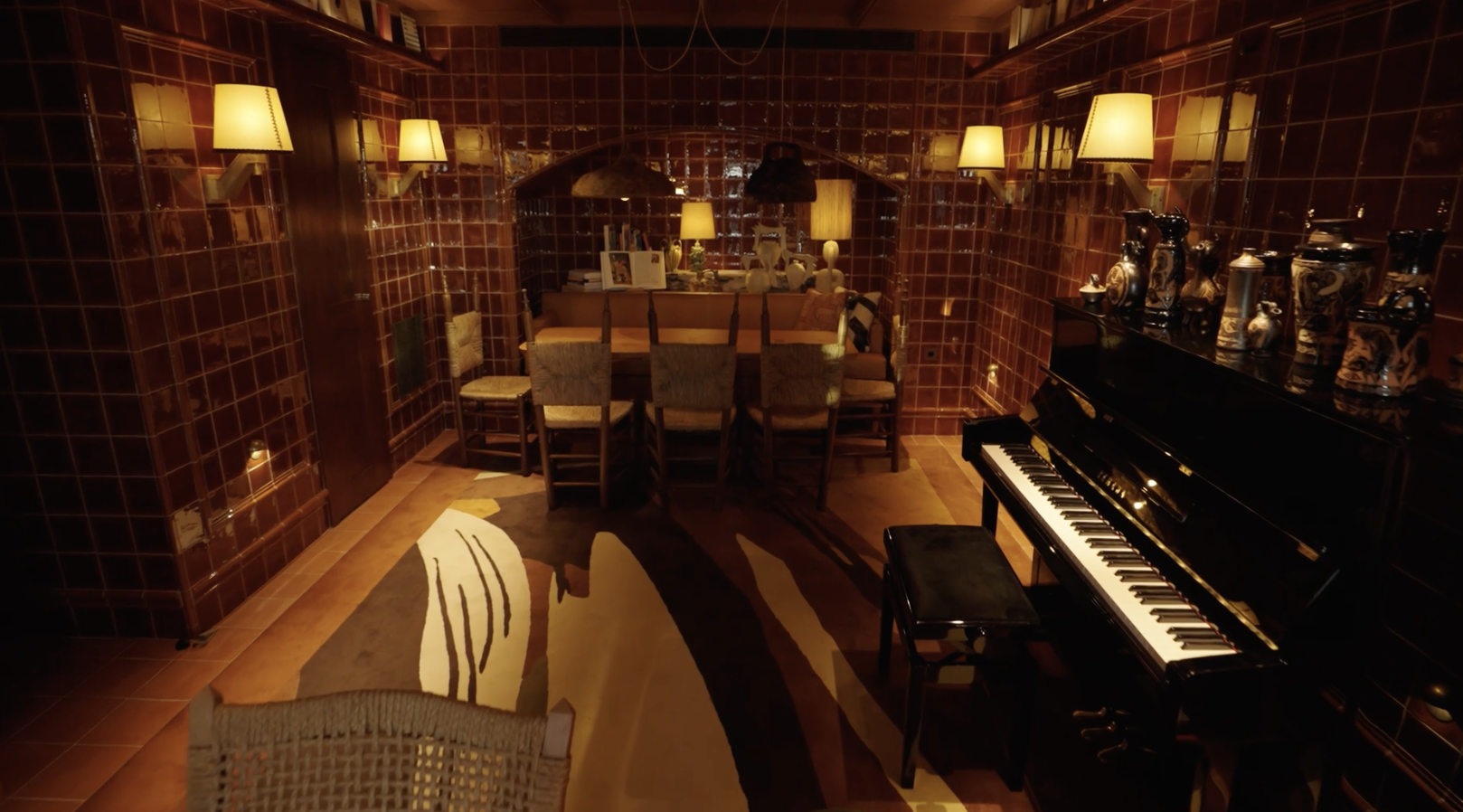
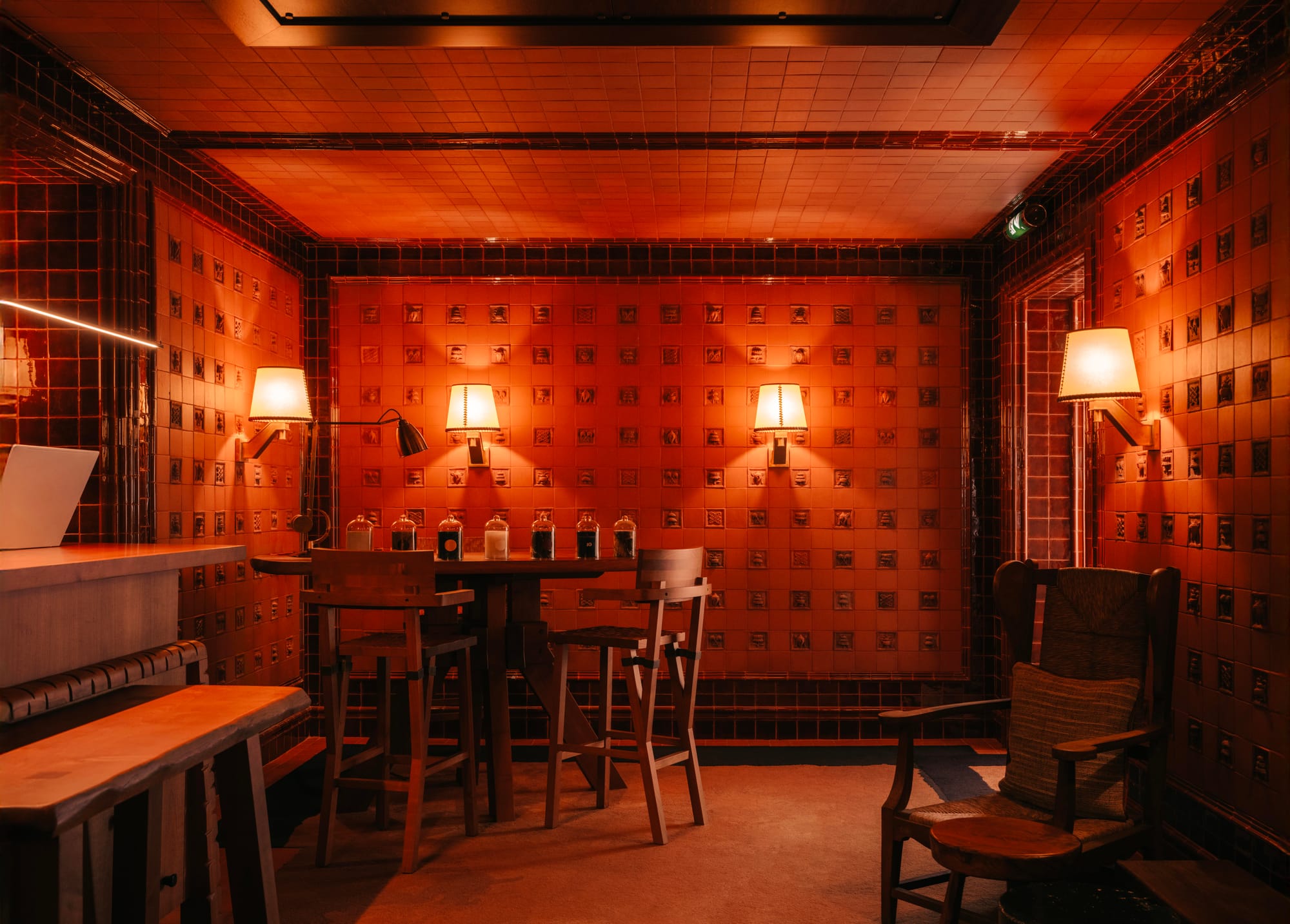
The guest journey is designed to move from city immersion to private retreat. A stay can run through Gran Vía, Chueca, the restaurant, pastry counter, spa, rooftop, pool, and rooms that feel layered rather than standardized. That is the important journey choice: Brach is not asking guests to leave Madrid behind. It gives them a stylish base where the city’s noise, food, art, and nightlife can be softened into a controlled luxury experience.
Brach Madrid
Community and Culture Insight
Brach Madrid sits inside the city’s current luxury-hotel rise, where Madrid has become a serious European hospitality stage alongside names like Four Seasons and Mandarin Oriental. Brach enters that market with a more intimate, design-led personality. The cultural insight is that Madrid luxury does not need to copy palace grandeur to feel premium. Brach uses nightlife, art, food, sensual interiors, and Starck’s name to make the hotel feel plugged into the city’s social life.
Differentiation and Unique Selling Point
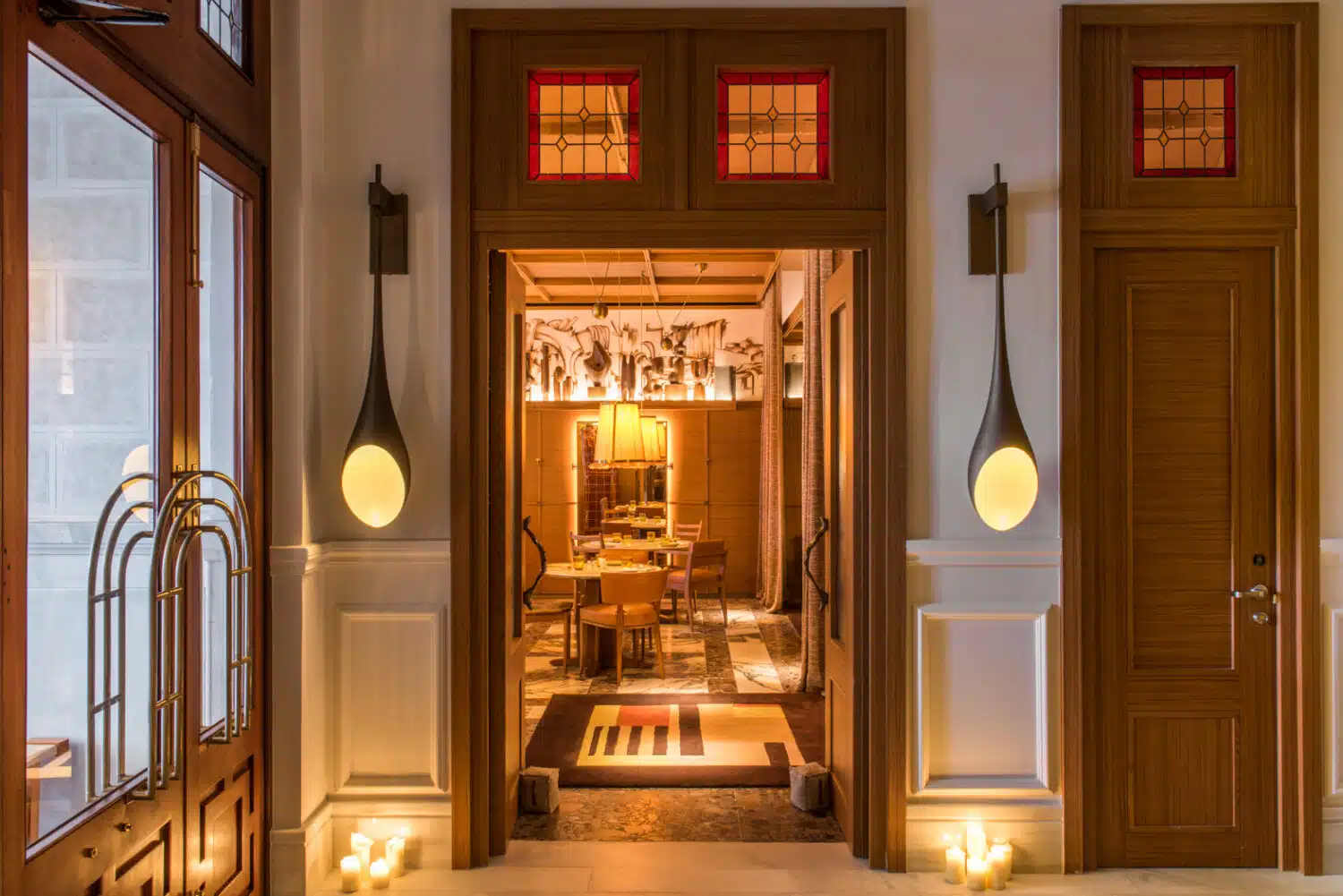
The USP is a Philippe Starck-designed five-star lifestyle hotel on Gran Vía with a complete social ecosystem inside the property. The 57-key scale gives it boutique intimacy, while the restaurant, bar, pastry shop, rooftop, spa, pool, and events offer more than a typical small luxury hotel. That combination lets Brach compete with Madrid’s grand luxury names by offering personality, not size.
Design Language
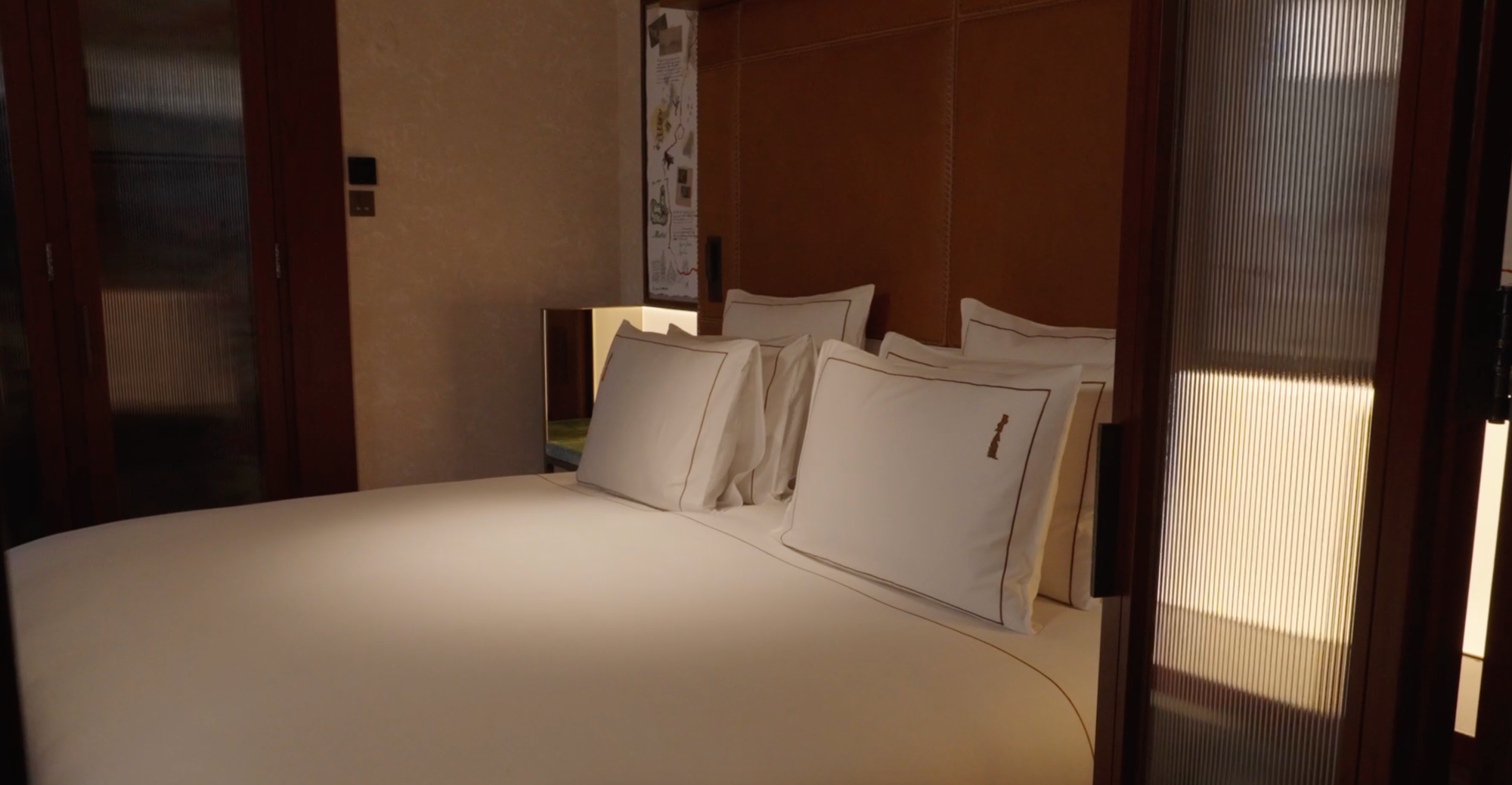
The design language is warm, cinematic, and layered. Starck works with the original 1920s building, wrought-iron staircase, balconies, caramel tones, low light, collected objects, and Spanish craft references. The hotel feels designed to be explored in fragments: a room detail, a pastry case, a rooftop view, a bar corner, a staircase, a pool. The look communicates luxury through atmosphere and story instead of cold perfection.
Marketing Pitch
The marketing pitch is: stay in Madrid like you have a private, beautifully lit life there. Brach is selling a hotel as a social mood, not only a room. It gives guests the city’s energy with a softer landing: French service, Spanish culture, Starck interiors, food, pastry, wellness, and enough theatrical detail to make the stay feel remembered before checkout.
Is It A Winning Pitch?
Do you think the future of luxury hospitality is privacy, or properties that feel socially alive?