Before quattro, Audi Was Building Land Missiles
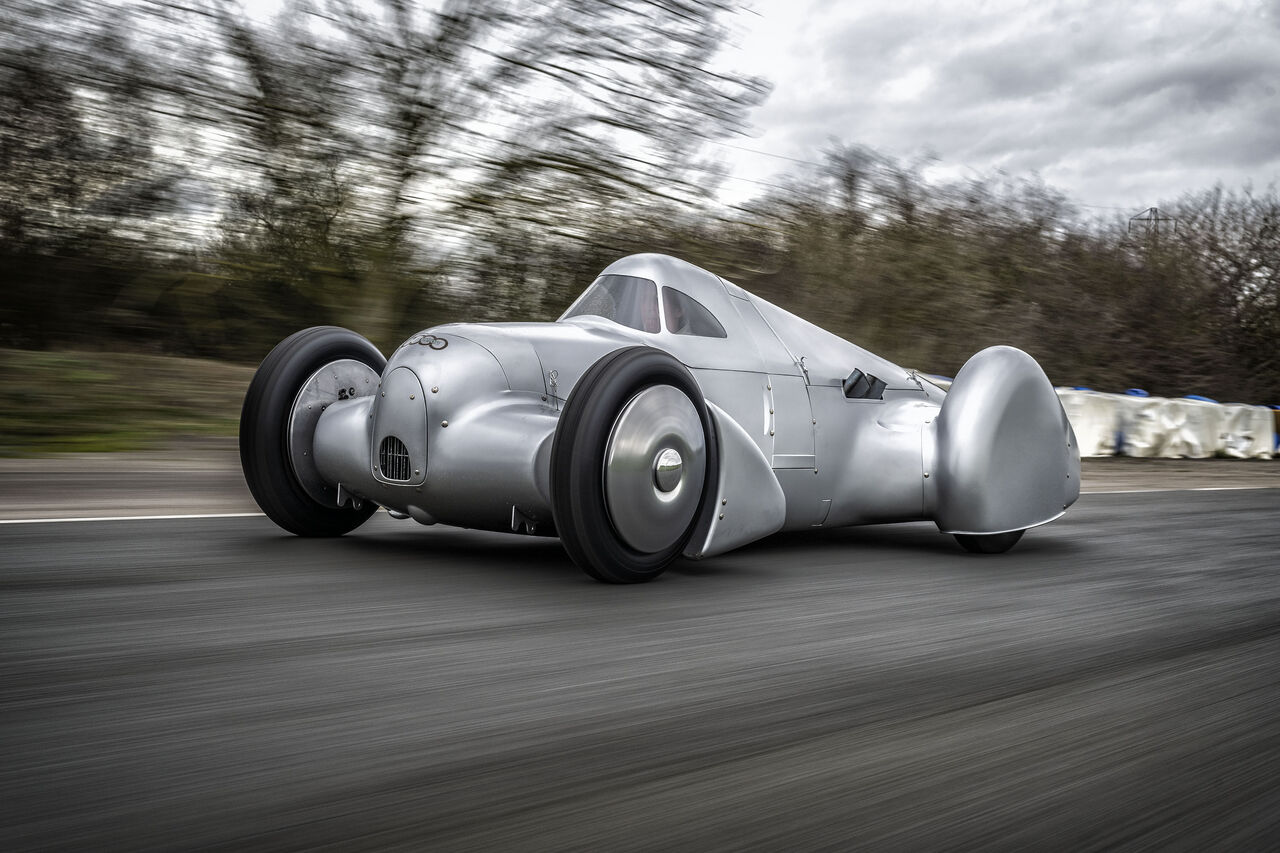
Audi Tradition recreated the Auto Union Lucca, a 1930s Silver Arrow streamliner, to showcase the brand’s early motorsport heritage. The car, which set a speed record in 1935, serves as a physical representation of Audi’s long-standing commitment to technical innovation and performance.
The Setup
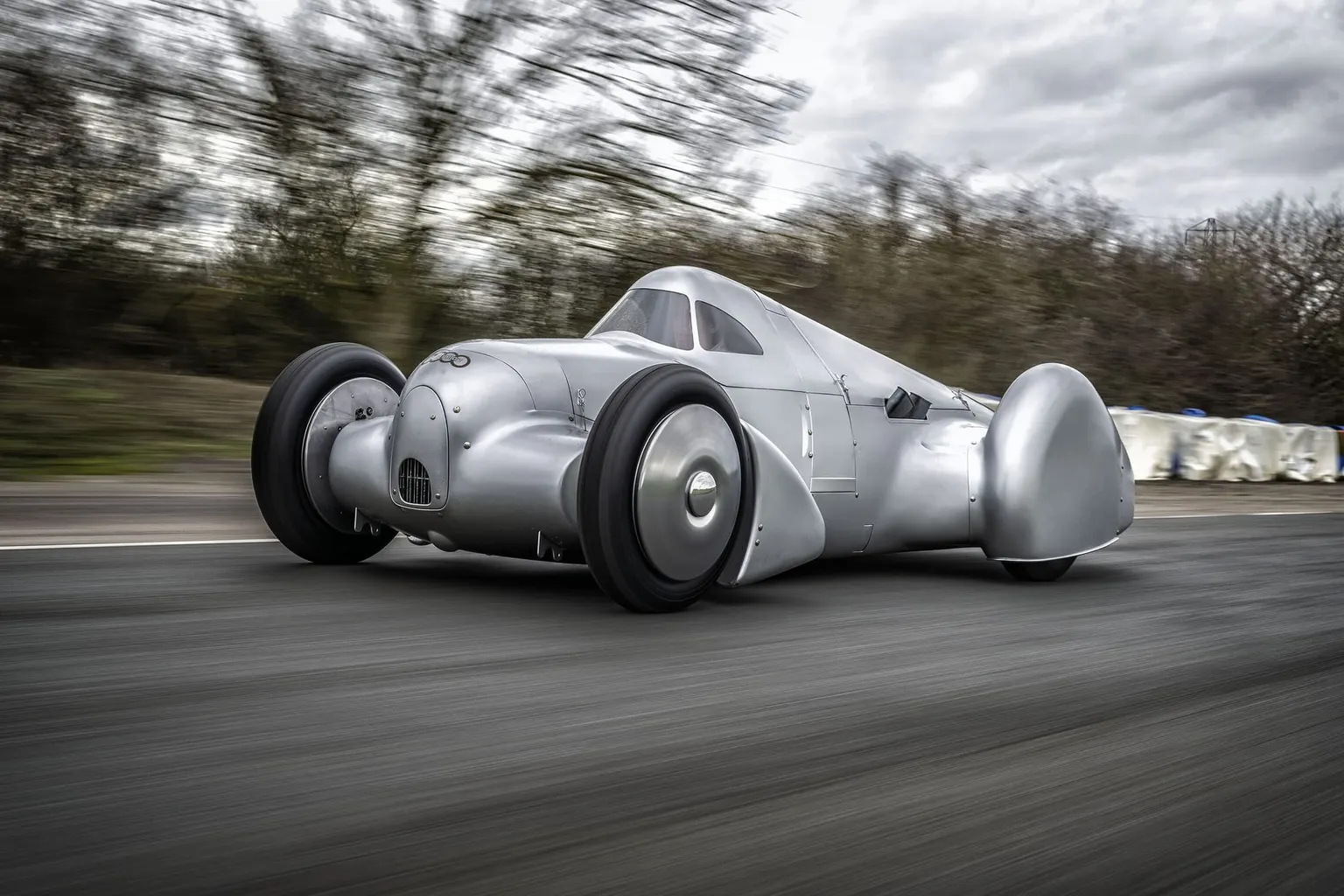
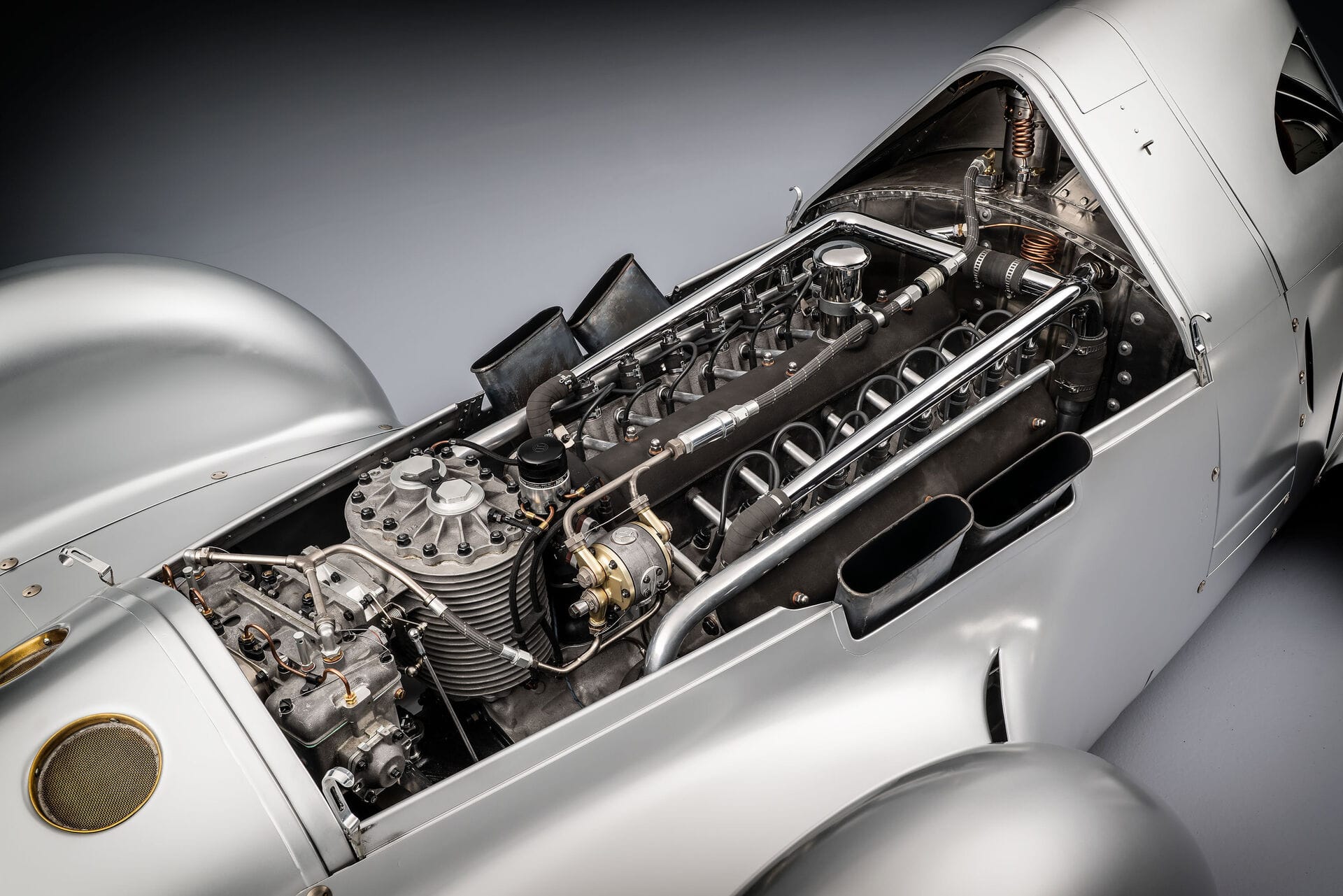
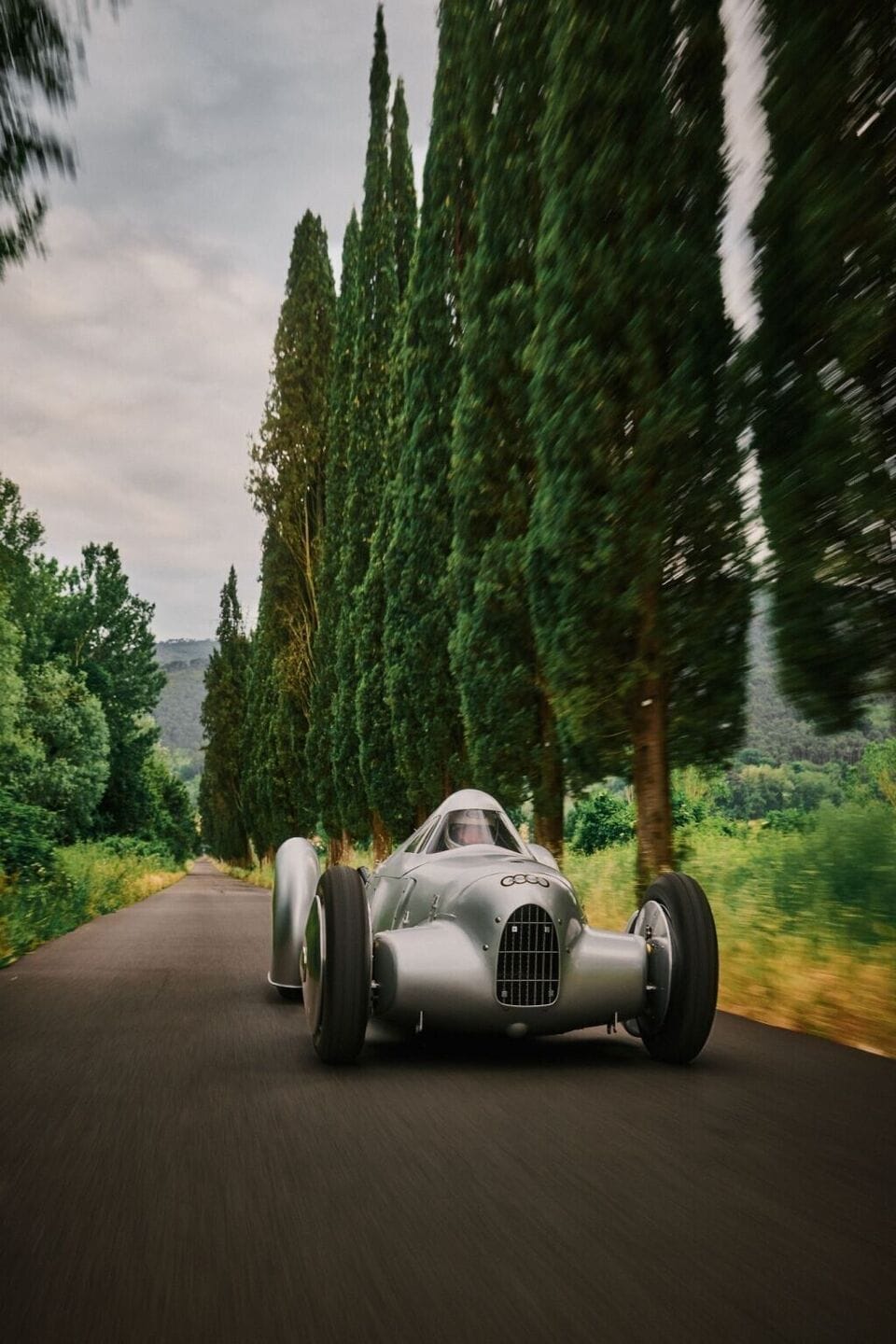
Audi Tradition brought the recreated Auto Union Lucca back to the same Italian roads where Hans Stuck pushed the original car past 320 km/h in 1935. The streamliner sits deep inside Silver Arrow history, with enclosed wheels, a supercharged V16, and bodywork shaped almost entirely by airflow. Audi rebuilt the machine over three years using archival photos, drawings, and period references before unveiling it in Lucca and preparing it for the modern heritage circuit.
Audi
What makes the Lucca interesting from a marketing perspective is how effectively it rewrites Audi’s performance timeline. Most people associate the brand’s identity with quattro, Le Mans, or RS cars. The Lucca reaches much further back and reframes Audi as part of one of motorsport’s earliest speed wars. It turns forgotten engineering history into a living object that can travel through Goodwood paddocks, museums, collector media, and Formula 1 conversations without feeling manufactured for nostalgia bait. The car functions like proof that Audi’s obsession with technical ambition existed long before the modern brand language did.
The Breakdown
Audi Auto Union Lucca
An Infotechnics™ analysis of how a product rates across eight areas of performance.
To explore in more detail, pinch out to zoom in
Audi turns lost racing history into usable brand memory.
The Lucca works because it gives Audi a physical answer to a gap in its modern performance story. The strongest areas are differentiation, design language, and messaging because this is a recovered chapter, not a costume version of the past. The weaker areas are audience and marketing pitch. The object is powerful, but its reach is mostly limited to heritage circles, collector media, and motorsport-history audiences.
Brand Positioning and Identity
Audi positions the recreated Auto Union Lucca as proof that its performance identity did not begin with quattro, Le Mans, or RS badges. It began with Auto Union’s 1930s Silver Arrow era, when engineering, aerodynamics, and speed records were used as public proof of technical ambition. The Lucca recreation lets Audi Tradition turn lost racing history into a physical brand asset, connecting today’s four rings back to Ferdinand Porsche, Hans Stuck, V16 power, and prewar speed-record drama.
Target Segment and Audience
The audience is not a normal car buyer. It is aimed at collectors, historians, motorsport obsessives, concours attendees, Goodwood audiences, Audi loyalists, and the culture around historically important machines. The Lucca gives those audiences a new object to gather around, photograph, debate, and place inside the Silver Arrow story. It also reaches modern Audi fans who may know the brand for clinical luxury and electric transition, but not for 200 mph record cars in the 1930s.
Messaging and Storytelling
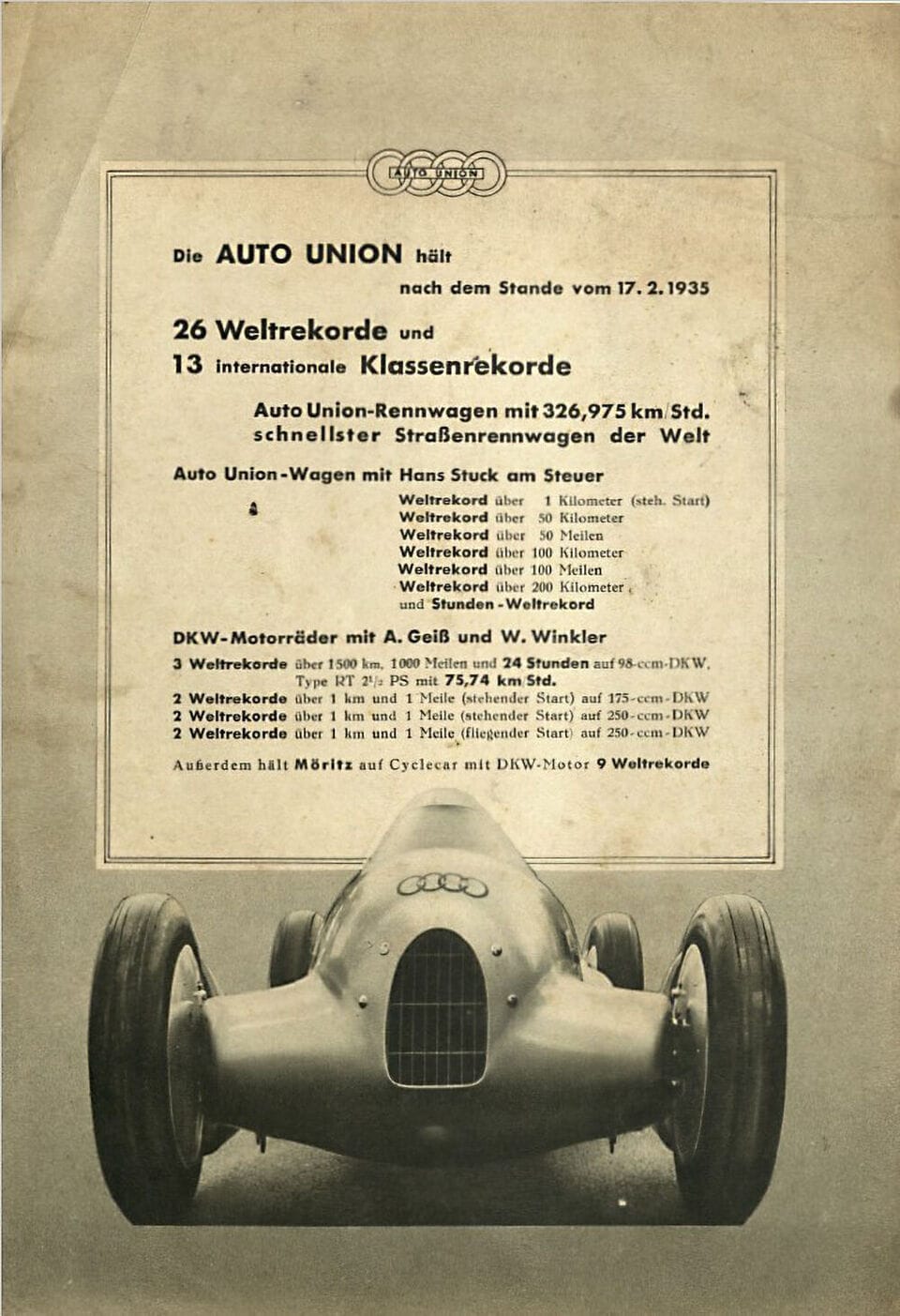
The story is built around resurrection. Audi is not simply displaying an old race car. It recreated a lost record machine tied to a specific place, date, driver, and speed. On Feb. 15, 1935, Hans Stuck drove the original Lucca on the autostrada near Lucca to a flying-start mile average of 320.267 km/h, with a measured top speed of 326.975 km/h. Returning the car to Lucca gives the story a clean emotional loop: the machine comes back to the road that made it famous.
Experience and Journey
The experience is designed like historical theater. First comes the reveal in Lucca, then the deeper story of how Audi Tradition rebuilt the car over three years with Crosthwaite & Gardiner using period material, photos, and drawings. Then the machine moves into the wider heritage circuit, including appearances like Goodwood. The audience journey goes from awe, to technical curiosity, to brand memory. Audi wants people to see the Lucca, then remember that the four rings were once part of motorsport’s most dangerous speed war.
Audi
Community and Culture Insight
The Lucca sits inside the culture of prewar motorsport myth, where Mercedes and Auto Union Silver Arrows became symbols of technical excess, national prestige, and terrifying speed. That history is complicated, but it remains central to how automotive performance became public theater. For today’s audiences, the Lucca adds another layer to the Silver Arrow family at a time when Audi is preparing for Formula 1. It gives the brand a heritage object that can speak in paddocks, museums, and collector media without sounding like a current ad campaign.
Differentiation and Unique Selling Point
The USP is a hand-built recreation of a lost Auto Union record car that once topped 326 km/h on a public Italian autostrada. It uses the spirit of the Type A-derived streamliner, a 6.0-liter supercharged V16 from the Type C lineage, and a body shaped for speed rather than beauty alone. The differentiator is rarity plus purpose: this is not a design homage or concept car. It is a recovered chapter of Audi’s technical ancestry made visible again.
Design Language
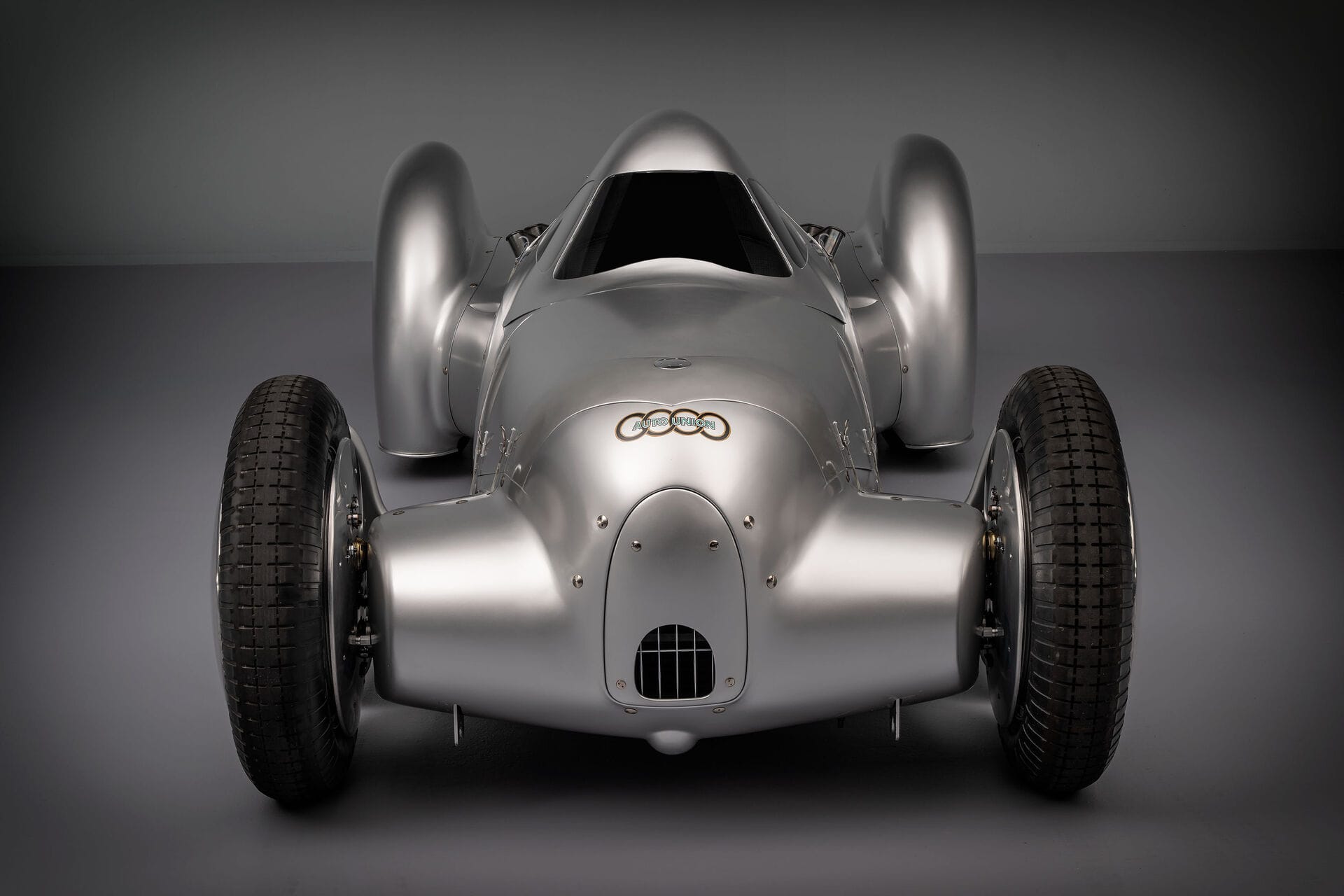
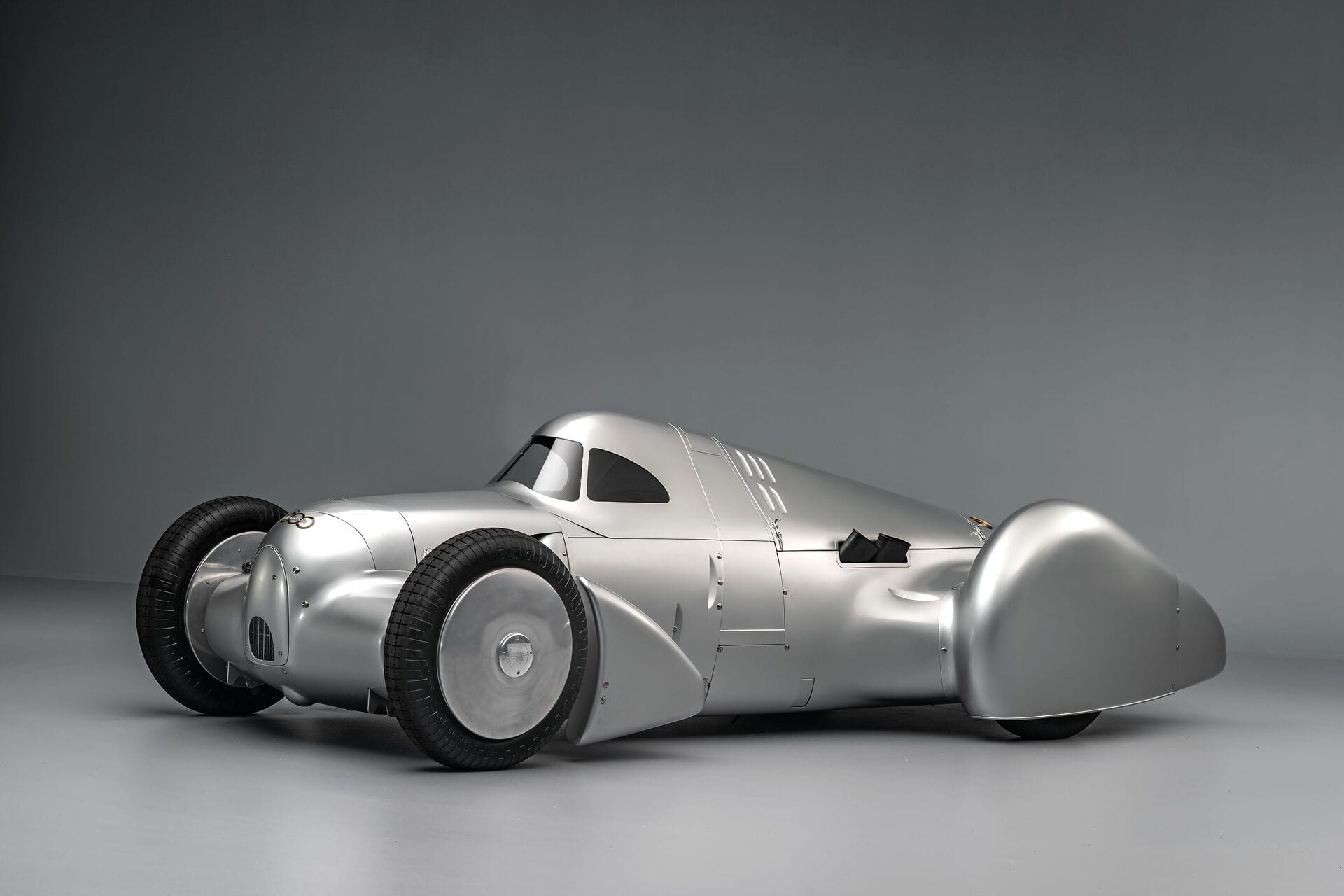
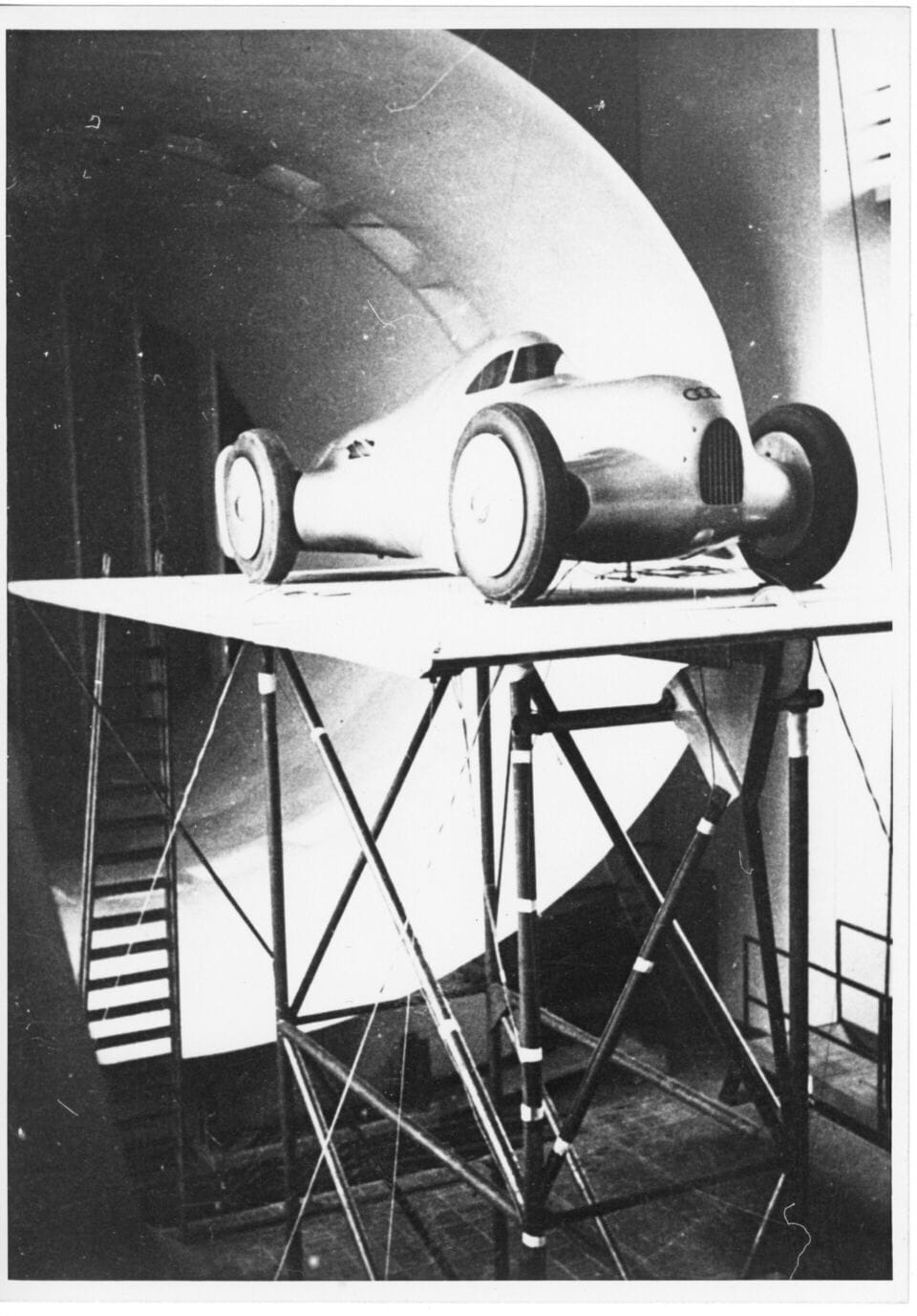
The design language is pure 1930s velocity: long body, enclosed wheels, silver finish, minimal frontal clutter, and a shape that looks drawn by air pressure. It carries the romance of Art Deco streamlining, but the look comes from function. The Lucca’s body was built to slice through open-road record attempts, not flatter a showroom floor. That makes the design feel unusually honest. It looks beautiful because the objective was brutal.
Marketing Pitch
The marketing pitch is: Audi’s future in performance has a much older engine note than people remember. The Auto Union Lucca gives Audi Tradition a dramatic way to make heritage useful again, especially as the brand moves into a new motorsport era. It sells engineering memory, not nostalgia for its own sake. The car reminds audiences that Audi’s claim to innovation has roots in some of the fastest, strangest, and most fearless machines of the 20th century.
Is It A Winning Pitch?
Do heritage projects like this actually strengthen a modern performance brand, or are they mostly theater for enthusiasts?
 Audi
Audi