
The World Is Starting to Look Like Its Own App
Good design has moved on from decorating & started thinking for the rest of us. It’s building operating systems, but not the kind that run your computer or phone. These are systems you can sit in, drink from, or walk through. They work quietly in the background, shaping how we move, feel, & behave.
The Current Underneath the Headlines
From the end user’s point of view, design starts as a way to sell taste. But when flipped to the designer’s point of view, it does the opposite. Design organizes how we live, work, and move through the world.
Architecture now thinks in circularity and sustainability. Typography has become tone of voice and a touchpoint for recognition. Hospitality design blurs the lines between sleeping and waking, turning solitude into a form of luxury. Even a soft drink and food conglomerate rebrands itself by taking cues from tech startups.
The new aesthetic isn’t about how things look. It’s about how seamlessly they operate.
Here are five stories we’re following for patterns and trends:
- Why Brands Are Going Custom with Type | Creative Boom
Typography has gone from branding detail to strategic asset. Custom fonts aren’t about ornament anymore. They’re about identity at scale, giving brands a voice that can live across every screen, format, and interaction.
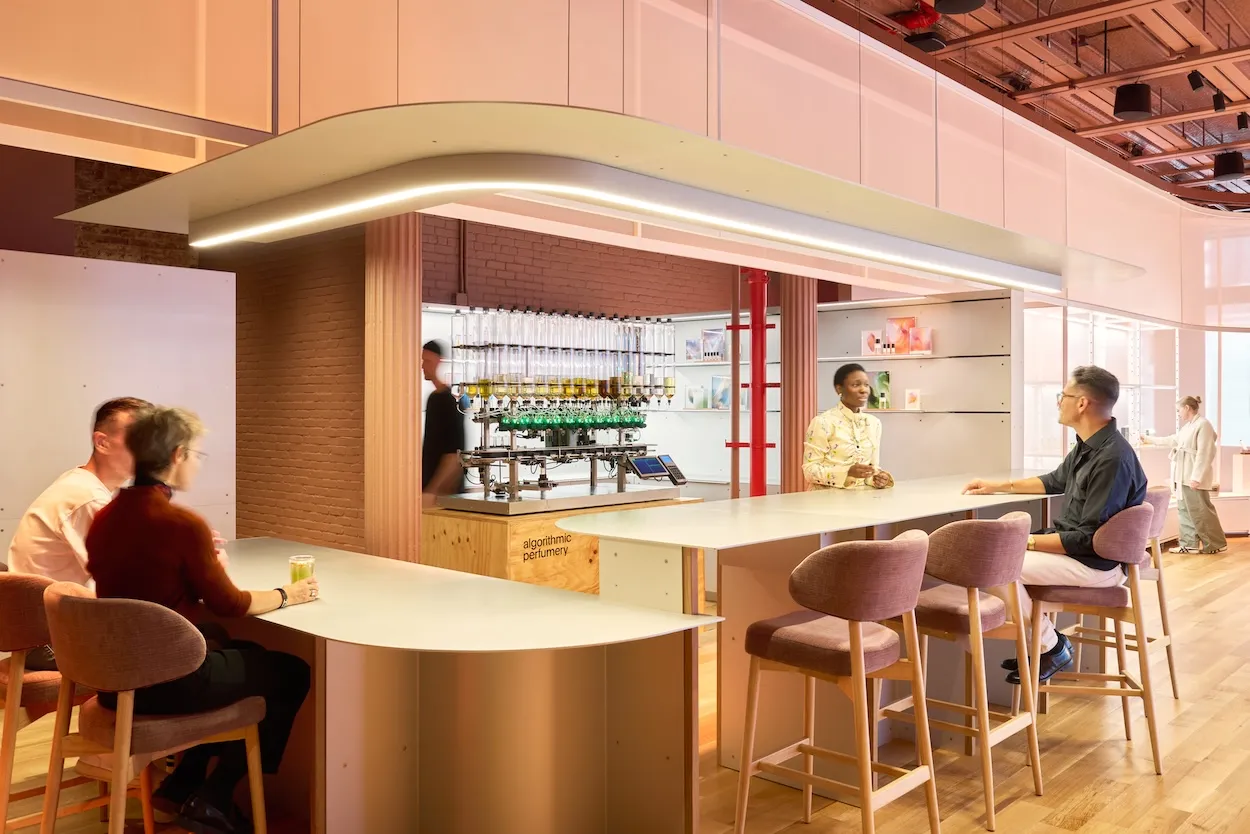
Snøhetta’s design for a Soho wellness space turns sustainability into an experience. Circular materials, sensory light, and fluid forms create architecture that feels alive. Design becomes metabolism instead of monument.
- PepsiCo Just Got Its First New Logo in Almost 30 Years | Fast Company
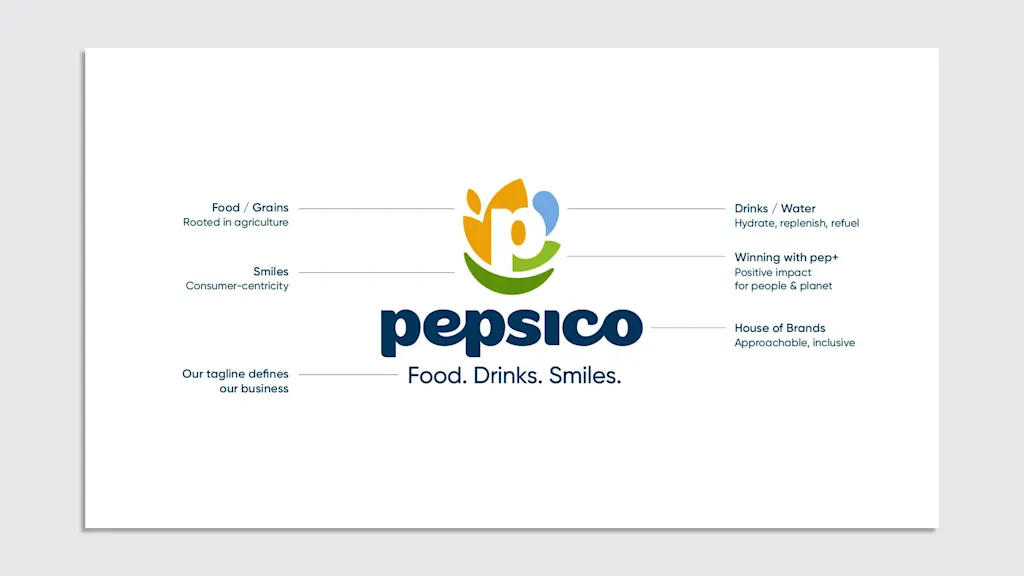
PepsiCo’s rebrand drops its soda legacy for a systems identity. A modular, color-rich design language now flexes across health, sustainability, and more than 500 sub-brands. The logo is not a mark. It is a map of future intentions.
Now Now Hotel redefines luxury as intimacy. With 180 minimalist sleeper cabins and no distractions, it transforms efficiency into atmosphere. Hospitality design has become emotional engineering.
Turin’s Pinacoteca Agnelli merges industrial heritage with living art. Its director reimagines the museum as a participatory organism that evolves with audience emotion and civic rhythm.
What’s Actually Happening
Across industries, design is shifting from how things look to how systems behave.
Type design creates visual infrastructure for identity. Architecture and hospitality shape physical systems for mood, flow, and emotion. Museums are rebuilding institutional systems that adapt to human experience. Even PepsiCo is designing a brand system that functions like an ecosystem instead of a logo.
None of these moves are aesthetic plays anymore. They are systemic frameworks for behavior. Design has evolved from making things look intentional to making systems feel intuitive.
Everything now behaves like an operating system, just not the digital kind. These systems are behavioral, emotional, and cultural. They run quietly in the background of how we experience meaning, not just how we interact with machines.
The Pattern
Design no longer exists at the edges of culture, decorating the finished product. It now sits at the center, determining how things function, feel, and fit together.
The real innovation is in the operating logic underneath. What we used to call aesthetics is becoming infrastructure.
Every surface and interaction is part of a larger behavioral circuit. The goal is not beauty or novelty anymore. It is now coherent systems that think, feel, and adapt in rhythm with the people who use them.
The Through-Line Trend
Design has stopped decorating the world and started structuring it. Everything now behaves like an operating system, just not the digital kind.
From fonts to buildings to brands, design has become the invisible logic guiding how we move, feel, and connect. It’s not about visual polish anymore. It’s about emotional architecture and cultural software.
Let’s call it design’s new job: making the world feel like it’s working.

