
The Mind Jam: Why Strategic Ambiguity Is Marketing’s Quiet Power Move | Strategy-018
Try not to reveal everything at once. The incomplete thought lingers longer than the finished one. Leave the door slightly ajar and people will push it open themselves. What they complete in their own minds, they defend as truth.

Sometimes marketing can die from too clarity.
“Limited time.”
“50% off.”
The human brain has evolved past banner blindness. It now has ad-blindness with muscle memory. Messages that are easy to process are easy to dismiss.
So some brands do something that feels reckless: They introduce friction on purpose.
They create what I call a Mind Jam. Not confusion for the sake of art school vanity. Not opacity as ego. But strategic ambiguity designed to interrupt autopilot.
When the brain has to lean in, it stops scrolling.
The Psychology: Why Our Brains Love a Puzzle

When a message is immediately clear, the brain processes it with low cognitive load and moves on. Efficient processing is useful for comprehension. It is terrible for memorability.
Strategic ambiguity works because it activates multiple psychological mechanisms simultaneously.
The Zeigarnik Effect
People remember unfinished tasks better than completed ones. An unresolved narrative, a cryptic visual, or a partially explained campaign creates what psychologists call an “open loop.” Until that loop is closed, it remains cognitively active. A mysterious billboard doesn’t just get seen. It lingers.
The Curiosity Gap
This is the tension between what we know and what we want to know. When a campaign withholds key information, it creates a knowledge imbalance. That imbalance produces forward motion. The audience seeks completion by clicking, searching, sharing, speculating.
Processing Disfluency
Marketing orthodoxy worships ease. Yet research shows that slightly harder-to-process information can enhance retention. When the brain has to work to decode a message, it encodes it more deeply. The effort becomes part of the memory trace. The decoding isn’t friction. It’s investment.
Social Currency
Ambiguity transforms passive viewers into participants. When a brand releases something cryptic, consumers don’t just consume it. They interpret it. They post theories. They debate meaning. Solving the puzzle signals intelligence. Being “in on it” carries status.
Put together, these mechanisms create something clarity alone cannot: cognitive adhesion. Ambiguity doesn’t reduce understanding. It delays it. And that delay is strategic.
The "Axe Effect" and the Power of the Unexplained
An Ad from the "Clean Your Balls" campaign
Axe approached ambiguity as a deliberate tactic.
Campaigns like Bombshell and the deliberately provocative “Clean Your Balls” were built around unresolved narrative tension rather than product explanation.
The execution followed a repeatable pattern.
Teaser and Cliffhanger Ads
The opening executions were incomplete by design. In Bombshell, women were drawn toward men wearing Axe with exaggerated magnetism. The campaign showed the effect and withheld the mechanism. No chemical breakdown. No rational justification. Just a result that demanded interpretation.
That absence created cognitive continuation. The viewer’s mind stayed active because the scenario lacked closure. The Zeigarnik Effect explains why unfinished narratives persist longer in memory than resolved ones.
Sequential Storytelling
Axe extended that tension across phases. Each installment added context without exhausting the premise. The mythology expanded while remaining partially unresolved.
This sequencing continuously reopened the Curiosity Gap. Viewers were given enough information to stay oriented, but not enough to feel finished. Attention stretched across time rather than peaking once and fading.
Emotional Hook
Tone made the strategy viable. The exaggeration was openly absurd. Women crashing through walls. Social gravity bending. The fantasy was obvious, which made the ambiguity playful instead of deceptive.
Processing Disfluency played a role here. The brain had to reconcile what it knew about reality with what it was watching. That slight interpretive effort increased retention. Decoding became part of the experience.
The 70/30 Rule: Timing the Revelation
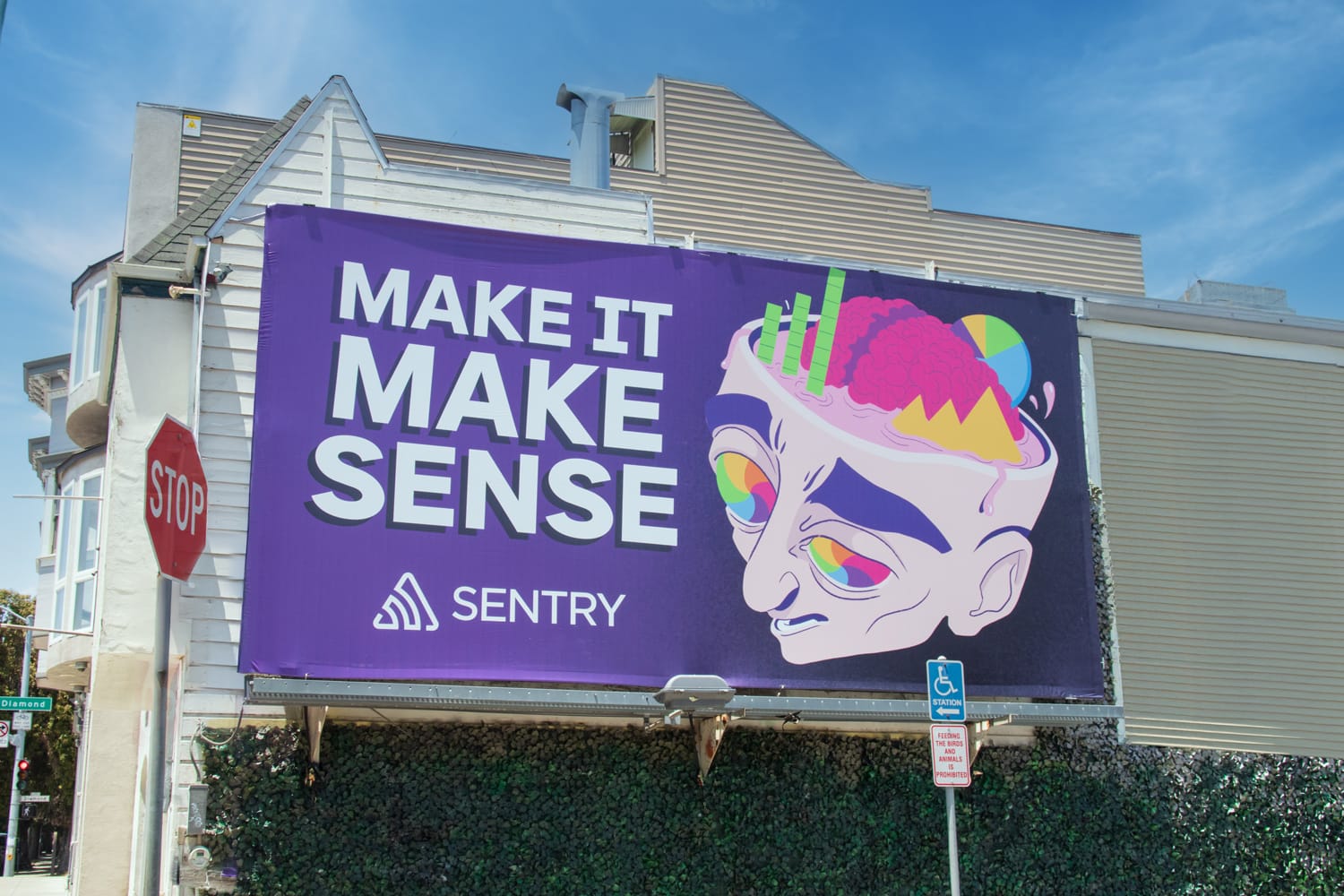
Ambiguity without payoff becomes irritation. Clarity without tension becomes invisible. The most sophisticated campaigns follow a 70/30 structure:
- 70% Mystery/Confusion: This hooks the attention and builds the psychological tension.
- 30% Clear Resolution: This is the "aha!" moment where the brand reveals the product or the call to action.
The mystery captures attention and activates the Zeigarnik loop. The resolution closes it just enough to anchor the brand to the memory.
Reveal too early and you collapse the intrigue. Never reveal and you break trust.
The 30% is the anchoring moment that prevents outright chaos. The key is paying attention to how you pace the message.
The Fine Line: Brilliant vs. Annoying
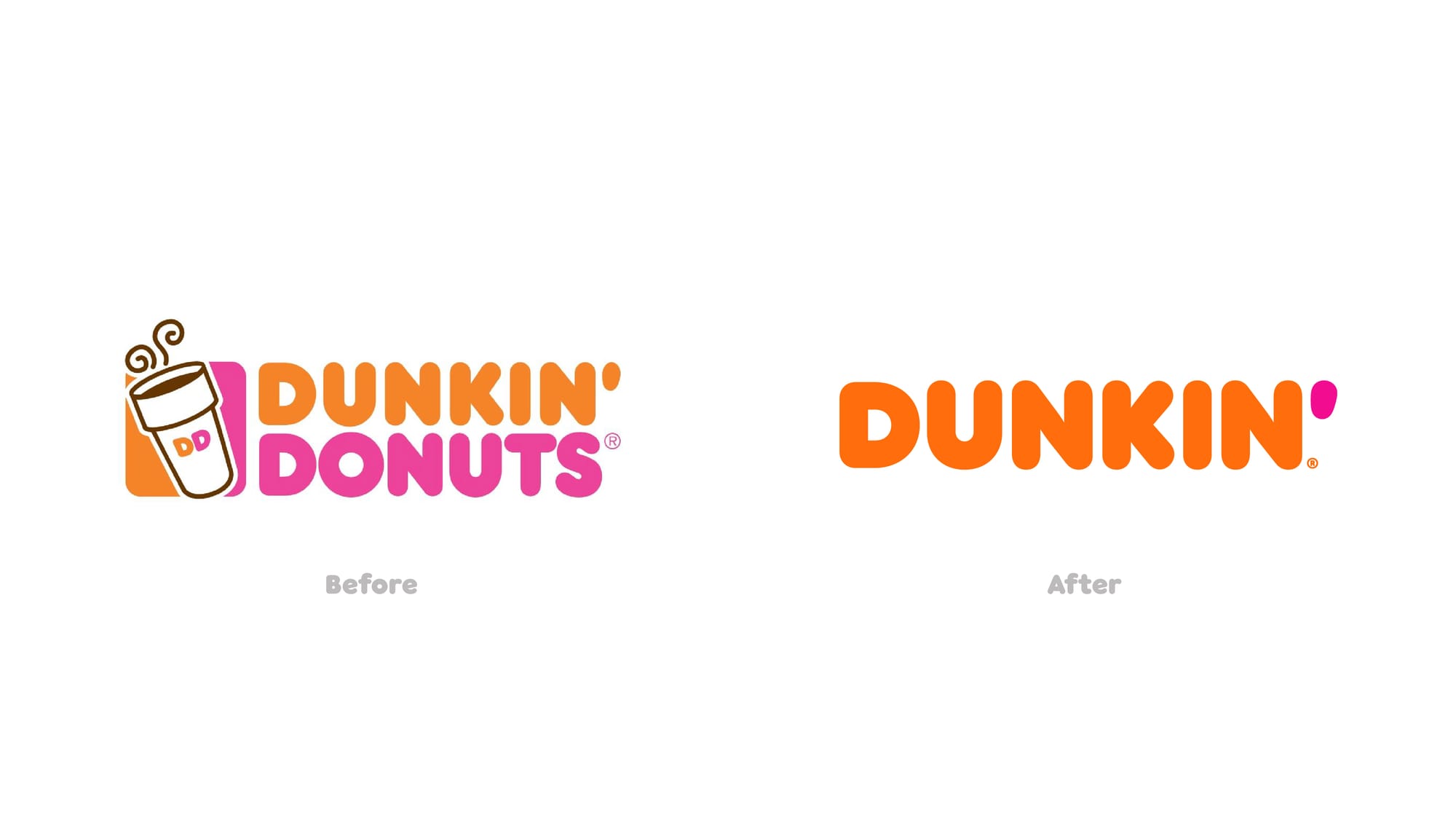
Strategic ambiguity is high-stakes because it tests emotional intelligence.
If the audience feels mocked, misled, or intentionally confused for the brand’s self-amusement, they disengage. No one enjoys being made to feel slow. That's the risk.
But if the ambiguity feels like an invitation into a shared decoding exercise, loyalty deepens. The audience becomes collaborator rather than target. This is the reward.
The difference lies in intent and tone. That will determine whether your campaign is "brilliant" or "annoying".
If everyone is shouting commands like a construction site supervisor with a microphone, then sometimes the best way to get it is to whisper a speakeasy password.
♟️ Strategy-018 | The Mind Jam
Premise: When audiences become immune to direct persuasion, engineered ambiguity can bypass cognitive filters and convert passive attention into active participation.
Framework: Introduce calibrated mystery, sustain it through phased narrative release, and resolve just enough tension to anchor memory without exhausting intrigue.
Strategic Lens: Zeigarnik Effect, Curiosity Gap, Processing Disfluency, and Social Currency as deliberate levers for attention, retention, and cultural spread.

