
Super Bowl LX Ad Trends
Super Bowl LX ads are choosing between comfort or tension to capture attention. This year’s trends include self-aware memes, unsettling weirdness, revived rivalries, and nostalgic sitcom reunions.
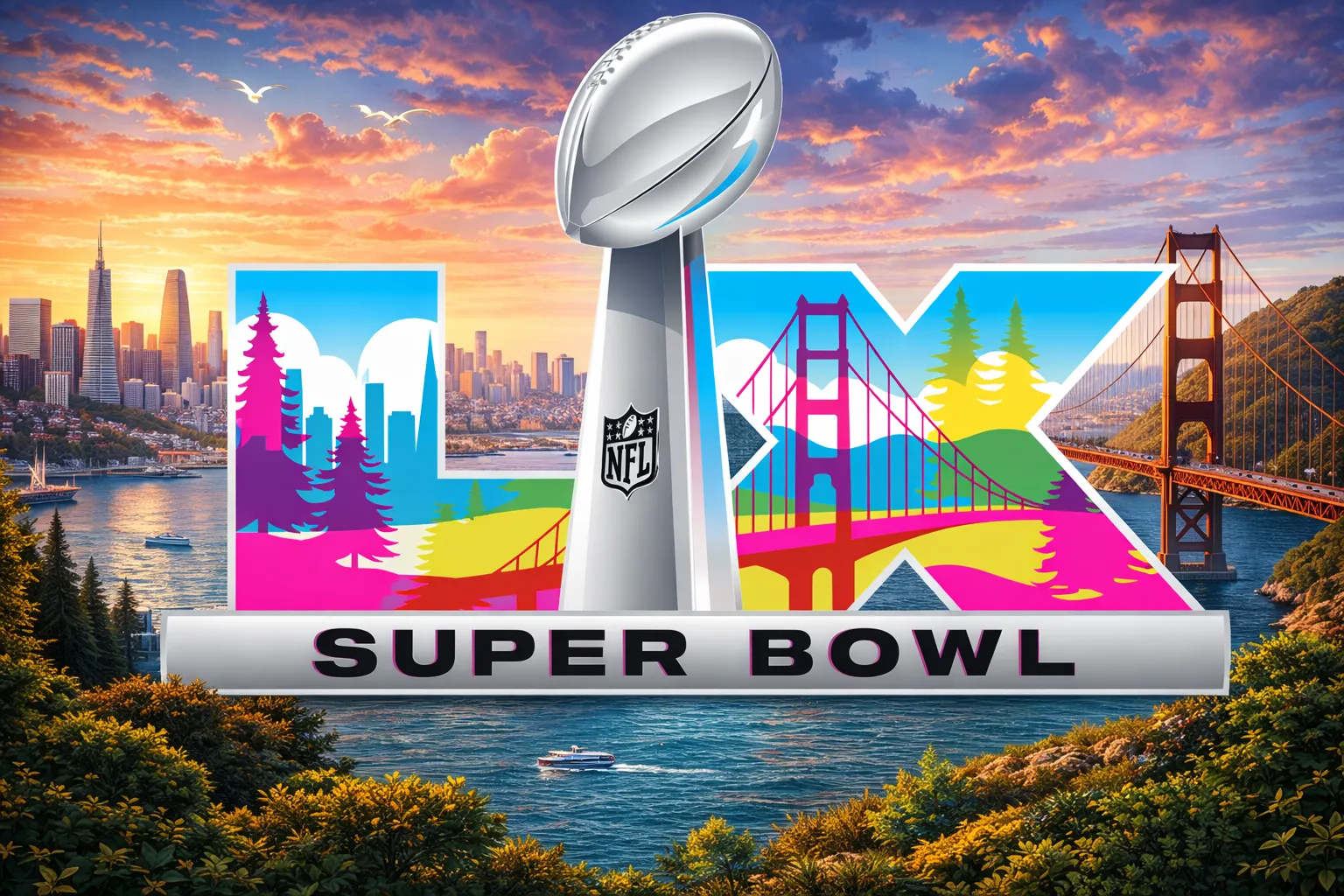
By the time kickoff arrives this Sunday, the commercial outcome will already be decided.
Super Bowl LX didn’t leak. It pre-positioned. As of late January, the biggest brands had already released full spots or extended teasers to win the pre-game algorithm war. This year’s ads aren’t competing for attention during the broadcast. They’re competing for cultural footing before it.
What emerges isn’t chaos. It’s a pattern shift.
Super Bowl LX marks the moment “seamless” died and friction became the primary tool for attention.
Here are the five forces defining that shift.
Trend #1: The Self-Aware Meme as Offense
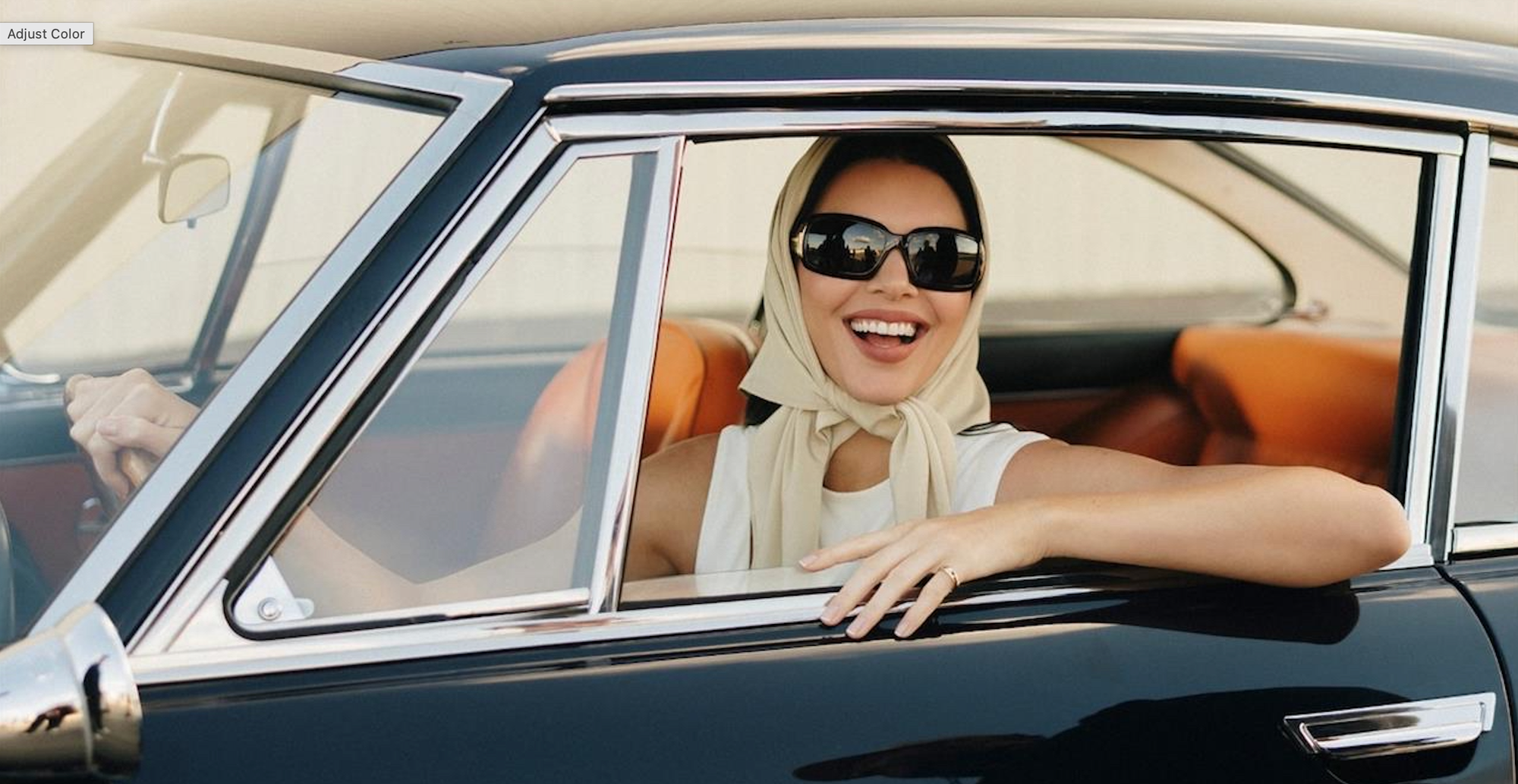
Brands used to treat internet jokes like radioactive waste. This year, they’re underwriting them.
The cleanest example is Fanatics Sportsbook’s spot The Kurse, released January 28. Instead of sidestepping the Kardashian Curse, Kendall Jenner detonates it herself—burning NBA jerseys, referencing “basketball boyfriend number one,” and openly betting against the myth that her dating life ruins athletes’ careers.
This isn’t self-deprecation. It’s a hedge.
The meme already exists. The friction is already there. By acknowledging it, the brand doesn’t create attention. It expands it until rage bait becomes its own narrative capital. Internet folklore becomes financial infrastructure.
Trend #2: Weird-Core as Defense
Squarespace
Wholesome is out. Unsettling is in. High art is now defense against loud advertising.
Squarespace’s spot Unavailable, directed by Yorgos Lanthimos and starring Emma Stone, looks less like an ad and more like a psychological short film. It's black-and-white. Has an isolated feel. It's scored by Jerskin Fendrix, fresh off Poor Things if you care about such things.
Elsewhere, Liquid Death and Nerds lean into uncanny, anthropomorphic weirdness that refuses easy consumption.
This is not chaos. It’s strategy.
Second-screen behavior broke advertising. Weirdness is how brands reclaim attention. Cognitive discomfort forces viewers to look up, not because it’s funny, but because it’s unresolved.
The whole point of great advertising is for people to actually remember it. Like, duh!
The work doesn’t shout, it visually disturbs you. It makes you uneasy enough to stay. Grotesque in a way Goya would approve.
Trend #3: The Heavyweight Pivot as Half Time Show
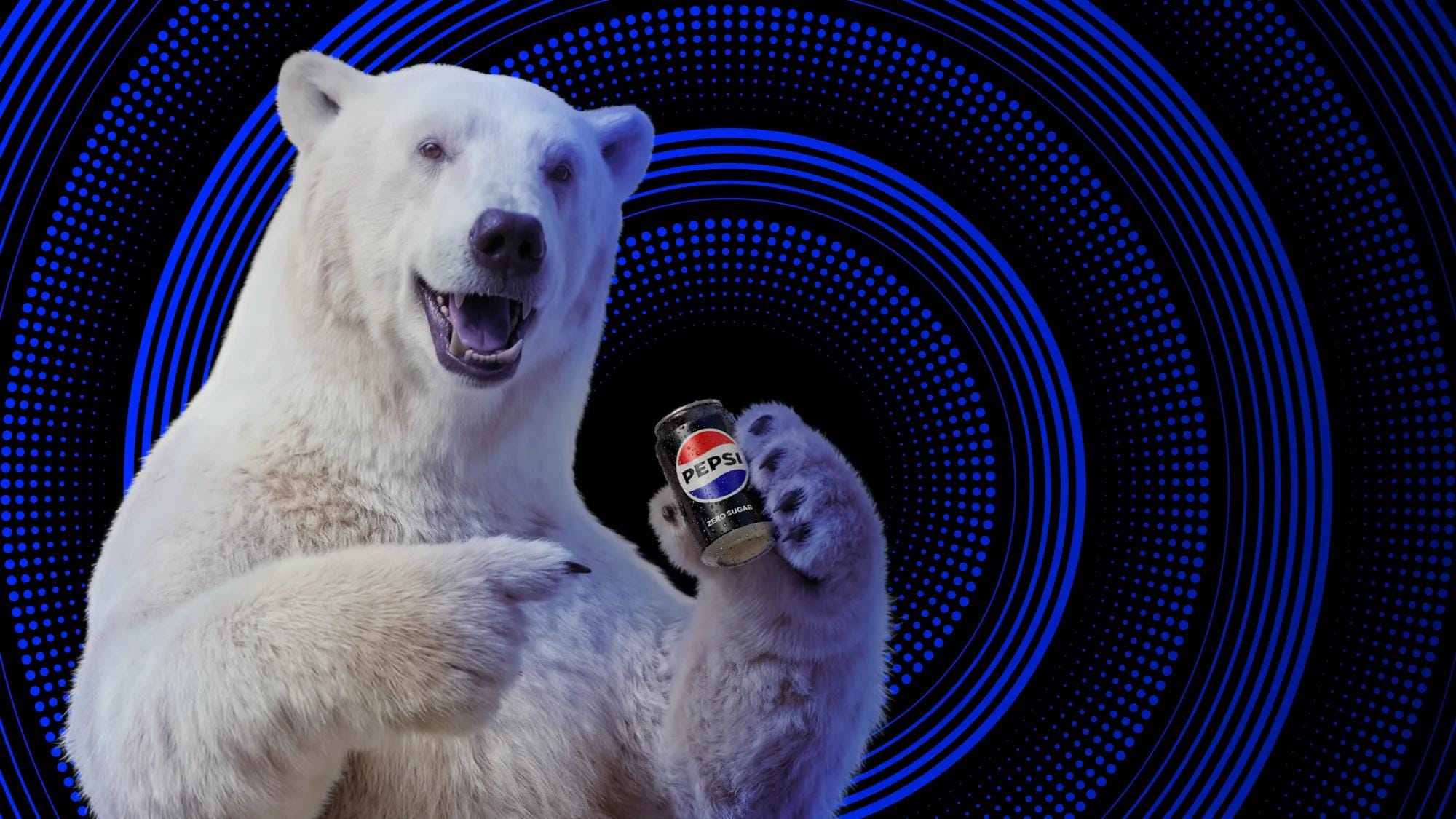
High-stakes rivalry returns. The “we’re all friends” era is over.
Pepsi’s The Choice, directed by Taika Waititi, resurrects Cola Wars energy by featuring a polar bear. Yes, the bear long associated with its biggest rival Coca-Cola. Well, the bear is switching sides after a blind taste test.
This isn’t nostalgia. This isn't stolen valor. It's Stolen Nostalgia. That's actually clever angle to take on it. (Insert your own dad joke about it being refreshing. I don't do dad jokes).
The spot openly acknowledges the Pepsi Paradox: labels shape perception. Instead of pretending neutrality, Pepsi weaponizes it and forces a choice. Hopefully not too much force. That was an early January trend.
In rivalry is back because it clarifies meaning. Why? Because brand postitioning still matters. If you are not the leader with the lion's share, then you steal the market leaders share.
Friendly brand language means nothing to audiences when everything looks the same. Conflict, used cleanly, restores differentiation. After all, if you are Pepsi are trying to look like Coca-Cola, people just buy more Coca-Cola. Sameness is free advertising for your competitor. Period.
I just hope Pepsi isn't making this too muddy. Will seeing a Polar Bear drink Pepsi makes you want to drink more Coca-Cola? It might.
Trend #4: The Golden-Age Sitcom Reunion as Two Minute Warning
Dunkin'
Modern nostalgia isn't done with 90s. It will keep going until it hits emotional and cultural absorption. I can't even call nostalgia a trend anymore. It's omipresent. When people are unhappy with the present, uncertain about the future, then nostalgia reigns supreme.
It feels like it's been going on forever now. With Millenials hitting middle age, this only the beginning. As hard as that is to believe.
Dunkin’ expands the Ben Affleck cinematic universe by pitching to silhouetted figures strongly resembling Jennifer Aniston, Matt LeBlanc, and Jason Alexander. Friends and Seinfeld merged into a single comfort-memory system.
I know there will come a day when all old TV shows run together in my mind. I'm unsure how I feel about a commercial beating Father Time to the punch.
This isn’t nostalgia as mere reference. It's comfort TV that offers predictable emotional returns. That's exactly what Friends and Seinfeld were back in the day. Brands are borrowing that reliability (aka brand equity) to stabilize attention in a volatile moment.
It's not clever. Calming? You decide.
Trend #5: Brutal Utility as the Special Teams
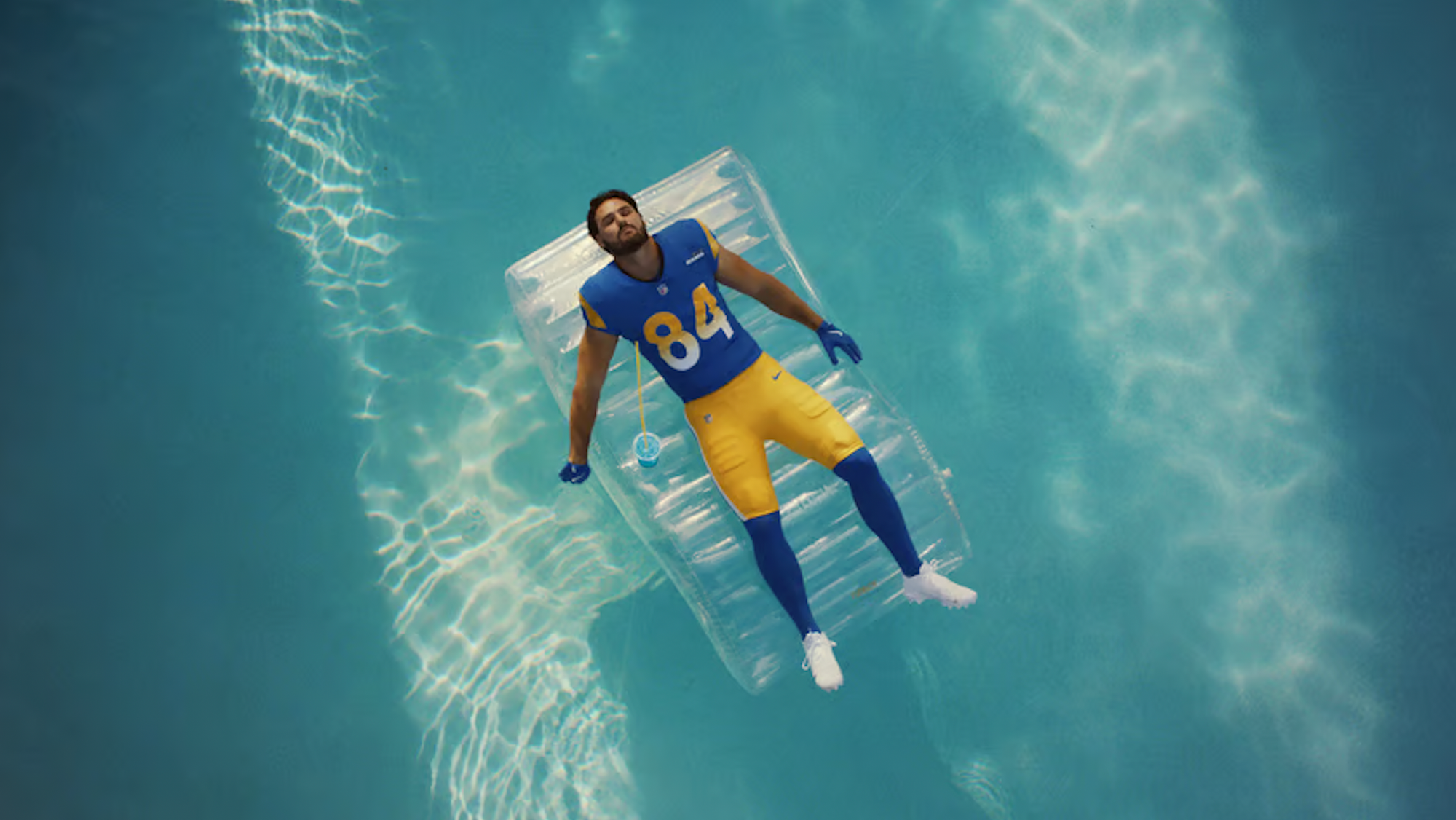
The most adult work this year doesn’t entertain. It acknowledges. It treats truth as relief. And not the straight shooter walk 'n talk kind.
Ro’s spot with Serena Williams and Hims narrated by Common confront the health-wealth gap directly. No dream. No gloss. It's not meant to be pretty.
Meanwhile, Novartis’ Relax, It’s a Blood Test, featuring Rob Gronkowski and George Kittle, turns prostate cancer awareness into a literal ceasefire for men’s health anxiety.
The relief comes from truth, not optimism. These ads promise transparency over transformation. They treat the Super Bowl audience like adults navigating real pain points.
Bonus Trend: The Quiet Winner will be Multi-Screen Platform Ads
One final note. The most sophisticated move this year isn’t tonal. It’s more cross platform media planning logistics than anything else.
Fanatics is executing a high-stakes, multi-screen logic that treats TV as ignition and the phone as conversion without breaking narrative continuity.
This isn’t second-screen synergy. It’s a single experience distributed across screens. I guess Fanatics is betting people will watch the TV and their phones at the same time. With how we are all glued to screens these days, they might be on to something.
Playing to Win
The ads moved early this year, staked territory, and waited.
Super Bowl LX Ads will divide the room cleanly. They are playing to win on different fields.
Half the ads try to distract through dream logic and nostalgia. They are choosing to win on awareness.
The other will try to win half win by acknowledging memes, rivalries, health anxiety, and economic pressure without pretending they’re temporary. They are choosing to win on trust.
Both approaches can work, as long as they respect the intelligence of the viewing audience.

