Simulated Childhood. Remastered in Retrofuturist Transparency.
The Analogue 3D’s Funtastic is for those who don’t trust emulators, glitches in the matrix, or the Mandela Effect of their own memory.
The Setup


Analogue
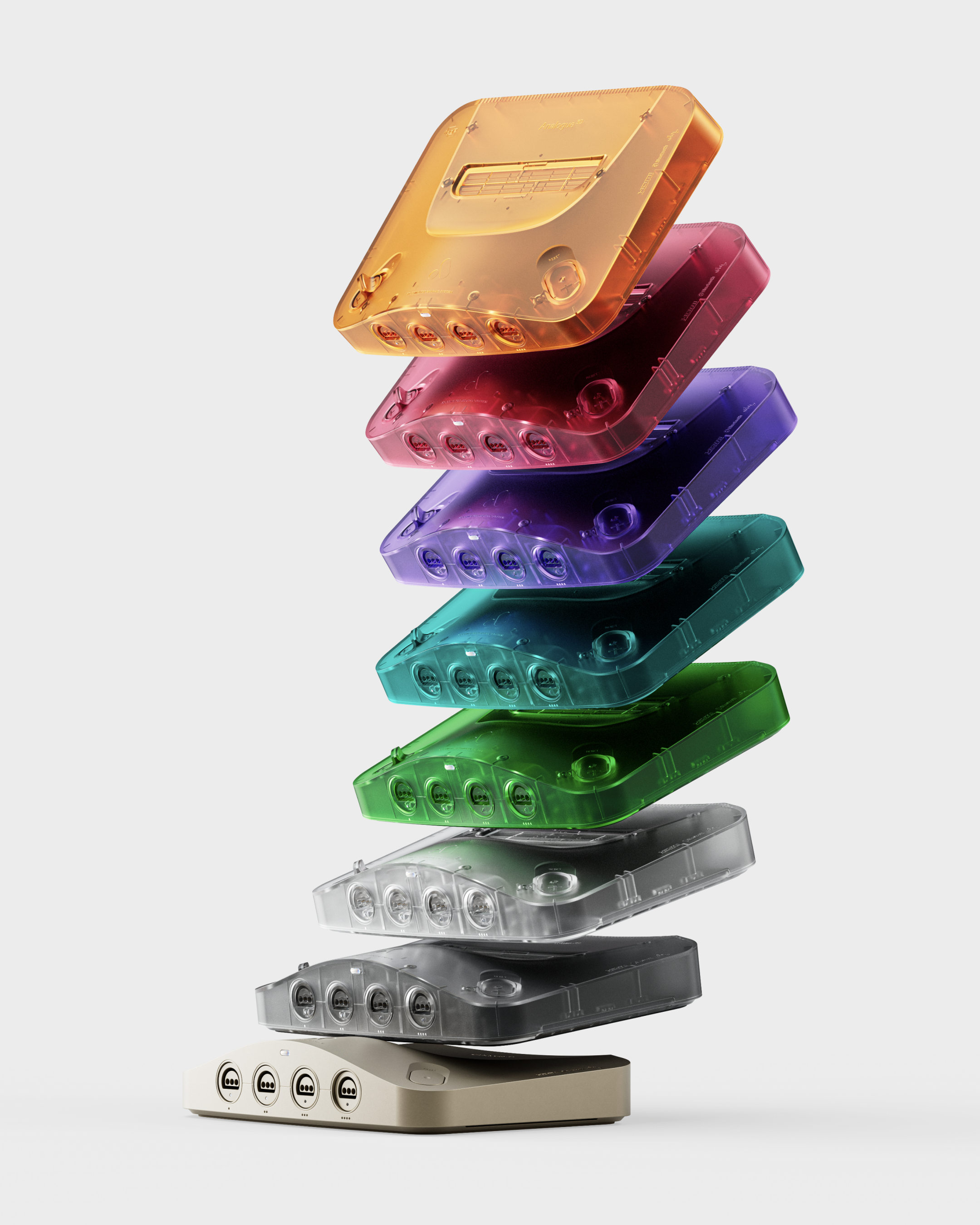
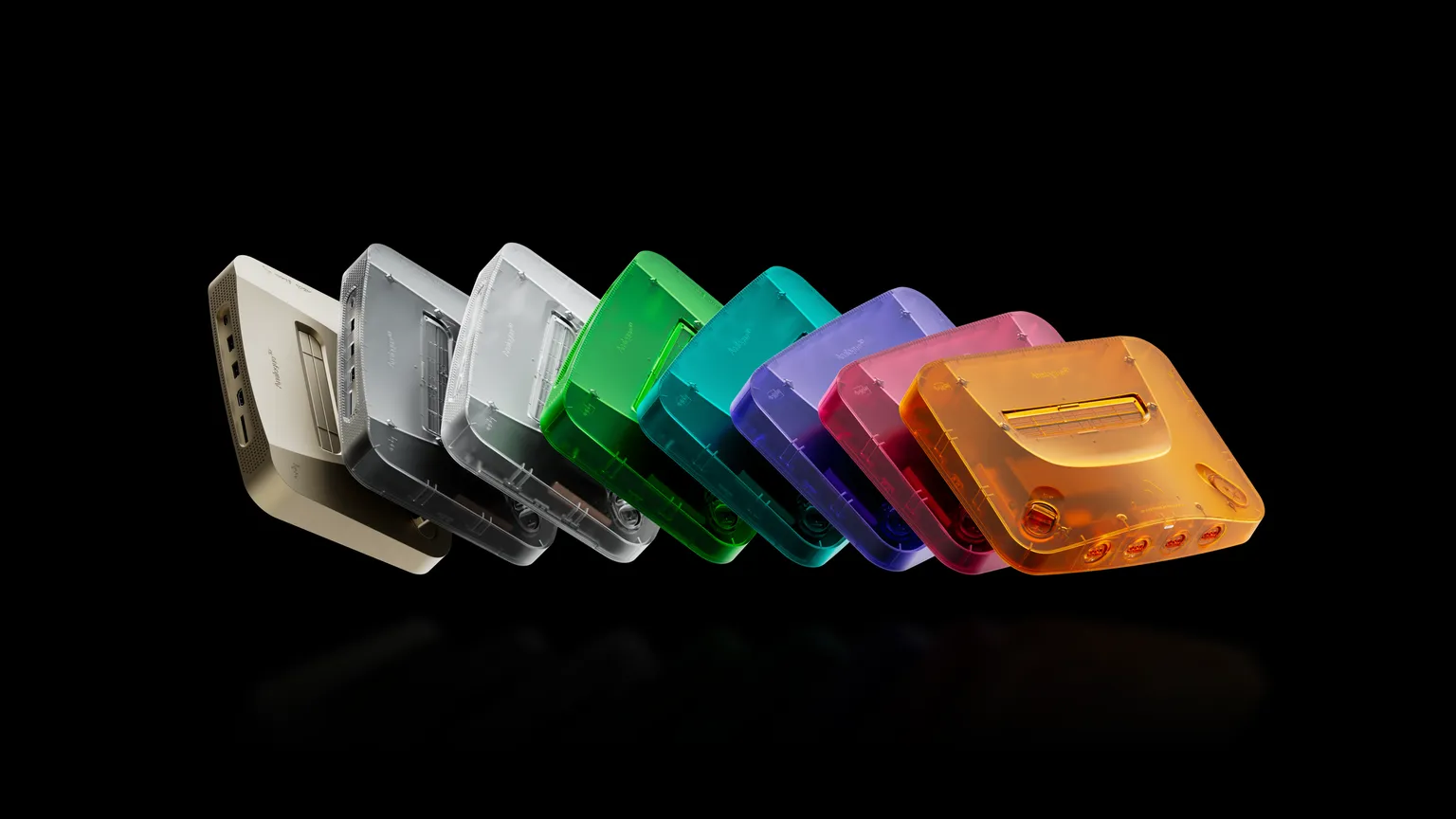
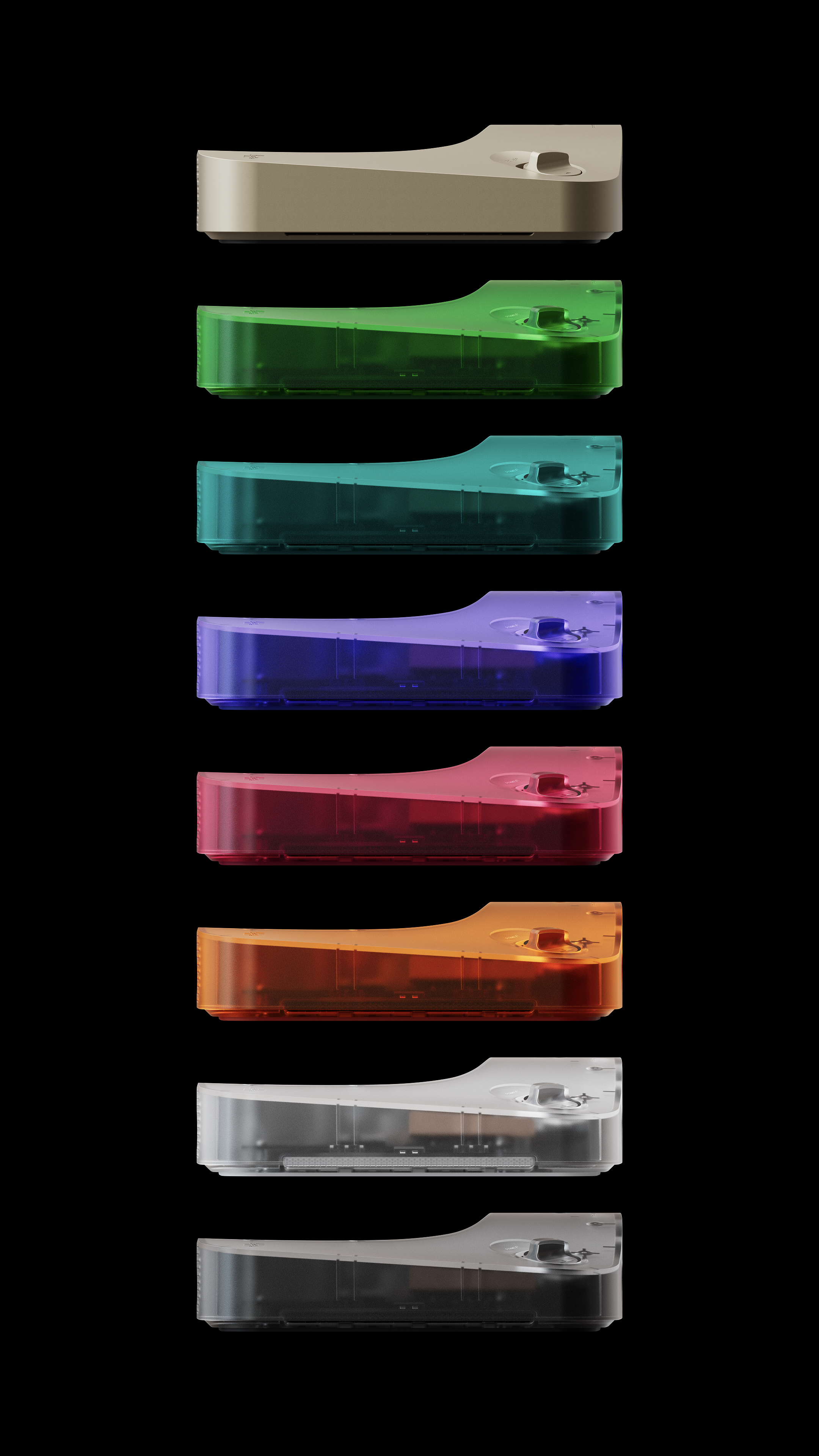
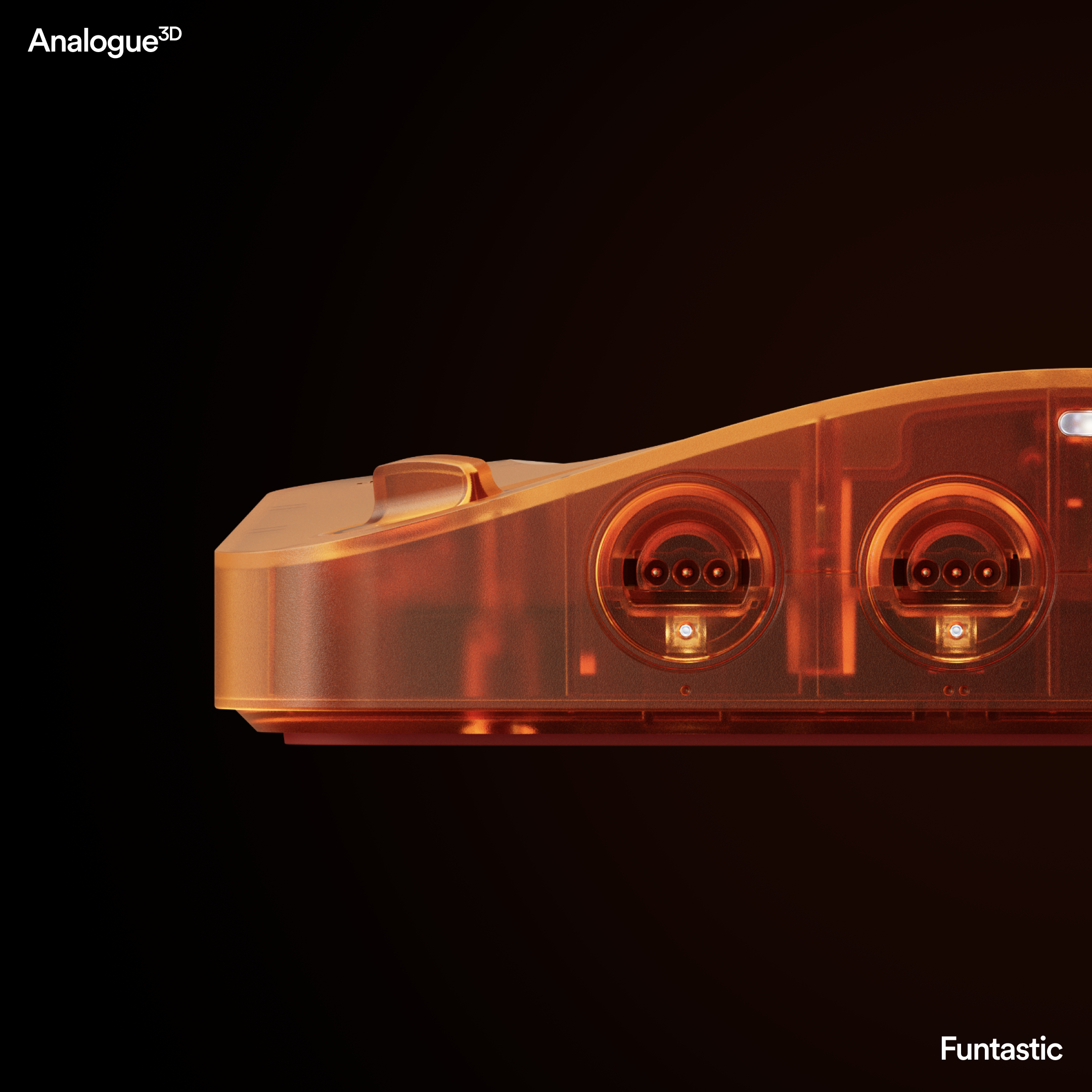
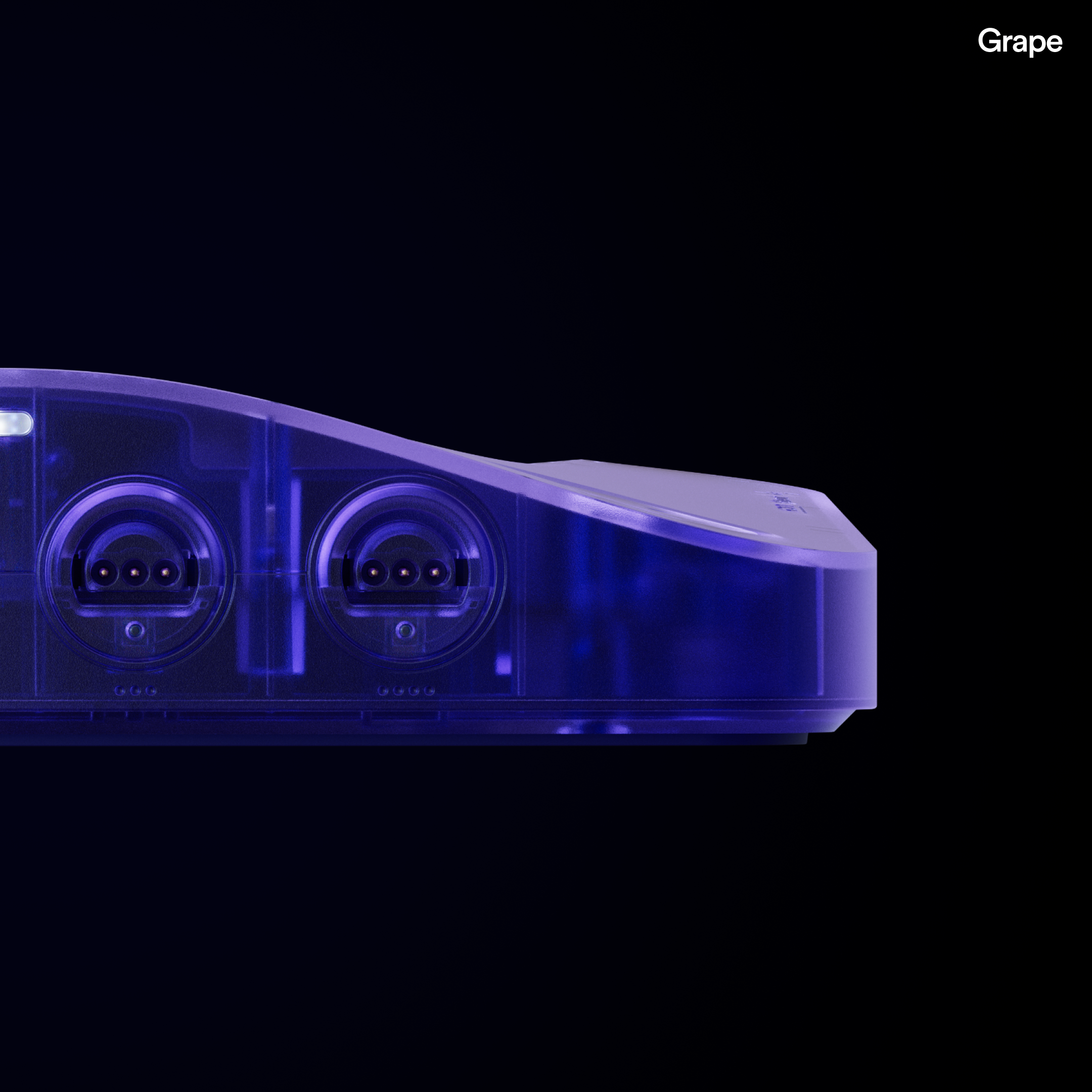
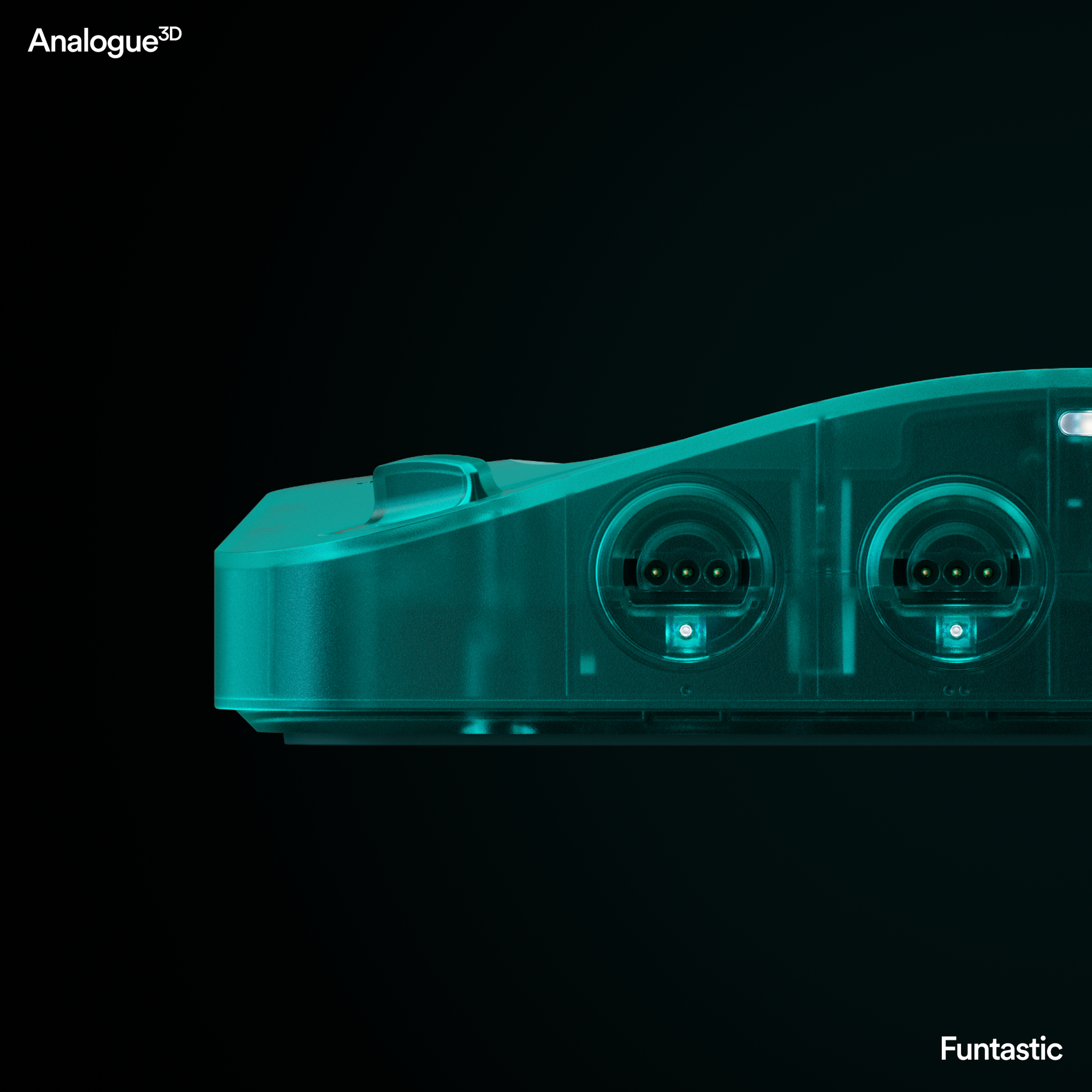
Analogue’s 3D console gets the full Funtastic treatment with eight translucent colorways pulled straight from the late 90s. Jungle, Ice, Grape, Watermelon, Fire, Clear, Smoke, and a gold edition for the Toys R Us diehards. It is the same FPGA-powered machine that outputs 4K, matches original display behavior, and plays every cartridge with perfect fidelity.
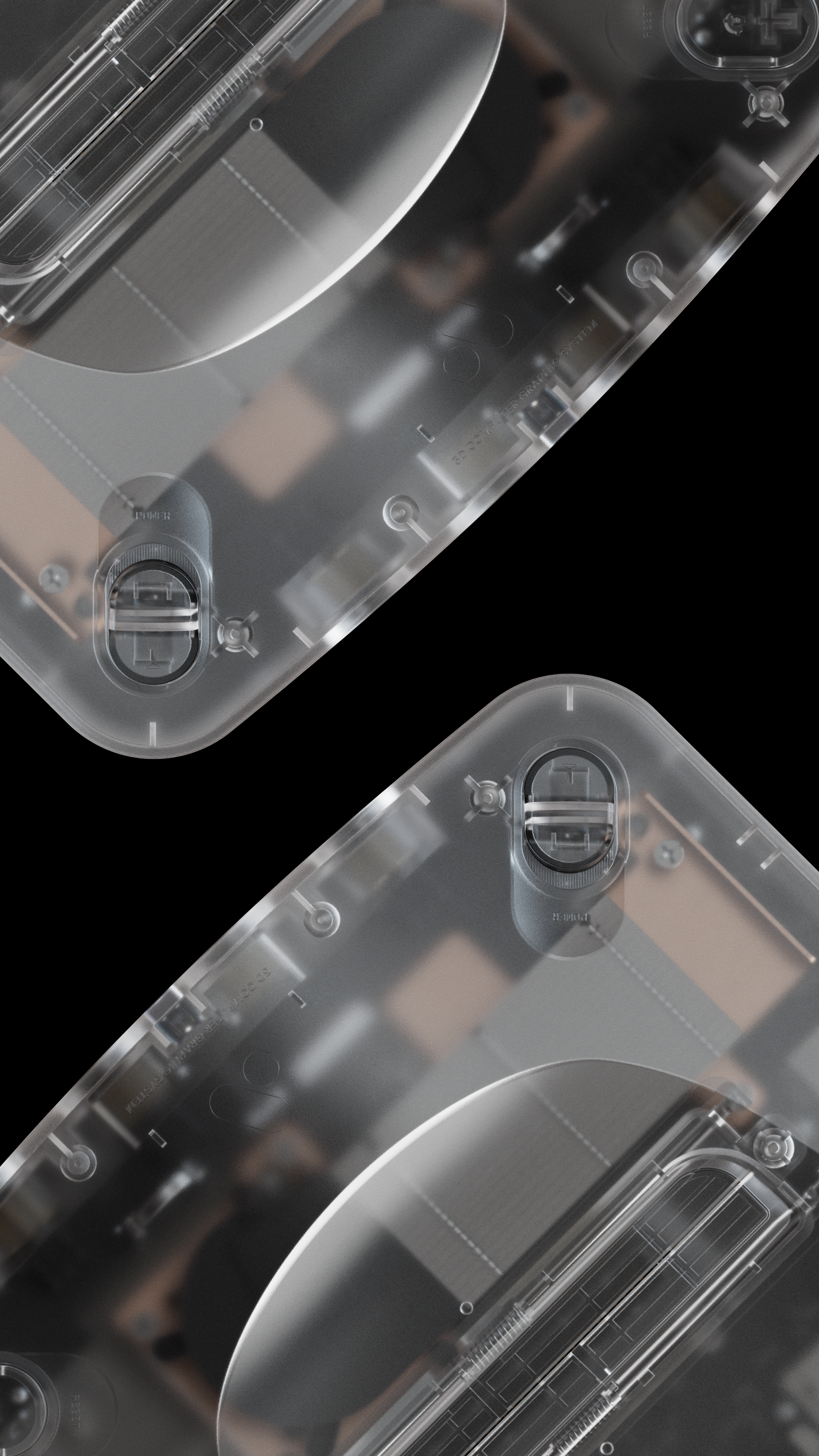
Analogue understands that nostalgia only works when it feels exact. Childhood memory needs to be rebuilt to modern day standards. Also it has to feel accurate enough to satisfy a target audience who remembers the N64 as a myth machine. The Funtastic shells have too much detail in them to be a gimmick. They are proof of craft. The brand is selling emotional accuracy through engineering accuracy. The pitch is that your nostalgia deserves craftsmanship instead of compromise.
The Breakdown
Analogue
Brand Positioning and Identity
Analogue positions itself as the haute horology of retro gaming. They are not selling nostalgia. They are selling precision. FPGA hardware, circuit-level accuracy, and obsessive industrial design place the brand in a realm where childhood memories are restored, not replicated. Their identity is luxury craft disguised as a toy from 1998.
Target Segment and Audience
The audience is late-millennial and early-gen-X gamers with disposable income, aesthetics, and taste. People who remember blowing dust out of cartridges but now own LG OLEDs and know the difference between interpolation and native rendering. This is the “youth with money” cohort that buys vinyl, Leica Q cameras, and limited sneakers.
Messaging and Storytelling
Analogue tells a story of technological redemption. The narrative isn’t “remember the N64.” It is “remember how it felt.” Every detail reinforces an emotional argument that modern emulation can’t recover the original experience. The brand leans on mythmaking: Funtastic returns, 1:1 color matching, and a four-year R&D journey to recover something lost.
Experience and Journey
The journey begins with visual lust, moves into technical reassurance, then ends in ritual. Customers discover the drop, obsess over colors, secure a limited unit, pair it with a matching controller, and unbox something that feels like a relic and a futurist artifact at the same time. The experience is engineered to feel like winning a scarce item in a world of infinite abundance.


Analogue
Community and Culture Insight
Retro gaming is cultural preservation. This community wants fidelity and reverence, not reinvention. Analogue understands that retro gamers behave more like collectors than consumers. The culture rewards brands that protect history while elevating it. Show your work, match the plastics, and treat Mario 64 like a museum piece.
Differentiation and Unique Selling Point
Analogue’s unique selling point is perfect accuracy at modern standards. The console isn’t emulated. It is rebuilt. FPGA gives them something no competitor can promise: zero-lag, original signal behavior, and compatibility with the entire library. They turn technical discipline into emotional value.
Design Language
The design language is pure “retrofuturist transparency.” Clear shells, jewel-toned plastics, precise machining, and typography reminiscent of both Apple industrial design and 90s toy culture. Packaging and colorways do the semiotic work: this is luxury disguised as childhood. The translucency is not decoration. It is a certificate of authenticity in visual form.
Marketing Pitch
Analogue is selling a childhood memory rebuilt for adulthood standards. The pitch is that your nostalgia deserves craftsmanship instead of compromise. They aren’t making a new console. They are remastering your past.
Is It A Winning Pitch?
If you could only pick one colorway, which one goes on your shelf?