Quick Impressions: Week of November 16th
Quick Impressions is our fast take series on products that catch the eye and spark an idea. No deep dives, just sharp looks and smart insights into what makes them stand out.
This is Quick Impressions
Sometimes, a product just stops us mid-scroll. We might not have the time to unpack it fully, but it still earns a closer look.
That’s what Quick Impressions is for. Fast takes on the finds that stand out. Each one gets a brief look and a single marketing insight that makes it worth remembering.
Below are this week’s Quick Impressions.
Audi’s F1 Car Is a Marketing Strategy Moving at 220 Miles Per Hour
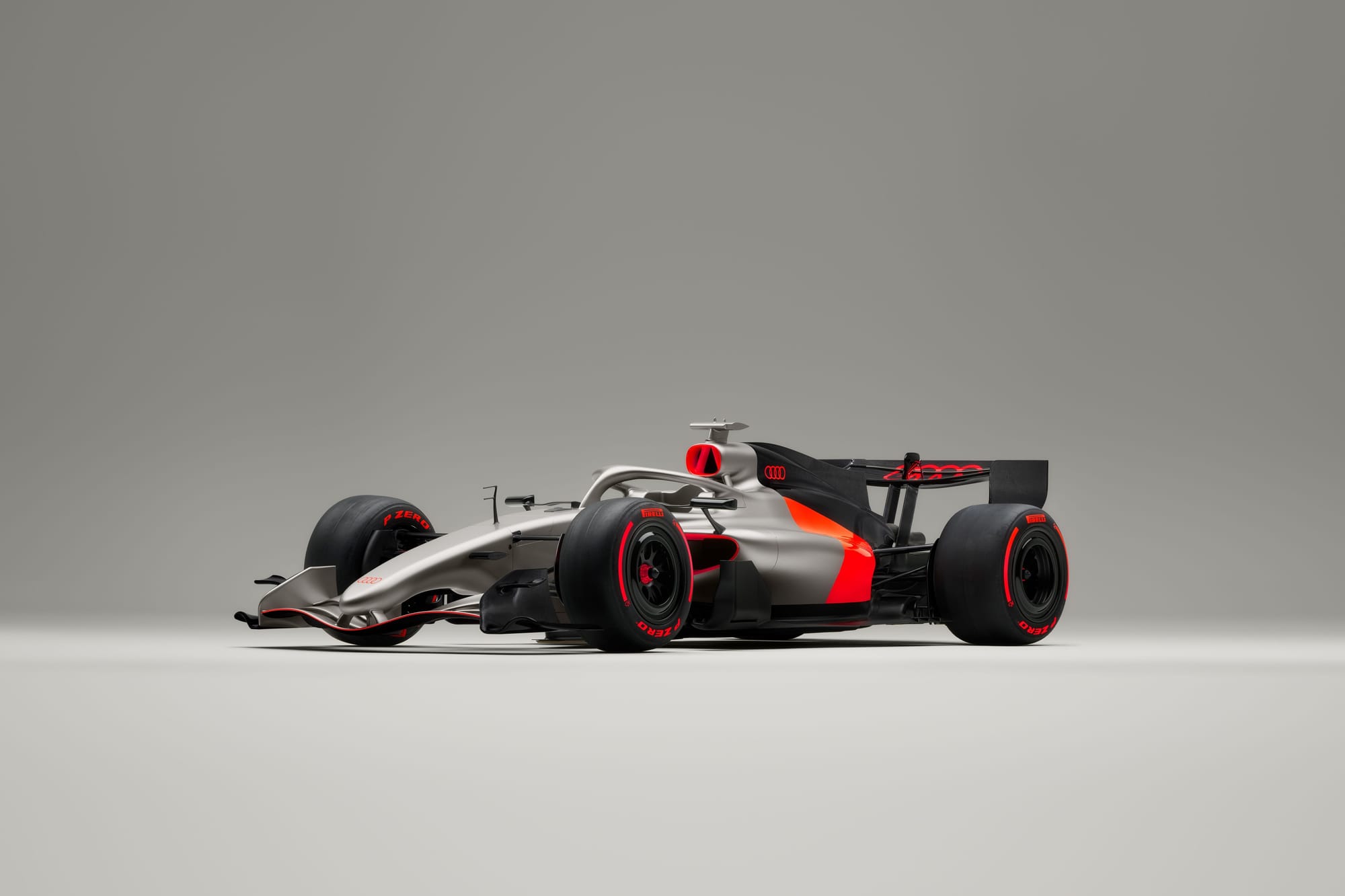
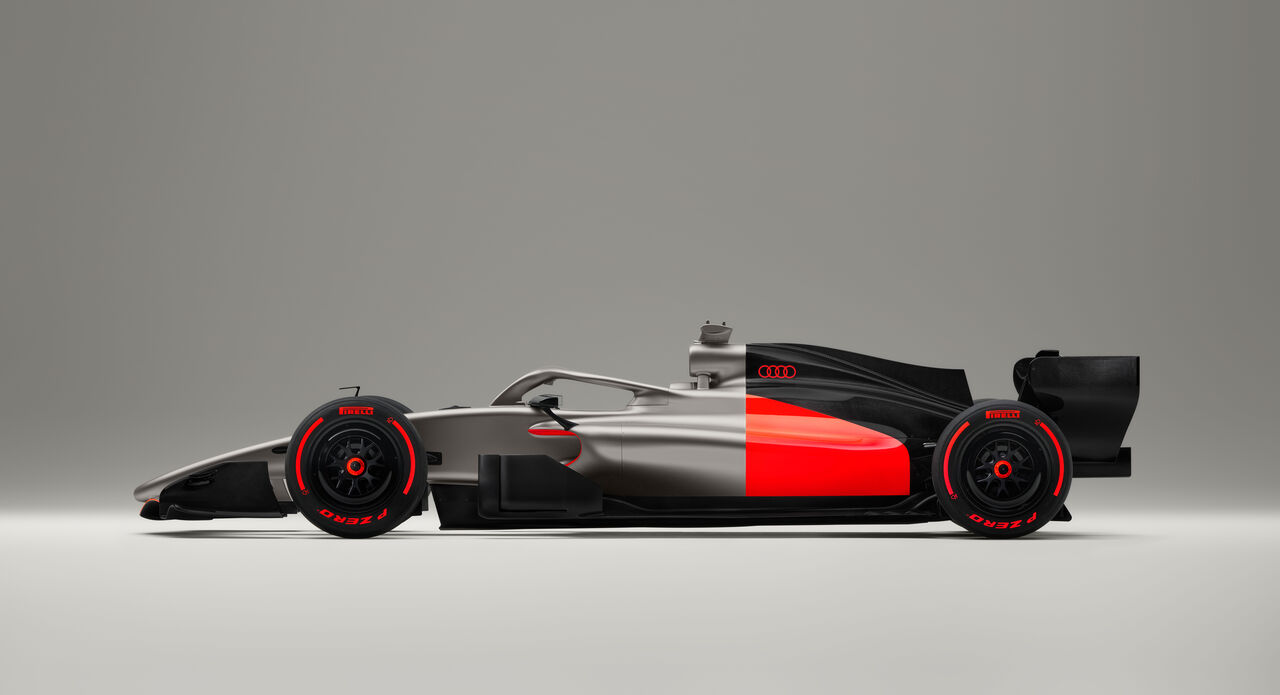
Audi has unveiled its first full Formula 1 design ahead of its 2026 debut. After acquiring Sauber, the brand built a dedicated F1 operation and secured global partners like Adidas, bp, and Revolut. With major technical regulations resetting the field in 2026, Audi enters at the rare moment when every team begins from the same competitive baseline.
Audi is treating Formula 1 as a global identity platform. The team becomes a vehicle to broadcast innovation, unify brand story, and reach younger fans who see F1 as culture as much as competition. By presenting racing as the intersection of technology, emotion, and adrenaline, Audi turns its F1 entry into a flagship that expands brand meaning far beyond the grid.
Does racing make a brand feel more alive when it tells its story at full speed?

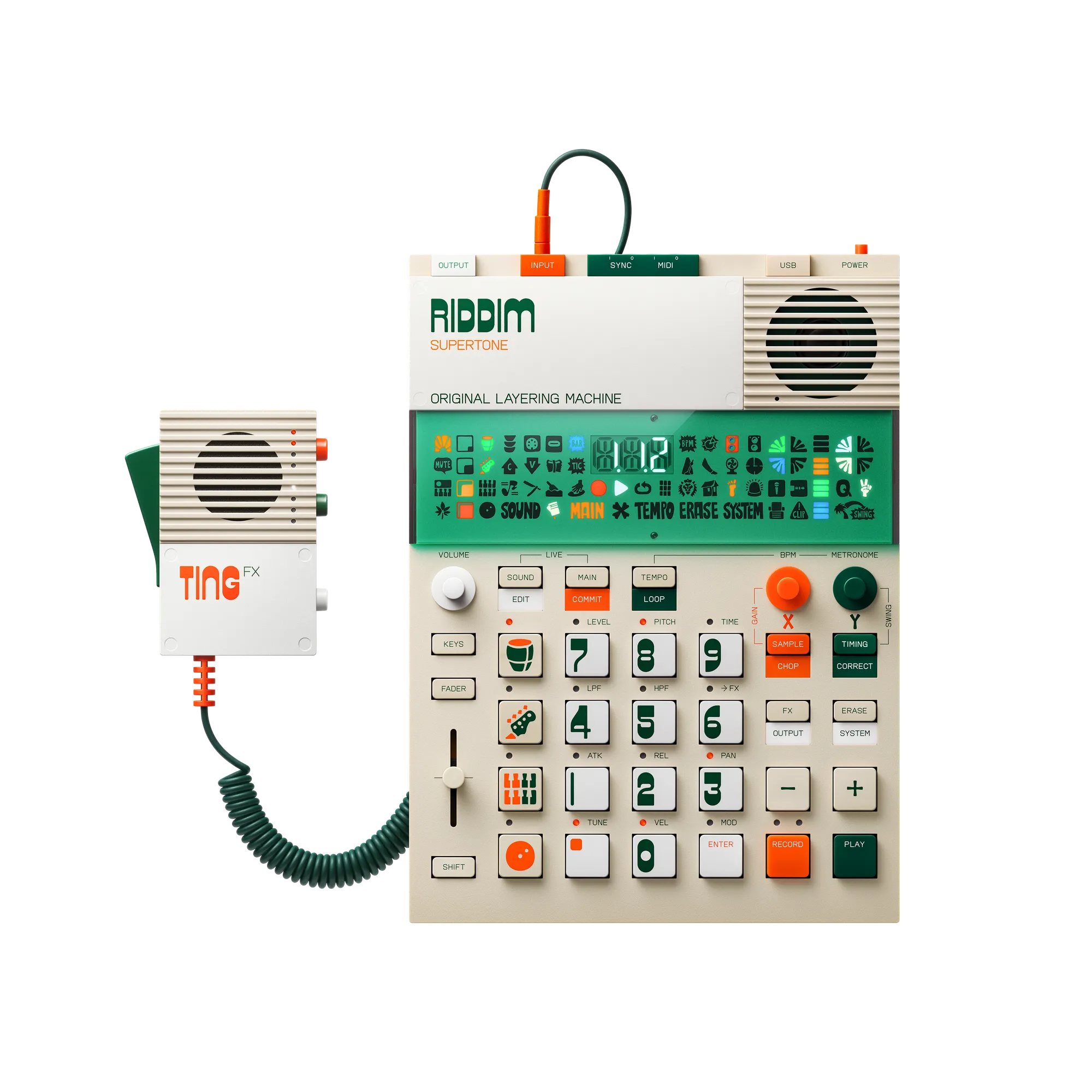
Teenage Engineering Built a Sampler That Feels Like a Trip to Kingston
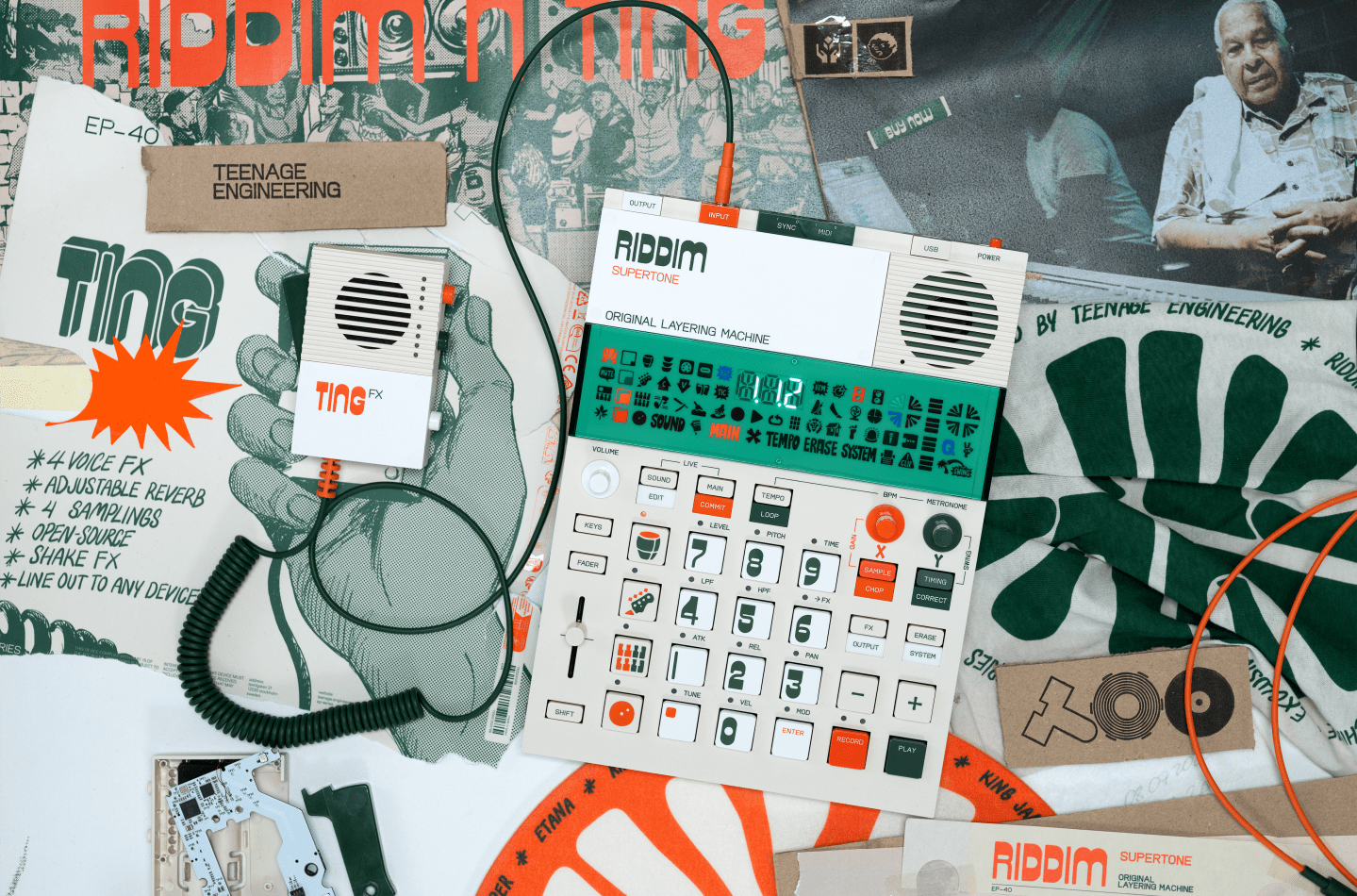
Teenage Engineering’s EP–40 Riddim and Ting mic distill the pulse of reggae and dancehall into a pocketable sound system. The sampler arrives tuned with textures and loops shaped by icons like King Jammy and Mad Professor, while the Ting mic adds springy echoes, warped pitches, and handheld personality.
Riddim n’ Ting is TE’s clearest swing at culture-first hardware. It sells a mood more than specs, capturing the immediacy of Jamaican sound-system play in a tool built for instant expression. It lowers the barrier to creation and makes beat-making feel like a vibe, not a workflow, blending sound, identity, and nostalgia into a single gesture.
If a sampler came preloaded with the DNA of a culture, would you create differently?

The Straum Jan Mayen Titanium Proves Small Brands Can Swing Heavy
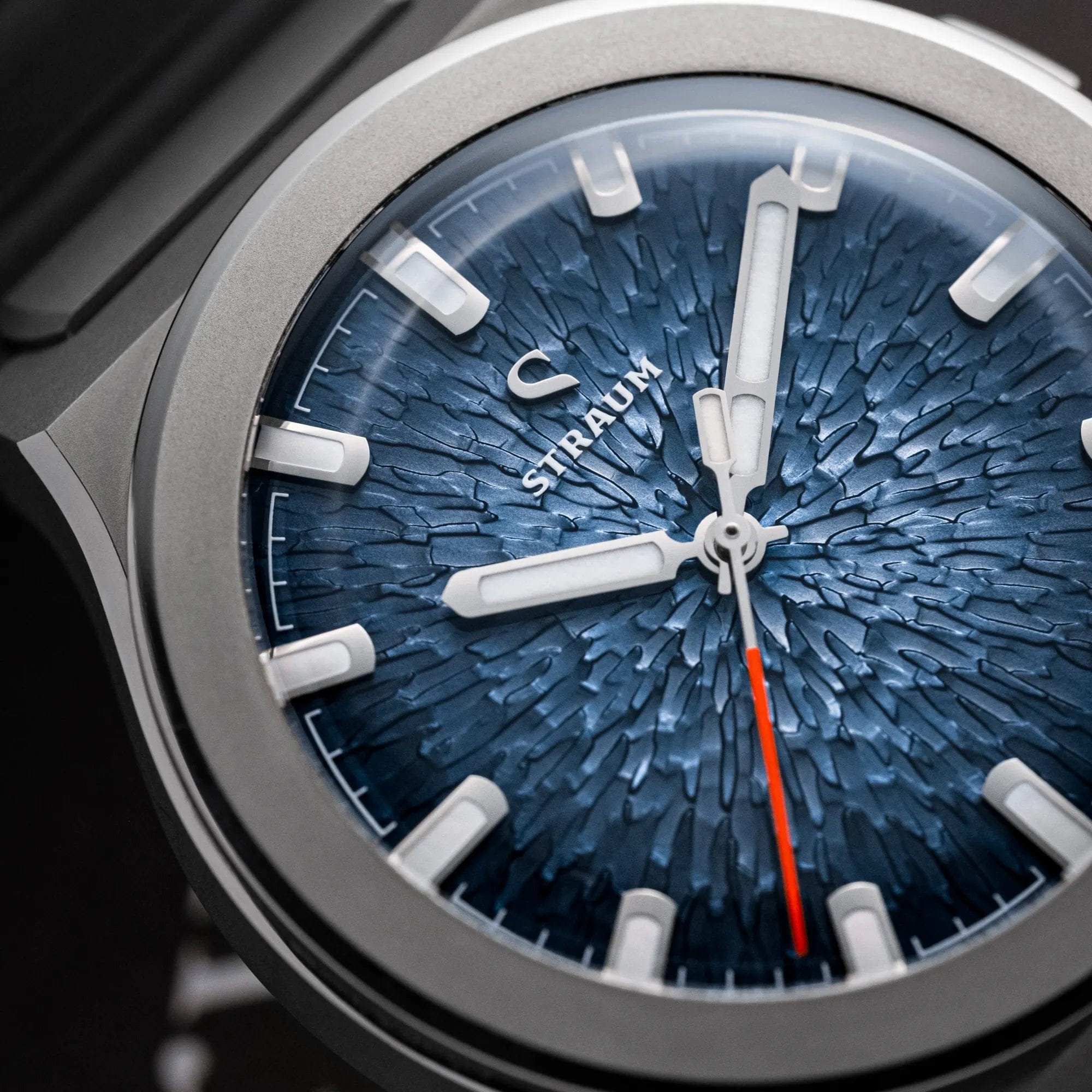
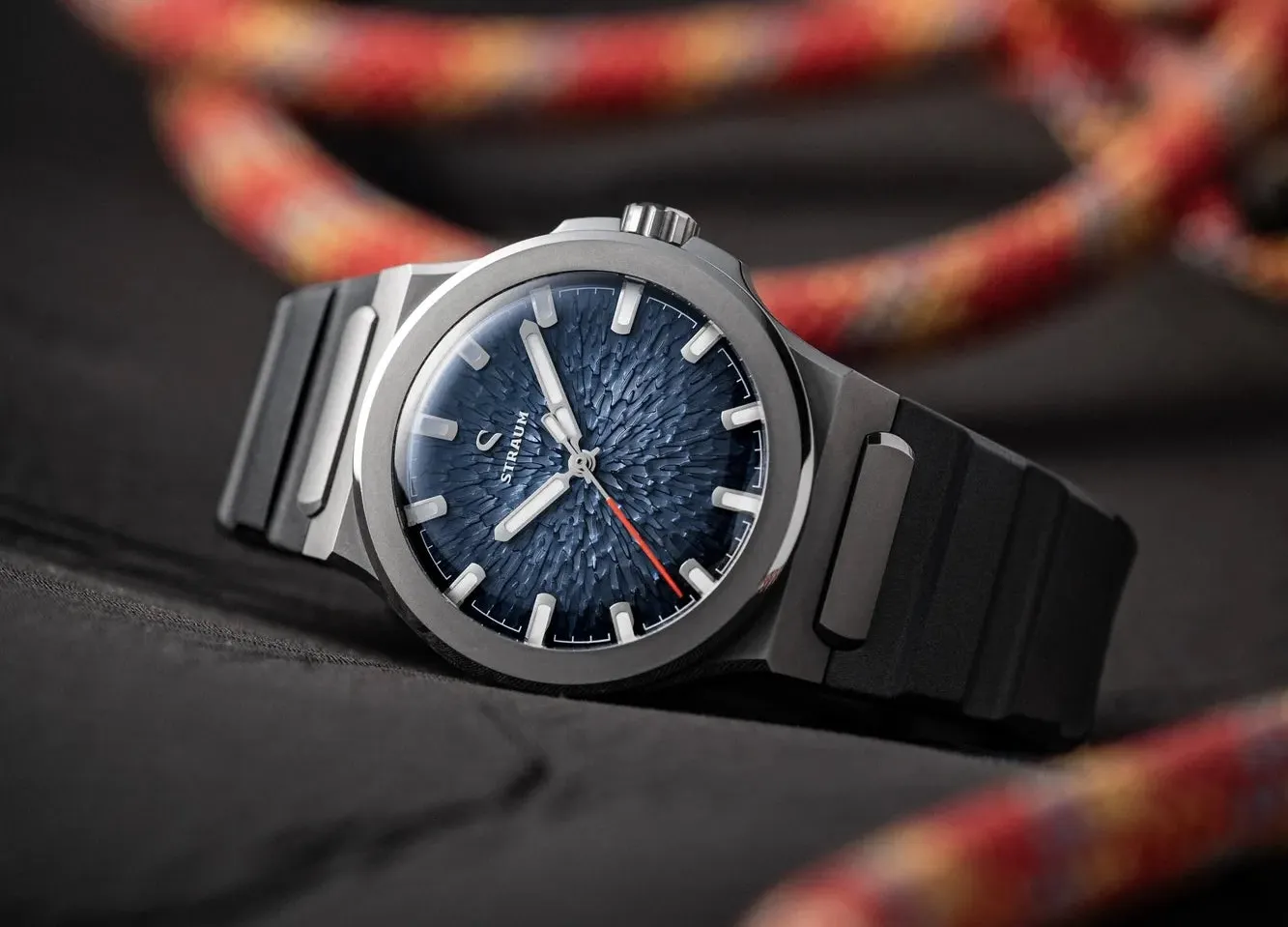
Straum and The Real Time Show have teamed up for the Jan Mayen Titanium Stormy Seas, a limited-time edition built around a deep, textured blue dial inspired by an expedition to the volcanic island that shaped the brand. It blends Nordic design philosophy with expressive texture, uses titanium to reinforce its purpose-first identity, and elevates the strap system to signal premium intent.
Straum is building its reputation by resisting shortcuts. The Jan Mayen Titanium is positioned as a modern tool watch with a narrative backbone that is a compact expression of exploration culture. A watch that earns its legitimacy through craft rather than borrowed heritage.
Do independents make better tool watches now that big brands chase luxury margins?
 Straum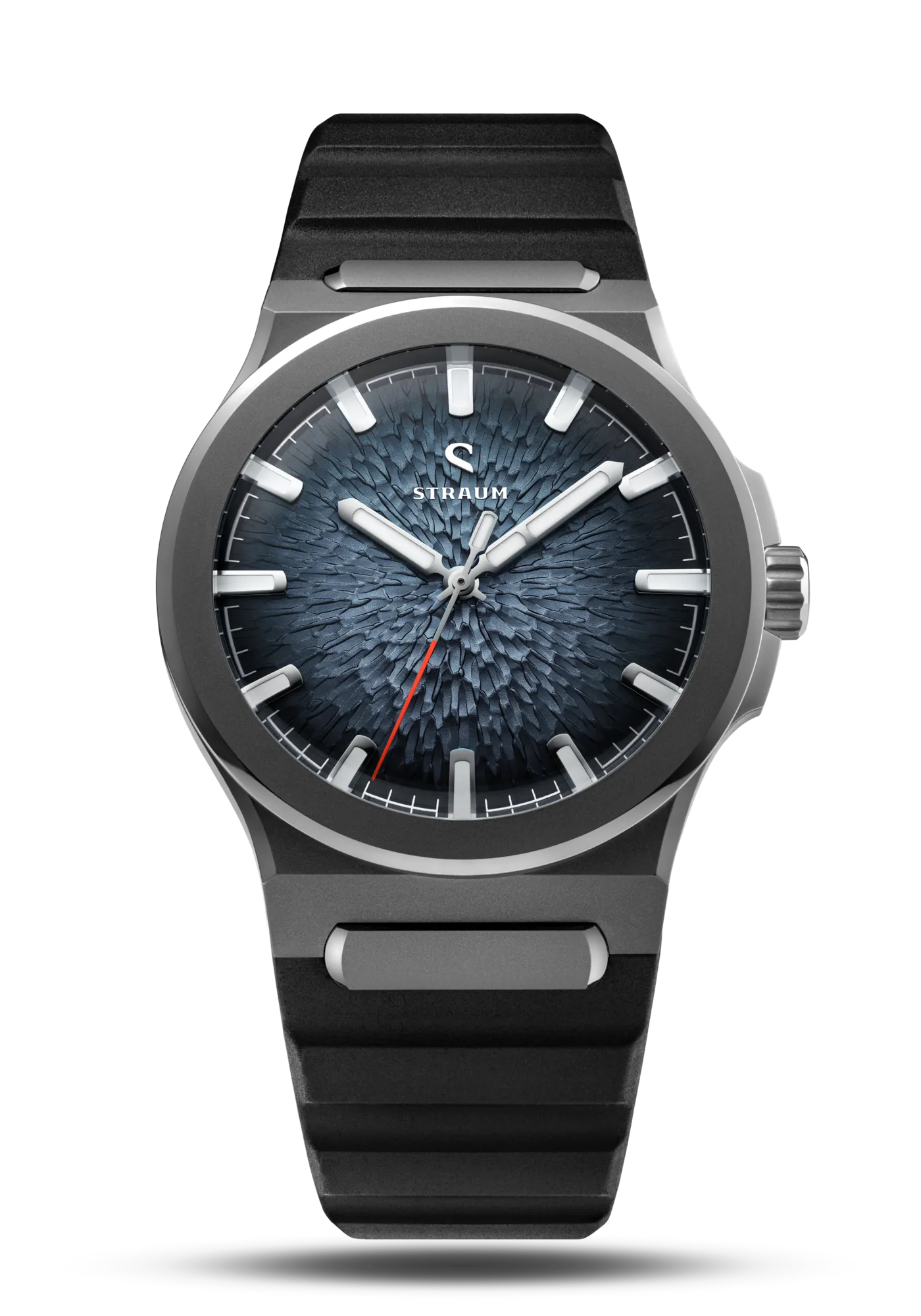
The Shop Chair That Turns Your Garage Into a Clubhouse
Garage Beer x Vyper
Vyper Chair and Garage Beer teamed up on the Sit n’ Sip, a fifty-unit shop chair built on Vyper’s heavy Steel Max frame with distressed leather, cream powder coat, and custom hardware. The collab adds dual cup holders and a mounted mini keg with tap handle, turning a work seat into a collectible for people who treat the garage as a second home.
This collaboration works because it treats the garage as a cultural space, not a utility room. Vyper and Garage Beer know that a shop is where people build, unwind, and express who they are. The Sit n’ Sip leans into that identity, mixing durability with playful ritual so the chair becomes a badge of belonging as much as a tool.
If your garage is your sanctuary, would this be the throne you sit on?
 Vyper Industrial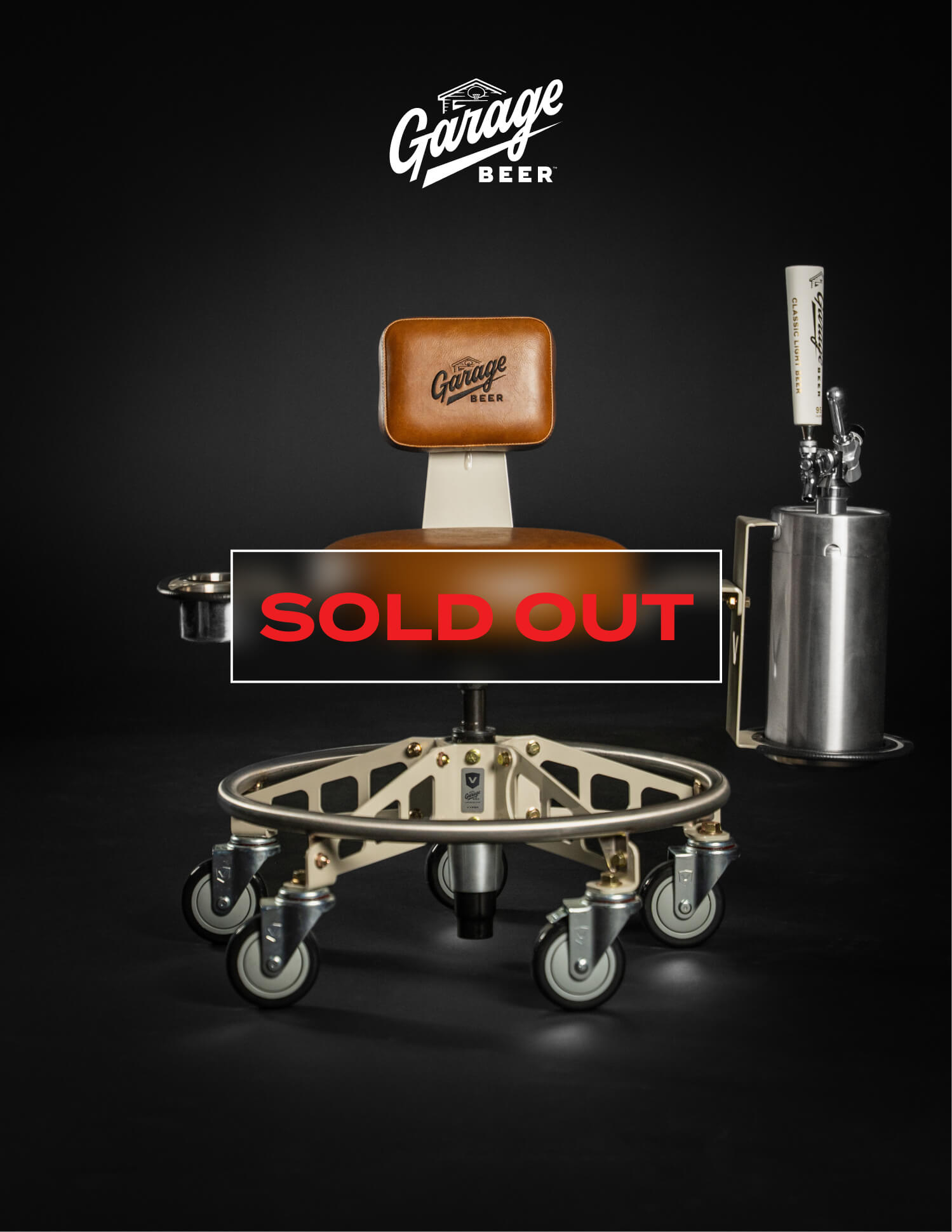
The Copenhagen Restaurant That Treats Dinner Like a Work of Art
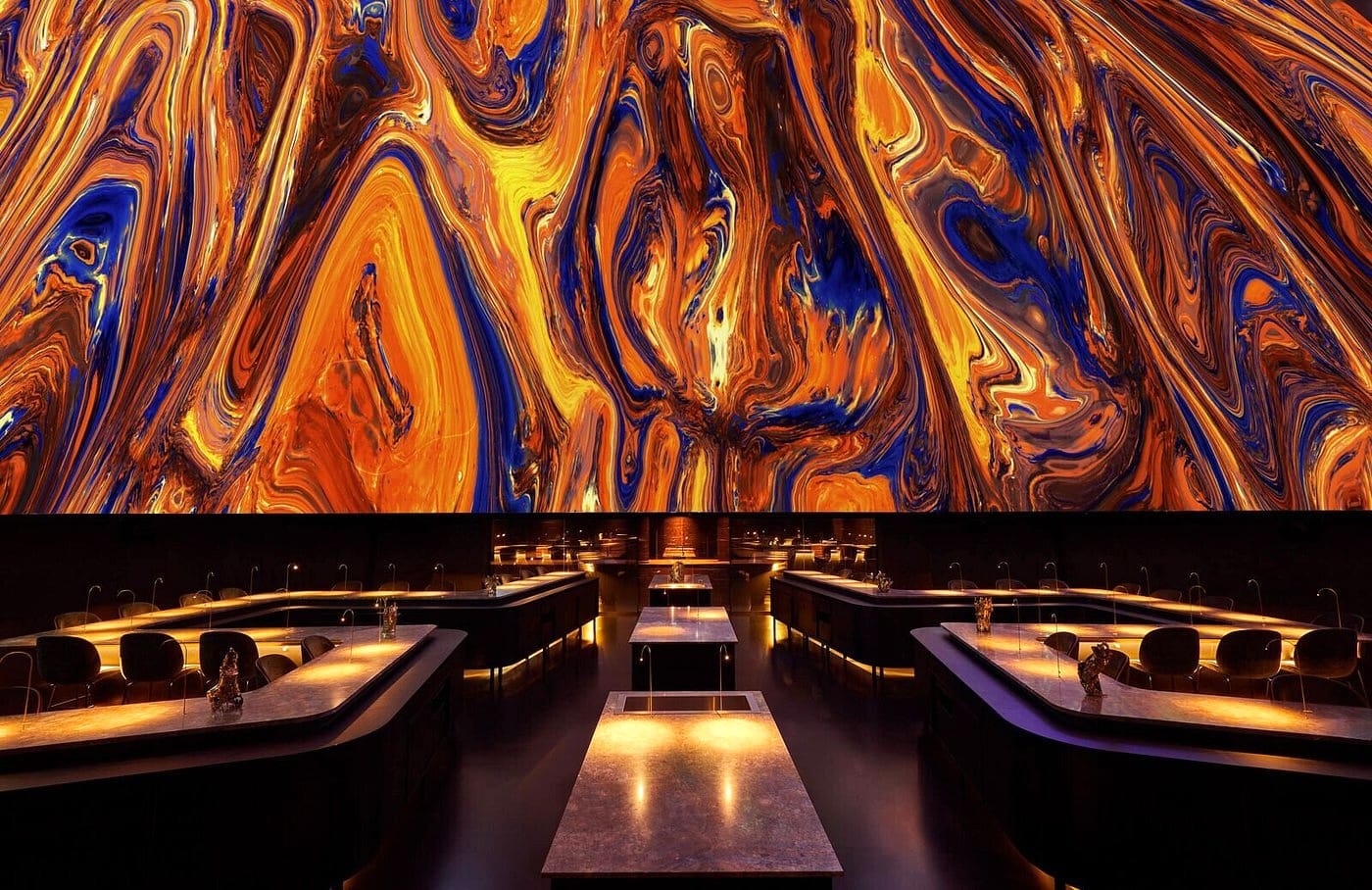
Alchemist in Copenhagen is a dining experience anchored by a fifty-course menu served across multiple rooms over four to six hours. Guests move through a sequence of curated spaces that mix gastronomy with performance, dome projections, installations, and micro-dramas built around each impression.
Alchemist treats dining as cultural participation, creating an experience that lingers far beyond the final bite. It draws guests into a narrative engineered with theatrical pacing, scientific curiosity, and artistic provocation, using food as a carrier for ideas about ethics, sustainability, and human limits.
If a restaurant treated ideas as seriously as ingredients, would you commit to the full six-hour ride?