
Marketing Trends: March 2026
The internet is suspicious. After a year of generative noise, March rewards "proof of life." From tactile imperfections to the rise of GEO and fandom-to-cart ecosystems, the market is recalibrating. Automation belongs backstage; brand identity demands fingerprints.

Quick Summary Points:
- Consumer Suspicion Is Forcing Brands to Prove Themselves.
- Search Is Shrinking. Being Quoted Matters More.
- Automation in the Back. Fandom in the Front.
March will feel like the internet woke up with the song Suspicious Minds stuck in it's head
Not outraged. Not dazzled. Just Suspicious.
After a year of generative noise flooding every surface, the market is recalibrating. Feeds are full, pipelines are fast, content is frictionless. And yet something feels off. Too smooth. Too polished. Too easily produced.
The audience has adjusted its standards. They are no longer impressed by scale. They are looking for proof. Proof that someone was actually there. Proof that the message wasn’t extruded. Proof that the brand has a pulse and not just a prompt.
You can see the tension in how brands are experimenting and how quickly audiences react. Dollar Shave Club and Svedka ran into the same truth from opposite directions. Satire works when it is clearly satire. Synthetic gloss gets punished when it masquerades as soul. When work looks like it was printed by a machine pretending to be a person, people get mean. Fast.
And while everyone debates creative taste, something larger is shifting underneath.
Proof-of-Person Imperfection

Perfection now reads like a counterfeit bill.
March will reward work that felt handled rather than rendered. Slightly uneven pacing. Low-fidelity textures. Creative that looked like it belonged to someone, not something.
IHOP leaned into intentionally scrappy experiential visuals to encourage play over polish. Hootsuite reports that brands winning engagement are drifting away from hyper-edited cadence toward natural timing, including the occasional stumble.
Even the sharper plays are telling. Dollar Shave Club used generative tools to mock tech hype itself, pushing into the uncanny space deliberately. The tool became the joke. That distinction matters.
Then came the backlash. When Svedka faced backlash for a largely AI-generated Super Bowl spot, the market clarified its boundaries. Automation is welcome backstage. Brand identity demands fingerprints.
This mood is being reinforced elsewhere. Adobe Blog points to “Surreal Silliness” as a grounding device in local, tactile culture. X (formerly Twitter) is introducing user-driven tags for AI content so audiences can filter for actual interaction.
If the front of house feels manufactured, trust erodes. The market is not asking for sloppiness. It is asking for origin.
The Rise of Generative Engine Optimization

While brands argue about tone, discovery itself is changing.
The open web is being mined for summaries. Instead of sending users to your site, platforms extract your content and serve the answer on top. Gartner projects traditional search traffic to drop 25% as users default to AI-generated summaries. That was back in 2024. It appears that claim is holding up.
That shift changes the objective. Ranking first matters less than being cited inside the summary. This is why Generative Engine Optimization (GEO) is becoming a real discipline. February data shows content designed for citation achieving 43% higher mention rates in generative responses.
Discovery is also turning multi-modal. YouTube indexing Shorts as search results pushes short-form video into the discovery layer. Meanwhile, Meta retiring “Like” and “Comment” buttons for third-party sites narrows the open web’s connective tissue.
This adaptation is underway. Faster Solutions outlines the rise of LLM-focused SEO. Meta’s Marketing API update nudges advertisers toward AI-driven Advantage+ tools to maintain placement relevance.
The new currency is quotability.
Fandom-to-Cart Ecosystems

When discovery fragments, brands build their own gravity. The first signs of Fandom-to-Cart appeared at BravoCon in November, Unilever transformed sponsorship into “culture-to-cart” activations. Fans did not exit the experience to shop. Shopping happened inside the narrative. State Farm recreated “Bravohood” homes to embed themselves into fandom environments.
This is commerce embedded within culture rather than adjacent to it.
Concentrated attention moments are rarer now, which is why events tied to Super Bowl 60, Winter Olympics, and NBA All-Star carry disproportionate strategic weight even though the Super Bowl Model is fracturing.
In 2026, Nike skipped the in-game circus entirely. No glossy halftime flex. Instead, they redirected the money toward what actually compounds: their role as the NFL’s uniform supplier and the 2026 World Cup. They opted for fandom.
This pattern can be seen with KitKat’s partnership with Riot Games targeting esports fandom directly.
Fandom is becoming distribution infrastructure.
Privacy as Infrastructure

Behind the visible shift in tone and distribution, backend systems are hardening.
With the functional extinction of third-party cookies approaching mid-2026, brands are building data clean rooms. These encrypted environments allow collaboration without exposing raw consumer data. Unilever and Nestlé are investing heavily in this direction. Under Nestlé’s CEO, digital investment now dominates, supported by extensive first-party coverage.
The privacy-tech market is projected to reach $12–28 billion in the coming decade.
This pivot can be seen elsewhere. TEAM LEWIS’s SideKick v2 integrates CRM and paid media data into compliant hubs.
Privacy is no longer a compliance sidebar. It is operational reality.
Functional AR Integration

AR is shifting from novelty to utility.
Snapchat’s AR Specs are expected to reach consumers this year in a form factor people may actually wear publicly. Hardware credibility changes behavior. Meanwhile, Zillow’s collaboration with World of Warcraft hints at convergence between digital and physical property narratives.
Creation tools are expanding rapidly. YouTube expands its AI creation tools, lowering the barrier for spatial content production. On the infrastructure side, Adobe Firefly’s integration with Google Gemini and Meta’s AI hardware deal with AMD reinforce the compute backbone required for real-time rendering.
The filter phase is fading. Utility is emerging.
The March Play
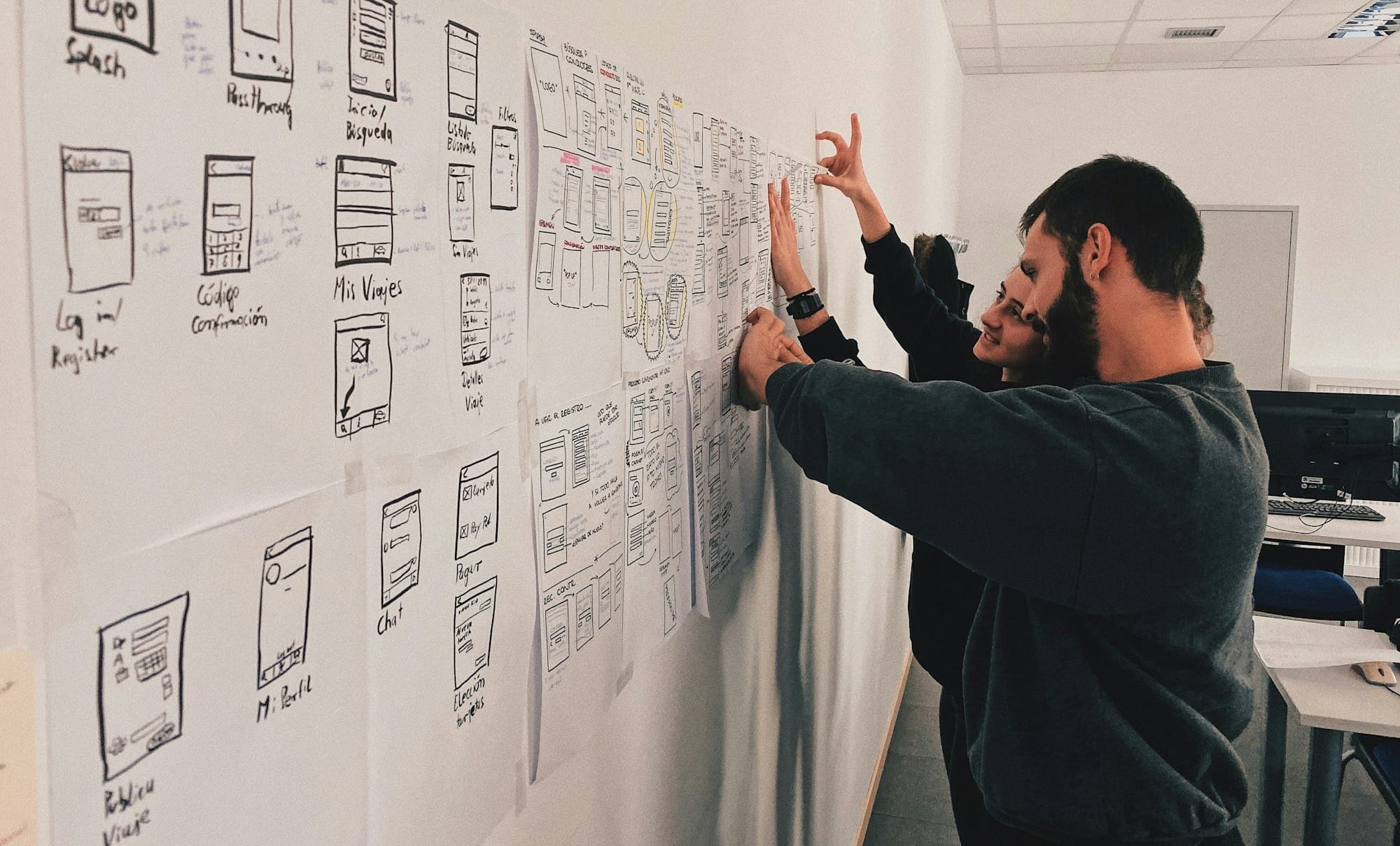
March exposes a split market.
Backend systems become more automated, secure, and optimized. Frontend experiences become more tactile, imperfect, and culturally specific. Brands lingering comfortably in the middle risk invisibility.
As Seafoam Media notes, algorithms increasingly reveal the gap between polished narrative and lived experience. Leadership responses reflect this clarity. The managerial realism under Nestlé’s CEO focuses attention on fewer, stronger priorities.
There will be overcorrections. Some brands will abandon AI in creative altogether. That misses the point. Svedka’s AI backlash warns against aesthetic misjudgment, not tooling.
The advantage belongs to teams who treat AI as a “boon to creatives” for speed and production support, while protecting storytelling as a distinctly personal domain.
So here are the plays to call:
- Automate the system. Keep the message personal.
- Build through deep fandom.
- Protect with advanced privacy.
- Gain attention with tactile, imperfect creativity
March will not reward noise. It will reward proof you were there.

