If Confidence Had Downforce and No Respect for the Established Order
The Genesis Magma GT is for people who think defiance is underrated and German sounds better with a Korean accent.
The Setup
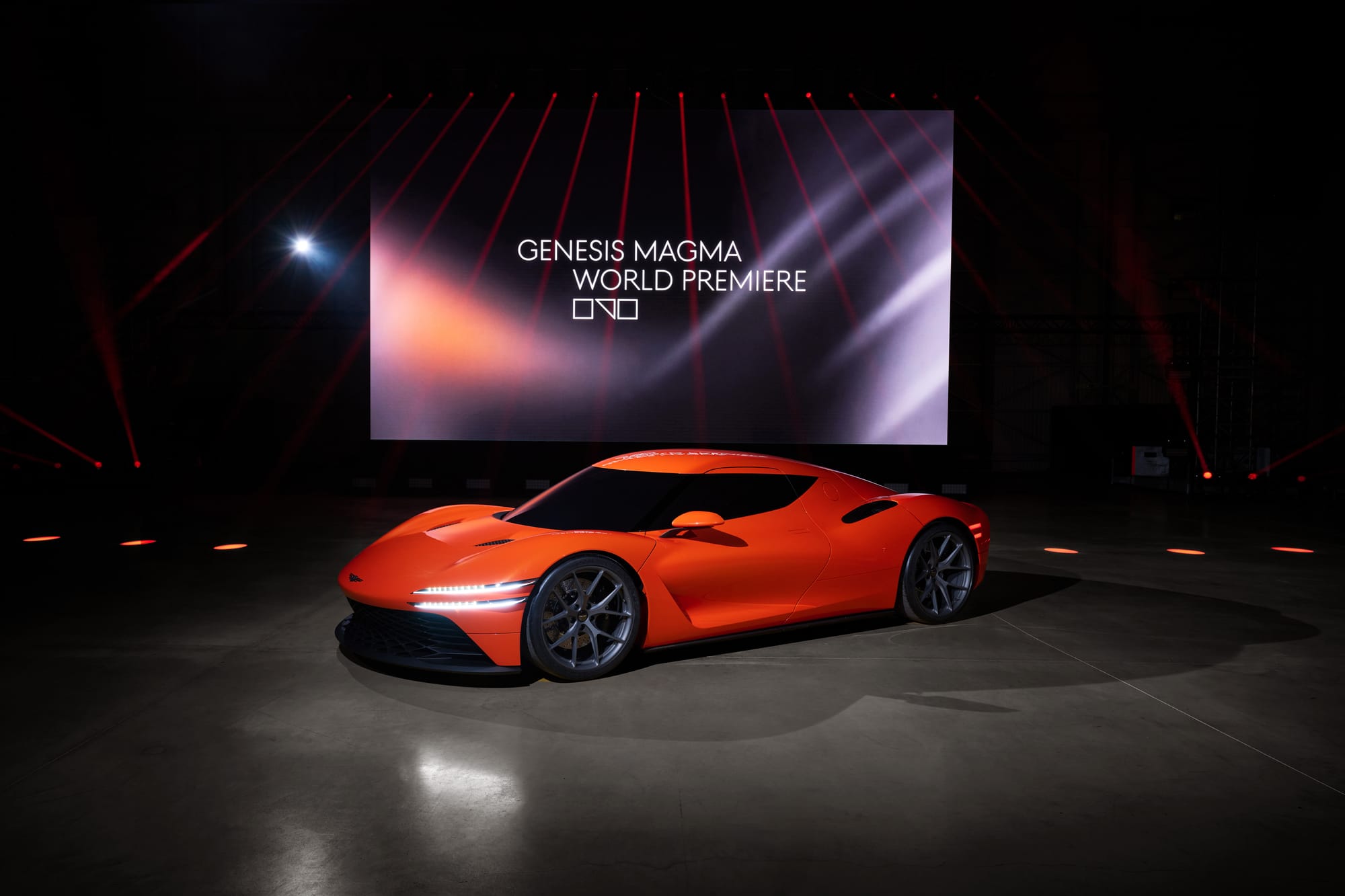
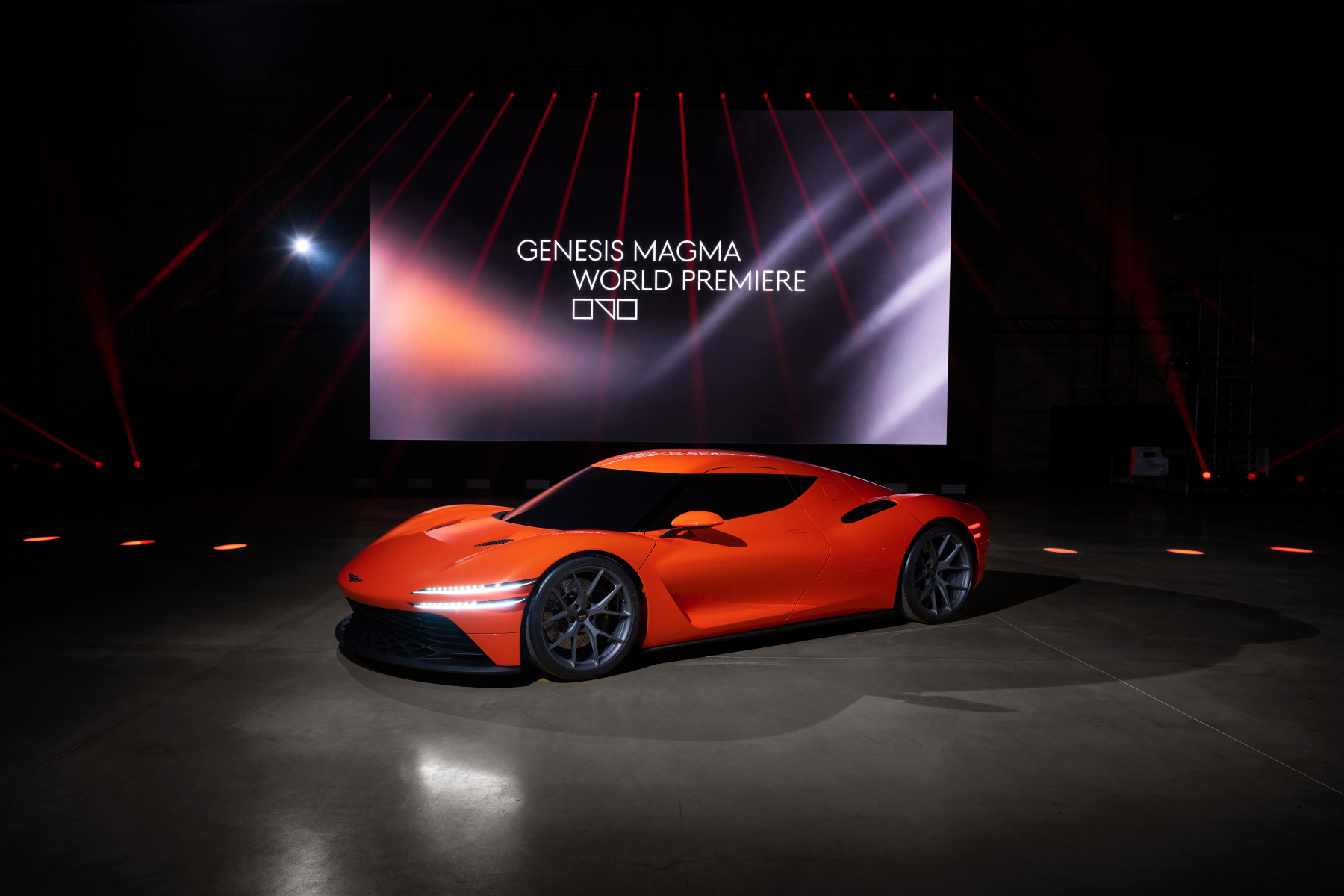
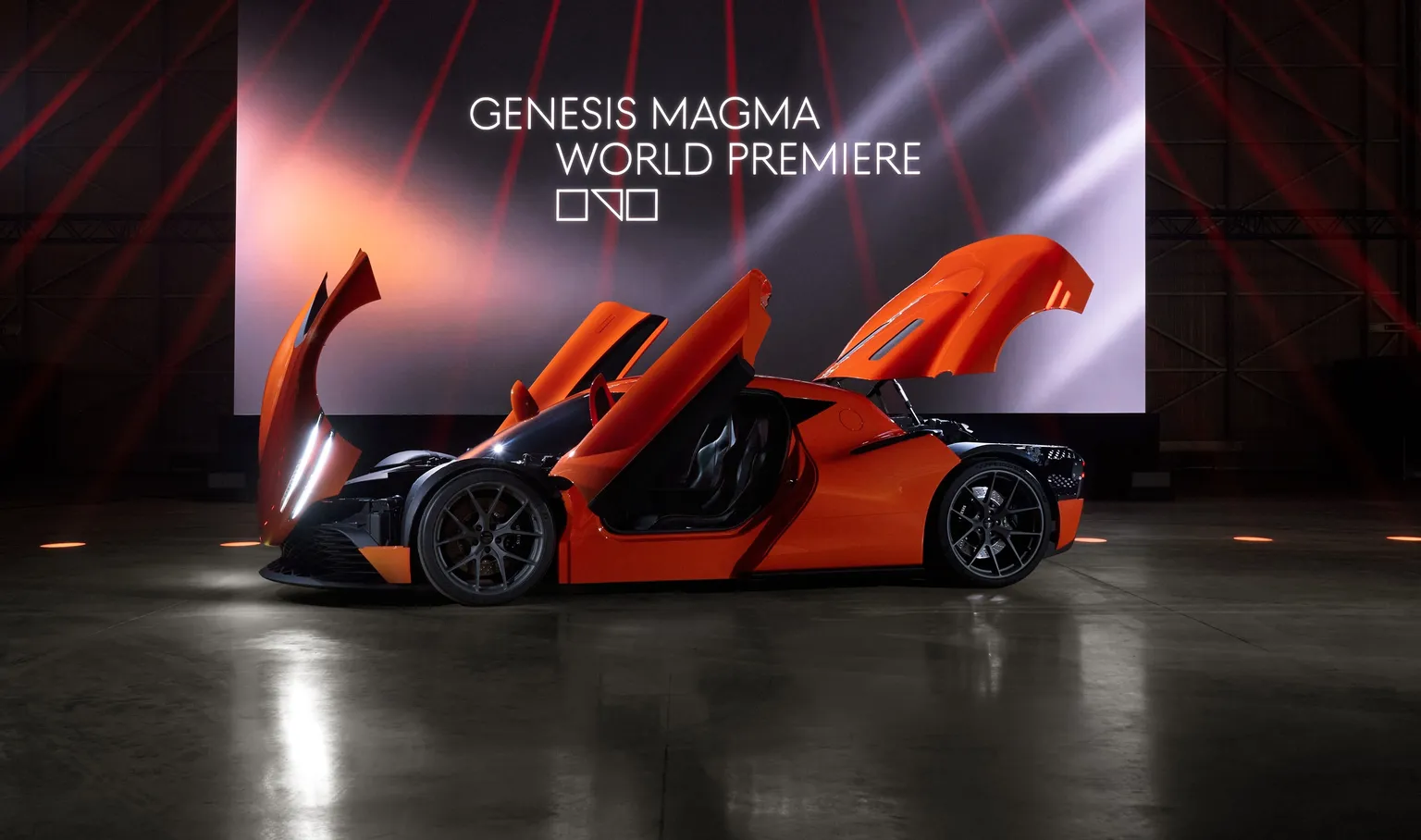
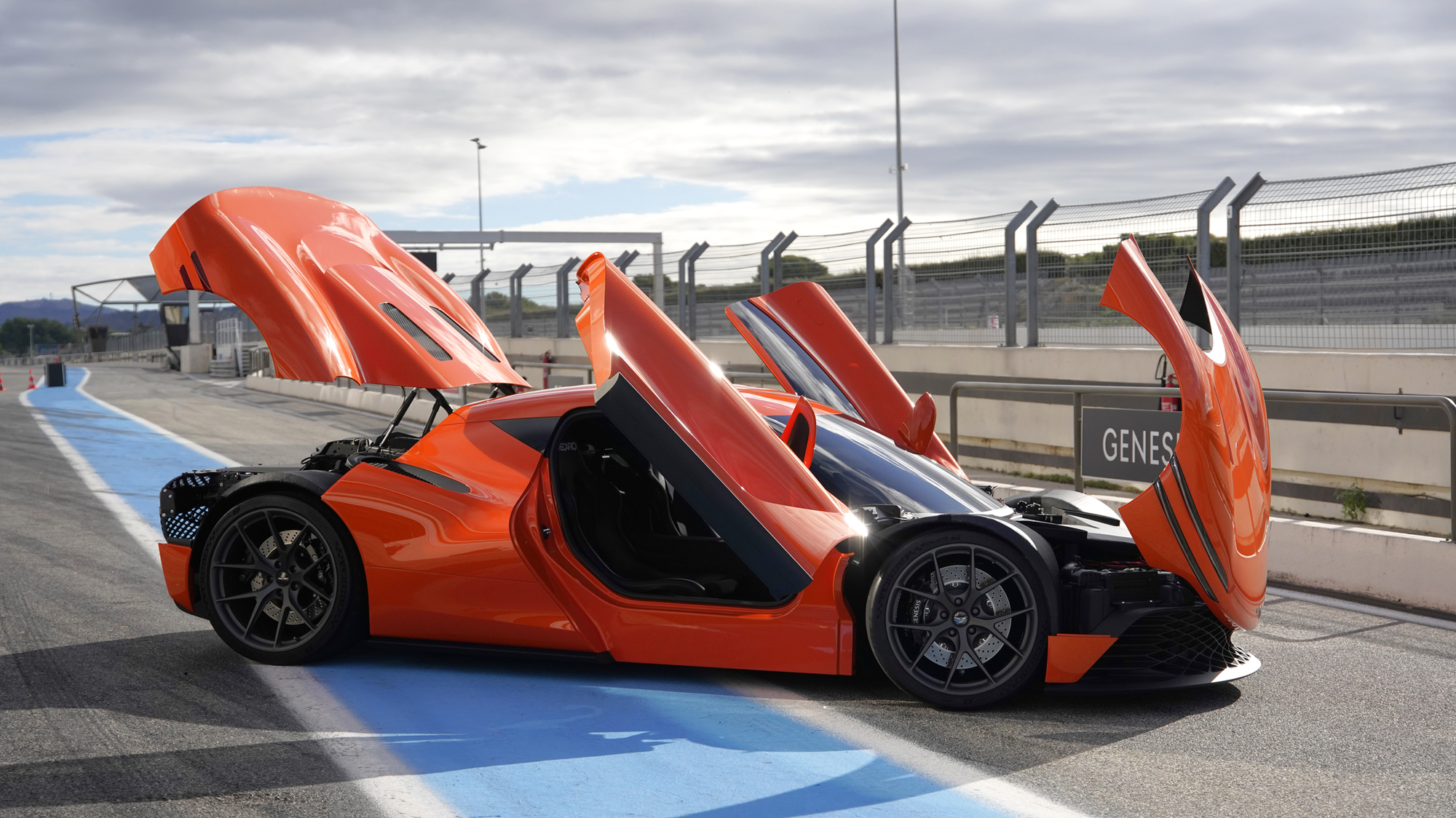
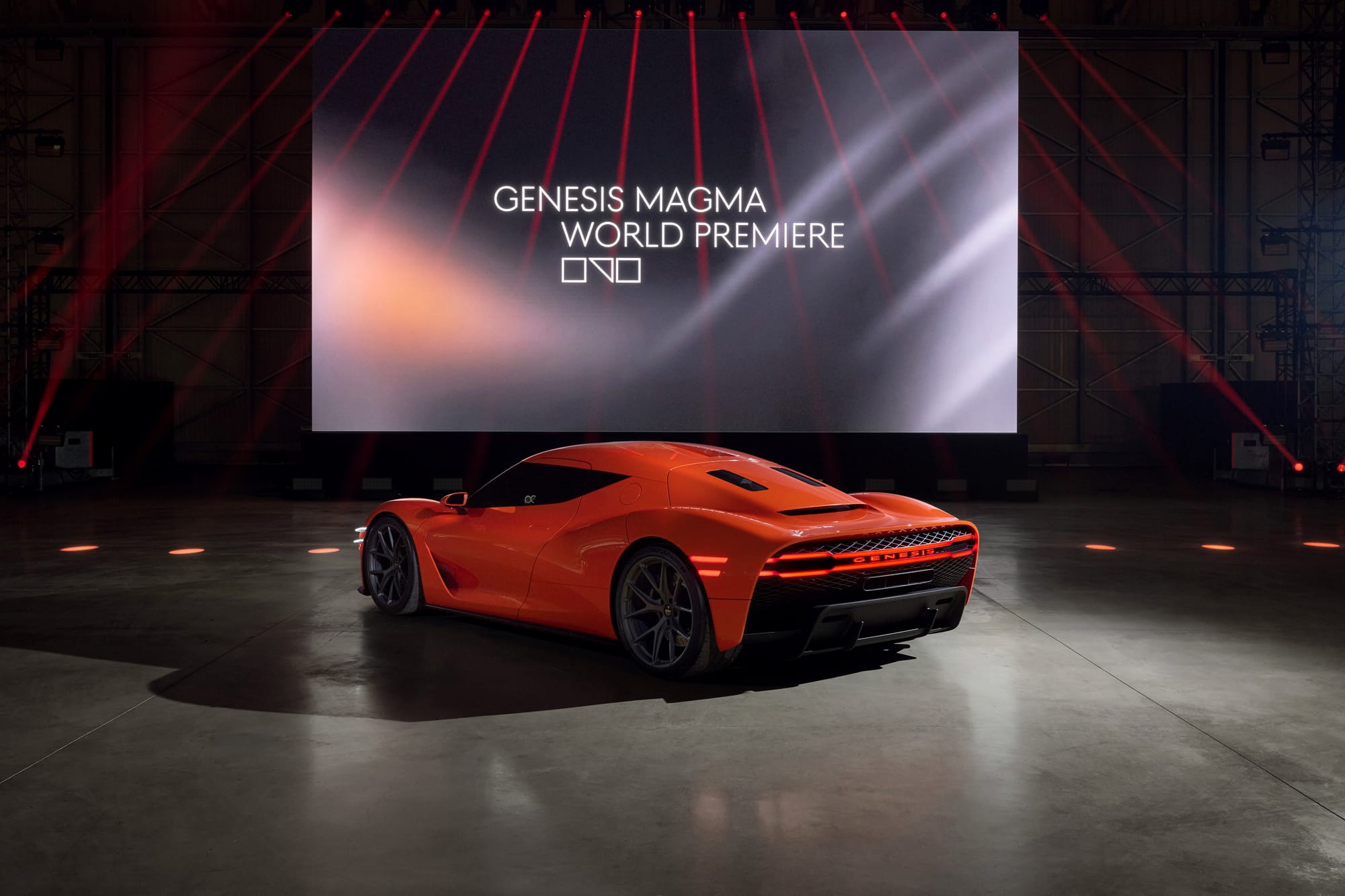
Genesis unveiled the Magma GT Concept, a mid engine V8 supercar that is more than an auto show fantasy. Built on an aluminum monocoque and linked directly to the brand’s new Le Mans hypercar program, it is planned as a GT3 homologation special and future halo road car. Low bonnet, boat tail cabin, big rear haunches, and the familiar two line light signature all signal that Genesis intends this to stand in the same mental row as the 911, 296, and Artura, not on a concept pedestal.
Genesis is using Magma GT as the moment it stops being “new luxury” and pivots into a high-performance brand. The car is positioned as a mid-engine V8 GT3 halo built around balance, refinement, and effortless control rather than brute aggression. It's a supercar that borrows its legitimacy from real motorsport, carries Genesis design language with confidence, and signals that the company is ready to stand in the same psychological space as Porsche, Ferrari, and McLaren.
The Breakdown
Genesis
Brand Positioning and Identity
Genesis is using Magma GT as the pivot point from “new luxury brand” to “luxury high performance brand.” It is framed as a halo supercar that defines the next decade of Genesis performance, rooted in GT racing, built around balance and refinement instead of chest beating. In their own language it is the pinnacle of “effortless performance,” meant to sit in the same imaginative space as a 911 or LFA level icon, but with a Korean luxury identity and its own V8 hardware.
Target Segment and Audience
The target is the buyer who can afford a Ferrari, McLaren, or high spec 911, but is open to a new name if the story and product feel serious. This is the enthusiast who follows WEC and GT3 broadcasts, knows what homologation means, and cares about how a car feels on a real road, not only at the Nürburgring. It also speaks to existing Genesis and Hyundai N fans who want a flagship that validates their early bet on the group.
Messaging and Storytelling
The messaging leans hard on “balance,” “connection,” and “effortless performance.” Genesis is telling a story where speed is a given and the real achievement is composure, precision, and the driver feeling instinctively in sync with the car. They keep repeating that the Magma GT does not ask you to prove your skill, it enhances it. That framing is deliberate, it moves the conversation from lap times to confidence and from intimidation to partnership.
Experience and Journey
The journey starts with spectacle at circuits and shows, then moves into endurance racing and finally into a road car that is meant to feel like a distilled version of that program. The intended experience is a supercar you can actually live with, one that is exotic in shape and hardware, yet calm enough that you want to drive it often. Genesis wants the customer to follow the story from Le Mans hypercar, to GT3, to the car in their garage, so ownership feels like joining a long game, not buying a one-off toy.
Genesis
Community and Culture Insight
Genesis is reading the supercar culture as a little tired of pure spec war escalation. There is a slice of the audience that loves competition but is burned out on thousand horsepower arms races and punishing track specials. Magma GT is aimed at the overlap between motorsport nerds and design driven luxury buyers, the people who want a car that can run GT3 but will mostly be used for fast road trips and cars and coffee, and who want their choice to signal taste and contrarian confidence.
Differentiation and Unique Selling Point
The differentiation is “mid engine V8 GT3 homologation special, tuned for refinement first.” Genesis is building its own turbo V8, linking it to the Le Mans hypercar, and promising a long product life with multiple variants, very intentionally echoing the 911 playbook. The unique selling point is a supercar that blends serious factory racing credentials with the brand’s calm, high touch luxury personality, instead of mimicking the aggression and drama playbook of Italian rivals.
Design Language
Magma GT stretches Genesis design cues over a proper supercar template. The two line light signature, boat tail cabin, low bonnet, and swollen rear arches are all doing double duty as aero tools and brand markers. The orange Magma palette, clean surfacing and emphasis on width and stance communicate athletic elegance rather than wild origami. It looks like a race bred object that still belongs in the same family as a G90, which is exactly the bridge Genesis needs this car to build.
Marketing Pitch
Magma GT is Genesis saying that the brand is grown up enough to have a poster car and serious enough to race it. It is not a show stand fantasy, it is a promise that the next chapter of Genesis will be written on real circuits and in the garages of people who used to default to a 911. The pitch is simple: if you want a supercar that comes from a hypercar program, feels like luxury, and treats your talent as something to amplify rather than test, this is the one.
Is It A Winning Pitch?
If Genesis builds this into a real GT3 and a real street car, is it a legit supercar or a composite homage?
 Genesis