
Eileen Gu & The Art of Marketing Arbitrage
When most athletes chase medals, Eileen Gu chased the market structure behind them. By leveraging geopolitical arbitrage, she moved her brand to where demand was highest and supply was lowest. Discover how she traded a crowded arena for a "monopoly of one" and built a $23M+ empire.

The Market Nobody Saw
Every market has a strange quirk: sometimes the most valuable move isn’t improving the product.
It’s changing the market you compete in.
Most Olympic athletes play a predictable game. They train hard. Win medals. Then collect endorsements from whatever brands happen to orbit their sport.
Eileen Gu looked at the same system and saw something else entirely. When most athletes chase medals, Eileen Gu chased the market structure behind them.
She saw a market gap hiding in plain sight.
Instead of competing inside the crowded ecosystem of American Olympic athletes, she repositioned herself into a space with almost no competition at all.
That move turned her from one skier among many into something much rarer: a monopoly of one.
The Arbitrage Marketing Play

In finance, arbitrage is simple. You exploit a price difference between two markets. Gu executed the cultural version.
Born and trained in the United States, she chose to represent China in international competition. On paper, it looked like a nationality decision.
In reality, it was a market positioning decision.
In the U.S., freeskiing is a niche sport with modest endorsement ceilings. Even a gold medalist rarely becomes a cultural superstar.
In China, the situation was completely different.
Ahead of the Beijing Winter Olympics, the Chinese government launched a national push to get 300 million citizens into winter sports.
They had infrastructure. They had investment. They had political will. What they didn’t have was a face. Gu stepped directly into that vacuum.
The Monopoly Effect
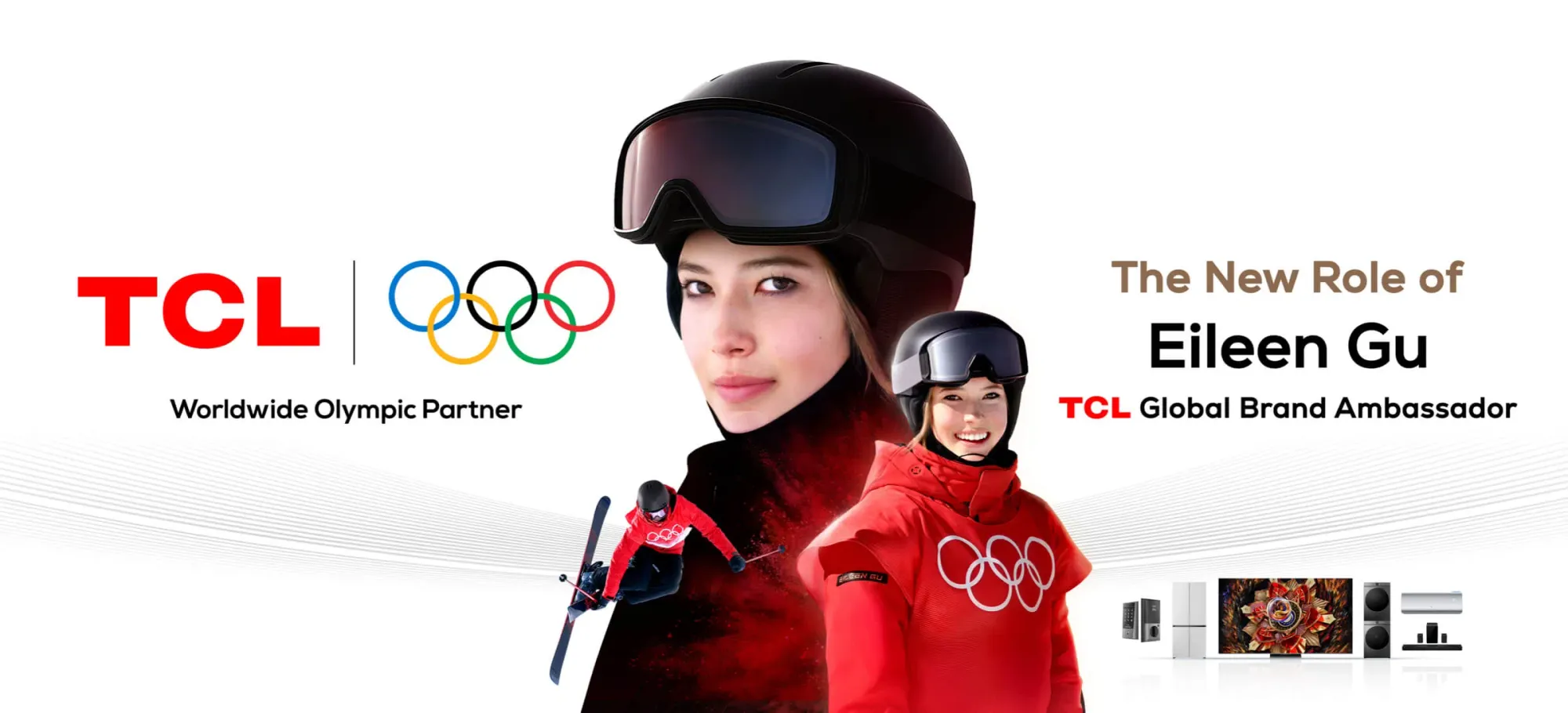
By representing China, she changed her competitive context overnight.
Instead of fighting for attention in the American Olympic ecosystem—where champions rotate every four years—she became the singular icon of an emerging national sport movement.
Scarcity did the rest.
She became the only athlete who could comfortably exist in two symbolic worlds at once:
• Western luxury culture
• Chinese national aspiration
That duality unlocked an endorsement portfolio that most athletes simply can’t access.
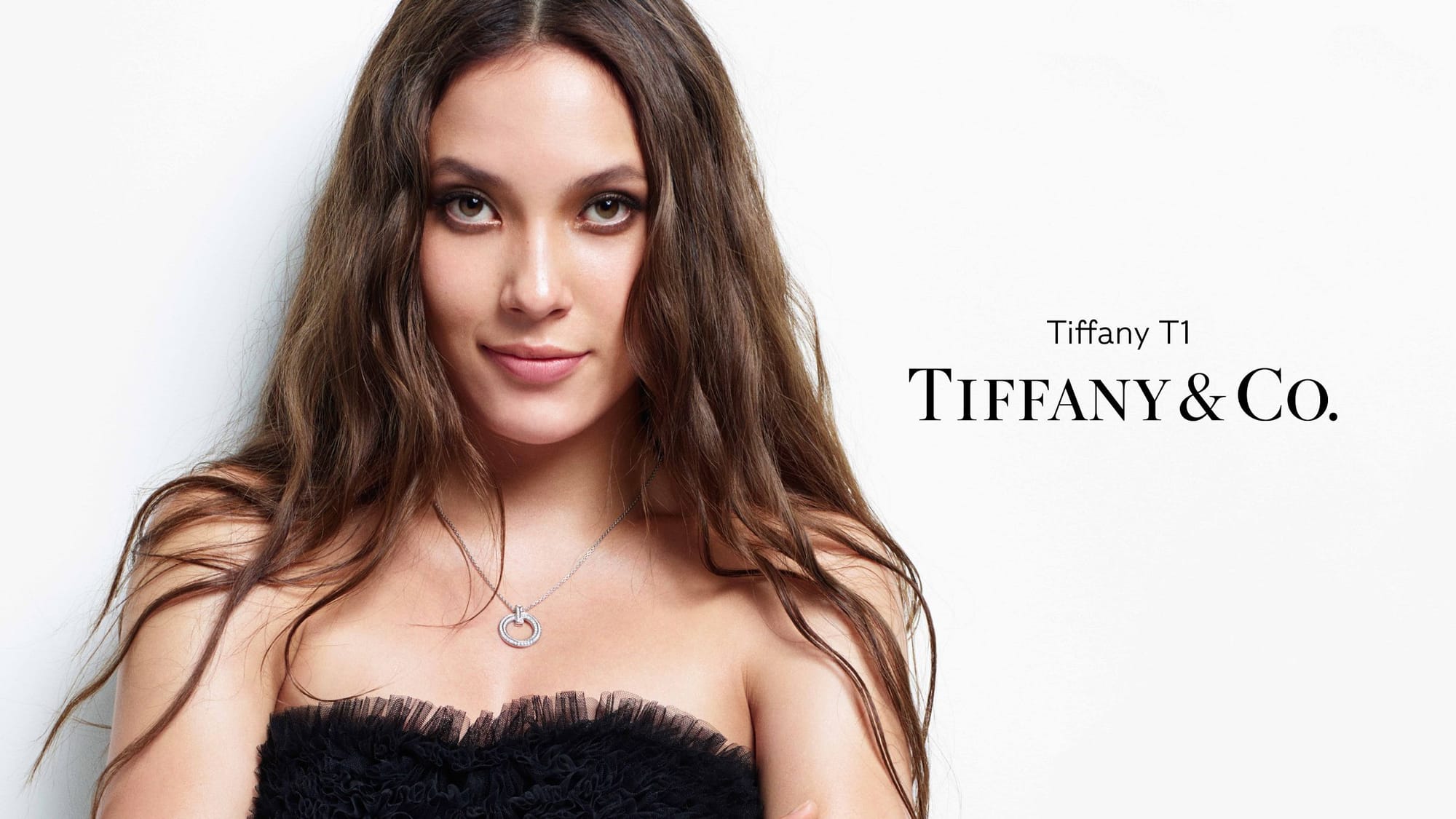
Luxury houses like Louis Vuitton and Tiffany & Co. could use her to connect with a young Chinese audience hungry for global status symbols. Luxury watchmakers like IWC have gone all in as well.
At the same time, Chinese corporate giants could present her as a national success story. She's modern, glamorous, and internationally credible.
Most athletes sell performance. Gu sells that, but the more important thing she sells is cultural translation.
The Real Business Model
If you look at her income structure, the strategy becomes obvious. Competitive skiing isn’t the business. It’s the R&D department.
| Revenue Source | Estimated Annual Value | % of Total |
|---|---|---|
| Endorsements / Modeling | ~$23,000,000 | 99.6% |
| Skiing Prize Money | ~$100,000 | 0.4% |
Medals validate the brand. The brand powers the revenue. She is the fourth highest paid female athlete globally. I have a feeling she maybe moving up the list.
In a typical year, nearly all of her earnings come from endorsements, modeling, and brand partnerships.
Prize money from skiing represents only a tiny fraction of the total. Athletic performance creates credibility. Credibility creates contracts. Contracts create the empire.
Timing the Window
Every strategic move depends on timing. Gu’s arrived during a very specific geopolitical moment.
In the run-up to the Beijing Winter Olympics, China quietly recruited dozens of foreign-born athletes through a naturalization program designed to accelerate competitiveness in winter sports.
Most recruits filled technical gaps in the roster. Gu was different. She had something far more valuable than just performance.
She had the triple-threat profile:
• Elite athletic ability
• Fluent Mandarin and cultural fluency
• High-fashion aesthetics compatible with luxury branding
That combination made her more than an athlete. She became a soft-power symbol. China gained a global-facing sports icon.
Gu gained access to a market with almost limitless endorsement upside.
The Eileen Gu Strategic Playbook
- Identify the Oversupplied Market: The U.S. Olympic market is saturated. Medals are expected; legends are common.
- Identify the Undersupplied Market: China had the infrastructure and the cash, but lacked a "home-grown" face for winter sports.
- Bridge the Gap: Use "Western-style" training and "Chinese-style" heritage to create a hybrid brand that appeals to global luxury. Brands like Tiffany & Co. use her to connect with Gen Z Chinese consumers who are increasingly nationalistic but still crave global status symbols.
- Operationalize the "Other": By being the "American-born Chinese girl," she standouts in both markets. In the US, she’s a controversial trailblazer; in China, she’s the prodigal daughter. Both drive engagement.
Extreme Differentiation
The real insight isn’t about sports. It’s about positioning. Most people try to become the best player in a crowded arena. The smarter move is often to change arenas entirely.
Gu didn’t just differentiate on skill. She differentiated on geography, identity, and narrative.
She moved her brand headquarters to the market where demand for a hero was highest. It also happened to be where the supply was lowest.
That’s not just differentiation, it's extreme differentiation. One that she turned into competitive advantage.
The Off Label Insight
Most marketers obsess over features, messaging, and creative. Those things matter. But sometimes the highest-leverage move is much simpler:
Choose the right market.
Because when the supply of heroes is low and the demand is enormous, the market does most of the work for you.
Eileen Gu didn’t just win medals. She created a category that is 1 of 1. A category she can only compete and exist in.
💡 OffLabel-015 | Geopolitical Arbitrage
Diagnosis: Identity, geography, and narrative can function like pricing gaps between markets. When exploited correctly, they create structural advantage.
Prescription: Find the market where your value is rare—not just where your skill is strong.
Strategic Medication: Category Repositioning, Cultural Arbitrage, Narrative Scarcity

