
Dell’s $2.5 Billion Mistake: The Return of XPS
Dell’s 2025 move to kill the "XPS" brand for "Dell Premium" backfired, erasing years of equity. By reviving the XPS name in 2026, Dell proved that even tech giants can’t ignore aspirational branding. Sometimes, "simplicity" just creates a void.
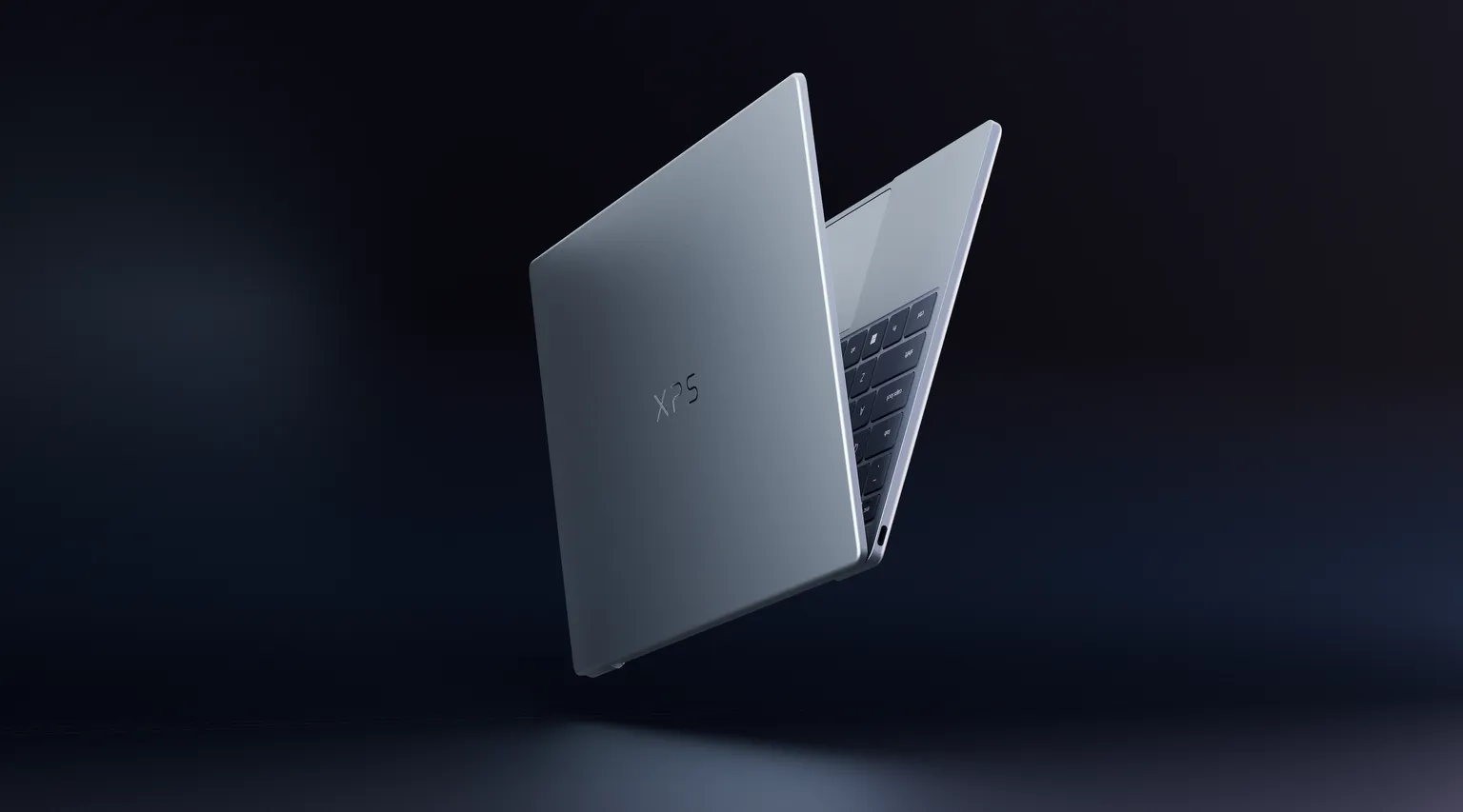
Bad Housekeeping
Quick Note: This article plays better with the volume on. Here's the soundtrack while you read.
In January 2025, Dell made what looked like a tidy decision.
They killed XPS.
Not the product. Just the name. The rationale was “simplification.” Cleaner tiers, fewer labels, and less noise. What they actually removed was the one mental handle people used to grab a hold of the brand.
It was housekeeping that turned into structural damage. XPS was discard like a stick pitching a tent when it was supporting marble column critical in holding up the Dell brand
For more than a decade, XPS functioned as an interface between Dell and aspiration. It was the place where Windows laptops stopped apologizing and started competing on confidence. Remove the interface and the system does not get simpler. It becomes unusable.
Dell move to streamline resulted in a short-circuit trust.
The “MacBook of Windows” Fallacy
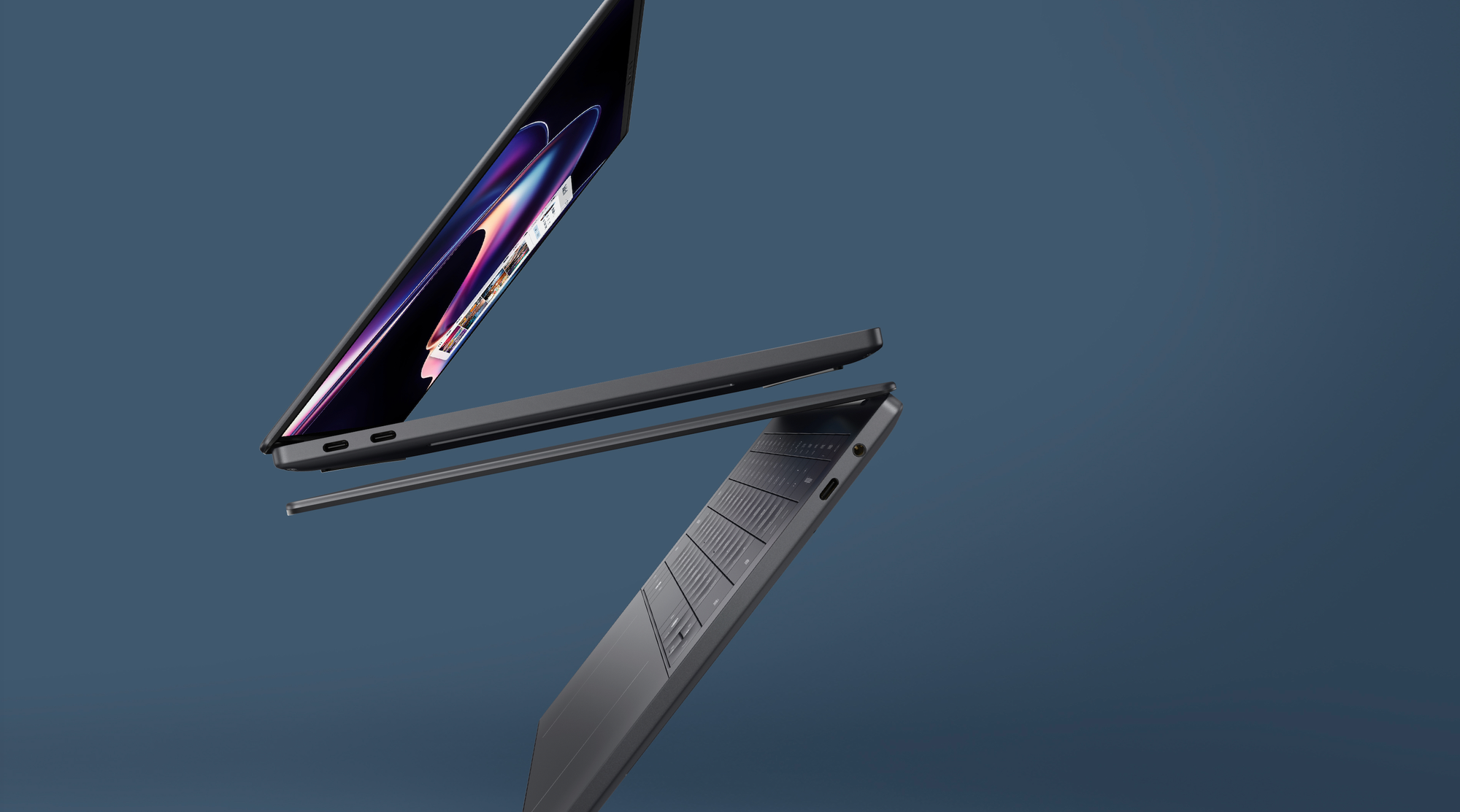
Every category gets one unofficial standard-bearer. Not the best on paper. The one people reference. For Windows laptops, that was XPS.
Let's make one thing clear: Dell didn't beat Apple at Apple’s game. It managed something rare by becoming a credible alternative on its own. XPS was not “just as good.” It was the Windows answer. The machine you named out loud when someone said, “I don’t want a Mac.”
By folding XPS into “Dell Premium,” Dell attempt to elevate the portfolio suffered greatly by demoted the only thing in it that carried myth. An aspirational brand became a spec tier. A noun became an adjective.
Simplification resulted in brand liquidation.
Confusing the Core
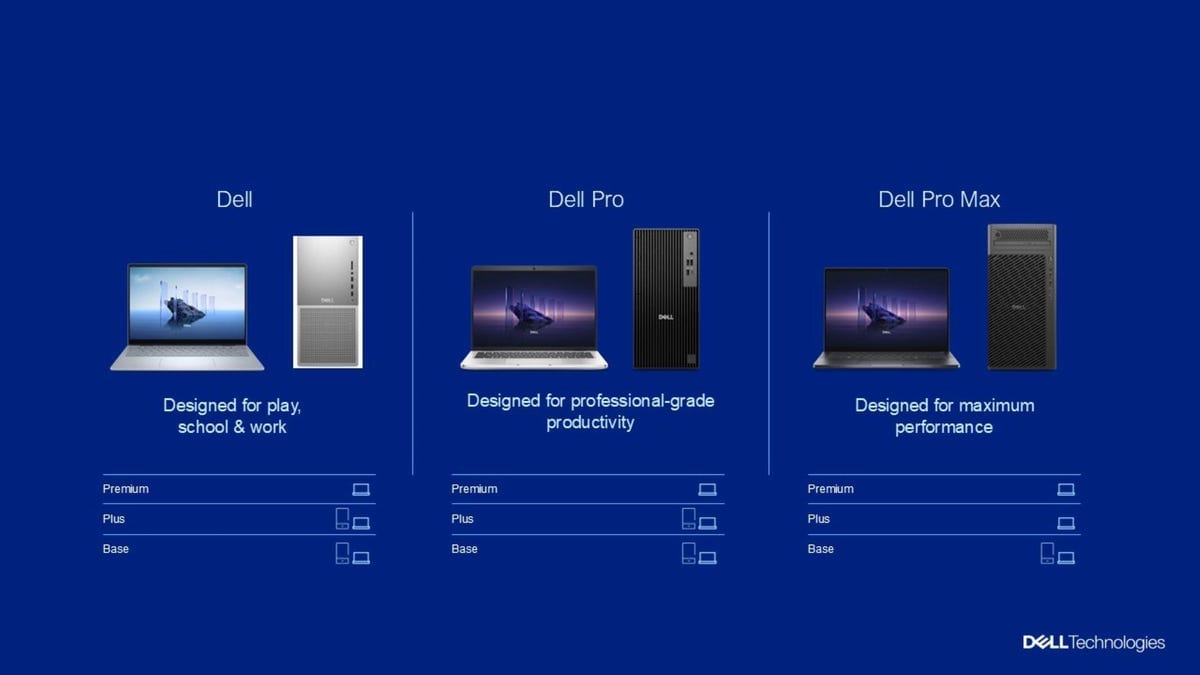
What replaced it?
A lineup that read like it was assembled by committee during an iPhone envy spiral.
Dell
Dell Pro
Dell Pro Max
Logical, maybe.
Memorable, no.
Desirable, absolutely not.
The XPS name did something none of these could. The moment you saw the name, you knew exactly what it was. Without it, Dell lost brand equity. In premium categories that can be lethal.
People buy flagship products to think harder about specs, features, or benefits. Those things are implied.
The Brand Power Blind Spot
Here is the miss that makes this unforgivable. In high-intent circles, XPS outperformed Dell itself.
Removing it created a vacuum. Markets hate vacuums.
While Dell was busy explaining “Premium,” competitors did not hesitate. HP leaned harder into Spectre. Lenovo doubled down on ThinkPad mythology. They did not rename their heroes. They sharpened them. The competition benefited from not having to reeducate consumers like Dell was.
The Resurrection Playbook
When Dell reversed course, they did not quietly reinstate the name and hope no one noticed. They went on tour. At CES 2026, senior leadership acknowledged the mistake publicly. The message was simple and disarming.
We did not listen. You were right.
That sentence did more brand repair than any campaign could.
Apologies mean nothing if the product keeps arguing with the customer. Dell backed the admission with physical corrections:
- Capacitive touch function keys were removed.
- Physical keys returned.
- Touchpads were reworked.
- The machines stopped trying to teach users new habits.
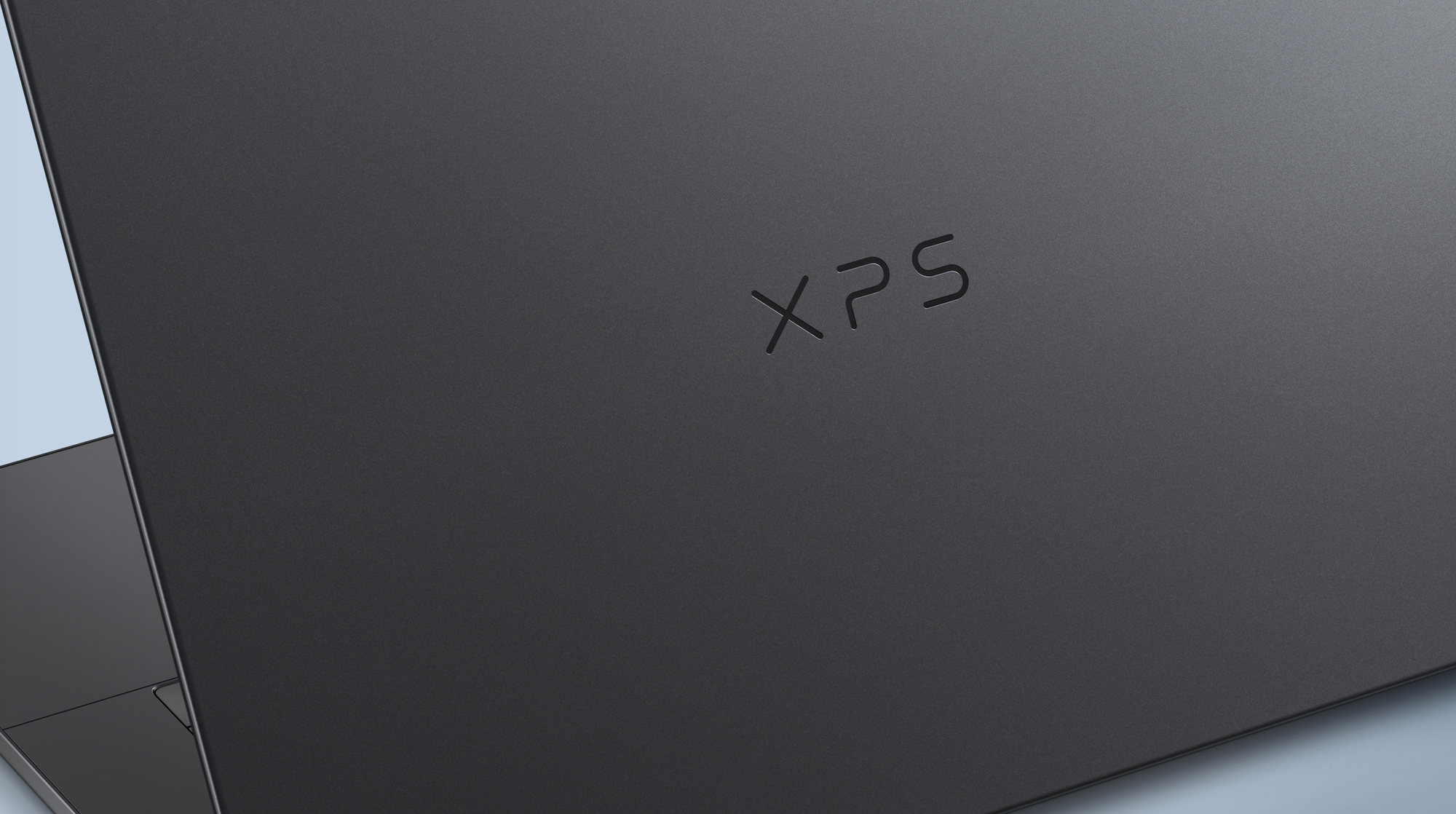
Finally, they the XPS logo returned to the center of the lid. A move that showed a doubling down on re-commitment to everything XPS.
This told the market everything it needed to know. They stopped dismissing enthusiast feedback as niche noise. This is something brands don't so as much as they should.
The vocal minority has always been the advance scouting unit. They are your power users, your biggest fans, the ones who tell other people to buy your product. When something is a miss, they notice first. Well before the mainstream picks up on it.
Ignoring them exposes a brand's hubris. That has a tendency to turn delayed awareness into market deafness.
Understanding the Power of a Halo Product
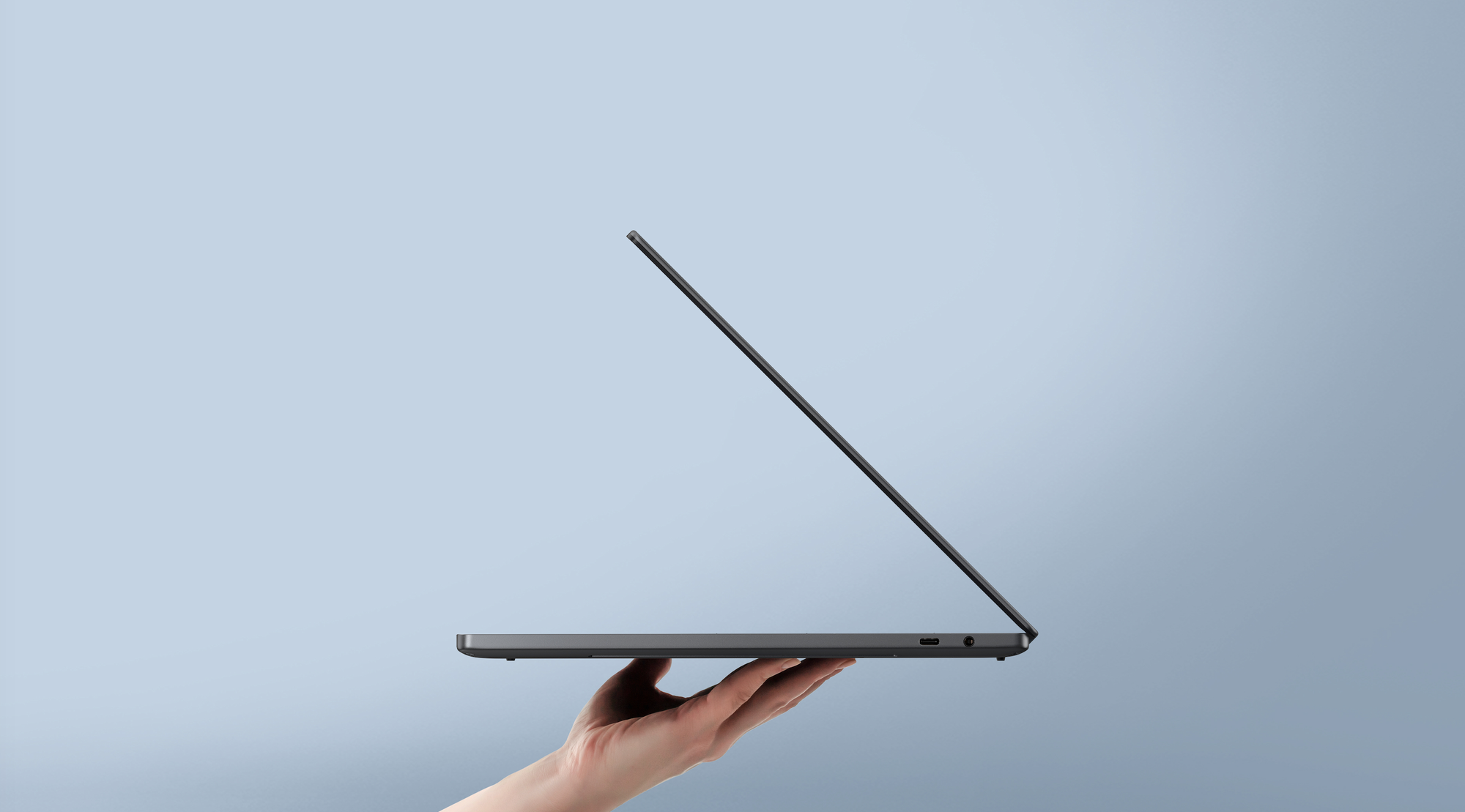
XPS is a a Halo product line. The halo performs three quiet jobs that never show up in feature matrices.
First, it anchors aspiration.
People might not buy it, but they want to want it.
Second, it simplifies choice.
One flagship makes the rest of the lineup legible by contrast.
Third, it carries permission.
It reassures the buyer that the brand knows what excellence looks like, even if they are purchasing the entry-level version.
XPS did all three.
Here is the rule Dell relearned the expensive way. Never sacrifice your halo for lineup symmetry. A portfolio that reads cleanly on a slide but fails to create desire will lose to a messy lineup anchored by one object of status.
You can explain logic. You can explain meaning. You need to have both. What's so logical about removing what a product means to your customers? There isn't much.
Off Label Prescription
Before you simplify, ask one question honestly: Is this name decorative, or is it doing work on your behalf?
If it is doing work, leave it alone.
If it is carrying aspiration, protect it.
If it is acting as a reference point for the entire category, build around it.
They say don't remove a fence until you understand what it does. When it comes to brand equity, don't remove the brand name until you understand what it means.
💡 OffLabel-014 | Brand Resurrection
Diagnosis: Dell mistook a halo for a label. In the name of simplification, they amputated their aspiration engine. XPS wasn’t a SKU—it was myth infrastructure. Remove the myth, and the portfolio collapses into specs.
Prescription: Never streamline away your symbol of excellence. Protect the noun. Sharpen the hero. Build clarity around it—not instead of it.
Strategic Medication: Halo Preservation Doctrine, Myth Over Matrix Strategy, Enthusiast Early-Warning System [Provisional]

